

SUBSCRIBE TO OUR FREE NEWSLETTER
Daily news & progressive opinion—funded by the people, not the corporations—delivered straight to your inbox.
5
#000000
#FFFFFF
To donate by check, phone, or other method, see our More Ways to Give page.
Daily news & progressive opinion—funded by the people, not the corporations—delivered straight to your inbox.
"Oxfam believes billionaires are a sign of broken economic system and that extreme wealth should be ended," the international anti-poverty group said Monday. "We believe the world would be a better place if there were a lot less billionaires and a lot more nurses." (Image: Oxfam International)
"Abolish billionaires."
That was the simple yet far-reaching message projected Saturday night onto the empty conference center in Davos, Switzerland where the World Economic Forum (WEF) usually meets during the annual summit of the world's financial and governing elite.
"We are facing the biggest single rise in inequality since the Great Depression while the 1% make massive profits and increase their wealth. We want a People's Recovery Plan--a set of radically different responses from governments that work for people and the planet." --Jenny Ricks, Fight Inequality Alliance"Davos is a symbol of a failed era," said Jenny Ricks, global convenor for the Fight Inequality Alliance, which--along with the local Swiss group Campax--organized the isolated protest in the midst of the global coronavirus pandemic.
While the traditional, lavish summit in Davos is being conducted largely online this year due to Covid-19 health restrictions, critics said the gathering of global elites is not where the world should look for just solutions.
The weekend action, said Ricks, "shows us where real change will come from--people on the frontlines of inequality, not the 1% who benefit from the current system. It is time to abolish billionaires."
"The pandemic has laid bare and supercharged the systemic inequalities we are fighting more blatantly than ever," she added. "We are facing the biggest single rise in inequality since the Great Depression while the 1% make massive profits and increase their wealth. We want a People's Recovery Plan--a set of radically different responses from governments that work for people and the planet."
The projection featured young activists from Kenya, the Philippines, Mexico, and the United Kingdom who lifted up the call for a "People's Recovery Plan"--a set of demands, the organizers explained, designed "to combat the spiraling inequality experienced during the pandemic and achieve the systemic change that people on the frontlines of inequality are demanding."
The weekend demonstration was part of the kickoff for the global #FightInequality campaign that will run through the end of January with coordinated actions in approximately 30 countries calling for a just and more equitable public health response and an economic program that gets to the root of pervasive injustice. Specifically, the groups behind the campaign and the "People's Recovery Plan" are calling for:
"The pandemic has shown us that we do indeed need a new start," said Armelle Ako, a campaigner at Campax. "If it was not clear before, it is now. But it is important that the new start does not follow old patterns. Environmental and social justice must be a foundation for our society. We need to get this message across clearly."
The action over the weekend in Davos represents the growing international anger directed at the long-existing and grotesque economic inequality that has only been made more starkly evident by the Covid-19 pandemic--a dynamic captured in excruciating detail in a new report issued Monday by Oxfam International.
Titled "The Inequality Virus," the new report reveals that while over two million people have thus far died from the virus--and hundreds of millions of people are being forced into poverty--the world's very richest people and most powerful corporations are enjoying record profits and increased wealth. While the fortunes of the billionaires of the world have skyrocketed, returning to or even exceeding their pre-pandemic highs in just nine months, the study warns that economic recovery for the world's poorest could take over a decade.
"We stand to witness the greatest rise in inequality since records began," said Gabriela Bucher, executive director of Oxfam International, in a statement. "The deep divide between the rich and poor is proving as deadly as the virus."
"Rigged economies are funneling wealth to a rich elite who are riding out the pandemic in luxury," she added, "while those on the frontline of the pandemic--shop assistants, healthcare workers, and market vendors--are struggling to pay the bills and put food on the table."
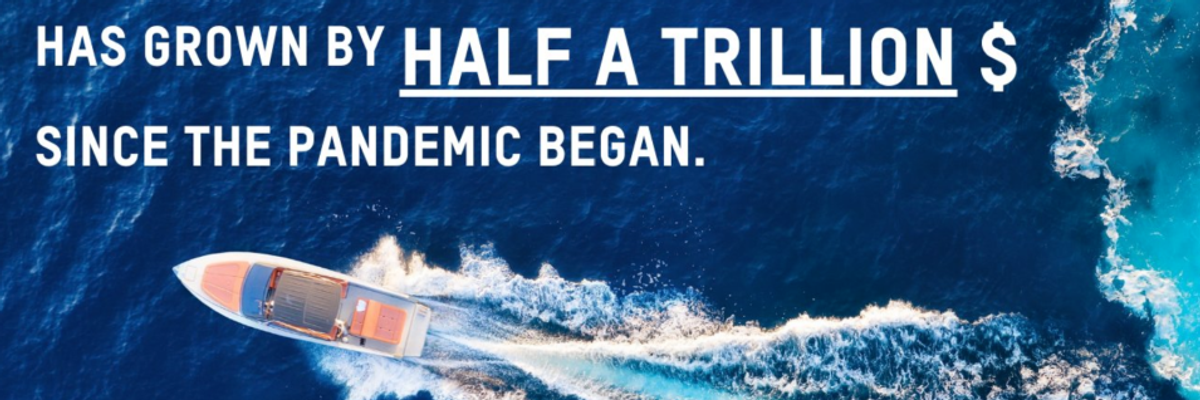
"The world's ten richest men," Oxfam noted, "have seen their combined wealth increase by half a trillion dollars since the pandemic began--more than enough to pay for a COVID-19 vaccine for everyone and to ensure no one is pushed into poverty by the pandemic."
According to Oxfam:
Billionaires fortunes rebounded as stock markets recovered despite continued recession in the real economy. Their total wealth hit $11.95 trillion in December 2020, equivalent to G20 governments' total Covid-19 recovery spending. The road to recovery will be much longer for people who were already struggling pre-Covid-19. When the virus struck over half of workers in poor countries were living in poverty, and three-quarters of workers globally had no access to social protections like sick pay or unemployment benefits.
"Extreme inequality is not inevitable, but a policy choice," added Bucher. "Governments around the world must seize this opportunity to build more equal, more inclusive economies that end poverty and protect the planet."
In a blog post publish Monday answering key questions generated by their new report, the group addressed whether or not it supports the idea of abolishing billionaires.
"Oxfam believes billionaires are a sign of broken economic system and that extreme wealth should be ended," it stated. "We believe the world would be a better place if there were a lot less billionaires and a lot more nurses."
Dear Common Dreams reader, It’s been nearly 30 years since I co-founded Common Dreams with my late wife, Lina Newhouser. We had the radical notion that journalism should serve the public good, not corporate profits. It was clear to us from the outset what it would take to build such a project. No paid advertisements. No corporate sponsors. No millionaire publisher telling us what to think or do. Many people said we wouldn't last a year, but we proved those doubters wrong. Together with a tremendous team of journalists and dedicated staff, we built an independent media outlet free from the constraints of profits and corporate control. Our mission has always been simple: To inform. To inspire. To ignite change for the common good. Building Common Dreams was not easy. Our survival was never guaranteed. When you take on the most powerful forces—Wall Street greed, fossil fuel industry destruction, Big Tech lobbyists, and uber-rich oligarchs who have spent billions upon billions rigging the economy and democracy in their favor—the only bulwark you have is supporters who believe in your work. But here’s the urgent message from me today. It's never been this bad out there. And it's never been this hard to keep us going. At the very moment Common Dreams is most needed, the threats we face are intensifying. We need your support now more than ever. We don't accept corporate advertising and never will. We don't have a paywall because we don't think people should be blocked from critical news based on their ability to pay. Everything we do is funded by the donations of readers like you. When everyone does the little they can afford, we are strong. But if that support retreats or dries up, so do we. Will you donate now to make sure Common Dreams not only survives but thrives? —Craig Brown, Co-founder |
"Abolish billionaires."
That was the simple yet far-reaching message projected Saturday night onto the empty conference center in Davos, Switzerland where the World Economic Forum (WEF) usually meets during the annual summit of the world's financial and governing elite.
"We are facing the biggest single rise in inequality since the Great Depression while the 1% make massive profits and increase their wealth. We want a People's Recovery Plan--a set of radically different responses from governments that work for people and the planet." --Jenny Ricks, Fight Inequality Alliance"Davos is a symbol of a failed era," said Jenny Ricks, global convenor for the Fight Inequality Alliance, which--along with the local Swiss group Campax--organized the isolated protest in the midst of the global coronavirus pandemic.
While the traditional, lavish summit in Davos is being conducted largely online this year due to Covid-19 health restrictions, critics said the gathering of global elites is not where the world should look for just solutions.
The weekend action, said Ricks, "shows us where real change will come from--people on the frontlines of inequality, not the 1% who benefit from the current system. It is time to abolish billionaires."
"The pandemic has laid bare and supercharged the systemic inequalities we are fighting more blatantly than ever," she added. "We are facing the biggest single rise in inequality since the Great Depression while the 1% make massive profits and increase their wealth. We want a People's Recovery Plan--a set of radically different responses from governments that work for people and the planet."
The projection featured young activists from Kenya, the Philippines, Mexico, and the United Kingdom who lifted up the call for a "People's Recovery Plan"--a set of demands, the organizers explained, designed "to combat the spiraling inequality experienced during the pandemic and achieve the systemic change that people on the frontlines of inequality are demanding."
The weekend demonstration was part of the kickoff for the global #FightInequality campaign that will run through the end of January with coordinated actions in approximately 30 countries calling for a just and more equitable public health response and an economic program that gets to the root of pervasive injustice. Specifically, the groups behind the campaign and the "People's Recovery Plan" are calling for:
"The pandemic has shown us that we do indeed need a new start," said Armelle Ako, a campaigner at Campax. "If it was not clear before, it is now. But it is important that the new start does not follow old patterns. Environmental and social justice must be a foundation for our society. We need to get this message across clearly."
The action over the weekend in Davos represents the growing international anger directed at the long-existing and grotesque economic inequality that has only been made more starkly evident by the Covid-19 pandemic--a dynamic captured in excruciating detail in a new report issued Monday by Oxfam International.
Titled "The Inequality Virus," the new report reveals that while over two million people have thus far died from the virus--and hundreds of millions of people are being forced into poverty--the world's very richest people and most powerful corporations are enjoying record profits and increased wealth. While the fortunes of the billionaires of the world have skyrocketed, returning to or even exceeding their pre-pandemic highs in just nine months, the study warns that economic recovery for the world's poorest could take over a decade.
"We stand to witness the greatest rise in inequality since records began," said Gabriela Bucher, executive director of Oxfam International, in a statement. "The deep divide between the rich and poor is proving as deadly as the virus."
"Rigged economies are funneling wealth to a rich elite who are riding out the pandemic in luxury," she added, "while those on the frontline of the pandemic--shop assistants, healthcare workers, and market vendors--are struggling to pay the bills and put food on the table."
"The world's ten richest men," Oxfam noted, "have seen their combined wealth increase by half a trillion dollars since the pandemic began--more than enough to pay for a COVID-19 vaccine for everyone and to ensure no one is pushed into poverty by the pandemic."
According to Oxfam:
Billionaires fortunes rebounded as stock markets recovered despite continued recession in the real economy. Their total wealth hit $11.95 trillion in December 2020, equivalent to G20 governments' total Covid-19 recovery spending. The road to recovery will be much longer for people who were already struggling pre-Covid-19. When the virus struck over half of workers in poor countries were living in poverty, and three-quarters of workers globally had no access to social protections like sick pay or unemployment benefits.
"Extreme inequality is not inevitable, but a policy choice," added Bucher. "Governments around the world must seize this opportunity to build more equal, more inclusive economies that end poverty and protect the planet."
In a blog post publish Monday answering key questions generated by their new report, the group addressed whether or not it supports the idea of abolishing billionaires.
"Oxfam believes billionaires are a sign of broken economic system and that extreme wealth should be ended," it stated. "We believe the world would be a better place if there were a lot less billionaires and a lot more nurses."
"Abolish billionaires."
That was the simple yet far-reaching message projected Saturday night onto the empty conference center in Davos, Switzerland where the World Economic Forum (WEF) usually meets during the annual summit of the world's financial and governing elite.
"We are facing the biggest single rise in inequality since the Great Depression while the 1% make massive profits and increase their wealth. We want a People's Recovery Plan--a set of radically different responses from governments that work for people and the planet." --Jenny Ricks, Fight Inequality Alliance"Davos is a symbol of a failed era," said Jenny Ricks, global convenor for the Fight Inequality Alliance, which--along with the local Swiss group Campax--organized the isolated protest in the midst of the global coronavirus pandemic.
While the traditional, lavish summit in Davos is being conducted largely online this year due to Covid-19 health restrictions, critics said the gathering of global elites is not where the world should look for just solutions.
The weekend action, said Ricks, "shows us where real change will come from--people on the frontlines of inequality, not the 1% who benefit from the current system. It is time to abolish billionaires."
"The pandemic has laid bare and supercharged the systemic inequalities we are fighting more blatantly than ever," she added. "We are facing the biggest single rise in inequality since the Great Depression while the 1% make massive profits and increase their wealth. We want a People's Recovery Plan--a set of radically different responses from governments that work for people and the planet."
The projection featured young activists from Kenya, the Philippines, Mexico, and the United Kingdom who lifted up the call for a "People's Recovery Plan"--a set of demands, the organizers explained, designed "to combat the spiraling inequality experienced during the pandemic and achieve the systemic change that people on the frontlines of inequality are demanding."
The weekend demonstration was part of the kickoff for the global #FightInequality campaign that will run through the end of January with coordinated actions in approximately 30 countries calling for a just and more equitable public health response and an economic program that gets to the root of pervasive injustice. Specifically, the groups behind the campaign and the "People's Recovery Plan" are calling for:
"The pandemic has shown us that we do indeed need a new start," said Armelle Ako, a campaigner at Campax. "If it was not clear before, it is now. But it is important that the new start does not follow old patterns. Environmental and social justice must be a foundation for our society. We need to get this message across clearly."
The action over the weekend in Davos represents the growing international anger directed at the long-existing and grotesque economic inequality that has only been made more starkly evident by the Covid-19 pandemic--a dynamic captured in excruciating detail in a new report issued Monday by Oxfam International.
Titled "The Inequality Virus," the new report reveals that while over two million people have thus far died from the virus--and hundreds of millions of people are being forced into poverty--the world's very richest people and most powerful corporations are enjoying record profits and increased wealth. While the fortunes of the billionaires of the world have skyrocketed, returning to or even exceeding their pre-pandemic highs in just nine months, the study warns that economic recovery for the world's poorest could take over a decade.
"We stand to witness the greatest rise in inequality since records began," said Gabriela Bucher, executive director of Oxfam International, in a statement. "The deep divide between the rich and poor is proving as deadly as the virus."
"Rigged economies are funneling wealth to a rich elite who are riding out the pandemic in luxury," she added, "while those on the frontline of the pandemic--shop assistants, healthcare workers, and market vendors--are struggling to pay the bills and put food on the table."
"The world's ten richest men," Oxfam noted, "have seen their combined wealth increase by half a trillion dollars since the pandemic began--more than enough to pay for a COVID-19 vaccine for everyone and to ensure no one is pushed into poverty by the pandemic."
According to Oxfam:
Billionaires fortunes rebounded as stock markets recovered despite continued recession in the real economy. Their total wealth hit $11.95 trillion in December 2020, equivalent to G20 governments' total Covid-19 recovery spending. The road to recovery will be much longer for people who were already struggling pre-Covid-19. When the virus struck over half of workers in poor countries were living in poverty, and three-quarters of workers globally had no access to social protections like sick pay or unemployment benefits.
"Extreme inequality is not inevitable, but a policy choice," added Bucher. "Governments around the world must seize this opportunity to build more equal, more inclusive economies that end poverty and protect the planet."
In a blog post publish Monday answering key questions generated by their new report, the group addressed whether or not it supports the idea of abolishing billionaires.
"Oxfam believes billionaires are a sign of broken economic system and that extreme wealth should be ended," it stated. "We believe the world would be a better place if there were a lot less billionaires and a lot more nurses."

