

CAPE TOWN - On Sunday, November 6, thousands of people encircled the White House as part of the ongoing effort to press US President Barack Obama to stop the Keystone XL pipeline. If the nearly 1,700-mile pipeline were to be built, it would run from the tar sands of Alberta, Canada, through the heartland of the US, all the way to the Texas coast on the Gulf of Mexico. Should the project go ahead, Obama will have made one of the single most disastrous decisions of his presidency concerning climate change and the very future of our planet.
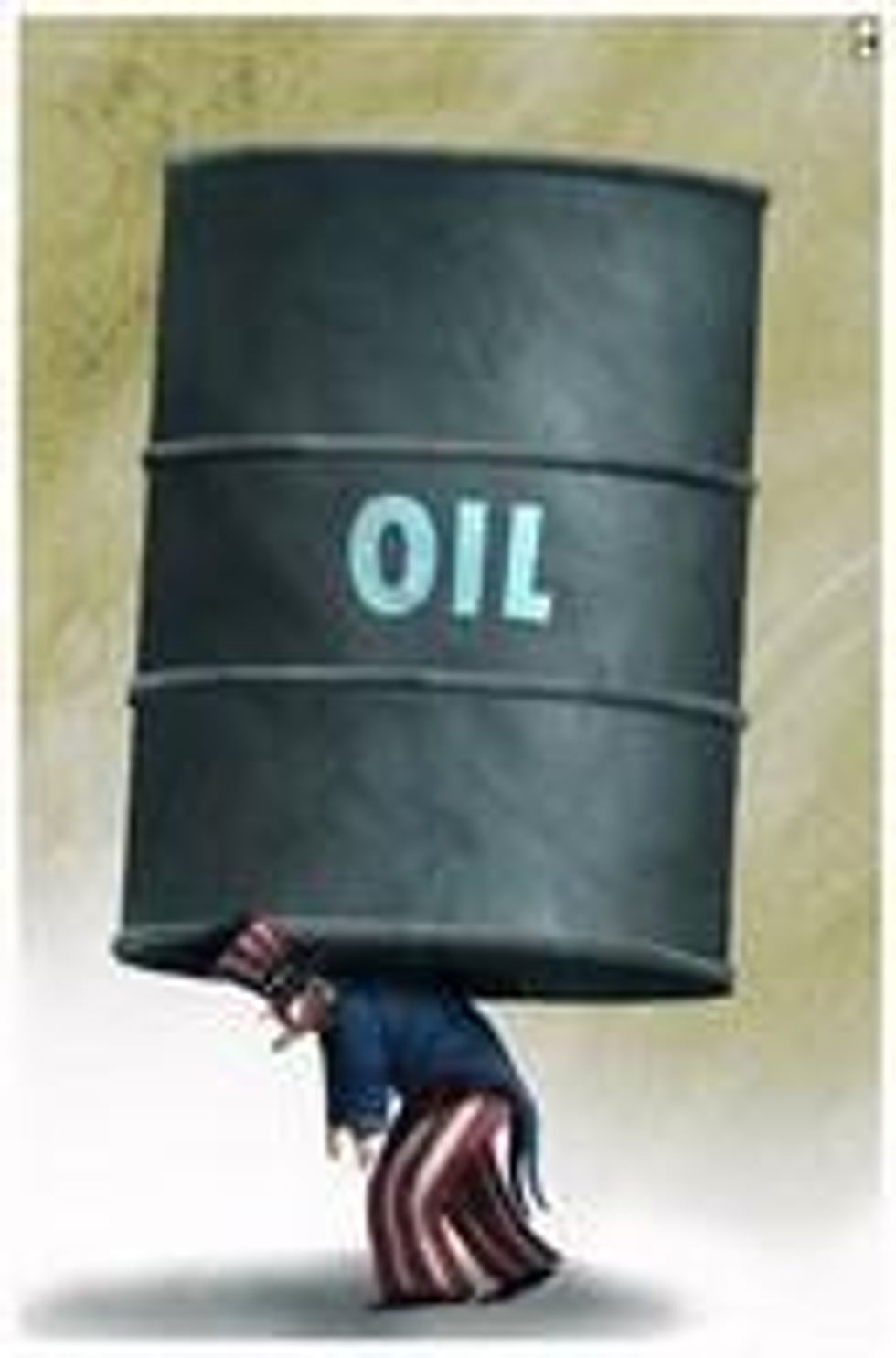
In August, some 1,250 people were arrested in front of the White House while protesting against Keystone. One of them was James Hanson, director of the NASA Goddard Institute for Space Studies, who has been studying for decades the impact of fossil fuels on the environment. Hanson argues that the pipeline would sound the death knell for the world's climate. Oil from the tar sands of Alberta is the dirtiest in the world, and its extraction is already causing problems. If Keystone is built, there will be increased efforts to expand oil production there, making a bad situation much worse.
Opposition to the pipeline throughout the US is growing in intensity - from the activists arrested in Washington, DC, to the governor of Nebraska, who is seeking state legislation to stop the pipeline from running through America's biggest aquifer, to members of the US Congress, who have petitioned Obama about the project. The outpouring of opposition surprised the oil industry, its highly paid lobbyists, and especially TransCanada Corporation, which would build the pipeline. So, like many huge corporations facing public criticism, they and their allies are responding with a dubious new marketing effort.
The pipeline's defenders proclaim that Canadian oil is "ethical," whereas oil from suspect countries is "unethical." US Senator Lindsey Graham, a Republican from South Carolina, has picked up on the theme. "We have a supply [of oil] to our north that, to me, is just like finding it in America," he said. "Dirty oil is buying oil from someone who takes the money and sponsors terrorism and tries to make the world a dark and sinister place to live."
Graham points to Venezuela and Iran as producers of "dirty" oil thus defined. Presumably, his list should also include America's long-time ally Saudi Arabia. In fact, that is precisely what the industry's "ethical oil" campaign is suggesting: by continuing to acquire dirty oil from Saudi Arabia rather than from Canada, the US supports the Saudis' oppression of women.
The situation of women in Saudi Arabia is obviously unacceptable, but it is deeply disturbing that the oil industry is exploiting the issue of women's rights in order to shift the discussion away from fossil fuel and climate change. Neither their tactics nor their tar sands are ethical.
The claim that Alberta's fossil fuels are "ethical" because Canada is a friend is a specious ploy aimed at perpetuating the world's addiction to fossil fuels. There is no such thing as ethical fossil fuel, regardless of geographical origin. The ethical choice is to move as quickly as possible away from fossil fuels, period.
Time, research, and money must be devoted to finding clean, renewable, and sustainable alternatives to fossil fuels. But it takes consistent and committed leadership to make that happen. And that brings us back to the Keystone XL pipeline.
Obama campaigned and was elected in part on a pledge to address climate change. He spoke of seas that would stop rising, and of shifting the US away from fossil fuels to new sources of clean energy. He now has the opportunity to make good on those promises by stopping the Keystone XL pipeline.
Along with fellow Nobel laureates Betty Williams, Mairead Maguire, Adolfo Perez Esquivel, Rigoberta Menchu Tum, Jose Ramos Horta, Shirin Ebadi, and the Dalai Lama, we have raised our voices in an open letter to Obama, calling upon him to make the right choice. All of the signatories support those who encircled the White House on November 6 to protest the pipeline. The only ethical choice on this question is one that supports clean, renewable energy - and that rejects continued addiction to fossil fuels.
Along with fellow Nobel laureates Betty Williams, Mairead Maguire, Adolfo Perez Esquivel, Rigoberta Menchu Tum, Jose Ramos Horta, Shirin Ebadi, and the Dalai Lama, we have raised our voices in an open letter to Obama, calling upon him to make the right choice. All of the signatories support those who encircled the White House on November 6 to protest the pipeline. The only ethical choice on this question is one that supports clean, renewable energy - and that rejects continued addiction to fossil fuels.
CAPE TOWN - On Sunday, November 6, thousands of people encircled the White House as part of the ongoing effort to press US President Barack Obama to stop the Keystone XL pipeline. If the nearly 1,700-mile pipeline were to be built, it would run from the tar sands of Alberta, Canada, through the heartland of the US, all the way to the Texas coast on the Gulf of Mexico. Should the project go ahead, Obama will have made one of the single most disastrous decisions of his presidency concerning climate change and the very future of our planet.
In August, some 1,250 people were arrested in front of the White House while protesting against Keystone. One of them was James Hanson, director of the NASA Goddard Institute for Space Studies, who has been studying for decades the impact of fossil fuels on the environment. Hanson argues that the pipeline would sound the death knell for the world's climate. Oil from the tar sands of Alberta is the dirtiest in the world, and its extraction is already causing problems. If Keystone is built, there will be increased efforts to expand oil production there, making a bad situation much worse.
Opposition to the pipeline throughout the US is growing in intensity - from the activists arrested in Washington, DC, to the governor of Nebraska, who is seeking state legislation to stop the pipeline from running through America's biggest aquifer, to members of the US Congress, who have petitioned Obama about the project. The outpouring of opposition surprised the oil industry, its highly paid lobbyists, and especially TransCanada Corporation, which would build the pipeline. So, like many huge corporations facing public criticism, they and their allies are responding with a dubious new marketing effort.
The pipeline's defenders proclaim that Canadian oil is "ethical," whereas oil from suspect countries is "unethical." US Senator Lindsey Graham, a Republican from South Carolina, has picked up on the theme. "We have a supply [of oil] to our north that, to me, is just like finding it in America," he said. "Dirty oil is buying oil from someone who takes the money and sponsors terrorism and tries to make the world a dark and sinister place to live."
Graham points to Venezuela and Iran as producers of "dirty" oil thus defined. Presumably, his list should also include America's long-time ally Saudi Arabia. In fact, that is precisely what the industry's "ethical oil" campaign is suggesting: by continuing to acquire dirty oil from Saudi Arabia rather than from Canada, the US supports the Saudis' oppression of women.
The situation of women in Saudi Arabia is obviously unacceptable, but it is deeply disturbing that the oil industry is exploiting the issue of women's rights in order to shift the discussion away from fossil fuel and climate change. Neither their tactics nor their tar sands are ethical.
The claim that Alberta's fossil fuels are "ethical" because Canada is a friend is a specious ploy aimed at perpetuating the world's addiction to fossil fuels. There is no such thing as ethical fossil fuel, regardless of geographical origin. The ethical choice is to move as quickly as possible away from fossil fuels, period.
Time, research, and money must be devoted to finding clean, renewable, and sustainable alternatives to fossil fuels. But it takes consistent and committed leadership to make that happen. And that brings us back to the Keystone XL pipeline.
Obama campaigned and was elected in part on a pledge to address climate change. He spoke of seas that would stop rising, and of shifting the US away from fossil fuels to new sources of clean energy. He now has the opportunity to make good on those promises by stopping the Keystone XL pipeline.
Along with fellow Nobel laureates Betty Williams, Mairead Maguire, Adolfo Perez Esquivel, Rigoberta Menchu Tum, Jose Ramos Horta, Shirin Ebadi, and the Dalai Lama, we have raised our voices in an open letter to Obama, calling upon him to make the right choice. All of the signatories support those who encircled the White House on November 6 to protest the pipeline. The only ethical choice on this question is one that supports clean, renewable energy - and that rejects continued addiction to fossil fuels.
Along with fellow Nobel laureates Betty Williams, Mairead Maguire, Adolfo Perez Esquivel, Rigoberta Menchu Tum, Jose Ramos Horta, Shirin Ebadi, and the Dalai Lama, we have raised our voices in an open letter to Obama, calling upon him to make the right choice. All of the signatories support those who encircled the White House on November 6 to protest the pipeline. The only ethical choice on this question is one that supports clean, renewable energy - and that rejects continued addiction to fossil fuels.
CAPE TOWN - On Sunday, November 6, thousands of people encircled the White House as part of the ongoing effort to press US President Barack Obama to stop the Keystone XL pipeline. If the nearly 1,700-mile pipeline were to be built, it would run from the tar sands of Alberta, Canada, through the heartland of the US, all the way to the Texas coast on the Gulf of Mexico. Should the project go ahead, Obama will have made one of the single most disastrous decisions of his presidency concerning climate change and the very future of our planet.
In August, some 1,250 people were arrested in front of the White House while protesting against Keystone. One of them was James Hanson, director of the NASA Goddard Institute for Space Studies, who has been studying for decades the impact of fossil fuels on the environment. Hanson argues that the pipeline would sound the death knell for the world's climate. Oil from the tar sands of Alberta is the dirtiest in the world, and its extraction is already causing problems. If Keystone is built, there will be increased efforts to expand oil production there, making a bad situation much worse.
Opposition to the pipeline throughout the US is growing in intensity - from the activists arrested in Washington, DC, to the governor of Nebraska, who is seeking state legislation to stop the pipeline from running through America's biggest aquifer, to members of the US Congress, who have petitioned Obama about the project. The outpouring of opposition surprised the oil industry, its highly paid lobbyists, and especially TransCanada Corporation, which would build the pipeline. So, like many huge corporations facing public criticism, they and their allies are responding with a dubious new marketing effort.
The pipeline's defenders proclaim that Canadian oil is "ethical," whereas oil from suspect countries is "unethical." US Senator Lindsey Graham, a Republican from South Carolina, has picked up on the theme. "We have a supply [of oil] to our north that, to me, is just like finding it in America," he said. "Dirty oil is buying oil from someone who takes the money and sponsors terrorism and tries to make the world a dark and sinister place to live."
Graham points to Venezuela and Iran as producers of "dirty" oil thus defined. Presumably, his list should also include America's long-time ally Saudi Arabia. In fact, that is precisely what the industry's "ethical oil" campaign is suggesting: by continuing to acquire dirty oil from Saudi Arabia rather than from Canada, the US supports the Saudis' oppression of women.
The situation of women in Saudi Arabia is obviously unacceptable, but it is deeply disturbing that the oil industry is exploiting the issue of women's rights in order to shift the discussion away from fossil fuel and climate change. Neither their tactics nor their tar sands are ethical.
The claim that Alberta's fossil fuels are "ethical" because Canada is a friend is a specious ploy aimed at perpetuating the world's addiction to fossil fuels. There is no such thing as ethical fossil fuel, regardless of geographical origin. The ethical choice is to move as quickly as possible away from fossil fuels, period.
Time, research, and money must be devoted to finding clean, renewable, and sustainable alternatives to fossil fuels. But it takes consistent and committed leadership to make that happen. And that brings us back to the Keystone XL pipeline.
Obama campaigned and was elected in part on a pledge to address climate change. He spoke of seas that would stop rising, and of shifting the US away from fossil fuels to new sources of clean energy. He now has the opportunity to make good on those promises by stopping the Keystone XL pipeline.
Along with fellow Nobel laureates Betty Williams, Mairead Maguire, Adolfo Perez Esquivel, Rigoberta Menchu Tum, Jose Ramos Horta, Shirin Ebadi, and the Dalai Lama, we have raised our voices in an open letter to Obama, calling upon him to make the right choice. All of the signatories support those who encircled the White House on November 6 to protest the pipeline. The only ethical choice on this question is one that supports clean, renewable energy - and that rejects continued addiction to fossil fuels.
Along with fellow Nobel laureates Betty Williams, Mairead Maguire, Adolfo Perez Esquivel, Rigoberta Menchu Tum, Jose Ramos Horta, Shirin Ebadi, and the Dalai Lama, we have raised our voices in an open letter to Obama, calling upon him to make the right choice. All of the signatories support those who encircled the White House on November 6 to protest the pipeline. The only ethical choice on this question is one that supports clean, renewable energy - and that rejects continued addiction to fossil fuels.