Israel 'Destroying Crucial Evidence of Genocide' in Gaza: Monitor
"The systematic removal of rubble at this pace conceals the evidence of appalling crimes Israel committed in Gaza, especially those related to genocide, such as summary executions and killing unarmed civilians."
A new report published Monday details how Israeli soldiers and civilian contractors are systematically removing potential proof of genocide from the Gaza Strip, an apparent violation of an order issued by the World Court for Israel to preserve evidence of genocidal acts committed in the Palestinian exclave.
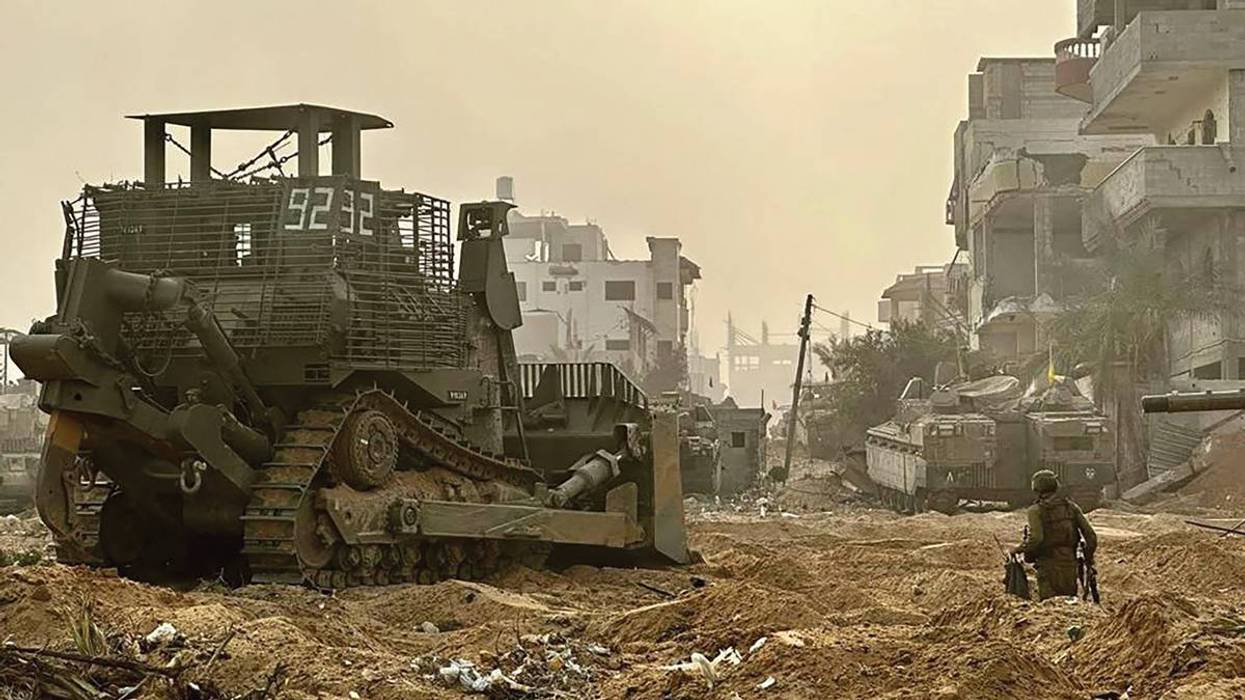
The Geneva-based Euro-Mediterranean Human Rights Monitor said that Israeli forces and contractors "are conducting a wide and organized operation to process and clear the rubble from neighborhoods and facilities they have destroyed in the Gaza Strip and relocate it from areas under their military control to outside the strip."
"This is occurring without any official record of the quantities removed or independent oversight, and before international and local investigative committees have had the chance to survey, examine, and document the sites," the group noted. "This risks destroying crucial evidence of genocide and the remains of victims still unaccounted for under the rubble."
"The systematic removal of rubble at this pace conceals the evidence of appalling crimes Israel committed in Gaza, especially those related to genocide, such as summary executions and killing unarmed civilians," Euro-Med said. "These sites need careful examination and thorough criminal investigation before any intervention that might change or erase their features."
"The debris scattered throughout the Gaza Strip includes possible locations of unlawful killings and bombings that targeted entire families, as well as sites believed to contain mass graves or bodies buried within destroyed homes, hospitals, shelters, and civilian facilities," the group continued. "These sites hold evidence critical for identifying the weapon, attack sequence, victim and attacker positions, firing ranges, cause and manner of death, as well as fragments, projectiles, spent cartridges, biological traces, and personal belongings."
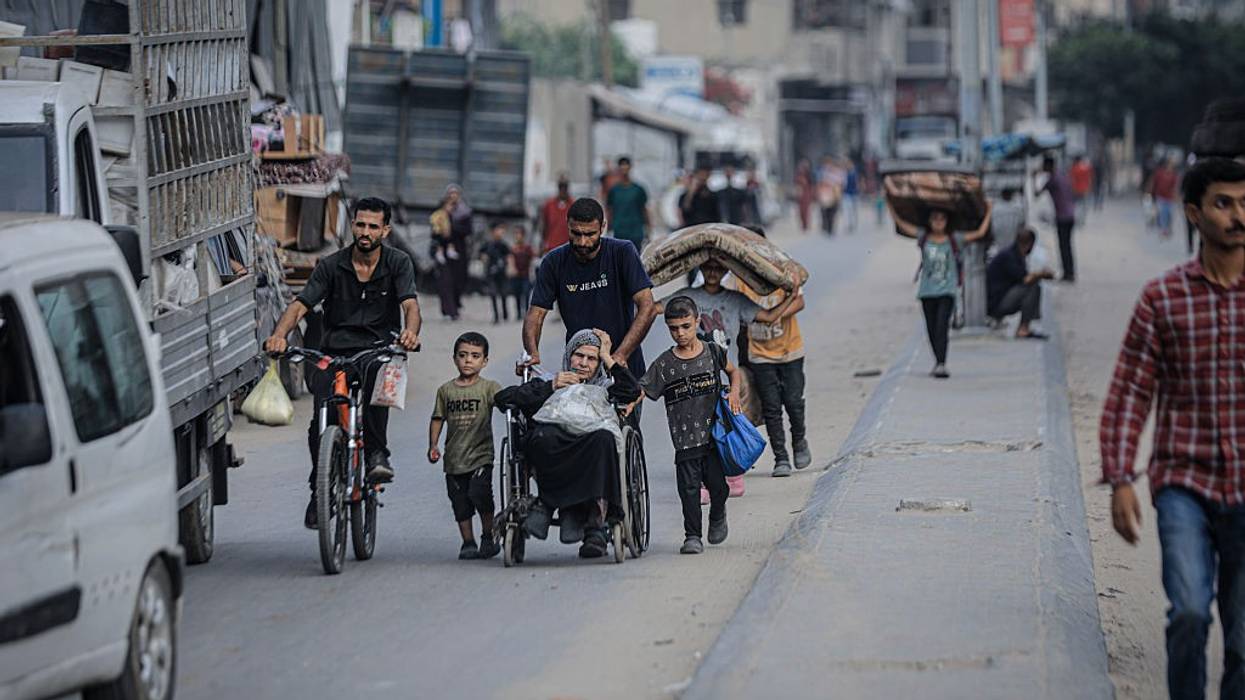
Euro-Med cited an April report published jointly by the World Bank, United Nations, and European Union, whose authors estimated that around 68 million tons of rubble are spread across Gaza's 141 square miles after nearly 34 months of ongoing, ceasefire-flouting bombing and other attacks that have left more than 250,000 Palestinians dead, maimed, or missing and around 2 million others forcibly displaced, starved, or sickened.
With the carnage of the war on Iran, the world has forgotten what US-UK-EU-backed Israel did to Gaza.
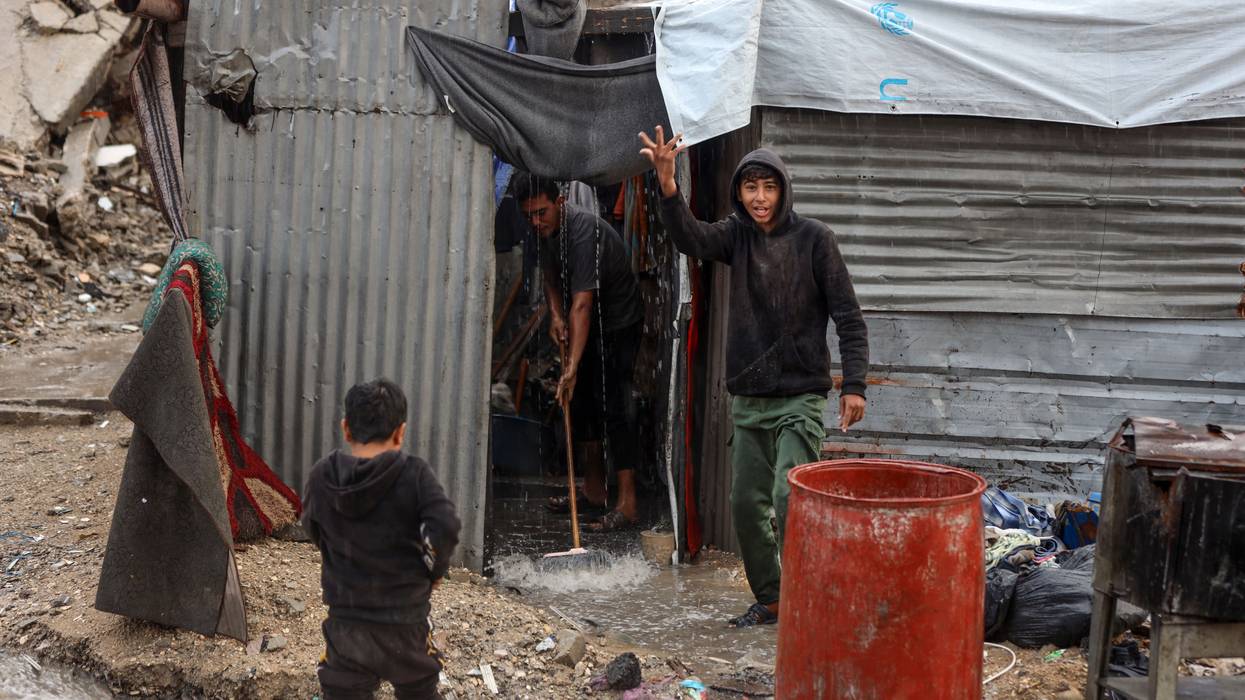
Survivors of the genocide live in a hellscape of rubble and ash, which looks like the aftermath of a nuclear war…
And the world looks away. https://t.co/J8XsgtvFzE pic.twitter.com/NKechLozxR
— Afshin Rattansi (@afshinrattansi) July 18, 2026
"Crushing, mixing, and transporting rubble can erase evidence, location details, and connections within the crime scene," Euro-Med said. "This process also disrupts the chain of custody, potentially making it impossible to trace where evidence was collected or to link it to a particular incident or victim. This damage cannot be reversed by aerial photographs or subsequent testimony, as investigating international crimes also requires tangible evidence that can be examined, compared, and legally verified."
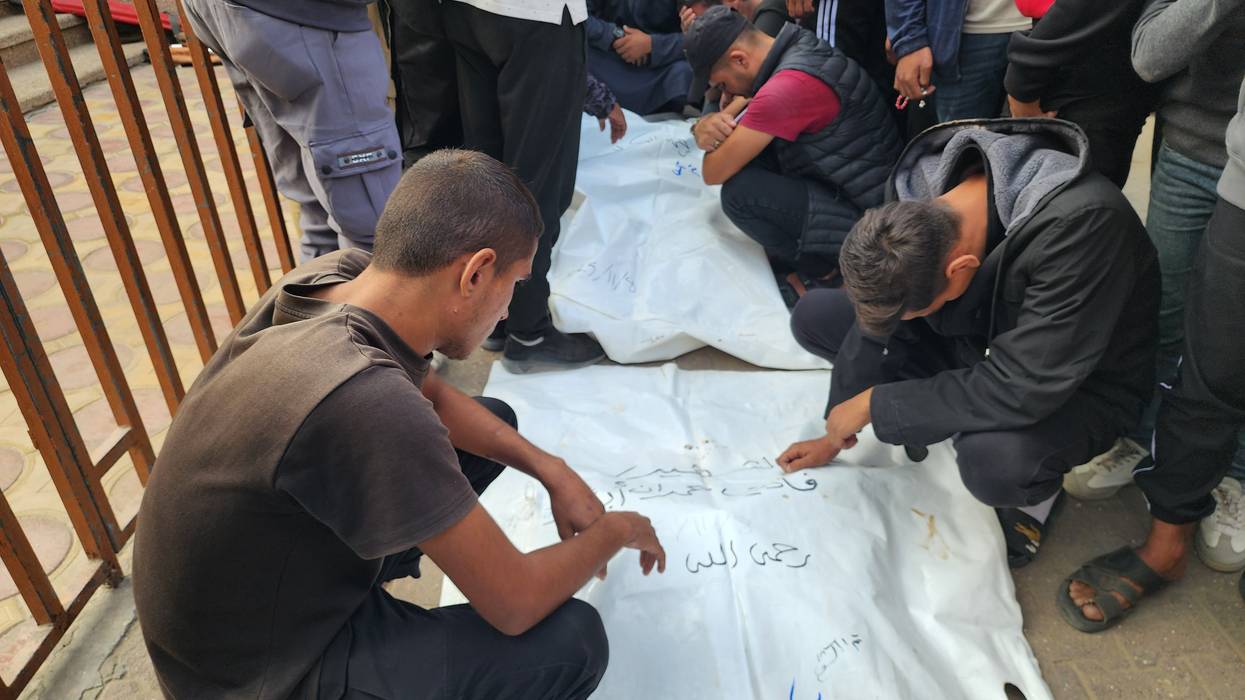
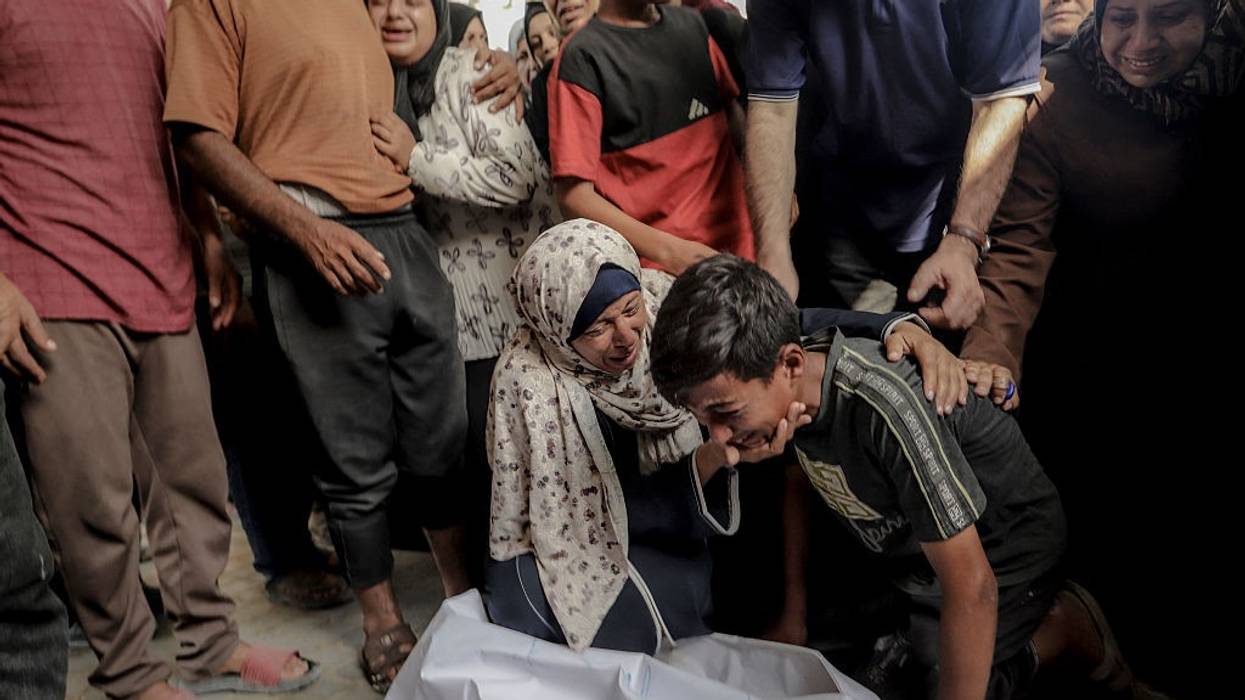
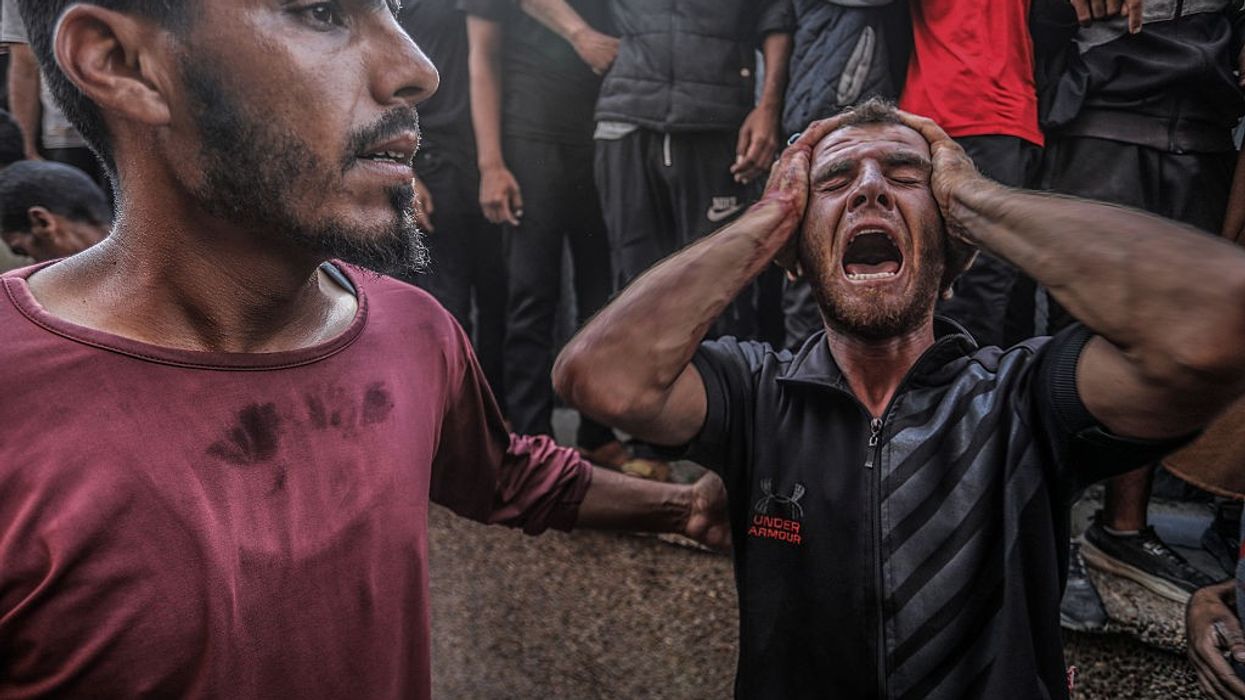
Thousands of Palestinians remain missing and presumed dead and buried beneath the rubble of the nearly 200,000 buildings, or over 80% of all structures, that were destroyed or damaged by Israeli attacks. Palestinian victims of Israeli aerial massacres are still being unearthed, with the remains of 112 Gazans—including 40 women, 38 children, and seven people with disabilities—largely exhumed by hand over 136 hours in the Sabra neighborhood of Gaza City last week.
At least 10 million tons of rubble "have been removed, crushed, or moved from their original sites within the areas under Israel’s unlawful military control, which encompass about 66% of the Gaza Strip," Euro-Med said.
"Approximately 400 heavy pieces of excavation, demolition, crushing, and transport machinery, operated by Israeli civilian companies under military protection, are active across eastern and southern Gaza," the group added. "They demolish remaining structures, crush rubble from destroyed neighborhoods, and load the debris onto trucks for transportation away from the original sites."
Euro-Med continued:
The debris in the Gaza Strip comprises more than just rubble; it includes private and public property, essential building materials like steel, stone, and concrete that can be recycled and reused, as well as other valuable assets necessary for Palestinians to reconstruct their homes, roads, and infrastructure. It may also contain property documents, official records, and personal belongings that are part of individuals’ and families’ rights and memories.
Removing rubble from the Gaza Strip and commercially exploiting it without the owners’ consent or compensation may, depending on the circumstances and intent of the seizure, constitute unlawful confiscation or pillage. Such acts are prohibited under international humanitarian law, especially Article 33 of the Fourth Geneva Convention and the relevant provisions of the Rome Statute.
"These actions are part of a broader pattern that has involved bulldozing sites believed to contain mass graves, storming and damaging hospitals and medical facilities after they were suspected of being sites of grave crimes, ongoing demolition of buildings in military-controlled zones, and targeting Palestinian journalists," the group added.
The International Court of Justice's provisional orders of January and May 2024—which came as the ICJ began weighing a genocide case against Israel filed by South Africa and formally supported by nearly 20 nations—directed Israel to "take effective measures to prevent the destruction and ensure the preservation of evidence related to allegations" of violations of the Genocide Convention.
Israel has been accused of violating those ICJ orders and another issued by the Hague-based tribunal in March 2024 ordering Israel to allow desperately needed humanitarian aid into Gaza, whose people were being deliberately starved by the policies of Israeli Prime Minister Benjamin Netanyahu and Yoav Gallant, his former defense minister, according to arrest warrants issued in November 2024 by the International Criminal Court for alleged crimes against humanity and war crimes.
Haaretz, Israel's oldest daily newspaper, last year published an investigation detailing how a loosely supervised Israel Defense Forces unit has been operating in Gaza outside normal chains of command and oversight. IDF soldiers and civilians, including settler colonists from the illegally occupied West Bank, used Palestinian civilians as human shields while they demolished homes and other buildings in Gaza.
Israeli soldiers and settlers use bulldozers and other heavy equipment made by Caterpillar, Hyundai, and other manufacturers to demolish buildings and remove rubble, desecrate graves, and "level" or "flatten" Gaza, as numerous Israeli and US officials, including President Donald Trump, have advocated. Caterpillar D-9 bulldozer variants are part of the billions of dollars in annual armed aid the US provides for Israel despite the ally's increasing international isolation over not only what a UN commission of inquiry last year called a genocide in Gaza but also occupation, colonization, ethnic cleansing, and apartheid in the West Bank and East Jerusalem.
"States where the implicated companies or machinery manufacturers are based should mandate a halt to any actions that could lead to property demolition, evidence removal, or rubble seizure," Euro-Med said. "They must also preserve all relevant contracts, correspondence, and operational data, and carry out independent investigations into the accountability of their directors and staff."
"Any efforts to remove rubble or rebuild in the Gaza Strip must be led by Palestinians, involving local residents, property owners, and families of the missing," the group added. "These initiatives should ensure the protection of evidence, recovery of remains, clearance of unexploded ordnance, sorting of hazardous materials, local reuse of rubble, preservation of property maps and urban fabric, and prevent reconstruction from being used to cement control or alter [Gaza's] geographic or demographic makeup."