SUBSCRIBE TO OUR FREE NEWSLETTER
Daily news & progressive opinion—funded by the people, not the corporations—delivered straight to your inbox.
5
#000000
#FFFFFF
To donate by check, phone, or other method, see our More Ways to Give page.
Daily news & progressive opinion—funded by the people, not the corporations—delivered straight to your inbox.
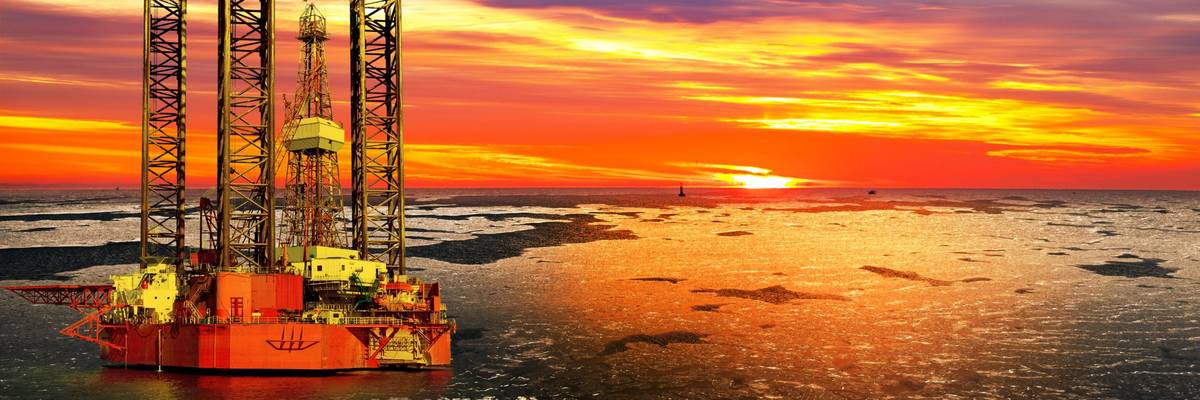
We need to speak louder than the fossil fuel industry and demand urgent action from governments.
We’ve just come out of the hottest year on record — by a lot! Scientists predict that this year we’ll exceed the 1.5 C limit for warming set by countries in the 2015 Paris climate agreement. Meanwhile, Canada and the U.S. are setting records for oil and gas production, and industry would like to keep it that way.
The main cause of the record warming — and the floods, droughts, wildfires, mass human migrations, species extinctions and economic hardships that come with it — is increasing levels of atmospheric carbon dioxide from burning gas, oil and coal. We’ve known this for at least half a century!
Although limited progress was made at the COP28 climate summit in Dubai late last year — after 28 years! — the overwhelming presence and influence of the fossil fuel industry and the fact that the conference was headed by United Arab Emirates’ top oil executive and this year’s summit in Azerbaijan will also be headed by an oilman illustrate that the fossil fuel industry is still running the show.
There are signs of hope — decreasing emissions in the U.S., falling prices and growing uptake for renewable energy and more. But we’ve taken so long to act on the crisis that far more ambition is needed.
At COP28, countries finally agreed that coal, oil and gas are fuelling the climate crisis and that we need to “transition” to cleaner energy “in a just, orderly and equitable manner.” The world’s governments also agreed to establish a “loss and damage” fund to help vulnerable nations — those least responsible for the crisis — cope with the increasing impacts of climate disruption. Island nations have been calling for this for years, and the fund is still inadequate.
Canada announced it would cap oil and gas industry emissions and impose regulations to reduce methane emissions. Although the emissions cap is a good start, it only applies to those from fossil fuel extraction and production, not the far greater emissions from using the products as intended. Even so, it’s getting pushback from provincial governments that prioritize industry’s interests.
There are signs of hope — decreasing emissions in the U.S., falling prices and growing uptake for renewable energy and more. But we’ve taken so long to act on the crisis that far more ambition is needed. That would be a challenge regardless, but with the continued efforts of industry and its government and media lackeys to stall progress, it’s even more difficult.
In fact, inflation is driven more by volatile fossil fuel prices and industry profiteering than anything.
Some politicians are doing everything they can to attack sensible climate and other environmental policies. Although carbon levies (misleadingly called “taxes”) were initially a conservative idea, they’ve come under attack by politicians who disingenuously blame them for inflation. In fact, inflation is driven more by volatile fossil fuel prices and industry profiteering than anything.
The industry itself is particularly brazen. As the Guardian reports, “The American oil lobby has launched an eight-figure media campaign this week promoting the idea that fossil fuels are ‘vital’ to global energy security, alarming climate experts.”
Ads on buses and online tout deadly methane gas (misleadingly called “natural” gas) as a climate solution. As coal and oil — especially dirty, expensive oil from oilsands bitumen — become increasingly difficult to justify, the industry, supported by governments, has latched onto gas to keep its profits rolling in.
They argue that fossil gas, including LNG, which is mostly methane, will be used to displace even dirtier coal, thus lowering emissions. The truth is that methane is far more potent than CO2 over the short term, can harm human health when used in homes and businesses and costs more than producing energy from wind and solar.
We need to speak louder than the fossil fuel industry and demand urgent action from governments.
One campaign even urges people in Canada to speak out against climate and public health regulations that would harm industry’s interests. A Desmog investigation found that “Voice for Energy” ads were “paid for by CGA Enterprises, a venture of the Canadian Gas Association.”
On top of that, almost every government in oil-producing jurisdictions, including Alberta, wants to be the last producer. As Stockholm Environment Institute senior scientist Michael Lazarus says in the Washington Post, “Every country has their own reason why they should be the last.” As a result, “countries expect to produce 2½ times more fossil fuels in 2050 than would align with a target of 2 degrees Celsius.”
We need to speak louder than the fossil fuel industry and demand urgent action from governments. The climate crisis is becoming increasingly costly and painful and will only get worse until we leave fossil fuels in the ground.
Dear Common Dreams reader, It’s been nearly 30 years since I co-founded Common Dreams with my late wife, Lina Newhouser. We had the radical notion that journalism should serve the public good, not corporate profits. It was clear to us from the outset what it would take to build such a project. No paid advertisements. No corporate sponsors. No millionaire publisher telling us what to think or do. Many people said we wouldn't last a year, but we proved those doubters wrong. Together with a tremendous team of journalists and dedicated staff, we built an independent media outlet free from the constraints of profits and corporate control. Our mission has always been simple: To inform. To inspire. To ignite change for the common good. Building Common Dreams was not easy. Our survival was never guaranteed. When you take on the most powerful forces—Wall Street greed, fossil fuel industry destruction, Big Tech lobbyists, and uber-rich oligarchs who have spent billions upon billions rigging the economy and democracy in their favor—the only bulwark you have is supporters who believe in your work. But here’s the urgent message from me today. It's never been this bad out there. And it's never been this hard to keep us going. At the very moment Common Dreams is most needed, the threats we face are intensifying. We need your support now more than ever. We don't accept corporate advertising and never will. We don't have a paywall because we don't think people should be blocked from critical news based on their ability to pay. Everything we do is funded by the donations of readers like you. When everyone does the little they can afford, we are strong. But if that support retreats or dries up, so do we. Will you donate now to make sure Common Dreams not only survives but thrives? —Craig Brown, Co-founder |
We’ve just come out of the hottest year on record — by a lot! Scientists predict that this year we’ll exceed the 1.5 C limit for warming set by countries in the 2015 Paris climate agreement. Meanwhile, Canada and the U.S. are setting records for oil and gas production, and industry would like to keep it that way.
The main cause of the record warming — and the floods, droughts, wildfires, mass human migrations, species extinctions and economic hardships that come with it — is increasing levels of atmospheric carbon dioxide from burning gas, oil and coal. We’ve known this for at least half a century!
Although limited progress was made at the COP28 climate summit in Dubai late last year — after 28 years! — the overwhelming presence and influence of the fossil fuel industry and the fact that the conference was headed by United Arab Emirates’ top oil executive and this year’s summit in Azerbaijan will also be headed by an oilman illustrate that the fossil fuel industry is still running the show.
There are signs of hope — decreasing emissions in the U.S., falling prices and growing uptake for renewable energy and more. But we’ve taken so long to act on the crisis that far more ambition is needed.
At COP28, countries finally agreed that coal, oil and gas are fuelling the climate crisis and that we need to “transition” to cleaner energy “in a just, orderly and equitable manner.” The world’s governments also agreed to establish a “loss and damage” fund to help vulnerable nations — those least responsible for the crisis — cope with the increasing impacts of climate disruption. Island nations have been calling for this for years, and the fund is still inadequate.
Canada announced it would cap oil and gas industry emissions and impose regulations to reduce methane emissions. Although the emissions cap is a good start, it only applies to those from fossil fuel extraction and production, not the far greater emissions from using the products as intended. Even so, it’s getting pushback from provincial governments that prioritize industry’s interests.
There are signs of hope — decreasing emissions in the U.S., falling prices and growing uptake for renewable energy and more. But we’ve taken so long to act on the crisis that far more ambition is needed. That would be a challenge regardless, but with the continued efforts of industry and its government and media lackeys to stall progress, it’s even more difficult.
In fact, inflation is driven more by volatile fossil fuel prices and industry profiteering than anything.
Some politicians are doing everything they can to attack sensible climate and other environmental policies. Although carbon levies (misleadingly called “taxes”) were initially a conservative idea, they’ve come under attack by politicians who disingenuously blame them for inflation. In fact, inflation is driven more by volatile fossil fuel prices and industry profiteering than anything.
The industry itself is particularly brazen. As the Guardian reports, “The American oil lobby has launched an eight-figure media campaign this week promoting the idea that fossil fuels are ‘vital’ to global energy security, alarming climate experts.”
Ads on buses and online tout deadly methane gas (misleadingly called “natural” gas) as a climate solution. As coal and oil — especially dirty, expensive oil from oilsands bitumen — become increasingly difficult to justify, the industry, supported by governments, has latched onto gas to keep its profits rolling in.
They argue that fossil gas, including LNG, which is mostly methane, will be used to displace even dirtier coal, thus lowering emissions. The truth is that methane is far more potent than CO2 over the short term, can harm human health when used in homes and businesses and costs more than producing energy from wind and solar.
We need to speak louder than the fossil fuel industry and demand urgent action from governments.
One campaign even urges people in Canada to speak out against climate and public health regulations that would harm industry’s interests. A Desmog investigation found that “Voice for Energy” ads were “paid for by CGA Enterprises, a venture of the Canadian Gas Association.”
On top of that, almost every government in oil-producing jurisdictions, including Alberta, wants to be the last producer. As Stockholm Environment Institute senior scientist Michael Lazarus says in the Washington Post, “Every country has their own reason why they should be the last.” As a result, “countries expect to produce 2½ times more fossil fuels in 2050 than would align with a target of 2 degrees Celsius.”
We need to speak louder than the fossil fuel industry and demand urgent action from governments. The climate crisis is becoming increasingly costly and painful and will only get worse until we leave fossil fuels in the ground.
We’ve just come out of the hottest year on record — by a lot! Scientists predict that this year we’ll exceed the 1.5 C limit for warming set by countries in the 2015 Paris climate agreement. Meanwhile, Canada and the U.S. are setting records for oil and gas production, and industry would like to keep it that way.
The main cause of the record warming — and the floods, droughts, wildfires, mass human migrations, species extinctions and economic hardships that come with it — is increasing levels of atmospheric carbon dioxide from burning gas, oil and coal. We’ve known this for at least half a century!
Although limited progress was made at the COP28 climate summit in Dubai late last year — after 28 years! — the overwhelming presence and influence of the fossil fuel industry and the fact that the conference was headed by United Arab Emirates’ top oil executive and this year’s summit in Azerbaijan will also be headed by an oilman illustrate that the fossil fuel industry is still running the show.
There are signs of hope — decreasing emissions in the U.S., falling prices and growing uptake for renewable energy and more. But we’ve taken so long to act on the crisis that far more ambition is needed.
At COP28, countries finally agreed that coal, oil and gas are fuelling the climate crisis and that we need to “transition” to cleaner energy “in a just, orderly and equitable manner.” The world’s governments also agreed to establish a “loss and damage” fund to help vulnerable nations — those least responsible for the crisis — cope with the increasing impacts of climate disruption. Island nations have been calling for this for years, and the fund is still inadequate.
Canada announced it would cap oil and gas industry emissions and impose regulations to reduce methane emissions. Although the emissions cap is a good start, it only applies to those from fossil fuel extraction and production, not the far greater emissions from using the products as intended. Even so, it’s getting pushback from provincial governments that prioritize industry’s interests.
There are signs of hope — decreasing emissions in the U.S., falling prices and growing uptake for renewable energy and more. But we’ve taken so long to act on the crisis that far more ambition is needed. That would be a challenge regardless, but with the continued efforts of industry and its government and media lackeys to stall progress, it’s even more difficult.
In fact, inflation is driven more by volatile fossil fuel prices and industry profiteering than anything.
Some politicians are doing everything they can to attack sensible climate and other environmental policies. Although carbon levies (misleadingly called “taxes”) were initially a conservative idea, they’ve come under attack by politicians who disingenuously blame them for inflation. In fact, inflation is driven more by volatile fossil fuel prices and industry profiteering than anything.
The industry itself is particularly brazen. As the Guardian reports, “The American oil lobby has launched an eight-figure media campaign this week promoting the idea that fossil fuels are ‘vital’ to global energy security, alarming climate experts.”
Ads on buses and online tout deadly methane gas (misleadingly called “natural” gas) as a climate solution. As coal and oil — especially dirty, expensive oil from oilsands bitumen — become increasingly difficult to justify, the industry, supported by governments, has latched onto gas to keep its profits rolling in.
They argue that fossil gas, including LNG, which is mostly methane, will be used to displace even dirtier coal, thus lowering emissions. The truth is that methane is far more potent than CO2 over the short term, can harm human health when used in homes and businesses and costs more than producing energy from wind and solar.
We need to speak louder than the fossil fuel industry and demand urgent action from governments.
One campaign even urges people in Canada to speak out against climate and public health regulations that would harm industry’s interests. A Desmog investigation found that “Voice for Energy” ads were “paid for by CGA Enterprises, a venture of the Canadian Gas Association.”
On top of that, almost every government in oil-producing jurisdictions, including Alberta, wants to be the last producer. As Stockholm Environment Institute senior scientist Michael Lazarus says in the Washington Post, “Every country has their own reason why they should be the last.” As a result, “countries expect to produce 2½ times more fossil fuels in 2050 than would align with a target of 2 degrees Celsius.”
We need to speak louder than the fossil fuel industry and demand urgent action from governments. The climate crisis is becoming increasingly costly and painful and will only get worse until we leave fossil fuels in the ground.