SUBSCRIBE TO OUR FREE NEWSLETTER
Daily news & progressive opinion—funded by the people, not the corporations—delivered straight to your inbox.
5
#000000
#FFFFFF
To donate by check, phone, or other method, see our More Ways to Give page.
Daily news & progressive opinion—funded by the people, not the corporations—delivered straight to your inbox.
A peace bought at the price of fascist repression not only is not desirable but it will not last.
The three major wars or conflicts that are ongoing today demonstrate the volatility of the intersection between the local and the global.
In the Hamas-Israeli conflict, we see how the maintenance of the Israeli settler-colonial state is intertwined with the preservation of the global hegemony of the United States.
In the war in Ukraine, a bloody war of attrition between two countries was provoked by Washington’s push to expand NATO to a country of the former Soviet Union.
Without effective coercive constraints imposed by a multilateral organization on the hegemon and its allies, the latter can easily descend into genocide and mass murder.
In the South China Sea, we are witnessing how disputes over territory and natural resources have been elevated to a global conflict by the U.S. effort to maintain its global hegemony against China, to which it is losing the geoeconomic competition but over which it continues to enjoy absolute military superiority.
In short, the main cause of global instability today lies in the fusion of the local and the global, geopolitics and geoeconomics, empire and capitalism.
What makes current conflicts especially volatile is that they are occurring amidst the absence of any effective multilateral coercive authority to impose a peaceful settlement. In Ukraine, it is the balance of military might that will determine the outcome of the war, and here Russia seems to be prevailing over the Ukraine-NATO-U.S. axis.
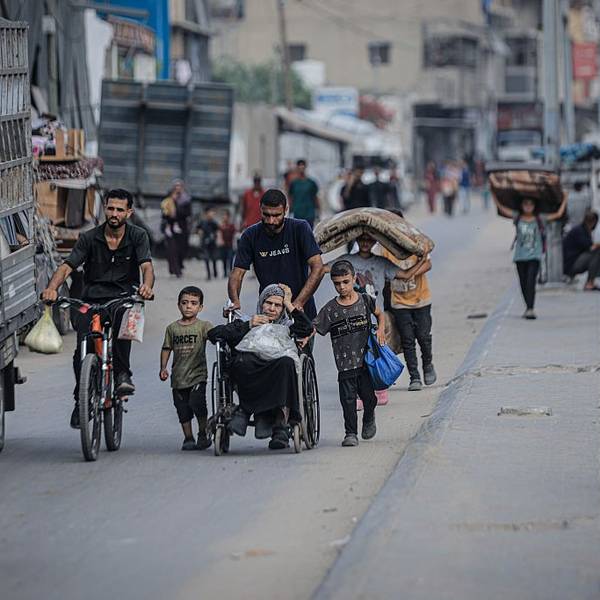
In the Middle East, there is no effective coercive power to oppose the Israeli-U.S. military behemoth—which makes it all the more remarkable that despite a genocidal campaign that has been going on for nearly four months now, Israel has not achieved its principal war aim of destroying Hamas.
In the South China Sea, what determines the course of events is the balance of power between China and the United States. There are no “rules of the game,” so that there is always a possibility that American and Chinese ships playing “chicken”–or heading for each other, then swerving at the last minute–can accidentally collide, and this collision can escalate to a higher form of conflict such as a conventional war.
Without effective coercive constraints imposed by a multilateral organization on the hegemon and its allies, the latter can easily descend into genocide and mass murder. Whether in Vietnam, Iraq, Afghanistan, or Gaza, the Geneva Conventions and the Convention against Genocide, have been shown to be mere pieces of paper.
Given the absence of a multilateral referee that can impose its will, it is only the development of political, diplomatic, and military counterpower that can restrain the hegemon. This is the lesson that national liberation wars in Algeria and Vietnam taught the world. This is the lesson that the Palestinian resistance today teaches us.
This is why even as we condemn wars of empire waged by the hegemon, we must defend the right of people to resort to armed self-defense.
This does not mean that efforts at peacemaking by global civil society have no role to play. They do. I still remember how shortly before the invasion of Iraq, The New York Times came out with an article on February 17, 2003, in response to massive mobilizations against the planned invasion of Iraq, that said that there were only two superpowers left in the world, and they were the United States and global public opinion, and that then President George W. Bush ignored this outpouring of global resistance at his peril.
Oppressed peoples like the Palestinians will refuse peace at any price, peace that is obtained at the price of humiliation.
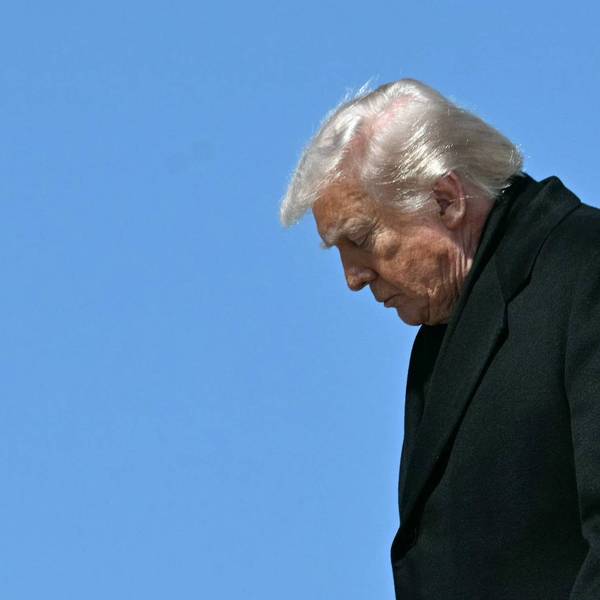
Global civil society did contribute to the ending of the wars in Afghanistan and Iraq by eroding the legitimacy of those wars among the U.S. public, making them so unpopular that even Donald Trump denounced them–in retrospect that is–as did many personalities that had voted for war in the U.S. Congress.
The recent decision of the International Court of Justice that has ordered Israel to prevent genocide in Gaza is likely to have a similar impact as global civil society’s resistance to Bush, Jr’s, invasion of Iraq. The ICJ decision may not have an immediate impact on the ongoing war, but it will erode the legitimacy of the project of settler colonialism and apartheid in the long run, deepening the isolation of Israel in the long run.
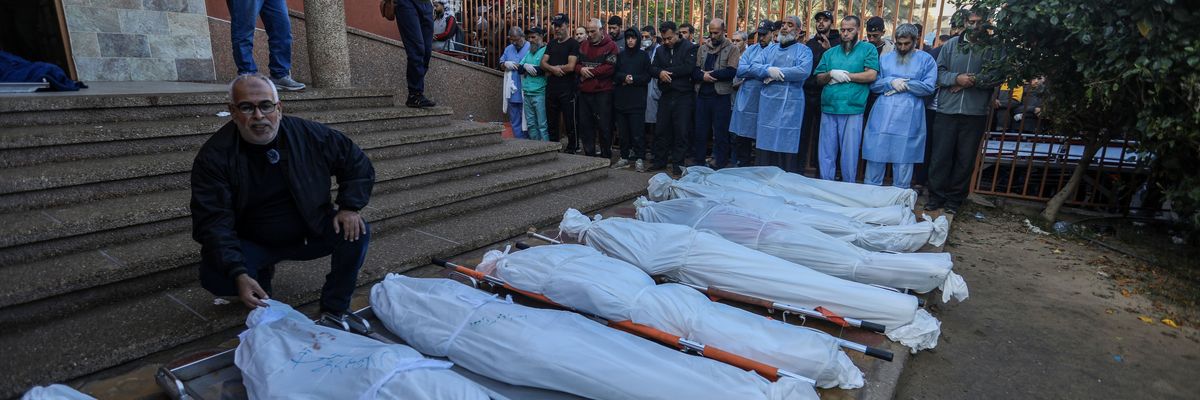
We often see peace as an ideal state. But the peace of the graveyard is not peace. A peace bought at the price of fascist repression not only is not desirable but it will not last.
Oppressed peoples like the Palestinians will refuse peace at any price, peace that is obtained at the price of humiliation. As they have shown in the 76 years since the Nakba, their massive expulsion from their lands and homes, the Palestinians will not settle for anything less than peace with justice, one that enables them to recover their lands seized by Israelis, establish a sovereign state “from the river to the sea,” and allow them to hold their heads up in pride.
The rest of the world owes them its wholehearted support to realize such a just peace through all possible means, even as we work to oppose wars of empire waged by hegemons in other parts of the world.
Dear Common Dreams reader, It’s been nearly 30 years since I co-founded Common Dreams with my late wife, Lina Newhouser. We had the radical notion that journalism should serve the public good, not corporate profits. It was clear to us from the outset what it would take to build such a project. No paid advertisements. No corporate sponsors. No millionaire publisher telling us what to think or do. Many people said we wouldn't last a year, but we proved those doubters wrong. Together with a tremendous team of journalists and dedicated staff, we built an independent media outlet free from the constraints of profits and corporate control. Our mission has always been simple: To inform. To inspire. To ignite change for the common good. Building Common Dreams was not easy. Our survival was never guaranteed. When you take on the most powerful forces—Wall Street greed, fossil fuel industry destruction, Big Tech lobbyists, and uber-rich oligarchs who have spent billions upon billions rigging the economy and democracy in their favor—the only bulwark you have is supporters who believe in your work. But here’s the urgent message from me today. It's never been this bad out there. And it's never been this hard to keep us going. At the very moment Common Dreams is most needed, the threats we face are intensifying. We need your support now more than ever. We don't accept corporate advertising and never will. We don't have a paywall because we don't think people should be blocked from critical news based on their ability to pay. Everything we do is funded by the donations of readers like you. When everyone does the little they can afford, we are strong. But if that support retreats or dries up, so do we. Will you donate now to make sure Common Dreams not only survives but thrives? —Craig Brown, Co-founder |
The three major wars or conflicts that are ongoing today demonstrate the volatility of the intersection between the local and the global.
In the Hamas-Israeli conflict, we see how the maintenance of the Israeli settler-colonial state is intertwined with the preservation of the global hegemony of the United States.
In the war in Ukraine, a bloody war of attrition between two countries was provoked by Washington’s push to expand NATO to a country of the former Soviet Union.
Without effective coercive constraints imposed by a multilateral organization on the hegemon and its allies, the latter can easily descend into genocide and mass murder.
In the South China Sea, we are witnessing how disputes over territory and natural resources have been elevated to a global conflict by the U.S. effort to maintain its global hegemony against China, to which it is losing the geoeconomic competition but over which it continues to enjoy absolute military superiority.
In short, the main cause of global instability today lies in the fusion of the local and the global, geopolitics and geoeconomics, empire and capitalism.
What makes current conflicts especially volatile is that they are occurring amidst the absence of any effective multilateral coercive authority to impose a peaceful settlement. In Ukraine, it is the balance of military might that will determine the outcome of the war, and here Russia seems to be prevailing over the Ukraine-NATO-U.S. axis.
In the Middle East, there is no effective coercive power to oppose the Israeli-U.S. military behemoth—which makes it all the more remarkable that despite a genocidal campaign that has been going on for nearly four months now, Israel has not achieved its principal war aim of destroying Hamas.
In the South China Sea, what determines the course of events is the balance of power between China and the United States. There are no “rules of the game,” so that there is always a possibility that American and Chinese ships playing “chicken”–or heading for each other, then swerving at the last minute–can accidentally collide, and this collision can escalate to a higher form of conflict such as a conventional war.
Without effective coercive constraints imposed by a multilateral organization on the hegemon and its allies, the latter can easily descend into genocide and mass murder. Whether in Vietnam, Iraq, Afghanistan, or Gaza, the Geneva Conventions and the Convention against Genocide, have been shown to be mere pieces of paper.
Given the absence of a multilateral referee that can impose its will, it is only the development of political, diplomatic, and military counterpower that can restrain the hegemon. This is the lesson that national liberation wars in Algeria and Vietnam taught the world. This is the lesson that the Palestinian resistance today teaches us.
This is why even as we condemn wars of empire waged by the hegemon, we must defend the right of people to resort to armed self-defense.
This does not mean that efforts at peacemaking by global civil society have no role to play. They do. I still remember how shortly before the invasion of Iraq, The New York Times came out with an article on February 17, 2003, in response to massive mobilizations against the planned invasion of Iraq, that said that there were only two superpowers left in the world, and they were the United States and global public opinion, and that then President George W. Bush ignored this outpouring of global resistance at his peril.
Oppressed peoples like the Palestinians will refuse peace at any price, peace that is obtained at the price of humiliation.
Global civil society did contribute to the ending of the wars in Afghanistan and Iraq by eroding the legitimacy of those wars among the U.S. public, making them so unpopular that even Donald Trump denounced them–in retrospect that is–as did many personalities that had voted for war in the U.S. Congress.
The recent decision of the International Court of Justice that has ordered Israel to prevent genocide in Gaza is likely to have a similar impact as global civil society’s resistance to Bush, Jr’s, invasion of Iraq. The ICJ decision may not have an immediate impact on the ongoing war, but it will erode the legitimacy of the project of settler colonialism and apartheid in the long run, deepening the isolation of Israel in the long run.
We often see peace as an ideal state. But the peace of the graveyard is not peace. A peace bought at the price of fascist repression not only is not desirable but it will not last.
Oppressed peoples like the Palestinians will refuse peace at any price, peace that is obtained at the price of humiliation. As they have shown in the 76 years since the Nakba, their massive expulsion from their lands and homes, the Palestinians will not settle for anything less than peace with justice, one that enables them to recover their lands seized by Israelis, establish a sovereign state “from the river to the sea,” and allow them to hold their heads up in pride.
The rest of the world owes them its wholehearted support to realize such a just peace through all possible means, even as we work to oppose wars of empire waged by hegemons in other parts of the world.
The three major wars or conflicts that are ongoing today demonstrate the volatility of the intersection between the local and the global.
In the Hamas-Israeli conflict, we see how the maintenance of the Israeli settler-colonial state is intertwined with the preservation of the global hegemony of the United States.
In the war in Ukraine, a bloody war of attrition between two countries was provoked by Washington’s push to expand NATO to a country of the former Soviet Union.
Without effective coercive constraints imposed by a multilateral organization on the hegemon and its allies, the latter can easily descend into genocide and mass murder.
In the South China Sea, we are witnessing how disputes over territory and natural resources have been elevated to a global conflict by the U.S. effort to maintain its global hegemony against China, to which it is losing the geoeconomic competition but over which it continues to enjoy absolute military superiority.
In short, the main cause of global instability today lies in the fusion of the local and the global, geopolitics and geoeconomics, empire and capitalism.
What makes current conflicts especially volatile is that they are occurring amidst the absence of any effective multilateral coercive authority to impose a peaceful settlement. In Ukraine, it is the balance of military might that will determine the outcome of the war, and here Russia seems to be prevailing over the Ukraine-NATO-U.S. axis.
In the Middle East, there is no effective coercive power to oppose the Israeli-U.S. military behemoth—which makes it all the more remarkable that despite a genocidal campaign that has been going on for nearly four months now, Israel has not achieved its principal war aim of destroying Hamas.
In the South China Sea, what determines the course of events is the balance of power between China and the United States. There are no “rules of the game,” so that there is always a possibility that American and Chinese ships playing “chicken”–or heading for each other, then swerving at the last minute–can accidentally collide, and this collision can escalate to a higher form of conflict such as a conventional war.
Without effective coercive constraints imposed by a multilateral organization on the hegemon and its allies, the latter can easily descend into genocide and mass murder. Whether in Vietnam, Iraq, Afghanistan, or Gaza, the Geneva Conventions and the Convention against Genocide, have been shown to be mere pieces of paper.
Given the absence of a multilateral referee that can impose its will, it is only the development of political, diplomatic, and military counterpower that can restrain the hegemon. This is the lesson that national liberation wars in Algeria and Vietnam taught the world. This is the lesson that the Palestinian resistance today teaches us.
This is why even as we condemn wars of empire waged by the hegemon, we must defend the right of people to resort to armed self-defense.
This does not mean that efforts at peacemaking by global civil society have no role to play. They do. I still remember how shortly before the invasion of Iraq, The New York Times came out with an article on February 17, 2003, in response to massive mobilizations against the planned invasion of Iraq, that said that there were only two superpowers left in the world, and they were the United States and global public opinion, and that then President George W. Bush ignored this outpouring of global resistance at his peril.
Oppressed peoples like the Palestinians will refuse peace at any price, peace that is obtained at the price of humiliation.
Global civil society did contribute to the ending of the wars in Afghanistan and Iraq by eroding the legitimacy of those wars among the U.S. public, making them so unpopular that even Donald Trump denounced them–in retrospect that is–as did many personalities that had voted for war in the U.S. Congress.
The recent decision of the International Court of Justice that has ordered Israel to prevent genocide in Gaza is likely to have a similar impact as global civil society’s resistance to Bush, Jr’s, invasion of Iraq. The ICJ decision may not have an immediate impact on the ongoing war, but it will erode the legitimacy of the project of settler colonialism and apartheid in the long run, deepening the isolation of Israel in the long run.
We often see peace as an ideal state. But the peace of the graveyard is not peace. A peace bought at the price of fascist repression not only is not desirable but it will not last.
Oppressed peoples like the Palestinians will refuse peace at any price, peace that is obtained at the price of humiliation. As they have shown in the 76 years since the Nakba, their massive expulsion from their lands and homes, the Palestinians will not settle for anything less than peace with justice, one that enables them to recover their lands seized by Israelis, establish a sovereign state “from the river to the sea,” and allow them to hold their heads up in pride.
The rest of the world owes them its wholehearted support to realize such a just peace through all possible means, even as we work to oppose wars of empire waged by hegemons in other parts of the world.