Children Pay the Highest Price in Global Refugee Crisis
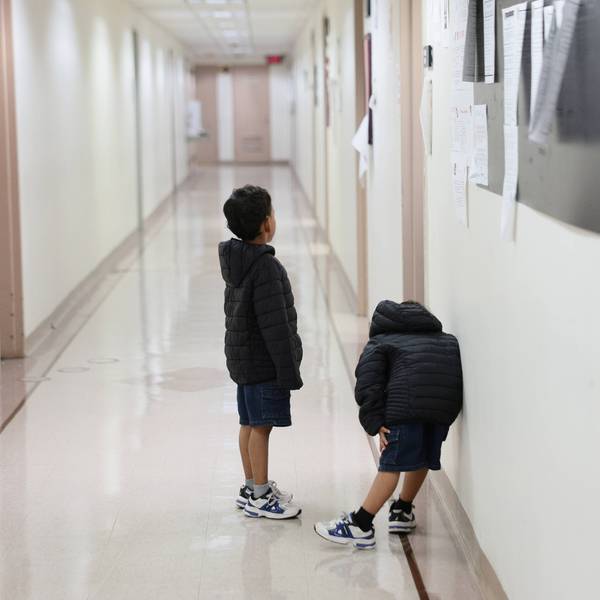
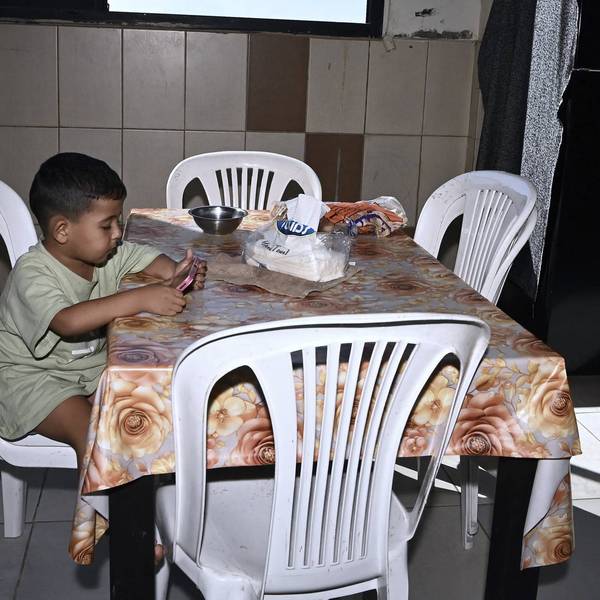
The world is witnessing a rapid increase in the number of people forced to flee from wars, conflict, and persecution in countries such as Syria, Iraq, and Afghanistan. It is estimated that approximately half of the 19.5 million registered refugees at a global level are children and youth. They are the most vulnerable victims of these conflicts.
The case of Syria is paradigmatic. Three years of conflict have turned Syria into one of the most dangerous places to be a child, according to UNICEF. Out of a population of 21.9 million, more than 9 million are under 18. It is estimated that 5.5 million children are affected by the conflict, a number that is almost double the year before. More than 4.29 million children inside Syria are poor, displaced, or caught in the line of fire.
International aid organizations have been doing a remarkable job helping the population of countries affected by wars. However, only in Syria, one million children are living in areas that aid workers cannot regularly reach, thus depriving them of vital support. More than a third of Syrian families are no longer living in their own homes or communities, seriously affecting their health and quality of life.
As a result of the fall in immunization rates -from 99 percent before the war to less than 50 percent now -polio has reemerged in Syria after a 14-year absence. At the same time, doctors report an increase in the number and severity of measles, pneumonia, and diarrhea cases. In response to the polio outbreak, UNICEF, the World Health Organization (WHO), and health ministries in the region have launched the largest immunization campaign in the region's history, targeting more than 25 million children.
The country's healthcare system's capacity to assist the population has been seriously affected. Many doctors and health personnel have either been killed or have left the country. 60 percent of the public hospitals have been damaged or are out of service.
Many times, militants bomb health care facilities, wait for first responders and emergency crews to come in and then strike again, thus maximizing the impact of their attacks. On April 27, 2016, the Al Quds field hospital in Aleppo was hit by an airstrike. It killed 30 people, including two health workers, and injured 60 people, completely destroying the facility.
Dr. Abdo El Ezz, an Aleppo physician, says, "The war in Syria has violated and destroyed anything called "agreements" or "an agreement" or "human rights" or anything humanitarian...Hospitals are looking for coffins because people are pouring in; some are completely burned and soon die. We need to bury them...Some people wish to die so they can finally rest and not live in constant terror and see constant destruction."
An estimated 37,000 children have been born as refugees and over 83,000 Syrian pregnant women are living as refugees in Lebanon and Jordan, placing a heavy burden on those countries health and social systems. For example, Lebanon is planning for 600,000 schoolchildren this year -twice the number currently enrolled.
Syrian children refugees are at very high risk for mental illness and have poor access to education. In the Za'atari refugee camp in Jordan, for example, one-third of all children displayed aggressive and self-harm behaviors. According to Europol, Europe's policy agency, more than 10,000 thousand unaccompanied refugee and migrant children have disappeared, raising fears they are being exploited and used for sex.
The Post Traumatic Stress Disorder (PTSD) rate among Syrian refugee children is comparable to that observed among other children who experienced war. A study by the Migration Policy Institute shows that refugee children who are not formally educated are more likely to feel marginalized and hopeless, making them probable targets for radicalization.
What is experienced by Syrian children is also experienced by refugee children coming from other countries such as Afghanistan and Iraq. Few people have expressed as poignantly as James Fenton, the tragic fate of these children. In his poem "Children in Exile" Fenton writes,
'What I am is not important, whether I live or die -
It is the same for me, the same for you.
What we do is important. This is what I have learnt.
It is not what we are but what we do,'
Says a child in exile, one of a family
Once happy in its size. Now there are four
Students of calamity, graduates of famine,
Those whom geography condemns to war...'
We are at a crossroads
This country and this world are at a monumental crossroads. In a few short weeks, US voters will have an opportunity to beat back the forces of fascism and confront the billionaires who are rigging the economy, our media system, and our democracy, making it increasingly impossible for ordinary people to get by. We’re not just talking about the election. We’re talking about what must be done once these fascist elements are vanquished from power. We need a bolder set of solutions than what either major party has so far been willing to offer and a working-class movement ready to fight like hell for it. Trump didn't emerge from nowhere. The conditions that fueled MAGA authoritarianism were created by decades of radical neoliberal economic policies and a corrupt political system dominated by corporate interests. They slashed taxes on the super-rich, promising that the benefits would trickle down. They said giveaways to the corporate titans would make life more affordable for the rest of us. It was all bullshit. And when a bitter, betrayed populace searches for someone to blame, right-wing demagogues have little trouble finding scapegoats. People know when they're being lied to, but you won't hear any of this from the corporate media. Only independent journalism—powered and funded by people who believe in building a better world—can deliver truly trustworthy daily news. Our Fall Campaign is underway, and we need your help. To power our newsroom through the rest of the year, we need to raise $125,000 by midnight on October 31. So if you share our vision, please contribute whatever you can to sustain our work. |
The world is witnessing a rapid increase in the number of people forced to flee from wars, conflict, and persecution in countries such as Syria, Iraq, and Afghanistan. It is estimated that approximately half of the 19.5 million registered refugees at a global level are children and youth. They are the most vulnerable victims of these conflicts.
The case of Syria is paradigmatic. Three years of conflict have turned Syria into one of the most dangerous places to be a child, according to UNICEF. Out of a population of 21.9 million, more than 9 million are under 18. It is estimated that 5.5 million children are affected by the conflict, a number that is almost double the year before. More than 4.29 million children inside Syria are poor, displaced, or caught in the line of fire.
International aid organizations have been doing a remarkable job helping the population of countries affected by wars. However, only in Syria, one million children are living in areas that aid workers cannot regularly reach, thus depriving them of vital support. More than a third of Syrian families are no longer living in their own homes or communities, seriously affecting their health and quality of life.
As a result of the fall in immunization rates -from 99 percent before the war to less than 50 percent now -polio has reemerged in Syria after a 14-year absence. At the same time, doctors report an increase in the number and severity of measles, pneumonia, and diarrhea cases. In response to the polio outbreak, UNICEF, the World Health Organization (WHO), and health ministries in the region have launched the largest immunization campaign in the region's history, targeting more than 25 million children.
The country's healthcare system's capacity to assist the population has been seriously affected. Many doctors and health personnel have either been killed or have left the country. 60 percent of the public hospitals have been damaged or are out of service.
Many times, militants bomb health care facilities, wait for first responders and emergency crews to come in and then strike again, thus maximizing the impact of their attacks. On April 27, 2016, the Al Quds field hospital in Aleppo was hit by an airstrike. It killed 30 people, including two health workers, and injured 60 people, completely destroying the facility.
Dr. Abdo El Ezz, an Aleppo physician, says, "The war in Syria has violated and destroyed anything called "agreements" or "an agreement" or "human rights" or anything humanitarian...Hospitals are looking for coffins because people are pouring in; some are completely burned and soon die. We need to bury them...Some people wish to die so they can finally rest and not live in constant terror and see constant destruction."
An estimated 37,000 children have been born as refugees and over 83,000 Syrian pregnant women are living as refugees in Lebanon and Jordan, placing a heavy burden on those countries health and social systems. For example, Lebanon is planning for 600,000 schoolchildren this year -twice the number currently enrolled.
Syrian children refugees are at very high risk for mental illness and have poor access to education. In the Za'atari refugee camp in Jordan, for example, one-third of all children displayed aggressive and self-harm behaviors. According to Europol, Europe's policy agency, more than 10,000 thousand unaccompanied refugee and migrant children have disappeared, raising fears they are being exploited and used for sex.
The Post Traumatic Stress Disorder (PTSD) rate among Syrian refugee children is comparable to that observed among other children who experienced war. A study by the Migration Policy Institute shows that refugee children who are not formally educated are more likely to feel marginalized and hopeless, making them probable targets for radicalization.
What is experienced by Syrian children is also experienced by refugee children coming from other countries such as Afghanistan and Iraq. Few people have expressed as poignantly as James Fenton, the tragic fate of these children. In his poem "Children in Exile" Fenton writes,
'What I am is not important, whether I live or die -
It is the same for me, the same for you.
What we do is important. This is what I have learnt.
It is not what we are but what we do,'
Says a child in exile, one of a family
Once happy in its size. Now there are four
Students of calamity, graduates of famine,
Those whom geography condemns to war...'
The world is witnessing a rapid increase in the number of people forced to flee from wars, conflict, and persecution in countries such as Syria, Iraq, and Afghanistan. It is estimated that approximately half of the 19.5 million registered refugees at a global level are children and youth. They are the most vulnerable victims of these conflicts.
The case of Syria is paradigmatic. Three years of conflict have turned Syria into one of the most dangerous places to be a child, according to UNICEF. Out of a population of 21.9 million, more than 9 million are under 18. It is estimated that 5.5 million children are affected by the conflict, a number that is almost double the year before. More than 4.29 million children inside Syria are poor, displaced, or caught in the line of fire.
International aid organizations have been doing a remarkable job helping the population of countries affected by wars. However, only in Syria, one million children are living in areas that aid workers cannot regularly reach, thus depriving them of vital support. More than a third of Syrian families are no longer living in their own homes or communities, seriously affecting their health and quality of life.
As a result of the fall in immunization rates -from 99 percent before the war to less than 50 percent now -polio has reemerged in Syria after a 14-year absence. At the same time, doctors report an increase in the number and severity of measles, pneumonia, and diarrhea cases. In response to the polio outbreak, UNICEF, the World Health Organization (WHO), and health ministries in the region have launched the largest immunization campaign in the region's history, targeting more than 25 million children.
The country's healthcare system's capacity to assist the population has been seriously affected. Many doctors and health personnel have either been killed or have left the country. 60 percent of the public hospitals have been damaged or are out of service.
Many times, militants bomb health care facilities, wait for first responders and emergency crews to come in and then strike again, thus maximizing the impact of their attacks. On April 27, 2016, the Al Quds field hospital in Aleppo was hit by an airstrike. It killed 30 people, including two health workers, and injured 60 people, completely destroying the facility.
Dr. Abdo El Ezz, an Aleppo physician, says, "The war in Syria has violated and destroyed anything called "agreements" or "an agreement" or "human rights" or anything humanitarian...Hospitals are looking for coffins because people are pouring in; some are completely burned and soon die. We need to bury them...Some people wish to die so they can finally rest and not live in constant terror and see constant destruction."
An estimated 37,000 children have been born as refugees and over 83,000 Syrian pregnant women are living as refugees in Lebanon and Jordan, placing a heavy burden on those countries health and social systems. For example, Lebanon is planning for 600,000 schoolchildren this year -twice the number currently enrolled.
Syrian children refugees are at very high risk for mental illness and have poor access to education. In the Za'atari refugee camp in Jordan, for example, one-third of all children displayed aggressive and self-harm behaviors. According to Europol, Europe's policy agency, more than 10,000 thousand unaccompanied refugee and migrant children have disappeared, raising fears they are being exploited and used for sex.
The Post Traumatic Stress Disorder (PTSD) rate among Syrian refugee children is comparable to that observed among other children who experienced war. A study by the Migration Policy Institute shows that refugee children who are not formally educated are more likely to feel marginalized and hopeless, making them probable targets for radicalization.
What is experienced by Syrian children is also experienced by refugee children coming from other countries such as Afghanistan and Iraq. Few people have expressed as poignantly as James Fenton, the tragic fate of these children. In his poem "Children in Exile" Fenton writes,
'What I am is not important, whether I live or die -
It is the same for me, the same for you.
What we do is important. This is what I have learnt.
It is not what we are but what we do,'
Says a child in exile, one of a family
Once happy in its size. Now there are four
Students of calamity, graduates of famine,
Those whom geography condemns to war...'