

SUBSCRIBE TO OUR FREE NEWSLETTER
Daily news & progressive opinion—funded by the people, not the corporations—delivered straight to your inbox.
5
#000000
#FFFFFF
To donate by check, phone, or other method, see our More Ways to Give page.
Daily news & progressive opinion—funded by the people, not the corporations—delivered straight to your inbox.
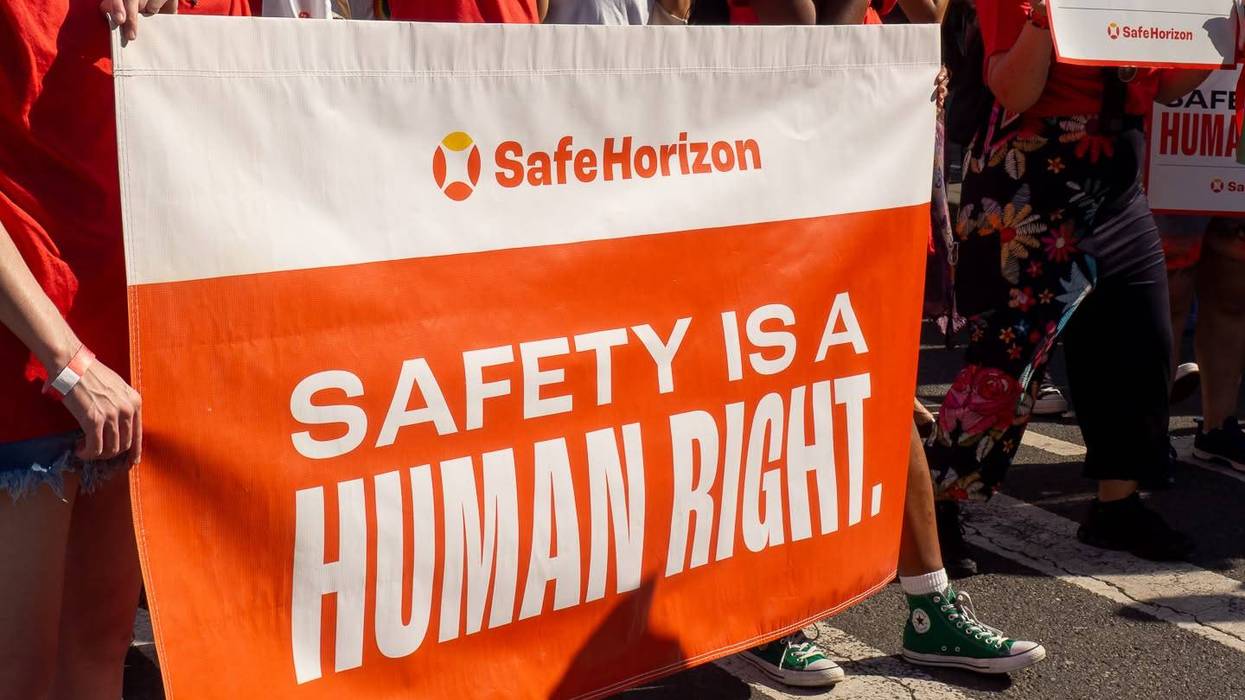
A proposed Office of Management and Budget rule change giving a small group of presidential appointees final approval over $1 trillion in grant money would be devastating for nonprofits and the vulnerable people they serve.
Three months ago, the Office of Management and Budget proposed new rule changes that would greatly politicize federal grant making, with the potential to restrict, stall, and even terminate grants to nonprofits, state and local governments, universities, and community organizations across the country at will.
Just this week, the House passed a stopgap funding bill to temporarily block the finalization of these rule changes, with bipartisan support. If signed by the president it means that federal agencies will now continue to be funded through December 11, and no changes to the Office of Management and Budget (OMB) rules will take place before then.
While this funding patch is good news, come December we'll need much more than a temporary fix to address the dangerous impact these changes will ultimately have. If these rules are finalized, $1 trillion in annual discretionary grants will soon be subject to approval by a group of presidential appointees, based on alignment with the president’s extreme and erratic policy priorities. Shifting this crucial decision-making power to a small set of political appointees is highly concerning for tens of thousands of nonprofit organizations addressing public health, housing, transportation, scientific research, and more. For the survivors we serve, the consequences could be devastating.
I lead Safe Horizon, the nation’s largest victim service organization, serving 250,000 survivors of violence, abuse, and exploitation each year. We offer domestic violence shelters, criminal justice programs, case management, mental healthcare, support for unhoused youth, and expert legal advice and representation. This is lifesaving work.
A cancelled grant may mean that a woman is forced to leave emergency shelter and return to her unsafe home, or that a young person may lose their supportive housing and find themselves sleeping on trains.
Like so many of our peers in the human services sector, we rely on federal funding—through direct federal grants as well as through state and city pass-through funding—to support our clients. The proposed rule changes threaten the safety and health of our clients by adding questionable legal interpretations and ideological differences as criteria for granting funds.
Domestic violence, child abuse, homelessness, and immigration are all issues that cut across gender, race, religion, and identity. We serve ALL survivors who come through our doors, including people with marginalized identities who are disproportionately impacted by violence and abuse. Last year alone, 901 survivors of domestic violence and their 1,098 children found safety through our shelters, and we answered 93,935 crisis calls through our 24-hour hotline.
Under the new rules, federal agencies will be empowered to terminate or pause grants based on changes in agency priorities or the “national interest,” meaning grants could be cancelled at any time for any reason, disrupting critical services to those who need them. These changes will directly impact our clients’ safety. A cancelled grant may mean that a woman is forced to leave emergency shelter and return to her unsafe home, or that a young person may lose their supportive housing and find themselves sleeping on trains. A survivor of sexual violence may have no one to turn to when the hotline number stops picking up in times of crisis. Nonprofit domestic violence shelter providers across the country could be forced to pause or reduce their services, and even close their doors, leaving survivors more vulnerable to violence and uncertainty.
Beyond ideological interpretations, procedural rule changes will weaken the integrity and stability of the federal grant-making process itself. Currently, grants are reviewed by peer subject matter experts. This means independent professionals make informed decisions about which programs are most qualified to receive funding. Giving political appointees who lack this expertise the power to approve or deny grants makes grant making political, essentially reducing it to a tool of the president, instead of prioritizing the real needs of a community.
These proposed changes are alarming, and yet, we are no longer surprised. There is a pattern of manipulation at play: Just this summer The New York Times reported that the Trump administration admitted that they had canceled more than $7.5 billion in federal grants for clean energy projects, based solely on their location in Democrat-led states. We are already witnessing the misuse of congressionally approved funding for political targeting—these rule changes would hasten that process.
After OMB published their proposed rule changes on May 29, a 45-day public comment period opened during which nearly 500,000 comments were submitted by nonprofit organizations, prosecutors, law enforcement, academic institutions, and more. The majority of these comments vehemently opposed the changes.
In our work, we follow a client-centered practice model where we trust that clients are the experts of their own lives. We provide care, guidance, and options toward safety and healing, but ultimately, we listen to survivors first. I hope that after this temporary funding fix, the Senate, OMB, and this administration can follow suit, and that they won't ignore half a million voices of service leaders advocating that these proposed rule changes be withdrawn. Safety is a human right, and the well-being of our communities depends on it.
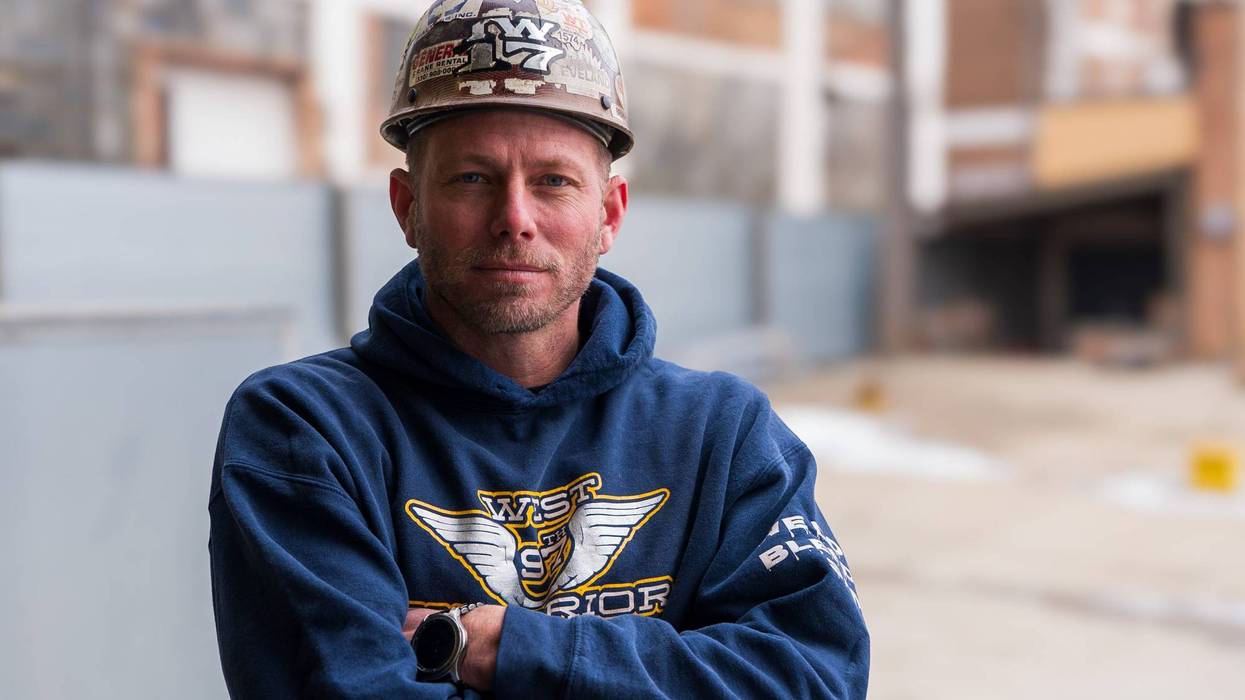
"Brian Poindexter—a working-class ironworker and champion for all—is going to make sure Max Miller doesn't get another term in the halls of power," said one Democratic campaigner.
Democratic congressional candidate Brian Poindexter on Sunday joined a growing chorus of people across the political spectrum arguing that Republican Rep. Max Miller shouldn't remain a member of the US House of Representatives over domestic abuse allegations.
"No one credibly accused of holding a gun to his wife's head and breaking their 2-year-old daughter's collarbone belongs in the halls of power," said Poindexter, a union ironworker challenging the GOP incumbent in Ohio's 7th Congressional District, in a post on the platform X. "Help defeat Max Miller in November."
Poindexter's social media post, which links to his fundraising webpage, came after he told Ohio journalist Jessie Balmert on Saturday night, "These allegations are very serious, and I don't know if he should resign or not, but what I would say is that if these allegations are true, he should be in jail."
The Democrat's post also came as Miller wrapped up a nearly 20-minute livestream on X in which he makes clear that he is not dropping out of the race (the deadline for Republicans to replace him on the ballot is Wednesday). Miller also denied abusing his ex-wife Emily Moreno—the daughter of US Sen. Bernie Moreno (R-Ohio)—and their child.
Emily Moreno discovered bruises on their young daughter and took her to the emergency department. As Mother Jones' Abby Vesoulis reported last month, "Records of the investigation into potential child abuse show that Moreno told detectives that Miller had previously thrown hot water at her, shoved her, and held a gun to her head; therefore, she couldn't rule out that Miller caused their daughter’s fracture."
The Cuyahoga County Division of Children and Family Services found that any potential child abuse was unsubstantiated—meaning there wasn't enough evidence to determine neglect or abuse—but Mother Jones reviewed legal filings in which "Moreno alleges that Miller was an absentee father and abusive husband whose history of violence and misconduct dates back more than a decade."
Responding to the Sunday morning video, Emily Moreno's spokesperson, Stefan Mychajliw, said that "it is shameful that Max Miller decided to go on a bizarre and lie-filled rant about his ex-wife to desperately try to save his political career. There is a documented trove of evidence that Miller has a history of violent and dangerous behavior and no amount of victim shaming will change that."
"It is despicable and abhorrent that Miller lied on an unhinged and humiliating video for their daughter to watch one day," the spokesperson continued. "No loving parent would have ever used their daughter as a PR pawn to save their own political career. Miller can lie and spin on X, but he cannot do so under oath in a court of law. We are confident that justice will prevail in court."
Her senator father also weighed in with a lengthy post on X, saying in part that "our priority has always been protecting our daughter and our granddaughter. Out of concern for the safety of my family, I hoped to keep this matter private, but Max Miller’s increasingly erratic and dangerous behavior has made that impossible... He should not serve in the House of Representatives. I believe Max Miller needs to seek professional help to end the clear pattern of abuse he has left in his wake."
Miller replied to the senator directly, writing: "If my daughter said the same thing to me, I personally wouldn't wait two years before holding him accountable. You know this isn't true, and the only reason you are speaking out now is to hide from your own media circus. This is all political."
As Mother Jones' Vesoulis noted Sunday:
Emily Moreno is not the only woman that Miller has been accused of perpetrating violence against. In 2021, Politico cited multiple witnesses in reporting that Miller had thrown a woman down the stairs after she rejected his advances. That woman recently told Mother Jones that the night in question remains “one of the more traumatic nights of my life.”
During the first Trump administration, Miller’s behavior toward women also came under scrutiny when former White House press Secretary Stephanie Grisham accused a fellow Trump staffer of assaulting her. Miller sued Grisham for defamation at the time, stating in his lawsuit that people knew she was referring to him. Miller denied hurting her, too, and the two reached a confidential settlement in the lawsuit. Grisham is now suing Miller for violating the terms of that settlement.
The video sparked a fresh wave of support for Poindexter. Cameron Kasky, a mass shooting survivor and gun violence prevention advocate who previously ran for Congress as a Democrat, said Sunday: "Miller stated: 'If I had assaulted her, would she have offered to cook me dinner six days later?' Ruin this man's life. And donate to his opponent."
Adam Carlson, founding partner of the polling firm Zenith Research, shared a link for donating to Poindexter alongside a short clip of Miller's video and said that "OH-07 is a flippable district," pointing to statewide election results going back to 2018.
Former Republican Illinois Congressman Adam Kinzinger replied to the video by blasting Miller as "an evil clown."
Calling the video "an absolutely appalling 'defense,'" US Rep. Sarah McBride (D-Del.) said that "Max Miller is clearly unfit to hold power, including as a member of Congress."
Mari Manoogian, a former Democratic Michigan state legislator who now leads The Next 50, a group focused on electing younger Democrats, said that "Brian Poindexter—a working-class ironworker and champion for all—is going to make sure Max Miller doesn't get another term in the halls of power. Brian will be one hell of a congressman."
The US National Domestic Violence Hotline can be reached at 1-800-799-SAFE (7233), by texting "START" to 88788, or through chat at thehotline.org. It offers 24/7, free, and confidential support. DomesticShelters.org has a list of global and national resources.
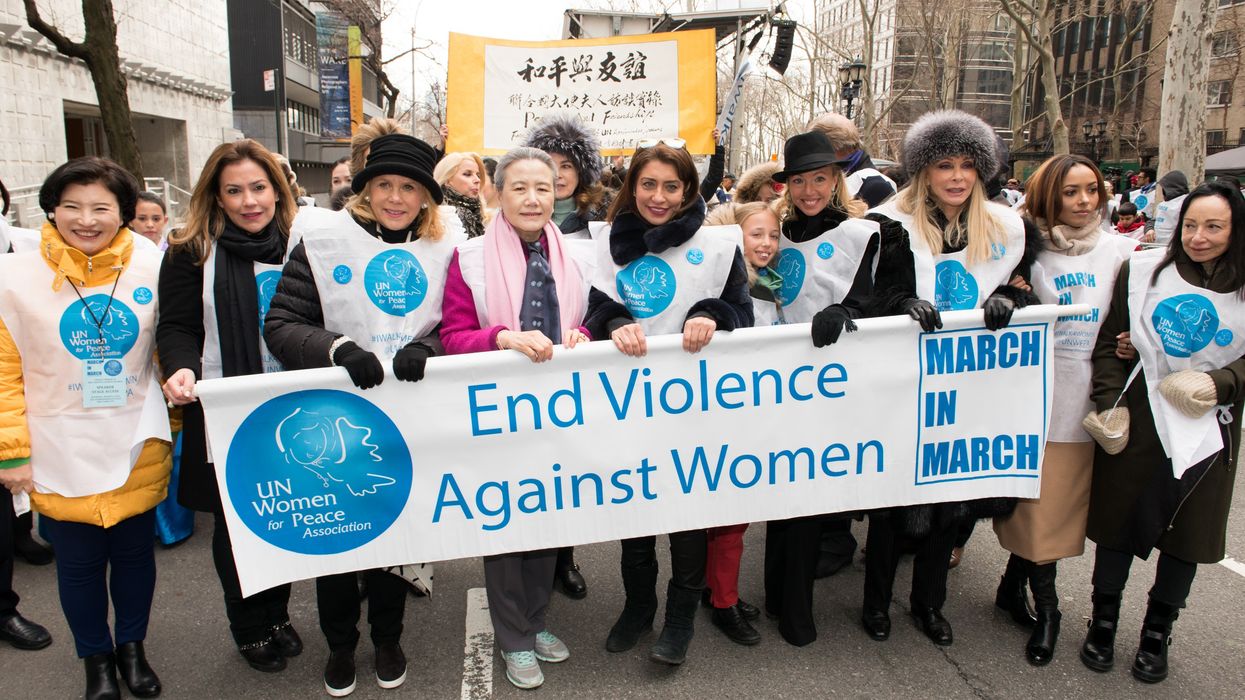
All communities must realize that funding for domestic violence resources is not just charity—it’s an investment in public safety, community health, and the future stability of families.
Another school shooting? Shooting of a social media conservative advocate? In a nation where children can be murdered at church or school, an activist like Charlie Kirk can be assassinated at a campus event, and a man can kill a pregnant teen because of “road rage,” it is a daily challenge to prepare for the worst and simply hope for the best.
I wonder if I will become a victim to my circumstances or a survivor with a cautionary tale.
Despite US President Donald Trump recently dismissing domestic violence as "a little fight with the wife," 1 out of every 2 women are subjected to gender-based violence by an intimate partner in the US. This means every employer employs survivors and we all know someone affected.
Despite its prevalence, the silence and stigma surrounding this issue continue to isolate survivors. Equally concerning, survivors face overwhelming financial obstacles, unlivable wages, reduced access to essential services, and now recent funding cuts to domestic violence services. Nonprofit organizations that support survivors are being asked to do more with fewer resources.
The fact is economic security for survivors is not just about preventing them from returning to abusers—it’s about investing in a safer, healthier, more resilient society for everyone.
In this political climate, it feels audacious to hope for government budgets to include the kind of holistic, wraparound services that support communities’ most vulnerable populations. From the highest levels of government there have been thousands of layoffs including the US Agency for International Development, the Internal Revenue Service, the Education Department, the Defense Department, health agencies, the National Park Service, and the Department of Veterans Affairs.
In light of these devastating layoffs and funding cuts, survivor-serving organizations have lost most, if not all, government funding and must pivot to sustain themselves. In an ideal situation this may transpire into leveraging complimentary community resources, exchanging services, and collaborating to build grassroots, organic networks of support.
This can also look like survivors of domestic violence left alone with shame, fear, and confusion on what to do next. The window of opportunity for survivors to access support is narrow.
Without immediate emergency support, survivors are forced to return to unimaginable circumstances and some never make it out. Research is clear: Economic security is one of the greatest pathways to helping individuals break free from the cycle of abuse; without stable housing, income, or childcare, survivors are often forced back into unsafe situations.
As a survivor, I acknowledge the privilege I have by being the breadwinner. Once I broke free from the mental bondage and fear of physical abuse, I was fortunate enough to have my career (although I almost lost it), a home with my name on the lease (and $15,000 in back rent), and just enough fight left to obtain a restraining order and full custody of my son.
I tried utilizing what services existed in my area but ran into agencies with reduced staffing and hours. The providers did their best to support me over the phone, but they were also overwhelmingly busy and forgot to send follow-up emails, so I did the best I could on my own with a lot of faith and just a little spark of hope. Statistics and experiences show most survivors aren’t that lucky.
All communities must realize that funding for domestic violence resources is not just charity—it’s an investment in public safety, community health, and the future stability of families. When someone makes the courageous decision to leave an abusive environment, their path forward must not be blocked by scarcity and closed doors.
I share my experience to help others. I speak up to destigmatize talking about domestic violence and its correlation to economic security. I offer to take care of survivors' children while they figure out what to do next and sometimes just provide a safe space to process.
No one wakes up and decides to become a victim, nor does a person wake up and decide to be a batterer—however this happens at a frequency equal to 24 people per minute and 10 million people per year in the United States.
By focusing on the most vulnerable populations, there will be positive residual consequences for everyone. There is an estimated $7.73 billion cost of domestic violence in my home state of California alone.
Nationally, “One study estimated the cost of intimate partner violence against women to US society, including health costs and productivity losses," would be $12.1 billion n 2025 dollars.
This affects everyone as economic insecurity is widespread: 77% of US adults report they don’t feel fully financially secure. The fact is economic security for survivors is not just about preventing them from returning to abusers—it’s about investing in a safer, healthier, more resilient society for everyone.
By providing stable economic foundations, it is possible to create a world where leaving isn’t a leap into the unknown—it’s a step toward a future filled with hope and opportunity.
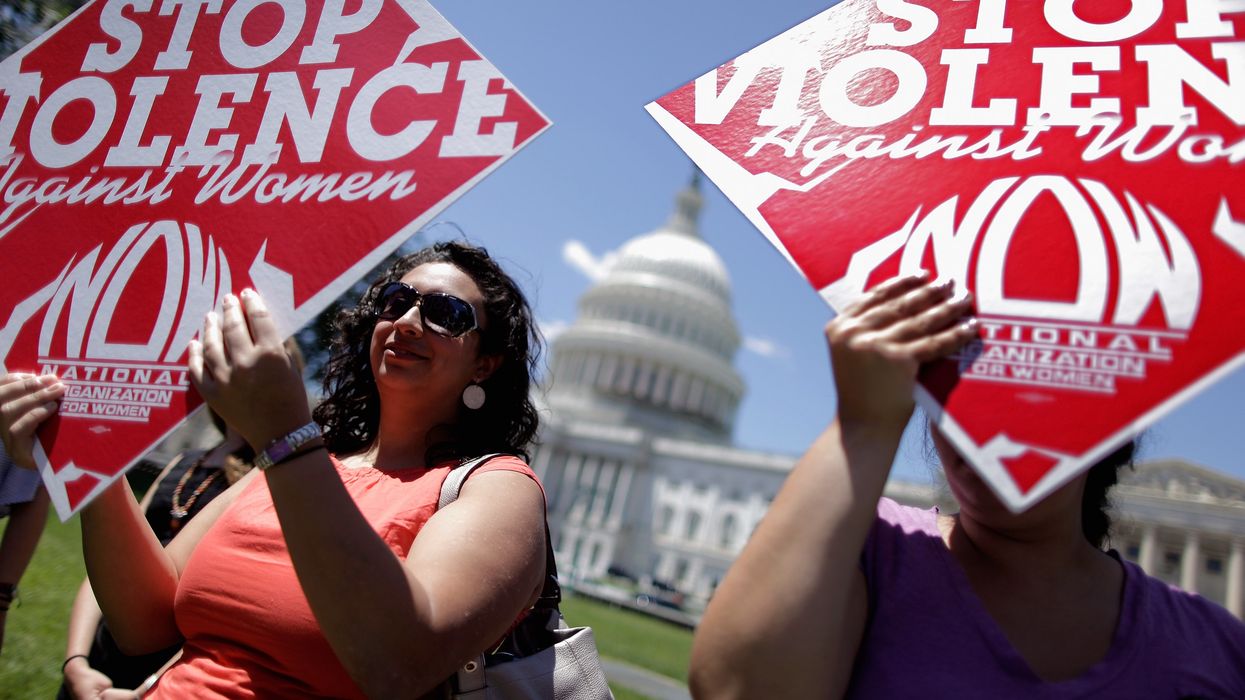
The president’s remarks come at a time when he and his enablers celebrate toxic masculinity while cutting services for the most vulnerable, including domestic violence prevention and support for Survivors.
For those of us who work to prevent domestic violence and support survivors, it was beyond disheartening to hear the president of the United States, one of the most powerful men in the world, say, “If a man has a little fight with the wife, they say, 'This was a crime,' see?" His off-the-cuff remark was in regard to the crime rate in DC and is hard not to interpret as downplaying domestic violence.
It was notable to me that these remarks were made at the Bible Museum, at a conference for the freedom of religious education. Sadly, organized religions have too often been places that have turned a blind eye toward domestic violence, with an attitude that things that happen in the home should stay private or are to be worked out in the home. This, of course, minimizes the power and coercion behind domestic violence. Every day I speak to victims who are in situations where they cannot get help because the violence is happening at home, whether it is because they know what will happen when their abuser posts bail or they will have no place to live, or they do not want to disrupt their children’s lives and pull them out of school. The list goes on and on.
The president’s remarks come at a time when he and his enablers celebrate toxic masculinity while cutting services for the most vulnerable, including domestic violence prevention and support for Survivors. Recently Housing Urban Development funding has been cut, even though the connection between homelessness and domestic violence is clear. The California Inter Agency Council on homelessness reported that 74,779 survivors and 24,721 children of survivors experienced homelessness in 2024, that survivors had a higher rate of return to homelessness after exiting homeless services, that 14% of survivors returned to homelessness versus 10% of the overall homeless population, and that Survivors had a lower rate of exits to permanent housing—14% among survivors versus 18% among the overall homeless population. Yet funding for homelessness prevention at organizations, like the Survivor Justice Center that I run, are being cut.
Just last week I was interviewed about a hand signal that went viral that started when people were trapped at home with their abusers during the pandemic and need a nonverbal way to get help. Many of us are also standing in solidarity with survivors of Jeffrey Epstein and their re-traumatization by the ongoing dismissal of his crimes by the powers that be.
We must stop minimizing abuse just because it happened with someone you know.
Next month is Domestic Violence Awareness Month, where advocates, survivors, and supporters across the nation come together to commemorate those lives that have been lost to intimate partner violence and to continue the work to end domestic violence. I hope we can come together this month to commemorate those lives, and to raise awareness that this is not just a little fight that happens between a husband and a wife at home.
Every day, a friend, colleague, neighbor, community supporter, a good Samaritan, whomever asks me how this could still be happening, how could these ingrained power and control and coercive and abusive behavior be happening. They ask how they can help.
This is why I wrote earlier this year about the blame game. And about the burden that is placed on the survivor. We must stop minimizing abuse just because it happened with someone you know.
You can help. You can recognize the hand signal. You can say “a little fight with the wife” is wrong for so many reasons—even the reference to “the wife” removes agency from the victim spouse and makes it sound like a reference to property. As if we are returning to a far-off time from the 1950s, when domestic violence was not discussed and women were not seen as equal partners, but people that should know their place and be barefoot in the kitchen. We won’t go back.
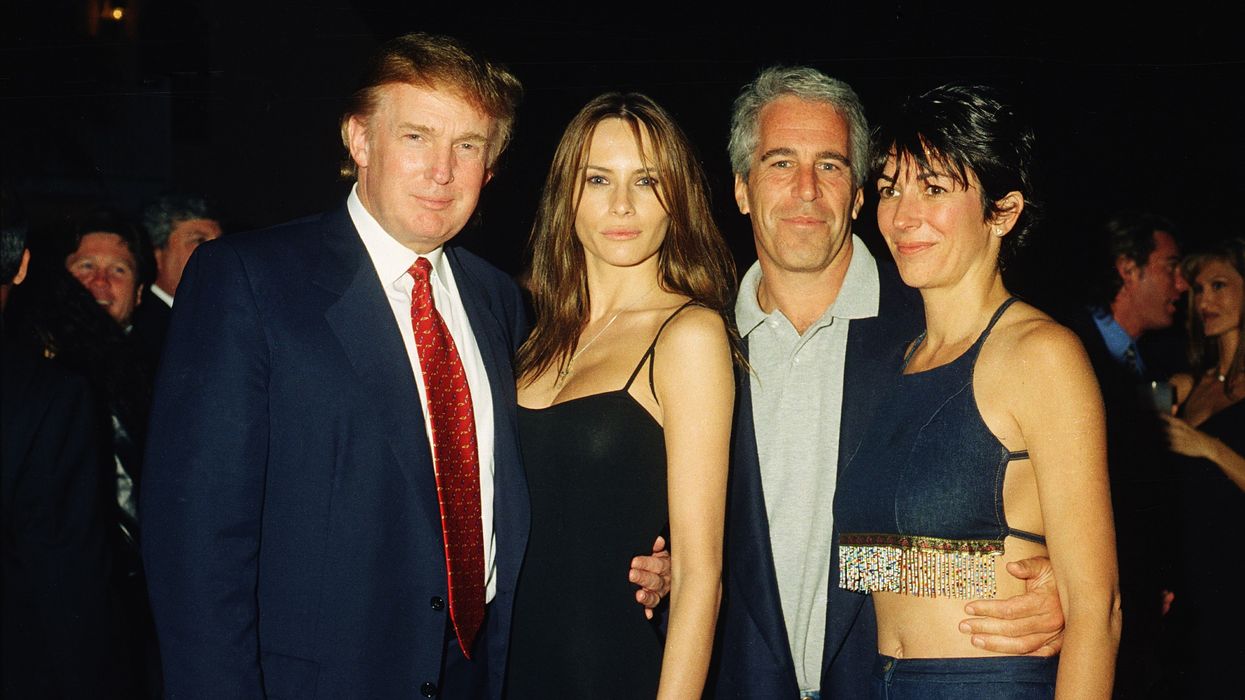
The question is not why they hid the list. The question is why they need it at all when the ledger is already written in their laws.
By the time the U.S. Justice Department released its memo in July 2025, the faithful were already starting to turn. There was no “client list,” no smoking gun, no perverted cabal of global elites laid bare for public vengeance. What they got instead was a cold government document and a half-mumbled shrug from President Donald Trump, who barely remembered the man everyone else had turned into a folk demon. “Are people still talking about this guy, this creep?” he asked, blinking like he’d just wandered out of a golf simulator.
The betrayal was almost elegant. For years, Trump’s people had promised the black book. Attorney General Pam Bondi said it was on her desk. Federal Bureau of Investigation (FBI) Director Kash Patel practically branded his political future with it. Counselor to the President of the United Staes Alina Habba promised flight logs and names. And then the punchline: nothing. Or rather, a truckload of documents scrubbed clean and a memo telling the public to move on. The frenzy turned inward. MAGA loyalists melted down on camera. Laura Loomer called for a special counsel. Deputy FBI Director Dan Bongino stopped showing up for work. Right-wing media turned on itself like rats in a pressure cooker.
But the Epstein file was never the point. The real story was not buried in a locked safe or hidden by the FBI. It was out in the open. It is still out in the open. The political movement that once pledged to drain the swamp has spent its second tour of duty building a legal and bureaucratic fortress around some of the oldest crimes in the book. Modern conservatism has come to rely not just on outrage but on inertia, and nowhere is that more visible than in its handling of child sexual abuse.
We are not talking about a secret ring or coded pizza menus. We are talking about a system that tolerates child marriage in over half the states. A system that forces raped minors to carry pregnancies to term. A system that slashes funding for shelters and trauma counseling. A system that lets rape kits pile up in warehouse back rooms while politicians pose in front of billboards about protecting kids.
This is not a moral failure or a bureaucratic oversight. It is an architecture. It is built from votes, funded by budgets, signed into law by men who say they fear God but fear losing donors more. The Epstein affair may have collapsed in a cloud of whimpering and spin, but what it revealed is far more corrosive than any one man’s crimes. The question is not why they hid the list. The question is why they need it at all when the ledger is already written in their laws.
As of mid-2025, child marriage remains legal in 37 U.S. states. In most of these jurisdictions, statutory exceptions allow minors to marry with parental consent or judicial approval. Some states permit marriage for individuals as young as 15. Others lack any explicit minimum age when certain conditions are met. These legal frameworks persist despite growing evidence of their links to coercion, abuse, and lifelong harm.
Missouri serves as a prominent example. Until recently, it permitted minors aged 15 to marry with parental consent. Testimony from survivors has revealed how this legal permission facilitated predatory relationships cloaked in legitimacy. In one case, a girl was married off to a man nearly a decade older, and the marriage became a vehicle for sustained sexual and psychological abuse. Former child brides in Missouri have since called for a statutory minimum age of 18 with no exceptions. Legislative efforts to enact such reforms have repeatedly stalled.
Tennessee offers a more recent and pointed illustration. In 2022, Republican lawmakers introduced legislation that would have created a new category of marriage not subject to age restrictions. The bill failed under public pressure, but it signaled a continued willingness by some conservative legislators to bypass modern child protection norms. Even when confronted with documentation of exploitation, physical violence, and long-term trauma, these lawmakers often frame the issue around religious liberty and parental authority.
The Epstein affair was never going to end in justice. It was a mirror. What it reflected was not a single man’s sins but a political order that treats predation as a price of stability.
The prevailing rhetoric in these debates centers on traditional family values. Proponents argue that restricting child marriage infringes on the rights of families to make decisions without state interference. In some cases, advocates for maintaining the status quo invoke Christian theological justifications or present marriage as a preferable alternative to state custody. These arguments shift the legal focus away from the vulnerability of the minor and toward the autonomy of adults, particularly parents and religious leaders.
This legal tolerance undermines the enforcement of statutory rape laws. When marriage can be used as a legal shield, older adults who would otherwise face criminal prosecution gain immunity by securing parental consent or exploiting permissive judicial channels. In practice, the marriage license functions as retroactive permission for sexual contact with a minor. Law enforcement agencies are often reluctant to investigate allegations within a legally recognized marriage, even when age discrepancies raise clear concerns.
The persistence of child marriage statutes in conservative-controlled states is not simply a relic of outdated law. It reflects a policy choice. The choice is to preserve adult control over minors, particularly in contexts that reinforce patriarchal and religious hierarchies. In doing so, the state becomes an active participant in the erasure of consent. Legal recognition of these unions confers legitimacy on relationships that, in other contexts, would be subject to prosecution. The result is a bifurcated legal system where a child’s age and rights are contingent on the adult interests surrounding her.
Following the Supreme Court’s decision in Dobbs v. Jackson Women’s Health Organization, state legislatures moved swiftly to implement abortion bans. As of July 2025, 10 states enforce prohibitions with no exceptions for rape or incest. These laws apply equally to adults and minors. In doing so, they erase the distinction between consensual and coerced sexual activity and impose state control over the bodies of children.
The consequences are observable. In Ohio, a 10-year-old girl became pregnant after being raped by a 27-year-old man. Because Ohio law prohibited abortion past six weeks and included no exception for rape, the girl traveled to Indiana to terminate the pregnancy. The physician who provided the abortion was targeted by state officials and subjected to professional disciplinary action. The child’s identity was shielded, but her case became a national flashpoint. No changes were made to Ohio’s statute in response.
In Mississippi, a 13-year-old girl gave birth after being raped by a stranger. Her family, unable to afford travel or secure an out-of-state appointment, watched as the pregnancy advanced. Though state law permitted abortion in cases of rape, it required police reporting and formal certification by the authorities. The procedural burden, combined with lack of local providers, rendered the exception functionally inaccessible. The pregnancy was carried to term. No support infrastructure was provided beyond birth.
In Texas, multiple cases have emerged involving girls under 14 who were raped by family members or acquaintances. One minor received abortion pills through informal networks. Another did not. In that case, the pregnancy continued until birth. In both situations, school staff, health workers, and shelter employees described an atmosphere of legal ambiguity and fear. Providers worried about prosecution for aiding what could be construed as an illegal abortion. Parents feared legal action or custody loss if they sought help out of state.
These laws are not merely restrictive. They are designed to inhibit access through a combination of legal uncertainty, bureaucratic obstruction, and geographic isolation. Requirements for parental consent and judicial bypass impose additional delays. In conservative jurisdictions, judges often refuse bypass requests outright. Clinics have closed. Providers have left. In many counties, no legal abortion services exist. For minors with limited mobility, no resources, and histories of abuse, these constraints function as a full prohibition.
Psychological consequences are profound. Research conducted by trauma specialists indicates that forced pregnancy following sexual assault exacerbates the risk of suicidal ideation, self-injury, and long-term mental illness. Minors compelled to remain pregnant often experience acute dissociation and chronic anxiety. Social workers report increased incidents of runaway behavior, substance use, and refusal to attend school. The medical literature consistently describes these outcomes as preventable harm.
The political response to these outcomes has been largely nonreactive. Elected officials in affected states have declined to revisit statutory language. When presented with specific cases, responses are limited to procedural defenses or deflections. Conservative media outlets often ignore these incidents altogether or question their veracity. State agencies rarely publish disaggregated data on minor pregnancies resulting from assault. In legislative hearings, victims are not called to testify.
This absence of acknowledgment is not accidental. The architecture of forced birth laws depends on abstraction. It requires a conceptual fetus without context, a generic moral narrative without victims. The insertion of real children into that framework exposes its contradictions. In response, the system silences or discredits those who do not fit the script.
The effect is the systematic abandonment of minor victims. The state declines to intervene in the act of abuse, imposes control over the outcome, and then withdraws when support is needed. In doing so, it transforms rape from a crime to a reproductive event and reclassifies children as bearers of state policy. The result is not a deviation from conservative thought. It is one of its clearest expressions.
In early 2025, the Trump administration released a proposed federal budget for fiscal year 2026 that included significant funding reductions for agencies and programs supporting survivors of domestic and sexual violence. The Office on Violence Against Women removed all open funding opportunities from its website. This move came amid a broader effort to eliminate what the administration referred to as “woke” or ideologically driven programs. Internal Department of Justice (DOJ) memoranda confirmed that existing grant language was being revised to align with White House policy preferences, with particular scrutiny directed toward anything referencing diversity, equity, or inclusion (DEI).
The proposed budget eliminated the Centers for Disease Control’s National Center for Injury Prevention and Control. That agency had previously overseen funding for rape prevention and domestic violence education through the DELTA and RPE programs. These initiatives provided critical infrastructure for community-based interventions, including education campaigns, prevention training, and partnerships with local law enforcement. Their elimination removed a core pillar of upstream support.
At the same time, DOJ grant freezes disrupted downstream services. Nonprofit organizations across the country reported immediate and severe impacts. In Ohio, the Hope and Healing Survivor Resource Center announced potential layoffs of its court advocates and a reduction in emergency shelter capacity. In Washington D.C., House of Ruth stated it was experiencing multiple levels of new scrutiny when seeking reimbursement for already-approved expenditures. Organizations were directed to pause hiring and halt finalization of pending grant applications. Many could not meet payroll obligations for March.
Survivors of violence were displaced not by explicit prohibition but by the withdrawal of every practical means of assistance.
In Philadelphia, Women Against Abuse reported difficulties accessing funding for its LGBTQ-specific services. In Washington state, the King County Sexual Assault Resource Center prepared to end its legal advocacy program entirely. In both cases, staff warned that client wait times for crisis response had doubled within a single quarter. Administrators noted that many of their clients were minors or undocumented women who lacked other options. Reductions in services were expected to increase reliance on emergency departments and law enforcement, systems ill-equipped to handle trauma recovery or long-term safety planning.
The effects extended to rural programs as well. In smaller counties, shelters funded primarily through DOJ block grants began closing intake lists. Survivors were told to wait or relocate. Legal assistance for restraining orders and custody cases became difficult to obtain. Mobile crisis units were discontinued. Hospital advocates who had previously accompanied victims during forensic exams were no longer available. Each removed position created a compounding absence in systems already operating at capacity.
The budget’s emphasis on eliminating federal programs associated with DEI goals shaped the targeting of these cuts. While many victim services agencies did not explicitly advertise such language, internal reviewers flagged any mention of racial disparities, LGBTQ outreach, or culturally specific programming as potentially noncompliant with revised priorities. A senior DOJ official, speaking anonymously, stated that the Office on Violence Against Women had been instructed to avoid “risk exposure” by minimizing support for identity-based initiatives.
Although the Violence Against Women Act had been reauthorized in 2022 with bipartisan support, its implementation now faced procedural obstruction. Staff who had expanded under the prior administration were informed they might be subject to termination. A memo from the Office of Management and Budget described plans for agency-wide attrition. Staff with less than three years of tenure were given no assurances. Departments were instructed to prepare for reduced grant-making capacity over the following two fiscal cycles.
The dismantling of support systems was neither sudden nor undocumented. It unfolded through administrative erasure, funding attrition, and legal recalibration. Survivors of violence were displaced not by explicit prohibition but by the withdrawal of every practical means of assistance. Those left behind were often the least able to navigate the resulting gaps. For these individuals, the state offered no replacement. Instead, it imposed a bureaucratic silence where aid had once existed. The outcome was a deliberate contraction of the public obligation to protect.
Despite the adoption of sexual assault kit tracking systems in over 30 states, the United States continues to face a persistent national backlog. Tens of thousands of kits remain untested in police storage facilities, hospital evidence rooms, and crime labs. Many of these kits have been stored for years without analysis. Others were never submitted for processing due to departmental triage, lost documentation, or discretionary decisions by investigating officers. While some states have mandated timelines for submission and testing, enforcement mechanisms remain weak, and compliance is inconsistent.
The Sexual Assault Kit Initiative, a federal program designed to support evidence processing and data coordination, has received limited attention under the current administration. Although the initiative has produced measurable results in jurisdictions that prioritized its implementation, recent Justice Department actions suggest a deprioritization of forensic reform. The DOJ has declined to expand funding, and the program has not featured in recent public safety messaging. Internal budget documents indicate that grants for kit testing were not included in the administration’s revised funding priorities for fiscal year 2026.
As a result, survivors often experience long delays in receiving updates about their cases. Some discover years later that their evidence was never tested. Others are notified only after investigations are closed due to expired statutes of limitation. Communication is sporadic and mediated by agencies with limited resources and unclear protocols. Victims who attempt to inquire directly are frequently redirected or denied information outright. In some states, survivors have been required to submit formal public records requests to learn whether their kits were processed.
These delays compromise prosecutions. When evidence is eventually tested, witnesses may be unreachable, suspects may no longer be within the jurisdiction, and memory degradation may weaken the reliability of victim testimony. Prosecutors, facing caseload pressures and limited bandwidth, often decline to pursue cases that were mishandled in their early stages. Defense attorneys use the lag in testing to undermine credibility or introduce procedural challenges. The net effect is a collapse in accountability long before any trial begins.
The failures of evidence handling disproportionately affect marginalized populations. In rural areas, law enforcement agencies lack personnel and funding to maintain evidence integrity or pursue cold cases. In urban centers, kits from Black, Indigenous, and Latina victims are more likely to go untested. Multiple studies have found that law enforcement officers are more likely to doubt the credibility of victims from low-income neighborhoods, undocumented communities, or those with previous contact with social services. These judgments influence whether evidence is submitted for analysis and whether cases receive investigative follow-up.
The forensic crisis is compounded by data gaps. Many states do not track the number of untested kits in private hospitals or non-mandated reporting facilities. Others exclude kits from the backlog if they were collected before a specific year. The result is an undercounting that obscures the true scope of institutional failure. Federal authorities have not established a national registry or auditing mechanism to standardize reporting. This lack of oversight permits continued neglect without consequence.
Efforts to reform the system remain fragmented. Some jurisdictions have implemented notification protocols to alert survivors when their kits are tested or their cases reopened. Others have passed legislation requiring mandatory submission timelines. These efforts, however, rely on sustained funding and political will. In the current policy environment, neither can be assumed.
The accumulation of untested rape kits reflects more than a bureaucratic shortfall. It reveals a hierarchy of value embedded in forensic practice. Victims whose experiences align with prosecutorial priorities receive attention. Those who fall outside those norms are left in limbo. The backlog is not only a logistical failure. It is a measure of who is deemed worthy of pursuit.
In the contemporary conservative lexicon, few terms have gained as much political traction as “groomer.” Once associated narrowly with criminal prosecutions of adults who built relationships with children for the purpose of sexual exploitation, the term has been repurposed as a generalized insult. It now targets a wide array of perceived ideological enemies, from public school teachers to LGBTQ advocates to librarians. In its current usage, “groomer” does not denote a specific criminal act. It signifies dissent from cultural orthodoxy. It functions rhetorically rather than descriptively.
This shift is not accidental. The term has become a central instrument in the conservative culture war arsenal. It is applied liberally to any policy, institution, or public figure that departs from a narrow conception of sexual and gender norms. The invocation of grooming no longer requires evidence. It requires proximity to subjects deemed socially suspect. Teachers who support inclusive sex education, therapists who serve queer youth, and public health professionals working with at-risk adolescents are all subject to the accusation. The result is not the exposure of exploitation. It is the expansion of suspicion.
The logic underpinning this rhetorical turn is strategic. By collapsing the distinction between ideological disagreement and criminal intent, the conservative movement recasts public discourse as a permanent battlefield of moral danger. In this framework, policy is secondary. What matters is posture. The capacity to signal vigilance becomes more important than the provision of safety. The accusation becomes the protection. The spectacle replaces the intervention.
By focusing public energy on the symbolic boundaries of morality, policymakers insulate themselves from accountability for structural abandonment.
This performance obscures the absence of actual safeguards for children. While conservative figures warn of drag queens and inclusive curricula, they vote against background check expansions for youth workers. They resist efforts to create national child abuse registries that include religious institutions. They block legislation to raise the minimum age of marriage. They eliminate funding for school counselors and after-school programs. They cut budgets for child protective services and reduce oversight of private adoption and foster care networks.
There is no contradiction here. The performance is the policy. Protection is not measured in outcomes. It is measured in volume. The louder the accusation, the less scrutiny is applied to legislative choices. Policy failure is neutralized by narrative substitution. When a child is raped and forced to give birth, the story is not told. When a teacher reads a picture book about diverse families, the story is told at volume. One incident is silent law. The other is national scandal.
The political value of outrage lies in its ability to redirect attention. Material neglect becomes invisible behind symbolic noise. The passage of laws criminalizing drag performances near schools draws headlines. The failure to fund rape crisis centers does not. By focusing public energy on the symbolic boundaries of morality, policymakers insulate themselves from accountability for structural abandonment. The child becomes a rhetorical device. She exists in theory rather than in law.
This asymmetry is visible in legislative activity. Since 2022, Republican-controlled legislatures have introduced hundreds of bills targeting LGBTQ speech, education content, and library access. Fewer than 10 bills have addressed forensic backlog reform. Even fewer have advanced. Proposed federal legislation to protect minors from online exploitation has repeatedly failed due to concerns about regulation of private companies. At the same time, multiple states have attempted to prosecute school staff for discussing gender identity under “grooming” statutes. The alignment is clear. Threats are defined ideologically. Interventions are reserved for performance.
Media infrastructure amplifies this distortion. Conservative news outlets and online influencers produce continuous content warning of threats posed by social workers, librarians, and drag performers. The framing consistently positions adults who support youth autonomy as predators. At the same time, actual cases of child sexual abuse in religious, athletic, and political institutions are downplayed or reframed. The function of this narrative is not to inform. It is to sustain a moral panic that legitimizes surveillance and censorship while diverting attention from systemic failures.
This process also redefines harm. Under the current paradigm, harm is not measured by suffering or injury. It is measured by deviation from normative identity. A child exposed to age-appropriate information about gender is framed as endangered. A child raped and forced to carry a pregnancy is not framed at all. She exists outside the moral narrative. Her pain is illegible because it does not confirm the ideological premise. She does not symbolize anything useful. She is inconvenient.
This redefinition produces policy that protects ideology rather than people. It enshrines the fiction that surveillance and restriction produce safety. It displaces accountability by substituting criminalization for care. The result is a system in which the primary targets of protective legislation are not predators but professionals. Teachers, counselors, and medical providers are monitored more closely than the men marrying minors or the judges enabling child pregnancies. The apparatus of protection becomes an apparatus of control.
This structure is not malfunctioning. It is performing as designed. The emphasis on symbolic enforcement over material assistance ensures that power remains centered. Actual protections would require redistribution. They would require funding, oversight, and transparency. They would require confronting the institutions most closely aligned with conservative authority: churches, courts, families. That confrontation is not forthcoming. Instead, the state protects the ideology of protection while abandoning the child.
The cumulative effect is institutionalized harm. Systems nominally built to safeguard children instead categorize them. They are either politically useful or they are not. Those who conform to the narrative of victimhood receive visibility without assistance. Those who contradict it receive neither. The performance of protection absorbs public attention. The reality of harm proceeds without interruption.
This disconnect is not unique to recent years. It has precedent in every era of moral panic. What is distinct in the current moment is the speed and reach of narrative enforcement. Digital media enables rapid mobilization around symbolic events. Legislation follows quickly. Meanwhile, data on actual abuse, assault, and neglect remains underreported and underanalyzed. The disparity between visible outrage and invisible harm grows wider. The system becomes harder to map and easier to perform.
The result is a hollow institution of child protection. It possesses language without infrastructure, law without care, and policy without contact. It functions as a mirror reflecting ideology back to its authors. The child at the center of the performance is not protected. She is used. The system that claims to speak for her leaves her undocumented, unsupported, and unacknowledged. This is not a gap in the system. It is the system.
This is not the result of a broken machine. It is the machine.
Child marriage laws that legalize statutory rape. Forced birth mandates that turn trauma into state policy. Rape crisis centers shuttered by budget design. Evidence kits rotting in closets. Drag queens banned from libraries while judges greenlight the weddings of 15-year-olds to grown men. None of this happens by accident. The patterns are too consistent, the outcomes too aligned. This is not a case of good intentions gone astray or bureaucratic confusion. It is a deliberate configuration of legal tools designed to shield abusers and discipline the abused.
The architecture holds. What looks like hypocrisy from the outside is strategy from within. It is not a contradiction to scream about “protecting children” while erasing them from legislation, data, and policy. It is not a glitch that the same people who ban books on puberty also block efforts to process rape kits. It is not ironic that the man whose administration claimed to be exposing Epstein’s secrets ended up presiding over their burial. It is structural.
The Epstein file was never about closure. It was about control. It served as a pressure valve, a vessel for all the anxiety and suspicion the base could not voice elsewhere. But when the promised reckoning finally came, it was blank pages and black ink. No fireworks. No arrests. Just a memo and a shrug. The silence that followed was not empty. It was full of meaning.
Because while they waited for the names to drop, the rest of the machine kept humming. Pregnant children were denied care. Shelters lost funding. Backlogs grew. Survivors disappeared into legal limbo. And the same men who had built their brand on outrage offered nothing but slogans and deflection. The spectacle of protection kept playing. But behind the curtain, the laws were doing exactly what they were designed to do.
It is easy to mock the true believers who spent years convinced that justice was one release away. But they were right about one thing. There is a network. It is not secret. It is written into the statutes and reinforced by the budgets. It lives in the votes cast to stall reforms and the speeches given to demonize victims. The rot is not hidden. It is codified.
The question now is not whether the system will be exposed. It already has been. The question is whether people are willing to see what has been made plainly visible. To understand that the policy scaffolding of modern conservatism is not a malfunctioning child safety program. It is a functioning disciplinary regime. Its purpose is not to protect the vulnerable. It is to sort them. To elevate the compliant and erase the inconvenient.
The Epstein affair was never going to end in justice. It was a mirror. What it reflected was not a single man’s sins but a political order that treats predation as a price of stability. The client list doesn’t need to be released. The clients wrote the laws. The machine is working.

"The Trump administration's OMB grant freeze memo plunged people and communities across the country into chaos and uncertainty," said one lawyer. "This order is a lifeline."
Organizations that challenged U.S. President Donald Trump's attempted federal funding freeze welcomed a Washington, D.C.-based judge's Monday order that further restricts its implementation, which followed a similar decision from another court on Friday.
District Judge Loren AliKhan issued a temporary restraining order following her administrative stay last week. While her initial block on the policy prompted the Trump administration to rescind the relevant memo from the Office of Management and Budget (OMB), both AliKhan and District Judge John J. McConnell Jr. of Rhode Island determined that further action was needed, citing White House messaging.
McConnell's Friday decison stemmed from a challenge filed by the attorneys general of 22 states plus D.C., and his decision only applied to them. AliKhan's case was filed by Democracy Forward on behalf of the American Public Health Association, Main Street Alliance, the National Council of Nonprofits, and SAGE, which all celebrated the judge's 30-page order that bars the Trump administration from "implementing, giving effect to, or reinstating under a different name the directives" in the OMB memo.
"A halt on federal agency grants would mean state, local, tribal, and territorial health departments don't get what they need to fund public health and prevention programs and research," said Dr. Georges C. Benjamin, executive director of the American Public Health Association, in a Monday statement. "Today's ruling is a major victory towards continuing these vital programs. We will continue to work with partners to protect funds for public health, which were approved by Congress and are making the difference between life and death."
Diane Yentel, chief executive of the National Council of Nonprofits, noted such groups "have been left in limbo by the Trump administration's callous actions" and "now, they finally have some needed clarity and can continue to do their essential work."
"We are determined to continue to do all we can to prevent this administration's reckless attempt to halt funding that would put people's lives and safety at risk, from pausing research on cures for childhood cancer to halting food assistance, [limiting] safety from domestic violence, and closing suicide hotlines," Yentel added.
SAGE CEO Michael Adams, whose group supports older LGBTQ+ people and their caregivers, also highlighted the freeze's impact.
"Restricting federal grants and loans would severely impact the lives of older Americans, including LGBTQ+ elders, who are more vulnerable to health issues, disabilities, and social isolation, and often struggle to access the care and services they need," he said. "We are grateful for this ruling, which protects our older neighbors, friends, and loved ones from the harmful freeze on federal grants and loans."
Companies are similarly "counting on federal funding," said Main Street Alliance executive director Richard Trent, "for services like infrastructure development, workforce training, and childcare programs that allow small businesses to thrive."
"Main Streets in America can't afford for these services to crumble," he continued, "and this ruling is a welcome step in the fight to protect the funding small businesses count on."
Although the decision from AliKhan—an appointee of former Democratic President Joe Biden—is another step toward thwarting Trump's attack on federal funding, Skye Perryman, president and CEO of Democracy Forward, acknowledged that the fight is far from over.
"The Trump administration's OMB grant freeze memo plunged people and communities across the country into chaos and uncertainty as they waited to see if critical programs—from childcare, to eldercare, to food services, to health programs, to community initiatives—would continue," Perryman said.
"This order is a lifeline that provides the breathing room needed for our clients to continue to provide services people across this country rely on," she added. "We look forward to pursuing this case on its merits in court on the behalf of our clients and the American people."
Universal healthcare, or at least a robust public option, would give Americans the freedom to leave jobs or relationships without fear of losing coverage.
Many people are nervously awaiting the fate of the Affordable Care Act, or ACA, under the new administration. If the ACA is repealed or restricted, countless women in abusive relationships could be forced to risk losing their spouse's healthcare coverage should they decide to leave.
For millions of Americans, healthcare is tied to jobs or marriages, creating dangerous dependencies. In 2023, over 60% of Americans under age 65 relied on employer-sponsored health insurance. Of these, one-quarter of women under 65 received their health insurance through a spouse’s plan.
I witnessed the devastating consequences of this firsthand during my 10 years working with a governmental agency dedicated to supporting individuals in “high-risk” domestic violence situations—cases where abuse was severe, frequent, and life-threatening. In this role, I provided crisis intervention, safety planning, and emotional support to survivors navigating unimaginable challenges. One woman I worked with called me from the doctor’s office one afternoon in tears. She had just been treated for a fractured eye socket. Her partner had thrown her against a wall the night before. While she hadn’t disclosed the cause of her injury to the medical staff, she had shared the truth with me.
Today, healthcare access is largely determined by employment and marital status, reinforcing economic inequality, gender-based harm, and rigid social roles.
Her distress, however, wasn’t about the medical care she received. It was about the idea of losing access to that very care if she ever left her partner. Ironically, the same healthcare that tended to her physical and emotional wounds was tied to her abuser’s job. Without him, she and her children would lose their health insurance entirely.
This tragic irony is the daily reality for countless individuals across the United States. For people in abusive, coercive, or manipulative relationships, healthcare tied to marriage gives abusers significant leverage. Leaving an abusive partner is never a simple decision, but the threat of losing health insurance—often for their children as well as themselves—makes it even harder. Survivors are forced to weigh their personal safety against access to life-saving care.
Employer-sponsored health insurance wasn’t always the norm. Before World War II, Americans typically paid out of pocket for medical procedures. But in the 1940s, wage controls during wartime prevented employers from raising salaries, so they began offering health insurance as a perk to attract and retain workers. Over time, this temporary solution became a default system, expanding to include dependent and spousal coverage as societal norms emphasized “family-centric” policies.
What began as a short-term fix has since created a web of unintended consequences. Today, healthcare access is largely determined by employment and marital status, reinforcing economic inequality, gender-based harm, and rigid social roles.
For survivors of domestic violence, this system compounds an already harrowing situation. The research shows that approximately 99% of domestic violence survivors experience financial abuse. Healthcare is often one of the financial tools used to exert control. Survivors may be blocked from accessing care, forced to remain in harmful relationships, or deprived of medical resources if they attempt to leave.
But the problem doesn’t end with domestic violence. The employer- and spousal-based healthcare system pressures people to conform to outdated family roles, leaving out millions who live outside traditional employment or family structures. For example, why shouldn’t someone be able to add a sibling, an elderly parent, or a close friend to their health insurance plan? Our narrow definitions of “family” exclude many from the support they need during life’s most challenging moments.
The good news is that change is possible. While we may not yet be at a point where we can fully separate healthcare from jobs and marriages, we are at a critical juncture where we can challenge the status quo and push for meaningful reform.
The Affordable Care Act was a significant step forward, but public options remain prohibitively expensive for many Americans. On average, employer-sponsored plans cost workers around $6,200 annually for family coverage, while public plans, without subsidies, can be more expensive. Closing this gap through expanded subsidies or premium caps must be a priority.
Current laws offer some protections. For example, domestic violence survivors qualify for health insurance enrollment outside standard open enrollment periods under the ACA and many private plans. But these policies are undermined by prohibitive costs and complex administrative processes, creating unnecessary barriers for those already in crisis.
Administrative barriers like these need reform. The ACA’s rollout was marred by technical issues, and today, many Americans still face confusing, inefficient systems that discourage participation. Streamlining the enrollment process and raising public awareness of available options would go a long way toward ensuring equitable access.
Long-term, we must move toward a system where healthcare access is no longer tied to employment or romantic relationships. Universal healthcare, or at least a robust public option, would give Americans the freedom to leave jobs or relationships without fear of losing coverage. No one should have to choose between their health and their safety, or between financial security and their autonomy.

"In a perverse move," explained Rep. Pramila Jayapal, "this bill would make it easier to label victims of domestic violence as perpetrators, to make them removable from the country and eliminate existing legal safeguards that protects survivors."
The eye-catching headlines cropped up across social media platforms and right-wing news outlets on Thursday:
"145 House Dems vote against bill to deport migrants who commit sexual assault," proclaimed Fox News.
"145 Dems vote against deporting illegal immigrants convicted of sex crimes," reported the San Joaquin Valley Sun in Central California.
"The Left were defending rapists, murderers, and pedophiles this morning," said U.S. Rep. Nancy Mace (R-S.C.) in a post on X, adding that Democrats "have a lot of explaining to do" regarding their opposition to the so-called Preventing Violence Against Women by Illegal Aliens Act (H.R. 30).
Progressive lawmakers were happy to explain why they objected to the legislation, which would mandate that undocumented immigrants, or those with contested legal status, be deported if they are convicted of or admit to committing sexual assault or abuse, domestic violence, stalking, child abuse, or violating a protection order.
Opponents of the bill noted that existing law already allows federal authorities to remove from the country any immigrant with uncertain status who is found guilty of "crimes involving moral turpitude," including rape, sexual assault, or domestic abuse.
But aside from being redundant, said Rep. Pramila Jayapal (D-Wash.), the bill, which was introduced by Mace, "weaponizes" the Violence Against Women Act "against—you've got it—domestic violence victims."
Although Mace and other supporters heralded the legislation as aiming to protect women and girls from "the lifelong scars, the irreversible scars, these heinous crimes leave behind," Jayapal noted that 200 local and national advocacy groups for domestic violence survivors urged lawmakers to oppose the bill.
"There is actually no gap in the law that needs to be fixed," Jayapal said. "Instead, in a perverse move, this bill would make it easier to label survivors of domestic violence as perpetrators, to make them removable from the country and eliminate existing legal safeguards that protect survivors.
The bill, she said, is meant to "widen the highway to [President-elect] Donald Trump's mass deportation plan."
Rep. Jamie Raskin (D-Md.) added that under Mace's proposal, "no exceptions would exist any longer for domestic violence victims who have committed minor crimes in the context of resisting their violent abuse."
"This bill will only make the immigration laws much harsher on the victims of domestic violence, sexual battery, and rape, which is the opposite of what we should be doing," he said.
The legislation, which passed 274-145 and garnered the support of 61 Democrats, was passed by the House days after Republicans pushed through the Laken Riley Act, using similar tactics to suggest opponents of that bill supported criminal activity by immigrants.
The Laken Riley Act would require the deportation of any undocumented immigrant accused of theft—a response to the killing last year of Georgia nursing student Laken Riley by an undocumented immigrant who had been cited for shoplifting prior to the murder.
Thirty-seven Democrats joined the House Republican Caucus in supporting the Laken Riley Act, and the Senate is set to vote on the bill in the coming days, likely sending it to Trump's desk to become law after he is sworn in next week.
"The Democratic support for this monstrous, inhuman rhetoric will play a big role in the advancement of authoritarian violence," Alec Karakatsanis, founder of the Civil Rights Corps, said of the legislation. "None of it was possible without propaganda pervading mainstream news about immigrants, shoplifting, bail, and the things that truly affect our safety."
Rep. Jesús "Chuy" García (D-Ill.) called the bill passed on Thursday "harmful" and "counterproductive."
"We must prioritize protections," he said, "not fear."
The U.S. National Domestic Violence Hotline can be reached at 1-800-799-SAFE (7233), by texting "START" to 88788, or through chat at thehotline.org. It offers 24/7, free, and confidential support. DomesticShelters.org has a list of global and national resources.
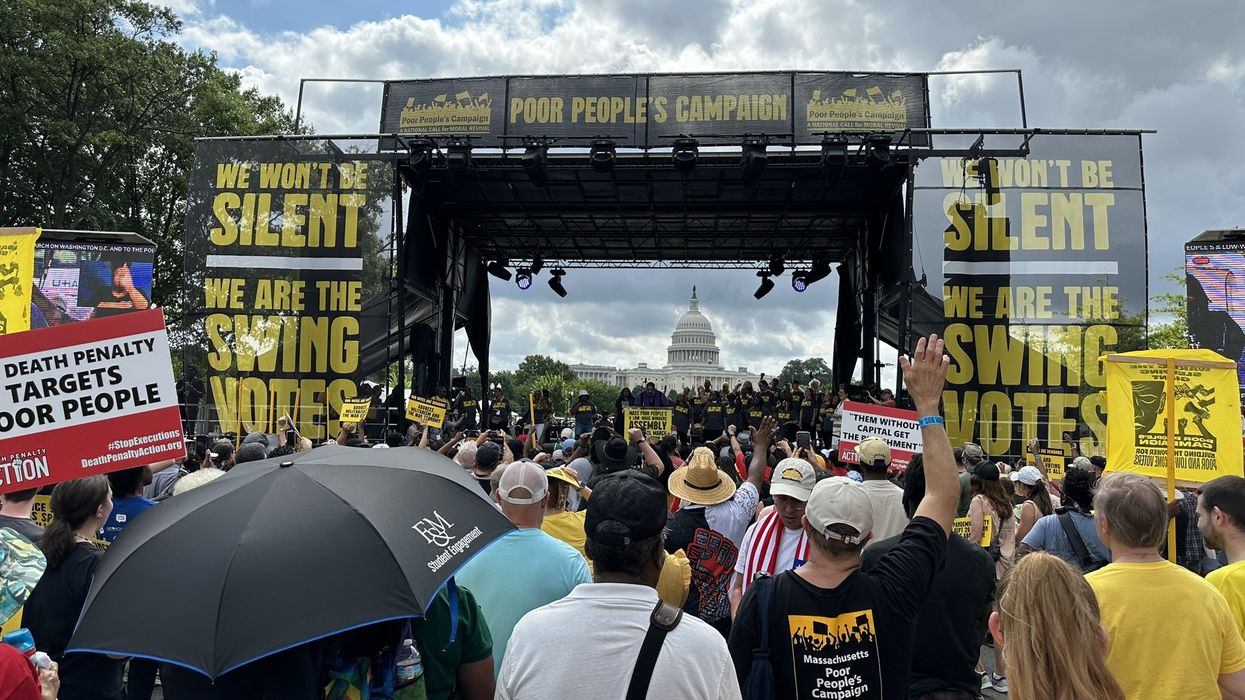
Blessed are those of the people, for the people, and by the people.
Whatever postures our country has projected to the world—shining city on a hill, leader of the free world, model of democracy, the indispensable nation, a rules-based order—all have crumbled like a house of cards. Our country’s failures, however, are deeper and older than the recent election.
The United Nations lowered the U.S. ranking to No. 41 among nations in 2022 due to the extreme gap between the rich and the rest and women’s loss of reproductive freedom. Elsewhere the U.S. ranks as a “flawed democracy” because of its severely fractured society. These ongoing societal failures feed a continuous decline in health, such that we now ranks 48th among 200 countries in life expectancy, while having the largest number by far of billionaires and millionaires compared with other wealthy countries. Corporate lobbies for the weapons industry, fossil fuels, pharmaceuticals, processed foods, etc. dictate our federal government’s priorities while 78% of U.S. people live paycheck to paycheck.
Blessed Is the Poor People’s Campaign: This national campaign in more than 45 states is organized around the needs and demands of the 140 million poor and low-income Americans. Its vision to restructure our society from the bottom up, recognizes “we must… deal with the interlocking injustices of systemic racism, poverty, ecological devastation, and the denial of healthcare, militarism, and the distorted moral narrative of religious nationalism that blames the poor instead of the systems that cause poverty.” Add sexism to that list of injustices.
Blessed is Fair Share Massachusetts, a coalition of labor unions and dozens of community and faith-based organizations that won passage of the Fair Share Amendment in 2022. The constitutional amendment has instituted a 4% surcharge on annual income over $1 million. In 2024 the $1.8 billion accrued from the tax on millionaires provides free school meals; free community college; and funds to invest in roads, bridges, and public transit.
In 1948, the United States signed the Universal Declaration of Human Rights (UDHR), which recognizes adequate housing as one cornerstone of the right to an adequate standard of living. All 27 European Union member states as well as Australia and South Africa institutionalized housing as a human right for their citizens while the United States has not. In every state except Oregon and Wyoming, it can be illegal to be homeless, essentially casting blame on 650,000 adults and over 2 million children for their poverty-stricken homelessness
Blessed is Rosie’s Place, a model to our country of woman-centered humanism. Much more than a shelter, it is a mecca and “a second chance for 12,000 poor and homeless women each year” in Boston. Rosie’s Place was founded on Easter Sunday 1974 in an abandoned supermarket, as the first shelter for women in the country. From providing meals and sanctuary from the streets, it grew into a multi-service community center that offers women emergency shelter and meals plus support and tools to rebuild their lives. Rosie’s offers a food pantry, ESOL classes, legal assistance, wellness care, one-on-one support, housing and job search services, and community outreach. Ninety percent of homeless women have suffered severe physical or sexual abuse at some time in their lives.
Blessed are the nearly 3,000 domestic violence shelters and groups organized throughout the U.S. to provide temporary shelter and help women rebuild their lives, offering legal assistance, counseling, educational opportunities, and multi-services for their children.
A recent Gallup Survey found that the U.S. ranks last among comparable nations in trust of their government and major institutions, including business leaders, journalists and reporters, the medical system, banks, public education, and organized religion—a plunge from top of the list nearly 20 years ago.
Blessed is Hands Across the Hills, a blue-state red-state seven-year effort formed after Donald Trump’s 2016 election to bring together progressive residents in western Massachusetts and more conservative residents of rural eastern Kentucky, for conversations and sometimes intense dialogues about their political and cultural differences. They disputed the idea “that we are hopelessly divided, as a myth sold to us by politicians and mass media, to hide our nation’s all-too-real inequalities.”
Blessed are the peacemakers across dozens of federal agencies, including the military and in communities throughout the country, who challenge, resist, resign, and refuse orders in our flawed hyper-militaristic government. Since the U.S.-enabled genocide in Gaza, more than 250 veterans and active-duty soldiers have become members, respectively, of About Face: Veterans Against the War, Feds for Peace, Service in Dissent, and A New Policy PAC. All have arisen from current and former federal employees aligned with the majority of Americans who want the Israeli-U.S. war on Gaza (now expanded to Lebanon and the West Bank) to end through diplomacy.
Blessed are those of the people, for the people, and by the people—beacons in a country sundered by militarism, rich privilege, origins in slavery and genocide of Native Americans, and persistent inequality for women.

Last week, Rebecca Cheptegei's children watched their mother burn right before their eyes. This type of horror happens in the United States, too.
As we commemorate the 30th anniversary of the Violence Against Women Act (VAWA) this September 13, the horrific death of Olympic runner Rebecca Cheptegei, who was set on fire by her ex-boyfriend just last week, reminds us that the fight against domestic violence is far from over. While domestic violence is sometimes portrayed as a scourge relegated to developing countries, it remains a significant and deeply troubling issue right here in the U.S., too, affecting individuals and families across all communities, regardless of socioeconomic status. Each day, three women die in the United States because of domestic violence; a woman is beaten by an intimate partner every 9 minutes; and 1 in 4 women will experience severe intimate partner violence in their lifetime. Yet headlines still manage to get their stories wrong and movies like the recent blockbuster It Ends with Us do a disservice to correctly capturing the experience of victims. The Violence Against Women Act, when it was passed in 1994, was a landmark step in addressing this issue. But the challenges that survivors face have changed in the last thirty years - while the paltry protections offered them have largely remained stagnant. We have a long way to go in supporting women, particularly in terms of enforcement and support for survivors.
On any given day in the United States, 13,335 requests for victim services go unmet due to a lack of funding. Of those unmet requests, 54% are for safe housing. Intimate partner violence has worsened in the aftermath of the COVID-19 pandemic, with calls to domestic violence hotlines spiking. Affordable and safe housing is one of the biggest barriers that survivors face when leaving an abuser; in fact, domestic violence is one of the main causes of homelessness for women and children - 63% of homeless women have been victims of domestic violence. In 2023, the federal government gave out $43.1 million in grants for transitional housing for domestic violence victims – but this is pennies compared with other federal grants, such as the $7.5 billion currently allotted for electric car charging stations. Having an immediate place to live is a matter of life and death for many victims. More funding, particularly for shelters and permanent affordable housing for victims and their children, is absolutely essential in 2024.
In addition to increasing funding for services, we must enforce laws that are already on the books. When a gun is present in a home where there is a domestic violence situation, a woman is five times more likely to be killed. Nearly half of the 4,484 women killed in 47 major U.S. cities from 2008-2018 died at the hands of an intimate partner. Many victims seek protection for themselves through civil restraining orders, but their abusers still have access to firearms because of poor enforcement, loopholes in licensing laws, such as the boyfriend loophole, and the proliferation of ghost guns (firearms assembled from kits without the usual serial numbers and background checks on purchasers). In my twenty years as an attorney representing victims of domestic violence, I cannot recall a single case where a defendant was forced by the courts or law enforcement to give up his guns. Shockingly, we operate on the “honor system,” which relies on abusers to voluntarily relinquish their firearms.
The result is that, this summer in Chicago, a 31 year-old mother of three was shot in the chest and murdered by her ex-boyfriend. Back in 2022, she had obtained a restraining order and requested seizure of his firearms, which the judge outright ignored. In July 2020, a California man shot and killed his wife in front of their children. The victim had an active restraining order at the time, and had informed the court that her husband had a gun and provided details of him threatening her with it in an application for a restraining order. Yet the judge accepted the man’s answer of “no” when asked whether he had any firearms. In 2017, a woman in St. Louis was shot by an ex-boyfriend four times through her apartment window. Police found an active restraining order lying on top of a microwave just a few feet from her body.
These homicide victims did everything they could under the law to protect themselves, but our system failed them. The landmark gun case decided by the Supreme Court in June, United States v. Rahimi, should have shined a spotlight on this gap – the defendant Rahimi was found in possession of firearms months after a civil restraining order was issued against him (arising from domestic abuse), which specifically banned him from having them. The Supreme Court validated the constitutionality of stripping him of his Second Amendment rights in this context. But we are not actually stripping abusers of their guns. There is a simple fix: when law enforcement serves a defendant with a protective order, and the victim has affirmed under oath that he has access to guns, these guns should be confiscated on the spot by the police.
Life is devastatingly complicated for victims with children. Many women make rational decisions to remain in abusive situations because the alternative may be worse for themselves and their children. Abusers use the court system to control their victims, by filing for custody for example, if their victim dares to leave. Under the current judicial climate, the “default” order is shared legal and physical custody, even in domestic violence situations. I see this time and again as an attorney – victim parents are not believed and are forced to comply with custody orders that perpetuate the abusive power dynamic. Over a decade ago, a study by the Department of Justice found that abusers do, in fact, use decision-making in shared parenting to regain control (by not agreeing to anything the victim wants, for example) and that they use visitation exchanges to harass and assault victims. But still we issue orders that have little regard for this evidence. Taken to the extreme, this results in outrageous situations like the one recently faced by a Colorado woman: Rachel Pickrel-Hawkins was jailed last week for refusing to comply with a custody order that provided for visitation to her ex-husband who had been criminally charged for sexually assaulting their daughters.
The myth that contact with an abusive parent is always beneficial for a child must be dispelled. Cases with two safe parents are not the same as cases with an alleged abuser. Tragically, a 2023 study found that in the last 15 years, over 900 children involved in contested custody cases (ones litigated in court) had been murdered, mostly by abusive fathers. In many of these cases, judges disbelieved or minimized reports of abuse and gave the killers the access they needed to their children.
Finally, providing family court judges with generalized “training” in domestic violence, as we do now, is not effective. Professionals without more specialized training tend to believe that women make false reports and that abusive parents pose little safety to their children. Moving forward, judges should be required to undergo more rigorous and comprehensive training in the nuances of domestic violence and the risks to victims and their children of post separation custody orders.
Just last week, Rebecca Cheptegei’s children watched their mother burn right before their eyes. This type of horror happens in the United States, too. "I was bleeding on the baby"—this is what the Chicago mother told the judge when pleading her case for an emergency restraining order prior to her murder in July. These monstrous deaths—everywhere around the world—are a vile reminder that domestic violence does not discriminate by geography, profession, or status. We must commit to combating this epidemic, strengthening laws like VAWA, and ensuring that they are backed by sufficient resources and legal mechanisms which actually work to protect victims.