

SUBSCRIBE TO OUR FREE NEWSLETTER
Daily news & progressive opinion—funded by the people, not the corporations—delivered straight to your inbox.
5
#000000
#FFFFFF
To donate by check, phone, or other method, see our More Ways to Give page.
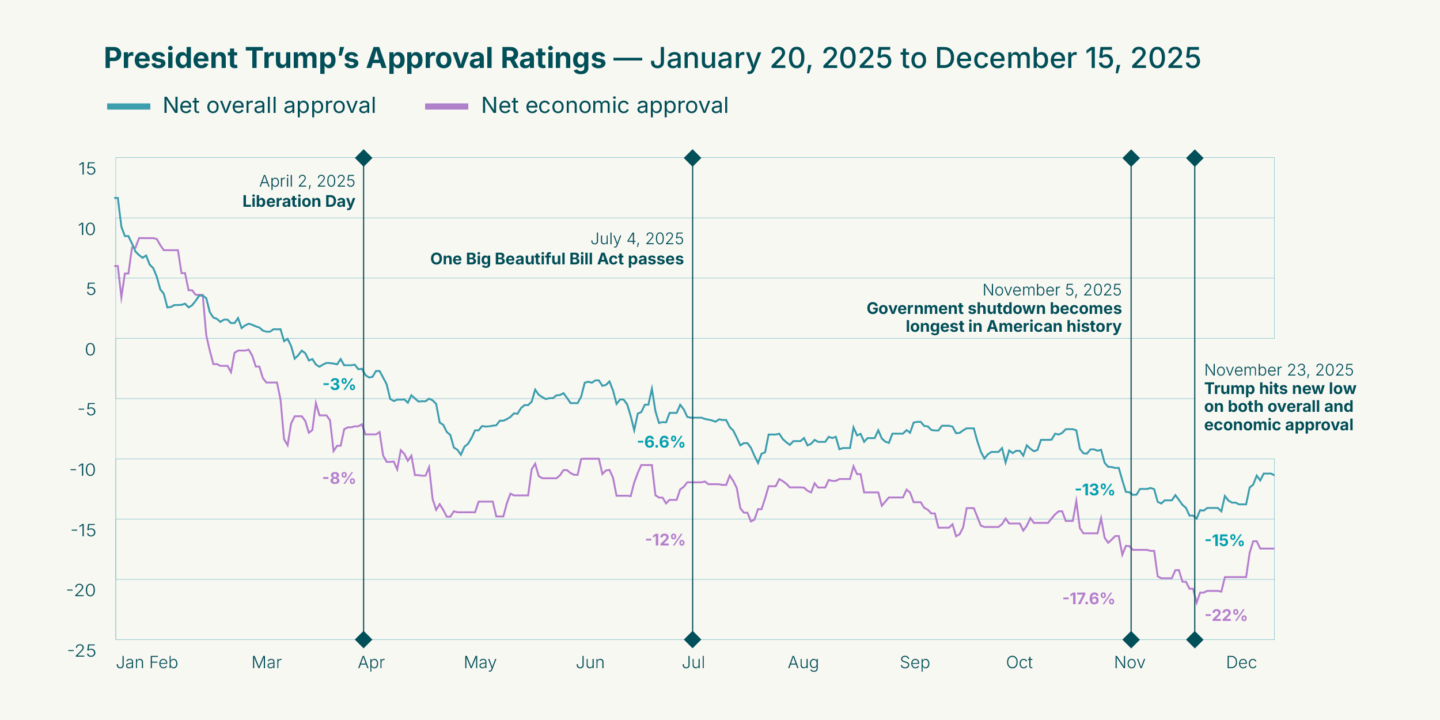
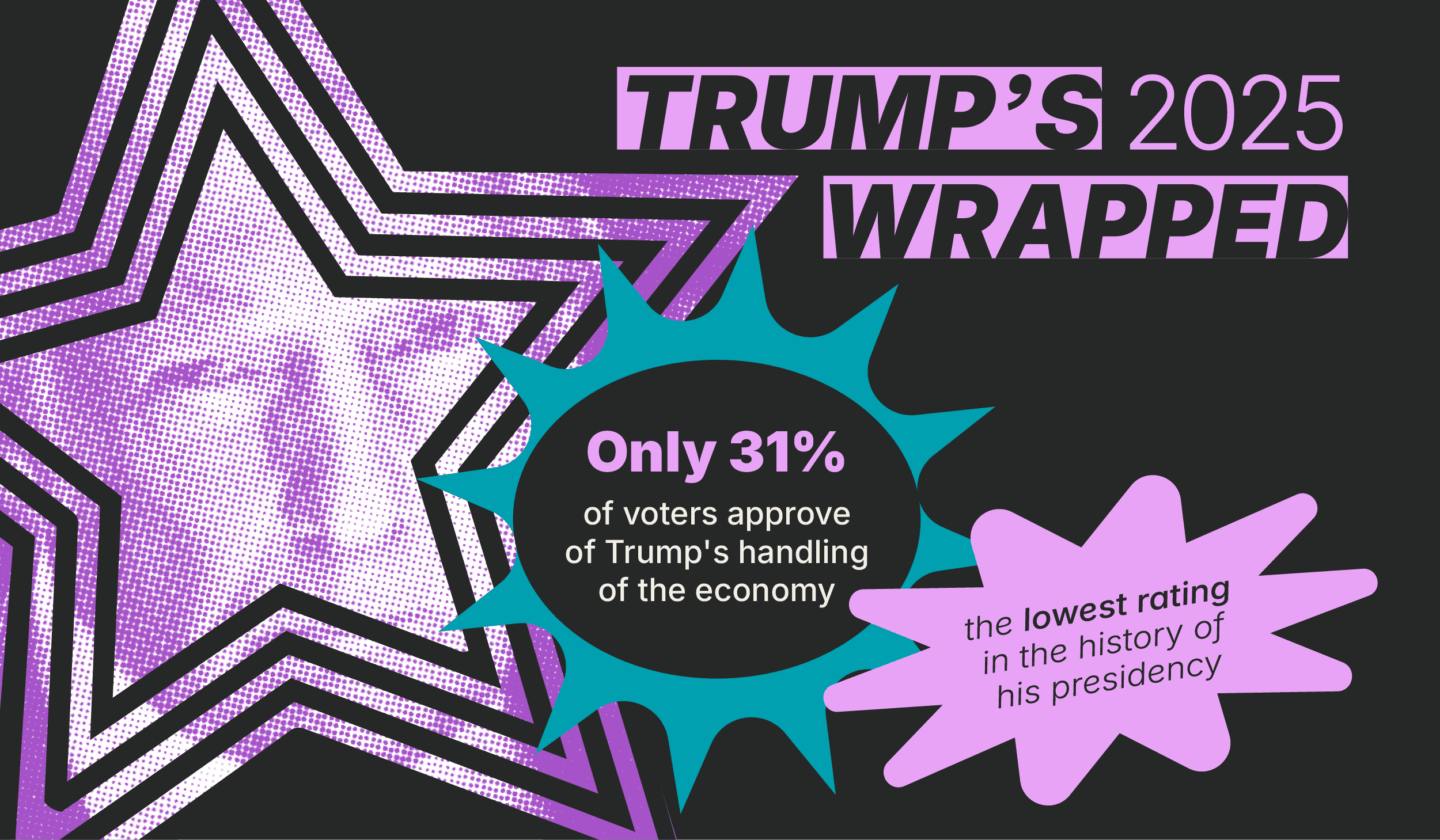
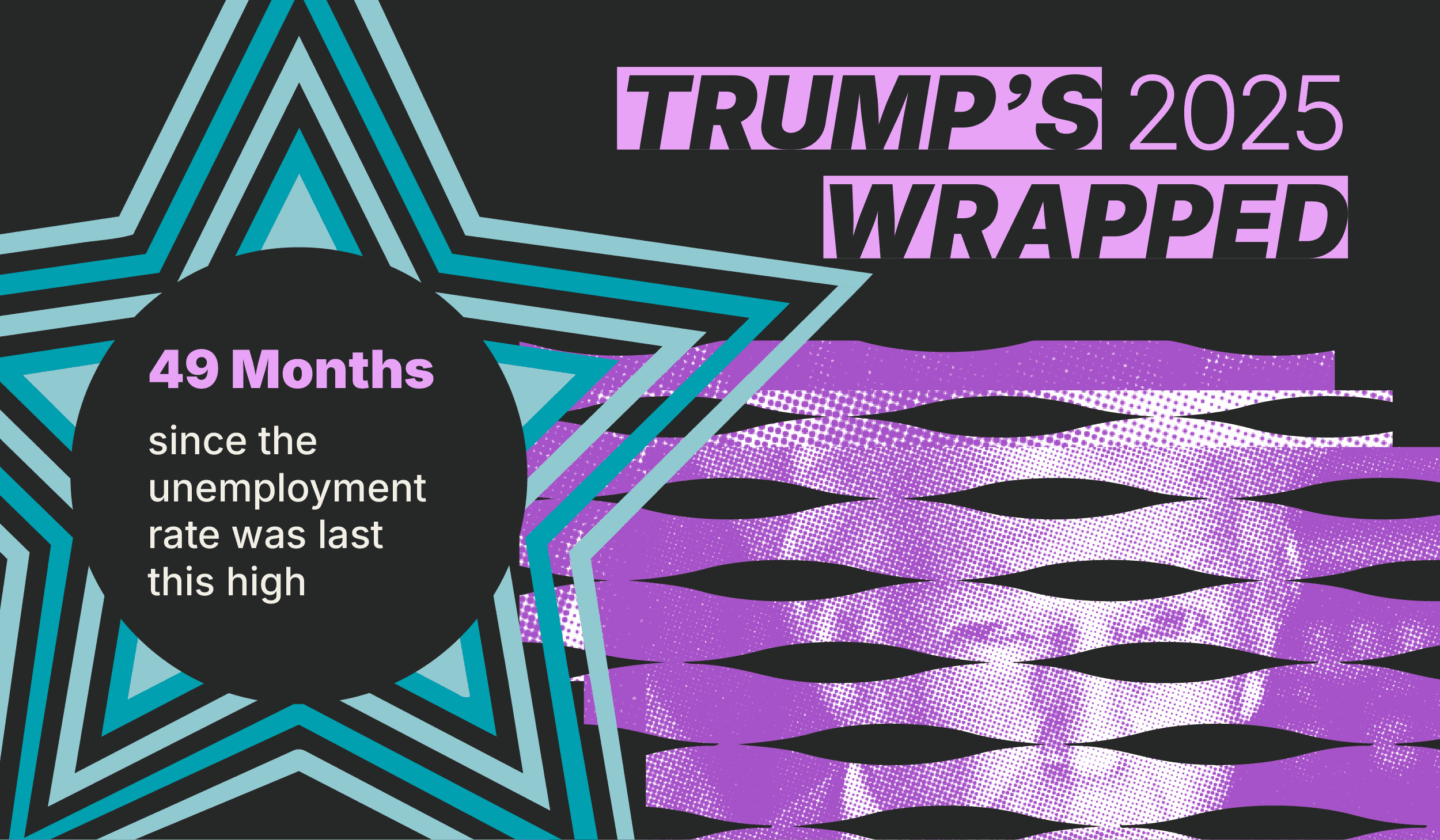
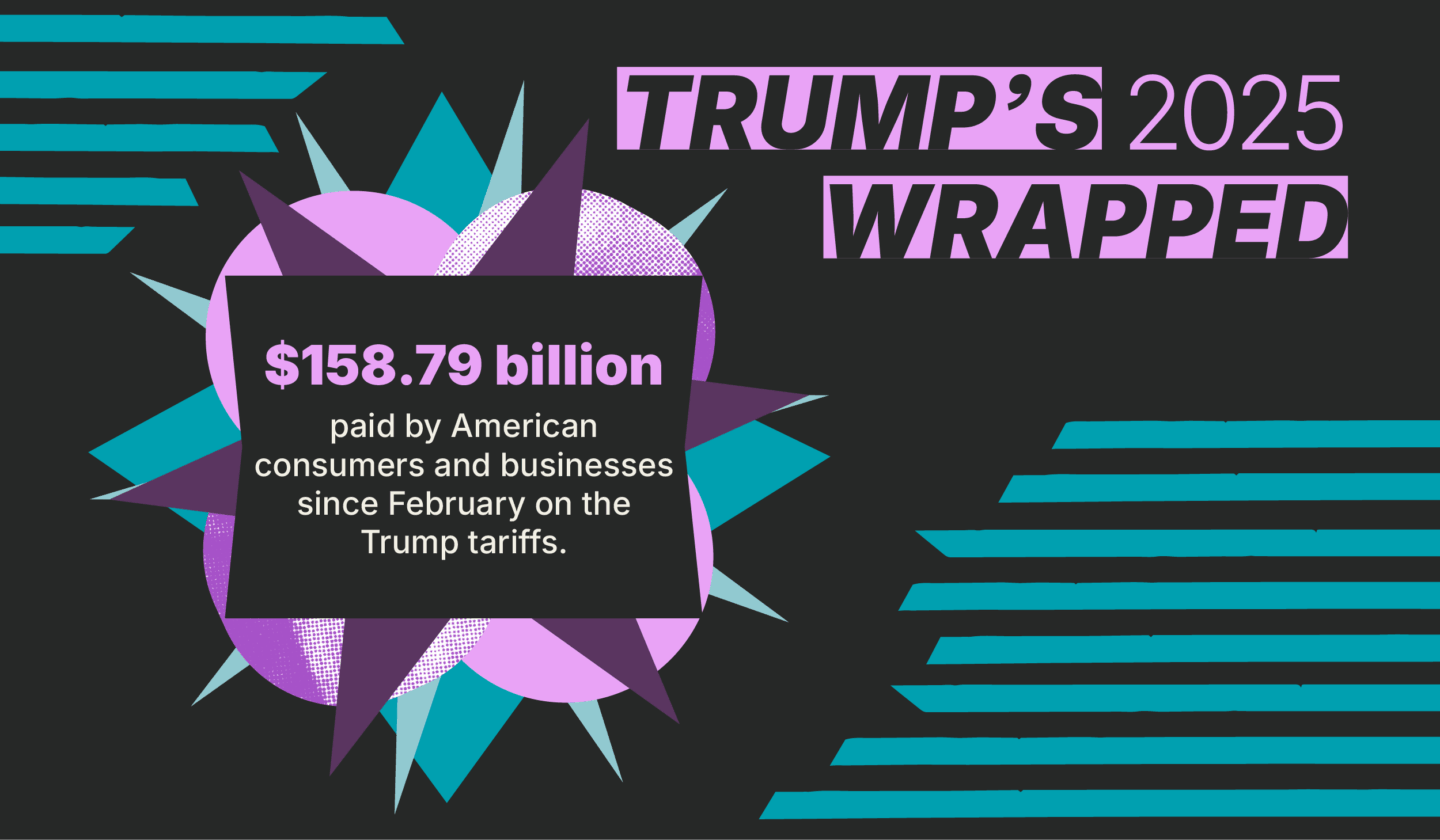
As 2025 comes to a close, Americans are taking stock of an economy that looks nothing like what Donald Trump promised. Instead of lower prices and stable jobs, working families are staring down the highest unemployment rate in four years, soaring costs, and the looming loss of health care for millions. Trump’s reckless tariffs have cost consumers and businesses $158 billion, leading to layoffs, less spending, and fewer presents under the tree. With prices for essentials still rising and consumer confidence freezing over, it is no surprise that a record number of Americans put Trump’s economic performance on the naughty list this holiday season.
Groundwork Collaborative’s Chief of Policy and Advocacy Alex Jacquez released the following statement:
“This was supposed to be the year Trump lowered prices. Instead, he stuffed America’s stockings with coal. Families are heading into the holidays facing snowballing costs on everything from toys and groceries to health care and utilities, yet Trump continues to call affordability a hoax. As working families yearn for the ghost of economies past, let’s hope the Scrooge in the White House makes a resolution to stop gaslighting Americans and get serious about bringing costs down in the new year.”
This week in the Trump Slump, new polling and economic indicators continue to show that President Trump’s actions are deeply unpopular, hurting the economy, and harming America’s workers.
Polling and Economic Indicators on Trump’s Handling of the Economy:

Expert Commentary:
The Groundwork Collaborative is dedicated to advancing a coherent and persuasive progressive economic worldview and narrative capable of delivering meaningful opportunity and prosperity for everyone. Our work is driven by a core guiding principle: We are the economy. Groundwork Collaborative envisions an economic system that produces strong, broadly shared prosperity and power for all people, not just a wealthy few.





Ovadia, a father of five children, has lived in New York's Rockland County since coming to the United States on a religious worker visa in 2022. He is a member of the Satmar Hasidic sect, an ultra-Orthodox movement that opposes Zionism on religious grounds, holding that Jews should not establish a sovereign state in the land of Israel before the coming of the Messiah.
Some members of Satmar have vocally protested against US support for Israel's genocidal military assault in Gaza since it began in 2023.
“We demonstrated for Gaza, for the liberation of Gaza, for the rights of the Palestinians and to show to the world that the Jews, real Judaism, want to have peace,” Ovadia told the Times from detention.
As the death toll in Gaza has mounted, Ovadia has continued to attend anti-Israel marches across New York and New Jersey. Earlier this year, the government revoked his legal status after he appeared at one of these protests.
In November 2023, Ovadia joined a group of anti-Zionist Hasidic Jews to protest the display of a large Israeli flag at the Ramapo Town Hall. Some attendees were recorded cutting the flag down with scissors. Ovadia and another man were charged with hate crimes over the incident—charges that were later dropped.
Ovadia later pleaded guilty to a misdemeanor offense of disorderly conduct, for which he paid a $200 fine plus an additional $125 charge. He says he was not one of the men who took down the flag and that he did not know about the other attendees' plans to do so.
The formal reason for Ovadia's deportation, according to the Department of Homeland Security (DHS), was that he “overstayed his welcome and refused to depart” the US after losing his status. But the reason he lost that status is more revealing.
Though it acknowledged that Ovadia was eligible to maintain his religious worker status, the US Citizenship and Immigration Services (USCIS) ultimately revoked it “as a matter of discretion." It cited what it said were “adverse factors” stemming from the 2023 Israeli flag protest.
DHS stated even more explicitly that the content of Ovadia's speech was the real issue.
"The Trump administration acted well within its statutory and constitutional authority, as it does with any alien who advocates for violence, glorifies and supports terrorists, harasses Jews, and steals property," DHS said.
At the beginning of his second term, President Donald Trump issued an executive order directing DHS to target noncitizens who have participated in pro-Palestinian protests, which it has deemed antisemitic.
The order has led to nonviolent political organizers, like the Columbia University graduate student Mahmoud Khalil and many others, having their legal immigration statuses abruptly revoked and being whisked into ICE detention without warning. Federal courts have struck down this policy on First Amendment grounds.
Ovadia's attorneys have filed a lawsuit in federal court alleging that DHS had unlawfully retaliated against Ovadia for his protected speech. They argue that by targeting Ovadia over activism that stems from his religious beliefs, the government has taken “an official position” favoring “one religious position within Judaism” while penalizing "an adherent of another.”
Many Jewish protesters have been arrested during demonstrations in solidarity with Palestinians, including dozens who were arrested at a Jewish Voice for Peace event last week to protest Israeli Prime Minister Benjamin Netanyahu's speech at the United Nations General Assembly. But Ovadia's attorneys believe he may be the first Jewish protester to have his immigration status stripped.
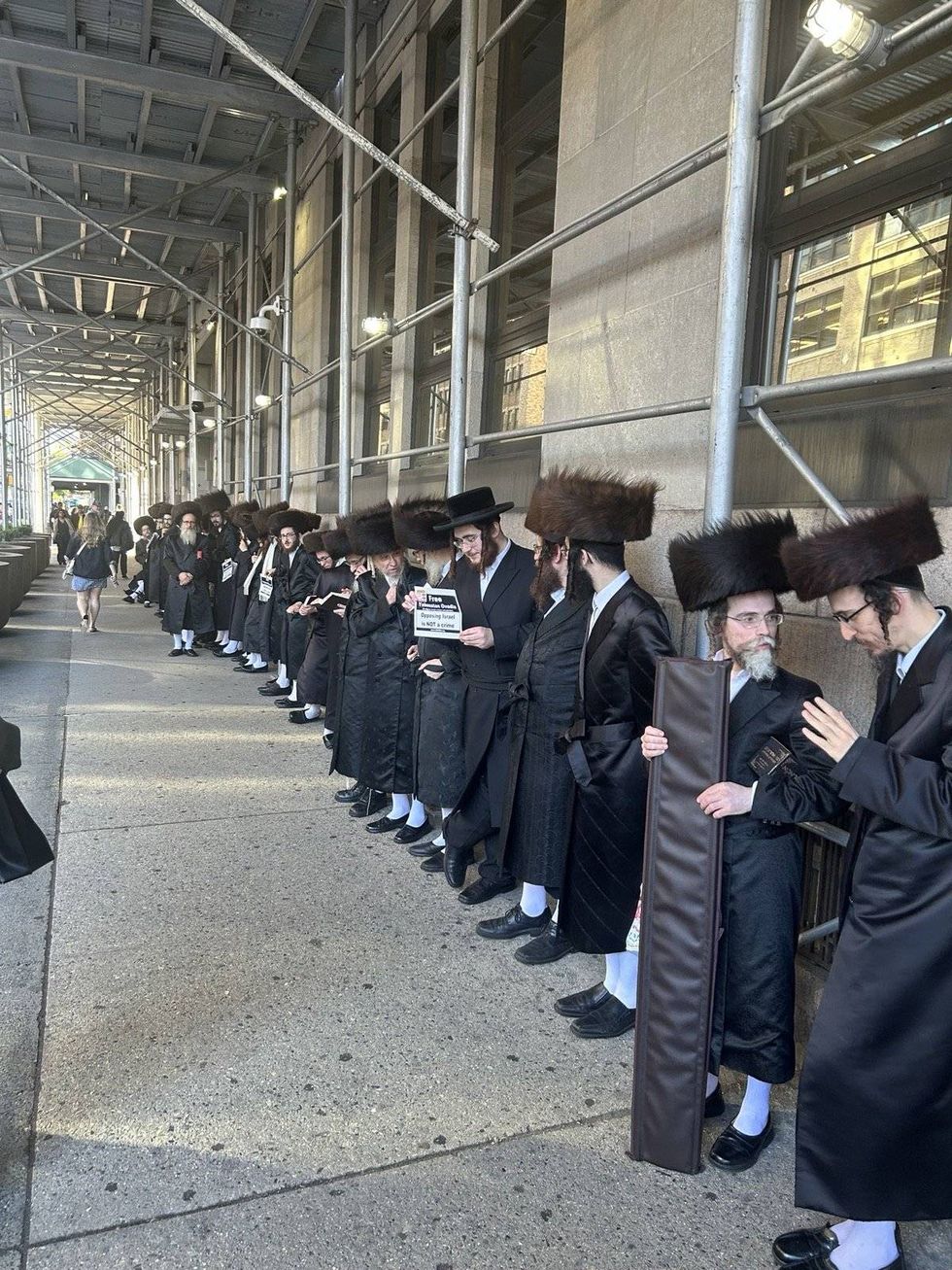 Supporters of Yehonatan Ovadia gather outside his immigration court hearing in Manhattan on September 30, 2026. (Photo from Eric Lee/X)
Eric Lee, one of Ovadia's attorneys, has emphasized the case as an example of why "equating anti-Zionism with antisemitism produces absurd results."
"Trump's DHS says ICE detention of Yehonatan Ovadia is justified because he was 'harassing Jews,'" Lee wrote in a post on social media. "A rabbi detained for participating in a Hasidic demonstration against Israel three years ago was harassing... himself? What a joke!"
Ovadia, whom a judge has denied bond, appeared in immigration court on Wednesday, while dozens of supporters, many in traditional Hasidic dress, assembled outside.
And from detention, the man DHS has accused of "harassing Jews" continued to describe his activism not as hostility toward his own people, but as an expression of Jewish solidarity with Palestinians.
"From the Jewish people to our Palestinian brothers and sisters in Gaza and the West Bank and all over occupied Palestine: We didn't forget you!" Ovadia said in a statement shared by Lee. "We are following you, and we know that you are facing genocide! Please be strong and continue to believe! Because your struggle is our struggle and your liberation is our liberation!"
"We will SHOUT and DEMONSTRATE for you," he continued, "from New York, Washington, Canada, London, and from every place that we can in the free world."
"Your liberation is near," Ovadia concluded, "and it will bring peace and liberation to all of us."
