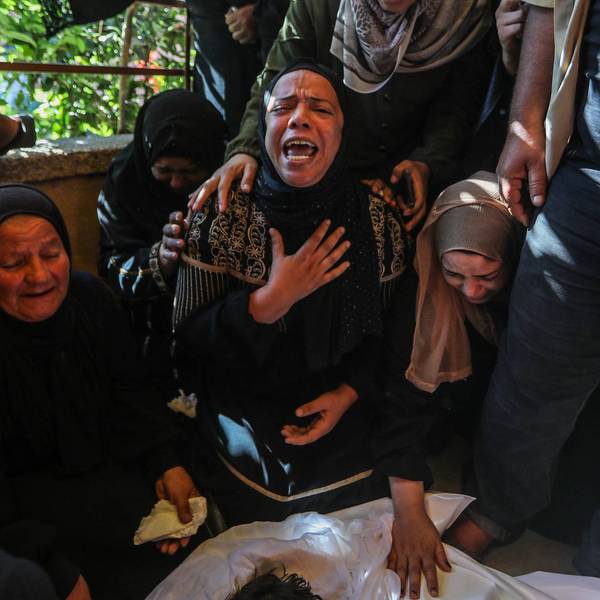
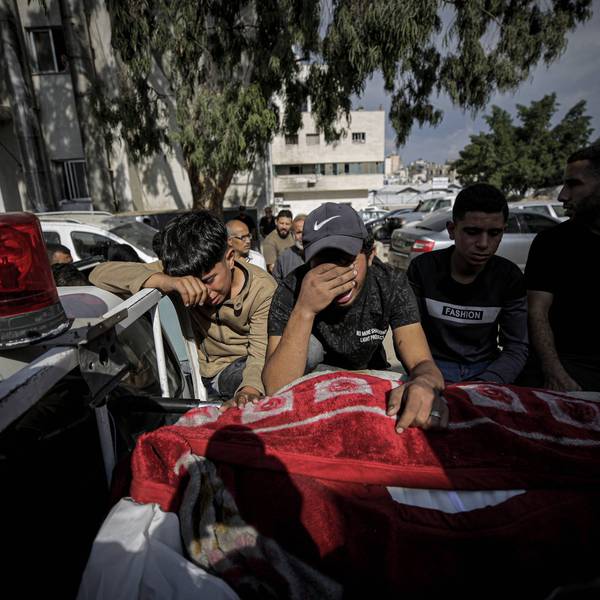
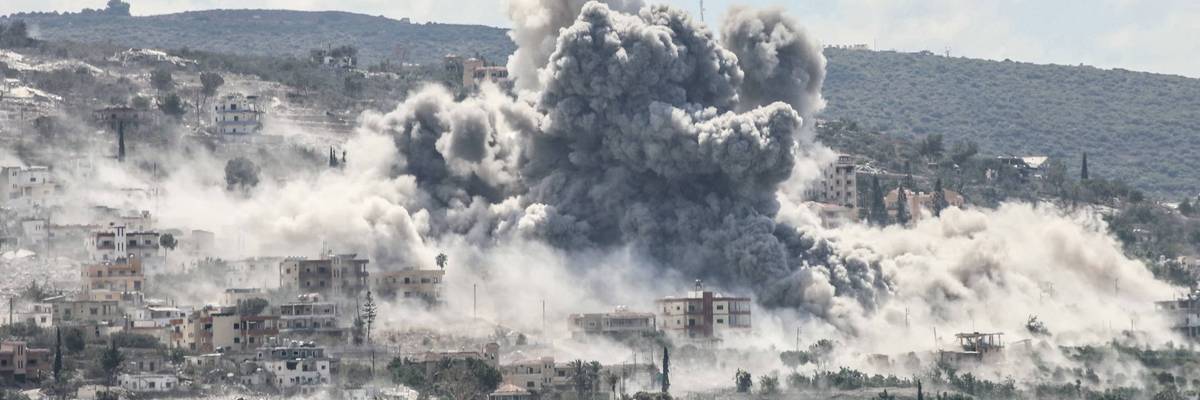
Smoke rises from the site of an Israeli airstrike that targeted Mansouri, Lebanon on September 5, 2026.
'There Is No Ceasefire': Israel Kills 12 More in Lebanon, Including Children
Israeli Prime Minister Benjamin Netanyahu's "apologists have to explain why killing kids happens so regularly and effortlessly," said one congressman who noted growing support for blocking US weapons to Israel.
A series of Israeli strikes across southern Lebanon since Friday night have killed and wounded dozens of people, including women, children, and paramedics, despite a US-brokered ceasefire.
On Monday, Israeli strikes in Kfar Rumman killed 12 people: a paramedic and 11 people in a targeted residential building, including at least four women and two children, according to Lebanon's Ministry of Public Health.
Al Jazeera reported that the attack on the targeted home killed three generations of one family, including a 2-month-old baby.
Another 11 people were killed in Lebanon on Sunday, and four others before that, bringing the death toll to 27, with at least 69 civilians wounded, according to the ministry. Women, children, medics, and journalists were among those harmed.
Those casualties followed Israeli Defense Minister Israel Katz claiming Friday that the IDF had taken control of Lebanon's Ali al-Taher ridge, about six miles from the border, and vowing that his country's military "will not withdraw from the security zone in Lebanon until Hezbollah is disarmed."
Since Hamas led the October 7, 2023 attack on Israel, resulting in the Israel Defense Forces' genocidal war on the Gaza Strip, the Lebanese political and militant group Hezbollah has sided with Palestinians in the besieged exclave, and the IDF has been attacking southern Lebanon.
Hezbollah has also backed Iran since the US and Israel began bombing the country in February, leading to renewed Israeli violence in Lebanon. In addition to slaughtering at least 73,658 Palestinians in Gaza since October 2023, the IDF has killed more than 8,900 Lebanese and injured over 30,6000, according to the ministry.
That bloodshed over the past few years has fueled calls for cutting off the billions of dollars in military aid that the United States gives Israel annually. US Congressman Mark Pocan (D-Wis.) issued one such call after the attacks on Monday, stressing on social media that "Israel strikes Lebanon and kills kids. They continue to strike Gaza and kill kids."
Israeli Prime Minister Benjamin Netanyahu's "apologists have to explain why killing kids happens so regularly and effortlessly," Pocan continued. "More and more members of Congress are saying it's time to #BlocktheBombs."
Although a June ceasefire brought some relief to the people of Lebanon, hundreds of thousands remain displaced by Israeli occupation and attacks. Agence France-Presse reported Monday that after the June ceasefire deal was reached, villagers returned home to Kfar Rumman.
Following the attack after midnight Monday, "an AFP photographer saw the building that was hit in Kfar Rumman had been destroyed, with school books and remnants of furniture strewn across the rubble," the agency detailed. It continued:
"Since we returned here, we've lived in fear," Fouad Chakaron told AFP.
He insisted the targeted building was inhabited by "peaceful people with no connection to anyone."
Neighbors fled after the strike, which also damaged nearby buildings, AFP's photographer said.
Multiple outlets noted that the IDF didn't issue an evacuation warning before the strikes on Kfar Rumman. Reuters pointed out that the IDF claimed steps had been taken to mitigate harm "to uninvolved individuals, including the use of precise munitions and aerial surveillance," and it is now reviewing the reported casualties.
The IDF said on social media Monday that it hit "several Hezbollah terrorist infrastructure sites across southern Lebanon, including a weapons storage facility. Additionally, the IDF struck terrorists who were identified transferring weapons in the area of Kfar Rumman, in order to remove the threat they posed. The strikes were in response to Hezbollah’s launch of two explosive drones toward IDF troops in the security zone."
The deadly strikes on Monday came after Lebanon's Ministry of Public Health announced Sunday that "the Israeli raids launched by the occupation forces this morning led to the complete destruction of the Ghandour Hospital in Nabatieh, which constitutes an additional serious violation of international humanitarian law that provides for the protection of health facilities."
Lebanese President Joseph Aoun condemned the destruction of the hospital, which was reportedly emptied of patients and staff, and highlighted that attacks in the area also "resulted in the fall of innocent victims and caused severe damage to the building of the Ministry of Finance there."
Israel's assault on the Nabatieh region is "a dangerous escalation," the president said, and "reveals a persistent pattern of attacks that goes beyond the alleged military targets to purely civilian administrations and health centers, reflecting a clear intent to strike the continuity of Lebanese institutions' operations and disrupt people's daily interests."
While Aoun said he holds "the Israeli side fully responsible for this ongoing escalation," he is also "calling on the United States of America and the international community to take urgent action to stop these violations and hold their perpetrators accountable, affirming that Lebanon, despite all these attacks, is committed to upholding its sovereignty, the stability of its south, and the safety of its citizens."
We are at a crossroads
This country and this world are at a monumental crossroads. In a few short weeks, US voters will have an opportunity to beat back the forces of fascism and confront the billionaires who are rigging the economy, our media system, and our democracy, making it increasingly impossible for ordinary people to get by. We’re not just talking about the election. We’re talking about what must be done once these fascist elements are vanquished from power. We need a bolder set of solutions than what either major party has so far been willing to offer and a working-class movement ready to fight like hell for it. Trump didn't emerge from nowhere. The conditions that fueled MAGA authoritarianism were created by decades of radical neoliberal economic policies and a corrupt political system dominated by corporate interests. They slashed taxes on the super-rich, promising that the benefits would trickle down. They said giveaways to the corporate titans would make life more affordable for the rest of us. It was all bullshit. And when a bitter, betrayed populace searches for someone to blame, right-wing demagogues have little trouble finding scapegoats. People know when they're being lied to, but you won't hear any of this from the corporate media. Only independent journalism—powered and funded by people who believe in building a better world—can deliver truly trustworthy daily news. Our Fall Campaign is underway, and we need your help. To power our newsroom through the rest of the year, we need to raise $125,000 by midnight on October 31. So if you share our vision, please contribute whatever you can to sustain our work. |
A series of Israeli strikes across southern Lebanon since Friday night have killed and wounded dozens of people, including women, children, and paramedics, despite a US-brokered ceasefire.
On Monday, Israeli strikes in Kfar Rumman killed 12 people: a paramedic and 11 people in a targeted residential building, including at least four women and two children, according to Lebanon's Ministry of Public Health.
Al Jazeera reported that the attack on the targeted home killed three generations of one family, including a 2-month-old baby.
Another 11 people were killed in Lebanon on Sunday, and four others before that, bringing the death toll to 27, with at least 69 civilians wounded, according to the ministry. Women, children, medics, and journalists were among those harmed.
Those casualties followed Israeli Defense Minister Israel Katz claiming Friday that the IDF had taken control of Lebanon's Ali al-Taher ridge, about six miles from the border, and vowing that his country's military "will not withdraw from the security zone in Lebanon until Hezbollah is disarmed."
Since Hamas led the October 7, 2023 attack on Israel, resulting in the Israel Defense Forces' genocidal war on the Gaza Strip, the Lebanese political and militant group Hezbollah has sided with Palestinians in the besieged exclave, and the IDF has been attacking southern Lebanon.
Hezbollah has also backed Iran since the US and Israel began bombing the country in February, leading to renewed Israeli violence in Lebanon. In addition to slaughtering at least 73,658 Palestinians in Gaza since October 2023, the IDF has killed more than 8,900 Lebanese and injured over 30,6000, according to the ministry.
That bloodshed over the past few years has fueled calls for cutting off the billions of dollars in military aid that the United States gives Israel annually. US Congressman Mark Pocan (D-Wis.) issued one such call after the attacks on Monday, stressing on social media that "Israel strikes Lebanon and kills kids. They continue to strike Gaza and kill kids."
Israeli Prime Minister Benjamin Netanyahu's "apologists have to explain why killing kids happens so regularly and effortlessly," Pocan continued. "More and more members of Congress are saying it's time to #BlocktheBombs."
Although a June ceasefire brought some relief to the people of Lebanon, hundreds of thousands remain displaced by Israeli occupation and attacks. Agence France-Presse reported Monday that after the June ceasefire deal was reached, villagers returned home to Kfar Rumman.
Following the attack after midnight Monday, "an AFP photographer saw the building that was hit in Kfar Rumman had been destroyed, with school books and remnants of furniture strewn across the rubble," the agency detailed. It continued:
"Since we returned here, we've lived in fear," Fouad Chakaron told AFP.
He insisted the targeted building was inhabited by "peaceful people with no connection to anyone."
Neighbors fled after the strike, which also damaged nearby buildings, AFP's photographer said.
Multiple outlets noted that the IDF didn't issue an evacuation warning before the strikes on Kfar Rumman. Reuters pointed out that the IDF claimed steps had been taken to mitigate harm "to uninvolved individuals, including the use of precise munitions and aerial surveillance," and it is now reviewing the reported casualties.
The IDF said on social media Monday that it hit "several Hezbollah terrorist infrastructure sites across southern Lebanon, including a weapons storage facility. Additionally, the IDF struck terrorists who were identified transferring weapons in the area of Kfar Rumman, in order to remove the threat they posed. The strikes were in response to Hezbollah’s launch of two explosive drones toward IDF troops in the security zone."
The deadly strikes on Monday came after Lebanon's Ministry of Public Health announced Sunday that "the Israeli raids launched by the occupation forces this morning led to the complete destruction of the Ghandour Hospital in Nabatieh, which constitutes an additional serious violation of international humanitarian law that provides for the protection of health facilities."
Lebanese President Joseph Aoun condemned the destruction of the hospital, which was reportedly emptied of patients and staff, and highlighted that attacks in the area also "resulted in the fall of innocent victims and caused severe damage to the building of the Ministry of Finance there."
Israel's assault on the Nabatieh region is "a dangerous escalation," the president said, and "reveals a persistent pattern of attacks that goes beyond the alleged military targets to purely civilian administrations and health centers, reflecting a clear intent to strike the continuity of Lebanese institutions' operations and disrupt people's daily interests."
While Aoun said he holds "the Israeli side fully responsible for this ongoing escalation," he is also "calling on the United States of America and the international community to take urgent action to stop these violations and hold their perpetrators accountable, affirming that Lebanon, despite all these attacks, is committed to upholding its sovereignty, the stability of its south, and the safety of its citizens."
- 'This Is Not Self-Defense': UN Experts Condemn Israel's Criminal Assault on Lebanon ›
- Lebanese Doctors Warn Israel Is Inflicting Gaza-Style Devastation on Their Healthcare System ›
- 'Nightmare for Civilians': Israel Inflicts 1,400+ Casualties on Lebanon War's Deadliest Day ›
- Israel Continues 'Gaza Tactics' in Lebanon, Leveling Villages and Homes in Violation of Ceasefire ›
- 'Halt This Escalation': Lebanese Prime Minister Condemns Israel's Latest Deadly Bombings ›
A series of Israeli strikes across southern Lebanon since Friday night have killed and wounded dozens of people, including women, children, and paramedics, despite a US-brokered ceasefire.
On Monday, Israeli strikes in Kfar Rumman killed 12 people: a paramedic and 11 people in a targeted residential building, including at least four women and two children, according to Lebanon's Ministry of Public Health.
Al Jazeera reported that the attack on the targeted home killed three generations of one family, including a 2-month-old baby.
Another 11 people were killed in Lebanon on Sunday, and four others before that, bringing the death toll to 27, with at least 69 civilians wounded, according to the ministry. Women, children, medics, and journalists were among those harmed.
Those casualties followed Israeli Defense Minister Israel Katz claiming Friday that the IDF had taken control of Lebanon's Ali al-Taher ridge, about six miles from the border, and vowing that his country's military "will not withdraw from the security zone in Lebanon until Hezbollah is disarmed."
Since Hamas led the October 7, 2023 attack on Israel, resulting in the Israel Defense Forces' genocidal war on the Gaza Strip, the Lebanese political and militant group Hezbollah has sided with Palestinians in the besieged exclave, and the IDF has been attacking southern Lebanon.
Hezbollah has also backed Iran since the US and Israel began bombing the country in February, leading to renewed Israeli violence in Lebanon. In addition to slaughtering at least 73,658 Palestinians in Gaza since October 2023, the IDF has killed more than 8,900 Lebanese and injured over 30,6000, according to the ministry.
That bloodshed over the past few years has fueled calls for cutting off the billions of dollars in military aid that the United States gives Israel annually. US Congressman Mark Pocan (D-Wis.) issued one such call after the attacks on Monday, stressing on social media that "Israel strikes Lebanon and kills kids. They continue to strike Gaza and kill kids."
Israeli Prime Minister Benjamin Netanyahu's "apologists have to explain why killing kids happens so regularly and effortlessly," Pocan continued. "More and more members of Congress are saying it's time to #BlocktheBombs."
Although a June ceasefire brought some relief to the people of Lebanon, hundreds of thousands remain displaced by Israeli occupation and attacks. Agence France-Presse reported Monday that after the June ceasefire deal was reached, villagers returned home to Kfar Rumman.
Following the attack after midnight Monday, "an AFP photographer saw the building that was hit in Kfar Rumman had been destroyed, with school books and remnants of furniture strewn across the rubble," the agency detailed. It continued:
"Since we returned here, we've lived in fear," Fouad Chakaron told AFP.
He insisted the targeted building was inhabited by "peaceful people with no connection to anyone."
Neighbors fled after the strike, which also damaged nearby buildings, AFP's photographer said.
Multiple outlets noted that the IDF didn't issue an evacuation warning before the strikes on Kfar Rumman. Reuters pointed out that the IDF claimed steps had been taken to mitigate harm "to uninvolved individuals, including the use of precise munitions and aerial surveillance," and it is now reviewing the reported casualties.
The IDF said on social media Monday that it hit "several Hezbollah terrorist infrastructure sites across southern Lebanon, including a weapons storage facility. Additionally, the IDF struck terrorists who were identified transferring weapons in the area of Kfar Rumman, in order to remove the threat they posed. The strikes were in response to Hezbollah’s launch of two explosive drones toward IDF troops in the security zone."
The deadly strikes on Monday came after Lebanon's Ministry of Public Health announced Sunday that "the Israeli raids launched by the occupation forces this morning led to the complete destruction of the Ghandour Hospital in Nabatieh, which constitutes an additional serious violation of international humanitarian law that provides for the protection of health facilities."
Lebanese President Joseph Aoun condemned the destruction of the hospital, which was reportedly emptied of patients and staff, and highlighted that attacks in the area also "resulted in the fall of innocent victims and caused severe damage to the building of the Ministry of Finance there."
Israel's assault on the Nabatieh region is "a dangerous escalation," the president said, and "reveals a persistent pattern of attacks that goes beyond the alleged military targets to purely civilian administrations and health centers, reflecting a clear intent to strike the continuity of Lebanese institutions' operations and disrupt people's daily interests."
While Aoun said he holds "the Israeli side fully responsible for this ongoing escalation," he is also "calling on the United States of America and the international community to take urgent action to stop these violations and hold their perpetrators accountable, affirming that Lebanon, despite all these attacks, is committed to upholding its sovereignty, the stability of its south, and the safety of its citizens."
- 'This Is Not Self-Defense': UN Experts Condemn Israel's Criminal Assault on Lebanon ›
- Lebanese Doctors Warn Israel Is Inflicting Gaza-Style Devastation on Their Healthcare System ›
- 'Nightmare for Civilians': Israel Inflicts 1,400+ Casualties on Lebanon War's Deadliest Day ›
- Israel Continues 'Gaza Tactics' in Lebanon, Leveling Villages and Homes in Violation of Ceasefire ›
- 'Halt This Escalation': Lebanese Prime Minister Condemns Israel's Latest Deadly Bombings ›