SUBSCRIBE TO OUR FREE NEWSLETTER
Daily news & progressive opinion—funded by the people, not the corporations—delivered straight to your inbox.
5
#000000
#FFFFFF
To donate by check, phone, or other method, see our More Ways to Give page.
Daily news & progressive opinion—funded by the people, not the corporations—delivered straight to your inbox.
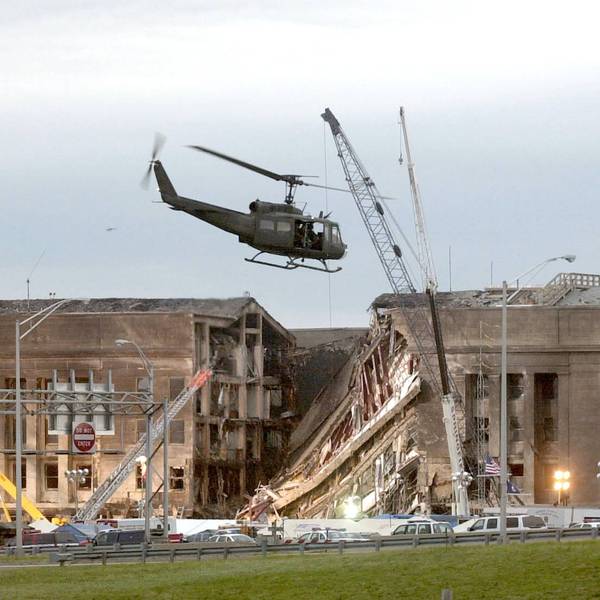
In the commentary on the tenth anniversary of 9/11, the news and infotainment media have predictably framed the discussion by the question of how successful the CIA and the military have been in destroying al Qaeda. Absent from the torrent of opinion and analysis was any mention of how the U.S. military occupation of Muslim lands and wars that continue to kill Muslim civilians fuel jihadist sentiment that will keep the threat of terrorism high for many years to come.
In the commentary on the tenth anniversary of 9/11, the news and infotainment media have predictably framed the discussion by the question of how successful the CIA and the military have been in destroying al Qaeda. Absent from the torrent of opinion and analysis was any mention of how the U.S. military occupation of Muslim lands and wars that continue to kill Muslim civilians fuel jihadist sentiment that will keep the threat of terrorism high for many years to come.
The failure to have that discussion is not an accident. In December 2007, at a conference in Washington, D.C. on al Qaeda, former State Department Coordinator for Counterterrorism Daniel Benjamin offered a laundry list of things the United States could do to reduce the threat from al Qaeda. But he said nothing about the most important thing to be done: pledging to the Islamic world that the United States would pull its military forces out of Afghanistan and Iraq and end its warfare against those in Islamic countries resisting U.S. military presence.
During the coffee break, I asked him whether that item shouldn't have been on his list. "You're right," he answered. And then he added, "But we can't do that."
"Why not," I asked.
"Because," he said, "we would have to tell the families of the soldiers who have died in those wars that their loved ones died in vain."
His explanation was obviously bogus. But in agreeing that America's continuing wars actually increase the risk of terrorism against the United States, Benjamin was merely reflecting the conclusions that the intelligence and counter-terrorism communities had already reached.
The National Intelligence Estimate on "Trends in Global Terrorism" issued in April 2006 concluded that the war in Iraq was "breeding deep resentment of U.S. involvement in the Muslim World and cultivating supporters for the global jihadist movement." It found that "activists identifying themselves as jihadists, although a small percentage of Muslims, are increasing in both number and geographic dispersion." And in a prophetic warning, it said "the operational threat from self-radicalized cells will grow in importance...particularly abroad but also at home."
Given the way intelligence assessments get watered down as they ascend the hierarchy of officials, these were remarkably alarming conclusions about the peril that U.S. occupation of Iraq posed to the United States. And that alarm was shared by at least some counter-terrorism officials as well. Robert Grenier, who had been head of the CIA's Counter-Terrorism Center in 2005-06, was quoted in the July 25, 2007 Los Angeles Times as saying the war "has convinced many Muslims that the United States is the enemy of Islam and is attacking Muslims, and they have become jihadists as a result of their experience in Iraq."
As the war in Iraq wound down, the U.S. war in Afghanistan -- especially the war being waged by Gen. Stanley A. McChrystal's Joint Special Operations Command (JSOC) -- was generating more hatred for the United States. As JSOC scaled up its "night raids" in Afghanistan, it never got the right person in more than 50 percent of the raids, as even senior commanders in JSOC recently admitted to the Washington Post. That indicated that a very large proportion of those killed and detained were innocent civilians. Not surprisingly, the populations of entire districts and provinces were enraged by those raids.
If there is one place on earth where it is obviously irrational to antagonize the male population on a long-term basis, it is the Pashtun region that straddles Afghanistan and Pakistan, with its tribal culture of honor and revenge for the killing of family and friends.
Meanwhile, after fleeing from Afghanistan to Pakistan in 2001, al Qaeda had rebuilt a large network of Pashtun militants in the Pashtun northwest. As the murdered Pakistani journalist Syed Saleem Shahzad recounted in Inside Al-Qaeda and the Taliban, President Pervez Musharraf, under pressure from Washington, began in 2003 to use the Pakistani army to try to destroy the remnants of al Qaeda by force with helicopter strikes and ground forces. But instead of crushing al Qaeda, those operations further radicalized the population of those al Qaeda base areas, by convincing them that the Pakistani government and army was merely a tool of U.S. control.
Frustrated by the failure of Musharraf to finish off al Qaeda and by the swift rise of the Taliban insurgency in Afghanistan, the Bush administration launched a drone war that killed large numbers of civilians in northwest Pakistan. An opinion survey by New American Foundation in the region last year found that 77 percent believed the real purpose of the U.S. "war on terror" is to "weaken and divide the Muslim world" and to "ensure American domination." And more than two-thirds of the entire population of Pakistan view the United States as the enemy, not as a friend, according to the Pew Global Attitudes Project.
The CIA and the Bush and Obama administrations understood that drone strikes could never end the threat of terrorist plots in Pakistan, as outgoing CIA Director Michael Hayden had told the incoming President, according to Bob Woodward's Obama's Wars. And if the Obama administration didn't understand then that the drone war was stoking popular anger at the government and the United States, it certainly does now. Former DIrector of National Intelligence Dennis Blair has pointed out that "hatred of America is increasing in Pakistan" because of the drone strikes.
Yet the night raids and the drone strikes continue, as though the risk of widespread and intense anger toward the United States in those countries doesn't make any difference to the policymakers.
There is only one way to understand this conundrum: there are winners and losers in the "war on terrorism". Ordinary Americans are clearly the losers, and the institutions and leaders of the military, the Pentagon and the CIA and their political and corporate allies are the winners. They have accumulated enormous resources and power in a collapsing economy and society.
They are not going to do anything about the increased risk to Americans from the hatred their wars have provoked until they are forced to do so by a combination of resistance from people within those countries and an unprecedented rebellion by millions of Americans. It's long past time to start organizing that rebellion.
Dear Common Dreams reader, It’s been nearly 30 years since I co-founded Common Dreams with my late wife, Lina Newhouser. We had the radical notion that journalism should serve the public good, not corporate profits. It was clear to us from the outset what it would take to build such a project. No paid advertisements. No corporate sponsors. No millionaire publisher telling us what to think or do. Many people said we wouldn't last a year, but we proved those doubters wrong. Together with a tremendous team of journalists and dedicated staff, we built an independent media outlet free from the constraints of profits and corporate control. Our mission has always been simple: To inform. To inspire. To ignite change for the common good. Building Common Dreams was not easy. Our survival was never guaranteed. When you take on the most powerful forces—Wall Street greed, fossil fuel industry destruction, Big Tech lobbyists, and uber-rich oligarchs who have spent billions upon billions rigging the economy and democracy in their favor—the only bulwark you have is supporters who believe in your work. But here’s the urgent message from me today. It's never been this bad out there. And it's never been this hard to keep us going. At the very moment Common Dreams is most needed, the threats we face are intensifying. We need your support now more than ever. We don't accept corporate advertising and never will. We don't have a paywall because we don't think people should be blocked from critical news based on their ability to pay. Everything we do is funded by the donations of readers like you. When everyone does the little they can afford, we are strong. But if that support retreats or dries up, so do we. Will you donate now to make sure Common Dreams not only survives but thrives? —Craig Brown, Co-founder |
In the commentary on the tenth anniversary of 9/11, the news and infotainment media have predictably framed the discussion by the question of how successful the CIA and the military have been in destroying al Qaeda. Absent from the torrent of opinion and analysis was any mention of how the U.S. military occupation of Muslim lands and wars that continue to kill Muslim civilians fuel jihadist sentiment that will keep the threat of terrorism high for many years to come.
The failure to have that discussion is not an accident. In December 2007, at a conference in Washington, D.C. on al Qaeda, former State Department Coordinator for Counterterrorism Daniel Benjamin offered a laundry list of things the United States could do to reduce the threat from al Qaeda. But he said nothing about the most important thing to be done: pledging to the Islamic world that the United States would pull its military forces out of Afghanistan and Iraq and end its warfare against those in Islamic countries resisting U.S. military presence.
During the coffee break, I asked him whether that item shouldn't have been on his list. "You're right," he answered. And then he added, "But we can't do that."
"Why not," I asked.
"Because," he said, "we would have to tell the families of the soldiers who have died in those wars that their loved ones died in vain."
His explanation was obviously bogus. But in agreeing that America's continuing wars actually increase the risk of terrorism against the United States, Benjamin was merely reflecting the conclusions that the intelligence and counter-terrorism communities had already reached.
The National Intelligence Estimate on "Trends in Global Terrorism" issued in April 2006 concluded that the war in Iraq was "breeding deep resentment of U.S. involvement in the Muslim World and cultivating supporters for the global jihadist movement." It found that "activists identifying themselves as jihadists, although a small percentage of Muslims, are increasing in both number and geographic dispersion." And in a prophetic warning, it said "the operational threat from self-radicalized cells will grow in importance...particularly abroad but also at home."
Given the way intelligence assessments get watered down as they ascend the hierarchy of officials, these were remarkably alarming conclusions about the peril that U.S. occupation of Iraq posed to the United States. And that alarm was shared by at least some counter-terrorism officials as well. Robert Grenier, who had been head of the CIA's Counter-Terrorism Center in 2005-06, was quoted in the July 25, 2007 Los Angeles Times as saying the war "has convinced many Muslims that the United States is the enemy of Islam and is attacking Muslims, and they have become jihadists as a result of their experience in Iraq."
As the war in Iraq wound down, the U.S. war in Afghanistan -- especially the war being waged by Gen. Stanley A. McChrystal's Joint Special Operations Command (JSOC) -- was generating more hatred for the United States. As JSOC scaled up its "night raids" in Afghanistan, it never got the right person in more than 50 percent of the raids, as even senior commanders in JSOC recently admitted to the Washington Post. That indicated that a very large proportion of those killed and detained were innocent civilians. Not surprisingly, the populations of entire districts and provinces were enraged by those raids.
If there is one place on earth where it is obviously irrational to antagonize the male population on a long-term basis, it is the Pashtun region that straddles Afghanistan and Pakistan, with its tribal culture of honor and revenge for the killing of family and friends.
Meanwhile, after fleeing from Afghanistan to Pakistan in 2001, al Qaeda had rebuilt a large network of Pashtun militants in the Pashtun northwest. As the murdered Pakistani journalist Syed Saleem Shahzad recounted in Inside Al-Qaeda and the Taliban, President Pervez Musharraf, under pressure from Washington, began in 2003 to use the Pakistani army to try to destroy the remnants of al Qaeda by force with helicopter strikes and ground forces. But instead of crushing al Qaeda, those operations further radicalized the population of those al Qaeda base areas, by convincing them that the Pakistani government and army was merely a tool of U.S. control.
Frustrated by the failure of Musharraf to finish off al Qaeda and by the swift rise of the Taliban insurgency in Afghanistan, the Bush administration launched a drone war that killed large numbers of civilians in northwest Pakistan. An opinion survey by New American Foundation in the region last year found that 77 percent believed the real purpose of the U.S. "war on terror" is to "weaken and divide the Muslim world" and to "ensure American domination." And more than two-thirds of the entire population of Pakistan view the United States as the enemy, not as a friend, according to the Pew Global Attitudes Project.
The CIA and the Bush and Obama administrations understood that drone strikes could never end the threat of terrorist plots in Pakistan, as outgoing CIA Director Michael Hayden had told the incoming President, according to Bob Woodward's Obama's Wars. And if the Obama administration didn't understand then that the drone war was stoking popular anger at the government and the United States, it certainly does now. Former DIrector of National Intelligence Dennis Blair has pointed out that "hatred of America is increasing in Pakistan" because of the drone strikes.
Yet the night raids and the drone strikes continue, as though the risk of widespread and intense anger toward the United States in those countries doesn't make any difference to the policymakers.
There is only one way to understand this conundrum: there are winners and losers in the "war on terrorism". Ordinary Americans are clearly the losers, and the institutions and leaders of the military, the Pentagon and the CIA and their political and corporate allies are the winners. They have accumulated enormous resources and power in a collapsing economy and society.
They are not going to do anything about the increased risk to Americans from the hatred their wars have provoked until they are forced to do so by a combination of resistance from people within those countries and an unprecedented rebellion by millions of Americans. It's long past time to start organizing that rebellion.
In the commentary on the tenth anniversary of 9/11, the news and infotainment media have predictably framed the discussion by the question of how successful the CIA and the military have been in destroying al Qaeda. Absent from the torrent of opinion and analysis was any mention of how the U.S. military occupation of Muslim lands and wars that continue to kill Muslim civilians fuel jihadist sentiment that will keep the threat of terrorism high for many years to come.
The failure to have that discussion is not an accident. In December 2007, at a conference in Washington, D.C. on al Qaeda, former State Department Coordinator for Counterterrorism Daniel Benjamin offered a laundry list of things the United States could do to reduce the threat from al Qaeda. But he said nothing about the most important thing to be done: pledging to the Islamic world that the United States would pull its military forces out of Afghanistan and Iraq and end its warfare against those in Islamic countries resisting U.S. military presence.
During the coffee break, I asked him whether that item shouldn't have been on his list. "You're right," he answered. And then he added, "But we can't do that."
"Why not," I asked.
"Because," he said, "we would have to tell the families of the soldiers who have died in those wars that their loved ones died in vain."
His explanation was obviously bogus. But in agreeing that America's continuing wars actually increase the risk of terrorism against the United States, Benjamin was merely reflecting the conclusions that the intelligence and counter-terrorism communities had already reached.
The National Intelligence Estimate on "Trends in Global Terrorism" issued in April 2006 concluded that the war in Iraq was "breeding deep resentment of U.S. involvement in the Muslim World and cultivating supporters for the global jihadist movement." It found that "activists identifying themselves as jihadists, although a small percentage of Muslims, are increasing in both number and geographic dispersion." And in a prophetic warning, it said "the operational threat from self-radicalized cells will grow in importance...particularly abroad but also at home."
Given the way intelligence assessments get watered down as they ascend the hierarchy of officials, these were remarkably alarming conclusions about the peril that U.S. occupation of Iraq posed to the United States. And that alarm was shared by at least some counter-terrorism officials as well. Robert Grenier, who had been head of the CIA's Counter-Terrorism Center in 2005-06, was quoted in the July 25, 2007 Los Angeles Times as saying the war "has convinced many Muslims that the United States is the enemy of Islam and is attacking Muslims, and they have become jihadists as a result of their experience in Iraq."
As the war in Iraq wound down, the U.S. war in Afghanistan -- especially the war being waged by Gen. Stanley A. McChrystal's Joint Special Operations Command (JSOC) -- was generating more hatred for the United States. As JSOC scaled up its "night raids" in Afghanistan, it never got the right person in more than 50 percent of the raids, as even senior commanders in JSOC recently admitted to the Washington Post. That indicated that a very large proportion of those killed and detained were innocent civilians. Not surprisingly, the populations of entire districts and provinces were enraged by those raids.
If there is one place on earth where it is obviously irrational to antagonize the male population on a long-term basis, it is the Pashtun region that straddles Afghanistan and Pakistan, with its tribal culture of honor and revenge for the killing of family and friends.
Meanwhile, after fleeing from Afghanistan to Pakistan in 2001, al Qaeda had rebuilt a large network of Pashtun militants in the Pashtun northwest. As the murdered Pakistani journalist Syed Saleem Shahzad recounted in Inside Al-Qaeda and the Taliban, President Pervez Musharraf, under pressure from Washington, began in 2003 to use the Pakistani army to try to destroy the remnants of al Qaeda by force with helicopter strikes and ground forces. But instead of crushing al Qaeda, those operations further radicalized the population of those al Qaeda base areas, by convincing them that the Pakistani government and army was merely a tool of U.S. control.
Frustrated by the failure of Musharraf to finish off al Qaeda and by the swift rise of the Taliban insurgency in Afghanistan, the Bush administration launched a drone war that killed large numbers of civilians in northwest Pakistan. An opinion survey by New American Foundation in the region last year found that 77 percent believed the real purpose of the U.S. "war on terror" is to "weaken and divide the Muslim world" and to "ensure American domination." And more than two-thirds of the entire population of Pakistan view the United States as the enemy, not as a friend, according to the Pew Global Attitudes Project.
The CIA and the Bush and Obama administrations understood that drone strikes could never end the threat of terrorist plots in Pakistan, as outgoing CIA Director Michael Hayden had told the incoming President, according to Bob Woodward's Obama's Wars. And if the Obama administration didn't understand then that the drone war was stoking popular anger at the government and the United States, it certainly does now. Former DIrector of National Intelligence Dennis Blair has pointed out that "hatred of America is increasing in Pakistan" because of the drone strikes.
Yet the night raids and the drone strikes continue, as though the risk of widespread and intense anger toward the United States in those countries doesn't make any difference to the policymakers.
There is only one way to understand this conundrum: there are winners and losers in the "war on terrorism". Ordinary Americans are clearly the losers, and the institutions and leaders of the military, the Pentagon and the CIA and their political and corporate allies are the winners. They have accumulated enormous resources and power in a collapsing economy and society.
They are not going to do anything about the increased risk to Americans from the hatred their wars have provoked until they are forced to do so by a combination of resistance from people within those countries and an unprecedented rebellion by millions of Americans. It's long past time to start organizing that rebellion.