

SUBSCRIBE TO OUR FREE NEWSLETTER
Daily news & progressive opinion—funded by the people, not the corporations—delivered straight to your inbox.
5
#000000
#FFFFFF
To donate by check, phone, or other method, see our More Ways to Give page.
Daily news & progressive opinion—funded by the people, not the corporations—delivered straight to your inbox.
Preventing fans and players from freely entering the United States, and forcing them to bear the personal cost of policies directed at their governments, produces no discernable security benefit but does produce a steady stream of international criticism.
The 2026 FIFA World Cup has begun on American soil, the first time the United States has hosted the tournament in 32 years. When it concludes, the country will begin preparing for the 2028 Summer Olympics in Los Angeles. In exchange for the privilege of hosting the world’s two largest sporting events, and the enormous revenue they generate, a host nation should ease its visa policy to the fullest extent consistent with ordinary security interests.
Previous World Cup host nations made this the norm. South Africa in 2010 created a dedicated events visa and waived normal fees entirely for ticket holders. Brazil in 2014 created a fee-waived visa category tied directly to match tickets. Russia in 2018 abolished visa requirements entirely for Fan ID holders. Most recently, Qatar in 2022 created a universal entry document for all fans and loosened its terms further mid-tournament.
Instead, the United States has adopted the widest nationality-based exclusion policy since the Chinese Exclusion Act.
Nationals from 39 countries currently face US entry restrictions, ranging from partial limitations to outright bans. Among those 39 are 4 countries whose national teams qualified for the tournament. Haiti and Iran face complete entry bans; Ivory Coast and Senegal face partial restrictions. Although players are exempt from the presidential ban, fans have no pathway to acquire tourist visas to support their teams, player families cannot watch their loved ones play in the biggest match in the world, and local media cannot obtain visas to cover the games stateside.
President Trump has also barred the Iranian national team from sleeping on American soil, requiring the players to overnight in Tijuana and cross the border only to compete.
At the same time, the United States created a system called FIFA PASS, which gives World Cup ticket holders the ability to schedule a prioritized consular interview. So, while some are fully banned, those who are not can expedite their visa appointment. This pattern recurs throughout this administration’s approach: Those fully excluded receive nothing, while those who are not excluded receive an expedited benefit unavailable to the general public.
One might wonder how these bans are allowed in the first place. The legal vehicle is INA section 212(f), a provision historically invoked with restraint and for targeted purposes. Before Donald Trump, presidents used it for specific suspensions tied to specific conduct: Haitians intercepted at sea under Ronald Reagan, maritime interdiction extended under George W. Bush, senior Haitian government officials (affiliated with the 1994 coup) under Bill Clinton, and persons responsible for grave human rights abuses by the Iranian and Syrian governments under Barack Obama. Despite leading a country built by immigrants, Trump has used the same authority to ban ordinary people from large portions of the world. This is unlike anything seen among fellow Five Eyes countries.
Although nationality-based exclusion has historical precedent, the current bans appear to function as instruments of punishment rather than legitimate security measures. The justification typically rests on elevated visa overstay rates or insufficient governmental cooperation, meaning that individual nationals are effectively penalized for the conduct of others. This year’s World Cup will reflect that reality in diminished diversity, and the consequences extend beyond mere attendance. President Trump has also barred the Iranian national team from sleeping on American soil, requiring the players to overnight in Tijuana and cross the border only to compete.
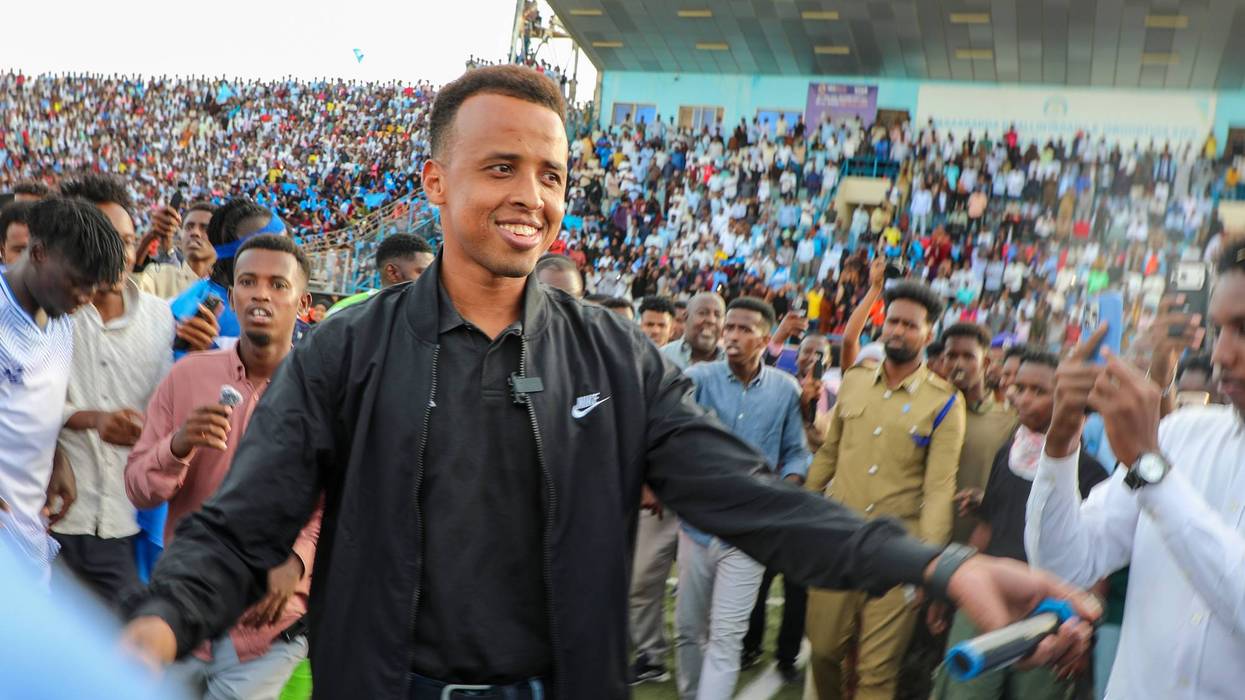
No story captures this more sharply than that of Omar Artan. Named Africa’s best male referee in 2025 and selected by FIFA for the tournament, Artan was set to become the first Somali referee ever to officiate at a World Cup. He cleared the visa process, boarded his flight, and landed in Miami. US Customs and Border Protection denied him entry over unspecified “vetting concerns,” and FIFA removed him from the tournament. He returned home to a hero’s welcome in Mogadishu, received by thousands at the stadium and by Somalia’s prime minister, who wrote that Artan had “already won the hearts of millions.”
As in the first Trump administration, serious questions remain about whether these bans serve any genuine security purpose. Instead, they appear to function as diplomatic punishment aimed at governments this administration dislikes. Preventing fans and players from freely entering the United States, and forcing them to bear the personal cost of policies directed at their governments, produces no discernable security benefit. What it does produce is a steady stream of international criticism. On the opening day of a World Cup the United States is hosting, Omar Artan’s story is the image America has projected to the world.
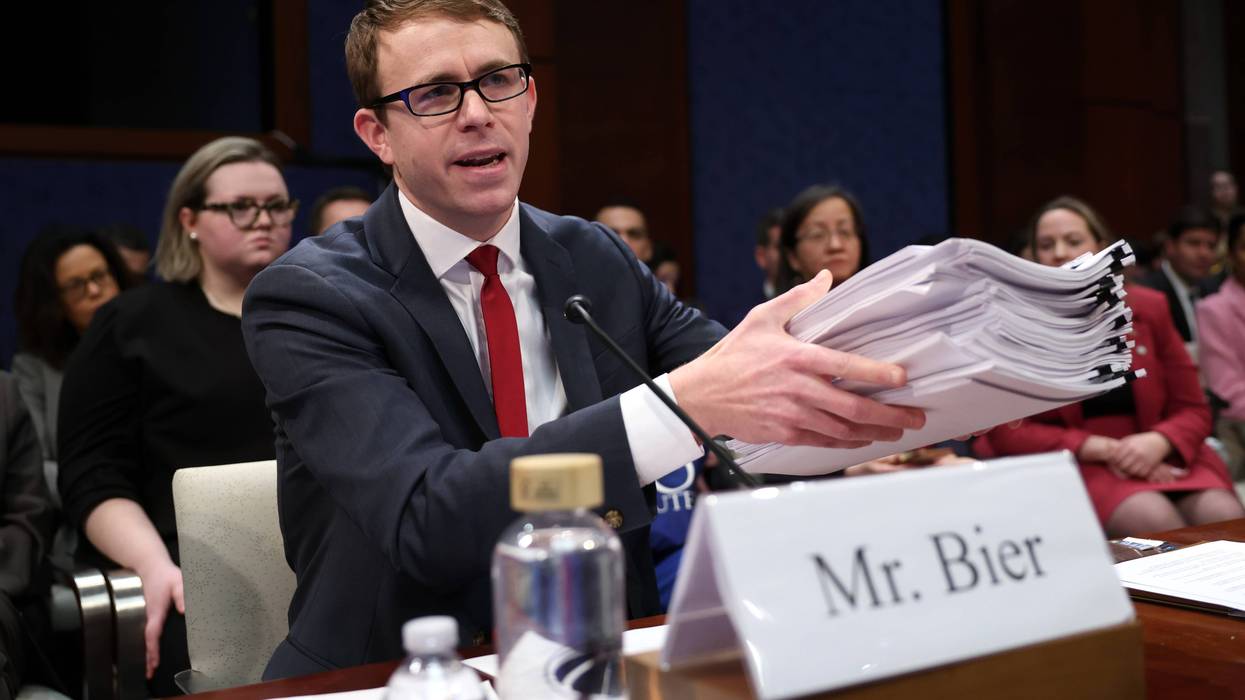
An immigration researcher at the Cato Institute found that the Trump administration is "raking in billions of dollars in immigration fees and not providing the adjudications that applicants are entitled to."
The US State Department under President Donald Trump has been accused of stealing more than a billion dollars from immigrants and sponsors in what experts are calling “the largest fraud in the history of the US immigration system.”
A report published last week by the Cato Institute, written by director of immigration studies David J. Bier, found that the State Department and Department of Homeland Security were receiving millions of applications from immigrants whom Trump has made ineligible for legal status and pocketing the fees without ever processing the requests.
"The US government collected over $1 billion in immigration fees then refused to process the applications," said Austin Kocher, a fellow at Immigration Lab and a professor at Newhouse and Syracuse University in a social media post breaking down the report on Monday. "No denials. No refunds. Just silence."
The report zeroes in on a series of policies signed by Trump and enacted by Secretary of State Marco Rubio and US Citizenship and Immigration Services (USCIS) head Joseph Edlow, which have collectively barred nationals from 92 countries from immigrating to the US.
One proclamation signed by Trump in December bans legal entry and most visas for the nationals of 40 nations—including Cuba, Venezuela, Nigeria, Iran, and Haiti—based on nationality. A memo sent by Edlow extended the freeze to many USCIS immigration-benefit applications for people from targeted countries already living in the US, including work authorization and permanent residency filings
Another State Department policy bans visa applications from immigrants in 75 countries from being processed indefinitely, purportedly based on data showing that residents of those countries use welfare at disproportionately high rates.
These policies block more than 320,000 people abroad from entering the US and potentially as many as 561,000 potential permanent residents when those already living in the US are considered.
Although people from these countries are categorically denied immigrant visas and most other visa types under a series of travel bans signed by Trump, the government is still collecting fees for visas, work permits, and green cards.
The report cited evidence that the department has directed consular officers that they "should not counsel applicants or advise them" that they are subject to the bans when they come in for their interviews, because it "could be seen as pre-adjudication."
Upon revealing this directive last month, immigration attorney Curtis Morrison described it as a way that "embassies scam visa applicants subject to the travel ban out of fees."
As Bier explained:
To immigrate to the United States or to obtain authorization to work or travel internationally, noncitizens must usually pay a fee to have their applications processed. USCIS’s immigration fee revenues were nearly $7 billion, and the Consular Affairs budget was about $6 billion.
The fees stack up. For instance, to sponsor a spouse, a US citizen must pay a $675 fee to USCIS to petition for their spouse to obtain lawful permanent residence. Then, the immigrant must pay $1,440 to adjust status from temporary to permanent residence. That application takes so long that people usually pay $560 for the spouse to receive an employment authorization document, so the total fees can add up to $2,675.
Bier estimated that more than 2 million applications were affected by the bans, with fees coming primarily from work permit filings and permanent residency or immigrant visa applications.
He explained that these fees are difficult to track precisely because the government does not publish detailed statistics on them. He was also forced to rely on out-of-date fee statistics from 2023-24 because the Trump administration "has simply stopped publishing most statistics."
That said, Bier noted that the numbers are most likely to “understate reality” because they include only those who likely had their requests processed in the past year, not those whose processing was delayed by backlogs.
Of the more than $1 billion in fees the Trump administration would have collected for services it never rendered, data from previous years suggested that about $543 million came from Cuban immigrants, who filed about 935,000 applications during the period under review.
The next highest were Venezuelans, who paid an estimated $138 million in fees. Iranians, Haitians, and Afghans were also among the nationalities with the highest numbers of unprocessed applications.
The Trump administration has used high-profile instances of fraud committed by members of immigrant groups, such as Somalis in Minneapolis, to cast aspersions upon entire nationalities and target them for immigration bans and attacks by federal law enforcement.
However, as Bier explained before the Senate Judiciary Committee last month, based on the findings of a Cato report, "immigrants aren't to blame" for most welfare fraud, accounting for just 5% of it, 31% less per capita than native-born US citizens.
He argued that the Department of Homeland Security "isn't anti-fraud" but instead "openly carrying out the largest fraud in the history of the US immigration system... raking in billions of dollars in immigration fees and not providing the adjudications that applicants are entitled to."
"DHS and State can deny anyone who fails to make their case. Instead, this administration is pocketing thousands of dollars from hardworking Americans and their relatives, including spouses and minor children of US citizens, and then not even looking at their applications," he said. "This is a scam. This is fraud."
One critic predicted the policy would "exacerbate civil liberties harms" if enacted.
Visiting the US as a tourist could soon become significantly more onerous under a new plan being mulled by the Trump administration.
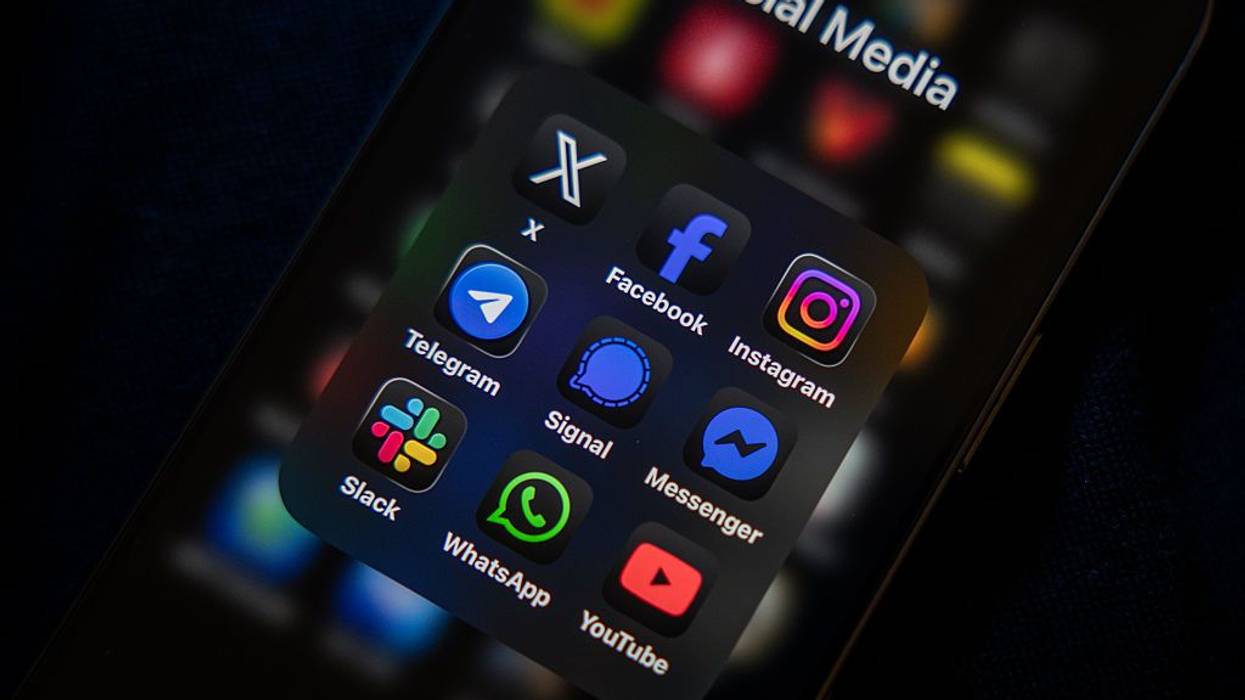
According to a Tuesday report in the New York Times, US Customs and Border Protection (CBP) this week filed a new proposal that would force visitors to submit up to five years' worth of social media posts for inspection before being allowed to enter the country.
In addition to social media history, CPB says it plans to ask prospective tourists to provide them with email addresses they've used over the last decade, as well as "the names, birth dates, places of residence, and birthplaces of parents, spouses, siblings, and children."
The policy would apply even to citizens of countries that have long been US allies, including the UK, Germany, Australia, and Japan, which have long been exempt from visa requirements.
Sophia Cope, a senior staff attorney for the Electronic Frontier Foundation, told the Times that the CBP policy would "exacerbate civil liberties harms."
Cope added that such policies have "not proven effective at finding terrorists and other bad guys" but have instead "chilled the free speech and invaded the privacy of innocent travelers, along with that of their American family, friends and colleagues."
Journalist Bethany Allen, head of China investigations at the Australian Strategic Policy Institute, expressed shock that the US would take such drastic measures to scrutinize the social media posts of tourists.
"Wow," she wrote in a post on X, "even China doesn't do this."
In addition to concerns about civil liberties violations, there are also worries about what the new policy would do to the US tourism industry.
The Times noted in its report that several tourism-dependent businesses last month signed a letter opposing an administration proposal to collect a $250 "visa integrity fee," and one travel industry official told the paper that the CBP's new proposal appears to be "a significant escalation in traveler vetting."
The American tourism industry has already taken a blow during President Donald Trump's second term, even without a policy of forcing tourists to share their social media history.
A report released on Wednesday from Democrats on the Senate's Joint Economic Committee (JEC) found that US businesses that have long depended on tourism from Canada to stay afloat have been getting hit hard, as Canadian tourists stay away in protest of Trump's trade war against their country.
Overall, the report found that "the number of passenger vehicles crossing the US-Canada border declined by nearly 20% compared to the same time period in 2024, with some states seeing declines as large as 27%."
Elizabeth Guerin, owner of New Hampshire-based gift shop Fiddleheads, told the JEC that Canadians used to make up to a quarter of her custom base, but now "I can probably count the number of Canadian visitors on one hand."
Christa Bowdish, owner of the Vermont-based Old Stagecoach Inn, told the JEC that she feared a long-term loss in Canadian customers, even if Trump ended his feud with the nation tomorrow.
"This is long-lasting damage to a relationship and emotional damage takes time to heal," she said. "While people aren’t visiting Vermont, they’ll be finding new places to visit, making new memories, building new family traditions, and we will not recapture all of that."
“Marco Rubio has claimed the power to designate people terrorist supporters based solely on what they think and say,” said one free speech advocate.
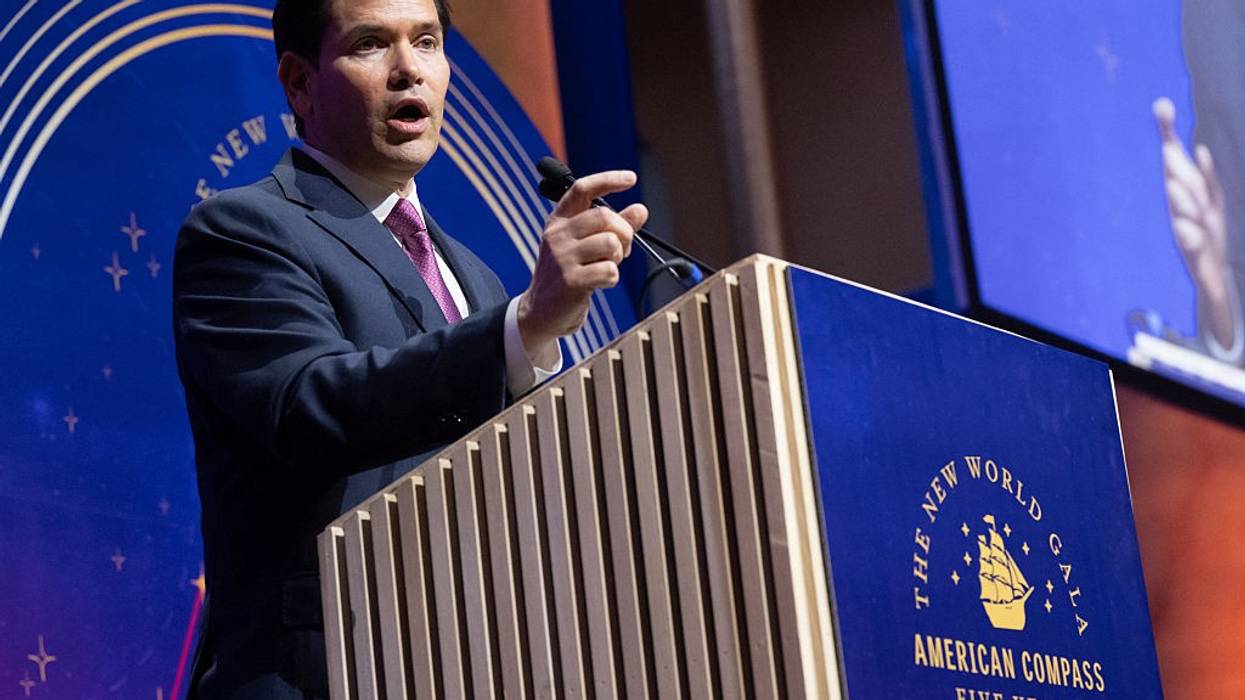
Free speech advocates are sounding the alarm about a bill in the US House of Representatives that they fear could allow Secretary of State Marco Rubio to strip US citizens of their passports based purely on political speech.
The bill, introduced by Rep. Brian Mast (R-Fla.), will come up for a hearing on Wednesday. According to The Intercept:
Mast’s new bill claims to target a narrow set of people. One section grants the secretary of state the power to revoke or refuse to issue passports for people who have been convicted—or merely charged—of material support for terrorism...
The other section sidesteps the legal process entirely. Rather, the secretary of state would be able to deny passports to people whom they determine “has knowingly aided, assisted, abetted, or otherwise provided material support to an organization the Secretary has designated as a foreign terrorist organization.”
Rubio has previously boasted of stripping the visas and green cards from several immigrants based purely on their peaceful expression of pro-Palestine views, describing them as "Hamas supporters."
These include Columbia protest leader Mahmoud Khalil, who was arrested by Immigration and Customs Enforcement (ICE) after Rubio voided his green card; and Rumeysa Ozturk, the Tufts student whose visa Rubio revoked after she co-wrote an op-ed calling for her school to divest from Israel.
Mast—a former soldier for the Israel Defense Forces who once stated that babies were "not innocent Palestinian civilians"—has previously called for "kicking terrorist sympathizers out of our country," speaking about the Trump administration's attempts to deport Khalil, who was never convicted or even charged with support for a terrorist group.
Critics have argued that the bill has little reason to exist other than to allow the Secretary of State to unilaterally strip passports from people without them actually having been convicted of a crime.
As Kia Hamadanchy, a senior policy counsel at the American Civil Liberties Union, noted in The Intercept, there is little reason to restrict people convicted of terrorism or material support for terrorism, since—if they were guilty—they'd likely be serving a long prison sentence and incapable of traveling anyway.
“I can’t imagine that if somebody actually provided material support for terrorism, there would be an instance where it wouldn’t be prosecuted—it just doesn’t make sense,” he said.
Journalist Zaid Jilani noted on X that "judges can already remove a passport over material support for terrorism, but the difference is you get due process. This bill would essentially make Marco Rubio judge, jury, and executioner."
The bill does contain a clause allowing those stripped of their passports to appeal to Rubio. But, as Hamadanchy notes, the decision is up to the secretary alone, "who has already made this determination." He said that for determining who is liable to have their visa stripped, "There's no standard set. There’s nothing."
As Seth Stern, the director of advocacy at the Freedom of the Press Foundation, noted in The Intercept, the language in Mast's bill is strikingly similar to that found in the so-called "nonprofit killer" provision that Republicans attempted to pass in July's "One Big Beautiful Bill" Act. That provision, which was ultimately struck from the bill, would have allowed the Treasury Secretary to unilaterally strip nonprofit status from anything he deemed to be a "terrorist-supporting organization."
Stern said Mast's bill would allow for "thought policing at the hands of one individual."
“Marco Rubio has claimed the power to designate people terrorist supporters based solely on what they think and say,” he said, "even if what they say doesn’t include a word about a terrorist organization or terrorism."
"This goes far beyond 'wrong side of history,'" said journalist Ryan Grim.
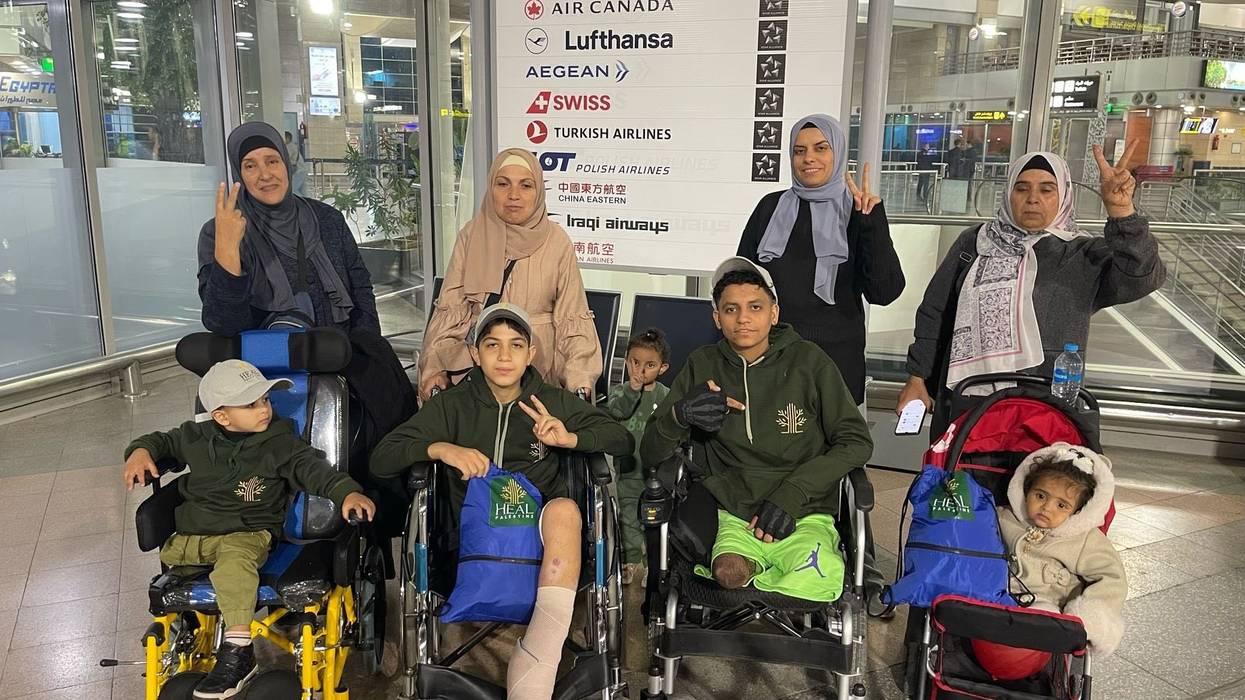
The US State Department announced Saturday that it would halt the issuing of visas to children from Gaza in urgent need of medical care.
The decision came after a frenzied campaign by the racist online provocateur and close Trump confidante Laura Loomer, who raged over the weekend about the arrival of badly injured Palestinian children in Houston and San Francisco earlier this month.
The arrival of these children had been arranged by the US nonprofit group HEAL Palestine, which has helped at least 63 children "receive lifesaving surgeries, prosthetics, and rehabilitative care in the US."
In what she claimed was an "exclusive" report, Loomer—who has described herself as a "Proud Islamophobe," and as "pro-white nationalism"—shared a video posted by HEAL Palestine of children on crutches and wheelchairs arriving with their families at a US airport.
She falsely claimed that the children's shouts of joy were "jihadi chants" and that they were "doing the HAMAS terror whistle" and referred to the children as "Islamic invaders from an Islamic terror hot zone."
Loomer tagged Secretary of State Marco Rubio and the State Department in another post: "How did Palestinians get Visas under the Trump administration to get into the United States? Did @StateDept approve this? How did they get out of Gaza? Is @SecRubio aware of this?"
The day after Loomer's tirade began, the State Department announced that "all visitor visas for individuals from Gaza are being stopped while we conduct a full and thorough review of the process and procedures used to issue a small number of temporary medical-humanitarian visas in recent days."
HEAL Palestine issued a statement Sunday saying it was "distressed" by the State Department's decision. Contrary to claims by Loomer that the children would become "like leeches on welfare," HEAL clarified that the children in the country were here "on temporary visas for essential medical treatment not available at home."
"After their treatment is complete," the organization said, "the children and any accompanying family members return to the Middle East."
Rhana Natour, the director and producer of All That Remains—a documentary for Al Jazeera's Fault Lines on a 13-year-old Palestinian girl who traveled to the US to receive treatment after losing her leg in an Israeli airstrike—told Drop Site News that the humanitarian visas canceled by the State Department are granted "exclusively to burned and disabled children and their parents."
(Video: Al Jazeera English)
Loomer took credit for the department's cancellation of the visas, thanking Rubio and calling it "fantastic news."
"Hopefully, all GAZANS will be added to President Trump's travel ban," Loomer wrote. "There are doctors in other countries. The US is not the world's hospital!"
In response, the X account for Drop Site, which has frequently highlighted the work of HEAL Palestine, responded to Loomer, saying that "Your taxes aren't funding the care for these Palestinian children," and that their treatment was being funded entirely through private support from donors.
"The only role of US tax dollars in the picture," Drop Site said, "is the costly review the State Department will now be forced to conduct because of a deranged racist's ravings to block children from lifesaving treatment."
Loomer later suggested that the wounded Palestinian children were being treated "for free," at the expense of US taxpayers, while "US Veterans are homeless on the street, unable to get healthcare."
Journalist Ryan Grim, Drop Site's co-founder, responded: "Trump slashed Medicaid, slashed the [Department of Veterans Affairs], slashed [Affordable Care Act] exchange subsidies, and increased the military budget to over a trillion dollars but Loomer wants people to think that the reason they don't have healthcare is that a Palestinian child got treated thanks to donations from people heartbroken at what Israel is doing to children."
"The trillion dollars being spent to blow the arms and legs off of children is the problem," Grim continued. "Not the children themselves."
In July, the UN Children's Fund (UNICEF) reported that since October 2023, at least 17,000 children have been killed and 33,000 injured across Gaza, many of them attacked by Israeli forces "as they [lined] up for lifesaving humanitarian aid."
The UN reported Friday that "10 children were losing one or both legs every day," making Gaza "home to the largest group of child amputees in modern history."
Despite having no formal position, Loomer is one of the most influential figures in the Trump administration—reportedly having spearheaded the hiring and firing of aides for key roles, including in the National Security Council.
Loomer has said that the US is a "Judeo-Christian ethnostate" being "destroyed" by immigration, and—following the opening of Trump's immigrant detention camp "Alligator Alcatraz"—joked that the "alligators are guaranteed at least 65 million meals," a number referring to the total population of Latinos in the United States.
Following news of the State Department's decision to cancel visas for injured Palestinians, Grim wrote that it "looks like [Loomer] is also setting visa policy."
"So we want to arm Israel to the teeth, allow them to block food and medical aid from getting into Gaza, and also condemn those facing medical emergencies to death," he said. "This goes far beyond 'wrong side of history.'"
"The immediate economic losses projected here are just the tip of the iceberg," explained the CEO of the NAFSA: Association of International Educators.
The number of international students enrolling at U.S. colleges looks set to plummet this fall, according scenario modeling by an organization that advocates on behalf of academic exchange worldwide.
Insider Higher Ed reported on Tuesday that new data from the group, NAFSA: Association of International Educators, has found that American colleges could lose up to 150,000 international students in the coming academic year, which would represent a decline of up to 40% in foreign enrollment. In fact, the projected drop in international students is so large that it could lead to a drop in overall enrollment of 15%.
NAFSA cited multiple factors leading to the projected decline in international students: a three-week period between late May and the middle of June where student visa interviews were suspended all together; limited appointments available for students in countries such as India, China, Nigeria, and Japan; and new visa restrictions on 19 different countries stemming from an executive order U.S. President Donald Trump signed in early June.
NAFSA projected that the consequences of losing 150,000 international students this fall would be grim not just for universities but also the American economy as a whole. In all, the association found that a drop in students of that magnitude "would deprive local economies of $7 billion in spending and more than 60,000 jobs."
Fanta Aw, the executive director of NAFSA, emphasized that the United States would suffer even greater long-term damage from its policies discouraging the enrollment of international students.
"The immediate economic losses projected here are just the tip of the iceberg," Aw explained. "International students drive innovation, advance America's global competitiveness, and create research and academic opportunities in our local colleges that will benefit our country for generations. For the United States to succeed in the global economy, we must keep our doors open to students from around the world."
Trump and his administration have been going to war with the American higher education system by withholding federal research funding from universities unless they agree to a list of demands such as eliminating diversity, equity, and inclusion programs, and reviewing their policies for accepting international students.
The administration has also cracked down on international students who are already in the U.S. and has detained them and threatened them with deportation for a wide range of purported offenses such as writing student newspaper editorials critical of the Israeli government, entering the country with undeclared frog embryos, and having a single decade-old marijuana possession charge.

"These repressive tactics and the summary revocation of people's immigration status," said Amnesty, "demonstrate an utter lack of respect for their human rights."
The global human rights group Amnesty International on Tuesday called on supporters of the United States' core constitutional rights to write to Secretary of Homeland Security Kristi Noem, demanding that the Trump administration stop its campaign to strip foreign students of their right to be in the country for exercising their First Amendment freedoms.
As Common Dreams reported Tuesday, since Immigration and Customs Enforcement (ICE) accosted former Columbia University student organizer Mahmoud Khalil, forced him into an unmarked vehicle, and took him to a detention center in Louisiana thousands of miles from his pregnant wife in March, the administration's attacks on international students have only intensified.
Seven identified students have had their visas revoked, while the administration is pushing to revoke the residency status of at least two students who protested the U.S.-backed Israeli assault on Gaza.
The White House is using a provision of the Immigration and Nationality Act to claim that certain students including Khalil pose a threat to U.S. foreign policy and should be deported.
"At least 1,300 additional students are known to have had their visas revoked," reads a letter template provided to supporters by Amnesty. "However, many of these students never received notice of the revocation, nor did they participate in any protest or expressive activity on campus. Some students may have been targeted due to having committed minor crimes such as traffic violations. According to a lawsuit filed on behalf of students, many were targeted because of their country of origin, particularly those from African, Arab, Middle Eastern, Muslim, and Asian backgrounds."
Supporters who send the letter can urge Noem to "restore the visas and immigration status of these students and visitors, release all students from immigration detention, refrain from deporting any of them, and end the targeting of students based on their immigration statuses and for exercising their human rights."
"According to a lawsuit filed on behalf of students, many were targeted because of their country of origin, particularly those from African, Arab, Middle Eastern, Muslim, and Asian backgrounds."
As Common Dreams reported, President Donald Trump's attacks on foreign students' First Amendment rights and his threats to universities' funding if they don't comply with his policies aimed at rooting out criticism of U.S. policy in Israel and Palestine, which both Republican and Democratic politicians have claimed is synonymous with antisemitism, have pushed schools to notify hundreds of students that their visas were revoked.
Trump's attacks on international students have shocked several federal judges, and one judge in Georgia on Friday ordered ICE to restore the legal status of students whose visas were revoked due to DHS' termination of their records in the Student Exchange and Visitor Information System (SEVIS).
DHS admitted in a court filing last week that it does not have the authority to change students' visa status via SEVIS.
"These repressive tactics and the summary revocation of people's immigration status," said Amnesty, "whether due to their speech and protest activities or their country of origin, demonstrate an utter lack of respect for their human rights to freedom of expression, peaceful assembly, due process, and to be free from discrimination."

"This bill is political grandstanding at its worst," said one lawmaker.
With the U.S. Senate poised to vote on the Laken Riley Act on Friday, immigrant rights advocates are warning that—despite claims from proponents that the bill is aimed at protecting American communities from violent crime—supporters of the legislation are actually advancing a dangerous "Trojan horse" and securing a power grab for xenophobic right-wing authorities.
The bill is named after Laken Riley, a Georgia woman who was killed last February while she was jogging. Jose Antonio Ibarra, an undocumented immigrant from Venezuela, was convicted of her murder in November, and the case was a focal point of President-elect Donald Trump's campaign last year.
But as Vanessa Cárdenas, executive director of immigrant rights group America's Voice, said Thursday, the bill "is filled with unrelated and sweeping measures that won't improve public safety."
Central provisions in the legislation, which passed in the House on Tuesday with the support of 37 Democrats along with the entire Republican caucus, would require immigration officers to detain undocumented immigrants who are accused of theft, including shoplifting—an apparent response to the fact that Ibarra was cited for shoplifting in Georgia but was not detained before he killed Riley.
Critics have expressed outrage over the provision, with Cárdenas saying it would trample "important due process principles—greenlighting detention and deportation for those accused, rather than convicted of low-level crimes."
"It's no surprise Republicans are continuing to exploit a horrific act of violence and portray immigrants as dangerous threats to America, despite the reality that immigrants have a lower crime rate than the native-born," said Cárdenas. "And it also should be no surprise to any close observers of right-wing politics that the bill being pushed this week doesn't seek to improve public safety or even focus on public safety threats."
At Arizona Republic, editor Elvia Díaz advised readers, "Don't be fooled by soundbites."
"Republicans and now Democrats, too, want you to believe the Laken Riley Act is about deporting shoplifters," she wrote. "It's a power grab by states to dismantle federal authority over immigration enforcement."
In a column at MSNBC on Wednesday, Aaron Reichlin-Melnick, a senior fellow at the American Immigration Council, wrote that Republicans pushing the bill are asking the question: "Who runs the U.S. immigration system?"
The answer, backed up by numerous courts, has been the federal government, but the bill would give broad new authorities to state officials, such as attorneys general, to file legal challenges in order to have specific immigrants detained and to force the State Department to block visas from countries that won't accept immigrants who are deported.
"Giving states a veto power over thousands of decisions made every day by federal law enforcement officers and leaders will complicate immigration issues in every community and threaten to set off international incidents which could hurt U.S. interests around the globe," wrote Reichlin-Melnick.
The visa provision could impact countries such as China and India, which have "historically not cooperated fully with the United States on deportations," and where more than 1.8 million immigrant and short-term visas were issued to nationals in 2023.
"Because the United States is so intertwined with these countries, administrations of both parties have been unwilling to threaten blanket visa bans as a punishment for not accepting deportees," wrote Reichlin-Melnick. "Yet should the Laken Riley Act become law, that decision may no longer be in the hands of our nation's top diplomats and law enforcement officers; it could be in the hands of a single federal district court judge in Texas or Louisiana."
He continued:
What could this look like in practice? Imagine a person from China living in Texas on an H-1B visa who commits an offense that leads to a deportation order. If China does not accept the deportation, [Texas Attorney General] Ken Paxton could go to court seeking to force the federal government to ban all visas from China (or maybe just all H-1B visas) without having to worry about taking the blame for the economic or diplomatic fallout to the United States.
"What happened to Laken Riley was a terrible tragedy, and the perpetrator has been sentenced to life in prison for his heinous acts," wrote Reichlin-Melnick on Wednesday. "But just as Willie Horton's bad acts decades ago were not a justification for supercharging a system of mass incarceration, the heinous acts of Jose Ibarra should not be an excuse to flip our system of constitutional governance on its head and empower individual states and federal judges to run immigration law."
Rep. Jim McGovern (D-Mass.), who opposed the bill this week, said he has heard from "a lot of people who say they support this bill, but who don't seem to know what it really does."
"For example, if this bill is signed into law, a 12-year-old kid brought here by a parent could be LOCKED IN ICE DETENTION if they are accused—not even convicted, simple accused—of stealing a candy bar," McGovern said in a post on X, referring to U.S. Immigration and Customs Enforcement..
Kylie Cheung of Jezebel pointed out that while Republicans have held the Laken Riley Act up as essential legislation to protect women from violence, "these lawmakers don't care about women's safety or high rates of femicide perpetrated by people with citizenship—they've cut all actual resources for victims. They just want to gut basic civil liberties."
Immigration attorney Ben Winograd of the Immigrant & Refugee Appellate Center offered a hypothetical scenario under the bill: "Imagine a man who is a U.S. citizen marries a woman who entered the country illegally. He abuses her constantly, and after learning that she intends to leave him, he calls the police and (falsely) claims that she stole some of his property."
"If the police arrest the woman, she would be subject to mandatory detention while in removal proceedings—even if the police determined that the accusation was bogus," said Winograd. "The Laken Riley Act would allow any person with a grudge against an undocumented immigrant to make them subject to indefinite mandatory detention simply by leveling a false accusation of theft."
All the Senate Republicans are sponsoring the bill, which was cleared for a vote on Thursday, with Sens. John Fetterman (D-Pa.) and Ruben Gallego (D-Ariz.) joining them. In order to overcome a filibuster the GOP needs just six more Democrats to support the legislation.
Sen. Andy Kim (D-N.J.), one of nine senators who opposed advancing the bill on Thursday, said he is in favor of "bipartisan action to fix our broken immigration system."
"I stand ready to work across the aisle to get it done," he said. "Let's start from a foundation grounded in our Constitution."