

SUBSCRIBE TO OUR FREE NEWSLETTER
Daily news & progressive opinion—funded by the people, not the corporations—delivered straight to your inbox.
5
#000000
#FFFFFF
To donate by check, phone, or other method, see our More Ways to Give page.
Daily news & progressive opinion—funded by the people, not the corporations—delivered straight to your inbox.
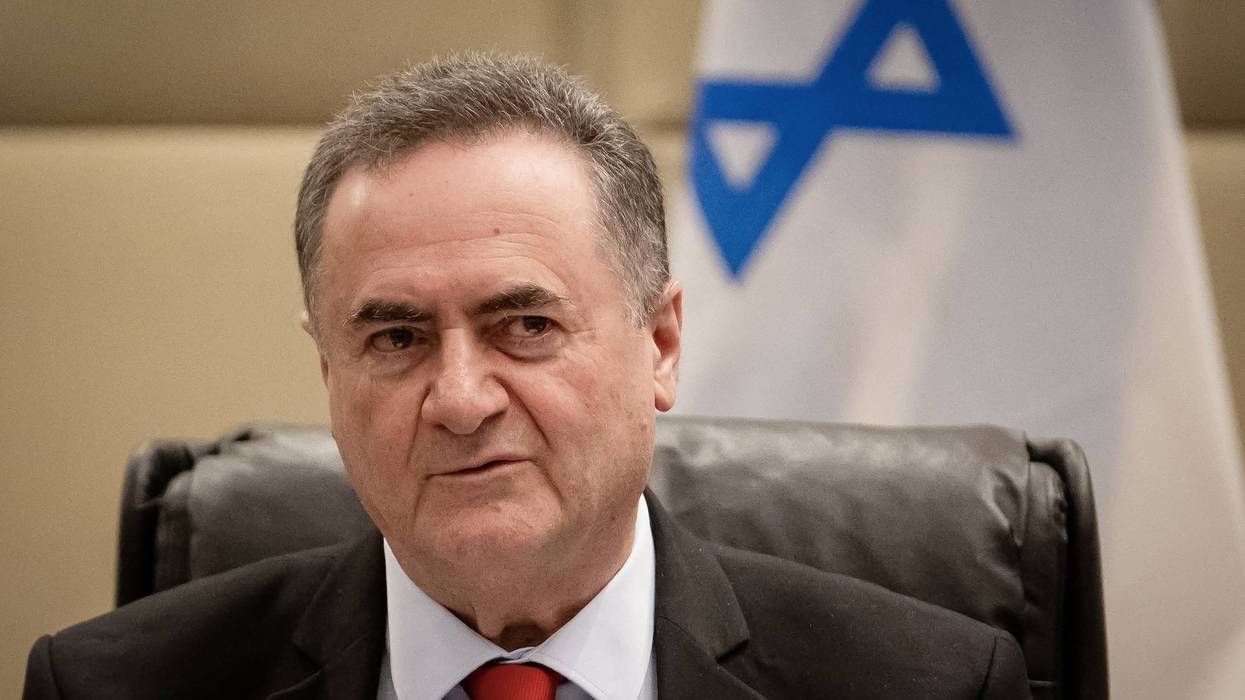
Defense Minister Israel Katz said Israel was “fully prepared” to begin permanently removing Palestinians from Gaza and was just waiting on President Donald Trump to give the OK.
Israel has plans drawn up to carry out US President Donald Trump's proposal to remove most of the Palestinian population from the Gaza Strip, according to its defense minister, Israel Katz.
Katz has been a fervent cheerleader for the proposal made by Trump last February to force roughly 2 million Palestinians to leave Gaza and be permanently relocated to other nations with no right to return home, before bulldozing what is left of Gaza after more than two years of relentless destruction by Israel, which has left the vast majority of the population displaced.
While Trump and his Israeli allies used the euphemism "voluntary migration" to describe the plan, United Nations officials, foreign governments, and human rights organizations have said it amounted to a plot for an illegal "ethnic cleansing."
Shortly after the plan was announced, Katz said he’d directed the Israeli military to begin devising a mechanism for the Palestinians' departure. However, forced displacement was ultimately not included in Trump’s 20-point “peace plan” agreed to last October.
During an interview on Wednesday with the Israeli news site Ynet and the newspaper Yedioth Ahronoth, Katz said that Israel was ready to begin removing Palestinians from the territory as soon as Trump gives the order.
"There is no real solution for Gaza in the end without this migration," Katz said.
He claimed that "80% [of Palestinians in Gaza] want to migrate; it’s checked constantly in surveys."
Katz did not cite which "surveys" he was referring to. But one May 2026 survey by Israel's Coordinator of Government Activities in the Territories, the Israeli body that administers civilian affairs in the occupied Palestinian territories, showed that nearly 80% of residents said they wanted additional information about mechanisms for relocating to a third country through Rafah or Kerem Shalom. The reported question did not establish that they wanted to leave permanently.
Other surveys of Gaza's residents conducted by independent pollsters have found that around half, or a majority of the population, want to stay in the territory despite the destruction and deprivation they face.
Katz said the Israeli government was "fully prepared to move [Palestinians] out if it becomes possible—by sea, by air, by every way possible."
"What’s delaying it is that the accepting countries want US support," Katz said. "Every country that is willing wants American backing. Currently, President Trump didn’t cancel this; he froze it. All the Arab countries came to him due to their pressure on this matter."
Katz said "the moment will come" when "it becomes clear that Hamas is not meeting its commitment" to the Phase 2 disarmament-and-withdrawal roadmap agreed to by the Palestinian militant group in July, building on the October 2025 ceasefire agreement reached between Hamas and Israel.
Israel has claimed that the deal required Hamas to totally disarm before Israel withdrew any troops it had advanced past last October's ceasefire line in violation of the agreement. The roadmap Hamas agreed to explicitly stated that Israel's withdrawal would occur at the same time as disarmament.
Then, Katz said, Israel "will get a green light to move forward militarily, territorially, and in other areas, and this thing will gain momentum."
Other figures in the government of Prime Minister Benjamin Netanyahu have spoken openly about the desire to force Palestinians out of Gaza and replace them with Jewish Israeli settlers. But Katz's statements on Wednesday were among the most concrete yet to indicate that a solid plan is in the works to carry out this goal.
“This is the Israeli defense minister admitting, completely and brazenly, that the official policy of the Israeli state is ethnic cleansing in Gaza,” said H.A. Hellyer, a senior associate fellow at the Royal United Services Institute in the United Kingdom. “But somehow we are expected to take seriously those who say it is not.”
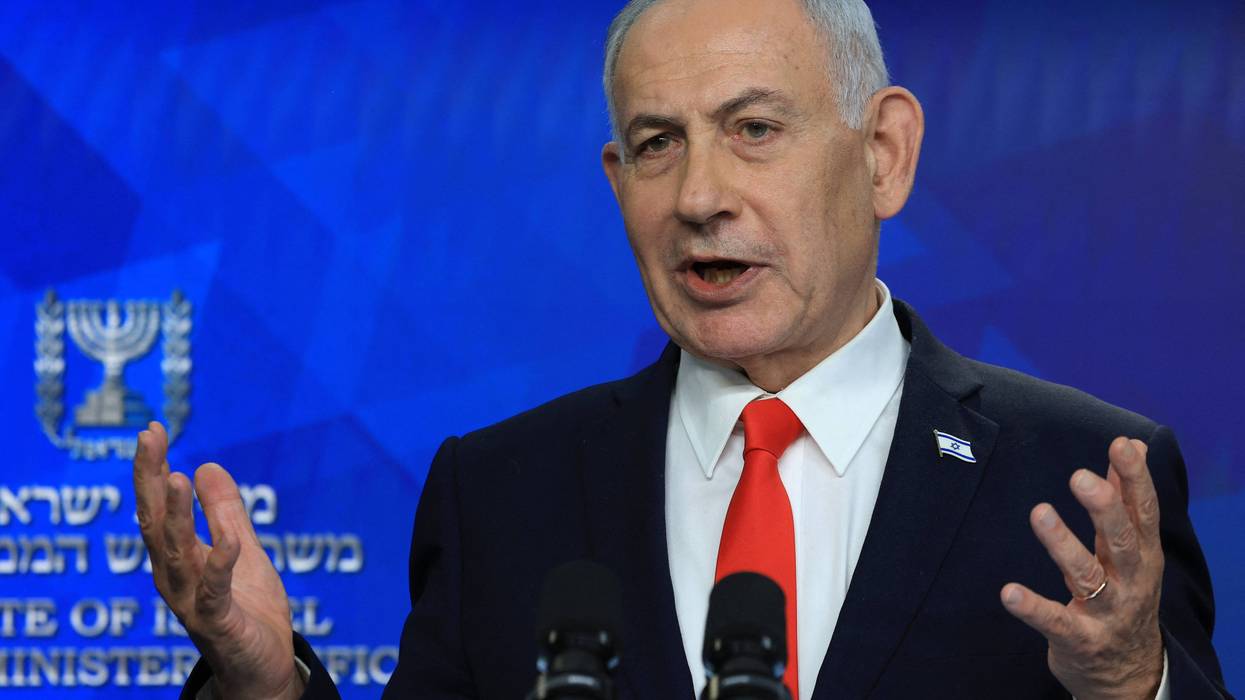
"Words are not enough to restrain the Israelis," one journalist said. "There have to be real consequences."
Israeli Prime Minister Benjamin Netanyahu stated on Wednesday that he will not end the military occupation of Lebanon even if it tanks US President Donald Trump's peace deal with Iran.
"As long as I am prime minister, we will maintain the security zone in southern Lebanon," he said, referring to Israel's occupation, which has cleared about one-fifth of the country of its inhabitants.
About 1.2 million residents have been displaced by Israeli attacks and forced evacuation orders since March as part of a military campaign that's killed about 4,200 people, according to the Lebanese Ministry of Public Health.
As Trump seeks an end to his war with Iran, the Iranian delegation has stressed that it must be peace "on all fronts," including Lebanon, which was outlined in the memorandum of understanding that has served as the basis for ongoing negotiations.
Behind the scenes, Trump has reportedly fumed that by ramping up attacks on Lebanon, Israel is trying to sabotage the deal and drag the US back into war.
But while he and Vice President JD Vance have offered some uncommonly blunt criticism of Israel over the past week, they've not yet gone beyond words. And Israel's leaders seem to believe they won't.
Echoing the prime minister, Defense Minister Israel Katz said on Wednesday that the Israel Defense Forces were "not withdrawing" from Lebanon "even if there is an American demand to do so."
But he also stated that despite a US-mediated ceasefire between Israel and Hezbollah, "as of this moment... there is no American demand for Israel to withdraw from Lebanon," which he described as "a political achievement."
That's not likely to sit well with the Iranians, who, in response to a wave of Israeli attacks this weekend, announced that they were once again closing off the Strait of Hormuz, threatening more of the economic pandemonium that Trump wants to quell by ending the war.
“For us, a ceasefire in Lebanon is as important as a ceasefire in Iran and, further, an end to the war in Lebanon is as important as an end to the war in Iran,” said Mohammad Bagher Ghalibaf, Iran's parliamentary speaker and lead negotiator, on Wednesday.
US Secretary of State Marco Rubio has attempted to thread the needle by claiming on Wednesday that "the Israelis have been clear they don't have any quarrels with the Lebanese people, nor do they have any claims on the territory of Lebanon."
But this was undercut somewhat by Katz's statement on Wednesday that the 200,000 civilians whom Israel ordered to leave southern Lebanon "will not return" to their homes because of the risk they allegedly pose to Israeli soldiers.
"Soldiers in, residents out," Katz said. "The infrastructure is destroyed, the houses are dangerous and ruined. We are not withdrawing."
Critics have pointed out that Trump does have ample amounts of leverage to coerce the Israelis to get with the program, including threatening to cut off US weapons shipments, and that his failure to do this may destroy any chance at peace with Iran.
"The Israelis are going to continue testing what they can get away with," said Rania Khalek, a journalist for BreakThrough News, on social media. "Iran was very clear that a deal with the US is dependent on a ceasefire in Lebanon."
"How embarrassing for Trump that the Israelis don’t care about his orders. They are trying to preserve their ability to kill all their neighbors," she added. "Words are not enough to restrain the Israelis. There have to be real consequences."
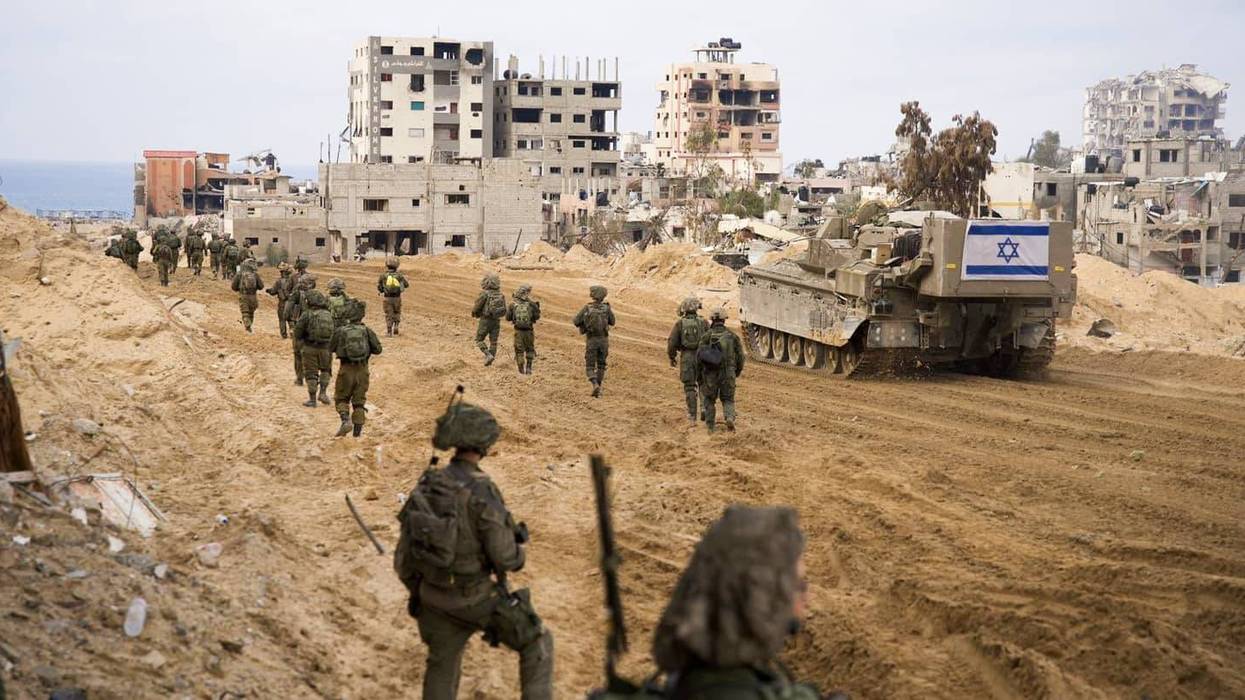
"The idea of occupation, control, and pushing borders forward has become the core of the Israeli security doctrine," said one Palestinian analyst.
Instead of leaving Gaza as required under the ceasefire deal it signed last October, satellite images published Wednesday by Al Jazeera show that Israel is quietly building dozens of heavily fortified permanent military bases around the entire inner perimeter of the coastal strip, a move critics fear is preparation for the ethnic cleansing of Palestinians and possible Israeli resettlement.
Al Jazeera's Open Source Unit analyzed satellite data through May 2026 and identified 40 Israel Defense Forces (IDF) outposts inside the Gaza Strip that were all built after the October 2025 ceasefire between Israel and Hamas took effect, with another base under construction.
Observers say the network of IDF bases inside Gaza is meant to facilitate Israeli Prime Minister Benjamin Netanyahu's stated goal of taking 70% or more of the Palestinian exclave.
Combined with Israel's ever-expanding so-called "yellow line," the satellite imagery reveals at least "a systematic effort to build a sustainable, long-term military infrastructure rather than temporary observation posts," according to Al Jazeera.
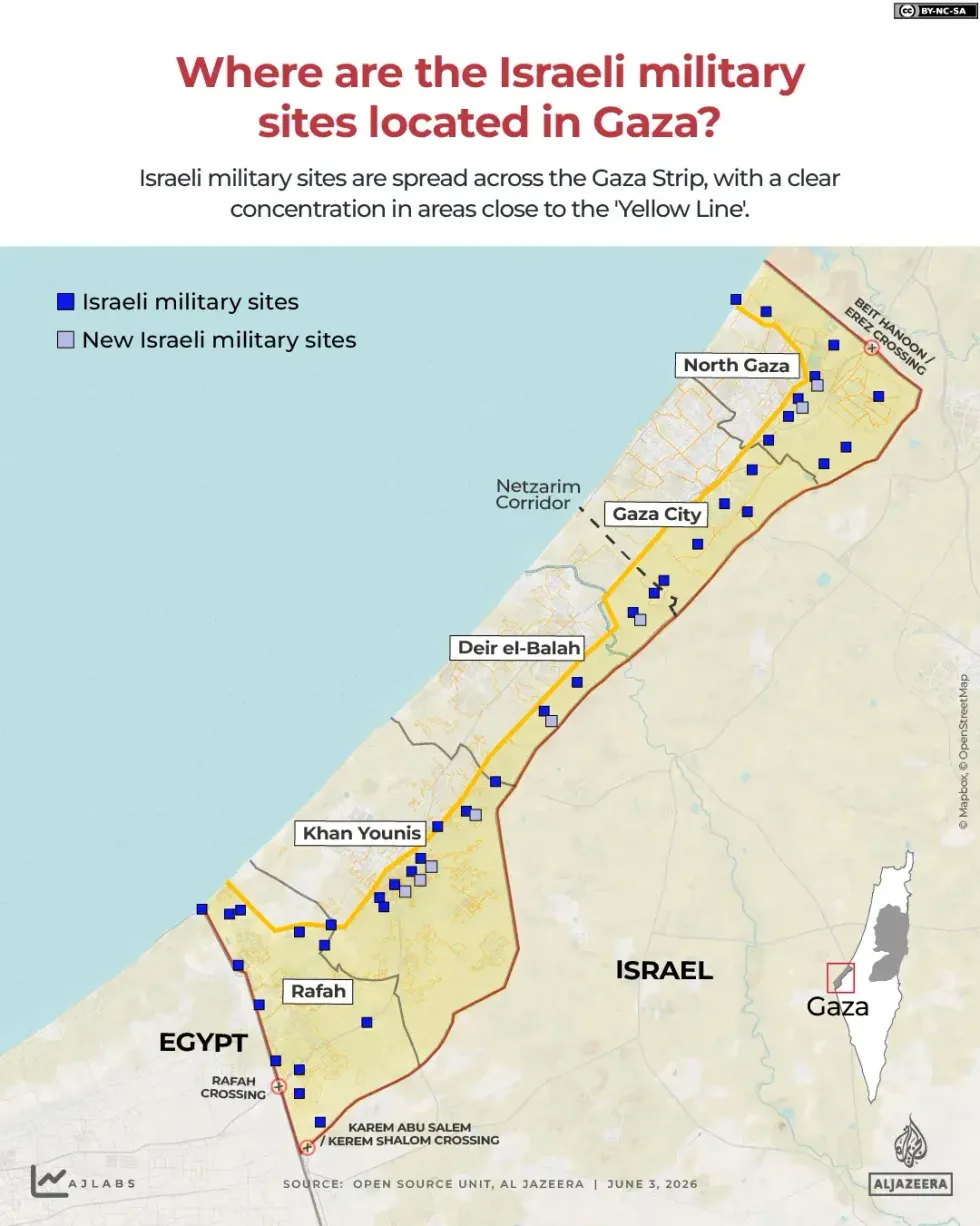 (Image by Al Jazeera Open Source Unit/Creative Commons)
As Al Jazeera reported:
The geographical distribution of these 40 military outposts reveals a deliberate strategy of encirclement. The bases, connected by a network of earthen berms, trenches, and internal military roads, tightly surround Palestinian population centres from multiple directions.
This suffocating architecture severely restricts the ability of civilians to move freely or access their lands, particularly in areas abutting the Israeli deployment lines.
The expanding occupation stands in direct violation of the United States-brokered October 2025 ceasefire agreement, which was based on a 21-point peace plan proposed by President Donald Trump. The framework demanded an end to the hostilities, the immediate entry of aid, the disarmament of Hamas, and a phased Israeli withdrawal.
However, “the idea of occupation, control, and pushing borders forward has become the core of the Israeli security doctrine," Palestinian political analyst Abdullah Aqrabawi said.
In early 2024, Netanyahu—who is wanted by the International Criminal Court for alleged crimes against humanity and war crimes in Gaza—declared that Israel would establish "full security control" over Gaza. In April 2025, he announced the creation of the so-called Morag Corridor, describing it as an additional security corridor dividing Gaza and signaling that Israel was "cutting up the Strip" to increase pressure on Hamas, which led the October 7, 2023 attack on Israel.
Last week, Netanyahu told an audience at a youth military academy that "we are now in 60% of the Gaza Strip, more or less." When the crowd interrupted with chants of "100%! 100%!," the prime minister replied: "Wait, let’s go in order. First 70%. Let’s start with that.”
Israeli Defense Minister Israel Katz said last year that IDF troops were “expanding to crush and clean” Gaza while “seizing large areas that will be added to the security zones of the state of Israel for the protection of fighting forces and the settlements,” a reference to plans by far-right members of Netanyahu’s government and leaders of the settler movement for the ethnic cleansing and illegal Israeli recolonization of the Palestinian enclave.
Israel first colonized Gaza following its seizure during the 1967 Six-Day War; its settlements were dismantled in 2005 under then-Prime Minister Ariel Sharon amid stalled peace negotiations during the Second Intifada, or Palestinian uprising.
Katz and other Israeli leaders advocate for a US-backed "voluntary migration" plan for Gaza's Palestinians. However, critics call voluntary migration a euphemism for ethnic cleansing, given the unwillingness of most Palestinians to leave Gaza, most of whose inhabitants are the descendants of people forcibly expelled from other parts of Palestine during the establishment of the modern state of Israel in the late 1940s.
As Israel seizes more and more of Gaza, its forces continue killing Palestinians there despite the truce. The Gaza Ministry of Health said Wednesday that at least 119 Palestinians were killed in Gaza in May, the highest monthly total recorded this year. Those slain by IDF troops include 19 children and 10 women, with Israeli soldiers saying that indiscriminate killings of Palestinian civilians continue along the ever-shifting yellow line.
According to Gaza’s Government Media Office, Israel has violated the ceasefire more than 3,005 times, resulting in more than 900 Palestinians killed and nearly 2,800 others injured since last October. Since October 2023, more than 250,000 Palestinians have been killed or wounded, including thousands of people who are missing and presumed dead and buried beneath rubble.
Wednesday's Al Jazeera report follows another analysis published last week by the network using satellite imagery to show Israel's erasure of large swaths of southern Gaza, including cities, towns, farmland, and even cemeteries in what the article's authors called an Israeli effort at "erasing geography and memory."
“Satellites photograph the destroyed buildings, but they cannot document the feeling of a human searching for their home to no avail,” Palestinian journalist Muhannad Qishta said. “The hardest thing is not the destruction itself, but the stories buried beneath it.”
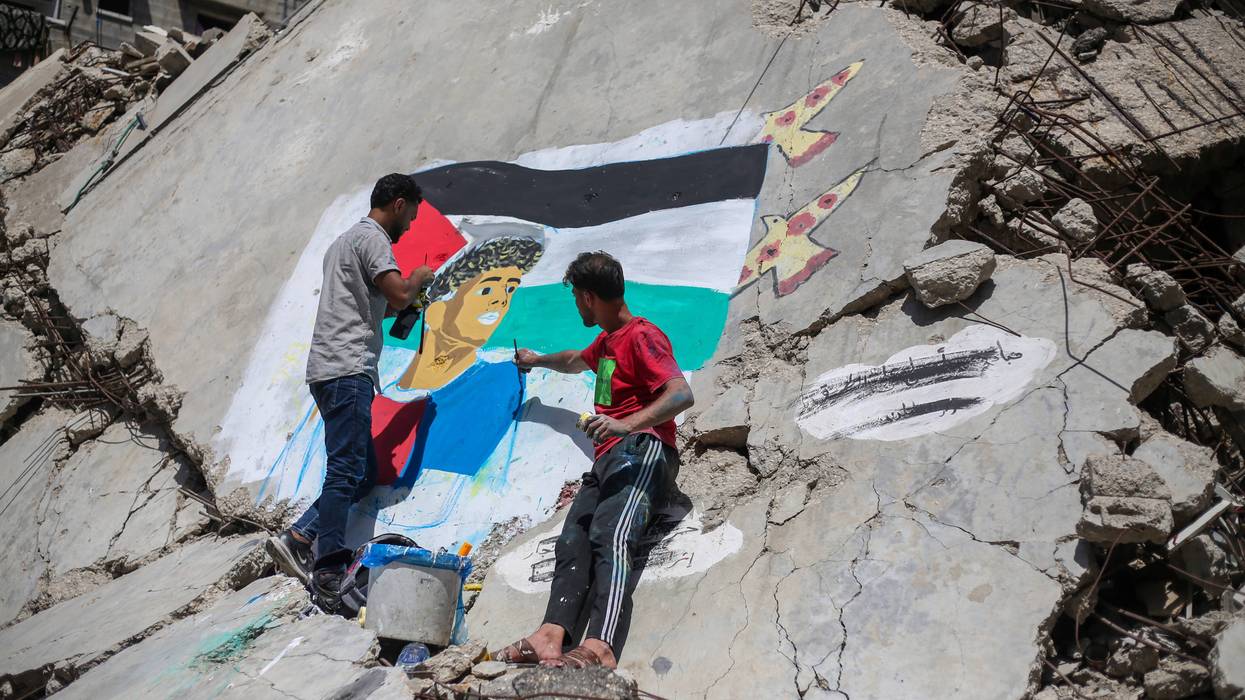
"Those who consider waving the flag of a state to be 'inciting hatred' have either lost their judgment or been blinded by their own ignominy."
Spanish Prime Minister Pedro Sánchez hit back Thursday after senior Israeli officials condemned FC Barcelona star Lamine Yamal for waving a Palestinian flag during a parade celebrating the soccer team's La Liga championship.
The 18-year-old winger—who has established himself as one of the world's best soccer players—waved the flag from atop an open team bus during Monday's celebration in Barcelona. Yamal also shared a photo of him holding the flag with his 42.5 million Instagram followers. The post had nearly 7 million "likes" as of Thursday afternoon.
The display of solidarity with Palestine—whose people have endured 31 months of genocide in Gaza and generations of illegal occupation, settler colonization, apartheid, and ethnic cleansing in the West Bank—drew predictably baseless claims of "antisemitism" and "supporting terrorism" from numerous Israelis, including Security Minister Itamar Ben-Gvir, who in 2007 was convicted of supporting a Jewish terror group.
"He is raising the flag of a nonexistent entity," Ben-Gvir said of Yamal in a Facebook post. Numerous Israeli officials including Ben-Gvir deny the existence of the Palestinian people and nation.
Israeli Defense Minister Israel Katz said on X Thursday that Yamal "chose to incite against Israel and foment hatred while our soldiers are fighting the terrorist organization Hamas, an organization that massacred, raped, burned, and murdered Jewish children, women, and elderly" during the October 7, 2023 attack.
"Whoever supports this type of message should ask themselves: Does he consider this humanitarian? Is this moral?" added Katz, who oversees military forces that have killed or wounded more than 250,000 Palestinians in Gaza in a war that United Nations experts and many others, including prominent Israeli Holocaust scholars, have called a genocide.
Responding to the criticism, Sánchez wrote on X: "Those who consider waving the flag of a state to be 'inciting hatred' have either lost their judgment or been blinded by their own ignominy. Lamine has only expressed the solidarity with Palestine felt by millions of Spaniards. Another reason to be proud of him."
The Spanish government's support for Palestine includes intervention in the International Court of Justice genocide case against Israel, backing the International Criminal Court's effort to bring Israeli Prime Minister Benjamin Netanyahu to justice for alleged crimes against humanity and war crimes in Gaza, promotion of United Nations Gaza ceasefire resolutions, an arms embargo against Israel, and formal recognition of Palestinian statehood.
Katz also said on X that he expects "a great and respected club like FC Barcelona to distance itself" from Yamal's display of solidarity "and make it unequivocally clear that there is no place for incitement or for support of terrorism."
FC Barcelona coach Hansi Flick said Tuesday that if Yamal wants to show support for Palestine, "it is his decision. He is old enough. He's 18 years old."
Yamal's display came just weeks before the Fédération Internationale de Football Association (FIFA) Men's World Cup kicks off in the United States, Canada, and Mexico. Yamal is a member of the Spanish national team. Some observers have voiced concerns about possible backlash from the Trump administration, which has revoked and denied visas for people who publicly support Palestine.
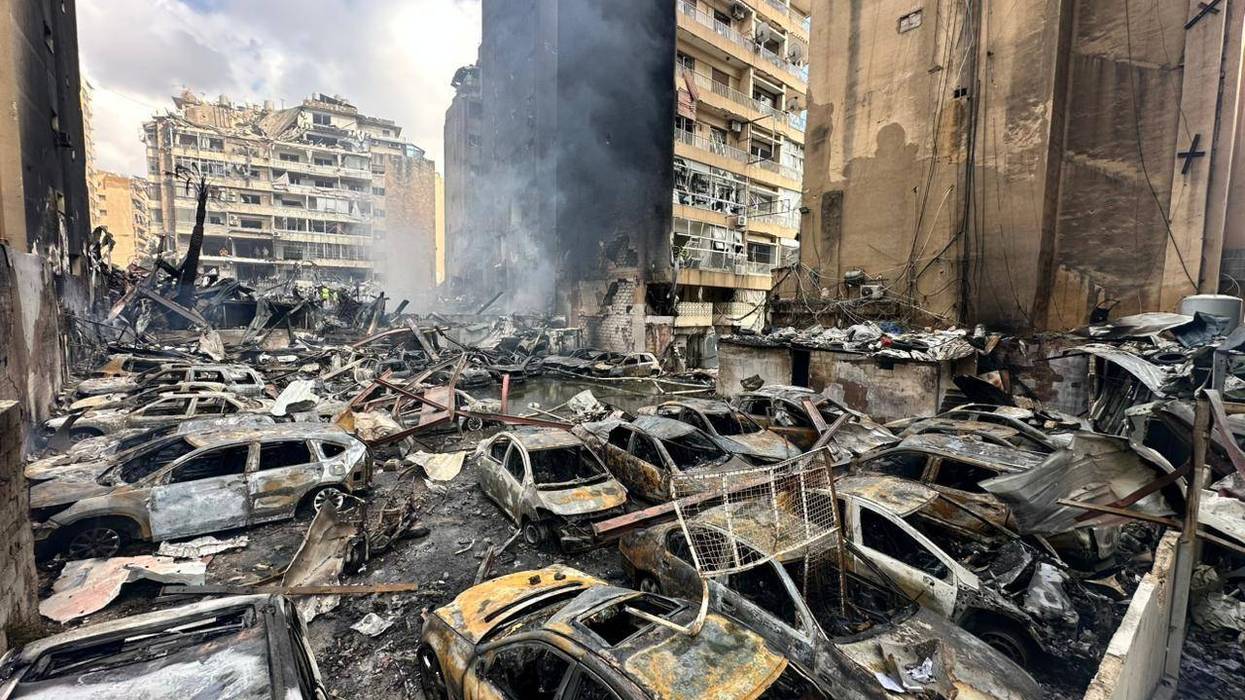
One senior Iranian official said his country is considering resuming strikes to put Israel's "aggressor regime in its place," while others warned Iran might quit the shaky ceasefire altogether.
Iran said Wednesday that it is blocking shipping through the Strait of Hormuz over Israel's escalating bombardment of Lebanon, actions that are threatening to unravel the tenuous ceasefire agreed to less than a day ago.
Fars, an Iranian state media outlet, reported that “simultaneous with Israel’s attacks on Lebanon, the passage of oil tankers through the Strait of Hormuz has been stopped," while Reuters said that "more than 180 tankers believed to be inside [the] strait, with hundreds more waiting" for access.
The developments came after two tankers were reportedly allowed to pass through the vital waterway—through which around 20% of the world's oil is shipped—in the wake of Tuesday's ceasefire agreement between the United States, Israel, and Iran.
While Israel accepted the two-week truce, it insists that the agreement does not apply to its ongoing war on Hezbollah in Lebanon. Iran counters that halting attacks on Lebanon is one of the 10 points in the Pakistan-brokered deal, which Israel is violating.
Over the past 24 hours, Israeli forces have ramped up their already intense bombing of Lebanon to levels described as "apocalyptic." Lebanon's Health Ministry said at least 254 people have been killed and 1,165 others wounded by Israel Defense Forces (IDF) bombing throughout the country, with some official sources telling media outlets that as many as 300 people have been killed.
More than 100 sites across Lebanon were reportedly bombed within a period of just minutes, including densely populated urban areas. In southern Lebanon, the dead include 12 medics, according to officials cited by Reuters.
Israeli forces have targeted civilian structures including apartment towers, claiming without providing evidence they were being used by Hezebollah.
Lebanese Prime Minister Nawaf Salam on Wednesday implored sympathetic nations to put pressure on Israel to stop the bombing.
"All of Lebanon's friends are called upon to help us stop these attacks by all available means," he said.
Iran's Press TV reported Wednesday that Iranian leaders are considering resuming full-scale counterattacks in response to Israel's escalation. According to the outlet, a senior Iranian official said that the time has come to "put this aggressor regime in its place."
Iranian and international media outlets also reported Wednesday that Iran might withdraw from the ceasefire altogether if Israel keeps bombing Lebanon.
“The conditions for a ceasefire between Iran and the United States are clear and explicit: America must choose either a ceasefire or the continuation of war through Israel; both cannot coexist,” Iranian Foreign Minister Abbas Araghchi wrote on Telegram. “The world is witnessing the killings in Lebanon. Now the ball is in America’s court, and global public opinion is watching to see whether this country will fulfill its commitments or not.”
In a Wednesday interview with Al Jazeera, Israeli political commentator Ori Goldberg described Israel's intensified attacks on Lebanon as “a pyrotechnics show meant to demonstrate Israel’s effectiveness while ultimately demonstrating its despair."
“The only entity that can stop it is the international community that will defend Lebanon’s sovereign rights, which have been violated for decades but are now almost nonexistent,” he said.
Goldberg added that Israeli Prime Minister Benjamin Netanyahu "bet it all" on US President Donald Trump and "lost."
Some Israeli leaders, especially on the far-right, are reportedly furious over their exclusion from Trump's decision to suspend attacks on Iran.
"He thought he could keep Trump on a short leash," Goldberg said of Netanyahu. "He messed that up. So now what he has is Lebanon, which has been Israel’s favorite stomping ground in terms of sovereignty violation and aggression generally."
Since the 1980s, Israeli forces have killed more than 20,000 people, many of them civilians, in Lebanon. Israeli forces have occupied parts of Lebanon several times, including for the last 18 years of the 20th century. Some right-wing Israelis want their country to conquer some or even all of Lebanon, which they consider part of a "Greater Israel" promised to them by their deity figure.
Israeli Defense Minister Israel Katz—who, like Netanyahu, stands accused in an International Court of Justice case of inciting genocide in Gaza—said Wednesday that "the IDF carried out a surprise strike on hundreds of Hezbollah terrorists at command centers across Lebanon" in what he called "the largest concentrated blow Hezbollah has suffered since Operation Beepers," when dozens of people including children were killed by booby-trapped exploding communication devices.
Netanyahu and Yoav Gallant, Katz's predecessor, are wanted by the International Criminal Court for alleged crimes against humanity and war crimes in Gaza, where 29 months of Israeli war and siege have left more than 250,000 Palestinians dead, maimed, or missing and the Gaza Strip in ruins. More than 700 Palestinians have been killed in Gaza since a ceasefire took effect there six months ago.
Regional and international observers condemned Israel's escalation in Lebanon, which Iraqi government spokesperson Bassem al-Awadi called "evidence of its hostile plan to sabotage the truce" and "perpetuate conflict."
Qatar's Ministry of Foreign Affairs called on the international community "to fulfill its responsibilities by compelling the Israeli occupation authorities to halt their barbaric massacres and repeated attacks on Lebanon, and to hold them accountable for respecting international covenants and laws.”
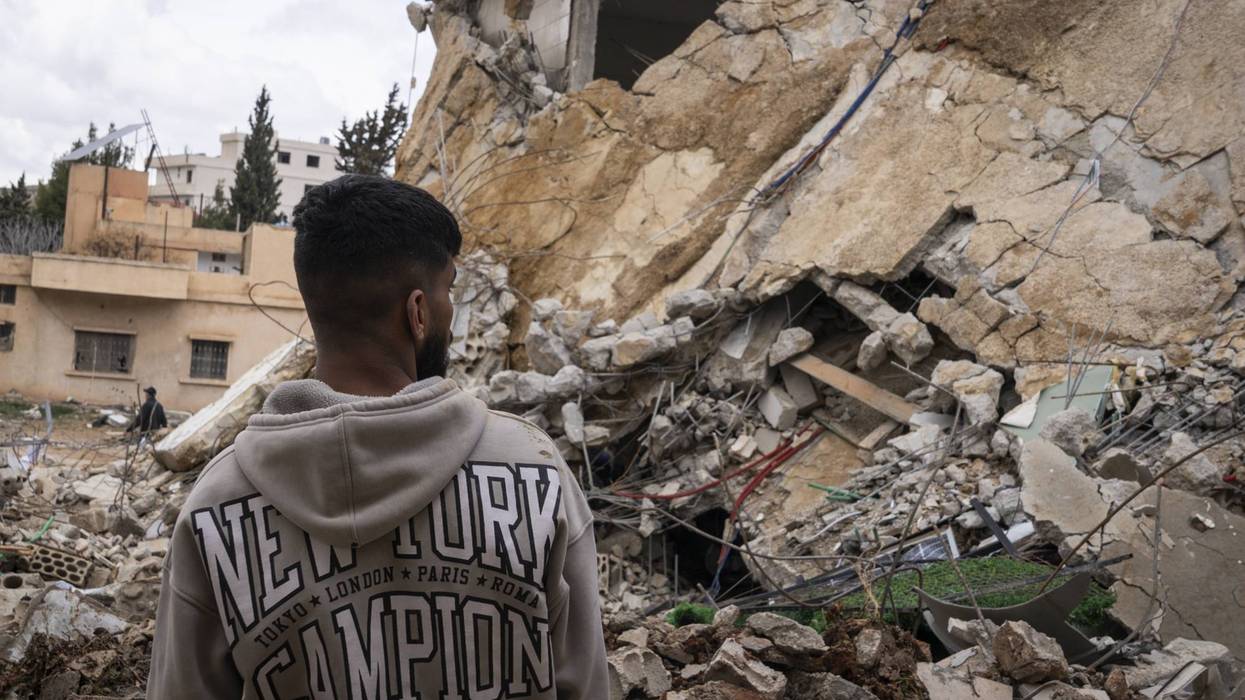
One expert called the policy “an open admission of intent to commit ethnic cleansing.”
Israel is planning to use Gaza as a "model" for its expanding assault on Lebanon, its defense minister said on Sunday as he pledged to begin the demolition of homes in border villages.
In a statement Sunday, Defense Minister Israel Katz said he and Prime Minister Benjamin Netanyahu had ordered the Israel Defense Forces to "immediately destroy all the bridges over the Litani River that are used for terrorist activity, in order to prevent the passage of Hezbollah terrorists and weapons southward."
He also said he'd ordered the military to "accelerate the destruction of Lebanese homes in the border villages in order to thwart threats to the Israeli settlements—in accordance with the Beit Hanoun and Rafah model in Gaza."
Dylan Williams, the vice president for government affairs at the Center for International Policy, described the invocation of this "Gaza model" as "an open admission of intent to commit ethnic cleansing" in Lebanon.
The two cities Katz referred to were largely wiped off the map during the Gaza genocide.
Beit Hanoun, a city on the northeastern edge of the Gaza Strip, which once had a population of more than 50,000 people, had nearly all of its structures totally "flattened" by Israel's bombing and was totally depopulated, according to the Israeli newspaper Haaretz in mid-2025. The far-right in Israel has pushed for Jewish Israeli settlers to move in and build settlements on the territory.
Rafah has been similarly devastated, with nearly 70% of the structures "wiped out" according to an October 2025 investigation by the Center for Information Resilience.
At the time that Israeli forces moved into Rafah in mid-2024, it was the last refuge for more than 1 million Palestinians who'd been displaced from their homes elsewhere in the strip. UN experts described the attack on Rafah as a culmination of a monthslong campaign to “forcibly transfer and destroy Gaza’s population," with more than 800,000 people being forced to flee.
Human Rights Watch said on Monday that Katz's announcement demonstrated "an intent to forcibly displace residents, destroy civilian homes, and conduct strikes that could target civilians" in Lebanon as well.
Already, more than 1 million civilians in Lebanon, from the area south of the Litani River and in Beirut's southern suburbs, have become displaced following orders from the Israeli military to evacuate their homes.
Katz has said hundreds of thousands of Shiite civilians will be forbidden from returning from their south of the Litani "until the safety of Israel’s northern residents is guaranteed," and he has said Israel “will not hesitate to target anyone who is present near Hezbollah members, facilities, or means of combat.”
Human Rights Watch has said these indefinite displacements raise the concern that Israel is perpetrating the war crime of forced displacement and doing so based on religion.
“The Israeli military does not get to decide when civilians lose protections afforded by international law, nor should it be allowed to prevent displaced residents from returning to their homes based on some undefined ‘safety’ standard,” said Ramzi Kaiss, Lebanon researcher at Human Rights Watch. Deliberately targeting civilians, civilian objects, and others protected under international law would be a war crime, and countries supplying Israel with weapons need to realize they are risking complicity in war crimes too.”
Since the latest outbreak of hostilities at the beginning of March following the launch of the US-Israeli war against Iran, at least 1,024 people in Lebanon have been killed in Israeli attacks, including 79 women and 118 children, according to a report from Lebanese authorities this weekend.
Last week, the United Nations Human Rights Office reported that Israeli airstrikes in Lebanon have "destroyed hundreds of homes and civilian infrastructure, including healthcare facilities."
“For over two years, Israel’s allies and European states that purport to support and uphold human rights have buried their heads in the sand as atrocities continue in Lebanon, as in Gaza,” Kaiss said. “Atrocities flourish when there is impunity, and other countries should no longer stand by as they continue.”
The remarks drew critical responses, including from other Israelis and the White House.
Israeli Defense Minister Israel Katz "said the silent part out loud" on Tuesday, then promptly tried to walk back his comments that his country would not only never leave the Gaza Strip, but also reestablish settlements in the decimated exclave.
Israel evacuated Jewish settlements in Gaza two decades ago, but some officials have pushed for ethnically cleansing the strip of Palestinians and recolonizing it, particularly since the Hamas-led October 7, 2023 attack and the devastating Israeli assault that followed.
The Times of Israel on Tuesday translated Katz's remarks—made during an event about expanding Beit El, a Jewish settlement in the illegally occupied West Bank—from Hebrew to English:
"With God's help, when the time comes, also in northern Gaza, we will establish Nahal pioneer groups in place of the settlements that were evacuated," he said. "We'll do it in the right way, at the appropriate time."
Katz was referring to the Nahal military unit that, in part, lets youths combine pioneering activities with military service. In the past, many of the outposts established by the unit went on to evolve into full-fledged settlements.
"We are deep inside Gaza, and we will never leave Gaza—there will be no such thing," Katz said. "We are here to defend and to prevent what happened from happening again."
The so-called peace plan for Gaza that US President Donald Trump and Israeli Prime Minister Benjamin Netanyahu announced at the White House in late September notably states that "Israel will not occupy or annex Gaza," and "the Israel Defense Forces (IDF) will withdraw based on standards, milestones, and timeframes linked to demilitarization."
Gadi Eisenkot, a former IDF chief of staff who launched a new political party a few months ago, responded to Katz on social media, writing in Hebrew, "While the government votes with one hand in favor of the Trump plan, it sells myths with the other hand about isolated settlement nuclei in the strip."
"Instead of strengthening security and bringing about an enlistment law that will bolster the IDF, the government, driven by narrow political considerations, continues to scatter irresponsible and empty declarations that only harm Israel's standing in the world," he added.
The White House was also critical of Katz's comments, with an unnamed official saying that "the more Israel provokes, the less the Arab countries want to work with them."
"The United States remains fully committed to President Trump's 20-point peace plan, which was agreed to by all parties and endorsed by the international community," the official continued. "The plan envisions a phased approach to security, governance, and reconstruction in Gaza. We expect all parties to adhere to the commitments they made under the 20-point plan."
Later Tuesday, Katz's office said that "the minister of defense's remarks regarding the integration of Nahal units in the northern Gaza Strip were made solely in a security context. The government has no intention of establishing settlements in the Gaza Strip. The minister of defense emphasized the central principle of border defense in every arena: The IDF is the first and last line of defense for Israel's citizens, and the state of Israel relies for its protection solely on it and on the security forces."
Katz became defense minister in November 2024, just weeks before the International Criminal Court issued arrest warrants for his fired predecessor, Yoav Gallat, and Netanyahu over Israel's assault on and blockade of Gaza. When Katz took on the new role after serving as foreign minister, Palestine defenders accused the prime minister of swapping one "genocidal lunatic" for another.
Israel faces an ongoing genocide case at the International Court of Justice for its mass slaughter of Palestinians in Gaza. As of Tuesday, local officials put the death toll since October 2023 at 70,942, with another 171,195 Palestinians wounded, though global experts warn the true tallies are likely far higher.
At least 406 of those confirmed deaths have occurred since Israel and Hamas agreed to a ceasefire that took effect October 10. In a Monday letter demanding action from the White House, dozens of Democratic US lawmakers noted Israel's "continued bombardment against civilians, destruction of property, and insufficient delivery of humanitarian aid."
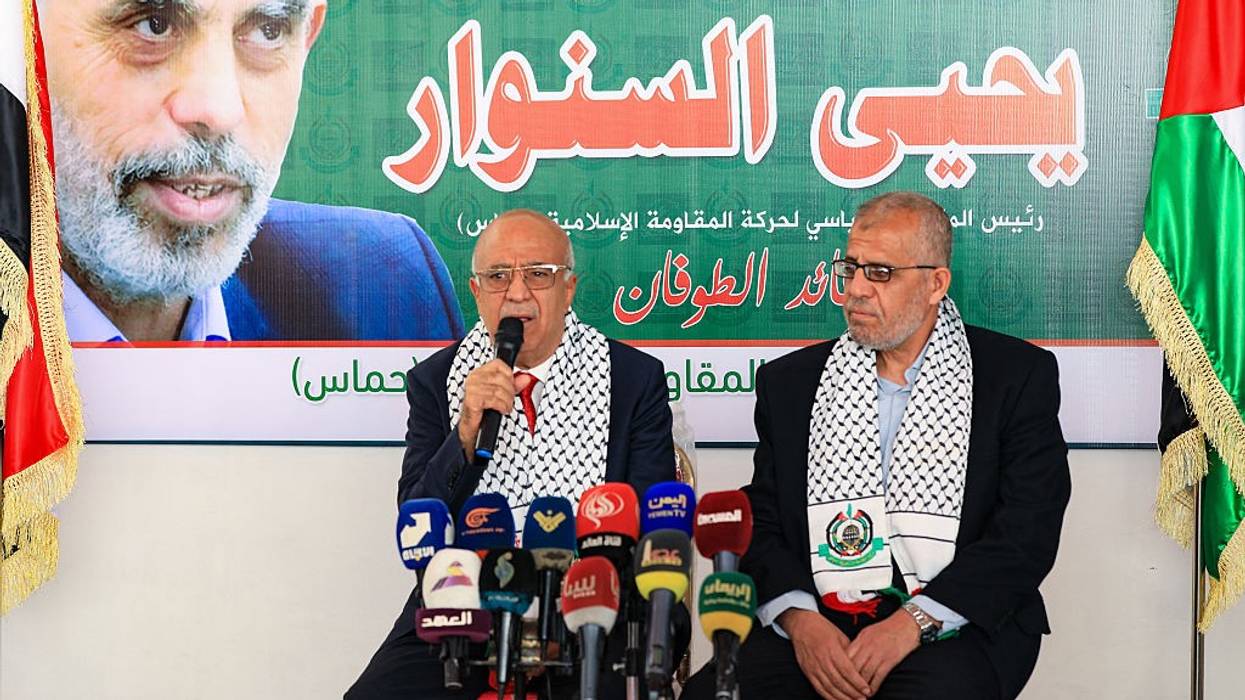
As one Houthi leader pledged that "we shall take vengeance," Israel's defense minister said that "this is just the beginning."
Yemen's Houthis confirmed Saturday that an Israeli airstrike Thursday in the country's capital, Sanaa, killed "several" government officials, including Prime Minister Ahmed al-Rahawi.
The Houthis, also known as Ansar Allah, have targeted Israel and ships in the Red Sea over the US-backed Israeli assault on the Gaza Strip, which has been increasingly denounced as genocide. Israel and the United States—under both the Biden and Trump administrations—have responded to the Houthis' Red Sea actions by bombing Yemen, where an ongoing civil war began in 2014.
As The Associated Press reported Saturday:
Thursday's Israeli strike took place as the rebel-owned television station was broadcasting a speech by Abdul Malik al-Houthi, the secretive leader of the rebel group in which he was sharing updates on the latest Gaza developments and vowing retaliation against Israel. Senior Houthi officials used to gather to watch al-Houthi's prerecorded speeches.
Al-Rahawi wasn't part of the inner circle around Abdul Malik al-Houthi that runs the military and strategic affairs of the group. His government, like the previous ones, was tasked with running the day-to-day civilian affairs in Sanaa and other Houthi-held areas.
Although the full list of Houthi officials killed in the strike has not been released, Reuters reported that unnamed sources confirmed that "the energy, foreign, and information ministers were among those killed."
The news agency also noted that while Al-Rahawi became prime minister around a year ago, "the de facto leader of the government was his deputy, Mohamed Moftah, who was assigned on Saturday to carry out the prime minister's duties."
In a Saturday statement, the Houthi government affirmed that it would continue to "fulfill its role" and "institutions will continue to provide their services to the steadfast, patient, struggling Yemeni people. It will not be affected, no matter the extent of the calamity... and the blood of the great martyrs will be fuel and motivation to continue on the same path."
"We affirm to our great Yemeni people, to the oppressed Palestinian people, to all the sons of our nation, and to all free people in the world, that we continue our authentic stance in supporting and aiding the people of Gaza, and in building our armed forces and developing their capabilities to face all challenges and dangers, just as our great Yemeni people are present in all fields and arenas with all determination, will, and faith," the government added, according to a translation from Drop Site News.
Both US President Donald Trump's administration and the government of Israeli Prime Minister Benjamin Netanyahu—a fugitive of the International Criminal Court for his country's conduct in Gaza—consider the Houthis a terrorist organization.
The Thursday strike came nearly a week after the Israel Defense Forces said that it intercepted multiple ballistic missiles launched by the Houthis, and at least one contained cluster munitions. Citing the IDF and Hebrew media, The Times of Israel reported Saturday that a missile fired by the Houthis overnight "fell short" of Israel, instead falling in Saudi Arabia.
The newspaper also shared Israeli Defense Minister Israel Katz's response to the Houthis confirming Al-Rahawi's assassination. He said that "two days ago, we dealt an unprecedented crushing blow to the senior officials in the military-political leadership of the Houthi terrorist organization in Yemen, in a bold and brilliant action by the IDF."
"The destiny of Yemen is the destiny of Tehran—and this is just the beginning," Katz continued. "The Houthis will learn the hard way that whoever threatens and harms Israel will be harmed sevenfold—and they will not determine when this ends."
Meanwhile, according to Al Jazeera, Mahdi al-Mashat, a Yemeni politician and military officer who serves as the chairman of the Supreme Political Council of the Houthis, said in a video message that "we shall take vengeance, and we shall forge from the depths of wounds a victory."
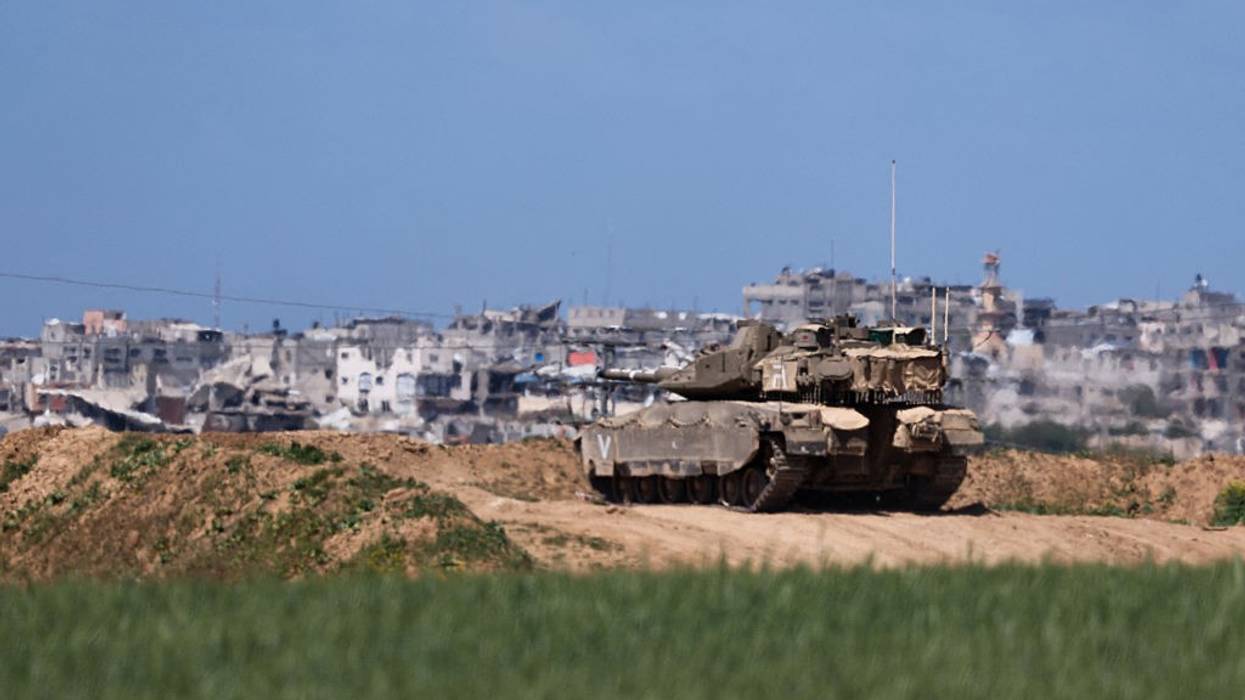
"This is a monumental mistake, both morally and strategically," said one Israeli critic. "This will not bring our hostages home, only endanger them further."
In what one peace group described as "a direct assault on international law," Israeli Prime Minister Benjamin Netanyahu has decided to fully occupy the Gaza Strip, at least one senior member of Israel's government told multiple media outlets on Monday.
"We are moving to occupy the strip—the decision has been made," an unidentified "senior official in Netanyahu's office" told Israel's Channel 12. "Hamas will not release more hostages without complete surrender, and we will not surrender. If we do not act now, the hostages will die of starvation—and Gaza will remain under Hamas control."
A person described as "a source in the prime minister's office" told The Jerusalem Post that Netanyahu—who is wanted by the International Criminal Court (ICC) for alleged crimes against humanity and war crimes in Gaza—has reached a decision to fully occupy Gaza.
The Israeli news site Ynet cited "senior officials" in "Netanyahu's circle" as saying, "The die is cast, we are going for a full occupation of the Gaza Strip."
Responding to the news, Israeli author Hen Mazzig said on the Bluesky social network: "This is a monumental mistake, both morally and strategically. This will not bring our hostages home, only endanger them further."
Israeli media reports that the cabinet is gearing up to instruct the IDF to occupy all parts of the Gaza Strip. The implications are a severe escalation of the carnage, starvation, and ethnic cleansing. UK+EU sanctions should preempt this catastrophe - not respond to it belatedly.
[image or embed]
— Yair Wallach (@yairwallach.bsky.social) August 4, 2025 at 11:58 AM
German journalist Claas Gefroi wrote on Bluesky: "It's so clear. Netanyahu wants an endless war, a permanent state of emergency—and thus many more years in power."
On Monday, Israel's High Court of Justice issued an injunction blocking Netanyahu, who is in the midst of a domestic criminal corruption trial, from firing Attorney General Gali Baharav-Miara, who is prosecuting him.
After nearly 22 months of fighting a war whose stated purpose is the defeat of Hamas and the return of all Israeli and other hostages taken on October 7, 2023, Hamas remains undefeated and 20 hostages are believed to be alive inside Gaza.
Meanwhile, Israel's 667-day assault and siege on Gaza has left more than 220,000 Palestinians dead, maimed, or missing and at least hundreds of thousands more starving through a famine that's killed at least 181 people, over half of them children, according to local officials.
Multiple Israeli hostages also appear to be starving in recently released images. The Palestine Chronicle reported Monday that Abu Obeida, spokesperson for the Al-Qassam Brigades—Hamas' military wing—said that "prisoners are not deliberately starved, they eat what our fighters and our people eat."
Hamas responded to Monday's reports by saying that "Israel's threats are repetitive, worthless, and have no influence on our decisions," according to The Jerusalem Post.
The Virginia-based peace group World Beyond War said on social media that "Netanyahu's decision to fully occupy Gaza is a direct assault on international law."
"The world must reject endless military domination and demand recognition of Palestine as a sovereign state—its people as full citizens with rights, dignity, and safety," the group added.
More and more nations have been moving to formally recognize Palestinian statehood. Last month, France became the first Group of Seven member to announce it will officially recognize Palestine. Last week, Canada said it would also do so, with conditions attached, and the United Kingdom threatened recognition if Israel does not take "substantive steps" to end its obliteration of Gaza.
Although the Israel Defense Forces are winding down Operation Gideon's Chariots, the campaign to occupy all of Gaza and expel its Palestinians—possibly to make way for Jewish recolonization—without achieving any of the mission's objectives, observers note that Israel is still seeking to ethnically cleanse the strip. It is doing so through forced starvation, one of the alleged crimes for which Netanyahu is wanted by the ICC. Israel's weaponized starvation is also cited in the South Africa-led genocide case against currently before the International Court of Justice.
In March, Israel's Security Cabinet created a new Defense Ministry directorate tasked with the euphemistically described "voluntary emigration" of Palestinians. Defense Minister Israel Katz said the new agency would be run "in accordance with the vision of U.S President Donald Trump," who earlier this year said that the United States would "take over" Gaza after emptying the strip of its more than 2 million Palestinians and transform the coastal enclave into the "Riviera of the Middle East."
Channel 12 reported Monday that IDF Chief of Staff Lt. Gen. Eyal Zamir recently pitched occupying all of Gaza as an alternative to a plan favored by Netanyahu to force Palestinians into a concentration camp—he calls it a "humanitarian city"—to be built over the ruins of the southern city of Rafah. Zamir has reportedly dismissed the "humanitarian city" as "unworkable."
Echoing international law and voices like U.N. Palestine expert Francesca Albanese, Palestinian-Canadian neuroscientist Afif Aqrabawi noted Monday on social media that "Gaza is already occupied."
"This new move isn't some shift—it's just the next phase of extermination," he added.

The French president's announcement came as more Palestinian children starved to death in Gaza and the U.S. and Israel quit cease-fire talks with Hamas.
France is set to become the first Group of Seven nation to officially recognize Palestinian statehood, amid worsening deadly starvation in Gaza caused by Israel's 656-day genocidal annihilation and siege of the coastal enclave.
French President Emmanuel Macron said on social media Thursday that he would announce the move at September's United Nations General Assembly in New York.
"The urgency today is to end the war in Gaza and to provide aid to the civilian population," Macron asserted. "Peace is possible. There must be an immediate cease-fire, the release of all hostages, and massive humanitarian aid to the people of Gaza."
"It is also necessary to ensure the demilitarization of Hamas, secure and rebuild Gaza," he added. "Finally, it is essential to build the state of Palestine, ensure its viability, and enable it, by accepting its demilitarization and fully recognizing Israel, to contribute to the security of all in the Middle East. There is no alternative."
Approximately 150 of 193 United Nations member states currently recognize Palestinian statehood. Following a 2024 announcement that Ireland, Norway, and Spain would formally recognize Palestine, then-Israeli Foreign Minister Israel Katz threatened "severe consequences" for nations who take such a step.
Israeli Prime Minister Benjamin Netanyahu—who is wanted by the International Criminal Court for alleged crimes against humanity and war crimes in Gaza—said Thursday that Israel "strongly condemn[s] President Macron's decision."
"Such a move rewards terror and risks creating another Iranian proxy, just as Gaza became," the prime minister added. "A Palestinian state in these conditions would be a launch pad to annihilate Israel—not to live in peace beside it."
However, the Palestinian Authority welcomed the news, with First Vice President Hussein al-Sheikh expressing "thanks and appreciation" to Macron.
"This position reflects France's commitment to international law and its support for the Palestinian people's rights to self-determination," al-Sheikh added.
Macron's announcement came as the Israeli government and Steve Witkoff, U.S. President Donald Trump's Mideast envoy, said they were quitting cease-fire negotiations with Hamas, which is still believed to hold 20 living Israeli and other hostages taken during the October 7, 2023 attack.
Blaming Hamas for the talks' breakdown, Witkoff said that "we will now consider alternative options to bring the hostages home and try to create a more stable environment for the people of Gaza." He did not elaborate upon those "options."
Gaza officials said Thursday that at least 115 Palestinians—including more than 80 children—have starved to death since October 2023. Overall, Israel's assault and siege have left more than 215,000 Palestinians dead, maimed, or missing in Gaza, while forcibly displacing most of the strip's more than 2 million people, often multiple times.
Some observers criticized Macron even as they welcomed Thursday's announcement.
"Why did it take France so long, Mr. Macron?" asked British attorney and activist Shola Mos-Shogbamimu on the social media site X. "Why stand by and watch Israel commit a holocaust for so long?"