To donate by check, phone, or other method, see our More Ways to Give page.

×
  • Home
  • jeff merkley
  • lead
  • troy jackson
  • michael brown
  • senate
  • center for biological diversity
  • arizona
  • election 2022
  • self-immolation
  • ukraine
  • russia
  • gaza
  • critical race theory
  • palestine
  • jan 6 insurrection
  • covid-19
  • george floyd
  • black lives matter
  • stacey abrams
  • trumpism
  • kyle rittenhouse
  • georgia
  • selma
  • john lewis
  • marjorie taylor greene
  • jared kushner
  • bernie sanders
  • sarah huckabee sanders
  • joe biden
  • kamala harris
  • jon ossoff
  • raphael warnock
  • election
  • midterm elections
  • big oil
  • fossil fuels
  • workers
  • inequality
  • minimum wage
  • poverty
  • environment
  • africa
  • food
  • hunger
  • animal rights
  • julian assange
  • amnesty international
  • united kingdom
  • wikileaks
  • biodiversity
  • new mexico
  • democracy
  • taxation
  • campaign finance
  • us supreme court
  • public health
  • oxfam
  • afghanistan
  • congressional progressive caucus
  • fight for the future
  • net neutrality
  • open internet
  • free press
  • anti-semitism
  • bend the arc
  • texas
  • cop26
  • 350.org
  • fcc
  • corporate power
  • jamie dimon
  • jpmorgan chase
  • stop the money pipeline
  • coronavirus
  • imf
  • jubilee usa
  • vaccines
  • florida
  • sustainability
  • center for responsive politics
  • amazon.com
  • drug policy alliance
  • marijuana
  • public citizen
  • environment america
  • renewable energy
  • aclu
  • war crimes
  • war on terror
  • immigration
  • refugees
  • arctic national wildlife refuge (anwr)
  • fossil fuel divestment
  • veterans
  • veterans for peace
  • oklahoma
  • racism
  • democratic party
  • people's action
  • republican party
  • us congress
  • budget
  • hyde amendment
  • reproductive rights
  • women
  • food & water watch
  • codepink
  • militarism
  • pentagon
  • us military
  • sunrise movement
  • filibuster
  • us house
  • war on drugs
  • common cause
  • indivisible
  • mitch mcconnell
  • stand up america
  • arctic
  • muslim ban
  • g7
  • patriotic millionaires
  • oregon
  • chris murphy
  • education
  • jamaal bowman
  • civil rights
  • ed markey
  • technology
  • infrastructure
  • moveon.org
  • egypt
  • journalism
  • barack obama
  • epa
  • pollution
  • war on science
  • voting rights
  • environmental working group
  • friends of the earth
  • icc
  • shell
  • methane
  • indigenous
  • line 3
  • healthcare
  • privatization
  • unemployment
  • labor
  • green new deal
  • data for progress
  • islamophobia
  • virginia
  • us department of justice
  • us senate
  • genocide
  • coal
  • iea
  • new york
  • facebook
  • police
  • big pharma
  • justice democrats
  • social security works
  • extreme weather
  • pesticides
  • bds
  • israel
  • plastics
  • fda
  • greenpeace
  • afge
  • alexandria ocasio-cortez
  • arms trade
  • benjamin netanyahu
  • cair
  • minnesota
  • super pacs
  • janet yellen
  • oil change international
  • wall street
  • factory farms
  • extremism
  • endangered species act
  • civil liberties
  • colombia
  • tony blinken
  • paris agreement
  • campaign legal center
  • fec
  • wto
  • criminal justice system
  • philadelphia
  • 9/11
  • center for food safety
  • monsanto
  • central america
  • mexico
  • children
  • mark pocan
  • rashida tlaib
  • chuck grassley
  • aipac
  • chuck schumer
  • jewish voice for peace
  • china
  • guantanamo
  • roe v. wade
  • jay inslee
  • at&t
  • corporate personhood
  • media
  • baltimore
  • naral
  • nina turner
  • center for reproductive rights
  • elon musk
  • jeff bezos
  • earthjustice
  • moveon
  • privacy
  • japan
  • rahm emanuel
  • apartheid
  • progressive international
  • coronavirus relief
  • agriculture
  • federal reserve
  • g20
  • people power
  • pennsylvania
  • wolves
  • demand progress
  • massachusetts
  • union of concerned scientists
  • human rights
  • nafta
  • asia
  • boris johnson
  • idaho
  • debt
  • sudan
  • world bank
  • keystone xl
  • syria
  • ilhan omar
  • kirsten gillibrand
  • usda
  • people for the american way
  • ron desantis
  • conservation
  • chevron
  • ecuador
  • steven donziger
  • deb haaland
  • us department of interior
    Common Dreams. To inform. To inspire. To ignite change for the common good.
    Common Dreams Globe
    LATEST NEWSOPINIONCLIMATEECONOMY POLITICS RIGHTS & JUSTICEWAR & PEACE
    LATEST NEWS
    OPINION
    Common DreamsTo inform. To inspire. To ignite change for the common good.

    cox's bazar

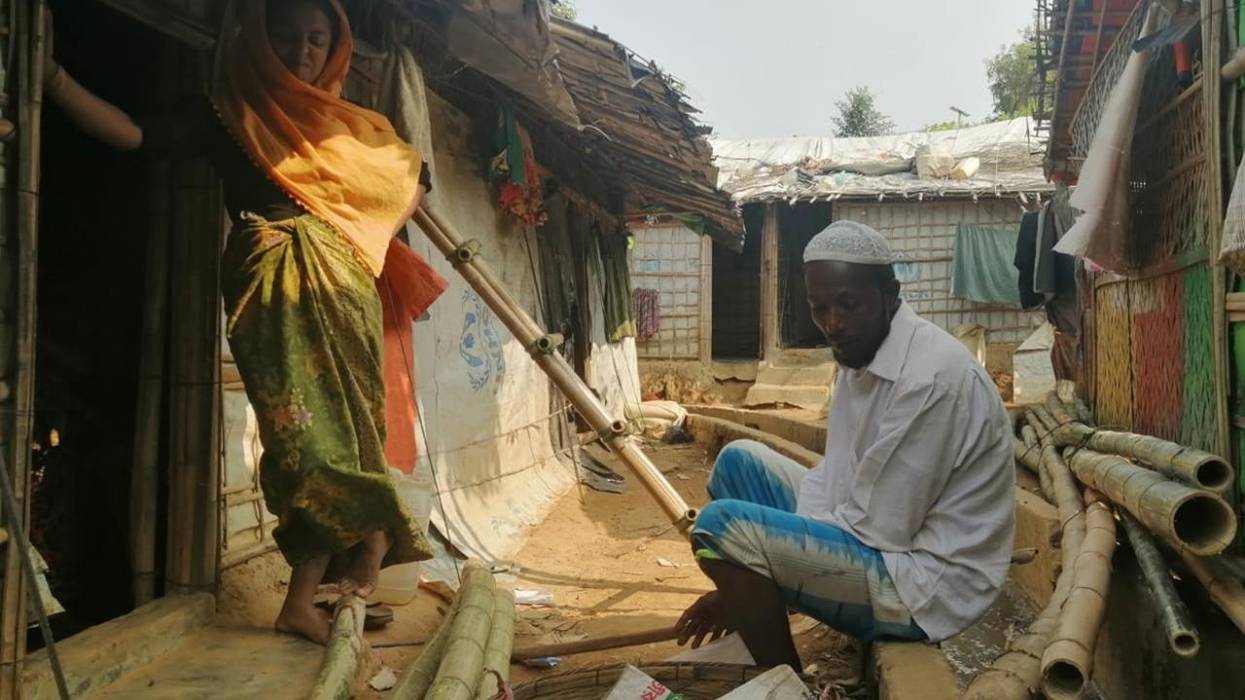
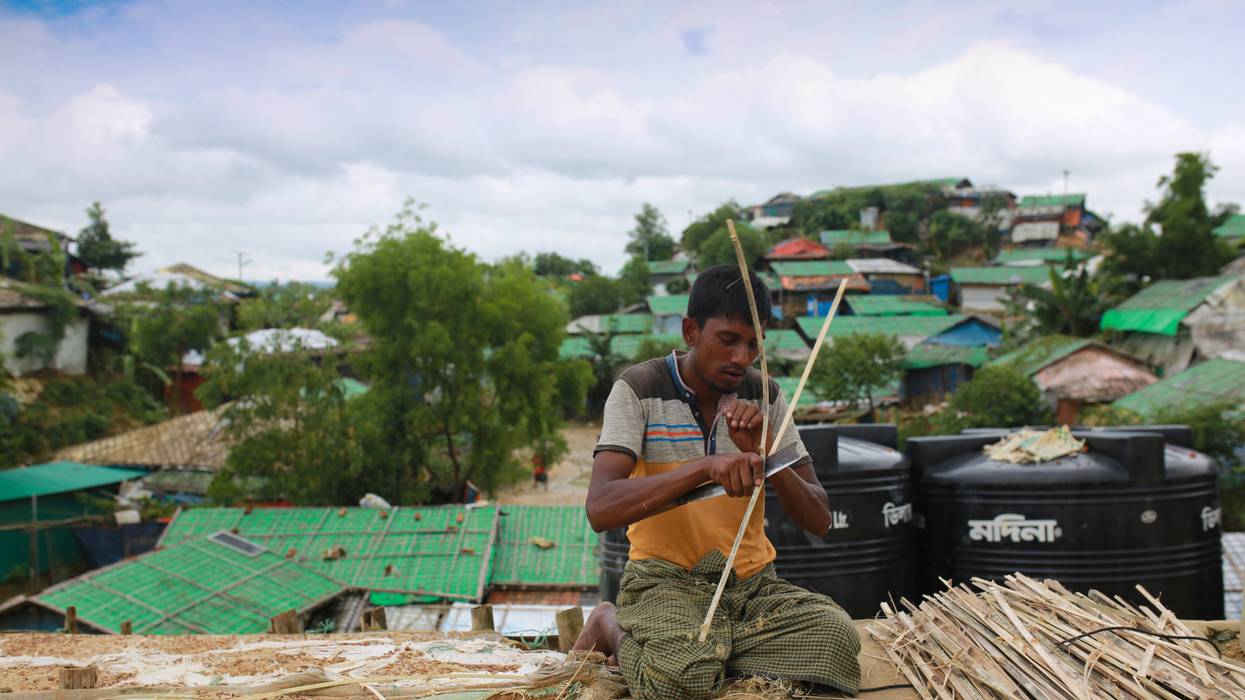
    ​A Rohingya man makes a bamboo fence for a house at the Kutupalong refugee camp in Cox's Bazar, Bangladesh on August 26, 2020.

    'Very, Very Scary': Intensifying Cyclone Mocha Takes Aim at World's Largest Refugee Camp

    "This is a near worst-case scenario for one of the most storm surge flood vulnerable regions in the world," one scientist warned. "I hate to say it but we're looking at a potential mass casualty event."

    Kenny Stancil
    May 12, 2023

    Officials in Bangladesh and Myanmar are preparing Friday to evacuate hundreds of thousands of people as a tropical storm turbocharged by the fossil fuel-driven climate crisis strengthens in the Bay of Bengal.

    Cyclone Mocha is forecast to intensify further before making landfall on Sunday between western Myanmar and the Bangladeshi city of Cox's Bazar, home to the world's largest refugee camp. Roughly 1 million Rohingya people forced to flee Myanmar amid the country's ongoing genocide against them live in the highly exposed district.

    Keep ReadingShow Less
    refugee camp
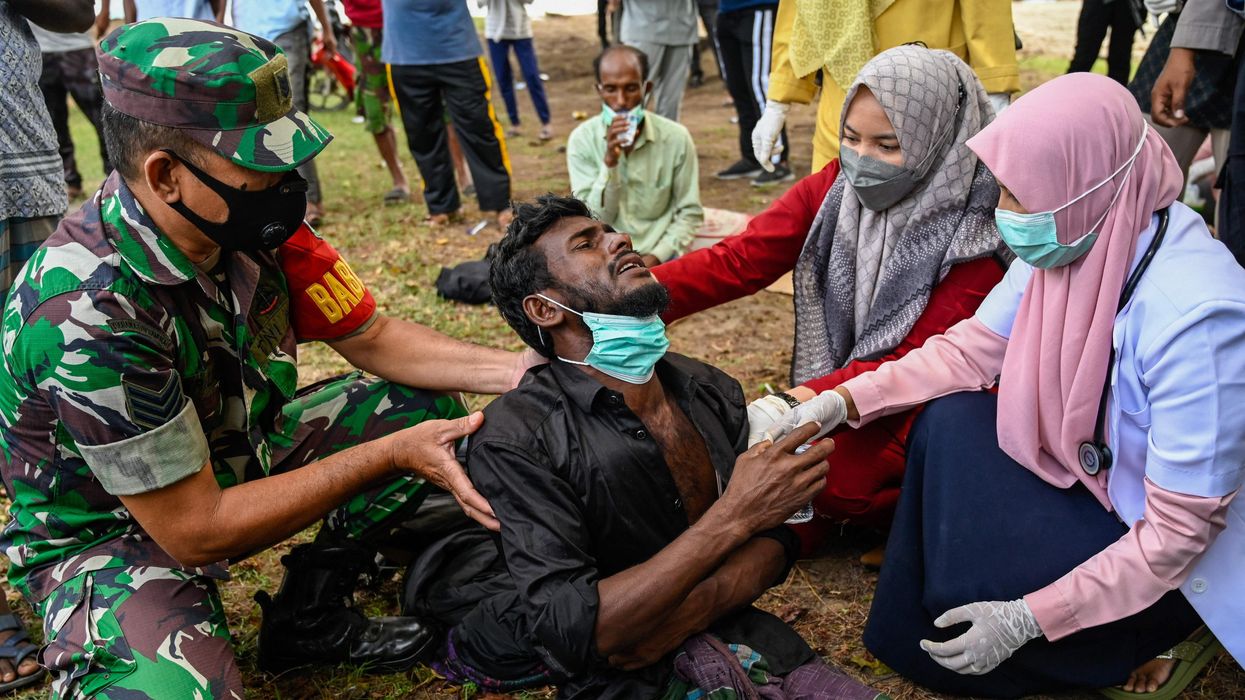
    Rohingya refugees in Aceh, Indonesia

    'A Sigh of Relief' as Hundreds of Rohingya Refugees Rescued After Harrowing Sea Journeys

    However, around 180 other Rohingya are feared dead amid reports their overcrowded boat sank after setting sail from Bangladesh earlier this month.

    Brett Wilkins
    Dec 28, 2022

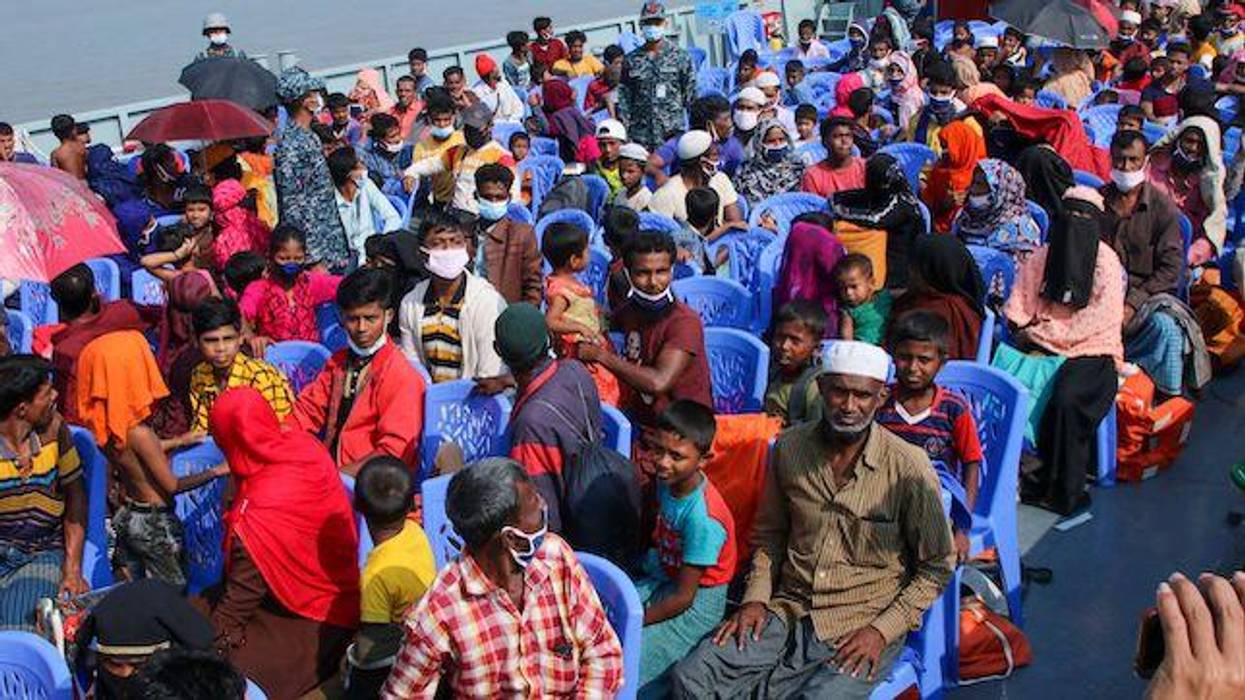
    The rescue of hundreds of Rohingya refugees by fishers and local authorities in Indonesia's Aceh province was praised Tuesday as "an act of humanity" by United Nations officials, while relatives of around 180 Rohingya on another vessel that's been missing for weeks feared that all aboard had perished.

    The United Nations High Commissioner for Refugees (UNHCR) said that "Indonesia has helped to save 472 people in the past six weeks from four boats, showing its commitment and respect of basic humanitarian principles for people who face persecution and conflict."

    Keep ReadingShow Less
    refugee camp
    rohingya
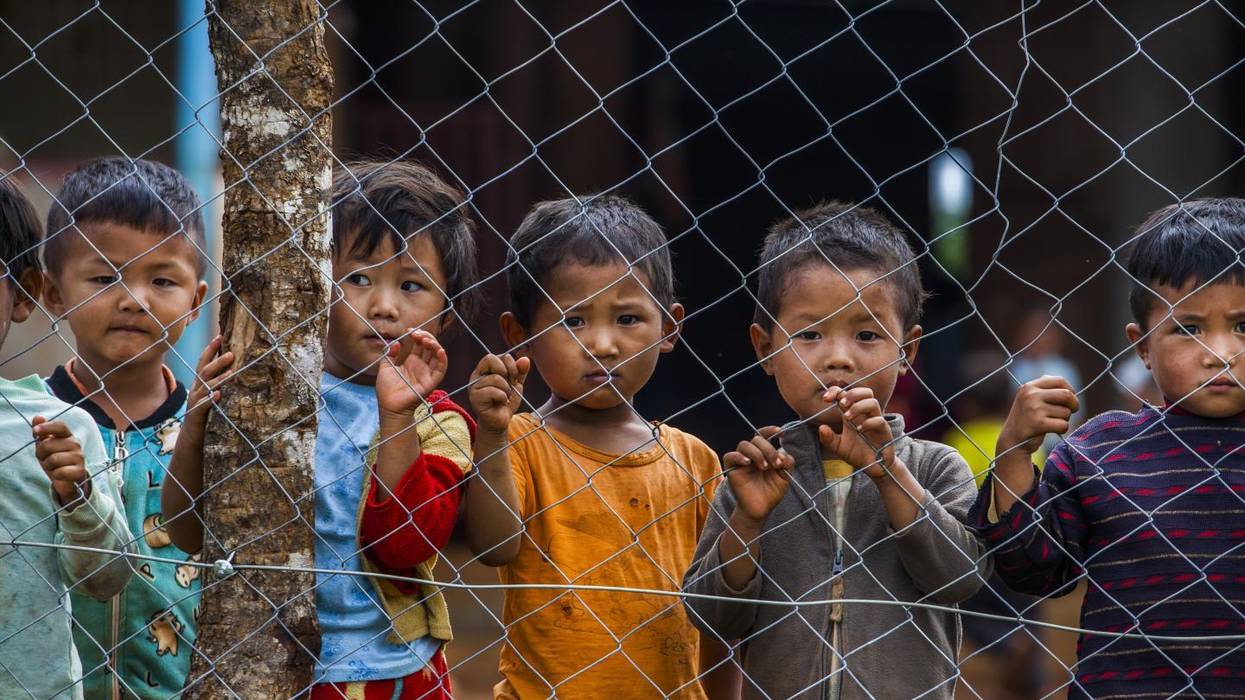
    Child refugees in Burma

    Burma's Refugees Deserve Global Solidarity and Support

    Ending the illegal junta is the first step to securing human rights-based livelihoods for refugees and the millions of civilians who have long deserved peace and democratic rule.

    Myra Dahgaypaw
    Jun 21, 2021

    Sunday, June 20 marked the United Nations' World Refugee Day, a time to highlight refugees worldwide, applaud their courage, and highlight their contributions. This year's theme, "Heal, Learn, Shine," recognized the challenges of COVID-19, the need to uphold the right to education, and how refugees persevere despite the challenges presented to them. According to the UN, there are greater than 1.1 million refugees from my home country of Burma, making it one of the top five source countries of refugees worldwide. While many may celebrate World Refugee Day, those forced to flee Burma continue to witness repeated mass atrocities.

    As the number of people fleeing the Burmese military's violence has only increased since the coup, seeking refuge in Thailand has proven increasingly difficult for Burma's ethnic minority refugees as Thai officials fear the spread of COVID-19 and strictly police their borders.

    Keep ReadingShow Less
    rohingya
    rohingya
    Cox's Bazar refugee camp

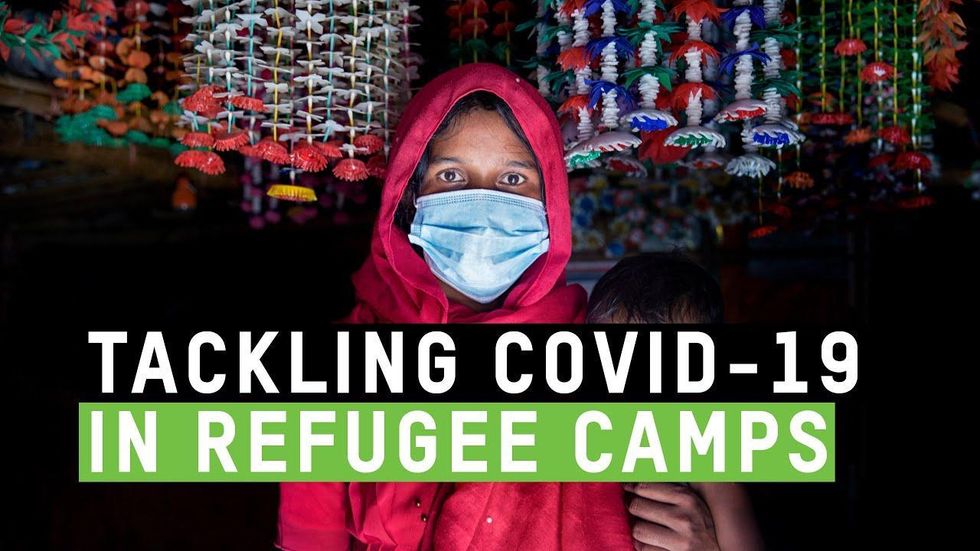
    Four Things to Know About How Residents of the World's Largest Refugee Camp Have Braved Covid-19

    Women and girls have bore the brunt of the crisis.

    Alexandra Kotowski
    Mar 10, 2021

    Nineteen-year-old Nur Jahan (pseudonym) shares two flimsy tents with her baby and 14 other family members. Life is really tough for Nur in the sprawling refugee camps of Cox's Bazar, Bangladesh, where she fled four years ago from violence and persecution in Myanmar.

    "Simple things like finding clean water or food are hard," she says. "Crammed in these tiny tents, it would be hard to keep safe if a family member got coronavirus."

    A year on since the World Health Organization declared Covid-19 a global pandemic, the virus has had far ranging impact on marginalized Rohingya refugees like Nur. The over-riding lesson has been how Rohingya refugees braved the new challenges of the pandemic with incredible determination and resilience.

    Covid has fueled hunger and poverty

    Despite the difficult conditions in the camps, the Rohingya people seem so far to have escaped from the worst. Infection rates have remained far below initial projections with only 406 people having tested positive, and ten deaths, since the first confirmed Covid-19 case was discovered on May 14. The WHO and Bangladesh Institute of Epidemiology plan further research to better understand the trajectory of the virus in Cox's Bazar. There is some suggestion that many refugees were initially reluctant to seek tests.

    Humanitarians and the Government of Bangladesh quickly built-up health services, but the low number of cases is still extraordinary. The camps are severely crowded with almost one million people sharing 26 square kilometres--that's 40,000 people per square kilometer. In many areas up to 250 people share a single water tap.Social distancing is virtually impossible. Health experts warned that conditions were set for a devastating outbreak and catastrophic loss of life. So far, they have thankfully been proved wrong.

    However, the pandemic has fueled an economic crisis. There has been a sharp decline in refugees' wellbeing. More than half the men and 84% of all women say they've not been able to make the same money as before. Nearly a quarter of all refugee households moved into a higher category of vulnerability--meaning they had less food and experienced more economic stress. Families were much more likely to accept high-risk jobs or send their children to work.

    The pandemic also fuelled hunger. Only half of refugee households today have acceptable levels of food. Both refugee and host communities reported overwhelming difficulty to find sufficient or good quality food.

    "Before Covid-19, we could get food from the distribution centres after checking it very carefully, but now much of the food gets rotten after two days because it now takes so long to arrive." The most vulnerable people are hardest hit, particularly single mothers, pregnant and lactating women, the elderly, and people with disabilities.

    Women and girls bore the brunt of the crisis

    Oxfam and several partners conducted a Gender Analysis that found women and girls--both in the camps and in the host community--were facing greater risks and burdens, such as a spike in violence even as they got less lifesaving services and support. "Intimate partner violence, domestic violence, sexual harassment and kidnapping increased as security dropped and several organizations stopped their protection work," a female Rohingya Youth Leader told the research team. "Gender-based violence protection services are not available every day and it was difficult to access them remotely."

    The study also found many Covid-19 messages were not reaching women and girls because of lockdown. Rohingya women in the camps and the host communities were consequently made less aware of Covid-19 risks than men.

    Lockdowns also increased women's and girls' burden of unpaid care work which remains almost exclusively their responsibility. "Women are always expected to do more household chores than men. To ensure cleanliness during the pandemic, washing has increased for example and so women's workload has doubled," a host community woman, who also works as a police officer, told us.

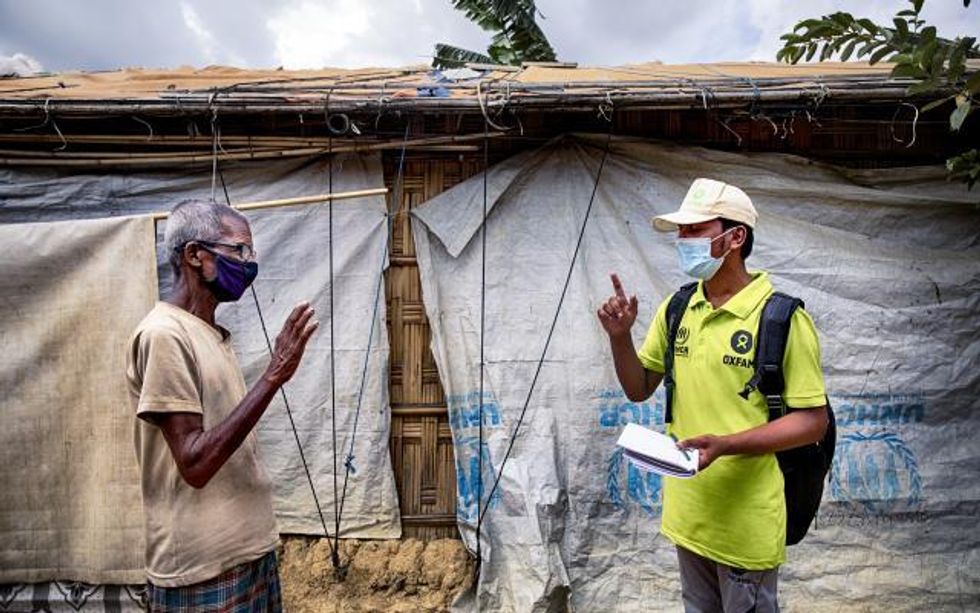
    Oxfam volunteer Zahid Hossain (20) is talking to Abdul Malek* (80) about precaution elderly has to take during Covid19 outbreak in the camp. Cox's Bazar, Rohingya refugee camp. Bangladesh.

    Rohingya led the Covid response

    Rohingya refugees were at the heart of their own Covid-19 response. Nur and her family, for example, learned about the disease from refugee volunteers in her community. "They came to make us aware of this virus using megaphones to explain what to do...so we know how to wash hands, how to be safe," she told Oxfam.

    The Bangladeshi authorities had to significantly limit relief operations and reduced the humanitarian footprint in the camps by 80 percent. Thousands of community volunteers both from the Rohingya and Bangladeshi host community stepped in. They ramped up awareness on prevention, health and safety, began disinfecting communal areas and taught about the importance of handwashing and social distancing. Youth in the camps used social media to share songs with information about the virus. Women were leaders; more than 70% of volunteer community health workers in Cox's Bazar are female.

    Oxfam worked with nearly 400 camp-based volunteers to monitor conditions and promote women's rights and public health. "Every day we help the community with soap and water and providing valuable information," says twenty-year-old Zahid Hossain, an Oxfam volunteer working in the camps. Zahid travels door to door explaining the virus symptoms and precautions, and where people can seek care.

    "I'm happy to provide support for my community. If we don't spread messages about how to fight Coronavirus there will be more cases in the camps and more people will die," Zahid said.

    The virus inspired humanitarian innovation

    The pandemic sparked innovation. Oxfam has provided clean water and sanitation facilities to 73,552 people in Cox's Bazar camps. Together with partners, we also delivered gender and livelihoods programs to both refugees and members of the Bangladeshi host community.

    To limit physical contact, Oxfam and partners developed a new foot pedal-powered hand-washing station which made it possible for people to wash their hands without contaminating a tap or soap container. Refugees first tested it and gave us advice on how to improve it.

    To reach more women and girls with Covid-19 awareness Oxfam provided new ways to communicate essential information, through dedicated information kits, powered with a Bluetooth speaker with pre-recorded messages in the Rohingya language, a solar charger, and a waterproof pouch. They helped us maintain contact during the pandemic while reducing human contact. This initiative was led by Rohingya women's groups, who shared messages across households.

    "Men used to give us confusing information about Covid-19 and we were uncertain what to believe and what not to believe," a Rohingya woman told us. "After getting the audio kit we got to know the right things regarding covid-19 and it cleared our confusion."

    Keep ReadingShow Less
    refugees
    covid-19

    SUBSCRIBE TO OUR FREE NEWSLETTER

    Daily news & progressive opinion—funded by the people, not the corporations—delivered straight to your inbox.

    subscribe
    below
    * indicates required
    True
    True
    Follow Us
    Most Popular

    'Are We Really Living in a Democracy?' Asks Sanders After Musk Drops $10 Million on US Senate Race

    'Unchecked Corruption': First US Sale of Venezuelan Oil Goes to Company of Trump Megadonor

    Trump Declares 'There Can Be No Going Back' as Denmark Deploys More Troops to Greenland

    'The Fourth Amendment Literally Exists to Prevent This': Memo Claims ICE Can Forcibly Enter Homes Without Judicial Warrants

    Trump Pocketed At Least $1.4 Billion in First Year Back in Office in Unprecedented 'Exploitation of the Presidency'

    'Absolutely Vile': ICE Snatches Young Kids From Minnesota Schools, Sends Them to Texas

    ‘Sometimes You Need a Dictator,’ Trump Says Following Threats to Cancel Election

    Expert Who Ran Simulations on 'How Civil Wars Start' Warns Minnesota Is Exactly What It Looks Like

    Fury Grows Over Democrats Who Won't Back ICE Funding Freeze

    'Insane': Trump Threatens 8 Allies With New Tariffs for Opposing Greenland Takeover

    We cover the issues the corporate media never will.
    Please support our journalism.