SUBSCRIBE TO OUR FREE NEWSLETTER
Daily news & progressive opinion—funded by the people, not the corporations—delivered straight to your inbox.
5
#000000
#FFFFFF
To donate by check, phone, or other method, see our More Ways to Give page.

Daily news & progressive opinion—funded by the people, not the corporations—delivered straight to your inbox.
An unofficially-installed poster critical of Elon Musk's wealth is displayed on a bus shelter on June 11, 2026 in Tottenham, England.
Without endless tax deferrals, they would have only a tiny fraction of what they own today, yet, as things stand, nothing stops them from wielding the power and influence their wealth buys to benefit themselves.
The valuation trends up and down, but one thing’s for sure: Elon Musk became the world’s first trillionaire this summer. At the height of the SpaceX IPO he was briefly worth around $1.45 trillion.
Then SpaceX stock tanked, rallied, then tanked again. But the most important thing about Musk’s wealth isn’t whether it stays above the 13-figure threshold—it’s that 94% of it comes from not having to pay taxes on unrealized gains.
That’s right: Musk’s fortune effectively comes from not paying taxes.
It’s no exaggeration to say that trillionaires (Musk likely won’t be the last) are creatures of the tax code. They ought to be called “taxillionaires.” If it weren’t for laws that permit the wealthy to endlessly defer paying taxes by keeping their gains unrealized, there would be no trillionaires—and many fewer billionaires.
We should end the practice of funding billionaires’ and trillionaires’ accumulation of power at public expense by letting them amass yet larger fortunes without paying taxes.
According to Musk’s own account, when he sold his stake in Paypal in 2002, he netted $180 million, invested it all in SpaceX and Tesla, and borrowed to pay his living expenses. To get from $180 million to a trillion today implies annual returns of over 40% (returns that would be considered impossible for ordinary investors).
Allowing these returns to compound untaxed supercharges growth.
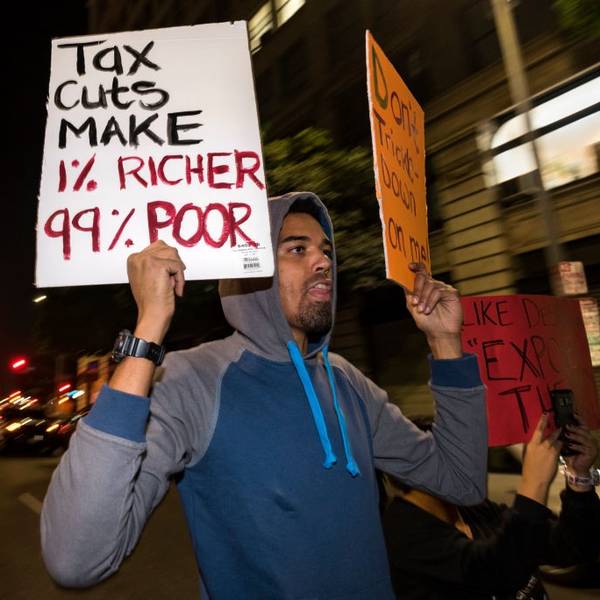
Musk paid some taxes along the way, when he exercised stock options or sold some Tesla shares, but any taxes he paid are insignificant compared to his wealth. By contrast, for most working Americans earning a good salary, total state and federal taxes are significant—typically around 40%.
They can put limited amounts in tax-deferred IRAs, 401(k) plans, and the like. But most of their savings comes from net paychecks after withholding for federal, state, local, Social Security, unemployment, and Medicare taxes. Musk is effectively exempt from these taxes.
But he doesn’t have to be.
Suppose he were subject to the same taxes on his annual wealth increase that most higher-earning Americans pay on what they make, and had to sell some Tesla and SpaceX shares to pay those taxes. We crunched the numbers based on the latest figures, and found he’d be worth around $47 billion today—rich enough to afford the most lavish lifestyle imaginable, but not a trillionaire, and not richer than the GDP of most countries.
It’s the same story for Jeff Bezos, Warren Buffett, and other multibillionaires.
The vast bulk of their fortunes came from not paying taxes on their wealth as it grew. Without endless tax deferrals, they would have only a tiny fraction of what they own today (although that tiny fraction would still be a huge amount of money). Yet as things stand today, nothing stops them from wielding the power and influence their wealth buys to benefit themselves.
In the 2024 elections, Musk was the largest campaign donor, giving $291 million. That’s chump change for him, but it bought unprecedented power: lucrative contracts, the suspension of investigations of Musk’s businesses, access to government data, and the authority to dismantle government programs—including disruptions to foreign aid which are projected to result in over 14 million people dying from preventable diseases.
It’s a vicious cycle of wealth begetting power which begets more wealth, diverting it from the needy and vulnerable. We’re in the grip of unprecedented power accumulated by private, super-rich individuals.
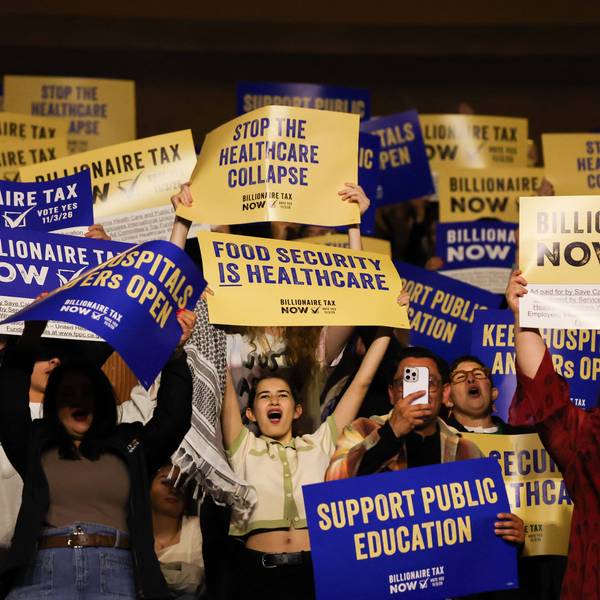
We can check their power by fixing the untaxed wealth problem. We should end the practice of funding billionaires’ and trillionaires’ accumulation of power at public expense by letting them amass yet larger fortunes without paying taxes. We should adopt sensible policies requiring them to pay their fair share, such as the Billionaires Minimum Income Tax Act introduced in Congress in 2023.
Over the next decade, we will face crisis-level national debt and unmet needs for healthcare and retirement income. That will force us to decide whether to leave the vast pool of billionaire and trillionaire wealth untouched, or tax them like the rest of us to curb their influence and address public needs. The choice is ours.
Dear Common Dreams reader, It’s been nearly 30 years since I co-founded Common Dreams with my late wife, Lina Newhouser. We had the radical notion that journalism should serve the public good, not corporate profits. It was clear to us from the outset what it would take to build such a project. No paid advertisements. No corporate sponsors. No millionaire publisher telling us what to think or do. Many people said we wouldn't last a year, but we proved those doubters wrong. Together with a tremendous team of journalists and dedicated staff, we built an independent media outlet free from the constraints of profits and corporate control. Our mission has always been simple: To inform. To inspire. To ignite change for the common good. Building Common Dreams was not easy. Our survival was never guaranteed. When you take on the most powerful forces—Wall Street greed, fossil fuel industry destruction, Big Tech lobbyists, and uber-rich oligarchs who have spent billions upon billions rigging the economy and democracy in their favor—the only bulwark you have is supporters who believe in your work. But here’s the urgent message from me today. It's never been this bad out there. And it's never been this hard to keep us going. At the very moment Common Dreams is most needed, the threats we face are intensifying. We need your support now more than ever. We don't accept corporate advertising and never will. We don't have a paywall because we don't think people should be blocked from critical news based on their ability to pay. Everything we do is funded by the donations of readers like you. When everyone does the little they can afford, we are strong. But if that support retreats or dries up, so do we. Will you donate now to make sure Common Dreams not only survives but thrives? —Craig Brown, Co-founder |
The valuation trends up and down, but one thing’s for sure: Elon Musk became the world’s first trillionaire this summer. At the height of the SpaceX IPO he was briefly worth around $1.45 trillion.
Then SpaceX stock tanked, rallied, then tanked again. But the most important thing about Musk’s wealth isn’t whether it stays above the 13-figure threshold—it’s that 94% of it comes from not having to pay taxes on unrealized gains.
That’s right: Musk’s fortune effectively comes from not paying taxes.
It’s no exaggeration to say that trillionaires (Musk likely won’t be the last) are creatures of the tax code. They ought to be called “taxillionaires.” If it weren’t for laws that permit the wealthy to endlessly defer paying taxes by keeping their gains unrealized, there would be no trillionaires—and many fewer billionaires.
We should end the practice of funding billionaires’ and trillionaires’ accumulation of power at public expense by letting them amass yet larger fortunes without paying taxes.
According to Musk’s own account, when he sold his stake in Paypal in 2002, he netted $180 million, invested it all in SpaceX and Tesla, and borrowed to pay his living expenses. To get from $180 million to a trillion today implies annual returns of over 40% (returns that would be considered impossible for ordinary investors).
Allowing these returns to compound untaxed supercharges growth.
Musk paid some taxes along the way, when he exercised stock options or sold some Tesla shares, but any taxes he paid are insignificant compared to his wealth. By contrast, for most working Americans earning a good salary, total state and federal taxes are significant—typically around 40%.
They can put limited amounts in tax-deferred IRAs, 401(k) plans, and the like. But most of their savings comes from net paychecks after withholding for federal, state, local, Social Security, unemployment, and Medicare taxes. Musk is effectively exempt from these taxes.
But he doesn’t have to be.
Suppose he were subject to the same taxes on his annual wealth increase that most higher-earning Americans pay on what they make, and had to sell some Tesla and SpaceX shares to pay those taxes. We crunched the numbers based on the latest figures, and found he’d be worth around $47 billion today—rich enough to afford the most lavish lifestyle imaginable, but not a trillionaire, and not richer than the GDP of most countries.
It’s the same story for Jeff Bezos, Warren Buffett, and other multibillionaires.
The vast bulk of their fortunes came from not paying taxes on their wealth as it grew. Without endless tax deferrals, they would have only a tiny fraction of what they own today (although that tiny fraction would still be a huge amount of money). Yet as things stand today, nothing stops them from wielding the power and influence their wealth buys to benefit themselves.
In the 2024 elections, Musk was the largest campaign donor, giving $291 million. That’s chump change for him, but it bought unprecedented power: lucrative contracts, the suspension of investigations of Musk’s businesses, access to government data, and the authority to dismantle government programs—including disruptions to foreign aid which are projected to result in over 14 million people dying from preventable diseases.
It’s a vicious cycle of wealth begetting power which begets more wealth, diverting it from the needy and vulnerable. We’re in the grip of unprecedented power accumulated by private, super-rich individuals.
We can check their power by fixing the untaxed wealth problem. We should end the practice of funding billionaires’ and trillionaires’ accumulation of power at public expense by letting them amass yet larger fortunes without paying taxes. We should adopt sensible policies requiring them to pay their fair share, such as the Billionaires Minimum Income Tax Act introduced in Congress in 2023.
Over the next decade, we will face crisis-level national debt and unmet needs for healthcare and retirement income. That will force us to decide whether to leave the vast pool of billionaire and trillionaire wealth untouched, or tax them like the rest of us to curb their influence and address public needs. The choice is ours.
The valuation trends up and down, but one thing’s for sure: Elon Musk became the world’s first trillionaire this summer. At the height of the SpaceX IPO he was briefly worth around $1.45 trillion.
Then SpaceX stock tanked, rallied, then tanked again. But the most important thing about Musk’s wealth isn’t whether it stays above the 13-figure threshold—it’s that 94% of it comes from not having to pay taxes on unrealized gains.
That’s right: Musk’s fortune effectively comes from not paying taxes.
It’s no exaggeration to say that trillionaires (Musk likely won’t be the last) are creatures of the tax code. They ought to be called “taxillionaires.” If it weren’t for laws that permit the wealthy to endlessly defer paying taxes by keeping their gains unrealized, there would be no trillionaires—and many fewer billionaires.
We should end the practice of funding billionaires’ and trillionaires’ accumulation of power at public expense by letting them amass yet larger fortunes without paying taxes.
According to Musk’s own account, when he sold his stake in Paypal in 2002, he netted $180 million, invested it all in SpaceX and Tesla, and borrowed to pay his living expenses. To get from $180 million to a trillion today implies annual returns of over 40% (returns that would be considered impossible for ordinary investors).
Allowing these returns to compound untaxed supercharges growth.
Musk paid some taxes along the way, when he exercised stock options or sold some Tesla shares, but any taxes he paid are insignificant compared to his wealth. By contrast, for most working Americans earning a good salary, total state and federal taxes are significant—typically around 40%.
They can put limited amounts in tax-deferred IRAs, 401(k) plans, and the like. But most of their savings comes from net paychecks after withholding for federal, state, local, Social Security, unemployment, and Medicare taxes. Musk is effectively exempt from these taxes.
But he doesn’t have to be.
Suppose he were subject to the same taxes on his annual wealth increase that most higher-earning Americans pay on what they make, and had to sell some Tesla and SpaceX shares to pay those taxes. We crunched the numbers based on the latest figures, and found he’d be worth around $47 billion today—rich enough to afford the most lavish lifestyle imaginable, but not a trillionaire, and not richer than the GDP of most countries.
It’s the same story for Jeff Bezos, Warren Buffett, and other multibillionaires.
The vast bulk of their fortunes came from not paying taxes on their wealth as it grew. Without endless tax deferrals, they would have only a tiny fraction of what they own today (although that tiny fraction would still be a huge amount of money). Yet as things stand today, nothing stops them from wielding the power and influence their wealth buys to benefit themselves.
In the 2024 elections, Musk was the largest campaign donor, giving $291 million. That’s chump change for him, but it bought unprecedented power: lucrative contracts, the suspension of investigations of Musk’s businesses, access to government data, and the authority to dismantle government programs—including disruptions to foreign aid which are projected to result in over 14 million people dying from preventable diseases.
It’s a vicious cycle of wealth begetting power which begets more wealth, diverting it from the needy and vulnerable. We’re in the grip of unprecedented power accumulated by private, super-rich individuals.
We can check their power by fixing the untaxed wealth problem. We should end the practice of funding billionaires’ and trillionaires’ accumulation of power at public expense by letting them amass yet larger fortunes without paying taxes. We should adopt sensible policies requiring them to pay their fair share, such as the Billionaires Minimum Income Tax Act introduced in Congress in 2023.
Over the next decade, we will face crisis-level national debt and unmet needs for healthcare and retirement income. That will force us to decide whether to leave the vast pool of billionaire and trillionaire wealth untouched, or tax them like the rest of us to curb their influence and address public needs. The choice is ours.