5
#000000
#FFFFFF
To donate by check, phone, or other method, see our More Ways to Give page.
Daily news & progressive opinion—funded by the people, not the corporations—delivered straight to your inbox.
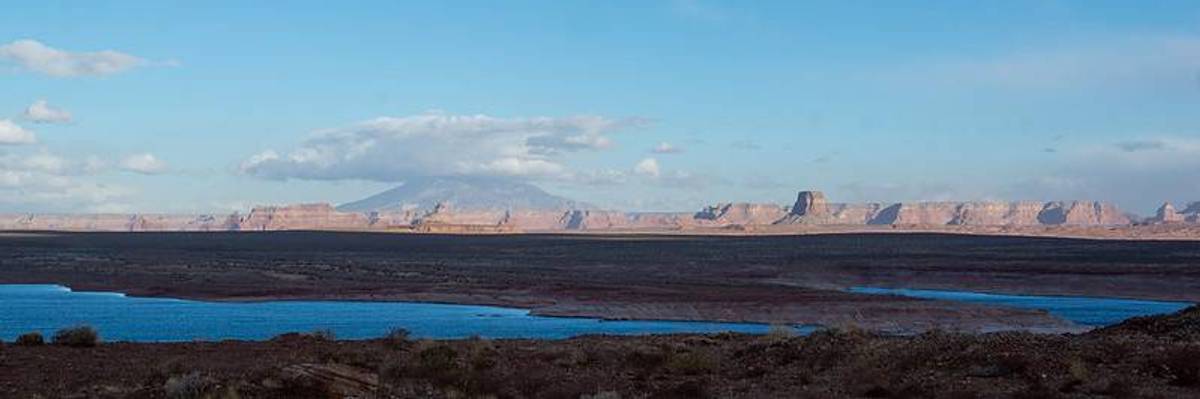
A river runs through Grand Staircase-Escalante National Monument
Many lakes and streams across the country have been industrialized, polluted, or paved over; this has real consequences for community health and safety, from deadly flooding to toxic taps.
Water has always held a sacred place in Black life. Long before environmental policy debates filled congressional hearing rooms, water shaped our stories. Creeks, marshes, and wetlands provided both livelihood and refuge when access to land and opportunity was denied elsewhere. For many Black communities, water is not just a resource. It symbolizes memory, survival, and possibility.
Today, many Black neighborhoods are cut off from the waterways that sustained earlier generations. Despite their cultural and ecological importance, many lakes and streams across the Midwest and the country have been industrialized, polluted, or paved over. This has real consequences for community health and safety, from deadly flooding to toxic taps.
Until now, the rivers, lakes, and streams that flow through national parks and other federally protected landscapes have been spared this fate. Despite bipartisan support for protecting our nation’s most beloved lands and waters, their future is at risk. Some are losing long-standing safeguards, opening the door to mining, fracking, and data center development. We’re seeing this right now in the West, where the administration recently slashed Bears Ears and Grand Staircase-Escalante National Monuments by a staggering 91%.
These two landscapes are sacred to Tribal Nations that have called them home for millennia, carefully tending the cliffs, canyons, and plateaus as well as the rivers that run through them. They have fought tirelessly to close them to development. At Bears Ears, the administration abruptly dissolved an Inter-Tribal Coalition meant to co-manage the lands, ignoring the long history of stewardship by the Hopi Tribe, Navajo Nation, Ute Mountain Ute Tribe, Pueblo of Zuni, and the Ute Indian Tribe, and jeopardizing their ability to hunt, fish, and collect plants and medicines. The Tribes are fighting this decision, backed up by a broad range of partners that understand the shared stakes for people and the planet.
Let’s make sure we’re electing leaders who will fight for the rights of communities that have borne the brunt of past injustice, and a future where we can all count on clean water and learn our shared history.
As a Black woman who works at the intersection of parks and water, I am watching the ongoing push to restore protections at Bears Ears and Grand Staircase-Escalante closely. We know that access to the outdoors is already racialized in this country, much like access to clean air or safe drinking water.
When environmental and health protections get stripped away, Black and Indigenous communities are the first to suffer. But the impacts are not isolated. They cascade across communities, as pollution flows downstream, tainting streams where families boat and swim, and driving up drinking water treatment costs.
Fortunately, parks and clean water are two areas where people across the political spectrum agree: The public good must be put above corporate profit, keeping public lands in public hands, and preventing pollution at the source to ensure safe and affordable water in every home in America. And we’re seeing people rise up.
Black and brown leaders are stepping forward as champions for water protection and climate resilience. They are notching important victories, from restoring a federal environmental justice grants program to historic water funding in Texas and hyperlocal wins like a new well in Allensworth, California, to closing coal plants to build parks and gardens in Chicago.
These bright spots show what’s possible when ordinary people come together to defend our national heritage and demand basic needs like clean water and livable communities.
This fall, we’ll have a chance to make our voices heard at the ballot box. Let’s make sure we’re electing leaders who will fight for the rights of communities that have borne the brunt of past injustice, and a future where we can all count on clean water and learn our shared history by visiting parks and monuments that celebrate the beauty and diversity of this magnificent place we call home.
Dear Common Dreams reader, It’s been nearly 30 years since I co-founded Common Dreams with my late wife, Lina Newhouser. We had the radical notion that journalism should serve the public good, not corporate profits. It was clear to us from the outset what it would take to build such a project. No paid advertisements. No corporate sponsors. No millionaire publisher telling us what to think or do. Many people said we wouldn't last a year, but we proved those doubters wrong. Together with a tremendous team of journalists and dedicated staff, we built an independent media outlet free from the constraints of profits and corporate control. Our mission has always been simple: To inform. To inspire. To ignite change for the common good. Building Common Dreams was not easy. Our survival was never guaranteed. When you take on the most powerful forces—Wall Street greed, fossil fuel industry destruction, Big Tech lobbyists, and uber-rich oligarchs who have spent billions upon billions rigging the economy and democracy in their favor—the only bulwark you have is supporters who believe in your work. But here’s the urgent message from me today. It's never been this bad out there. And it's never been this hard to keep us going. At the very moment Common Dreams is most needed, the threats we face are intensifying. We need your support now more than ever. We don't accept corporate advertising and never will. We don't have a paywall because we don't think people should be blocked from critical news based on their ability to pay. Everything we do is funded by the donations of readers like you. When everyone does the little they can afford, we are strong. But if that support retreats or dries up, so do we. Will you donate now to make sure Common Dreams not only survives but thrives? —Craig Brown, Co-founder |
Water has always held a sacred place in Black life. Long before environmental policy debates filled congressional hearing rooms, water shaped our stories. Creeks, marshes, and wetlands provided both livelihood and refuge when access to land and opportunity was denied elsewhere. For many Black communities, water is not just a resource. It symbolizes memory, survival, and possibility.
Today, many Black neighborhoods are cut off from the waterways that sustained earlier generations. Despite their cultural and ecological importance, many lakes and streams across the Midwest and the country have been industrialized, polluted, or paved over. This has real consequences for community health and safety, from deadly flooding to toxic taps.
Until now, the rivers, lakes, and streams that flow through national parks and other federally protected landscapes have been spared this fate. Despite bipartisan support for protecting our nation’s most beloved lands and waters, their future is at risk. Some are losing long-standing safeguards, opening the door to mining, fracking, and data center development. We’re seeing this right now in the West, where the administration recently slashed Bears Ears and Grand Staircase-Escalante National Monuments by a staggering 91%.
These two landscapes are sacred to Tribal Nations that have called them home for millennia, carefully tending the cliffs, canyons, and plateaus as well as the rivers that run through them. They have fought tirelessly to close them to development. At Bears Ears, the administration abruptly dissolved an Inter-Tribal Coalition meant to co-manage the lands, ignoring the long history of stewardship by the Hopi Tribe, Navajo Nation, Ute Mountain Ute Tribe, Pueblo of Zuni, and the Ute Indian Tribe, and jeopardizing their ability to hunt, fish, and collect plants and medicines. The Tribes are fighting this decision, backed up by a broad range of partners that understand the shared stakes for people and the planet.
Let’s make sure we’re electing leaders who will fight for the rights of communities that have borne the brunt of past injustice, and a future where we can all count on clean water and learn our shared history.
As a Black woman who works at the intersection of parks and water, I am watching the ongoing push to restore protections at Bears Ears and Grand Staircase-Escalante closely. We know that access to the outdoors is already racialized in this country, much like access to clean air or safe drinking water.
When environmental and health protections get stripped away, Black and Indigenous communities are the first to suffer. But the impacts are not isolated. They cascade across communities, as pollution flows downstream, tainting streams where families boat and swim, and driving up drinking water treatment costs.
Fortunately, parks and clean water are two areas where people across the political spectrum agree: The public good must be put above corporate profit, keeping public lands in public hands, and preventing pollution at the source to ensure safe and affordable water in every home in America. And we’re seeing people rise up.
Black and brown leaders are stepping forward as champions for water protection and climate resilience. They are notching important victories, from restoring a federal environmental justice grants program to historic water funding in Texas and hyperlocal wins like a new well in Allensworth, California, to closing coal plants to build parks and gardens in Chicago.
These bright spots show what’s possible when ordinary people come together to defend our national heritage and demand basic needs like clean water and livable communities.
This fall, we’ll have a chance to make our voices heard at the ballot box. Let’s make sure we’re electing leaders who will fight for the rights of communities that have borne the brunt of past injustice, and a future where we can all count on clean water and learn our shared history by visiting parks and monuments that celebrate the beauty and diversity of this magnificent place we call home.
Water has always held a sacred place in Black life. Long before environmental policy debates filled congressional hearing rooms, water shaped our stories. Creeks, marshes, and wetlands provided both livelihood and refuge when access to land and opportunity was denied elsewhere. For many Black communities, water is not just a resource. It symbolizes memory, survival, and possibility.
Today, many Black neighborhoods are cut off from the waterways that sustained earlier generations. Despite their cultural and ecological importance, many lakes and streams across the Midwest and the country have been industrialized, polluted, or paved over. This has real consequences for community health and safety, from deadly flooding to toxic taps.
Until now, the rivers, lakes, and streams that flow through national parks and other federally protected landscapes have been spared this fate. Despite bipartisan support for protecting our nation’s most beloved lands and waters, their future is at risk. Some are losing long-standing safeguards, opening the door to mining, fracking, and data center development. We’re seeing this right now in the West, where the administration recently slashed Bears Ears and Grand Staircase-Escalante National Monuments by a staggering 91%.
These two landscapes are sacred to Tribal Nations that have called them home for millennia, carefully tending the cliffs, canyons, and plateaus as well as the rivers that run through them. They have fought tirelessly to close them to development. At Bears Ears, the administration abruptly dissolved an Inter-Tribal Coalition meant to co-manage the lands, ignoring the long history of stewardship by the Hopi Tribe, Navajo Nation, Ute Mountain Ute Tribe, Pueblo of Zuni, and the Ute Indian Tribe, and jeopardizing their ability to hunt, fish, and collect plants and medicines. The Tribes are fighting this decision, backed up by a broad range of partners that understand the shared stakes for people and the planet.
Let’s make sure we’re electing leaders who will fight for the rights of communities that have borne the brunt of past injustice, and a future where we can all count on clean water and learn our shared history.
As a Black woman who works at the intersection of parks and water, I am watching the ongoing push to restore protections at Bears Ears and Grand Staircase-Escalante closely. We know that access to the outdoors is already racialized in this country, much like access to clean air or safe drinking water.
When environmental and health protections get stripped away, Black and Indigenous communities are the first to suffer. But the impacts are not isolated. They cascade across communities, as pollution flows downstream, tainting streams where families boat and swim, and driving up drinking water treatment costs.
Fortunately, parks and clean water are two areas where people across the political spectrum agree: The public good must be put above corporate profit, keeping public lands in public hands, and preventing pollution at the source to ensure safe and affordable water in every home in America. And we’re seeing people rise up.
Black and brown leaders are stepping forward as champions for water protection and climate resilience. They are notching important victories, from restoring a federal environmental justice grants program to historic water funding in Texas and hyperlocal wins like a new well in Allensworth, California, to closing coal plants to build parks and gardens in Chicago.
These bright spots show what’s possible when ordinary people come together to defend our national heritage and demand basic needs like clean water and livable communities.
This fall, we’ll have a chance to make our voices heard at the ballot box. Let’s make sure we’re electing leaders who will fight for the rights of communities that have borne the brunt of past injustice, and a future where we can all count on clean water and learn our shared history by visiting parks and monuments that celebrate the beauty and diversity of this magnificent place we call home.