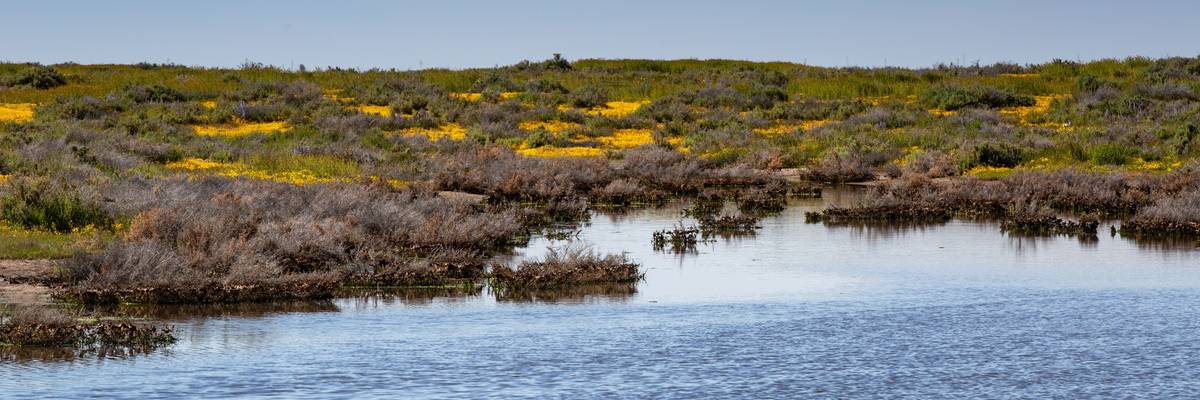
Alkali wetlands are seen on April 22, 2023, in Carrizo Plain National Monument, California.
Trump EPA Takes 'Yet Another Sledgehammer' to Clean Water Act
"This proposal declares open season on the nation's waterways," one critic charged.
President Donald Trump's administration sparked fresh fury on Friday when it proposed a supplemental rule to further gut Clean Water Act protections for streams and wetlands in the wake of a "catastrophic" US Supreme Court ruling three years ago.
The supplemental proposal from the Department of the Army and Environmental Protection Agency builds on their widely criticized proposed rule from November for defining "waters of the United States" (WOTUS)—both of which go further than the high court did with its 2023 decision in Sackett v. EPA.
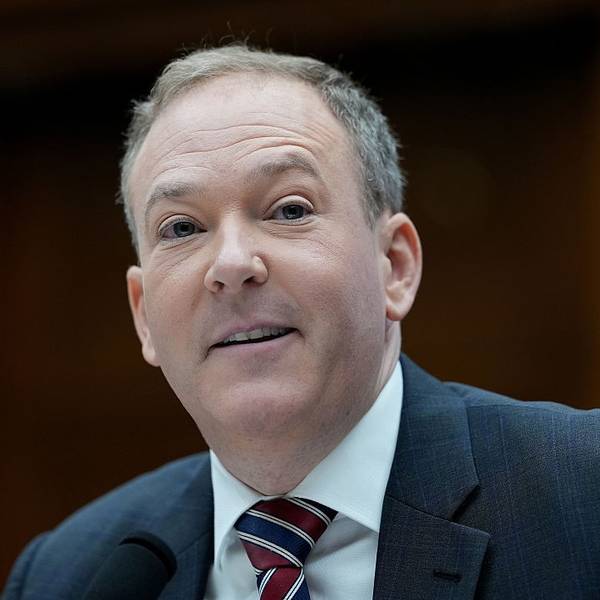
While the American Petroleum Institute and some Republicans in Congress joined Assistant Secretary of the Army for Civil Works Adam Telle and EPA Administrator Lee Zeldin in promoting the new proposal, environmental and public health advocates sounded the alarm.
"What the Supreme Court did in its Sackett decision was an inexcusable assault on clean water," Jon Devine, director of freshwater ecosystems at the Natural Resources Defense Council, said in a Friday statement. "Communities and wildlife will pay the price until Congress fixes it. The Trump administration's answer has been to make a bad situation worse."
"This proposal declares open season on the nation's waterways. It denies federal protection to virtually all wetlands and more than three-quarters of our streams, endangering drinking water supplies and flood-prone communities—and the agencies admit it themselves," he noted. "The proposal would virtually eliminate protection for freshwater wetlands. Their own analysis says most streams would lose protection, with the West hit hardest."
Food & Water Watch legal director Tarah Heinzen declared that "Trump is taking yet another sledgehammer to our bedrock Clean Water Act, shamelessly doubling down on his initial terrible proposal to strip protections from countless streams and wetlands."
"Make no mistake: This unlawful proposal gives bad actors the green light to fill, drain, and poison sensitive waterways from coast to coast," she warned. "The result will be dirtier water for everyone. The administration must reverse course on this dangerous proposal."
Gary Belan, senior director of American Rivers' Clean Water Program, stressed that "our nation's water resources are precious and increasingly at risk. This is not the moment to be jeopardizing the nation's water security by narrowing the safeguards of the Clean Water Act."
The public comment period for the initial proposal has closed but, as Belan noted, the publication of the supplemental rule in the Federal Register kicks off a new 30-day period. He said that "while we appreciate EPA's effort to seek more public comment, the proposed changes will have consequences that will impact communities across the nation if finalized."
"The proposed definitions do not reflect the established science on how rivers function and would significantly reduce the scope of the Clean Water Act," he continued. "When headwater and intermittent streams and wetlands lose protection, downstream flooding worsens, the costs of drinking water treatment rises, and water supplies become less reliable."
Jim Murphy, the National Wildlife Federation’s associate vice president for legal advocacy, pointed out that "this is now the fifth effort to define the scope of the waters protected by the Clean Water Act in the past decade. We need Congress' help to get off this merry-go-round at a place that protects our waters, our wildlife, and our way of life."
"The administration is clearly struggling to craft a rule that will hold up in court while satisfying their donors' desire to effectively scrap these protections wherever possible," he added. "One thing is clear: If we don’t protect our streams and wetlands, the cost of dirtier drinking water and increased flooding will flow downstream to households at a time when most Americans are living paycheck to paycheck."
We are at a crossroads
This country and this world are at a monumental crossroads. In a few short weeks, US voters will have an opportunity to beat back the forces of fascism and confront the billionaires who are rigging the economy, our media system, and our democracy, making it increasingly impossible for ordinary people to get by. We’re not just talking about the election. We’re talking about what must be done once these fascist elements are vanquished from power. We need a bolder set of solutions than what either major party has so far been willing to offer and a working-class movement ready to fight like hell for it. Trump didn't emerge from nowhere. The conditions that fueled MAGA authoritarianism were created by decades of radical neoliberal economic policies and a corrupt political system dominated by corporate interests. They slashed taxes on the super-rich, promising that the benefits would trickle down. They said giveaways to the corporate titans would make life more affordable for the rest of us. It was all bullshit. And when a bitter, betrayed populace searches for someone to blame, right-wing demagogues have little trouble finding scapegoats. People know when they're being lied to, but you won't hear any of this from the corporate media. Only independent journalism—powered and funded by people who believe in building a better world—can deliver truly trustworthy daily news. Our Fall Campaign is underway, and we need your help. To power our newsroom through the rest of the year, we need to raise $125,000 by midnight on October 31. So if you share our vision, please contribute whatever you can to sustain our work. |
President Donald Trump's administration sparked fresh fury on Friday when it proposed a supplemental rule to further gut Clean Water Act protections for streams and wetlands in the wake of a "catastrophic" US Supreme Court ruling three years ago.
The supplemental proposal from the Department of the Army and Environmental Protection Agency builds on their widely criticized proposed rule from November for defining "waters of the United States" (WOTUS)—both of which go further than the high court did with its 2023 decision in Sackett v. EPA.
While the American Petroleum Institute and some Republicans in Congress joined Assistant Secretary of the Army for Civil Works Adam Telle and EPA Administrator Lee Zeldin in promoting the new proposal, environmental and public health advocates sounded the alarm.
"What the Supreme Court did in its Sackett decision was an inexcusable assault on clean water," Jon Devine, director of freshwater ecosystems at the Natural Resources Defense Council, said in a Friday statement. "Communities and wildlife will pay the price until Congress fixes it. The Trump administration's answer has been to make a bad situation worse."
"This proposal declares open season on the nation's waterways. It denies federal protection to virtually all wetlands and more than three-quarters of our streams, endangering drinking water supplies and flood-prone communities—and the agencies admit it themselves," he noted. "The proposal would virtually eliminate protection for freshwater wetlands. Their own analysis says most streams would lose protection, with the West hit hardest."
Food & Water Watch legal director Tarah Heinzen declared that "Trump is taking yet another sledgehammer to our bedrock Clean Water Act, shamelessly doubling down on his initial terrible proposal to strip protections from countless streams and wetlands."
"Make no mistake: This unlawful proposal gives bad actors the green light to fill, drain, and poison sensitive waterways from coast to coast," she warned. "The result will be dirtier water for everyone. The administration must reverse course on this dangerous proposal."
Gary Belan, senior director of American Rivers' Clean Water Program, stressed that "our nation's water resources are precious and increasingly at risk. This is not the moment to be jeopardizing the nation's water security by narrowing the safeguards of the Clean Water Act."
The public comment period for the initial proposal has closed but, as Belan noted, the publication of the supplemental rule in the Federal Register kicks off a new 30-day period. He said that "while we appreciate EPA's effort to seek more public comment, the proposed changes will have consequences that will impact communities across the nation if finalized."
"The proposed definitions do not reflect the established science on how rivers function and would significantly reduce the scope of the Clean Water Act," he continued. "When headwater and intermittent streams and wetlands lose protection, downstream flooding worsens, the costs of drinking water treatment rises, and water supplies become less reliable."
Jim Murphy, the National Wildlife Federation’s associate vice president for legal advocacy, pointed out that "this is now the fifth effort to define the scope of the waters protected by the Clean Water Act in the past decade. We need Congress' help to get off this merry-go-round at a place that protects our waters, our wildlife, and our way of life."
"The administration is clearly struggling to craft a rule that will hold up in court while satisfying their donors' desire to effectively scrap these protections wherever possible," he added. "One thing is clear: If we don’t protect our streams and wetlands, the cost of dirtier drinking water and increased flooding will flow downstream to households at a time when most Americans are living paycheck to paycheck."
- Trump Rollback of Key EPA Water Protection Rule Denounced as 'Callous' and 'Immoral' Giveaway to Big Polluters ›
- 'Biggest Loss of Clean Water Protection the Country Has Ever Seen': Trump Guts Safeguards for US Streams and Wetlands ›
- Federal Judge Throws 'Science Under the Bus' With Decision Against EPA Clean Water Rule ›
- Opinion | The Downstream Consequences | Common Dreams ›
President Donald Trump's administration sparked fresh fury on Friday when it proposed a supplemental rule to further gut Clean Water Act protections for streams and wetlands in the wake of a "catastrophic" US Supreme Court ruling three years ago.
The supplemental proposal from the Department of the Army and Environmental Protection Agency builds on their widely criticized proposed rule from November for defining "waters of the United States" (WOTUS)—both of which go further than the high court did with its 2023 decision in Sackett v. EPA.
While the American Petroleum Institute and some Republicans in Congress joined Assistant Secretary of the Army for Civil Works Adam Telle and EPA Administrator Lee Zeldin in promoting the new proposal, environmental and public health advocates sounded the alarm.
"What the Supreme Court did in its Sackett decision was an inexcusable assault on clean water," Jon Devine, director of freshwater ecosystems at the Natural Resources Defense Council, said in a Friday statement. "Communities and wildlife will pay the price until Congress fixes it. The Trump administration's answer has been to make a bad situation worse."
"This proposal declares open season on the nation's waterways. It denies federal protection to virtually all wetlands and more than three-quarters of our streams, endangering drinking water supplies and flood-prone communities—and the agencies admit it themselves," he noted. "The proposal would virtually eliminate protection for freshwater wetlands. Their own analysis says most streams would lose protection, with the West hit hardest."
Food & Water Watch legal director Tarah Heinzen declared that "Trump is taking yet another sledgehammer to our bedrock Clean Water Act, shamelessly doubling down on his initial terrible proposal to strip protections from countless streams and wetlands."
"Make no mistake: This unlawful proposal gives bad actors the green light to fill, drain, and poison sensitive waterways from coast to coast," she warned. "The result will be dirtier water for everyone. The administration must reverse course on this dangerous proposal."
Gary Belan, senior director of American Rivers' Clean Water Program, stressed that "our nation's water resources are precious and increasingly at risk. This is not the moment to be jeopardizing the nation's water security by narrowing the safeguards of the Clean Water Act."
The public comment period for the initial proposal has closed but, as Belan noted, the publication of the supplemental rule in the Federal Register kicks off a new 30-day period. He said that "while we appreciate EPA's effort to seek more public comment, the proposed changes will have consequences that will impact communities across the nation if finalized."
"The proposed definitions do not reflect the established science on how rivers function and would significantly reduce the scope of the Clean Water Act," he continued. "When headwater and intermittent streams and wetlands lose protection, downstream flooding worsens, the costs of drinking water treatment rises, and water supplies become less reliable."
Jim Murphy, the National Wildlife Federation’s associate vice president for legal advocacy, pointed out that "this is now the fifth effort to define the scope of the waters protected by the Clean Water Act in the past decade. We need Congress' help to get off this merry-go-round at a place that protects our waters, our wildlife, and our way of life."
"The administration is clearly struggling to craft a rule that will hold up in court while satisfying their donors' desire to effectively scrap these protections wherever possible," he added. "One thing is clear: If we don’t protect our streams and wetlands, the cost of dirtier drinking water and increased flooding will flow downstream to households at a time when most Americans are living paycheck to paycheck."
- Trump Rollback of Key EPA Water Protection Rule Denounced as 'Callous' and 'Immoral' Giveaway to Big Polluters ›
- 'Biggest Loss of Clean Water Protection the Country Has Ever Seen': Trump Guts Safeguards for US Streams and Wetlands ›
- Federal Judge Throws 'Science Under the Bus' With Decision Against EPA Clean Water Rule ›
- Opinion | The Downstream Consequences | Common Dreams ›