SUBSCRIBE TO OUR FREE NEWSLETTER
Daily news & progressive opinion—funded by the people, not the corporations—delivered straight to your inbox.
5
#000000
#FFFFFF
To donate by check, phone, or other method, see our More Ways to Give page.
Daily news & progressive opinion—funded by the people, not the corporations—delivered straight to your inbox.
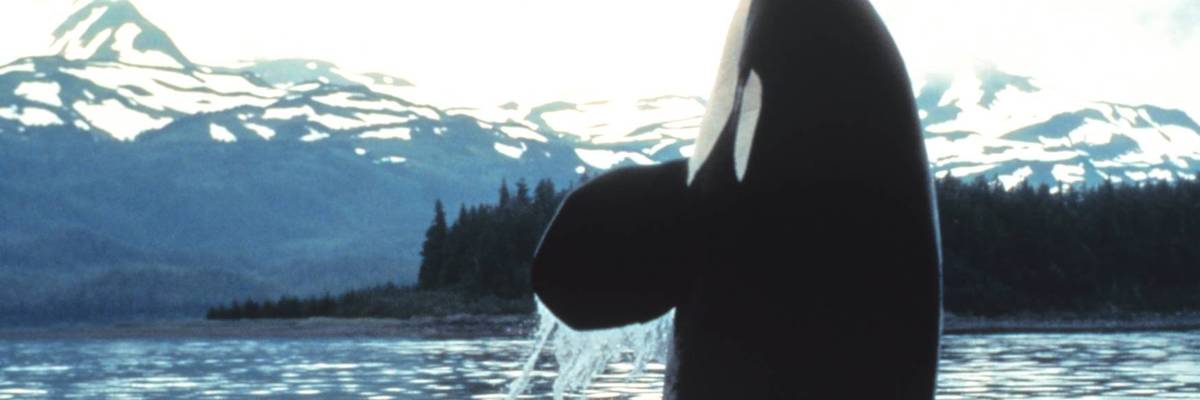
An orca spy hopping near Prince William Sound, Alaska.
The untested practice will further disrupt already fragile ecosystems, creating increased pollution from discarded sediments, sharp increases in noise, and other potential dangers to the marine environment and food security of Arctic Peoples.
In July, the US launched the first of three controversial 2026 deep-seabed mining lease sales in the waters of American Samoa, to be finalized in August; the Commonwealth of the Northern Mariana Islands, to be finalized in November; and Alaska, to be finalized in December. Once the lease sales are sold, it is nearly impossible to reverse the sales unless they are purchased back from the federal government.
In Alaska, fishing is not just a sport; it is a critical element of food security for many Alaskans. As the Arctic faces increasing pressure on fish stocks, including but not limited to overfishing, marine pollution, and rising ocean temperatures, the US is now debating issuing deep-sea mining permits in Alaska waters, the use of which could further harm our marine ecosystems affecting everything from phytoplankton to whales.
Proponents of deep-sea mining argue that the minerals extracted from the seabed are critical to strengthening modern supply chains for technological advancement and national security. At this time, the Bureau of Ocean Energy Management (BOEM) is assessing the potential for Alaska’s Outer Continental Shelf (OCS) to mine cobalt, nickel, and rare earth elements.
At Pacific Environment, we are deeply concerned about the permits that BOEM is considering selling. Deep-sea mining isn’t just about sticking a vacuum on the ocean floor to surgically suck up particular minerals. It also involves large-scale exploration and extraction that will further disrupt already fragile ecosystems, creating increased pollution from discarded sediments, sharp increases in noise, and other potential dangers to the marine environment and food security of Arctic Peoples.
Deep-sea mining would deploy mining equipment in some of the deepest and least understood areas of the ocean such as hydrothermal vents and seamounts. The wildlife that inhabit these areas—including plankton, corals, fish, and marine mammals—often exist only in those places and nowhere else on the planet. When damaged, these ecosystems are slow to recover, and the damage is likely to be permanent. Sea mining activities also result in massive sediment plumes that smother marine life on the bottom and in the water column.
When BOEM opened a commenting period for the public to weigh in on deep-seabed mining, over 90,000 comment letters poured in from individuals and groups opposing the sale of leases for this largely untested technology.
It is proven that noise in the ocean disrupts whale communication and migration and may also impact other communities of ocean life. Deep-sea mining will increase noise pollution in ways that are yet to be studied because it is challenging and costly to study deep ocean ecosystems.
Alaskans are already seeing declines in our salmon populations, creating a fishing crisis along the Yukon River and elsewhere, empty smokehouses, and Indigenous communities without a primary protein resource and with cultural traditions unpracticed. We are seeing whale strikes and die-offs along the Northwest coast of the United States, further negatively impacting coastal communities. We watch as the ocean warms; Arctic sea ice melts at a faster and faster pace and a critical tipping point for nitrogen—a critical element of ocean life—has passed.
When BOEM opened a commenting period for the public to weigh in on deep-seabed mining, over 90,000 comment letters poured in from individuals and groups opposing the sale of leases for this largely untested technology. These comments highlight concerns about the lack of understanding of the long-term impacts these leases will have on Arctic waters that depend on intricate balances to support marine life.
While arguments can be made that we need to secure additional access to critical minerals, the risks of what we could lose are very significant. Arctic ocean ecosystems are fragile, not well understood, and already under intense pressure as the region warms four times faster than the rest of the planet. Alaska, and the world, depend on the marine environment for so many things; it makes no sense to jeopardize this sensitive ecosystem for an unproven and largely untested technology.
This piece was first published on the Pacific Environment blog.
Dear Common Dreams reader, It’s been nearly 30 years since I co-founded Common Dreams with my late wife, Lina Newhouser. We had the radical notion that journalism should serve the public good, not corporate profits. It was clear to us from the outset what it would take to build such a project. No paid advertisements. No corporate sponsors. No millionaire publisher telling us what to think or do. Many people said we wouldn't last a year, but we proved those doubters wrong. Together with a tremendous team of journalists and dedicated staff, we built an independent media outlet free from the constraints of profits and corporate control. Our mission has always been simple: To inform. To inspire. To ignite change for the common good. Building Common Dreams was not easy. Our survival was never guaranteed. When you take on the most powerful forces—Wall Street greed, fossil fuel industry destruction, Big Tech lobbyists, and uber-rich oligarchs who have spent billions upon billions rigging the economy and democracy in their favor—the only bulwark you have is supporters who believe in your work. But here’s the urgent message from me today. It's never been this bad out there. And it's never been this hard to keep us going. At the very moment Common Dreams is most needed, the threats we face are intensifying. We need your support now more than ever. We don't accept corporate advertising and never will. We don't have a paywall because we don't think people should be blocked from critical news based on their ability to pay. Everything we do is funded by the donations of readers like you. When everyone does the little they can afford, we are strong. But if that support retreats or dries up, so do we. Will you donate now to make sure Common Dreams not only survives but thrives? —Craig Brown, Co-founder |
In July, the US launched the first of three controversial 2026 deep-seabed mining lease sales in the waters of American Samoa, to be finalized in August; the Commonwealth of the Northern Mariana Islands, to be finalized in November; and Alaska, to be finalized in December. Once the lease sales are sold, it is nearly impossible to reverse the sales unless they are purchased back from the federal government.
In Alaska, fishing is not just a sport; it is a critical element of food security for many Alaskans. As the Arctic faces increasing pressure on fish stocks, including but not limited to overfishing, marine pollution, and rising ocean temperatures, the US is now debating issuing deep-sea mining permits in Alaska waters, the use of which could further harm our marine ecosystems affecting everything from phytoplankton to whales.
Proponents of deep-sea mining argue that the minerals extracted from the seabed are critical to strengthening modern supply chains for technological advancement and national security. At this time, the Bureau of Ocean Energy Management (BOEM) is assessing the potential for Alaska’s Outer Continental Shelf (OCS) to mine cobalt, nickel, and rare earth elements.
At Pacific Environment, we are deeply concerned about the permits that BOEM is considering selling. Deep-sea mining isn’t just about sticking a vacuum on the ocean floor to surgically suck up particular minerals. It also involves large-scale exploration and extraction that will further disrupt already fragile ecosystems, creating increased pollution from discarded sediments, sharp increases in noise, and other potential dangers to the marine environment and food security of Arctic Peoples.
Deep-sea mining would deploy mining equipment in some of the deepest and least understood areas of the ocean such as hydrothermal vents and seamounts. The wildlife that inhabit these areas—including plankton, corals, fish, and marine mammals—often exist only in those places and nowhere else on the planet. When damaged, these ecosystems are slow to recover, and the damage is likely to be permanent. Sea mining activities also result in massive sediment plumes that smother marine life on the bottom and in the water column.
When BOEM opened a commenting period for the public to weigh in on deep-seabed mining, over 90,000 comment letters poured in from individuals and groups opposing the sale of leases for this largely untested technology.
It is proven that noise in the ocean disrupts whale communication and migration and may also impact other communities of ocean life. Deep-sea mining will increase noise pollution in ways that are yet to be studied because it is challenging and costly to study deep ocean ecosystems.
Alaskans are already seeing declines in our salmon populations, creating a fishing crisis along the Yukon River and elsewhere, empty smokehouses, and Indigenous communities without a primary protein resource and with cultural traditions unpracticed. We are seeing whale strikes and die-offs along the Northwest coast of the United States, further negatively impacting coastal communities. We watch as the ocean warms; Arctic sea ice melts at a faster and faster pace and a critical tipping point for nitrogen—a critical element of ocean life—has passed.
When BOEM opened a commenting period for the public to weigh in on deep-seabed mining, over 90,000 comment letters poured in from individuals and groups opposing the sale of leases for this largely untested technology. These comments highlight concerns about the lack of understanding of the long-term impacts these leases will have on Arctic waters that depend on intricate balances to support marine life.
While arguments can be made that we need to secure additional access to critical minerals, the risks of what we could lose are very significant. Arctic ocean ecosystems are fragile, not well understood, and already under intense pressure as the region warms four times faster than the rest of the planet. Alaska, and the world, depend on the marine environment for so many things; it makes no sense to jeopardize this sensitive ecosystem for an unproven and largely untested technology.
This piece was first published on the Pacific Environment blog.
In July, the US launched the first of three controversial 2026 deep-seabed mining lease sales in the waters of American Samoa, to be finalized in August; the Commonwealth of the Northern Mariana Islands, to be finalized in November; and Alaska, to be finalized in December. Once the lease sales are sold, it is nearly impossible to reverse the sales unless they are purchased back from the federal government.
In Alaska, fishing is not just a sport; it is a critical element of food security for many Alaskans. As the Arctic faces increasing pressure on fish stocks, including but not limited to overfishing, marine pollution, and rising ocean temperatures, the US is now debating issuing deep-sea mining permits in Alaska waters, the use of which could further harm our marine ecosystems affecting everything from phytoplankton to whales.
Proponents of deep-sea mining argue that the minerals extracted from the seabed are critical to strengthening modern supply chains for technological advancement and national security. At this time, the Bureau of Ocean Energy Management (BOEM) is assessing the potential for Alaska’s Outer Continental Shelf (OCS) to mine cobalt, nickel, and rare earth elements.
At Pacific Environment, we are deeply concerned about the permits that BOEM is considering selling. Deep-sea mining isn’t just about sticking a vacuum on the ocean floor to surgically suck up particular minerals. It also involves large-scale exploration and extraction that will further disrupt already fragile ecosystems, creating increased pollution from discarded sediments, sharp increases in noise, and other potential dangers to the marine environment and food security of Arctic Peoples.
Deep-sea mining would deploy mining equipment in some of the deepest and least understood areas of the ocean such as hydrothermal vents and seamounts. The wildlife that inhabit these areas—including plankton, corals, fish, and marine mammals—often exist only in those places and nowhere else on the planet. When damaged, these ecosystems are slow to recover, and the damage is likely to be permanent. Sea mining activities also result in massive sediment plumes that smother marine life on the bottom and in the water column.
When BOEM opened a commenting period for the public to weigh in on deep-seabed mining, over 90,000 comment letters poured in from individuals and groups opposing the sale of leases for this largely untested technology.
It is proven that noise in the ocean disrupts whale communication and migration and may also impact other communities of ocean life. Deep-sea mining will increase noise pollution in ways that are yet to be studied because it is challenging and costly to study deep ocean ecosystems.
Alaskans are already seeing declines in our salmon populations, creating a fishing crisis along the Yukon River and elsewhere, empty smokehouses, and Indigenous communities without a primary protein resource and with cultural traditions unpracticed. We are seeing whale strikes and die-offs along the Northwest coast of the United States, further negatively impacting coastal communities. We watch as the ocean warms; Arctic sea ice melts at a faster and faster pace and a critical tipping point for nitrogen—a critical element of ocean life—has passed.
When BOEM opened a commenting period for the public to weigh in on deep-seabed mining, over 90,000 comment letters poured in from individuals and groups opposing the sale of leases for this largely untested technology. These comments highlight concerns about the lack of understanding of the long-term impacts these leases will have on Arctic waters that depend on intricate balances to support marine life.
While arguments can be made that we need to secure additional access to critical minerals, the risks of what we could lose are very significant. Arctic ocean ecosystems are fragile, not well understood, and already under intense pressure as the region warms four times faster than the rest of the planet. Alaska, and the world, depend on the marine environment for so many things; it makes no sense to jeopardize this sensitive ecosystem for an unproven and largely untested technology.
This piece was first published on the Pacific Environment blog.