
Trump and Hegseth's Boat Strike Murder Spree Hasn't Slowed Cocaine Trafficking: DEA Analysis
"'Bombing boats' to stop drugs isn't just cruel and illegal—it's futile," said one expert.
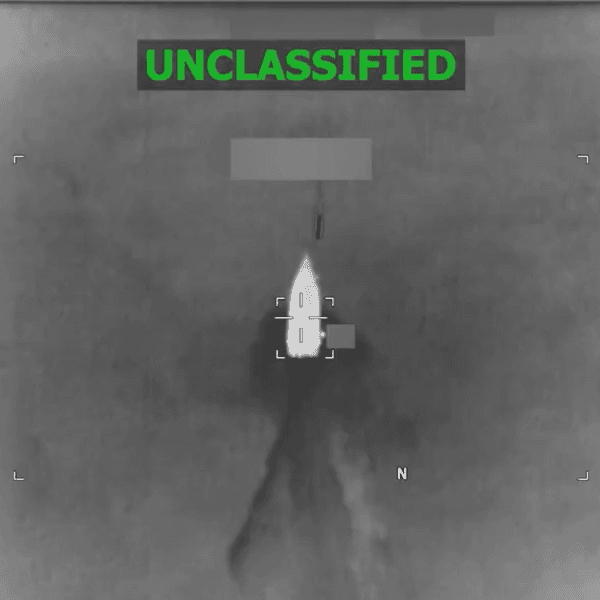
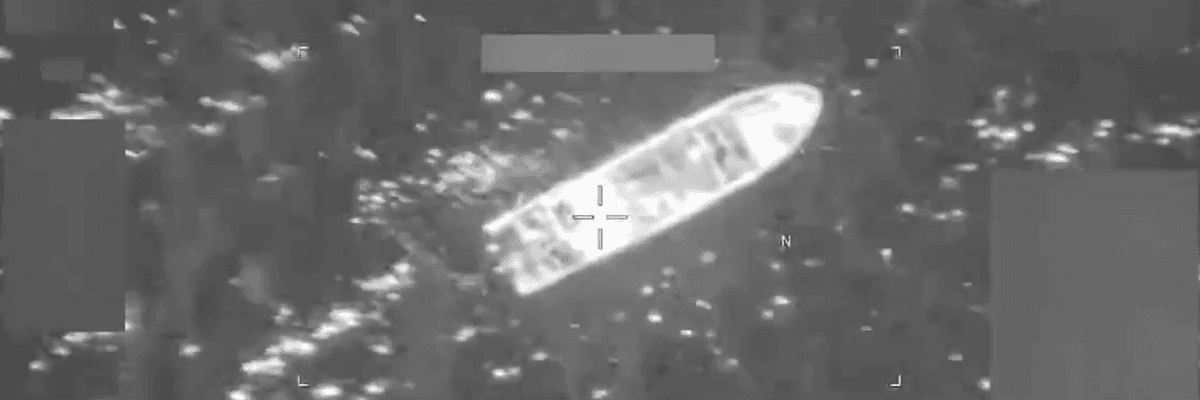
An internal government analysis has revealed that President Donald Trump's campaign of strikes against alleged drug boats off the coasts of Latin America hasn't achieved its purported goal of diminishing the amount of cocaine being trafficked into the US.
The Washington Post reported on Monday that a Drug Enforcement Administration (DEA) analysis has concluded that the boat-bombing campaign, which many legal experts and human rights groups consider acts of murder, has not "reduced the amount of cocaine entering" the country.
"DEA analysts found the strikes had failed to affect the supply or price of cocaine in the United States," reported the Post, "and had led traffickers to diversify beyond go-fast boats and to avoid international waters, opting instead for larger boats and hemming close to coastlines, where US forces are less likely to open fire."
The Post added that US Department of Defense (DOD) officials last month gave a closed-door briefing toe members of Congress where they acknowledged the strikes had not reduced the purity of cocaine entering the US from Latin America.
In an interview with the Post, a DEA official said that drug cartels had several options in addition to smuggling contraband by boats and simply switched tactics to avoid being hit by US strikes, which so far have killed at least 221 people.
"When you squeeze the balloon on one side, it always expands on the other side," the official said. "They always find the weak spots and exploit them."
Journalist Alex Horton, one of the authors of the Post report, described the boat-bombing campaign as what happens "when you merge the failures of the war on terror and the failures of the war on drugs."
The Post's report on the effectiveness of boat strikes came days after the Washington Office on Latin America (WOLA) released a lengthy report that similarly found that the boat strikes' "impact on the trafficking of cocaine, the main drug flowing from South America, has been slight to non-existent."
Adam Isaacson, director of the Defense Oversight program at WOLA, explained the pointlessness of the boat-bombing spree in a Saturday social media post.
"All cocaine produced in a year could fit on just over 1% of a single container ship," Isaacson wrote. "Imagine that scattered worldwide across innumerable boats, planes, vehicles, and people. 'Bombing boats' to stop drugs isn't just cruel and illegal—it's futile."
Georgetown University Law School professor Marty Lederman noted in a Monday social media post that the boat-bombing spree would be unjustified even if it were successful at reducing the flow of cocaine into the US.
"Another reminder, since no one in Congress appears to care," wrote Lederman. "These strikes are a campaign of unlawful murders, and the administration hasn't offered any plausible argument to the contrary."
We are at a crossroads
This country and this world are at a monumental crossroads. In a few short weeks, US voters will have an opportunity to beat back the forces of fascism and confront the billionaires who are rigging the economy, our media system, and our democracy, making it increasingly impossible for ordinary people to get by. We’re not just talking about the election. We’re talking about what must be done once these fascist elements are vanquished from power. We need a bolder set of solutions than what either major party has so far been willing to offer and a working-class movement ready to fight like hell for it. Trump didn't emerge from nowhere. The conditions that fueled MAGA authoritarianism were created by decades of radical neoliberal economic policies and a corrupt political system dominated by corporate interests. They slashed taxes on the super-rich, promising that the benefits would trickle down. They said giveaways to the corporate titans would make life more affordable for the rest of us. It was all bullshit. And when a bitter, betrayed populace searches for someone to blame, right-wing demagogues have little trouble finding scapegoats. People know when they're being lied to, but you won't hear any of this from the corporate media. Only independent journalism—powered and funded by people who believe in building a better world—can deliver truly trustworthy daily news. Our Fall Campaign is underway, and we need your help. To power our newsroom through the rest of the year, we need to raise $125,000 by midnight on October 31. So if you share our vision, please contribute whatever you can to sustain our work. |
An internal government analysis has revealed that President Donald Trump's campaign of strikes against alleged drug boats off the coasts of Latin America hasn't achieved its purported goal of diminishing the amount of cocaine being trafficked into the US.
The Washington Post reported on Monday that a Drug Enforcement Administration (DEA) analysis has concluded that the boat-bombing campaign, which many legal experts and human rights groups consider acts of murder, has not "reduced the amount of cocaine entering" the country.
"DEA analysts found the strikes had failed to affect the supply or price of cocaine in the United States," reported the Post, "and had led traffickers to diversify beyond go-fast boats and to avoid international waters, opting instead for larger boats and hemming close to coastlines, where US forces are less likely to open fire."
The Post added that US Department of Defense (DOD) officials last month gave a closed-door briefing toe members of Congress where they acknowledged the strikes had not reduced the purity of cocaine entering the US from Latin America.
In an interview with the Post, a DEA official said that drug cartels had several options in addition to smuggling contraband by boats and simply switched tactics to avoid being hit by US strikes, which so far have killed at least 221 people.
"When you squeeze the balloon on one side, it always expands on the other side," the official said. "They always find the weak spots and exploit them."
Journalist Alex Horton, one of the authors of the Post report, described the boat-bombing campaign as what happens "when you merge the failures of the war on terror and the failures of the war on drugs."
The Post's report on the effectiveness of boat strikes came days after the Washington Office on Latin America (WOLA) released a lengthy report that similarly found that the boat strikes' "impact on the trafficking of cocaine, the main drug flowing from South America, has been slight to non-existent."
Adam Isaacson, director of the Defense Oversight program at WOLA, explained the pointlessness of the boat-bombing spree in a Saturday social media post.
"All cocaine produced in a year could fit on just over 1% of a single container ship," Isaacson wrote. "Imagine that scattered worldwide across innumerable boats, planes, vehicles, and people. 'Bombing boats' to stop drugs isn't just cruel and illegal—it's futile."
Georgetown University Law School professor Marty Lederman noted in a Monday social media post that the boat-bombing spree would be unjustified even if it were successful at reducing the flow of cocaine into the US.
"Another reminder, since no one in Congress appears to care," wrote Lederman. "These strikes are a campaign of unlawful murders, and the administration hasn't offered any plausible argument to the contrary."
- 'There Will Come a Day When He Faces Prosecution': Trump Condemned After US Murders Two More at Sea ›
- UN Experts Demands Nations ‘Break Their Silence’ as Trump, Hegseth Murder 3 More People at Sea ›
- Trump Ends 2025 by Bombing More Boats, Bringing Death Toll to at Least 115 ›
- 'Where is Congress?' US Kills 4 More Bombing Another Boat in the Caribbean | Common Dreams ›
- 'Murdering People Has Failed': Cheap Cocaine Flows Into US as Trump Bombs Boats | Common Dreams ›
An internal government analysis has revealed that President Donald Trump's campaign of strikes against alleged drug boats off the coasts of Latin America hasn't achieved its purported goal of diminishing the amount of cocaine being trafficked into the US.
The Washington Post reported on Monday that a Drug Enforcement Administration (DEA) analysis has concluded that the boat-bombing campaign, which many legal experts and human rights groups consider acts of murder, has not "reduced the amount of cocaine entering" the country.
"DEA analysts found the strikes had failed to affect the supply or price of cocaine in the United States," reported the Post, "and had led traffickers to diversify beyond go-fast boats and to avoid international waters, opting instead for larger boats and hemming close to coastlines, where US forces are less likely to open fire."
The Post added that US Department of Defense (DOD) officials last month gave a closed-door briefing toe members of Congress where they acknowledged the strikes had not reduced the purity of cocaine entering the US from Latin America.
In an interview with the Post, a DEA official said that drug cartels had several options in addition to smuggling contraband by boats and simply switched tactics to avoid being hit by US strikes, which so far have killed at least 221 people.
"When you squeeze the balloon on one side, it always expands on the other side," the official said. "They always find the weak spots and exploit them."
Journalist Alex Horton, one of the authors of the Post report, described the boat-bombing campaign as what happens "when you merge the failures of the war on terror and the failures of the war on drugs."
The Post's report on the effectiveness of boat strikes came days after the Washington Office on Latin America (WOLA) released a lengthy report that similarly found that the boat strikes' "impact on the trafficking of cocaine, the main drug flowing from South America, has been slight to non-existent."
Adam Isaacson, director of the Defense Oversight program at WOLA, explained the pointlessness of the boat-bombing spree in a Saturday social media post.
"All cocaine produced in a year could fit on just over 1% of a single container ship," Isaacson wrote. "Imagine that scattered worldwide across innumerable boats, planes, vehicles, and people. 'Bombing boats' to stop drugs isn't just cruel and illegal—it's futile."
Georgetown University Law School professor Marty Lederman noted in a Monday social media post that the boat-bombing spree would be unjustified even if it were successful at reducing the flow of cocaine into the US.
"Another reminder, since no one in Congress appears to care," wrote Lederman. "These strikes are a campaign of unlawful murders, and the administration hasn't offered any plausible argument to the contrary."
- 'There Will Come a Day When He Faces Prosecution': Trump Condemned After US Murders Two More at Sea ›
- UN Experts Demands Nations ‘Break Their Silence’ as Trump, Hegseth Murder 3 More People at Sea ›
- Trump Ends 2025 by Bombing More Boats, Bringing Death Toll to at Least 115 ›
- 'Where is Congress?' US Kills 4 More Bombing Another Boat in the Caribbean | Common Dreams ›
- 'Murdering People Has Failed': Cheap Cocaine Flows Into US as Trump Bombs Boats | Common Dreams ›