SUBSCRIBE TO OUR FREE NEWSLETTER
Daily news & progressive opinion—funded by the people, not the corporations—delivered straight to your inbox.
5
#000000
#FFFFFF
To donate by check, phone, or other method, see our More Ways to Give page.
Daily news & progressive opinion—funded by the people, not the corporations—delivered straight to your inbox.

People participate in a rally to call on Congress to protect funding for U.S. public broadcasters, Public Broadcasting Service (PBS) and National Public Radio (NPR), outside the NPR headquarters in Washington, D.C., on March 26, 2025.
"NPR and PBS aren't perfect. But they, and more importantly the hundreds of public stations across the country, are vital to a healthy democracy," wrote on journalist.
A leader of the advocacy group Free Press Action Fund, the 501(c)(4) arm of Free Press, on Monday denounced a plan by the Trump administration to reportedly ask Congress to take back more than $1 billion in already approved funding for the Corporation for Public Broadcasting, the congressionally funded and created company that supports public media in the United States.
The request to yank CPB funding, which would impact the Public Broadcasting Service (PBS), National Public Radio (NPR), and their local member stations across the country, will be part of a broader package to rescind already approved funds and is also expected to impact funding for the State Department, the U.S. Agency for International Development, and the U.S. Institute of Peace, according to Politico, which cited an anonymous White House official.
Congress had already approved $535 million in federal spending for the Corporation for Public Broadcasting (CPB) for fiscal years 2026 and 2027. If Congress agrees to the White House's request, the decrease in funding will tally about two years worth of CPB funding, nearly all of which goes to public broadcasters such as NPR and PBS, according to The New York Times.
The Trump administration plans to submit a rescission request in the coming weeks, according to the Times, which anonymously quoted two people briefed on the plan. According to Politico, to approve the request, the ask would need to clear the House and the Senate, which are both Republican-controlled, by only a simple majority vote.
Free Press Action co-CEO Jessica J. González, reacted to the news in a statement Monday: "The Trump White House may not like public media—and that's no surprise given the president's frequent attacks on any journalism that holds his administration and its cabal of billionaires accountable. But Trump's views are out of step with those of the majority of Americans, who overwhelmingly support federal funding for public media."
According to a Pew Research Center survey from March, Americans are more likely to support rather than oppose continued federal funding for NPR and PBS. Twenty-four percent of U.S. adults say Congress should remove government funding from NPR and PBS, 43% say NPR and PBS should continue receiving federal funding, and 33% say they are unsure.
"President Trump and his loyalists want to take another cherished public service away from the American people," González said. "We will ensure that members of Congress will hear a similar outcry in the coming days and weeks, and encourage people to, in-person, tell their elected representatives and senators to support public broadcasting as they return home to face constituents over spring recess."
According to the Times, PBS gets about 15% of its budget from federal funding. NPR has said only 1% of its funding comes from federal sources, but its individual member stations would be more heavily impacted by a reduction in CPB funding.
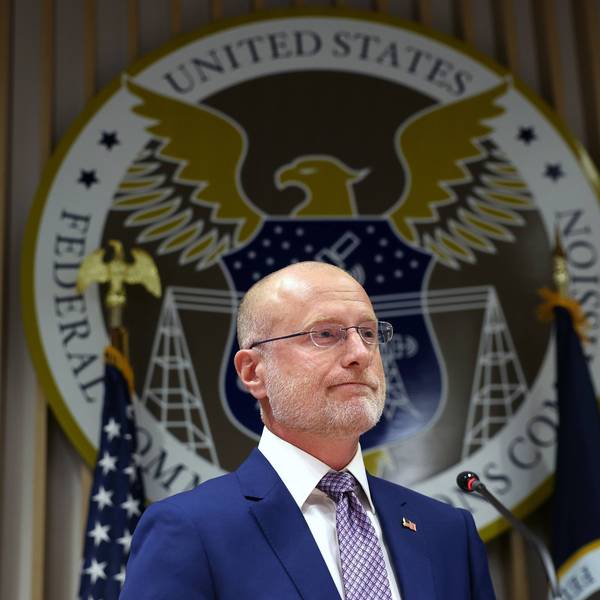
PBS and NPR have been in the Trump administration's crosshairs for months. In late January, the Republican Federal Communications Commission Chair Brendan Carr launched an investigation into NPR and PBS. In March, leaders from NPR and PBS were summoned to testify before the U.S. House Oversight Committee's Delivering on Government Efficiency subcommittee. Rep. Majorie Taylor Greene (R-Ga.), who chairs that subcommittee, concluded the hearing by saying that Republicans on the committee will call for the "complete and total defund and dismantling of the Corporation for Public Broadcasting."
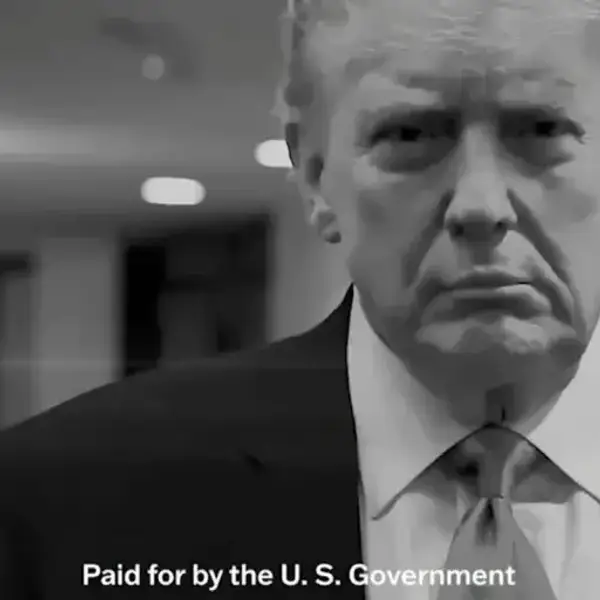
On Monday, the Trump White House published an article arguing that taxpayers have been subsidizing NPR and PBS even though the they have been spreading "radical, woke propaganda disguised as 'news.'" The release included examples of the alleged propaganda.
Former "Here and Now" co-host Jeremy Hobson reacted with dismay on Monday to the news that Trump wants to yank funding for the CPB.
"As someone who has worked in public broadcasting since I was a kid, and has always tried to be factual and fair, this makes me sad. NPR and PBS aren't perfect. But they, and more importantly the hundreds of public stations across the country, are vital to a healthy democracy," he wrote on X.
This country and this world are at a monumental crossroads. US voters have an opportunity to beat back the forces of fascism and confront the billionaires who are rigging the economy, our media system, and our democracy, making it increasingly impossible for ordinary people to get by. We’re not just talking about the election. We’re talking about what must be done once these fascist elements are vanquished from power. We need a bolder set of solutions than what either major party has so far been willing to offer and a working-class movement ready to fight like hell for it. Trump didn't emerge from nowhere. The conditions that fueled MAGA authoritarianism were created by decades of radical neoliberal economic policies and a corrupt political system dominated by corporate interests. They slashed taxes on the super-rich, promising that the benefits would trickle down. They said giveaways to the corporate titans would make life more affordable for the rest of us. It was all bullshit. And when a bitter, betrayed populace searches for someone to blame, right-wing demagogues have little trouble finding scapegoats. People know when they're being lied to, but you won't hear any of this from the corporate media. Only independent journalism—powered and funded by people who believe in building a better world—can deliver truly trustworthy daily news. If you share our vision, please contribute whatever you can to sustain our work. |
A leader of the advocacy group Free Press Action Fund, the 501(c)(4) arm of Free Press, on Monday denounced a plan by the Trump administration to reportedly ask Congress to take back more than $1 billion in already approved funding for the Corporation for Public Broadcasting, the congressionally funded and created company that supports public media in the United States.
The request to yank CPB funding, which would impact the Public Broadcasting Service (PBS), National Public Radio (NPR), and their local member stations across the country, will be part of a broader package to rescind already approved funds and is also expected to impact funding for the State Department, the U.S. Agency for International Development, and the U.S. Institute of Peace, according to Politico, which cited an anonymous White House official.
Congress had already approved $535 million in federal spending for the Corporation for Public Broadcasting (CPB) for fiscal years 2026 and 2027. If Congress agrees to the White House's request, the decrease in funding will tally about two years worth of CPB funding, nearly all of which goes to public broadcasters such as NPR and PBS, according to The New York Times.
The Trump administration plans to submit a rescission request in the coming weeks, according to the Times, which anonymously quoted two people briefed on the plan. According to Politico, to approve the request, the ask would need to clear the House and the Senate, which are both Republican-controlled, by only a simple majority vote.
Free Press Action co-CEO Jessica J. González, reacted to the news in a statement Monday: "The Trump White House may not like public media—and that's no surprise given the president's frequent attacks on any journalism that holds his administration and its cabal of billionaires accountable. But Trump's views are out of step with those of the majority of Americans, who overwhelmingly support federal funding for public media."
According to a Pew Research Center survey from March, Americans are more likely to support rather than oppose continued federal funding for NPR and PBS. Twenty-four percent of U.S. adults say Congress should remove government funding from NPR and PBS, 43% say NPR and PBS should continue receiving federal funding, and 33% say they are unsure.
"President Trump and his loyalists want to take another cherished public service away from the American people," González said. "We will ensure that members of Congress will hear a similar outcry in the coming days and weeks, and encourage people to, in-person, tell their elected representatives and senators to support public broadcasting as they return home to face constituents over spring recess."
According to the Times, PBS gets about 15% of its budget from federal funding. NPR has said only 1% of its funding comes from federal sources, but its individual member stations would be more heavily impacted by a reduction in CPB funding.
PBS and NPR have been in the Trump administration's crosshairs for months. In late January, the Republican Federal Communications Commission Chair Brendan Carr launched an investigation into NPR and PBS. In March, leaders from NPR and PBS were summoned to testify before the U.S. House Oversight Committee's Delivering on Government Efficiency subcommittee. Rep. Majorie Taylor Greene (R-Ga.), who chairs that subcommittee, concluded the hearing by saying that Republicans on the committee will call for the "complete and total defund and dismantling of the Corporation for Public Broadcasting."
On Monday, the Trump White House published an article arguing that taxpayers have been subsidizing NPR and PBS even though the they have been spreading "radical, woke propaganda disguised as 'news.'" The release included examples of the alleged propaganda.
Former "Here and Now" co-host Jeremy Hobson reacted with dismay on Monday to the news that Trump wants to yank funding for the CPB.
"As someone who has worked in public broadcasting since I was a kid, and has always tried to be factual and fair, this makes me sad. NPR and PBS aren't perfect. But they, and more importantly the hundreds of public stations across the country, are vital to a healthy democracy," he wrote on X.