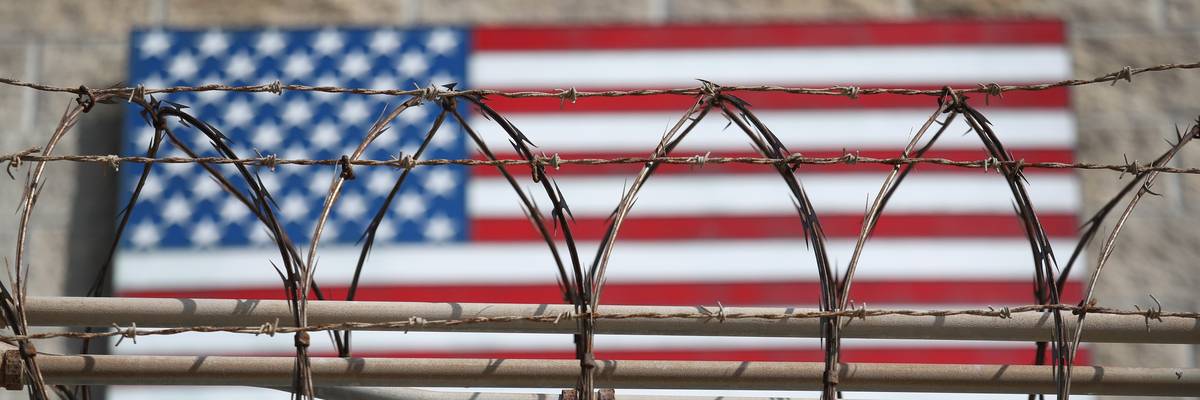
Razor wire lines the fence of the "Gitmo" maximum security detention center on October 22, 2016 at the U.S. Naval Station at Guantanamo Bay, Cuba.
Violence Against Guantánamo Detainees, Again
Immigrant prisoners are isolated and mistreated in what a post-9/11 lawyer called a "lawless enclave."
Just weeks after the Trump administration began sending immigration detainees to Guantánamo, the detainees report windowless solitary confinement for up to 23-hours-a-day; denial of drinking water as a form of punishment or retaliation; verbal and psychological abuse, including guards "threatening to shoot detainees"; and "never [being] permitted to contact family members."
These allegations are from a lawsuit filed by the American Civil Liberties Union (ACLU) on March 1 to prevent new transfers to the offshore prison. The mistreatment is not surprising.
In 1991, U.S. military personnel dressed in riot gear and carrying "rifles with fixed bayonets" attacked Haitian asylum-seekers at Guantánamo—while the Haitians were sleeping.
ICE detention has long aspired to the lawlessness which Guantánamo makes possible.
That's according to an official military history of the detention of thousands of Haitians at the U.S. Naval Station in Cuba. Some of the Haitians had protested delays in their cases, as well as their mistreatment in U.S. custody, after fleeing U.S.-sponsored political violence in their country.
"The stunned migrants offered no resistance," writes the Marine Corps historian in his account of this "humanitarian mission."
In 1993, an American soldier at Guantánamo was angered when a Haitian child urinated in the dirt. The soldier "took the little boy's hand and rubbed it in the urine and mud, and then wiped it in his face and in his mouth," according to a fellow service member who later spoke to documentary filmmakers about his refusal to violently suppress nonviolent protests (see Crowing Rooster Arts, Guantánamo Notes, at 21:29).
In 1995, Haitian children unaccompanied by adults reported being "cracked" by U.S. military guards at Guantánamo: "their hands cuffed behind their back, their feet cuffed and then stepped on... The cuffings often occur[ed] in conjunction with other punishments, such as... being forced to kneel for hours on hot cement or beds of ants," according to the newspaper Haïti Progres.
After a 15-year-old Haitian girl threw food on another girl's bed, American soldiers handcuffed her to a cot in solitary confinement for a day-and-a-half, the girl told a visiting attorney. (You can read more about those imprisoned Haitian children in this pamphlet, published as part of "Ghosts of Guantánamo," a 1995 exhibit in Miami Beach organized to bring attention to those children in a time before social media.)
A brigadier general who acknowledged these incidents said they were not "abuse" but merely the result of "poor judgment and improper disciplinary techniques." A press release from the U.S. Atlantic Command said that the "conduct" of the military was being "closely monitored" by the U.S. immigration service.
Today, as the U.S. military collaborates with Immigration and Customs Enforcement (ICE) at Guantánamo, "degrading conditions and extreme isolation have led to several suicide attempts," according to the ACLU.
Remember that these "administrative detainees" are being held for alleged civil violations, and their past crimes are either exaggerated or non-existent.
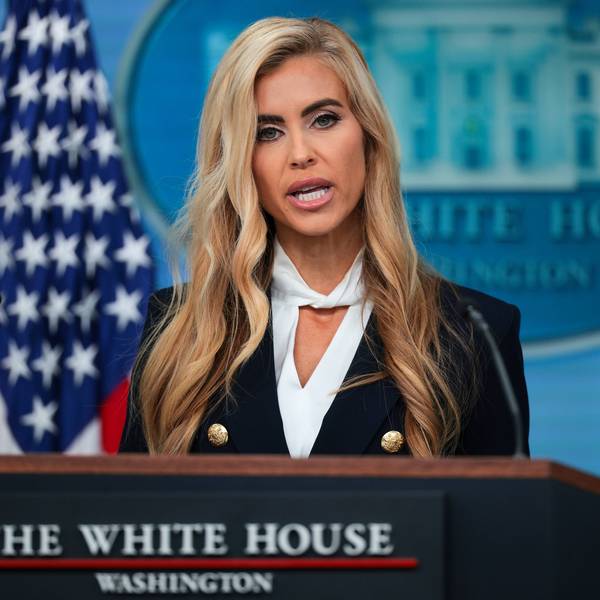
The conflation of "immigrant" and "criminal" by anti-immigrant movements preceded the Trump administration by decades, of course, but the Trump-Vance campaign took mere lies to a new level, claiming outright that even legal immigrants are "illegal." On January 28, White House Press Secretary Karoline Leavitt picked up the line, saying that all undocumented immigrants are criminals. (That's not true, either.) Then Homeland Security Secretary Kristi Noem and Defense Secretary Pete Hegseth parroted the slogan that the immigration detainees sent to Guantánamo are the "worst of the worst." The phrase was popularized by former Vice President Dick Cheney in his justification for sending post-September-11 prisoners to the U.S. base in Cuba, and it was misinformation then, too.
So what is the real point of Guantánamo detentions?
In the 2004 Supreme Court arguments in Rasul v. Bush, concerning the post-9/11 detainees, attorney John Gibbons called the U.S. naval base at Guantánamo a "lawless enclave." That lawlessness had already been tested on the immigration prisoners. It's now more widely understood that the point of imprisoning Haitians—and others, including Cubans and Chinese—in offshore camps on foreign territory controlled by the U.S. was to keep them isolated from the U.S. justice system. Attorney Gibbons was referring to this lack of access to courts and due process.
ICE detention has long aspired to the lawlessness which Guantánamo makes possible. That's part of what the oft-quoted "taking the shackles off" of ICE really means, and it's why the Trump administration has ordered legal organizations to stop helping detained noncitizens within the U.S. even to understand the laws they're accused of breaking, much less to know their own rights under the law. (That order has been blocked by a federal judge for now.)
It's also worth remembering, with all the propaganda about borders and invasion, that the executive's backwards rationale for its claim to unlimited detention authority in Cuba has been that the U.S. is holding the prisoners outside U.S. borders. But Escalona v. Noem, the ACLU lawsuit, argues that the very transfer of immigration detainees from the U.S. to Cuba is illegal under U.S. immigration law. (The 1990s immigration detainees at Guantánamo had been picked up at sea, not transferred from the mainland U.S.)
At Guantánamo, as in ICE detention centers here, the lawlessness of procedure and the brutality of daily mistreatment are part of the same fabric. Isolating the detained persons—from lawyers, family, and the media—is crucial to that project. Trying to break the prisoners' isolation is therefore paramount.
We are at a crossroads
This country and this world are at a monumental crossroads. In a few short weeks, US voters will have an opportunity to beat back the forces of fascism and confront the billionaires who are rigging the economy, our media system, and our democracy, making it increasingly impossible for ordinary people to get by. We’re not just talking about the election. We’re talking about what must be done once these fascist elements are vanquished from power. We need a bolder set of solutions than what either major party has so far been willing to offer and a working-class movement ready to fight like hell for it. Trump didn't emerge from nowhere. The conditions that fueled MAGA authoritarianism were created by decades of radical neoliberal economic policies and a corrupt political system dominated by corporate interests. They slashed taxes on the super-rich, promising that the benefits would trickle down. They said giveaways to the corporate titans would make life more affordable for the rest of us. It was all bullshit. And when a bitter, betrayed populace searches for someone to blame, right-wing demagogues have little trouble finding scapegoats. People know when they're being lied to, but you won't hear any of this from the corporate media. Only independent journalism—powered and funded by people who believe in building a better world—can deliver truly trustworthy daily news. Our Fall Campaign is underway, and we need your help. To power our newsroom through the rest of the year, we need to raise $125,000 by midnight on October 31. So if you share our vision, please contribute whatever you can to sustain our work. |
Just weeks after the Trump administration began sending immigration detainees to Guantánamo, the detainees report windowless solitary confinement for up to 23-hours-a-day; denial of drinking water as a form of punishment or retaliation; verbal and psychological abuse, including guards "threatening to shoot detainees"; and "never [being] permitted to contact family members."
These allegations are from a lawsuit filed by the American Civil Liberties Union (ACLU) on March 1 to prevent new transfers to the offshore prison. The mistreatment is not surprising.
In 1991, U.S. military personnel dressed in riot gear and carrying "rifles with fixed bayonets" attacked Haitian asylum-seekers at Guantánamo—while the Haitians were sleeping.
ICE detention has long aspired to the lawlessness which Guantánamo makes possible.
That's according to an official military history of the detention of thousands of Haitians at the U.S. Naval Station in Cuba. Some of the Haitians had protested delays in their cases, as well as their mistreatment in U.S. custody, after fleeing U.S.-sponsored political violence in their country.
"The stunned migrants offered no resistance," writes the Marine Corps historian in his account of this "humanitarian mission."
In 1993, an American soldier at Guantánamo was angered when a Haitian child urinated in the dirt. The soldier "took the little boy's hand and rubbed it in the urine and mud, and then wiped it in his face and in his mouth," according to a fellow service member who later spoke to documentary filmmakers about his refusal to violently suppress nonviolent protests (see Crowing Rooster Arts, Guantánamo Notes, at 21:29).
In 1995, Haitian children unaccompanied by adults reported being "cracked" by U.S. military guards at Guantánamo: "their hands cuffed behind their back, their feet cuffed and then stepped on... The cuffings often occur[ed] in conjunction with other punishments, such as... being forced to kneel for hours on hot cement or beds of ants," according to the newspaper Haïti Progres.
After a 15-year-old Haitian girl threw food on another girl's bed, American soldiers handcuffed her to a cot in solitary confinement for a day-and-a-half, the girl told a visiting attorney. (You can read more about those imprisoned Haitian children in this pamphlet, published as part of "Ghosts of Guantánamo," a 1995 exhibit in Miami Beach organized to bring attention to those children in a time before social media.)
A brigadier general who acknowledged these incidents said they were not "abuse" but merely the result of "poor judgment and improper disciplinary techniques." A press release from the U.S. Atlantic Command said that the "conduct" of the military was being "closely monitored" by the U.S. immigration service.
Today, as the U.S. military collaborates with Immigration and Customs Enforcement (ICE) at Guantánamo, "degrading conditions and extreme isolation have led to several suicide attempts," according to the ACLU.
Remember that these "administrative detainees" are being held for alleged civil violations, and their past crimes are either exaggerated or non-existent.
The conflation of "immigrant" and "criminal" by anti-immigrant movements preceded the Trump administration by decades, of course, but the Trump-Vance campaign took mere lies to a new level, claiming outright that even legal immigrants are "illegal." On January 28, White House Press Secretary Karoline Leavitt picked up the line, saying that all undocumented immigrants are criminals. (That's not true, either.) Then Homeland Security Secretary Kristi Noem and Defense Secretary Pete Hegseth parroted the slogan that the immigration detainees sent to Guantánamo are the "worst of the worst." The phrase was popularized by former Vice President Dick Cheney in his justification for sending post-September-11 prisoners to the U.S. base in Cuba, and it was misinformation then, too.
So what is the real point of Guantánamo detentions?
In the 2004 Supreme Court arguments in Rasul v. Bush, concerning the post-9/11 detainees, attorney John Gibbons called the U.S. naval base at Guantánamo a "lawless enclave." That lawlessness had already been tested on the immigration prisoners. It's now more widely understood that the point of imprisoning Haitians—and others, including Cubans and Chinese—in offshore camps on foreign territory controlled by the U.S. was to keep them isolated from the U.S. justice system. Attorney Gibbons was referring to this lack of access to courts and due process.
ICE detention has long aspired to the lawlessness which Guantánamo makes possible. That's part of what the oft-quoted "taking the shackles off" of ICE really means, and it's why the Trump administration has ordered legal organizations to stop helping detained noncitizens within the U.S. even to understand the laws they're accused of breaking, much less to know their own rights under the law. (That order has been blocked by a federal judge for now.)
It's also worth remembering, with all the propaganda about borders and invasion, that the executive's backwards rationale for its claim to unlimited detention authority in Cuba has been that the U.S. is holding the prisoners outside U.S. borders. But Escalona v. Noem, the ACLU lawsuit, argues that the very transfer of immigration detainees from the U.S. to Cuba is illegal under U.S. immigration law. (The 1990s immigration detainees at Guantánamo had been picked up at sea, not transferred from the mainland U.S.)
At Guantánamo, as in ICE detention centers here, the lawlessness of procedure and the brutality of daily mistreatment are part of the same fabric. Isolating the detained persons—from lawyers, family, and the media—is crucial to that project. Trying to break the prisoners' isolation is therefore paramount.
- Trump Has Begun Deportation Flights to Feared 'American Gulag' at Gitmo ›
- Force-Feeding Prisoners Is a Criminal Act ›
- White House Losing Ground in Bid to Keep Guantanamo Bay Abuse Secret ›
- Unveiling Shadows: Guantánamo Prisoners and the International Day of the Victims of Enforced Disappearances ›
- The US Is Guantánamo's Greatest Captive ›
- My Father Was Killed on 9/11 When I Was Five, But What I Experienced at Guantanamo Bay Did Not Feel Like Justice ›
Just weeks after the Trump administration began sending immigration detainees to Guantánamo, the detainees report windowless solitary confinement for up to 23-hours-a-day; denial of drinking water as a form of punishment or retaliation; verbal and psychological abuse, including guards "threatening to shoot detainees"; and "never [being] permitted to contact family members."
These allegations are from a lawsuit filed by the American Civil Liberties Union (ACLU) on March 1 to prevent new transfers to the offshore prison. The mistreatment is not surprising.
In 1991, U.S. military personnel dressed in riot gear and carrying "rifles with fixed bayonets" attacked Haitian asylum-seekers at Guantánamo—while the Haitians were sleeping.
ICE detention has long aspired to the lawlessness which Guantánamo makes possible.
That's according to an official military history of the detention of thousands of Haitians at the U.S. Naval Station in Cuba. Some of the Haitians had protested delays in their cases, as well as their mistreatment in U.S. custody, after fleeing U.S.-sponsored political violence in their country.
"The stunned migrants offered no resistance," writes the Marine Corps historian in his account of this "humanitarian mission."
In 1993, an American soldier at Guantánamo was angered when a Haitian child urinated in the dirt. The soldier "took the little boy's hand and rubbed it in the urine and mud, and then wiped it in his face and in his mouth," according to a fellow service member who later spoke to documentary filmmakers about his refusal to violently suppress nonviolent protests (see Crowing Rooster Arts, Guantánamo Notes, at 21:29).
In 1995, Haitian children unaccompanied by adults reported being "cracked" by U.S. military guards at Guantánamo: "their hands cuffed behind their back, their feet cuffed and then stepped on... The cuffings often occur[ed] in conjunction with other punishments, such as... being forced to kneel for hours on hot cement or beds of ants," according to the newspaper Haïti Progres.
After a 15-year-old Haitian girl threw food on another girl's bed, American soldiers handcuffed her to a cot in solitary confinement for a day-and-a-half, the girl told a visiting attorney. (You can read more about those imprisoned Haitian children in this pamphlet, published as part of "Ghosts of Guantánamo," a 1995 exhibit in Miami Beach organized to bring attention to those children in a time before social media.)
A brigadier general who acknowledged these incidents said they were not "abuse" but merely the result of "poor judgment and improper disciplinary techniques." A press release from the U.S. Atlantic Command said that the "conduct" of the military was being "closely monitored" by the U.S. immigration service.
Today, as the U.S. military collaborates with Immigration and Customs Enforcement (ICE) at Guantánamo, "degrading conditions and extreme isolation have led to several suicide attempts," according to the ACLU.
Remember that these "administrative detainees" are being held for alleged civil violations, and their past crimes are either exaggerated or non-existent.
The conflation of "immigrant" and "criminal" by anti-immigrant movements preceded the Trump administration by decades, of course, but the Trump-Vance campaign took mere lies to a new level, claiming outright that even legal immigrants are "illegal." On January 28, White House Press Secretary Karoline Leavitt picked up the line, saying that all undocumented immigrants are criminals. (That's not true, either.) Then Homeland Security Secretary Kristi Noem and Defense Secretary Pete Hegseth parroted the slogan that the immigration detainees sent to Guantánamo are the "worst of the worst." The phrase was popularized by former Vice President Dick Cheney in his justification for sending post-September-11 prisoners to the U.S. base in Cuba, and it was misinformation then, too.
So what is the real point of Guantánamo detentions?
In the 2004 Supreme Court arguments in Rasul v. Bush, concerning the post-9/11 detainees, attorney John Gibbons called the U.S. naval base at Guantánamo a "lawless enclave." That lawlessness had already been tested on the immigration prisoners. It's now more widely understood that the point of imprisoning Haitians—and others, including Cubans and Chinese—in offshore camps on foreign territory controlled by the U.S. was to keep them isolated from the U.S. justice system. Attorney Gibbons was referring to this lack of access to courts and due process.
ICE detention has long aspired to the lawlessness which Guantánamo makes possible. That's part of what the oft-quoted "taking the shackles off" of ICE really means, and it's why the Trump administration has ordered legal organizations to stop helping detained noncitizens within the U.S. even to understand the laws they're accused of breaking, much less to know their own rights under the law. (That order has been blocked by a federal judge for now.)
It's also worth remembering, with all the propaganda about borders and invasion, that the executive's backwards rationale for its claim to unlimited detention authority in Cuba has been that the U.S. is holding the prisoners outside U.S. borders. But Escalona v. Noem, the ACLU lawsuit, argues that the very transfer of immigration detainees from the U.S. to Cuba is illegal under U.S. immigration law. (The 1990s immigration detainees at Guantánamo had been picked up at sea, not transferred from the mainland U.S.)
At Guantánamo, as in ICE detention centers here, the lawlessness of procedure and the brutality of daily mistreatment are part of the same fabric. Isolating the detained persons—from lawyers, family, and the media—is crucial to that project. Trying to break the prisoners' isolation is therefore paramount.
- Trump Has Begun Deportation Flights to Feared 'American Gulag' at Gitmo ›
- Force-Feeding Prisoners Is a Criminal Act ›
- White House Losing Ground in Bid to Keep Guantanamo Bay Abuse Secret ›
- Unveiling Shadows: Guantánamo Prisoners and the International Day of the Victims of Enforced Disappearances ›
- The US Is Guantánamo's Greatest Captive ›
- My Father Was Killed on 9/11 When I Was Five, But What I Experienced at Guantanamo Bay Did Not Feel Like Justice ›