Genocide in Gaza Means Empty Seats at the 2026 World Cup
Will there be any tributes for the 567 Palestinian footballers reportedly killed in Gaza since October 2023?
The world has united for the 2026 FIFA World Cup. Stadiums have been filled with songs, flags, and the shared joy that football uniquely creates. Millions celebrate the beauty of a sport that claims to unite humanity across borders, languages, and politics.
But with the final game approaching, a question hangs heavily over the tournament: Will there be any tributes for the 567 Palestinian footballers reportedly killed in Gaza since October 2023?
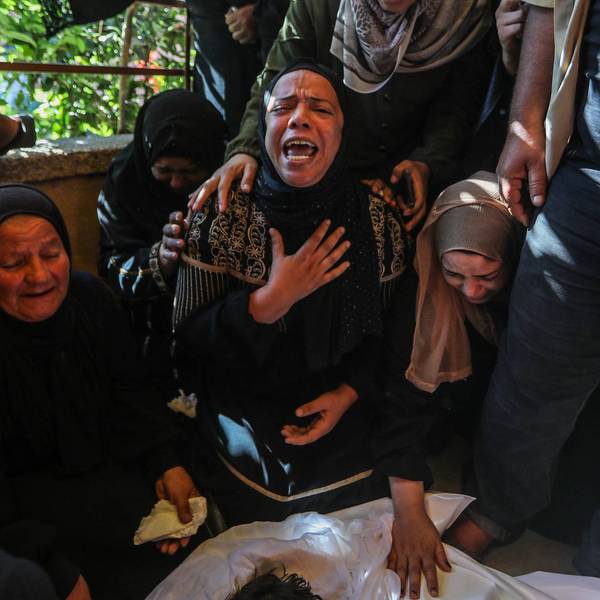
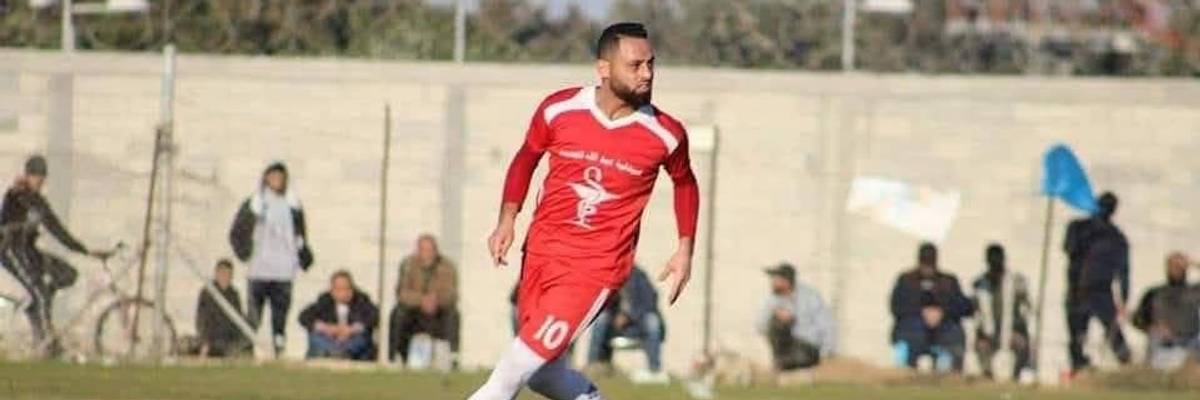
The latest name on that list is Saleem Al-Ashqar, a Palestinian goalkeeper from Al-Qarara, near Khan Younis. He was 32 years old. According to reports, he was not on a battlefield. He was riding a motorcycle, searching for cooking gas. He had married only months earlier, in January 2026, and was waiting for the birth of his first child. Israeli forces shot and killed him.
In February 2022, following Russia's invasion of Ukraine, FIFA acted with remarkable speed. Within days, Russia was suspended from international competition and excluded from World Cup qualification. The decision came from widespread recognition that sport could not be separated from a major violation of international law and human suffering. FIFA described it as necessary to protect the integrity of football and to stand against violence.
When the final whistle blows at the 2026 World Cup, millions of people will celebrate the beauty of the game. They should also remember those who were denied the chance to keep playing it.
But if that principle applied to Russia, why does it not apply consistently elsewhere?
For nearly three years, international organizations, human rights groups, United Nations experts, and legal bodies have documented immense civilian suffering in Gaza. Tens of thousands of Palestinians have been killed. Homes, schools, hospitals, universities, and cultural institutions have been destroyed. The sporting sector has not been spared. Football fields have become rubble, sports facilities have been damaged and destroyed. Coaches, referees, administrators, and players have lost their lives. Despite all of this, the Israel Football Association remains a full FIFA member.
The consequences of this selectivity are devastating for Palestinian footballers. Their deaths rarely make international headlines. Their names are seldom known beyond their communities. The destruction of Gaza's sporting infrastructure receives little attention compared with transfer rumors, sponsorship deals, and tournament news.
Imagine a World Cup qualifying group in which half the players were dead. Imagine a national league where stadiums no longer exist. Imagine trying to explain to a child why their favorite goalkeeper will never play again because he was killed while searching for fuel to cook a meal.
Football is built on memory. Every World Cup honors the past as we remember legends who lifted trophies decades ago. Stadiums regularly hold moments of silence for victims of disasters, terrorism, and war. We place black armbands on captains’ sleeves because the sport understands that you cannot simply ignore loss.
Now that 567 footballers are gone, will we have a moment of silence? Will giant screens display their names? Will commentators mention that an entire generation of Palestinian players was cut down before it had the chance to compete? Or will the tournament proceed as though those lives never existed?
Tributes matter because they acknowledge humanity. They tell grieving families that the world saw their loved ones and that their deaths are not being erased.
If FIFA is unwilling to suspend the Israel Football Association, it should at the very least publicly recognize the Palestinian footballers who have been killed and commit to rebuilding the sporting infrastructure that has been destroyed. Their silence is a choice, and it speaks volumes.
When the final whistle blows at the 2026 World Cup, millions of people will celebrate the beauty of the game. They should also remember those who were denied the chance to keep playing it. The empty seats belong to them.
We are at a crossroads
This country and this world are at a monumental crossroads. In a few short weeks, US voters will have an opportunity to beat back the forces of fascism and confront the billionaires who are rigging the economy, our media system, and our democracy, making it increasingly impossible for ordinary people to get by. We’re not just talking about the election. We’re talking about what must be done once these fascist elements are vanquished from power. We need a bolder set of solutions than what either major party has so far been willing to offer and a working-class movement ready to fight like hell for it. Trump didn't emerge from nowhere. The conditions that fueled MAGA authoritarianism were created by decades of radical neoliberal economic policies and a corrupt political system dominated by corporate interests. They slashed taxes on the super-rich, promising that the benefits would trickle down. They said giveaways to the corporate titans would make life more affordable for the rest of us. It was all bullshit. And when a bitter, betrayed populace searches for someone to blame, right-wing demagogues have little trouble finding scapegoats. People know when they're being lied to, but you won't hear any of this from the corporate media. Only independent journalism—powered and funded by people who believe in building a better world—can deliver truly trustworthy daily news. Our Fall Campaign is underway, and we need your help. To power our newsroom through the rest of the year, we need to raise $125,000 by midnight on October 31. So if you share our vision, please contribute whatever you can to sustain our work. |
The world has united for the 2026 FIFA World Cup. Stadiums have been filled with songs, flags, and the shared joy that football uniquely creates. Millions celebrate the beauty of a sport that claims to unite humanity across borders, languages, and politics.
But with the final game approaching, a question hangs heavily over the tournament: Will there be any tributes for the 567 Palestinian footballers reportedly killed in Gaza since October 2023?
The latest name on that list is Saleem Al-Ashqar, a Palestinian goalkeeper from Al-Qarara, near Khan Younis. He was 32 years old. According to reports, he was not on a battlefield. He was riding a motorcycle, searching for cooking gas. He had married only months earlier, in January 2026, and was waiting for the birth of his first child. Israeli forces shot and killed him.
In February 2022, following Russia's invasion of Ukraine, FIFA acted with remarkable speed. Within days, Russia was suspended from international competition and excluded from World Cup qualification. The decision came from widespread recognition that sport could not be separated from a major violation of international law and human suffering. FIFA described it as necessary to protect the integrity of football and to stand against violence.
When the final whistle blows at the 2026 World Cup, millions of people will celebrate the beauty of the game. They should also remember those who were denied the chance to keep playing it.
But if that principle applied to Russia, why does it not apply consistently elsewhere?
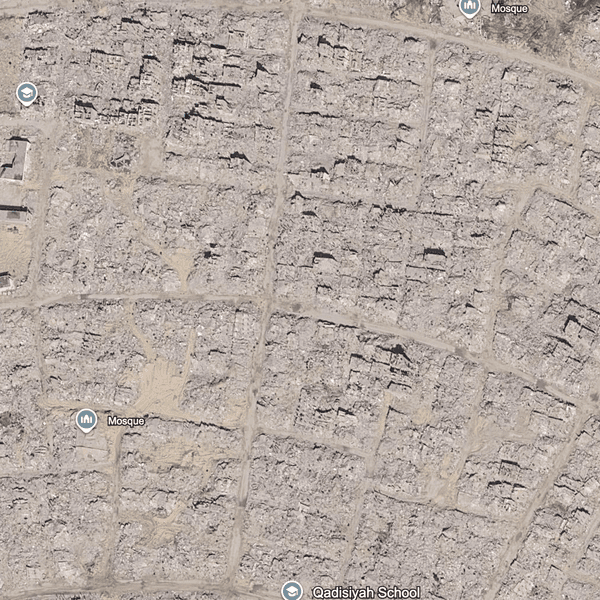
For nearly three years, international organizations, human rights groups, United Nations experts, and legal bodies have documented immense civilian suffering in Gaza. Tens of thousands of Palestinians have been killed. Homes, schools, hospitals, universities, and cultural institutions have been destroyed. The sporting sector has not been spared. Football fields have become rubble, sports facilities have been damaged and destroyed. Coaches, referees, administrators, and players have lost their lives. Despite all of this, the Israel Football Association remains a full FIFA member.
The consequences of this selectivity are devastating for Palestinian footballers. Their deaths rarely make international headlines. Their names are seldom known beyond their communities. The destruction of Gaza's sporting infrastructure receives little attention compared with transfer rumors, sponsorship deals, and tournament news.
Imagine a World Cup qualifying group in which half the players were dead. Imagine a national league where stadiums no longer exist. Imagine trying to explain to a child why their favorite goalkeeper will never play again because he was killed while searching for fuel to cook a meal.
Football is built on memory. Every World Cup honors the past as we remember legends who lifted trophies decades ago. Stadiums regularly hold moments of silence for victims of disasters, terrorism, and war. We place black armbands on captains’ sleeves because the sport understands that you cannot simply ignore loss.
Now that 567 footballers are gone, will we have a moment of silence? Will giant screens display their names? Will commentators mention that an entire generation of Palestinian players was cut down before it had the chance to compete? Or will the tournament proceed as though those lives never existed?
Tributes matter because they acknowledge humanity. They tell grieving families that the world saw their loved ones and that their deaths are not being erased.
If FIFA is unwilling to suspend the Israel Football Association, it should at the very least publicly recognize the Palestinian footballers who have been killed and commit to rebuilding the sporting infrastructure that has been destroyed. Their silence is a choice, and it speaks volumes.
When the final whistle blows at the 2026 World Cup, millions of people will celebrate the beauty of the game. They should also remember those who were denied the chance to keep playing it. The empty seats belong to them.
- As the World Cup Begins, Voters Say Trump Is Torpedoing United States’ Global Reputation ›
- World Cup or Global Spectacle of Repression? ›
- Groups Issue World Cup Travel Advisory Over ‘Deeply Troubling Human Rights Landscape’ in US ›
- Opinion | Who Speaks for Argentina? Football, Palestine, and the Politics of Representation | Common Dreams ›
- Opinion | LA Must Stop Bidding for Mega Sports Events | Common Dreams ›
The world has united for the 2026 FIFA World Cup. Stadiums have been filled with songs, flags, and the shared joy that football uniquely creates. Millions celebrate the beauty of a sport that claims to unite humanity across borders, languages, and politics.
But with the final game approaching, a question hangs heavily over the tournament: Will there be any tributes for the 567 Palestinian footballers reportedly killed in Gaza since October 2023?
The latest name on that list is Saleem Al-Ashqar, a Palestinian goalkeeper from Al-Qarara, near Khan Younis. He was 32 years old. According to reports, he was not on a battlefield. He was riding a motorcycle, searching for cooking gas. He had married only months earlier, in January 2026, and was waiting for the birth of his first child. Israeli forces shot and killed him.
In February 2022, following Russia's invasion of Ukraine, FIFA acted with remarkable speed. Within days, Russia was suspended from international competition and excluded from World Cup qualification. The decision came from widespread recognition that sport could not be separated from a major violation of international law and human suffering. FIFA described it as necessary to protect the integrity of football and to stand against violence.
When the final whistle blows at the 2026 World Cup, millions of people will celebrate the beauty of the game. They should also remember those who were denied the chance to keep playing it.
But if that principle applied to Russia, why does it not apply consistently elsewhere?
For nearly three years, international organizations, human rights groups, United Nations experts, and legal bodies have documented immense civilian suffering in Gaza. Tens of thousands of Palestinians have been killed. Homes, schools, hospitals, universities, and cultural institutions have been destroyed. The sporting sector has not been spared. Football fields have become rubble, sports facilities have been damaged and destroyed. Coaches, referees, administrators, and players have lost their lives. Despite all of this, the Israel Football Association remains a full FIFA member.
The consequences of this selectivity are devastating for Palestinian footballers. Their deaths rarely make international headlines. Their names are seldom known beyond their communities. The destruction of Gaza's sporting infrastructure receives little attention compared with transfer rumors, sponsorship deals, and tournament news.
Imagine a World Cup qualifying group in which half the players were dead. Imagine a national league where stadiums no longer exist. Imagine trying to explain to a child why their favorite goalkeeper will never play again because he was killed while searching for fuel to cook a meal.
Football is built on memory. Every World Cup honors the past as we remember legends who lifted trophies decades ago. Stadiums regularly hold moments of silence for victims of disasters, terrorism, and war. We place black armbands on captains’ sleeves because the sport understands that you cannot simply ignore loss.
Now that 567 footballers are gone, will we have a moment of silence? Will giant screens display their names? Will commentators mention that an entire generation of Palestinian players was cut down before it had the chance to compete? Or will the tournament proceed as though those lives never existed?
Tributes matter because they acknowledge humanity. They tell grieving families that the world saw their loved ones and that their deaths are not being erased.
If FIFA is unwilling to suspend the Israel Football Association, it should at the very least publicly recognize the Palestinian footballers who have been killed and commit to rebuilding the sporting infrastructure that has been destroyed. Their silence is a choice, and it speaks volumes.
When the final whistle blows at the 2026 World Cup, millions of people will celebrate the beauty of the game. They should also remember those who were denied the chance to keep playing it. The empty seats belong to them.
- As the World Cup Begins, Voters Say Trump Is Torpedoing United States’ Global Reputation ›
- World Cup or Global Spectacle of Repression? ›
- Groups Issue World Cup Travel Advisory Over ‘Deeply Troubling Human Rights Landscape’ in US ›
- Opinion | Who Speaks for Argentina? Football, Palestine, and the Politics of Representation | Common Dreams ›
- Opinion | LA Must Stop Bidding for Mega Sports Events | Common Dreams ›