
After US President Donald Trump spent the weekend reminding midterm campaign rally attendees that he doesn't "give a damn" about soaring gasoline prices from his illegal Iran War, congressional Democrats on Monday released a report showing that his oil and gas stock holdings could now top $80 million.
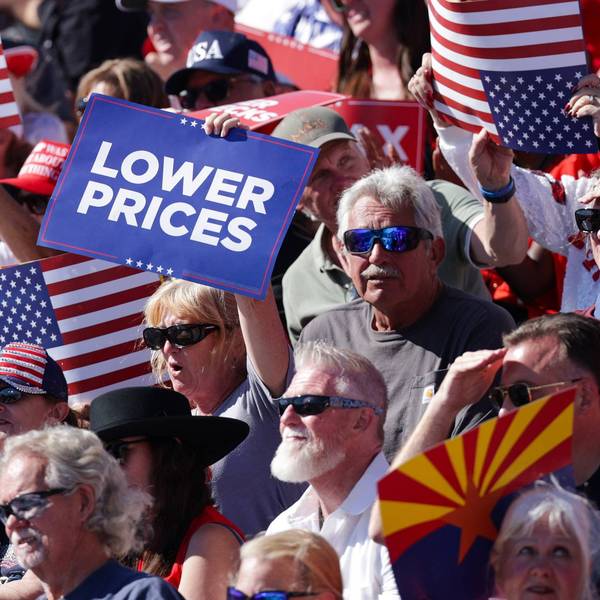
During a Saturday rally in Georgia, Trump highlighted that due to his war of choice, the US fossil fuel industry is "making hundreds of billions of dollars," and predicted his comments will be turned into "fake headlines," but he added: "I don't give a damn, I'm going to say it: We're making a freaking fortune."
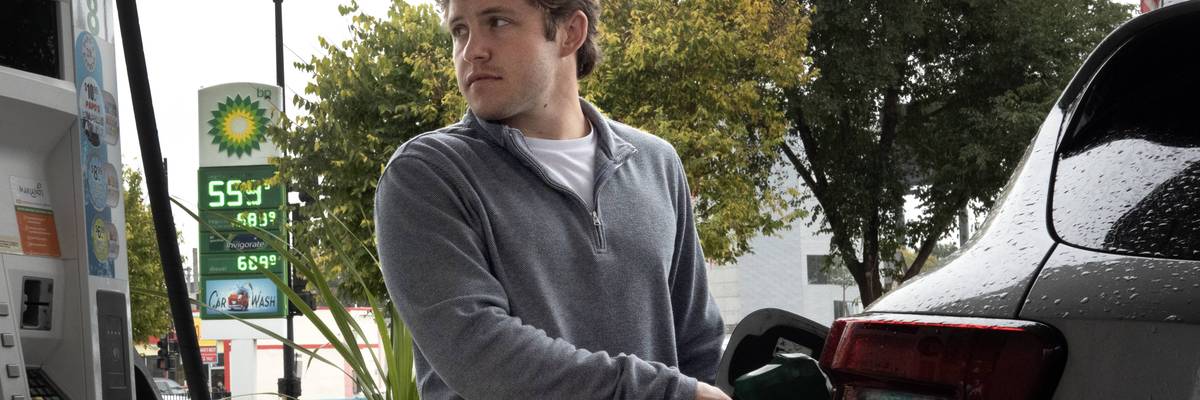
Just how much extra is the public paying at the pump because of the eight-month conflict? As of Monday, the national average was $4.29 a gallon for gasoline and $6.35 for diesel, according to the American Automobile Association.
An online tracker from the Costs of War Project at Brown University estimates US residents have paid at least $144.6 billion more for fuel—$79.8 billion for gasoline and $64.79 billion for diesel. That's over $609 per household, just for gasoline.
Data from the congressional Joint Economic Committee suggest the impact could be even worse. As JEC Democrats' Monday report notes, the panel found that US households "have now spent an additional $101 billion on gasoline since the start of the Iran War, or an average of $856 in gas costs per family."
A state-by-state breakdown in the report—released just days ahead of the midterm elections that will determine control of Congress for the remainder of Trump's second term—reveals that price increases for gasoline have hit some areas particularly hard. Wyoming, a Republican stronghold, has had the highest hike per household, at $1,454.
Rounding out the top 10 are Utah ($1,240), Alabama ($1,232), Montana ($1,180), Mississippi ($1,141), South Dakota ($1,122), Idaho at ($1,108), North Dakota ($1,087), New Hampshire ($1,029), and Iowa ($1,010). Trump won all of those states but New Hampshire in 2024—when he campaigned on a promise to serve the interests of the climate-wrecking fossil fuel industry if its executives dumped $1 billion into his run, while also claiming he would lower costs for working people.
Meanwhile, the report stresses, Trump's oil and gas holdings could have nearly doubled this year, growing by as much as $35.8 million, for a total of up to $81.6 million—and 94% of his 2026 industry stock purchases occurred after he went to war with Iran, which has restricted ship traffic through the Strait of Hormuz.
The document details Trump's holdings—which are reported in ranges—in Chevron, ConocoPhillips, ExxonMobil, Marathon Petroleum, Occidental Petroleum, Phillips 66, Valero Energy, and Williams Companies. It also warns that "the true value may in fact be higher given that Trump has yet to report stock transactions for September or October, and because he has a history of filing his transactions much later than the law requires."
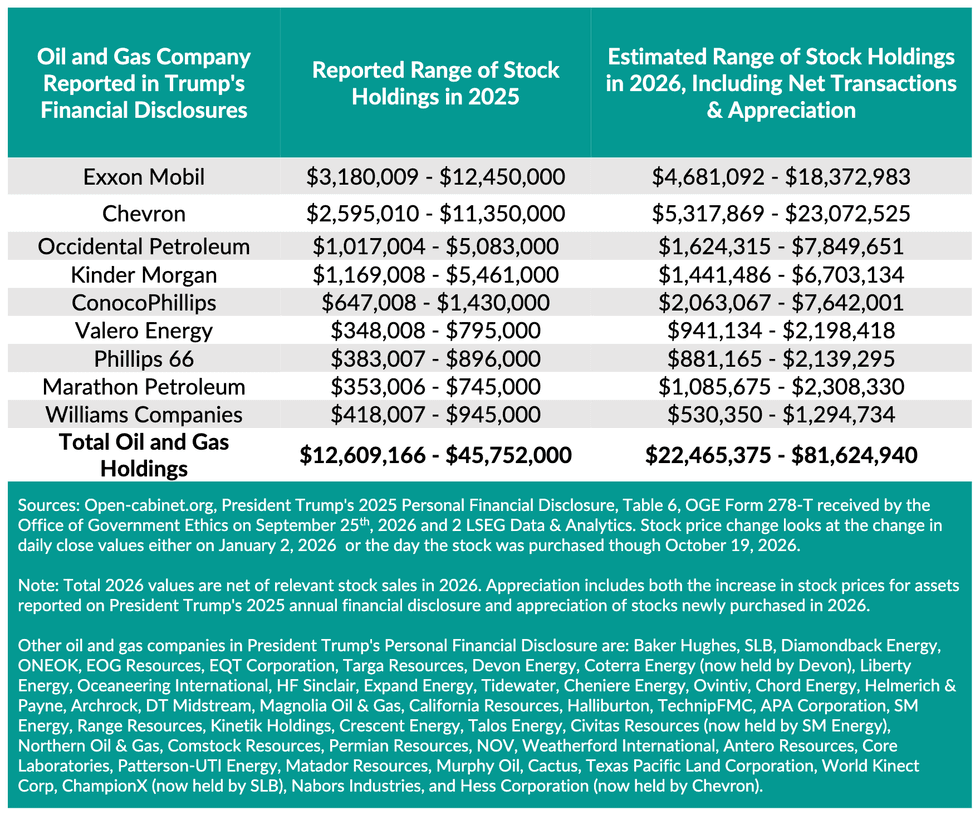 The graph published by the congressional Joint Economic Committee on October 26, 2026 shows US President Donald Trump's stock holdings in oil and gas companies.
Sen. Maggie Hassan (D-NH), the JEC's ranking member, declared that "Trump's Iran War has forced Americans to pay much more at the pump while Big Oil rakes in profits and the president's own stock wealth in the oil and gas industry continues to balloon."
Trump has faced scrutiny and criticism for cashing in on the conflict he created, which the White House has tried to dismiss by pointing out that the president's "stock and bond portfolio is independently managed by third-party financial institutions."
Such comments have not appeased critics, including Hassan, who said that "as Trump—the country's highest-ranking public employee—continues to own and trade stocks in companies that stand to benefit from his decisions, his actions raise major concerns about conflicts of interest. Unfortunately, this is nothing new from this administration and only reinforces that the president puts his own financial interests above the American people."
After US President Donald Trump spent the weekend reminding midterm campaign rally attendees that he doesn't "give a damn" about soaring gasoline prices from his illegal Iran War, congressional Democrats on Monday released a report showing that his oil and gas stock holdings could now top $80 million.
During a Saturday rally in Georgia, Trump highlighted that due to his war of choice, the US fossil fuel industry is "making hundreds of billions of dollars," and predicted his comments will be turned into "fake headlines," but he added: "I don't give a damn, I'm going to say it: We're making a freaking fortune."
Just how much extra is the public paying at the pump because of the eight-month conflict? As of Monday, the national average was $4.29 a gallon for gasoline and $6.35 for diesel, according to the American Automobile Association.
An online tracker from the Costs of War Project at Brown University estimates US residents have paid at least $144.6 billion more for fuel—$79.8 billion for gasoline and $64.79 billion for diesel. That's over $609 per household, just for gasoline.
Data from the congressional Joint Economic Committee suggest the impact could be even worse. As JEC Democrats' Monday report notes, the panel found that US households "have now spent an additional $101 billion on gasoline since the start of the Iran War, or an average of $856 in gas costs per family."
A state-by-state breakdown in the report—released just days ahead of the midterm elections that will determine control of Congress for the remainder of Trump's second term—reveals that price increases for gasoline have hit some areas particularly hard. Wyoming, a Republican stronghold, has had the highest hike per household, at $1,454.
Rounding out the top 10 are Utah ($1,240), Alabama ($1,232), Montana ($1,180), Mississippi ($1,141), South Dakota ($1,122), Idaho at ($1,108), North Dakota ($1,087), New Hampshire ($1,029), and Iowa ($1,010). Trump won all of those states but New Hampshire in 2024—when he campaigned on a promise to serve the interests of the climate-wrecking fossil fuel industry if its executives dumped $1 billion into his run, while also claiming he would lower costs for working people.
Meanwhile, the report stresses, Trump's oil and gas holdings could have nearly doubled this year, growing by as much as $35.8 million, for a total of up to $81.6 million—and 94% of his 2026 industry stock purchases occurred after he went to war with Iran, which has restricted ship traffic through the Strait of Hormuz.
The document details Trump's holdings—which are reported in ranges—in Chevron, ConocoPhillips, ExxonMobil, Marathon Petroleum, Occidental Petroleum, Phillips 66, Valero Energy, and Williams Companies. It also warns that "the true value may in fact be higher given that Trump has yet to report stock transactions for September or October, and because he has a history of filing his transactions much later than the law requires."
The graph published by the congressional Joint Economic Committee on October 26, 2026 shows US President Donald Trump's stock holdings in oil and gas companies.
Sen. Maggie Hassan (D-NH), the JEC's ranking member, declared that "Trump's Iran War has forced Americans to pay much more at the pump while Big Oil rakes in profits and the president's own stock wealth in the oil and gas industry continues to balloon."
Trump has faced scrutiny and criticism for cashing in on the conflict he created, which the White House has tried to dismiss by pointing out that the president's "stock and bond portfolio is independently managed by third-party financial institutions."
Such comments have not appeased critics, including Hassan, who said that "as Trump—the country's highest-ranking public employee—continues to own and trade stocks in companies that stand to benefit from his decisions, his actions raise major concerns about conflicts of interest. Unfortunately, this is nothing new from this administration and only reinforces that the president puts his own financial interests above the American people."
- 'The Billion Dollar Deal': Senate Democrats Detail How Trump Serves Fossil Fuel Industry ›
- 'We're Making a Fortune,' Trump Says of High Oil Prices as Working Class Pays ›
- 'Just Run This as an Ad': Trump Dismisses Pump Pain to Boast of Oil and Gas Profits ›
- 'Trump Did It!': At $5.85 a Gallon, Diesel Price Hits All-Time High in US Thanks to War on Iran ›
- 77% of Americans Blame Trump for Soaring Gas Prices as GOP Lacks Iran War Exit Plan ›