SUBSCRIBE TO OUR FREE NEWSLETTER
Daily news & progressive opinion—funded by the people, not the corporations—delivered straight to your inbox.
5
#000000
#FFFFFF
To donate by check, phone, or other method, see our More Ways to Give page.
Daily news & progressive opinion—funded by the people, not the corporations—delivered straight to your inbox.
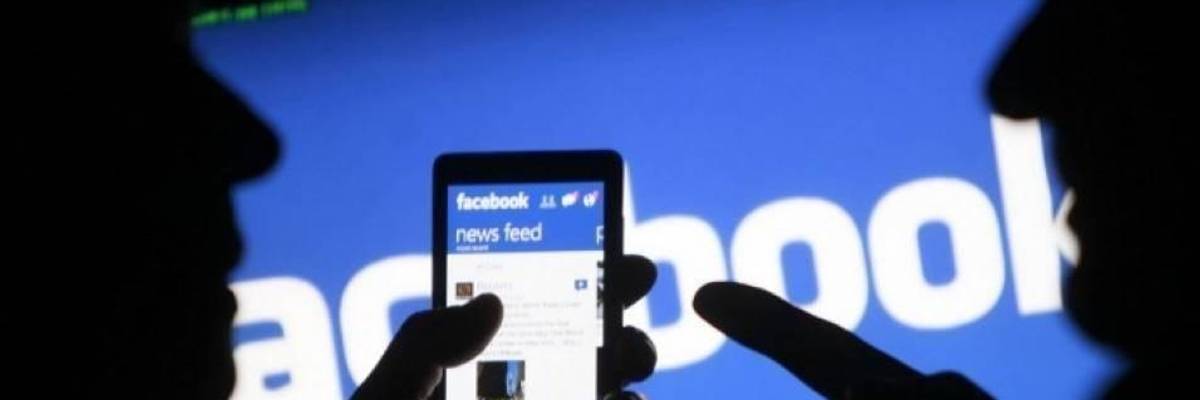
Right-leaning pages earned over 45% of all interactions on posts from political Facebook pages. (Photo: flickr/GostGo/cc)
Research contributions from Carly Evans & Spencer Silva
In 2020, right-wing media outlets and figures repeatedly claimed that social media platforms, particularly Facebook, are biased against conservatives and censor their content, even though there is no evidence to support these claims. Media Matters and others have demonstrated again and again that no such bias or censorship exists. In fact, there are numerous examples of Facebook capitulating to conservatives and giving right-wing pages preferential treatment.
In this latest study, Media Matters found that right-leaning Facebook pages consistently earned more engagement in 2020 than ideologically nonaligned and left-leaning pages -- and the Facebook pages with the most engagement include prominent right-wing media outlets and figures, such as Donald J. Trump, Fox News, Ben Shapiro, Breitbart, Dan Bongino, and the Daily Mail.
Media Matters used CrowdTangle data to compile and analyze millions of posts from right-leaning, left-leaning, and ideologically nonaligned Facebook pages about U.S. political news that were posted between January 1 and December 15, 2020. We found that right-leaning pages earned over 45% of all interactions on posts from political Facebook pages. Other key findings include:

In addition to earning the most interactions overall, right-leaning pages consistently earned more weekly interactions than ideologically nonaligned and left-leaning pages between January 1 and December 15. The only exception was two weeks in March when news coverage was dominated by developments in the COVID-19 pandemic. During this time, ideologically nonaligned pages earned 2-3 million more interactions than right-leaning pages.
In the second half of the year, the gap in performance between right-leaning pages and the others in our data set widened following nationwide protests against police brutality and systemic racism and in the lead-up to the presidential election. During this time period, right-leaning pages substantially outperformed other pages and earned over 100 million more average weekly interactions than either ideologically nonaligned and left-leaning pages between June 3 and December 15.

Of the 10 political pages that earned the most engagement between January 1 and December 15, six are right-leaning pages, two are ideologically nonaligned pages, and two are left-leaning pages. President Donald Trump's Facebook page leads the top 10 with over 867 million interactions in 2020.
The top 10 Facebook pages posting about U.S. political news in 2020 were:

Using CrowdTangle, Media Matters compiled a list of 1,773 Facebook pages that frequently posted about U.S. politics from January 1 to August 25, 2020.
For an explanation of how we compiled pages and identified them as right-leaning, left-leaning, or ideologically nonaligned, see the methodology here.
The resulting list consisted of 771 right-leaning pages, 497 ideologically nonaligned pages, and 505 left-leaning pages.
Using CrowdTangle, Media Matters compiled overall and weekly leaderboard data for the pages on this list between January 1 and December 15, 2020. We reviewed data for these pages, including total interactions (reactions, comments, and shares), total posts, pages likes, and interaction rate. CrowdTangle calculates the interaction rate of a group of pages by dividing the total number of interactions (reactions, comments, and shares) earned on all posts from the pages by the total number of posts from the pages, and then dividing by average page likes for the pages. For this calculation, average page likes is based on the page likes for each page at the end of the time frame.
This country and this world are at a monumental crossroads. US voters have an opportunity to beat back the forces of fascism and confront the billionaires who are rigging the economy, our media system, and our democracy, making it increasingly impossible for ordinary people to get by. We’re not just talking about the election. We’re talking about what must be done once these fascist elements are vanquished from power. We need a bolder set of solutions than what either major party has so far been willing to offer and a working-class movement ready to fight like hell for it. Trump didn't emerge from nowhere. The conditions that fueled MAGA authoritarianism were created by decades of radical neoliberal economic policies and a corrupt political system dominated by corporate interests. They slashed taxes on the super-rich, promising that the benefits would trickle down. They said giveaways to the corporate titans would make life more affordable for the rest of us. It was all bullshit. And when a bitter, betrayed populace searches for someone to blame, right-wing demagogues have little trouble finding scapegoats. People know when they're being lied to, but you won't hear any of this from the corporate media. Only independent journalism—powered and funded by people who believe in building a better world—can deliver truly trustworthy daily news. If you share our vision, please contribute whatever you can to sustain our work. |
Research contributions from Carly Evans & Spencer Silva
In 2020, right-wing media outlets and figures repeatedly claimed that social media platforms, particularly Facebook, are biased against conservatives and censor their content, even though there is no evidence to support these claims. Media Matters and others have demonstrated again and again that no such bias or censorship exists. In fact, there are numerous examples of Facebook capitulating to conservatives and giving right-wing pages preferential treatment.
In this latest study, Media Matters found that right-leaning Facebook pages consistently earned more engagement in 2020 than ideologically nonaligned and left-leaning pages -- and the Facebook pages with the most engagement include prominent right-wing media outlets and figures, such as Donald J. Trump, Fox News, Ben Shapiro, Breitbart, Dan Bongino, and the Daily Mail.
Media Matters used CrowdTangle data to compile and analyze millions of posts from right-leaning, left-leaning, and ideologically nonaligned Facebook pages about U.S. political news that were posted between January 1 and December 15, 2020. We found that right-leaning pages earned over 45% of all interactions on posts from political Facebook pages. Other key findings include:
In addition to earning the most interactions overall, right-leaning pages consistently earned more weekly interactions than ideologically nonaligned and left-leaning pages between January 1 and December 15. The only exception was two weeks in March when news coverage was dominated by developments in the COVID-19 pandemic. During this time, ideologically nonaligned pages earned 2-3 million more interactions than right-leaning pages.
In the second half of the year, the gap in performance between right-leaning pages and the others in our data set widened following nationwide protests against police brutality and systemic racism and in the lead-up to the presidential election. During this time period, right-leaning pages substantially outperformed other pages and earned over 100 million more average weekly interactions than either ideologically nonaligned and left-leaning pages between June 3 and December 15.
Of the 10 political pages that earned the most engagement between January 1 and December 15, six are right-leaning pages, two are ideologically nonaligned pages, and two are left-leaning pages. President Donald Trump's Facebook page leads the top 10 with over 867 million interactions in 2020.
The top 10 Facebook pages posting about U.S. political news in 2020 were:
Using CrowdTangle, Media Matters compiled a list of 1,773 Facebook pages that frequently posted about U.S. politics from January 1 to August 25, 2020.
For an explanation of how we compiled pages and identified them as right-leaning, left-leaning, or ideologically nonaligned, see the methodology here.
The resulting list consisted of 771 right-leaning pages, 497 ideologically nonaligned pages, and 505 left-leaning pages.
Using CrowdTangle, Media Matters compiled overall and weekly leaderboard data for the pages on this list between January 1 and December 15, 2020. We reviewed data for these pages, including total interactions (reactions, comments, and shares), total posts, pages likes, and interaction rate. CrowdTangle calculates the interaction rate of a group of pages by dividing the total number of interactions (reactions, comments, and shares) earned on all posts from the pages by the total number of posts from the pages, and then dividing by average page likes for the pages. For this calculation, average page likes is based on the page likes for each page at the end of the time frame.