

SUBSCRIBE TO OUR FREE NEWSLETTER
Daily news & progressive opinion—funded by the people, not the corporations—delivered straight to your inbox.
5
#000000
#FFFFFF
To donate by check, phone, or other method, see our More Ways to Give page.
Daily news & progressive opinion—funded by the people, not the corporations—delivered straight to your inbox.
"The catastrophic cuts Trump and RFK Jr. made to disease surveillance and research keep coming back to haunt us," said one critic.
The Trump administration is coming under fire for its response to the outbreak of cyclosporiasis, a foodborne illness that causes explosive diarrhea and has so far been documented in more than two dozen states.
Public health officials still have not identified the source of the outbreak, which typically spreads via contaminated produce.
In an interview with Axios published Saturday, David Freedman, professor emeritus of infectious diseases at the University of Alabama at Birmingham, suggested that the US Centers for Disease Control and Prevention (CDC) has not been on top of tracking the outbreak the same way it has been in the past.
"Right now it's individual state health departments that are having to speak up," remarked Freedman, "because the CDC is really not following it on a day-to-day basis."
Omer Awan, vice chair and associate program director for the diagnostic radiology residency at the University of Maryland School of Medicine in Baltimore, told PBS in an interview published Monday that infections will likely only grow if the government doesn't track down the source of the outbreak quickly.
"Because we haven't pinned it down, that means that these cases are likely to disseminate," said Awan. "People are still eating the contaminated food that's leading to so many cases."
Awan added that mass firings at the US Department of Health and Human Services (HHS), under the leadership of anti-vaccine conspiracy theorist Robert F. Kennedy Jr., were hindering CDC's ability to track the disease.
"The HHS and the federal government laid off a lot of CDC employees," said Awan. "Many of them were the very employees that would track these particular outbreaks. And the other is that, from July of 2025 last year, the CDC has no longer required reporting cyclosporiasis. It's become optional to report this to the CDC's Foodborne Disease Active Surveillance Network."
Brad Woodhouse, president of Protect Our Care, pointed to the CDC decision to stop monitoring the cyclospora parasite as an example of the Trump administration putting Americans "in another shitty situation after laying waste to our public health infrastructure and gutting emergency preparedness."
"Because RFK Jr.’s CDC turned a blind eye to dangerous foodborne pathogens," Woodhouse added, "this outbreak spread quickly and states are now scrambling to do their own detective work on what’s causing it. The catastrophic cuts Trump and RFK Jr. made to disease surveillance and research keep coming back to haunt us, yet they want to cut even deeper to make up for their tax breaks for billionaires."
The Washington Post on Tuesday reported that both federal and state officials have launched an investigation into whether fast food chain Taco Bell "played a role" in the cyclosporiasis outbreak.
According to the Post's sources, some people who got sick from the disease said they had eaten at Taco Bell shortly becoming symptomatic, although others who were infected by the parasite said they had not eaten at the fast food chain before growing ill.
"Public health officials have said this season’s unusually high number of illnesses, now reported in more than 30 states," reported the Post, "means more information and more patients to help identify shared foods, shopping habits and restaurant visits among those sickened to help determine the source."
"This ill-considered decision will sow further chaos and confusion and erode confidence in immunizations," warned the American Academy of Pediatrics president.
Leading US medical groups were among the critics who forcefully condemned the Trump administration's Monday overhaul of federal vaccine recommendations for every child in the country.
Doctors and public health advocates have been warning of such changes since the US Senate confirmed President Donald Trump's pick to lead the Department of Health and Human Services (HHS), vaccine conspiracy theorist Robert F. Kennedy Jr., nearly a year ago.
Last month, in a presidential memorandum, Trump directed Kennedy and Deputy Secretary of Health and Human Services Jim O'Neill, who is also acting director of the Centers for Disease Control and Prevention (CDC), "to review best practices from peer, developed countries for core childhood vaccination recommendations."
HHS said in a Monday statement that "after consulting with health ministries of peer nations, considering the assessment's findings, and reviewing the decision memo" presented by National Institutes of Health Director Dr. Jay Bhattacharya, Food and Drug Commissioner Dr. Marty Makary, and Centers for Medicare and Medicaid Services Administrator Dr. Mehmet Oz, O'Neill "formally accepted the recommendations and directed the CDC to move forward with implementation."
O'Neill claimed that "the data support a more focused schedule" and the HHS secretary said that "after an exhaustive review of the evidence, we are aligning the US childhood vaccine schedule with international consensus while strengthening transparency and informed consent," but leading experts pushed back against their framing.
“Changes of this magnitude require careful review, expert and public input, and clear scientific justification. That level of rigor and transparency was not part of this decision."
Dr. Sandra Adamson Fryhofer, an American Medical Association trustee, said in a statement that the AMA "is deeply concerned by recent changes to the childhood immunization schedule that affects the health and safety of millions of children. Vaccination policy has long been guided by a rigorous, transparent scientific process grounded in decades of evidence showing that vaccines are safe, effective, and lifesaving."
“Changes of this magnitude require careful review, expert and public input, and clear scientific justification. That level of rigor and transparency was not part of this decision," she continued. "When long-standing recommendations are altered without a robust, evidence-based process, it undermines public trust and puts children at unnecessary risk of preventable disease."
"The scientific evidence remains unchanged, and the AMA supports continued access to childhood immunizations recommended by national medical specialty societies," the doctor added. "We urge federal health leaders to recommit to a transparent, evidence-based process that puts children's health and safety first and reflects the realities of our nation's disease burden."
American Academy of Pediatrics (AAP) President Dr. Andrew D. Racine was similarly critical of the "dangerous and unnecessary" move, stressing that "the long-standing, evidence-based approach that has guided the US immunization review and recommendation process remains the best way to keep children healthy and protect against health complications and hospitalizations."
As Racine explained:
Said to be modeled in part after Denmark's approach, the new recommendations issued today by the US Centers for Disease Control and Prevention no longer recommend routine immunization for many diseases with known impacts on America's children, such as hepatitis A and B, rotavirus, respiratory syncytial virus (RSV), flu, and meningococcal disease. AAP continues to recommend that children be immunized against these diseases, and for good reason; thanks to widespread childhood immunizations, the United States has fewer pediatric hospitalizations and fewer children facing serious health challenges than we would without this community protection.
The United States is not Denmark, and there is no reason to impose the Danish immunization schedule on America's families. America is a unique country, and Denmark's population, public health infrastructure, and disease-risk differ greatly from our own.
At a time when parents, pediatricians, and the public are looking for clear guidance and accurate information, this ill-considered decision will sow further chaos and confusion and erode confidence in immunizations. This is no way to make our country healthier.
The doctor urged parents who "have questions about vaccines or anything else" to speak with their pediatricians and pledged that the AAP "will continue to stand up for children, just as we have done for the past 95 years."
Dr. Robert Steinbrook, Health Research Group director at the consumer advocacy organization Public Citizen, also slammed Kennedy and his deputies for starting out "2026 by escalating and accelerating their mindless assault on the childhood and adolescent immunization schedule."
"Extreme and arbitrary changes to the childhood vaccination schedule without full public discussion and scientific and evidence-based vetting put children and families at risk and undermine public health," Steinbrook said. "The uncalled-for changes are likely to further erode trust in vaccines and decrease immunization rates, rather than increase confidence or boost vaccine uptake, as federal health officials assert. Once again, medical professional societies and states must act to prevent suffering and death from preventable diseases."
As the Associated Press noted Monday: "States, not the federal government, have the authority to require vaccinations for schoolchildren. While CDC requirements often influence those state regulations, some states have begun creating their own alliances to counter the Trump administration's guidance on vaccines."
Lawrence Gostin, founding chair of the O'Neill Institute for National and Global Health Law Georgetown University, predicted that "red states will mostly follow HHS guidance. Blue states will certainly keep the current schedule. We'll see a checkerboard of different rules across America. Infectious diseases will surge as pathogens don't respect state borders."
Ripping the CDC's move as "reckless and lawless," Gostin added that "RFK Jr. is plunging the nation into uncertainty and confusion. Will pharmacies and pediatricians offer vaccines without clear recommendations? Will insurers cover vaccines? Will school boards worry about liability? Needless hospitalizations and deaths are all but certain to occur."
"This unfounded change to the childhood vaccine schedule will only lead to entirely preventable disease outbreaks in the years ahead," said the consumer advocacy group Public Citizen.
Sen. Bernie Sanders, ranking member of the top US Senate committee on public health, demanded on Friday that Health and Human Services Secretary Robert F. Kennedy Jr. explain to lawmakers why experts he convened had scrapped a policy that one academic recently called "one of the most significant public health achievements in US child health over the past several decades."
The Advisory Committee on Immunization Practices (ACIP), said Sanders, "in strong disagreement with the medical and scientific community, voted to end a decades-long recommendation that newborns receive the hepatitis B vaccine. This vaccine saves lives."
Since 1991, when the Centers for Disease Control and Prevention (CDC) adopted a policy of recommending the hepatitis B vaccine for all newborn babies in the US, the number of children who test positive for the disease has plummeted by 99%, from nearly 20,000 annually to the single or low-double digits.
On Friday, ACIP—whose 17 previous members were all fired and replaced by Kennedy—voted to potentially erase that progress, which, as Kelly Gebo, dean of the George Washington University Milken Institute School of Public Health, said this week, has "prevented tens of thousands of deaths, and remains a safe, effective, and essential measure."
The panel voted 8-3 that women who test negative for hepatitis B should work with their healthcare provider to decide "when and if" their children will be vaccinated against the virus, which causes an infection of the liver and can be transmitted through blood or other bodily fluids. The disease can cause a chronic infection and eventually lead to cirrhosis, liver failure, or liver cancer.
Under the new guidance, parents will be advised to “consider vaccine benefits, vaccine risks, and infection risks” and administer the shot at two months of age at the earliest.
At Stat News, Helen Branswell noted that while the revised policy, as stated, is only a recommendation in cases of a pregnant person who is at low risk for hepatitis B, the across-the-board recommendation helped ensure babies would not slip "through the safety net meant to protect them against infection at birth."
"All pregnant people are supposed to be tested for hepatitis B during pregnancy," wrote Branswell. "But testing doesn’t always occur, some test results are faulty, and some pregnant people become infected later in pregnancy, after being tested."
The ACIP members who voted to change the policy repeated claims made by Kennedy throughout the debate—that babies in general are at low risk and that hepatitis largely affects sex workers, drug users, and people from countries with high hepatitis B rates.
But critics of the decision said it will place unvaccinated infants at risk of being exposed to the virus, especially since as many as 70% of the roughly 2 million Americans who have hepatitis B are not aware of their diagnosis.
James Campbell, vice chair of the American Academy of Pediatrics’ infectious diseases committee, told Stat News about a 15-year-old girl he cared for who had not been vaccinated against hepatitis B in infancy because she was not believed to be at risk. She developed a chronic infection and ultimately died after two failed liver transplants.
“This is a very dangerous decision. It will certainly cause harm,” Campbell told Stat News.
Consumer advocacy group Public Citizen added that the vote is a "tragedy in the making."
In Massachusetts, Democratic Gov. Maura Healey indicated she plans to take action to circumvent ACIP's new guidelines and ensure parents are given the data about hepatitis B infection and the benefits and safety of the vaccine that's been recommended for more than three decades.
"RFK, that panel, they are not doing their jobs," Healey told CNN on Thursday night, ahead of the vote. "And in the face of that, as governor, I'm going to do mine, which is to take actions to make available science-based information. To give people real truth, real information, not conspiracy theories or ideologies, and we're going to continue to make available vaccines that people want."
Kennedy has spread misinformation about the measles vaccine and angered senators from both sides of the aisle earlier this year when the Food and Drug Administration, under his leadership, limited access to Covid-19 vaccines—leading Senate Health, Education, Labor, and Pensions Committee Chair Bill Cassidy (R-La.) to accuse him of "denying people vaccine" after Kennedy had pledged he would not restrict Americans' ability to be immunized.
Cassidy, a physician, grilled Kennedy during his confirmation hearing about his plans for vaccine policies—but ultimately voted in favor of his confirmation.
On Friday, Cassidy said ACIP's new recommendation for the hepatitis B vaccine was "a mistake" and urged CDC Director Jim O'Neill to retain "the current, evidence-based approach."
But Charles Idelson, former communications strategist at National Nurses United, said Cassidy and the other senators who voted to confirm Kennedy to serve as the nation's top health official "own him."
"If you had the political courage to back up this position," said Idelson, "you would surely now call for Kennedy to resign for his lies to you, for his malfeasance, for his reckless advocacy of conspiracy theories, and for endangering the health of all Americans."
On Friday, Aaron Siri, a lawyer who specializes in vaccine injury cases, was scheduled to present to ACIP regarding the broader childhood vaccine schedule and potential changes to recommendations.
"Say goodbye to federal public health in any capacity," warned one expert. "We won't recover."
The Trump administration has carried out mass layoffs of federal public health officials that experts warn will leave the US dangerously unprepared to handle disease outbreaks.
As reported by The New York Times, the layoffs at the Centers for Disease Control and Prevention (CDC) carried out on Friday night were deep and wide-ranging, and included employees and leaders "in offices addressing respiratory diseases, chronic diseases, injury prevention, and global health."
The administration laid off the entire CDC office in Washington, DC, as well as the staff of the Morbidity and Mortality Weekly Report, a publication founded in 1930 that has been credited with the first reporting in medical literature on the disease that would come to be known as AIDS in 1981.
In addition to this, several dozen Epidemic Intelligence Service officers, commonly known as "disease detectives" who track outbreaks across the world, received their termination notices.
Dr. Jeremy Foust, an emergency physician at Brigham and Women's Hospital in Boston and an assistant professor at Harvard Medical School, reported in a post on his personal Substack newsletter that CDC insiders are estimating that "between 1,100 and 1,300 employees are being cut" by the Trump administration.
Other public health experts reacted with horror to news of the terminations.
Dr. Catharine Young, a senior fellow at the Harvard TH Chan School of Public Health, described the layoffs as a "Friday night massacre" and warned of severe repercussions for both US citizens and the entire world.
"This isn’t streamlining the government—it’s dismantling our ability to detect and respond to outbreaks before they spread," she wrote in a post on X. "You can’t cut your way to safety."
Dr. Angela Rasmussen, a US-born virologist who works at the Vaccine and Infectious Disease Organization at the University of Saskatchewan in Canada, wrote that the CDC "is being eviscerated right now" and painted a dire picture of what that means for public health.
"America is not going to have any kind of outbreak response capacity after tonight," she explained on Bluesky. "Americans’ health data is no longer secure. Say goodbye to federal public health in any capacity. It’s a disaster. We won’t recover."
Dr. Abdul El-Sayed, a physician and politician who is running to be the Democratic nominee for the US Senate in Michigan, said that the layoffs made it much more likely that deadly diseases such as the ebola virus would spread unchecked.
"10 years ago, Ebola ravaged through Guinea, Liberia, and Sierra Leone—it made landfall here," he wrote on X. "Ebola is spreading in the Democratic Republic of Congo right now. What stands between us and Ebola if it keeps spreading? The folks at CDC who [President Donald] Trump and [Office of Management and Budget Director Russell] Vought are using this shutdown to eliminate. Dumb shit."
Dr. Michelle Au, an anesthesiologist and Democratic Georgia state representative, noted that the CDC layoffs come as the US "is now barreling into respiratory season—when viruses like flu, COVID, and RSV surge—flying blind."
"It’s always harder to build things than to break them," she observed. "And breathtakingly easy to destroy the things you don’t value, let alone understand."
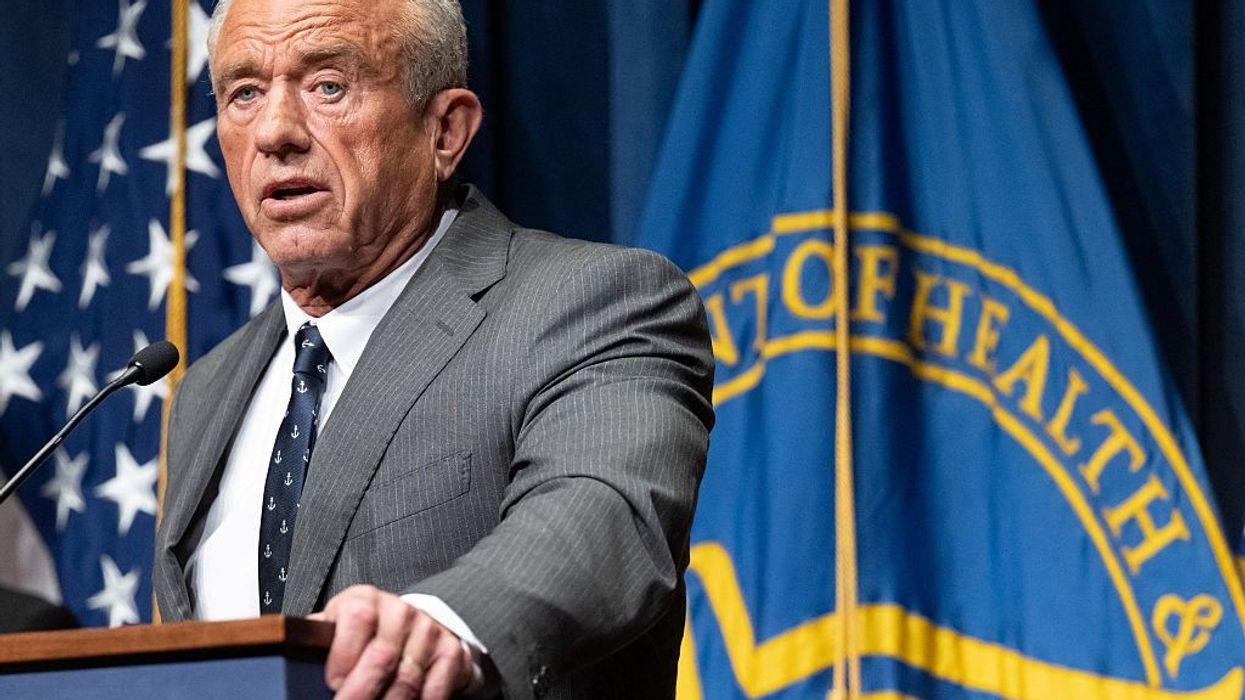
"They are leveraging this platform to share untruths about vaccines to scare people," said one doctor Kennedy fired from the panel.
Health officials working under Secretary of Health and Human Services Robert F. Kennedy Jr. may seek to restrict access to the Covid-19 vaccine for people under 75 years old.
The Washington Post reported Friday that the officials plan to justify the move by citing reports from an unverified database to make the claim that the shots caused the deaths of 25 children.
The reports come from the Vaccine Adverse Event Reporting System (VAERS), a federal database that allows the public to submit reports of negative reactions to vaccines. As the Post explains, VAERS "contains unverified reports of side effects or bad experiences with vaccines submitted by anyone, including patients, doctors, pharmacists, or even someone who sees a report on social media."
As one publicly maintained database of "Batshit Crazy VAERS Adverse Events" found, users have reported deaths and injuries resulting from gunshot wounds, malaria, drug overdoses, and countless other unrelated causes as possible cases of vaccine injury.
As Beth Mole wrote for ARS Technica, "The reports are completely unverified upon submission, and the Centers for Disease Control and Prevention staff follow up on serious reports to try to substantiate claims and assess if they were actually caused by a vaccine. They rarely are."
Nevertheless, HHS officials plan to use these VAERS reports on pediatric deaths in a presentation to the CDC's Advisory Committee on Immunization Practices (ACIP) next week as the panel considers revising federal vaccine guidelines.
One person familiar with the matter told the Post that HHS officials attempted to interview some of the families who claimed their child died from the vaccine, but it is unclear how many were consulted and what other information was used to verify their claims.
In June, Kennedy purged that panel of many top vaccine experts, replacing them with prominent anti-vaccine activists, after previously promising during his confirmation hearing to keep the panel intact.
The Food and Drug Administration under Kennedy has already limited access to the Covid-19 vaccine. Last month, it authorized the vaccines only for those 65 and over who are known to be at risk of serious illness from Covid-19 infections.
While the vaccine is technically available to others, the updated guidance has created significant barriers, such as the potential requirement of a doctor's prescription and out-of-pocket payment, making it much harder for many to receive the shot.
The Post reports that ACIP is considering restricting access to the vaccination further, by recommending it only for those older than 75. It is weighing multiple options for those 74 and younger—potentially requiring them to consult with their doctor first, or not recommending it at all unless they have a preexisting condition.
Prior to the wide availability of Covid-19 vaccinations beginning in 2021, the illness killed over 350,000 people in the US. And while the danger of death from Covid-19 does increase with age, CDC data shows that from 2020 to 2023, nearly 47% of the over 1.1 million deaths from the illness occurred in people under 75.
According to the World Health Organization, the US reported 822 deaths from Covid over a 28-day period in July and August this year, vastly more deaths than anywhere else in the world. CDC data reported to ACIP in June shows that Covid deaths were lower among all age groups—including children—who received the mRNA vaccine.
Nicole Brewer, one of the vaccine advisers eliminated by Kennedy, lamented that Kennedy and his new appointees are ignoring the dangers of Covid-19 while amplifying the comparatively much lower risk posed by vaccines.
"They are leveraging this platform to share untruths about vaccines to scare people," she told the Post. “The U.S. government is now in the business of vaccine misinformation.”
ACIP is also reportedly mulling the rollback of guidelines for other childhood vaccines for deadly diseases like measles, Hepatitis B, and Respiratory Syncytial Virus (RSV).
While ACIP's guidelines are not legally binding, the Post writes that its meeting next week "is critical because the recommendations determine whether insurers must pay for the immunizations, pharmacies can administer them, and doctors are willing to offer them."
"If you haven't gotten your updated Covid vaccine by now, book an appointment fast before next week's ACIP meeting," warned Dr. David Gorski, the editor of the blog Science-Based Medicine. "After that, you might not be able to get one."
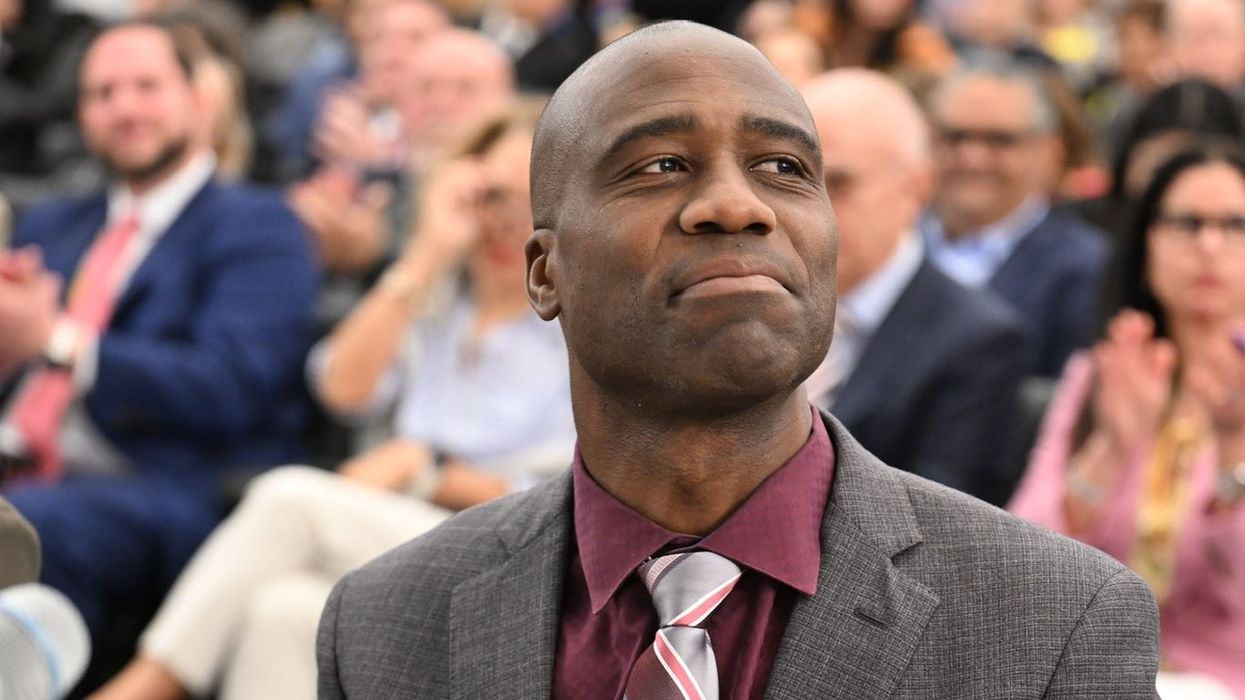
"Florida's decision to erase school vaccine requirements will cause preventable illness and death," said one immunologist. "Not just for kids in Florida, for whole communities, of all ages, across the country."
In a decision that has terrified medical professionals, Florida's surgeon general announced Wednesday that he would seek to end all childhood vaccine requirements in the state, which he compared to "slavery."
Currently, Florida requires children to be immunized against deadly diseases like measles, mumps, chickenpox, polio, and hepatitis in order to attend public school.
At a press conference alongside the state's anti-vaccine Republican Gov. Ron DeSantis, Florida's surgeon general, Dr. Joseph Ladapo, said that he believed the decision to make these vaccinations optional would receive the blessing of "God."
"Every last one of them is wrong and drips with disdain and slavery," Ladapo said of the mandates. "People have a right to make their own decisions. Who am I, as a government or anyone else, to tell you what you should put in your body? Our body is a gift from God. What you put into your body is because of your relationship with your body and your God."
Many Republican-led states have rolled back requirements for residents to receive the Covid-19 vaccination and, in some cases, restricted access to it. But Ladapo, who has in the past been caught personally altering data to exaggerate the risks of the Covid-19 vaccine, is treading new ground with his pledge to eliminate "every last one" of the state's childhood vaccine mandates, something no state, red or blue, has done.
While Ladapo's decision is unprecedented, it is in step with the position of the current Republican Party, which is making health policy under the stewardship of longtime anti-vaccine influencer Robert F. Kennedy, Jr, who is the secretary of Health and Human Services under President Donald Trump.
Kennedy has limited who is eligible to receive the Covid-19 vaccine and is reportedly considering pulling it from the market altogether. And alongside a handpicked panel of anti-vaccine activists, he has also launched an effort to revise the entire childhood vaccine schedule.
In April, as a measles epidemic swept through pockets of Texas with low vaccination rates and killed two unvaccinated children, Kennedy downplayed the disease's severity and hyped long-disproven claims about the dangers of the Measles, Mumps, and Rubella (MMR) vaccine, which virtually eradicated the disease in the US for over 20 years.
Since the Covid-19 pandemic, the number of parents declining to vaccinate their children has soared across the US. According to the Kaiser Family Foundation, during the 2019-20 school year, just three US states had rates of MMR vaccination lower than 90%. In 2025, that number had increased to 16.
As of July, 1,280 measles cases had been reported in the US—the most cases since 1992, before the MMR vaccine became part of the standard childhood vaccine schedule. In 92% of cases involving children and teenagers, the people who became infected were either unvaccinated or had unknown vaccination statuses.
Following news of Florida's decision to end childhood vaccine requirements, Dr. Paul Offit, the director of the Vaccine Education Center at Children's Hospital of Philadelphia, told the Washington Post: "We can expect that measles will come roaring back. Other infectious diseases will follow. This is an unprecedented move that will only put our children at unnecessary risk."
Measles is not the only vaccine-preventable illness experiencing a resurgence. After the rate of whooping cough vaccinations dropped below the 95% threshold required for herd immunity during the 2023-24 school year, the number of cases of the disease doubled, according to data from the Centers for Disease Control and Prevention (CDC).
"Florida will repeat what happened in West Texas, where immunization rates are low," said Dr. Peter Jay Hotez, a pediatrician who serves as Dean for the National School of Tropical Medicine at Baylor College of Medicine. "All for health freedom propaganda, and lousy Fox News sound bites."
According to CDC data, Florida has one of the lowest rates of childhood vaccination in the country, with just over 88% of kindergarteners receiving the required shots in the 2023-24 school year. But just as they did in Texas, the effects may harm people across the country.
"Florida's decision to erase school vaccine requirements will cause preventable illness and death. Not just for kids in Florida, for whole communities, of all ages, across the country," said Dr. Andrea Love, an immunologist and microbiologist, who writes a newsletter responding to medical misinformation. "Pathogens don't follow state lines."
Dr. Robert Steinbrook, director of Public Citizen's Health Research Group, called the plan "a recipe for disaster and exactly the wrong approach to protecting state residents from infectious diseases."
"High immunization rates against dangerous infectious diseases such as measles and polio protect individuals as well as their communities," Steinbrook said. "If this plan moves forward, Florida will terminate one of the most effective means of limiting the spread of infectious diseases and embolden [Kennedy] to wreak even more havoc on vaccinations nationally. The Florida Legislature and state residents must vociferously reject these plans."
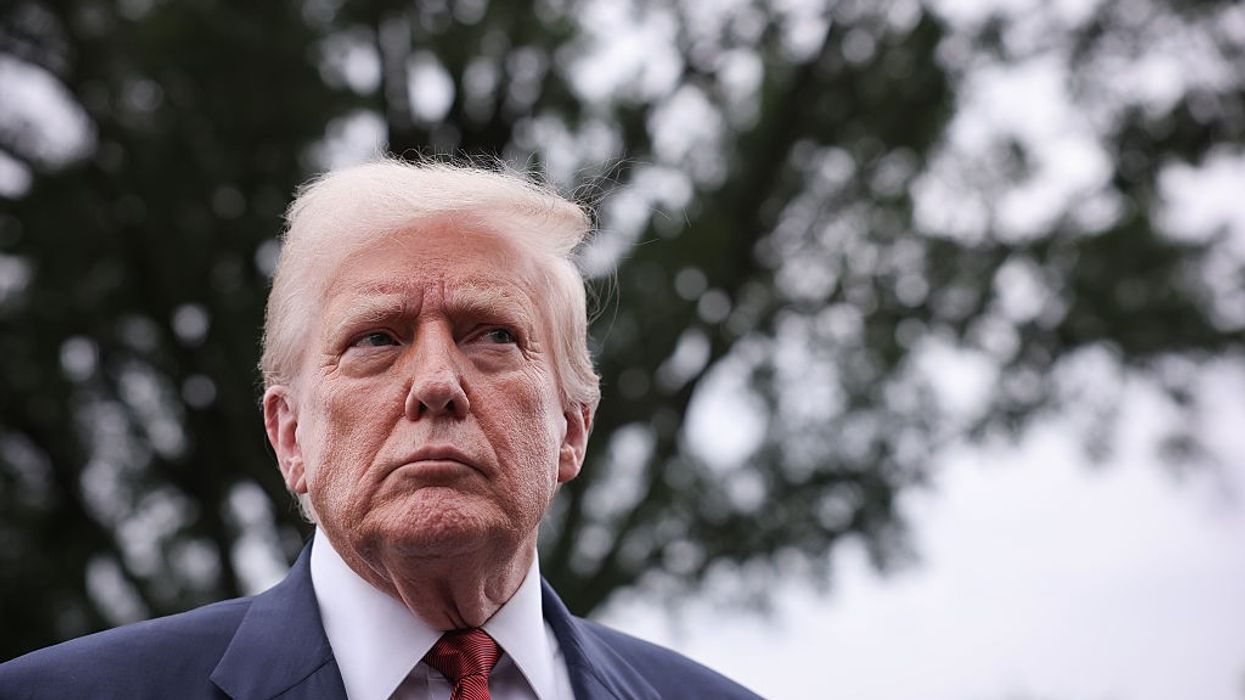
"This level of resignations in protest is without known precedent," said government watchdog Citizens for Responsibility and Ethics in Washington.
US President Donald Trump's second term has taken a massive toll on the American civil service, according to a new report by a government watchdog.
Citizens for Responsibility and Ethics in Washington (CREW) on Wednesday released a report documenting dozens of instances in which government officials "have publicly resigned in protest after being asked to do something they believed to be illegal or in violation of their oath of office."
CREW noted that the resignations have so far impacted eight executive agencies and five independent agencies, and added that some of those who have resigned have served across as many as six presidential administrations.
"At least 19 of those who have resigned in protest have a decade or longer tenure at their agencies, with some nearing 40 years," explained CREW. "Every administration sees resignations, but this level of resignations in protest is without known precedent."
The Internal Revenue Service (IRS) has been hit particularly hard by resignations and has already blown through four different commissioners in less than a year. This includes two acting IRS commissioners, Doug O'Donnell and Melanie Krause, who both resigned rather than comply with demands to hand over data on undocumented immigrants to the Department of Government Efficiency (DOGE).
The report also examined the wave of resignations that has occurred at the US Department of Justice, beginning with Danielle Sassoon, the former interim US attorney for the Southern District of New York who stepped down after being asked to drop corruption charges against New York Mayor Eric Adams. Sassoon was followed out the door by six other attorneys who worked on the case, including its lead prosecutor.
Taken together, CREW has tallied 72 different government officials who have resigned in protest in just the first eight months of Trump's second term.
"The second Trump administration is sending a clear message to get in line or get out," commented CREW. "This approach to dissenters who refuse to obey orders that are illegal, unconstitutional, or unethical has chilling authoritarian characteristics, and stands to reshape the federal government in dangerous ways."
The most recent wave of resignations occurred last week when several top officials at the Centers for Disease Control and Prevention (CDC) stepped down over the firing of former CDC Director Susan Monarez, who clashed with Health and Human Services Secretary Robert F. Kennedy Jr. on vaccination policies in the US.
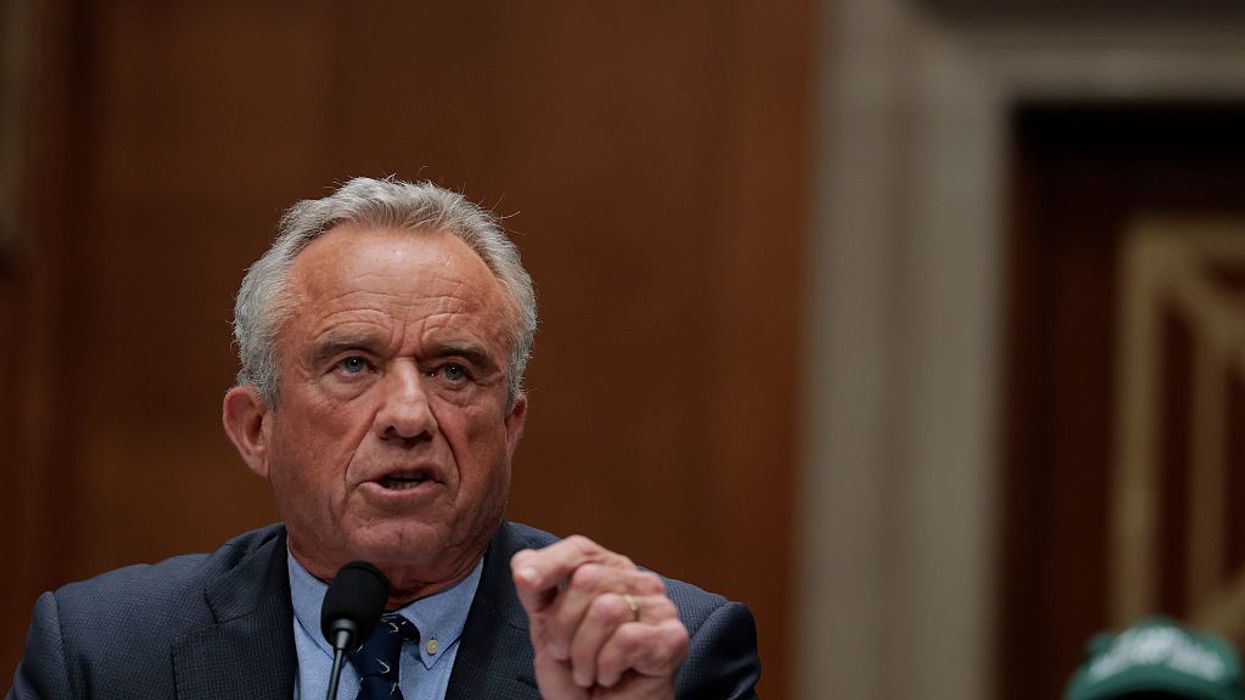
"Under Secretary Kennedy's leadership," said the employees, "HHS policies are placing the health of all Americans at risk, regardless of their politics."
After a deadline passed for the nation's top health official to pledge to protect the federal public health workforce, more than 1,000 current and former employees of the US Department of Health and Human Services said Wednesday that "it's time for Robert F. Kennedy Jr. to resign" from his position leading the agency.
The employees addressed their letter to Kennedy, President Donald Trump's health and human services secretary, as well as members of Congress, warning that since HHS staffers spoke out in a previous letter last month about a shooting at the Centers for Disease Control and Prevention (CDC), Kennedy has continued "to endanger the nation's health."
The number of signatories on the initial correspondence has grown to more than 6,800 since 750 employees signed it in August, with federal workers endorsing the concerns it raised about how Kennedy is "sowing public mistrust" and spreading misinformation about immunizations, including the measles vaccine and mRNA vaccines like the Covid-19 shot that's credited with saving millions of lives.
"Secretary Kennedy did not respond to the letter, and HHS released a statement accusing us of politicizing a tragedy," wrote the HHS workers on Wednesday. "To be clear, the HHS workforce is nonpartisan, implementing science-based policies developed under both Republican and Democratic administrations. We believe health policy should be based on strong, evidence-based principles rather than partisan politics. But under Secretary Kennedy's leadership, HHS policies are placing the health of all Americans at risk, regardless of their politics."
The letter listed ways in which Kennedy has doubled down on harming the nation's public health infrastructure since a gunman fired more than 500 rounds of ammunition into six buildings on the CDC's main campus in Atlanta, killing a police officer before he turned the gun on himself. The shooter was reportedly motivated by his "discontent" with Covid-19 vaccines and believed he and others had been injured by the immunization.
Since then, Kennedy's employees said, the secretary has:
The workers noted that they "swore an oath to support and defend the United States Constitution and to serve the American people" and are bound to "speak out when the Constitution is violated and the American people are put at risk."
"Thus, we warn the president, Congress, and the public that Secretary Kennedy's actions are compromising the health of this nation, and we demand Secretary Kennedy's resignation," said the HHS employees.
Should Kennedy refuse to resign, the workers wrote, the president and Congress must appoint a new secretary of health and human services—"one whose qualifications and experience ensure that health policy is informed by independent and unbiased peer-reviewed science."
"We expect those in leadership to act when the health of Americans is at stake," said the employees.
Last week, US Sen. Bernie Sanders (I-Vt.) wrote an op-ed in the The New York Times demanding Kennedy's resignation, citing Monarez' ouster and warning of the danger of Kennedy's "advocacy of conspiracy theories that have been rejected repeatedly by scientific experts."
"Covid is just the beginning," said Sanders. "Mr. Kennedy's next target may be the childhood immunization schedule, the list of recommended vaccines that children receive to protect them from diseases like measles, chickenpox, and polio."
The signatories of Wednesday's letter, who work at HHS agencies including the CDC, the Food and Drug Administration, the office of the secretary, and the Centers for Medicare and Medicaid Services, noted that in addition to the named signers, anonymous employees endorsed the letter.
The signers "speak for countless others across HHS who share our concerns but who chose not to sign out of well-founded fear of retaliation and threats to personal safety," reads the letter.
The signers also urged members of the public to join the push for Kennedy to resign or be removed, calling on them to use the 5 Calls platform to contact their elected representatives and demand Congress take action to "hold him accountable for his careless statements and actions that are endangering the health and safety of every American."
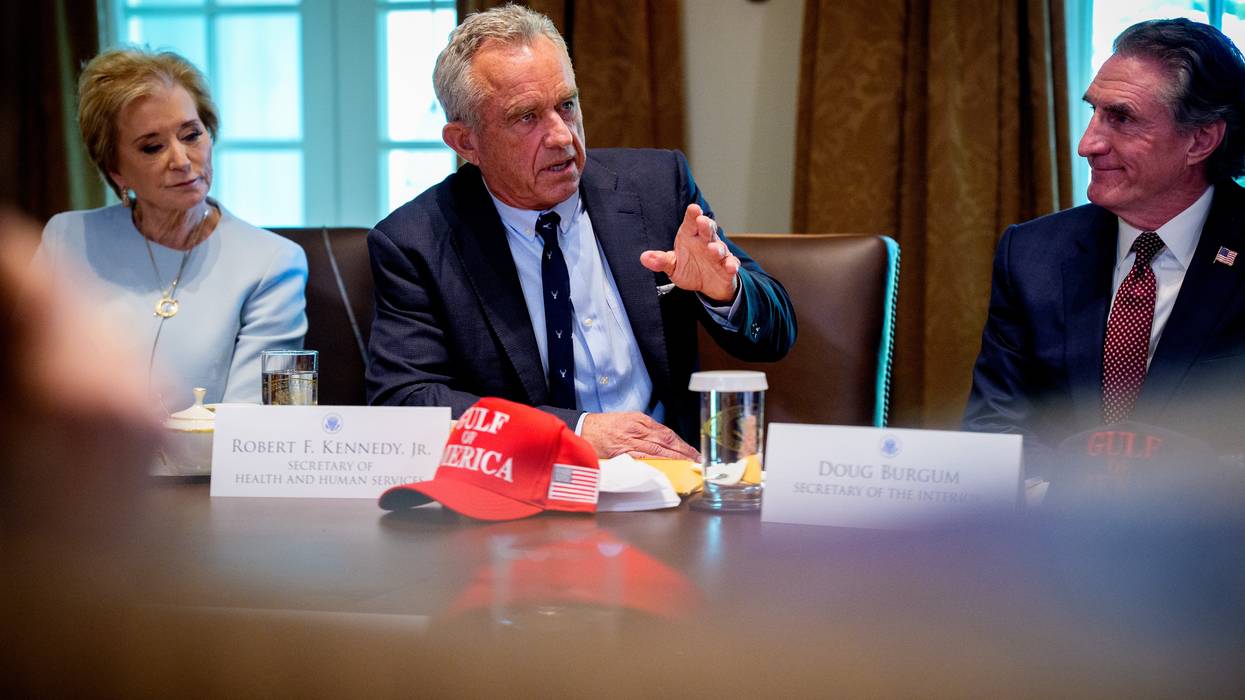
Their "astonishing, powerful op-ed," said one professor, "drives home what we are losing and what's already been lost."
Nearly every living former director or acting director of the US Centers for Disease Control and Prevention from the past half-century took to the pages of The New York Times on Monday to jointly argue that Health and Human Services Secretary Robert F. Kennedy Jr. "is endangering every American's health."
"Collectively, we spent more than 100 years working at the CDC, the world's preeminent public health agency. We served under multiple Republican and Democratic administrations," Drs. William Foege, William Roper, David Satcher, Jeffrey Koplan, Richard Besser, Tom Frieden, Anne Schuchat, Rochelle Walensky, and Mandy Cohen highlighted.
What RFK Jr. "has done to the CDC and to our nation's public health system over the past several months—culminating in his decision to fire Dr. Susan Monarez as CDC director days ago—is unlike anything we have ever seen at the agency, and unlike anything our country has ever experienced," the nine former agency leaders wrote.
Known for spreading misinformation about vaccines and a series of scandals, Kennedy was a controversial figure long before President Donald Trump chose him to lead HHS—a decision that Senate Republicans affirmed in February. However, in the wake of Monarez's ouster, fresh calls for him to resign or be fired have mounted.
This is powerful. Nine former CDC leaders just came together to defend SCIENCE.Maybe it’s time we LISTEN TO THEM—not the loud voices spreading MISINFORMATION.Science saves lives. Lies cost themwww.nytimes.com/2025/09/01/o...
[image or embed]
— Krutika Kuppalli, MD FIDSA (@krutikakuppalli.bsky.social) September 1, 2025 at 10:35 AM
As the ex-directors detailed:
Secretary Kennedy has fired thousands of federal health workers and severely weakened programs designed to protect Americans from cancer, heart attacks, strokes, lead poisoning, injury, violence, and more. Amid the largest measles outbreak in the United States in a generation, he's focused on unproven "treatments" while downplaying vaccines. He canceled investments in promising medical research that will leave us ill-prepared for future health emergencies. He replaced experts on federal health advisory committees with unqualified individuals who share his dangerous and unscientific views. He announced the end of US support for global vaccination programs that protect millions of children and keep Americans safe, citing flawed research and making inaccurate statements. And he championed federal legislation that will cause millions of people with health insurance through Medicaid to lose their coverage. Firing Dr. Monarez—which led to the resignations of top CDC officials—adds considerable fuel to this raging fire.
Monarez was nominated by Trump, and was confirmed by Senate Republicans in late July. As the op-ed authors noted, she was forced out by RFK Jr. just weeks later, after she reportedly refused "to rubber-stamp his dangerous and unfounded vaccine recommendations or heed his demand to fire senior CDC staff members."
"These are not typical requests from a health secretary to a CDC director," they wrote. "Not even close. None of us would have agreed to the secretary's demands, and we applaud Dr. Monarez for standing up for the agency and the health of our communities."
After Monarez's exit, Trump tapped Jim O'Neill, an RFK Jr. aide and biotech investor, as the CDC's interim director. Critics including Robert Steinbrook, director of Public Citizen's health research group, warn that "unlike Susan Monarez, O'Neill is likely to rubber-stamp dangerous vaccine recommendations from HHS Secretary Kennedy's handpicked appointees to the Advisory Committee on Immunization Practices and obey orders to fire CDC public health experts with scientific integrity."
The agency's former directors didn't address O'Neill, but they wrote: "To those on the CDC staff who continue to perform their jobs heroically in the face of the excruciating circumstances, we offer our sincere thanks and appreciation. Their ongoing dedication is a model for all of us. But it's clear that the agency is hurting badly."
"We have a message for the rest of the nation as well: This is a time to rally to protect the health of every American," they continued. The experts called on Congress to "exercise its oversight authority over HHS," and state and local governments to "fill funding gaps where they can." They also urged philanthropy, the private sector, medical groups, and physicians to boost investments, "continue to stand up for science and truth," and support patients "with sound guidance and empathy."
Doctors, researchers, journalists, and others called their "must-read" piece "extraordinary" and "important."
"Just an astonishing, powerful op-ed that drives home what we are losing and what's already been lost," said University of Michigan Law School professor Leah Litman. "We are so incredibly fortunate to live with the advances [of] modern medicine and health science. Destroying and stymying it is just unforgivable."
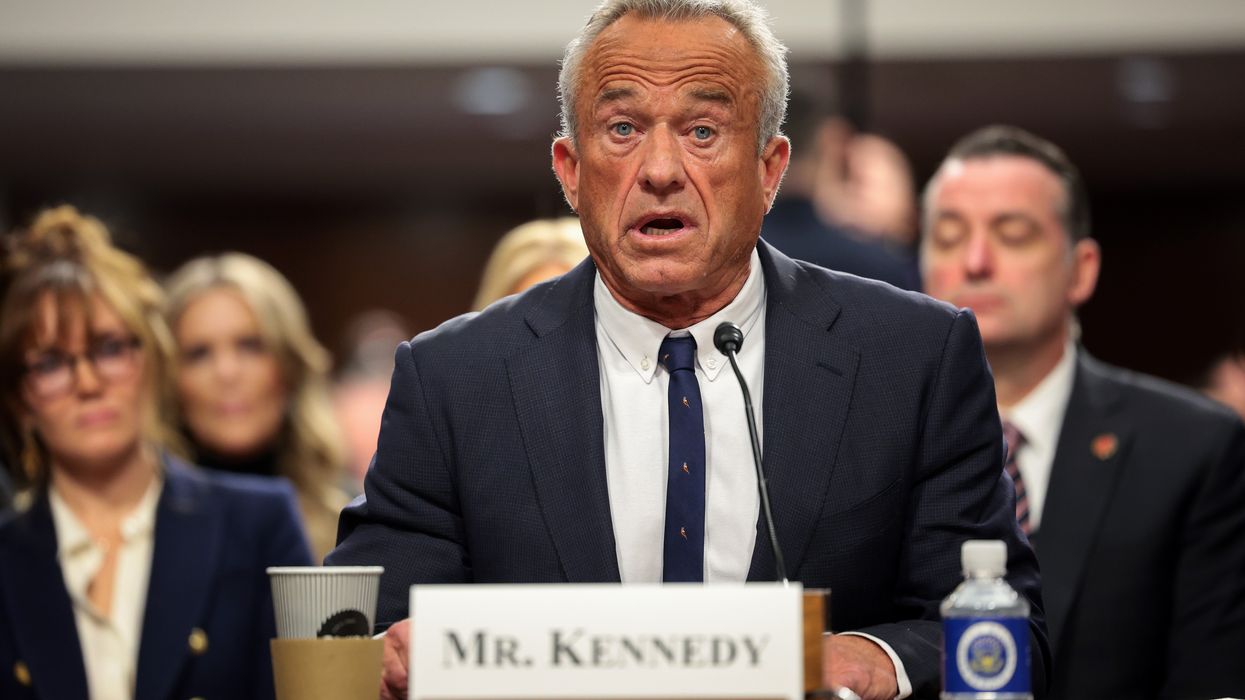
Make America Healthy Again is "a great slogan," the senator wrote. "The problem is that since coming into office President Trump and Mr. Kennedy have done exactly the opposite."
"Robert F. Kennedy Jr., the secretary of health and human services, is endangering the health of the American people now and into the future. He must resign."
That's how US Senate Health, Education, Labor, and Pensions (HELP) Committee Ranking Member Bernie Sanders (I-Vt.) began a New York Times op-ed on Saturday, amid mounting calls for Kennedy to leave the Department of Health and Human Services (HHS), by choice or force, following the ouster of Centers for Disease Control and Prevention (CDC) Director Susan Monarez.
As Sanders detailed in the Times—and a Thursday letter to Senate HELP Committee Chair Bill Cassidy (R-La.) demanding a congressional probe—Monarez was fired after reportedly refusing to "act as a rubber stamp for his dangerous policies." Her exit led to resignations and a staff walkout at the CDC, which is now being led by Jim O'Neill, a Kennedy aide and biotech investor.
Sanders and other lawmakers—including former Senate Majority Leader Mitch McConnell (R-Ky.), a polio survivor and the only Republican to vote against Kennedy's confirmation in February—have long warned about the consequences of letting RFK Jr. hold a key health policy position in President Donald Trump's second administration.
"Mr. Kennedy and the rest of the Trump administration tell us, over and over, that they want to Make America Healthy Again," Sanders noted Saturday. "That's a great slogan. I agree with it. The problem is that since coming into office President Trump and Mr. Kennedy have done exactly the opposite."
"Despite the overwhelming opposition of the medical community, Secretary Kennedy has continued his long-standing crusade against vaccines and his advocacy of conspiracy theories that have been rejected repeatedly by scientific experts," the senator wrote. "It is absurd to have to say this in 2025, but vaccines are safe and effective. That, of course, is not just my view. Far more important, it is the overwhelming consensus of the medical and scientific communities."
Sanders pointed to guidance from the American Academy of Pediatrics, American Medical Association, and World Health Organization, and called out Kennedy's comments on autism, Covid-19 and polio vaccines, and immunizations in general.
"The reality is that Secretary Kennedy has profited from and built a career on sowing mistrust in vaccines. Now, as head of HHS, he is using his authority to launch a full-blown war on science, on public health, and on truth itself," he wrote, warning that in the "short term, it will be harder for Americans to get lifesaving vaccines," including for Covid.
However, "Covid is just the beginning. Mr. Kennedy's next target may be the childhood immunization schedule, the list of recommended vaccines that children receive to protect them from diseases like measles, chickenpox. and polio," the senator continued. He also sounded the alarm over the secretary "defunding the research that could help us prepare for the next pandemic."
Sanders, a leading advocate of Medicare for All, also took aim at the One Big Beautiful Bill Act that Trump signed last month.
"America's healthcare system is already dysfunctional and wildly expensive, and yet the Trump administration will be throwing an estimated 15 million people off their health insurance through a cut of over $1 trillion to Medicaid and the Affordable Care Act," he noted. "This cut is also expected to result in the closing of or the decline in services at hundreds of nursing homes, hospitals, and community health centers. As a result of cuts to the Affordable Care Act, health insurance costs will soar for millions of Americans. That is not Making America Healthy Again."
"Secretary Kennedy is putting Americans' lives in danger, and he must resign," Sanders concluded. "In his place, President Trump must listen to doctors and scientists and nominate a health secretary and a CDC director who will protect the health and well-being of the American people, not carry out dangerous policies based on conspiracy theories."
Bernie Sanders is right—RFK Jr. must resign. His leadership is an assault on science, public health, and truth. We’re not just talking politics; we’re talking lives. #ResignKennedy #ScienceFirst”www.nytimes.com/2025/08/30/o...
[image or embed]
— Elizabeth (@elizathewell.bsky.social) August 30, 2025 at 10:30 AM
Doctors, journalists, and others praised the senator's op-ed, with Trauma surgeon Mark Hoofnagle saying that "Bernie nails it."
Pennsylvania State University professor and A Desire Called America author Christian Haines wrote on the social media platform Bluesky that the piece was "clear and incisive, though I wish it didn't need to be said."
Also sharing the post on Bluesky, former Times labor reporter Steven Greenhouse said: "It's delusional for anyone to think that RFK Jr. and Donald Trump are making America healthy again. With Kennedy's war against science, truth, and vaccines and Trump's war against Medicaid, their movement should be called MAKING AMERICA UNHEALTHY AGAIN."