SUBSCRIBE TO OUR FREE NEWSLETTER
Daily news & progressive opinion—funded by the people, not the corporations—delivered straight to your inbox.
5
#000000
#FFFFFF
To donate by check, phone, or other method, see our More Ways to Give page.
Daily news & progressive opinion—funded by the people, not the corporations—delivered straight to your inbox.
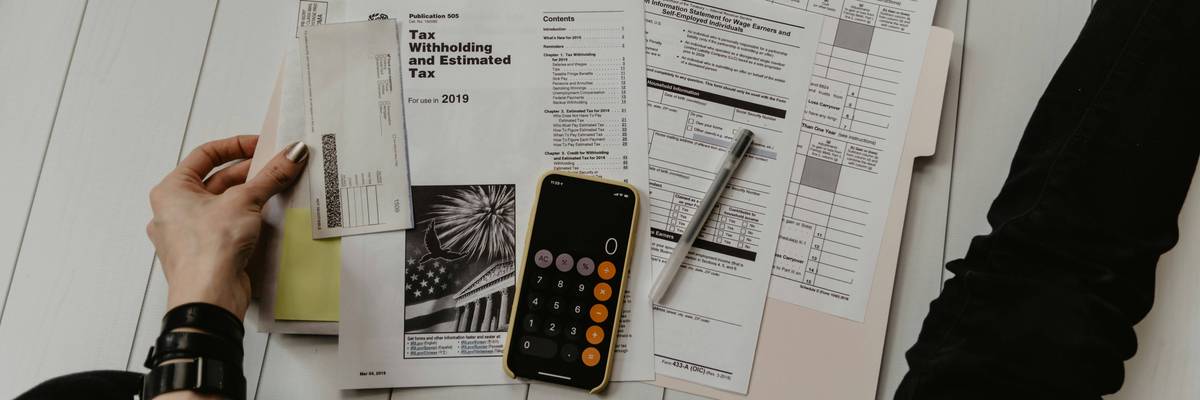
A person prepares to do their taxes.
Too often, tax is framed as a burden instead of a form of shared investment and discussed as a technical obligation rather than the foundation that allows modern societies to function.
Few issues matter more to the future of societies than how we fund the systems we all depend on. Yet tax remains one of the most misunderstood and poorly communicated public issues of our time.
For many people, taxation is associated with complexity, bureaucracy, and cost. Public debate often centers on what individuals or businesses are required to give up, rather than what those contributions make possible.
That is the problem. Tax's biggest challenge isn't policy. It's a narrative challenge that every society faces, whether in the United States, Argentina, Botswana, Thailand, or anywhere in between.
Too often, tax is framed as a burden instead of a form of shared investment. It is discussed as a technical obligation rather than the foundation that allows modern societies to function. Schools, healthcare systems, transportation networks, courts, emergency services, climate resilience measures, and public safety systems do not emerge on their own. They depend on sustained and predictable collective investment, and taxation remains the primary way societies make that investment possible.
When people can see what their taxes make possible, tax becomes more than a cost. It becomes part of the social contract that helps communities function and thrive.
Seen this way, tax justice is not only about rates, revenue, or technical reforms. It is about whether societies have the resources required to deliver opportunity, security, and resilience in a consistent and equitable way.
Most people do not experience taxation through fiscal policy debates. They experience it through outcomes. They see whether schools are adequately resourced, healthcare is accessible, roads and infrastructure work, and governments can respond effectively to economic shocks, climate risks, and public emergencies.
That means the conversation should not begin with forms, rates, or technical policy language. It should begin with a more immediate and universal question: What do we want to contribute to make our world better, and how should we fund it? Do we want to reduce cancer rates, prepare communities for extreme weather, ensure every child receives a quality education, keep bridges and roads safe, breathe clean air and drink clean water, and build healthcare systems that can care for people as they age without placing the full burden on the next generation?
But changing the narrative around tax also requires rebuilding trust. People are more likely to see taxation as a shared investment when they understand where public money goes, how decisions are made, and how those investments improve daily life. For example, an Organisation for Economic Co-operation and Development report examining public perceptions of tax systems across 29 countries found that in two-thirds of countries surveyed in Asia and the Anglophone Pacific, more respondents agreed than disagreed that public services and infrastructure represent a fair return for their taxes, compared with 30% of countries surveyed in Western Europe and Latin America. This shows that when people can see what their taxes make possible, tax becomes more than a cost. It becomes part of the social contract that helps communities function and thrive.
Federal, regional, and local governments have a responsibility to build that trust, but the scale and complexity of public institutions can make the connection between taxation and public benefit difficult for people to see. This is where philanthropy can play an important supporting role, not by replacing government, but by strengthening the civic infrastructure that helps people understand, scrutinize, and participate in tax debates.
Philanthropy can fund civil society organizations working on tax transparency, accountability, and fairness. It can support independent research that shows how tax policy affects communities, journalism that follows public money, watchdog groups that hold institutions accountable, and civic engagement efforts that help people connect tax decisions to the schools, hospitals, housing, roads, climate protections, and care systems they rely on every day.
In that sense, philanthropy can help rebuild the bridge between contribution and trust. It can make tax feel less like an obligation and more like part of a shared public conversation about what societies need, what people value, and how those priorities should be funded. Philanthropy can also take risks, support innovation, and surface ideas that may later scale through public systems. Taxation provides the foundation. Philanthropy can help strengthen and extend it.
This matters not only for governments and philanthropy today, but for the next generation of wealth holders, donors, advisers, and civic leaders who will shape how contribution is understood in the years ahead. As the world undergoes one of the largest transfers of wealth in modern history, tens of trillions of dollars will move between generations. Those shifts will influence not only private wealth, but also the ability of societies to invest in their collective future.
That makes wealth stewardship an increasingly important conversation. Investment decisions, advisory practices, philanthropic strategies, and family office decisions all influence how wealth is deployed and how contribution itself is understood. These systems help set norms around responsibility, participation, and the relationship between private wealth and public life.
Rebranding tax does not mean making it simple or pretending it is painless. It means making visible what tax makes possible. It means connecting contribution to the public goods people rely on every day. And it means building a shared understanding that a better world is not funded by good intentions alone, but by the choices societies make together.
Dear Common Dreams reader, It’s been nearly 30 years since I co-founded Common Dreams with my late wife, Lina Newhouser. We had the radical notion that journalism should serve the public good, not corporate profits. It was clear to us from the outset what it would take to build such a project. No paid advertisements. No corporate sponsors. No millionaire publisher telling us what to think or do. Many people said we wouldn't last a year, but we proved those doubters wrong. Together with a tremendous team of journalists and dedicated staff, we built an independent media outlet free from the constraints of profits and corporate control. Our mission has always been simple: To inform. To inspire. To ignite change for the common good. Building Common Dreams was not easy. Our survival was never guaranteed. When you take on the most powerful forces—Wall Street greed, fossil fuel industry destruction, Big Tech lobbyists, and uber-rich oligarchs who have spent billions upon billions rigging the economy and democracy in their favor—the only bulwark you have is supporters who believe in your work. But here’s the urgent message from me today. It's never been this bad out there. And it's never been this hard to keep us going. At the very moment Common Dreams is most needed, the threats we face are intensifying. We need your support now more than ever. We don't accept corporate advertising and never will. We don't have a paywall because we don't think people should be blocked from critical news based on their ability to pay. Everything we do is funded by the donations of readers like you. When everyone does the little they can afford, we are strong. But if that support retreats or dries up, so do we. Will you donate now to make sure Common Dreams not only survives but thrives? —Craig Brown, Co-founder |
Few issues matter more to the future of societies than how we fund the systems we all depend on. Yet tax remains one of the most misunderstood and poorly communicated public issues of our time.
For many people, taxation is associated with complexity, bureaucracy, and cost. Public debate often centers on what individuals or businesses are required to give up, rather than what those contributions make possible.
That is the problem. Tax's biggest challenge isn't policy. It's a narrative challenge that every society faces, whether in the United States, Argentina, Botswana, Thailand, or anywhere in between.
Too often, tax is framed as a burden instead of a form of shared investment. It is discussed as a technical obligation rather than the foundation that allows modern societies to function. Schools, healthcare systems, transportation networks, courts, emergency services, climate resilience measures, and public safety systems do not emerge on their own. They depend on sustained and predictable collective investment, and taxation remains the primary way societies make that investment possible.
When people can see what their taxes make possible, tax becomes more than a cost. It becomes part of the social contract that helps communities function and thrive.
Seen this way, tax justice is not only about rates, revenue, or technical reforms. It is about whether societies have the resources required to deliver opportunity, security, and resilience in a consistent and equitable way.
Most people do not experience taxation through fiscal policy debates. They experience it through outcomes. They see whether schools are adequately resourced, healthcare is accessible, roads and infrastructure work, and governments can respond effectively to economic shocks, climate risks, and public emergencies.
That means the conversation should not begin with forms, rates, or technical policy language. It should begin with a more immediate and universal question: What do we want to contribute to make our world better, and how should we fund it? Do we want to reduce cancer rates, prepare communities for extreme weather, ensure every child receives a quality education, keep bridges and roads safe, breathe clean air and drink clean water, and build healthcare systems that can care for people as they age without placing the full burden on the next generation?
But changing the narrative around tax also requires rebuilding trust. People are more likely to see taxation as a shared investment when they understand where public money goes, how decisions are made, and how those investments improve daily life. For example, an Organisation for Economic Co-operation and Development report examining public perceptions of tax systems across 29 countries found that in two-thirds of countries surveyed in Asia and the Anglophone Pacific, more respondents agreed than disagreed that public services and infrastructure represent a fair return for their taxes, compared with 30% of countries surveyed in Western Europe and Latin America. This shows that when people can see what their taxes make possible, tax becomes more than a cost. It becomes part of the social contract that helps communities function and thrive.
Federal, regional, and local governments have a responsibility to build that trust, but the scale and complexity of public institutions can make the connection between taxation and public benefit difficult for people to see. This is where philanthropy can play an important supporting role, not by replacing government, but by strengthening the civic infrastructure that helps people understand, scrutinize, and participate in tax debates.
Philanthropy can fund civil society organizations working on tax transparency, accountability, and fairness. It can support independent research that shows how tax policy affects communities, journalism that follows public money, watchdog groups that hold institutions accountable, and civic engagement efforts that help people connect tax decisions to the schools, hospitals, housing, roads, climate protections, and care systems they rely on every day.
In that sense, philanthropy can help rebuild the bridge between contribution and trust. It can make tax feel less like an obligation and more like part of a shared public conversation about what societies need, what people value, and how those priorities should be funded. Philanthropy can also take risks, support innovation, and surface ideas that may later scale through public systems. Taxation provides the foundation. Philanthropy can help strengthen and extend it.
This matters not only for governments and philanthropy today, but for the next generation of wealth holders, donors, advisers, and civic leaders who will shape how contribution is understood in the years ahead. As the world undergoes one of the largest transfers of wealth in modern history, tens of trillions of dollars will move between generations. Those shifts will influence not only private wealth, but also the ability of societies to invest in their collective future.
That makes wealth stewardship an increasingly important conversation. Investment decisions, advisory practices, philanthropic strategies, and family office decisions all influence how wealth is deployed and how contribution itself is understood. These systems help set norms around responsibility, participation, and the relationship between private wealth and public life.
Rebranding tax does not mean making it simple or pretending it is painless. It means making visible what tax makes possible. It means connecting contribution to the public goods people rely on every day. And it means building a shared understanding that a better world is not funded by good intentions alone, but by the choices societies make together.
Few issues matter more to the future of societies than how we fund the systems we all depend on. Yet tax remains one of the most misunderstood and poorly communicated public issues of our time.
For many people, taxation is associated with complexity, bureaucracy, and cost. Public debate often centers on what individuals or businesses are required to give up, rather than what those contributions make possible.
That is the problem. Tax's biggest challenge isn't policy. It's a narrative challenge that every society faces, whether in the United States, Argentina, Botswana, Thailand, or anywhere in between.
Too often, tax is framed as a burden instead of a form of shared investment. It is discussed as a technical obligation rather than the foundation that allows modern societies to function. Schools, healthcare systems, transportation networks, courts, emergency services, climate resilience measures, and public safety systems do not emerge on their own. They depend on sustained and predictable collective investment, and taxation remains the primary way societies make that investment possible.
When people can see what their taxes make possible, tax becomes more than a cost. It becomes part of the social contract that helps communities function and thrive.
Seen this way, tax justice is not only about rates, revenue, or technical reforms. It is about whether societies have the resources required to deliver opportunity, security, and resilience in a consistent and equitable way.
Most people do not experience taxation through fiscal policy debates. They experience it through outcomes. They see whether schools are adequately resourced, healthcare is accessible, roads and infrastructure work, and governments can respond effectively to economic shocks, climate risks, and public emergencies.
That means the conversation should not begin with forms, rates, or technical policy language. It should begin with a more immediate and universal question: What do we want to contribute to make our world better, and how should we fund it? Do we want to reduce cancer rates, prepare communities for extreme weather, ensure every child receives a quality education, keep bridges and roads safe, breathe clean air and drink clean water, and build healthcare systems that can care for people as they age without placing the full burden on the next generation?
But changing the narrative around tax also requires rebuilding trust. People are more likely to see taxation as a shared investment when they understand where public money goes, how decisions are made, and how those investments improve daily life. For example, an Organisation for Economic Co-operation and Development report examining public perceptions of tax systems across 29 countries found that in two-thirds of countries surveyed in Asia and the Anglophone Pacific, more respondents agreed than disagreed that public services and infrastructure represent a fair return for their taxes, compared with 30% of countries surveyed in Western Europe and Latin America. This shows that when people can see what their taxes make possible, tax becomes more than a cost. It becomes part of the social contract that helps communities function and thrive.
Federal, regional, and local governments have a responsibility to build that trust, but the scale and complexity of public institutions can make the connection between taxation and public benefit difficult for people to see. This is where philanthropy can play an important supporting role, not by replacing government, but by strengthening the civic infrastructure that helps people understand, scrutinize, and participate in tax debates.
Philanthropy can fund civil society organizations working on tax transparency, accountability, and fairness. It can support independent research that shows how tax policy affects communities, journalism that follows public money, watchdog groups that hold institutions accountable, and civic engagement efforts that help people connect tax decisions to the schools, hospitals, housing, roads, climate protections, and care systems they rely on every day.
In that sense, philanthropy can help rebuild the bridge between contribution and trust. It can make tax feel less like an obligation and more like part of a shared public conversation about what societies need, what people value, and how those priorities should be funded. Philanthropy can also take risks, support innovation, and surface ideas that may later scale through public systems. Taxation provides the foundation. Philanthropy can help strengthen and extend it.
This matters not only for governments and philanthropy today, but for the next generation of wealth holders, donors, advisers, and civic leaders who will shape how contribution is understood in the years ahead. As the world undergoes one of the largest transfers of wealth in modern history, tens of trillions of dollars will move between generations. Those shifts will influence not only private wealth, but also the ability of societies to invest in their collective future.
That makes wealth stewardship an increasingly important conversation. Investment decisions, advisory practices, philanthropic strategies, and family office decisions all influence how wealth is deployed and how contribution itself is understood. These systems help set norms around responsibility, participation, and the relationship between private wealth and public life.
Rebranding tax does not mean making it simple or pretending it is painless. It means making visible what tax makes possible. It means connecting contribution to the public goods people rely on every day. And it means building a shared understanding that a better world is not funded by good intentions alone, but by the choices societies make together.