SUBSCRIBE TO OUR FREE NEWSLETTER
Daily news & progressive opinion—funded by the people, not the corporations—delivered straight to your inbox.
5
#000000
#FFFFFF
To donate by check, phone, or other method, see our More Ways to Give page.
Daily news & progressive opinion—funded by the people, not the corporations—delivered straight to your inbox.
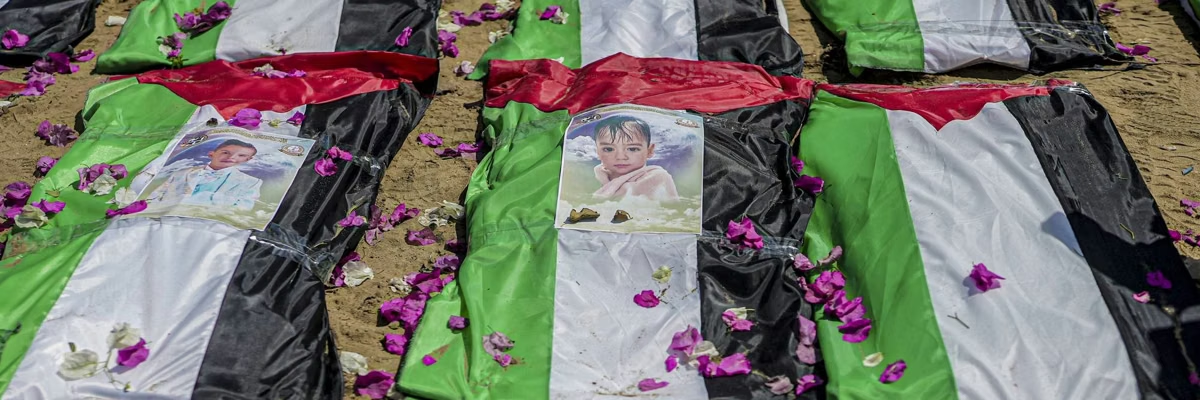
Photographs rest on bodies wrapped in Palestinian flags during a mass funeral in Gaza City, Gaza Strip, on August 4, 2026.
Three years of impunity, of unprosecuted genocide, reveal that the value of human life is being measured on a sliding scale; that it is weighed based on race, geography, and political utility.
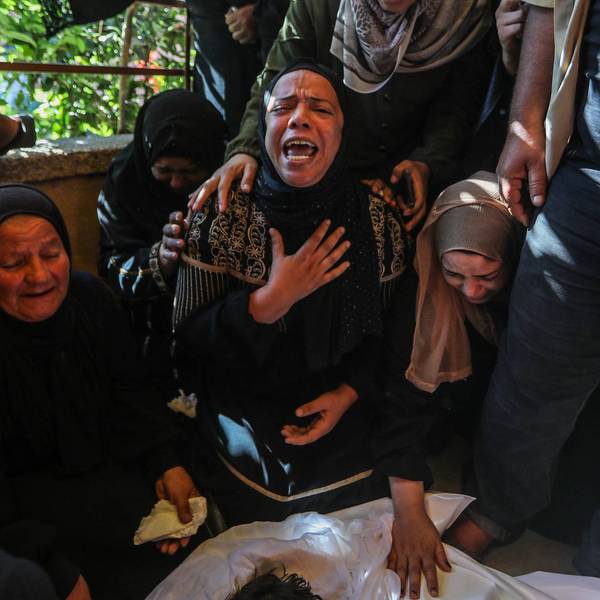
Looking across the devastated landscape of the Gaza Strip, where surviving generations now carry the permanent physical and psychological scars of war, the ultimate indictment of our era is damning: The world watched the horror unfold in real time, possessed all the legal, political, and institutional mechanisms to stop it, and did nothing.
For months, then years, the catastrophe in Gaza tested the fabric of international law, the integrity of global governance, and the moral conscience of humanity. From the halls of the United Nations to the high courts of The Hague, what followed was not information failure, but a shameful surrender of political and moral will.
Rarely does history deliver such swift and scathing hindsight. Three years after October 7, 2023, the real horror of Gaza is that this barbarity was never hidden; it was broadcast live in high definition to a global audience that watched, debated, proceduralized, and allowed it to continue.
There was never any doubt about the genocide, nor a dearth of international laws to end it. Instead, the failure lies entirely with Western institutional gatekeepers who have lacked the courage to act.
Israel’s war on Palestinians continues uninterrupted. Despite having the influence to halt the crisis, major international powers have not intervened, allowing the regime and its colonizers to increase their violence across both Gaza and the occupied West Bank.
As time lifts the fog of war, the systemic breakdown of global institutions and governments becomes unmistakably apparent. The world failed to stop the genocide in Gaza not because it lacked awareness or warning. It faltered because the “rules-based” international order (aka Western order) is structurally and morally bankrupt, paralyzed by complicity, cowardice, and double standards.
The war exposed international humanitarian law as a selective tool of the West—applied swiftly to some, but suspended when it inconveniences the powerful. Governments that traditionally postured as champions of human rights have prioritized strategic alignments over universal legal and humanitarian obligations.
During the initial months of the onslaught, as the number killed rose into the tens of thousands and entire neighborhoods were flattened with their residents inside, global diplomats did what they do best: Use bureaucratic delays to stall for time.
While hospitals were besieged and children underwent amputations without anesthesia, on blood-soaked floors, the UN Security Council degenerated into a theater of deadlock. The world’s premier body for collective security rendered global consensus impotent and buckled under superpower threats.
Repeated resolutions calling for an immediate ceasefire were either vetoed or watered down into toothless rhetoric. Meanwhile, international courts meticulously deliberated over the legal nuances of genocide while graves multiplied and atrocities continued uninterrupted.
Today, as the International Court of Justice unhurriedly considers its final ruling on South Africa’s 2023 genocide case against Israel, tangible memories of Palestine are being erased; centuries of history, culture, and ancestral lineages are being obliterated. For Palestine, justice delayed is not justice denied; it is genocide completed.
Three years of impunity, of unprosecuted genocide, reveal that the value of human life is being measured on a sliding scale; that it is weighed based on race, geography, and political utility.
In retrospect, these procedural and administrative delays look less like structural gridlock and more like an active cover-up. Every month spent debating the semantics of humanitarian corridors or compliance with international law gave carte blanche to Israel’s military onslaught.
The harshest criticism of the last three years falls on Western powers. Governments that never tire of lecturing the world on human rights, rules-based order, and international jurisprudence performed moral gymnastics to justify the unjustifiable.
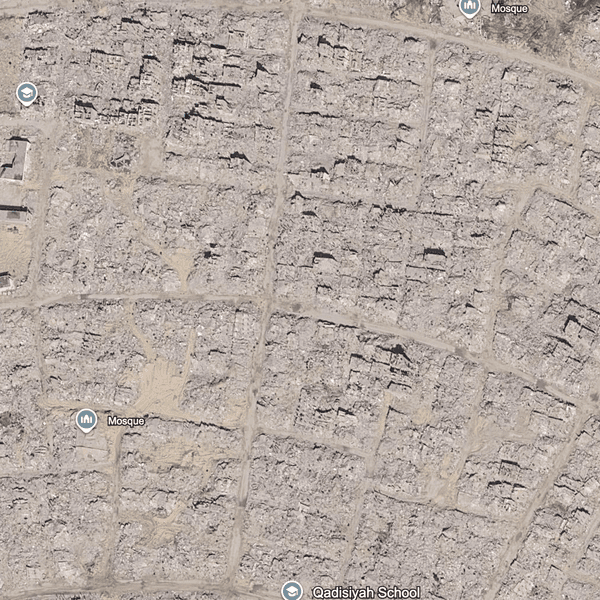
We watched as world leaders converged on Israel with blank checks of allegiance, supplying an uninterrupted stream of munitions that reduced universities, schools, hospitals, markets, bookstores, bakeries, places of worship, and apartment blocks to rubble.
While publicly wringing their hands, in private, these same leaders approved the weapon shipments. And, in a cruel theatrical act of humanitarian absolution, they authorized the aerial dropping of meager sacks of flour into the very zones in Gaza they helped leave in ruins.
Failure was not restricted to the halls of power; the entire mainstream media landscape failed alongside it. For months, reporters on the ground in Gaza—those who were not among the hundreds systematically targeted and killed—fought to pierce a wall of severe censorship and dehumanization.
In the West, corporate media tied itself in knots trying to sanitize language in order to obscure Israel’s direct responsibility for the ongoing violence. Outlets downplayed Palestinian deaths by using passive language like "died" to treat mass casualties as collateral damage, all while elevating voices that defended the legitimacy of the war.
The public response, however, revealed a deeper fracture. Millions marched in cities worldwide, launching one of the largest sustained anti-war mobilizations in a generation. Yet, the disconnect between the governed and the governing remained absolute. Western democracies proved entirely immune to the moral demands of their own citizens.
The silence of the last three years has been deafening. There was never any doubt about the genocide, nor a dearth of international laws to end it. Instead, the failure lies entirely with Western institutional gatekeepers who have lacked the courage to act.
Allowing genocide to go unpunished creates a dangerous precedent for global security. If international law and justice are buried in the rubble of Gaza, the global community will ultimately be digging its own grave.
Dear Common Dreams reader, It’s been nearly 30 years since I co-founded Common Dreams with my late wife, Lina Newhouser. We had the radical notion that journalism should serve the public good, not corporate profits. It was clear to us from the outset what it would take to build such a project. No paid advertisements. No corporate sponsors. No millionaire publisher telling us what to think or do. Many people said we wouldn't last a year, but we proved those doubters wrong. Together with a tremendous team of journalists and dedicated staff, we built an independent media outlet free from the constraints of profits and corporate control. Our mission has always been simple: To inform. To inspire. To ignite change for the common good. Building Common Dreams was not easy. Our survival was never guaranteed. When you take on the most powerful forces—Wall Street greed, fossil fuel industry destruction, Big Tech lobbyists, and uber-rich oligarchs who have spent billions upon billions rigging the economy and democracy in their favor—the only bulwark you have is supporters who believe in your work. But here’s the urgent message from me today. It's never been this bad out there. And it's never been this hard to keep us going. At the very moment Common Dreams is most needed, the threats we face are intensifying. We need your support now more than ever. We don't accept corporate advertising and never will. We don't have a paywall because we don't think people should be blocked from critical news based on their ability to pay. Everything we do is funded by the donations of readers like you. When everyone does the little they can afford, we are strong. But if that support retreats or dries up, so do we. Will you donate now to make sure Common Dreams not only survives but thrives? —Craig Brown, Co-founder |
Looking across the devastated landscape of the Gaza Strip, where surviving generations now carry the permanent physical and psychological scars of war, the ultimate indictment of our era is damning: The world watched the horror unfold in real time, possessed all the legal, political, and institutional mechanisms to stop it, and did nothing.
For months, then years, the catastrophe in Gaza tested the fabric of international law, the integrity of global governance, and the moral conscience of humanity. From the halls of the United Nations to the high courts of The Hague, what followed was not information failure, but a shameful surrender of political and moral will.
Rarely does history deliver such swift and scathing hindsight. Three years after October 7, 2023, the real horror of Gaza is that this barbarity was never hidden; it was broadcast live in high definition to a global audience that watched, debated, proceduralized, and allowed it to continue.
There was never any doubt about the genocide, nor a dearth of international laws to end it. Instead, the failure lies entirely with Western institutional gatekeepers who have lacked the courage to act.
Israel’s war on Palestinians continues uninterrupted. Despite having the influence to halt the crisis, major international powers have not intervened, allowing the regime and its colonizers to increase their violence across both Gaza and the occupied West Bank.
As time lifts the fog of war, the systemic breakdown of global institutions and governments becomes unmistakably apparent. The world failed to stop the genocide in Gaza not because it lacked awareness or warning. It faltered because the “rules-based” international order (aka Western order) is structurally and morally bankrupt, paralyzed by complicity, cowardice, and double standards.
The war exposed international humanitarian law as a selective tool of the West—applied swiftly to some, but suspended when it inconveniences the powerful. Governments that traditionally postured as champions of human rights have prioritized strategic alignments over universal legal and humanitarian obligations.
During the initial months of the onslaught, as the number killed rose into the tens of thousands and entire neighborhoods were flattened with their residents inside, global diplomats did what they do best: Use bureaucratic delays to stall for time.
While hospitals were besieged and children underwent amputations without anesthesia, on blood-soaked floors, the UN Security Council degenerated into a theater of deadlock. The world’s premier body for collective security rendered global consensus impotent and buckled under superpower threats.
Repeated resolutions calling for an immediate ceasefire were either vetoed or watered down into toothless rhetoric. Meanwhile, international courts meticulously deliberated over the legal nuances of genocide while graves multiplied and atrocities continued uninterrupted.
Today, as the International Court of Justice unhurriedly considers its final ruling on South Africa’s 2023 genocide case against Israel, tangible memories of Palestine are being erased; centuries of history, culture, and ancestral lineages are being obliterated. For Palestine, justice delayed is not justice denied; it is genocide completed.
Three years of impunity, of unprosecuted genocide, reveal that the value of human life is being measured on a sliding scale; that it is weighed based on race, geography, and political utility.
In retrospect, these procedural and administrative delays look less like structural gridlock and more like an active cover-up. Every month spent debating the semantics of humanitarian corridors or compliance with international law gave carte blanche to Israel’s military onslaught.
The harshest criticism of the last three years falls on Western powers. Governments that never tire of lecturing the world on human rights, rules-based order, and international jurisprudence performed moral gymnastics to justify the unjustifiable.
We watched as world leaders converged on Israel with blank checks of allegiance, supplying an uninterrupted stream of munitions that reduced universities, schools, hospitals, markets, bookstores, bakeries, places of worship, and apartment blocks to rubble.
While publicly wringing their hands, in private, these same leaders approved the weapon shipments. And, in a cruel theatrical act of humanitarian absolution, they authorized the aerial dropping of meager sacks of flour into the very zones in Gaza they helped leave in ruins.
Failure was not restricted to the halls of power; the entire mainstream media landscape failed alongside it. For months, reporters on the ground in Gaza—those who were not among the hundreds systematically targeted and killed—fought to pierce a wall of severe censorship and dehumanization.
In the West, corporate media tied itself in knots trying to sanitize language in order to obscure Israel’s direct responsibility for the ongoing violence. Outlets downplayed Palestinian deaths by using passive language like "died" to treat mass casualties as collateral damage, all while elevating voices that defended the legitimacy of the war.
The public response, however, revealed a deeper fracture. Millions marched in cities worldwide, launching one of the largest sustained anti-war mobilizations in a generation. Yet, the disconnect between the governed and the governing remained absolute. Western democracies proved entirely immune to the moral demands of their own citizens.
The silence of the last three years has been deafening. There was never any doubt about the genocide, nor a dearth of international laws to end it. Instead, the failure lies entirely with Western institutional gatekeepers who have lacked the courage to act.
Allowing genocide to go unpunished creates a dangerous precedent for global security. If international law and justice are buried in the rubble of Gaza, the global community will ultimately be digging its own grave.
Looking across the devastated landscape of the Gaza Strip, where surviving generations now carry the permanent physical and psychological scars of war, the ultimate indictment of our era is damning: The world watched the horror unfold in real time, possessed all the legal, political, and institutional mechanisms to stop it, and did nothing.
For months, then years, the catastrophe in Gaza tested the fabric of international law, the integrity of global governance, and the moral conscience of humanity. From the halls of the United Nations to the high courts of The Hague, what followed was not information failure, but a shameful surrender of political and moral will.
Rarely does history deliver such swift and scathing hindsight. Three years after October 7, 2023, the real horror of Gaza is that this barbarity was never hidden; it was broadcast live in high definition to a global audience that watched, debated, proceduralized, and allowed it to continue.
There was never any doubt about the genocide, nor a dearth of international laws to end it. Instead, the failure lies entirely with Western institutional gatekeepers who have lacked the courage to act.
Israel’s war on Palestinians continues uninterrupted. Despite having the influence to halt the crisis, major international powers have not intervened, allowing the regime and its colonizers to increase their violence across both Gaza and the occupied West Bank.
As time lifts the fog of war, the systemic breakdown of global institutions and governments becomes unmistakably apparent. The world failed to stop the genocide in Gaza not because it lacked awareness or warning. It faltered because the “rules-based” international order (aka Western order) is structurally and morally bankrupt, paralyzed by complicity, cowardice, and double standards.
The war exposed international humanitarian law as a selective tool of the West—applied swiftly to some, but suspended when it inconveniences the powerful. Governments that traditionally postured as champions of human rights have prioritized strategic alignments over universal legal and humanitarian obligations.
During the initial months of the onslaught, as the number killed rose into the tens of thousands and entire neighborhoods were flattened with their residents inside, global diplomats did what they do best: Use bureaucratic delays to stall for time.
While hospitals were besieged and children underwent amputations without anesthesia, on blood-soaked floors, the UN Security Council degenerated into a theater of deadlock. The world’s premier body for collective security rendered global consensus impotent and buckled under superpower threats.
Repeated resolutions calling for an immediate ceasefire were either vetoed or watered down into toothless rhetoric. Meanwhile, international courts meticulously deliberated over the legal nuances of genocide while graves multiplied and atrocities continued uninterrupted.
Today, as the International Court of Justice unhurriedly considers its final ruling on South Africa’s 2023 genocide case against Israel, tangible memories of Palestine are being erased; centuries of history, culture, and ancestral lineages are being obliterated. For Palestine, justice delayed is not justice denied; it is genocide completed.
Three years of impunity, of unprosecuted genocide, reveal that the value of human life is being measured on a sliding scale; that it is weighed based on race, geography, and political utility.
In retrospect, these procedural and administrative delays look less like structural gridlock and more like an active cover-up. Every month spent debating the semantics of humanitarian corridors or compliance with international law gave carte blanche to Israel’s military onslaught.
The harshest criticism of the last three years falls on Western powers. Governments that never tire of lecturing the world on human rights, rules-based order, and international jurisprudence performed moral gymnastics to justify the unjustifiable.
We watched as world leaders converged on Israel with blank checks of allegiance, supplying an uninterrupted stream of munitions that reduced universities, schools, hospitals, markets, bookstores, bakeries, places of worship, and apartment blocks to rubble.
While publicly wringing their hands, in private, these same leaders approved the weapon shipments. And, in a cruel theatrical act of humanitarian absolution, they authorized the aerial dropping of meager sacks of flour into the very zones in Gaza they helped leave in ruins.
Failure was not restricted to the halls of power; the entire mainstream media landscape failed alongside it. For months, reporters on the ground in Gaza—those who were not among the hundreds systematically targeted and killed—fought to pierce a wall of severe censorship and dehumanization.
In the West, corporate media tied itself in knots trying to sanitize language in order to obscure Israel’s direct responsibility for the ongoing violence. Outlets downplayed Palestinian deaths by using passive language like "died" to treat mass casualties as collateral damage, all while elevating voices that defended the legitimacy of the war.
The public response, however, revealed a deeper fracture. Millions marched in cities worldwide, launching one of the largest sustained anti-war mobilizations in a generation. Yet, the disconnect between the governed and the governing remained absolute. Western democracies proved entirely immune to the moral demands of their own citizens.
The silence of the last three years has been deafening. There was never any doubt about the genocide, nor a dearth of international laws to end it. Instead, the failure lies entirely with Western institutional gatekeepers who have lacked the courage to act.
Allowing genocide to go unpunished creates a dangerous precedent for global security. If international law and justice are buried in the rubble of Gaza, the global community will ultimately be digging its own grave.