SUBSCRIBE TO OUR FREE NEWSLETTER
Daily news & progressive opinion—funded by the people, not the corporations—delivered straight to your inbox.
5
#000000
#FFFFFF
To donate by check, phone, or other method, see our More Ways to Give page.
Daily news & progressive opinion—funded by the people, not the corporations—delivered straight to your inbox.

Billionaire Elon Musk prepares to give $1,000,000 to a Wisconsin voter during a town hall meeting he was hosting at the KI Convention Center on March 30, 2025 in Green Bay, Wisconsin.
"In a democracy, it’s supposed to be one person, one vote, and the more one person can influence, the less egalitarian our system becomes," said one expert.
Some of the richest people in the US have spent unprecedented sums of money to influence the outcome of the 2026 midterm elections, and a Sunday report in The New York Times estimated that the top 20 biggest donors alone have spent a combined $2 billion in federal races this cycle.
The single largest funder of the 2026 midterms, by a wide margin, is far-right billionaire Elon Musk, who has shoveled nearly $450 million to help GOP candidates.
In fact, pro-Republican donors account for the five largest individual contributors to midterm races.
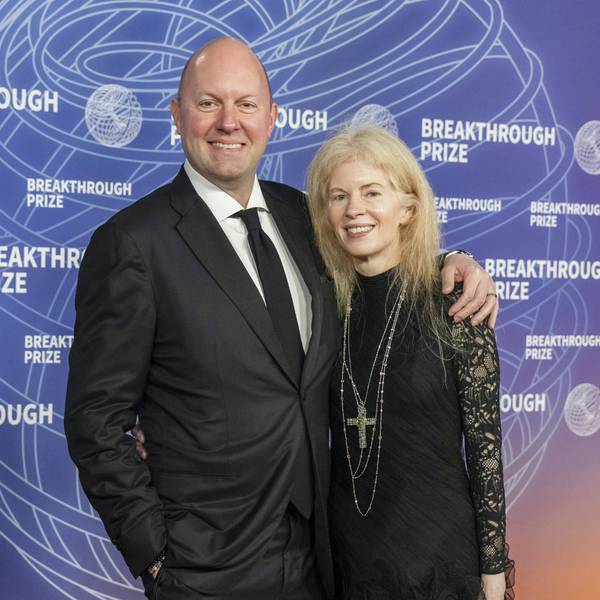
In addition to Musk, the other largest donors this cycle are industrialists Richard and Elizabeth Uihlein, who have given $150 million to help elect Republicans; flagship GOP Senate super PAC One Nation, which has spent $138 million; venture capitalists Marc Andreesen and Ben Horowitz, who have given $116 million; and hedge fund investor Jeff Yass, who has given $110 million.
On the Democratic side, the top spenders have been flagship Democratic Senate super PAC Majority Forward, which has spent $104 million, and George and Alexander Soros, who have given $103 million.
The Times' report echoes an analysis published last week by the Brennan Center for Justice showing that the 40 largest individual donors to the 2026 elections had spent a combined $2.4 billion as of mid-October.
According to Brennan, this represents the single largest amount of money spent on a midterm election ever since the US Supreme Court's landmark 2010 ruling in Citizens United v. FEC unleashed limitless political campaign spending.
The Brennan analysis reveals that the spending of the very largest donors has grown dramatically over the last decade.
"The donations coming from the top 40 donors for the midterms total eight times the amount from the top 40 donors by mid-October in the 2014 midterms (the first full midterm cycle after Citizens United), adjusted for inflation," the analysis explains. "The cutoff to be in the top 40 has also increased to 10 times what it was four cycles ago, to $25 million."
And while the biggest spenders used to favor Democrats, their loyalties have since shifted to the GOP, and in this election cycle "donors loyal to the GOP now give more than three times the amount that reliably Democratic donors give."
And while labor unions were once at least represented in the list of top 40 election donors, they have since fallen out and have been replaced by donors from the cryptocurrency industry, the Brennan Center analysis finds.
Ian Vandewalker, senior counsel at Brennan and co-author of the analysis, told The Guardian in an interview published Monday that it's become easier for politicians to be totally beholden to a single large donor while ignoring the needs of voters.
"In a democracy, it’s supposed to be one person, one vote," Vandewalker explained, "and the more one person can influence, the less egalitarian our system becomes."
Economist Paul Krugman expressed similar concerns about the influence of big money in US politics, writing on his Substack page Monday that "oligarchy is on the ballot" in the 2026 midterms.
In assessing the massive spending by megadonors on elections, Krugman said the Supreme Court's Citizens United decision deserved significant blame. However, he said it was also a simple reflection of the fact that the US economy for decades has been rigged to provide benefits primarily to the ultrawealthy.
"Now we... have men big enough to own the government of the United States," Krugman commented. "This midterm is a test of whether they will get away with it."
This country and this world are at a monumental crossroads. US voters have an opportunity to beat back the forces of fascism and confront the billionaires who are rigging the economy, our media system, and our democracy, making it increasingly impossible for ordinary people to get by. We’re not just talking about the election. We’re talking about what must be done once these fascist elements are vanquished from power. We need a bolder set of solutions than what either major party has so far been willing to offer and a working-class movement ready to fight like hell for it. Trump didn't emerge from nowhere. The conditions that fueled MAGA authoritarianism were created by decades of radical neoliberal economic policies and a corrupt political system dominated by corporate interests. They slashed taxes on the super-rich, promising that the benefits would trickle down. They said giveaways to the corporate titans would make life more affordable for the rest of us. It was all bullshit. And when a bitter, betrayed populace searches for someone to blame, right-wing demagogues have little trouble finding scapegoats. People know when they're being lied to, but you won't hear any of this from the corporate media. Only independent journalism—powered and funded by people who believe in building a better world—can deliver truly trustworthy daily news. If you share our vision, please contribute whatever you can to sustain our work. |
Some of the richest people in the US have spent unprecedented sums of money to influence the outcome of the 2026 midterm elections, and a Sunday report in The New York Times estimated that the top 20 biggest donors alone have spent a combined $2 billion in federal races this cycle.
The single largest funder of the 2026 midterms, by a wide margin, is far-right billionaire Elon Musk, who has shoveled nearly $450 million to help GOP candidates.
In fact, pro-Republican donors account for the five largest individual contributors to midterm races.
In addition to Musk, the other largest donors this cycle are industrialists Richard and Elizabeth Uihlein, who have given $150 million to help elect Republicans; flagship GOP Senate super PAC One Nation, which has spent $138 million; venture capitalists Marc Andreesen and Ben Horowitz, who have given $116 million; and hedge fund investor Jeff Yass, who has given $110 million.
On the Democratic side, the top spenders have been flagship Democratic Senate super PAC Majority Forward, which has spent $104 million, and George and Alexander Soros, who have given $103 million.
The Times' report echoes an analysis published last week by the Brennan Center for Justice showing that the 40 largest individual donors to the 2026 elections had spent a combined $2.4 billion as of mid-October.
According to Brennan, this represents the single largest amount of money spent on a midterm election ever since the US Supreme Court's landmark 2010 ruling in Citizens United v. FEC unleashed limitless political campaign spending.
The Brennan analysis reveals that the spending of the very largest donors has grown dramatically over the last decade.
"The donations coming from the top 40 donors for the midterms total eight times the amount from the top 40 donors by mid-October in the 2014 midterms (the first full midterm cycle after Citizens United), adjusted for inflation," the analysis explains. "The cutoff to be in the top 40 has also increased to 10 times what it was four cycles ago, to $25 million."
And while the biggest spenders used to favor Democrats, their loyalties have since shifted to the GOP, and in this election cycle "donors loyal to the GOP now give more than three times the amount that reliably Democratic donors give."
And while labor unions were once at least represented in the list of top 40 election donors, they have since fallen out and have been replaced by donors from the cryptocurrency industry, the Brennan Center analysis finds.
Ian Vandewalker, senior counsel at Brennan and co-author of the analysis, told The Guardian in an interview published Monday that it's become easier for politicians to be totally beholden to a single large donor while ignoring the needs of voters.
"In a democracy, it’s supposed to be one person, one vote," Vandewalker explained, "and the more one person can influence, the less egalitarian our system becomes."
Economist Paul Krugman expressed similar concerns about the influence of big money in US politics, writing on his Substack page Monday that "oligarchy is on the ballot" in the 2026 midterms.
In assessing the massive spending by megadonors on elections, Krugman said the Supreme Court's Citizens United decision deserved significant blame. However, he said it was also a simple reflection of the fact that the US economy for decades has been rigged to provide benefits primarily to the ultrawealthy.
"Now we... have men big enough to own the government of the United States," Krugman commented. "This midterm is a test of whether they will get away with it."