
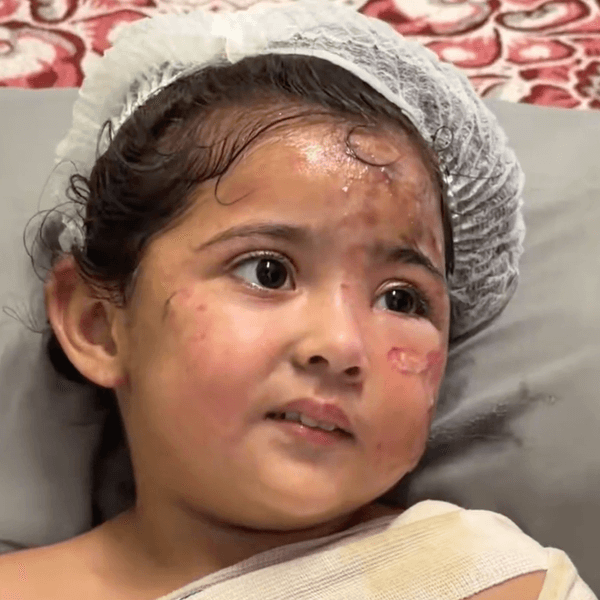

1 in 7 children were languishing in poverty before the COVID-19 pandemic began. (Photo: Spencer Platt/Getty Images)
How Lifting Children Out of Poverty Today Will Help Them in the Future
When families with young children get access to cash welfare, that support has even been linked to higher earnings in adulthood and longer lives.
As part of the latest COVID-19 relief package, the federal government has expanded the child tax credit and made it available to all families with children except those with the highest incomes. Families will get US$3,000 per kid ages 6 to 17, and $3,600 for younger children. The Internal Revenue Service will deliver half of this money as monthly payments of either $250 or $300 during the second half of 2021 and the rest as a lump sum during the 2022 tax season.
If the government extends this benefit beyond the one year that's currently funded, as many members of Congress and the Biden administration would like, this policy has the potential to dramatically cut child poverty by as much as 50%.
This kind of arrangement is already the norm in many countries, such as Canada, Germany and the United Kingdom. As economists who have spent decades studying poverty, we believe it will have lasting benefits.
Long-term benefits
Many studies conducted in recent years show that lifting children from the burdens of poverty has the potential to improve their health and ability to get a good education.
For example, economist Chloe East found that when low-income families with young kids receive benefits from the Supplemental Nutrition Assistance Program, the children are less likely to miss school and more likely to be in good health as they get older.
A team of researchers who assessed the effects of reforms to cash welfare programs conducted in the 1990s similarly found that helping low-income families pay their bills leads to their kids' doing better at school in the future.
Other studies have looked into what happened when low-income families with children wound up with more money through expansions in the earned income tax credit, or EITC - a benefit paid to workers with low levels of earnings that the government substantially expanded in the mid-1990s.
Researchers have found that this increased income was associated later on with students' scoring higher on standardized tests and becoming more likely to graduate from high school and go to college, and in early adulthood they are more likely to have a job and earn higher wages.
Another study that one of us conducted with two other colleagues found that babies born to families benefiting from the EITC are healthier overall. Other research found that women who give birth while benefiting from the EITC have better physical and mental health.
And two of us conducted a study that detected better health in adulthood for people whose families benefited from the introduction of the food stamp program when they were children in the 1960s and early 1970s. Similarly, researchers have seen long-term improvements in terms of increased educational attainment among low-income children whose families received a type of basic income paid to members of the Eastern Cherokee tribal government out of casino profits.
When families with young children get access to cash welfare, that support has even been linked to higher earnings in adulthood and longer lives.
An incomplete fix
This entire body of research suggests that the benefits of alleviating poverty are significant when children get more money, food, health care and other resources early on, especially between conception and the age of 5.
To be sure, providing all but the wealthiest families who have children under 18 with extra cash will not begin to do away with all of the inequalities facing children in America. Nor will these payments ensure that all children ultimately have the same shot at good health, a great education or, down the road, opportunities to make a good living.
But we do believe that this policy, especially if it takes hold for the long term, will meaningfully improve millions of children's lives and give them a much better start in life.
Among other things, it reverses a troubling trend. Since 1990, increases in federal spending aimed at benefiting children, including changes to the earned income tax credit, have often failed to assist the poorest families in a country where 1 in 7 children were languishing in poverty before the COVID-19 pandemic began.
We are at a crossroads
This country and this world are at a monumental crossroads. In a few short weeks, US voters will have an opportunity to beat back the forces of fascism and confront the billionaires who are rigging the economy, our media system, and our democracy, making it increasingly impossible for ordinary people to get by. We’re not just talking about the election. We’re talking about what must be done once these fascist elements are vanquished from power. We need a bolder set of solutions than what either major party has so far been willing to offer and a working-class movement ready to fight like hell for it. Trump didn't emerge from nowhere. The conditions that fueled MAGA authoritarianism were created by decades of radical neoliberal economic policies and a corrupt political system dominated by corporate interests. They slashed taxes on the super-rich, promising that the benefits would trickle down. They said giveaways to the corporate titans would make life more affordable for the rest of us. It was all bullshit. And when a bitter, betrayed populace searches for someone to blame, right-wing demagogues have little trouble finding scapegoats. People know when they're being lied to, but you won't hear any of this from the corporate media. Only independent journalism—powered and funded by people who believe in building a better world—can deliver truly trustworthy daily news. Our Fall Campaign is underway, and we need your help. To power our newsroom through the rest of the year, we need to raise $125,000 by midnight on October 31. So if you share our vision, please contribute whatever you can to sustain our work. |
As part of the latest COVID-19 relief package, the federal government has expanded the child tax credit and made it available to all families with children except those with the highest incomes. Families will get US$3,000 per kid ages 6 to 17, and $3,600 for younger children. The Internal Revenue Service will deliver half of this money as monthly payments of either $250 or $300 during the second half of 2021 and the rest as a lump sum during the 2022 tax season.
If the government extends this benefit beyond the one year that's currently funded, as many members of Congress and the Biden administration would like, this policy has the potential to dramatically cut child poverty by as much as 50%.
This kind of arrangement is already the norm in many countries, such as Canada, Germany and the United Kingdom. As economists who have spent decades studying poverty, we believe it will have lasting benefits.
Long-term benefits
Many studies conducted in recent years show that lifting children from the burdens of poverty has the potential to improve their health and ability to get a good education.
For example, economist Chloe East found that when low-income families with young kids receive benefits from the Supplemental Nutrition Assistance Program, the children are less likely to miss school and more likely to be in good health as they get older.
A team of researchers who assessed the effects of reforms to cash welfare programs conducted in the 1990s similarly found that helping low-income families pay their bills leads to their kids' doing better at school in the future.
Other studies have looked into what happened when low-income families with children wound up with more money through expansions in the earned income tax credit, or EITC - a benefit paid to workers with low levels of earnings that the government substantially expanded in the mid-1990s.
Researchers have found that this increased income was associated later on with students' scoring higher on standardized tests and becoming more likely to graduate from high school and go to college, and in early adulthood they are more likely to have a job and earn higher wages.
Another study that one of us conducted with two other colleagues found that babies born to families benefiting from the EITC are healthier overall. Other research found that women who give birth while benefiting from the EITC have better physical and mental health.
And two of us conducted a study that detected better health in adulthood for people whose families benefited from the introduction of the food stamp program when they were children in the 1960s and early 1970s. Similarly, researchers have seen long-term improvements in terms of increased educational attainment among low-income children whose families received a type of basic income paid to members of the Eastern Cherokee tribal government out of casino profits.
When families with young children get access to cash welfare, that support has even been linked to higher earnings in adulthood and longer lives.
An incomplete fix
This entire body of research suggests that the benefits of alleviating poverty are significant when children get more money, food, health care and other resources early on, especially between conception and the age of 5.
To be sure, providing all but the wealthiest families who have children under 18 with extra cash will not begin to do away with all of the inequalities facing children in America. Nor will these payments ensure that all children ultimately have the same shot at good health, a great education or, down the road, opportunities to make a good living.
But we do believe that this policy, especially if it takes hold for the long term, will meaningfully improve millions of children's lives and give them a much better start in life.
Among other things, it reverses a troubling trend. Since 1990, increases in federal spending aimed at benefiting children, including changes to the earned income tax credit, have often failed to assist the poorest families in a country where 1 in 7 children were languishing in poverty before the COVID-19 pandemic began.