

5
#000000
#FFFFFF
To donate by check, phone, or other method, see our More Ways to Give page.
Daily news & progressive opinion—funded by the people, not the corporations—delivered straight to your inbox.
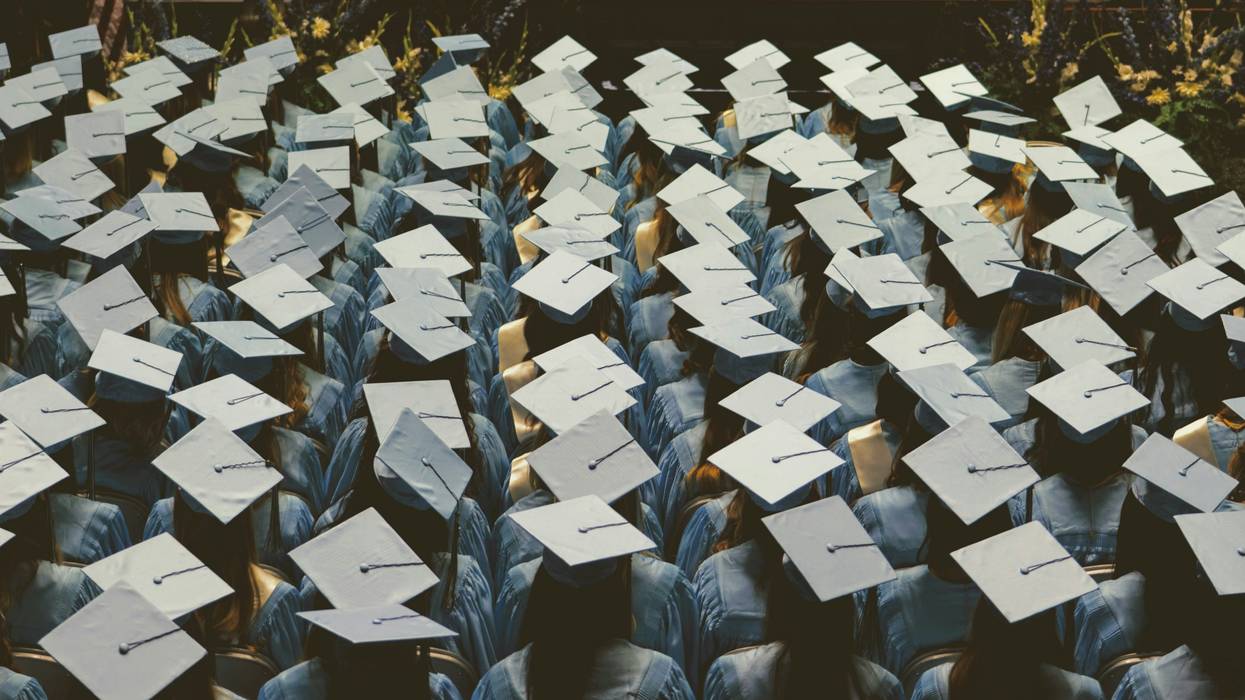
The GOP's tax-and-spending bill includes an overhaul of critical federal student aid programs that will destroy many young people’s dreams of pursuing higher education—again, all to finance tax breaks for corporations and the rich.
President Donald Trump has declared that he has “won affordability.” In his State of the Union speech, he even bragged that he’s bringing costs “way down on healthcare and everything else.“
In reality, the Trump administration is making it much harder for working families to both meet their daily needs—and to fulfill their long-term dreams of higher education.
The Republican tax-and-spending plan adopted last year—the so-called “Big Beautiful Bill”—includes huge tax giveaways to the rich, paid for with deep cuts to programs for working people. The Congressional Budget Office expects 7.5 million Americans to lose their Medicaid insurance and 4 million to lose some or all of their SNAP food aid benefits.
Slashing these public assistance programs will make it even harder for working families to save money for college. In fact, the same tax law also includes an overhaul of critical federal student aid programs that will destroy many young people’s dreams of pursuing higher education—again, all to finance tax breaks for corporations and the rich.
President Trump didn’t even mention student aid in his State of the Union address. But this issue is central to the health of our union. It’s about whether we as a nation believe working families deserve opportunity—or just survival.
This problem is not abstract to me. It’s personal. I am a first-generation college student and now a doctoral student. My hard-working Black family and my broader community poured everything they had into me because they believed—against every obstacle—that education could be my ladder up.
Federal student aid programs like Pell Grants and the Grad Plus subsidized loan program helped me as I struggled up that ladder. It still wasn’t easy. I worked two part-time jobs and still could barely make ends meet. But without that help, I wouldn’t be where I am today.
Now, the aid programs that I’ve depended on are under attack. Students are facing tighter borrowing limits and dramatically reduced repayment options, making it even more difficult to get out from under heavy debts. Under the new borrowing caps, the government plans to slash about $44 billion in aid over the next 10 years, affecting roughly 25% to 40% of graduate borrowers.
Making matters worse, the Pell Grant program, which helps more than 6 million low-income students a year pay for college, is facing a potential shortfall crisis. If Congress doesn’t put in new funds, the program’s deficit will skyrocket to $11.5 billion in 2027, and those grants could very well dry up.
Across the country, families who believed education was their way forward are feeling their dreams fade away. I’ve spoken to aspiring and current graduate students who are unsure if staying in school is still an option. I’ve talked to borrowers who fear they will live the rest of their lives crushed by student debt and parents who are worried they’ll never be able to afford to send their babies to college.
President Trump didn’t even mention student aid in his State of the Union address. But this issue is central to the health of our union. It’s about whether we as a nation believe working families deserve opportunity—or just survival. It’s about whether we as a nation value the futures of our young people—or only the futures of billionaires.
Higher education was supposed to be the great equalizer. But if we continue to shortchange student aid, working families will see it as either a hopeless fantasy or a life-long debt sentence.
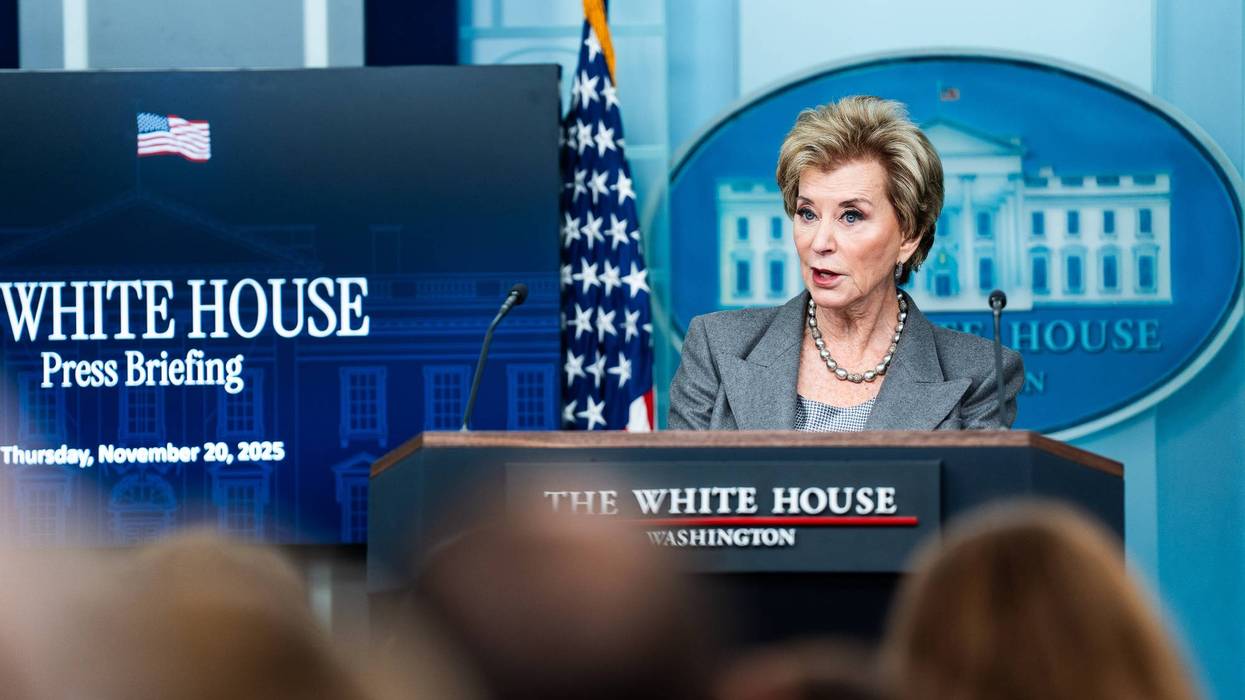
Advocates warned wage garnishment "would have risked pushing nearly 9 million defaulted borrowers even further into debt."
Billionaire US Education Secretary Linda McMahon has temporarily suspended the Trump administration's plan to resume garnishing the wages of defaulted student loan borrowers, a reversal that came after advocates warned the pay seizures would have had devastating economic consequences for people across the country amid a worsening cost-of-living crisis.
McMahon, who is actively working to dismantle her department from within, told reporters earlier this week that wage garnishment efforts have "been put on pause for a bit," without providing specifics. The Trump administration, which last summer ended a pause on student loan repayments that had been in place since the start of the Covid-19 pandemic, was reportedly set to begin notifying defaulted borrowers of plans to withhold a portion of their wages last week.
Aissa Canchola Bañez, policy director at the advocacy group Protect Borrowers, said in a statement Friday that "after months of pressure and countless horror stories from borrowers, the Trump administration says it has abandoned plans to snatch working people’s hard-earned money directly from their paychecks simply for falling behind on their student loans."
"Amidst the growing affordability crisis, the administration’s plans would have been economically reckless and would have risked pushing nearly 9 million defaulted borrowers even further into debt," Canchola Bañez added. "Earlier this month, a coalition of partners sent an urgent letter to ED urging them to do just this. We are pleased to see they have heeded our calls.”
That letter—sent on January 7 by Protect Borrowers, the American Federation of Teachers, Debt Collective, and other groups—called the administration's earlier decision to resume wage garnishment "calloused and unnecessary," warning that it came at a time when "struggling borrowers have been forced to wait amidst a nearly 1 million application backlog to enroll in an Income-Driven Repayment (IDR) plan, and as mass layoffs at the department have made it even harder for borrowers to get help with their student loans or if they are experiencing issues with their student loan servicer."
According to an analysis by Protect Borrowers, 3.6 million new student loan borrowers fell into default during the first year of President Donald Trump's second term in the White House. That's one new default every nine seconds.
"Nearly two-thirds of the borrowers who defaulted during the Trump administration—more than 2.6 million people—live in states that President Trump won in the 2024 election," the analysis found.
Under federal law, the Education Department can withhold up to 15% of a borrower's after-tax income to pay down defaulted debt. The Trump administration has already begun seizing income tax refunds from student borrowers in default.
The National Consumer Law Center (NCLC) noted in a Thursday blog post that "if you have received a notice of proposed garnishment, there are steps you can take to object to the garnishment notice and request a hearing, which is typically conducted through a written review of your objections."
"You must act quickly to avoid a potential garnishment order from being sent to your employer," the group stressed.
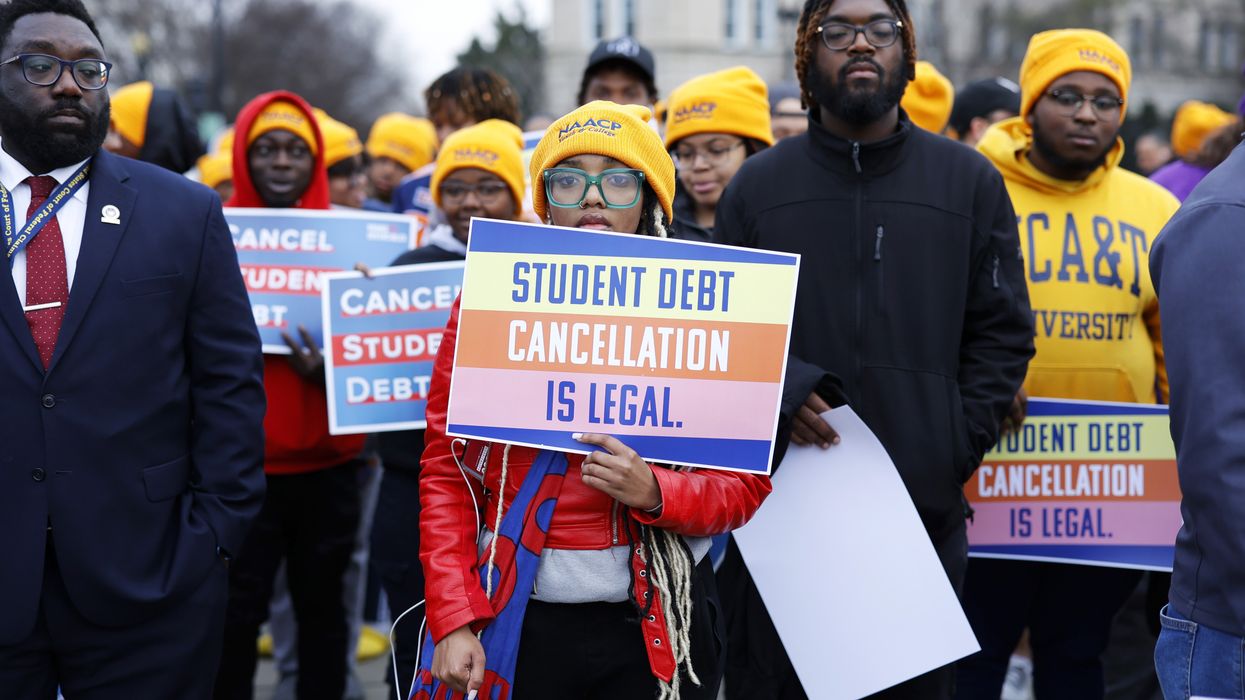
One group noted "the irony of a billionaire being in charge of collecting pennies from debtors."
The US Education Department confirmed Monday that, starting next month, it will resume seizing the pay of student loan borrowers in default as the Trump administration wages a broader war on debt relief and cancellation efforts.
The department, led by billionaire Linda McMahon—who is working to gut the agency from the inside—told the Washington Post that "it will notify about 1,000 defaulted borrowers of plans to withhold a portion of their wages to pay down their past-due debt," beginning the week of January 7, 2026.
"After that, the department said, notices will be sent to larger numbers of borrowers each month," the Post reported. "There were about 5.3 million borrowers who had not made a payment on their federal student loans for at least 360 days as of June 30, according to the latest available data from the Education Department. Many of them were in default before the federal government stopped collecting defaulted loans because of the pandemic nearly six years ago."
Persis Yu, deputy executive director and managing counsel of the advocacy group Protect Borrowers, said in a statement Tuesday that "at a time when families across the country are struggling with stagnant wages and an affordability crisis, this administration's decision to garnish wages from defaulted student loan borrowers is cruel, unnecessary, and irresponsible."
"As millions of borrowers sit on the precipice of default, this administration is using its self-inflicted limited resources to seize borrowers' wages instead of defending borrowers' right to affordable payments," said Yu. "There are still nearly a million unprocessed Income-Driven Repayment applications, and this administration has admitted to denying en masse borrowers who applied and requested the US Department of Education’s help in accessing the most affordable payment option."
“Finally, during the last Trump administration, hundreds of thousands had their wages improperly taken at the peak of the pandemic because the US Department of Education was unable to control this tool," Yu added. "It is irresponsible to turn on a debt collection tool that the administration cannot turn off."
In May, the Trump administration ended a pause on student loan repayments that had been in place since the onset of the Covid-19 pandemic in 2020.
The administration has also attacked student debt relief efforts launched under former President Joe Biden. Earlier this month, the Trump Education Department cut a deal to effectively end the Saving on a Valuable Education (SAVE) plan, jacking up monthly payments for millions of borrowers enrolled in the Biden-era program.
"While millions of student loan borrowers struggle amidst the worsening affordability crisis—as the rising costs of groceries, utilities and healthcare continue to bury families in debt—billionaire Education Secretary Linda McMahon chose to strike a backroom deal with a right-wing state attorney general and strip borrowers of the most affordable repayment plan that would help millions to stay on track with their loans while keeping a roof over their head," Yu said in a statement after the deal was announced.
"The real story here," Yu added, "is the unrelenting, right-wing push to jack up costs on working people with student debt."
"The federal government also wields vast extrajudicial powers to collect student debt, including garnishing wages and seizing Social Security payments."
The Education Department is legally allowed to withhold up to 15% of a borrower's after-tax income to pay down defaulted debt. As the Post noted, the Trump administration has already resumed seizing tax refunds and Social Security benefits student loan borrowers in default.
The Debt Collective, the first debtors' union in the US, noted "the irony of a billionaire being in charge of collecting pennies from debtors."
"The Department of Education pushes debtors toward payment to get out of default," the group added. "They don’t want you to know that you have other options. These include traditional repayment options, nonpayment options, and lesser-known options."
The Trump administration's decision to resume garnishing borrowers' wages comes as advocates are warning of a "default cliff" as borrowers struggle to afford basic necessities, leaving them unable to keep up with loan repayments. A Data for Progress survey released earlier this month found that more than 40% of borrowers report making tradeoffs between covering basic needs and staying current on student loan debt payments."
"Student loan default comes with severe and punitive consequences," Michele Zampini, associate vice president of federal policy and advocacy at the Institute for College Access and Success, wrote in a blog post earlier this month.
"In addition to ongoing credit score damage and hefty collection fees, the federal government also wields vast extrajudicial powers to collect student debt, including garnishing wages and seizing Social Security payments and tax refunds that are targeted to households with very low incomes, including the Child Tax Credit and the Earned Income Tax Credit," Zampini added. "These seizures compound financial hardship for those who can least afford it."