

SUBSCRIBE TO OUR FREE NEWSLETTER
Daily news & progressive opinion—funded by the people, not the corporations—delivered straight to your inbox.
5
#000000
#FFFFFF
To donate by check, phone, or other method, see our More Ways to Give page.
Daily news & progressive opinion—funded by the people, not the corporations—delivered straight to your inbox.
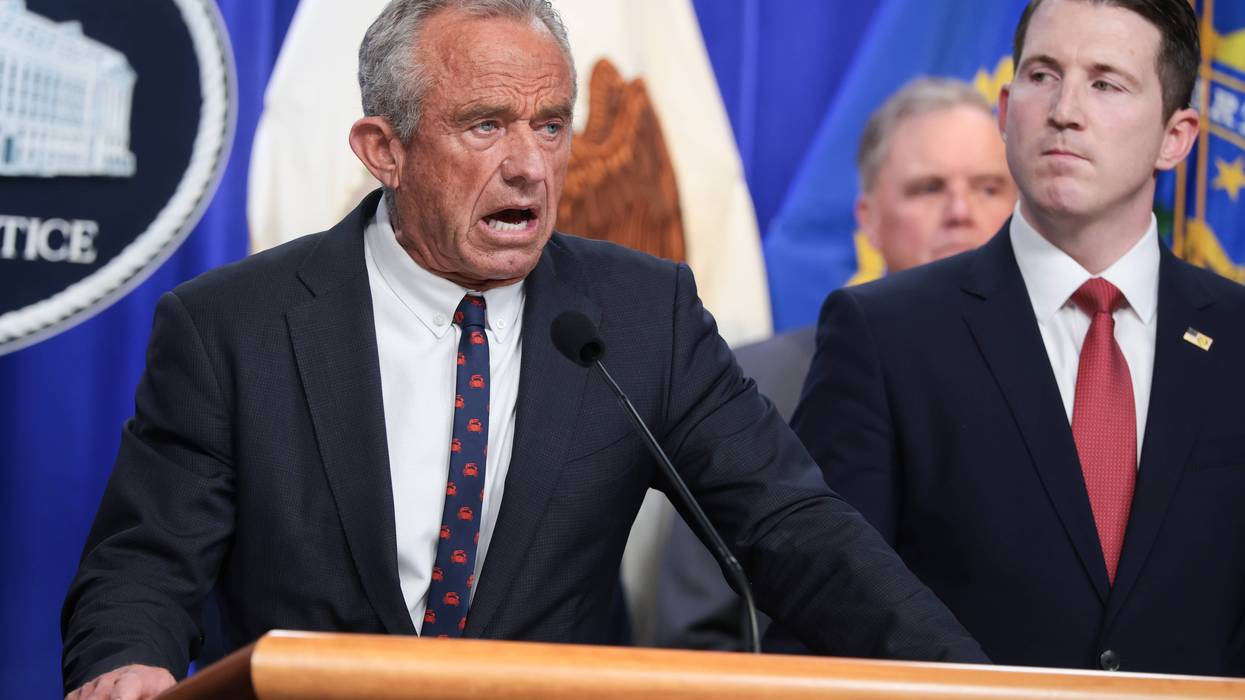
"When the Trump administration declares a crisis ‘under control’, it’s time to brace for the worst yet to come," said one critic.
The United States under Trump-appointed Health and Human Services Secretary Robert F. Kennedy Jr. is currently experiencing major public health crises, including record-high measles cases, an outbreak of a parasite that causes explosive diarrhea, and potential salmonella contamination that led to a recall of nearly two million egg cartons.
Numbers released by the US Centers for Disease Control and Prevention (CDC) on Friday revealed that there have been 2,318 recorded cases of measles this year, the highest number of cases recorded since the virus was declared eliminated in the country more than two decades ago.
Some public health experts who spoke with The New York Times said that lower uptake of the measles vaccine was to blame for the outbreak.
Jennifer Nuzzo, director of the Pandemic Center at the Brown University School of Public Health, told the Times that "this is just going to keep happening" in the US unless vaccination rates improve.
"It’s going to mean living in a perpetual state of vulnerability and risk until we get vaccination levels up," Nuzzo emphasized.
Dr. Jonathan Temte, a former chairman of the CDC’s vaccine advisory committee, placed blame for the outbreaks on the US Department of Health and Human Services (HHS) under the leadership of Kennedy, who prior to becoming America's top public health official was best known as an anti-vaccine conspiracy theorist.
“We have seen virtually no national messaging," said Temte. "We’ve seen no ad campaigns... I think that really tells us something about their priorities."
Brad Woodhouse, president of Protect Our Care, also slammed Kennedy's leadership at NHS, accusing him and President Donald Trump of being on "a suicide mission to scare America families away from vaccines without cause or evidence."
"What they’ve accomplished is a huge dip in vaccination rates and the worst measles crisis in 35 years," Woodhouse added. "While the nation’s measles elimination status is doomed, the Trump CDC apparently has not spent a dime on public service ads promoting the one thing that will get us out of the woods: the measles vaccine."
Measles isn't the only disease spreading throughout the country, as the US Food and Drug Administration (FDA) announced on Friday that "four new states... are now considered part" of the outbreak of cyclosporiasis, a foodborne illness that causes explosive diarrhea.
The FDA has said that iceberg lettuce sourced from Taylor Farms de Mexico is likely the source of the outbreak, which so far has led to nearly 2,000 infections and almost 100 hospitalizations.
News about the continued spread of the outbreak came two days after the FDA revealed it was investigating another potential source of cyclospora, the parasitic bacteria that causes cyclosporiasis.
Sen. Jon Ossoff (D-Ga.), who earlier this week demanded answers from Kennedy about his decision to terminate the CDC's previously required surveillance of cyclospora, sent the HHS secretary a letter on Friday ripping his leadership of the department.
"Your silence amidst an ongoing outbreak of diarrheal disease," Ossoff wrote, "is indicative of the reckless arrogance with which you demolished America's public health defense."
Woodhouse, in a statement released Thursday, noted that Kennedy had declared the outbreak "under control" this week even though federal data shows it growing.
"If history is any judge, when the Trump administration declares a crisis ‘under control’, it’s time to brace for the worst yet to come," said Woodhouse.
The FDA also announced on Wednesday that Midwest Poultry Services was voluntarily recalling nearly 1.6 million cartons of eggs over potential contamination by the bacteria salmonella.
As the FDA noted, salmonella infections often result in a number of unpleasant conditions, including "fever, diarrhea (which may be bloody), nausea, vomiting, and abdominal pain."
Economist Dean Baker summed up the current situation in the US in a Friday social media post: "War, diarrhea, measles, and now salmonella, that's pretty damn MAGA!"
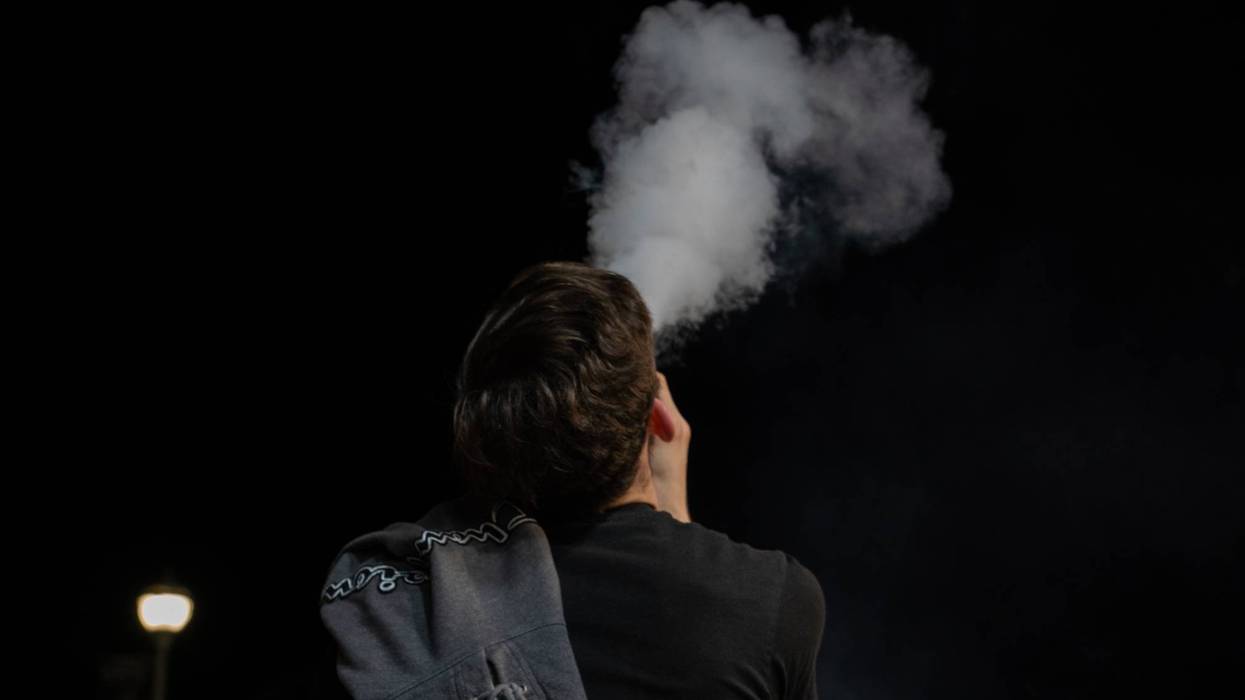
"In the Trump administration, money beats MAHA every time."
It was already known that President Donald Trump pressured top health officials to allow flavored vapes to hit the market after being leaned on by Big Tobacco executives earlier this month.
But The New York Times has revealed that the decision came just over a week after a massive super political action committee (PAC) donation from one of the cigarette companies looking to have the regulations lifted.
Kenneth Vogel and Christina Jewett reported for the Times that on April 30, a subsidiary of the tobacco company Reynolds Americans—which owns Camel and Lucky Strike cigarettes—donated $5 million to the Trump-backed super PAC MAGA Inc., according to a financial report filed on Wednesday. It brought the total amount donated to the PAC up to $8 million.
The donation came just two days before tobacco industry executives held their sit-down with Trump at his golf club in Jupiter, Florida, where they told the president they were displeased with the FDA's ban on flavored vapes, which was enacted in light of evidence that they were driving an epidemic of youth vaping.
According to a youth survey by the Centers for Disease Control and Prevention (CDC), the vast majority of middle- and high school-aged e-cigarette users prefer fruit and candy-flavored vapes.
The Times reported earlier this month that immediately after receiving an earful from executives at Reynolds and Philip Morris owner Altria, Trump rang Secretary of Health and Human Services Robert F. Kennedy, Jr., and Centers for Medicare and Medicaid Services head Mehmet Oz to complain about the FDA's ban on e-cigarettes.
In the days that followed the meeting, Trump reportedly berated then-FDA Commissioner Marty Makary, who hesitated to reverse the policy due to the potential impact on children. Makary ultimately resigned less than a week later, along with RFK Jr.'s chief spokesperson, Rich Danker, citing disagreement about the e-cigarette policy change as the ultimate reason.
Within a week of the meeting with executives, the FDA announced it was dropping the ban on fruit-flavored vapes and authorizing the sale of mango and blueberry flavors by the Los Angeles-based company Glas Inc., which could pave the way for major cigarette makers to launch their own products on store shelves. It also allowed companies to add greater amounts of nicotine to pouches, which smokers often use in order to quit the habit.
Kush Desai, a spokesperson for the White House, told the Times that Reynolds' $5 million donation to the MAGA Inc. PAC had nothing to do with the administration's sudden shift in policy surrounding flavored vapes. He said "the only guiding factor behind the Trump administration’s health policymaking is gold standard science," as well as "recent evidence that has found [vapes] can help adults quit smoking.”
A spokesperson for MAGA Inc. said his organization “is pleased to accept legal contributions from those who agree with President Trump’s America First agenda and his goal to make America great again.”
The $5 million donation is far from the only contribution Big Tobacco has made to Trump. As Common Dreams reported earlier this month:
Trump, who ran in 2024 on a pledge to “save vaping” as part of an effort to appeal to young voters, has raked in huge sums of money from the tobacco industry. According to data from OpenSecrets, his inaugural committee took over $3 million from vaping special interests, including $1.25 million from the Vapor Technology Association, and $1 million apiece from Altria and Breeze Smoke.
Altria, which owns Marlboro maker Philip Morris, and Reynolds American, which owns Lucky Strike and Camel, have also offered donations to Trump’s $400 million White House ballroom project. Reynolds, the biggest producer of menthol cigarettes, also gave $10 million to the super PAC backing Trump in 2024.
The Times also reported on Wednesday that a Reynolds executive was invited to a dinner hosted by Trump at the White House in October for donors who gave $2.5 million or more.
The open, shameless grift.www.nytimes.com/2026/05/20/u...
[image or embed]
— Wajahat Ali (@wajali.bsky.social) May 21, 2026 at 1:21 AM
Critics described the $5 million donation as effectively a legal "bribe" to Trump and the latest example of the White House's "open, shameless grift."
It comes amid what seem to be endless reports of blatant self-dealing by Trump allies, most recently exemplified by the Trump-controlled Department of Justice's settlement of a lawsuit from Trump against the Internal Revenue Service, which handed the president $1.8 billion in taxpayer funds that he plans to disperse to his allies as part of a so-called “weaponization fund,” which critics have dubbed a “slush fund.”
It's also the latest example of Trump appearing to take actions in direct service of rich corporate donors—particularly in the fossil fuel, artificial intelligence, and cryptocurrency industries—or members of his family or personal inner circle.
Rep. Seth Magaziner (D-RI) also described the FDA's policy change on vaping as a betrayal by the administration's overseer, Kennedy. Though the HHS secretary has built his brand on pledges to "Make America Healthy Again" by decoupling corporate interests from health policy, he has been accused of bending to industry pressure on everything from food regulation to cancer-causing pesticides.
"In the Trump administration," Magaziner said, "money beats MAHA every time."
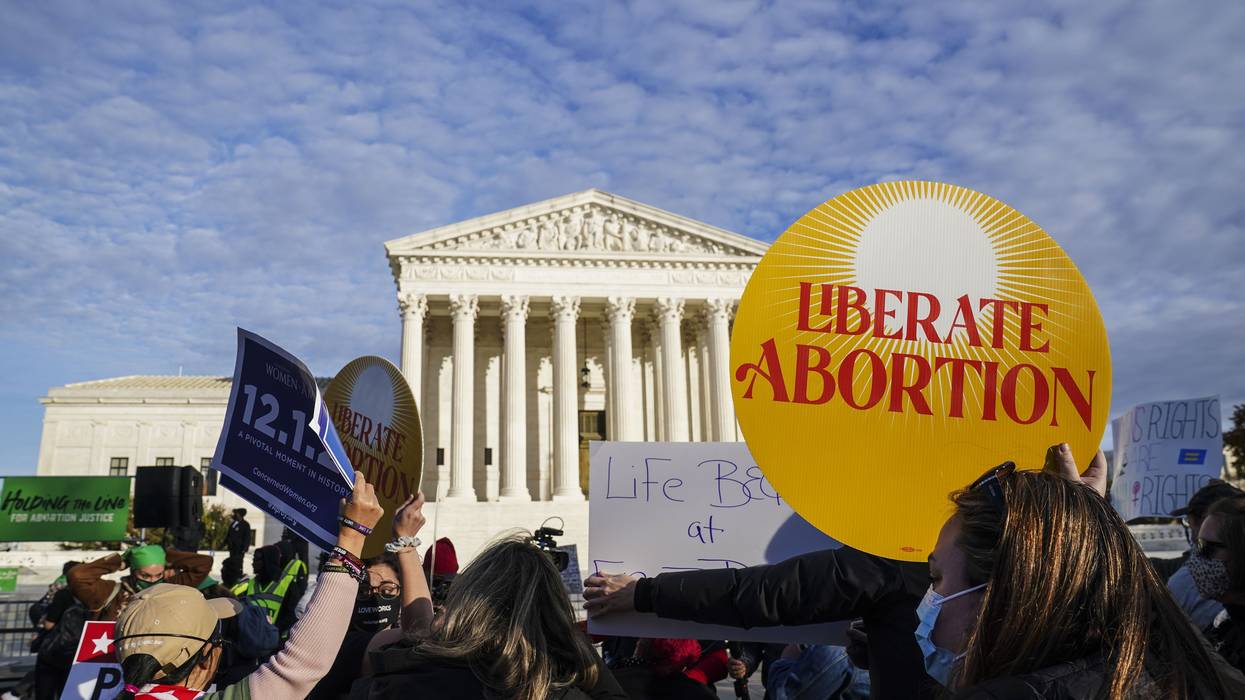
"We are relieved that access to mifepristone remains protected for now, but this should never have been on the table in the first place," said one campaigner.
While welcoming that the US Supreme Court on Thursday blocked restrictions on dispensing mifepristone—a medication commonly used in abortion and miscarriage care—as a legal battle over it moves forward, rights advocates also continued to sound the alarm about attacks on reproductive freedom and argue that "temporary relief isn't enough."
At issue is the 2023 Food and Drug Administration (FDA) decision to permanently lift mifepristone's in-person dispensing requirement, which has enabled doctors to serve patients nationwide via telehealth and the mail, as forced pregnancy advocates have intensified the fight for state laws cutting off access to abortion care since the Supreme Court reversed Roe v. Wade in 2022.
Louisiana sued over the FDA's move, and early this month, the notoriously right-wing US Court of Appeals for the 5th Circuit halted the agency's rule easing restrictions. Drugmakers Danco Laboratories and GenBioPro appealed, and Justice Samuel Alito, a member of the high court's right-wing supermajority, issued a one-week stay, which he then extended to Thursday evening.
With that deadline looming, the court ultimately blocked the 5th Circuit's ruling. Alito and Justice Clarence Thomas, another right-winger, dissented.
"While it is good news that, for now, patients can continue to get this safe medication by mail and at pharmacies as they have for more than five years, we all know abortion opponents are continuing their unpopular and baseless attacks," Julia Kaye, senior staff attorney for the ACLU's Reproductive Freedom Project, said in a statement.
"And let's be clear about the Trump administration's role here: When nationwide access to a critical abortion and miscarriage medication was on the line, the Trump administration refused to defend the FDA's action and threw patients under the bus," Kaye noted. "The American people have made clear time and again that they oppose political efforts to interfere with their ability to make their own healthcare decisions—and the ACLU will keep fighting with them every step of the way."
Advocates stressed that the fight is far from over. Monica Simpson, executive director of SisterSong: Women of Color Reproductive Justice Collective, said that her organization "is relieved that the Supreme Court granted the emergency appeal to keep mifepristone accessible through telehealth and mail nationwide."
"This decision ensures that people, especially Black, brown, queer, trans, immigrant, poor, and people living in rural communities who already face barriers to healthcare, can continue accessing essential reproductive care," she noted. "While today's decision prevents immediate harm, people's lives shouldn't hang in the balance between back-and-forth litigation."
"Attacks on mifepristone have never been about safety or medicine," Simpson added. "They are about power and control—about who gets to make decisions about their body, their family, and their future."
All* Above All president Nourbese Flint also welcomed the decision while arguing that "the fact that patients and providers were forced to endure the confusion and disruption of care because of yet another court ruling on whether basic healthcare would remain available is unacceptable."
"This legal whiplash is exhausting, dangerous, and completely disconnected from science," Flint continued. "We know that mifepristone is safe and effective, and has been for over 25 years. People should not have to navigate a week-to-week roller coaster just to find out if they can still access basic healthcare and medication they need."
Serra Sippel, executive director of the Brigid Alliance, which helps people forced to travel for abortion care, similarly said that "we are relieved that access to mifepristone remains protected for now, but this should never have been on the table in the first place. Patients and providers should not be forced to wait on court rulings to know whether people can access critical healthcare."
"The back-and-forth of this case does have a cost. Confusion and uncertainty can delay care, and every day makes a difference. When people are pushed later into pregnancy, care becomes harder to access, more expensive, and many more miles further from home," Sippel explained. "We're seeing this firsthand. Last year, the Brigid Alliance helped 1,879 people travel for abortion care—a 35% increase from the year before—and those numbers will continue to rise as state abortion restrictions force more people to cross state lines for care."
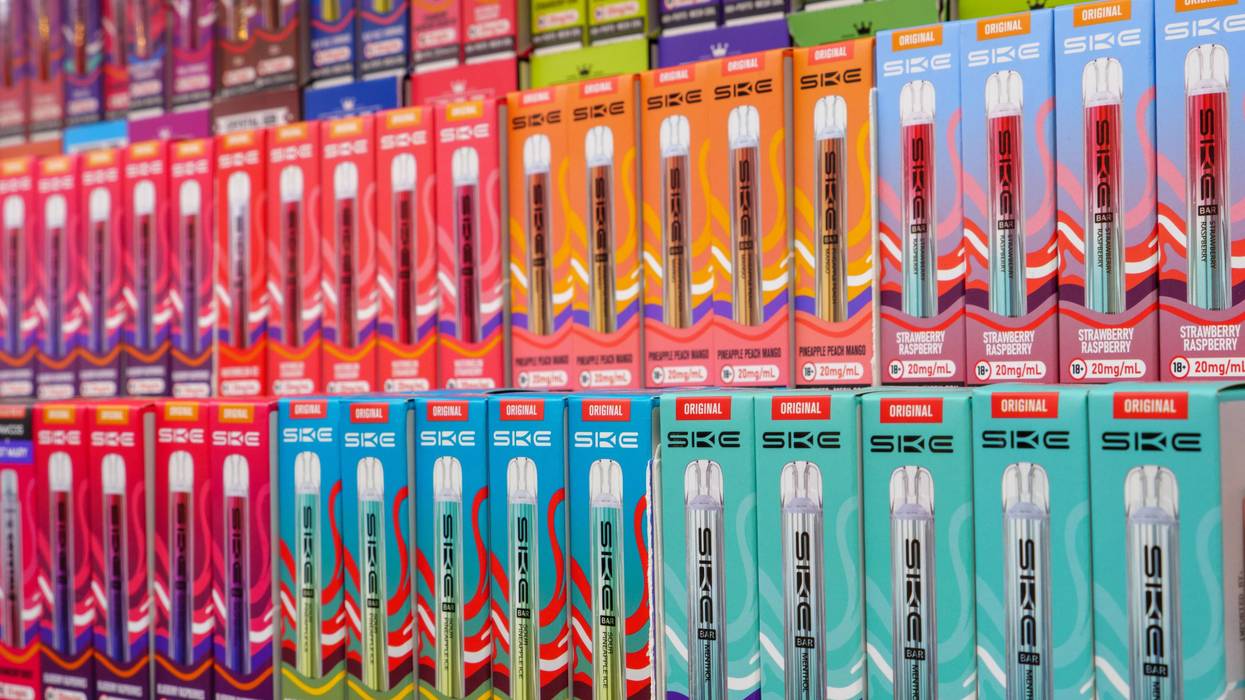
"Trump could not care less about the health consequences and costs of giving teenagers access to addictive flavored poison if it means his tobacco industry donors can make record profits," said one public health advocate.
The resignation of a pair of top health officials in the Trump administration this week has brought to light efforts by the president to help Big Tobacco executives and lobbyists sell addictive flavored e-cigarettes that could be marketed to children.
On Friday, the Food and Drug Administration (FDA) issued new guidance allowing cigarette makers to begin marketing and selling fruit- and candy-flavored vape products on store shelves, which were banned under previous administrations due to evidence that they were driving youth vaping.
The policy was enacted despite the strong opposition of then-FDA Commissioner Marty Makary, who resigned on Tuesday, reportedly because he could not in good conscience support it.
Makary's resignation was followed by the departure of Rich Danker, the chief spokesperson for Health and Human Services (HHS) Secretary Robert F. Kennedy Jr., who similarly warned that the policy "would appeal to children and expose them to nicotine addiction, lung damage, and higher risk of cancer" in a letter addressed to Trump on Wednesday.
Danker did not blame Trump for the policy in his letter; instead, he attributed it to "senior HHS officials in the immediate office of the secretary."
This is despite the fact that The Wall Street Journal reported last week that Trump had personally berated Makary over his hesitation to enact the policy and had signed off on a plan to fire him.
A New York Times report on Wednesday confirms the extent of Trump's direct involvement in strong-arming the FDA into enacting the policy. It found that he pressured higher-ups in HHS to move the policy forward amid a tongue-lashing from tobacco industry lobbyists and executives angry that they could not get in on the highly profitable sale of fruit- and candy-flavored vapes. Despite being illegal and mostly imported to the US from China, these vapes make up about 60% of the total e-cigarette market.
Trump, who ran in 2024 on a pledge to "save vaping" as part of an effort to appeal to young voters, has raked in huge sums of money from the tobacco industry. According to data from OpenSecrets, his inaugural committee took over $3 million from vaping special interests, including $1.25 million from the Vapor Technology Association, and $1 million apiece from Altria and Breeze Smoke.
Altria, which owns Marlboro maker Philip Morris, and Reynolds American, which owns Lucky Strike and Camel, have also offered donations to Trump's $400 million White House ballroom project. Reynolds, the biggest producer of menthol cigarettes, also gave $10 million to the super PAC backing Trump in 2024.
According to The New York Times, executives for Altria and Reynolds were turning the screws on Trump over lunch at his golf club in Jupiter, Florida, in early May because they were "unhappy with the way the Food and Drug Administration was regulating their industry."
Trump interrupted the conversation to call up RFK Jr. and Mehmet Oz, the head of the Centers for Medicare and Medicaid Services (CMS), and complained to them about the FDA's regulation of e-cigarettes.
Within a week, the new policy had been enacted, and its leading opponent, Makary, was gone. He has since been replaced by Kyle Diamantas, whom the healthcare advocacy group Protect Our Care described as "a 30-something lawyer whose qualifications for such a critical public health role seem to begin and end at being Donald Trump Jr.’s 'hunting buddy.'”
"Donald Trump’s fury at FDA head Makary was motivated by gross political opportunism and fat checks from the big vape industry," said Jeremy Funk, the deputy director of Protect Our Care's Public Health Watch team. "Trump could not care less about the health consequences and costs of giving teenagers access to addictive flavored poison if it means his tobacco industry donors can make record profits."
While youth vaping is at a 10-year low, about 1.6 million middle and high school students were estimated to use vape products in the Centers for Disease Control and Prevention's 2024 National Youth Tobacco Survey. Nearly 90% of them said they used fruit and candy-flavored vapes.
Dr. Jerome Adams, a physician and professor at Purdue University, said in a post on social media that the rise of vaping has fueled a rebound in nicotine usage among college-aged adults.
"Youth combustible cigarette smoking was already at an all-time low and consistently dropping before vaping came on the scene. There is literally no reason to believe that the majority of young people who are now vaping would have otherwise been smoking combustible cigarettes," he said. "Amongst college-age and young adults, nicotine use is going back up to incredibly high rates—largely due to vaping."
The new policy enacted by the FDA has so far only authorized the sale of flavored products by one company, the Los Angeles-based Glas Inc., which will be allowed to sell vapes in flavors like mango and blueberry under names like "Gold" and "Sapphire."
The FDA sought to assuage fears of underage use by pointing to the Glas' digital age-verification system, which requires the product to be connected to the Bluetooth of a phone owned by a person over the age of 21. However, it is expected that, especially amid industry pressure, more companies will have their products approved soon.
Kayla Hancock, director of Protect Our Care’s Public Health Project, said that while Makary had a "terrible record" as FDA commissioner, having taken actions that slowed vaccine development and launched dubious, politically charged "reviews" of abortion pills long found to be safe, "apparently, it wasn’t terrible enough for Donald Trump."
"Hesitating to approve flavored vapes and not put American teens on a fast-track to lifelong addiction to harmful nicotine products is the bare minimum anyone could hope for from the Trump FDA," she said. "But that was a bridge too far for Donald Trump, who sees young people as disposable political pawns that he can appeal to with poison while lining the pockets of his big vape donors."
She said the ouster of Makary and his replacement with Diamantas "all but guarantees an FDA further consumed by chaos and driven by the wish lists of special interests that want profits put before public health."
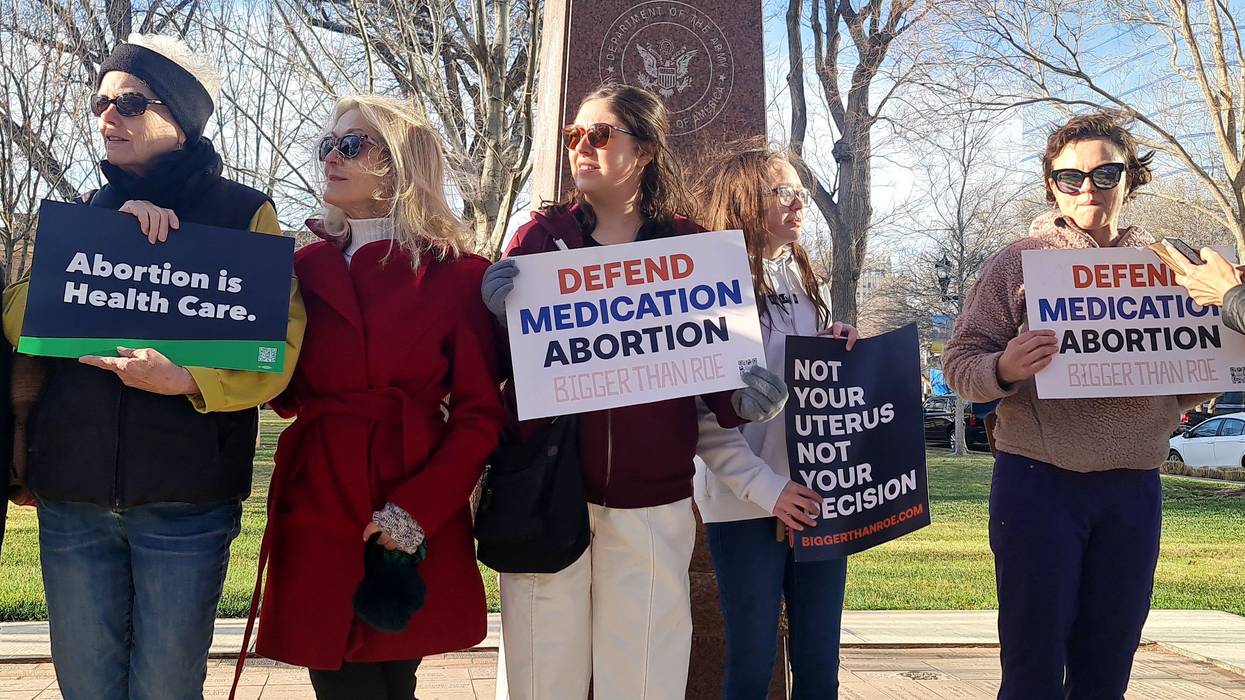
"While this is a positive short-term development, no one can rest easy when our ability to get this safe, effective medication for abortion and miscarriage care still hangs in the balance," stressed an ACLU attorney.
The US Supreme Court on Monday temporarily restored access to mifepristone, a medication commonly used for abortion and early miscarriage care, through the mail while the justices review a decision requiring it to be dispensed in person by a medical provider.
Justice Samuel Alito, who is part of the high court's right-wing supermajority, oversees the US Court of Appeals for the 5th Circuit. He issued a one-week stay for the appellate court's Friday dispensing decision, which critics had condemned as "sweeping and dangerous."
"This is not particularly surprising from Alito. He's the circuit justice here, acting—in essence—until the full court can act," explained Law Dork's Chris Geidner. He noted that both Alito and Justice Clarence Thomas, another right-winger, "have issued administrative stays in the past until the full court can rule in similar circumstances, regardless of their ultimate votes on the matters."
The drug companies Danco Laboratories, which makes the brand-name version of mifepristone, Mifeprex, and GenBioPro, which makes the generic pill, asked the country's top court to intervene following Friday's ruling, which threatened patients nationwide.
"Even this Supreme Court can see that this 5th Circuit decision is reckless," declared Alexis McGill Johnson, president and CEO of Planned Parenthood Action Fund, on Monday. "While mifepristone access returns to where it was on Friday morning, the whiplash and chaos that patients and providers are navigating have already had real consequences for real people's lives and futures."
Brittany Fonteno, president and CEO of the National Abortion Federation, similarly highlighted how "this back-and-forth has created confusion and chaos," but welcomed that the high court's "decision provides critical, if temporary, relief for patients and providers and ensures that people can continue to access this essential medication through telehealth while the court considers the case."
"The lower court's ruling disregards the well-established safety and efficacy of the use of mifepristone via telehealth, and any future restriction will create medically unnecessary barriers to care for patients across the country," Fonteno added. "Mifepristone has been safely used for more than 25 years, and is essential to abortion care and miscarriage management in the United States. For many patients, especially those in rural areas or facing financial and logistical barriers, access to telehealth is a critical component of holistic reproductive healthcare."
Since the Supreme Court reversed Roe v. Wade in June 2022, the anti-choice movement and right-wing politicians have ramped up attacks on reproductive freedom at the state level. Meanwhile, the Biden administration's Food and Drug Administration (FDA) permanently lifted mifepristone's in-person dispensing requirement in early 2023, allowing doctors in pro-choice states to serve patients across the country via telehealth and the mail, regardless of local laws.
Louisiana responded to the eased restrictions on mifepristone—which is generally taken with another drug, misoprostol, for abortions—by suing, which led to the battle that has now reached the Supreme Court. Prior to Friday's decision by the infamously far-right 5th Circuit, a district judge in the state paused the case due to what the ACLU on Monday called "a sham FDA review announced by the Trump administration," which is ongoing.
"While this is a positive short-term development, no one can rest easy when our ability to get this safe, effective medication for abortion and miscarriage care still hangs in the balance," Julia Kaye, senior staff attorney for the ACLU's Reproductive Freedom Project, stressed Monday. "The Supreme Court needs to put an end to this baseless attack on our reproductive freedom, once and for all."
This article has been updated with comment from the National Abortion Federation.

The "politically driven" ruling, warned one campaigner, "overrides medical expertise and years of research, and threatens to upend how abortion care is delivered nationwide."
Rights advocates swiftly sounded the alarm on Friday after the infamously far-right US Court of Appeals for the 5th Circuit temporarily blocked a federal rule allowing mifepristone to be dispensed by mail, dramatically curtailing access to the medication—commonly used for abortion and early miscarriage care—nationwide, particularly in states with policies hostile to reproductive freedom.
Just months after the US Supreme Court's right-wing supermajority reversed Roe v. Wade, the Food and Drug Administration permanently lifted mifepristone's in-person dispensing requirement in early 2023, under then-President Joe Biden. Louisiana—which has among the nation's most restrictive abortion policies—challenged the FDA's move.
A federal judge in Louisiana paused that lawsuit last month while President Donald Trump's administration conducts an FDA review that seems "designed to manufacture an excuse for further restricting medication abortion across the country," as Julia Kaye, senior staff attorney for the ACLU's Reproductive Freedom Project, warned at the time.
After a panel from the appellate court overturned that decision and revived the in-person dispensing rule on Friday, Kaye declared that "anti-abortion politicians have just made it much harder for people everywhere in the country to get a medication that abortion and miscarriage patients have been safely using for more than 25 years."
"Louisiana's legal attack on mifepristone shamelessly packaged lies and propaganda as an excuse to restrict abortion—and the 5th Circuit rubber-stamped it," she continued. "This decision defies clear science and settled law and advances an anti-abortion agenda that is deeply unpopular with the American people. For countless people, especially those who live in rural areas, face intimate partner violence, or live with disabilities, losing a telemedicine option will mean losing access to this vital medication altogether."
Brittany Fonteno, president and CEO of the National Abortion Federation (NAF), similarly stressed that "this ruling is a sweeping and dangerous rollback that disregards the well-established safety and efficacy of the use of mifepristone via telehealth, and will create immediate, medically unnecessary barriers to care for patients across the country."
"Make no mistake: This ruling is not grounded in science or patient safety," she said. "It is a politically driven decision that overrides medical expertise and years of research, and threatens to upend how abortion care is delivered nationwide. Through this litigation, Louisiana seeks to impose its cruel abortion ban across the nation—including in states with legal protections for abortion—and today the court has taken an extreme step toward that end."
While pledging that "NAF and our allies will continue to advocate to restore full access to medication abortion," Fonteno reminded patients that mifepristone "remains available in doctors' offices, clinics, and hospitals."
Terrific thread. I’ll just add:1. I think there’s a good chance the Supreme Court will stay this decision, allowing providers to keep mailing mifepristone for the time being.2. The Trump administration didn’t want this! Its plan was to wait until after the midterms to crack down on mifepristone.
[image or embed]
— Mark Joseph Stern (@mjsdc.bsky.social) May 1, 2026 at 6:52 PM
After Roe's reversal, the anti-choice movement and its allies in elected offices ramped up efforts to impose state-level restrictions on reproductive healthcare. A significant majority of abortions in the United States involve a two-drug regimen of mifepristone and misoprostol, and a quarter of those patients receive care via telemedicine.
"Telehealth has been the last bridge to care for many seeking abortion, which is precisely why Louisiana officials want it banned," said Nancy Northup, president and CEO of the Center for Reproductive Rights, which joined over 100 other reproductive health, justice, and rights groups, including the ACLU and NAF, that filed an amicus brief in this case.
"This isn't about science—it's about making abortion as difficult, expensive, and unreachable as possible," Northup added. "Telehealth has transformed healthcare. Selectively stripping that away from abortion patients is a political blockade."
The drug companies Danco Laboratories, which makes the brand-name version of mifepristone, Mifeprex, and GenBioPro, which makes the generic, have intervened in Louisiana v. FDA. GenBioPro is represented by the law firm Arnold & Porter and Democracy Forward, whose president and CEO, Skye Perryman, declared Friday that "this is the anti-abortion extremists' playbook in action once again: Weaponize the courts to serve their political interests, ignore decades of scientific evidence proving mifepristone’s safety, and put women directly in harm's way."
"Even as this assault defies the will of the overwhelming majority of the American public, these ideologically extreme politicians and organizations are determined to impose a narrow, autocratic agenda—no matter the cost," she continued, emphasizing that "our fight is not over."
This is a ruling purporting to halt telehealth prescriptions of mifepristone NATIONWIDE. Louisiana asked the Fifth Circuit for a decision by Monday, May 11. That they dropped it on a Friday afternoon feels intentional to keep it in effect for longer. Expect emergency appeal to SCOTUS shadow docket
[image or embed]
— Susan Rinkunas (@susanrinkunas.com) May 1, 2026 at 5:35 PM
The effects of the 5th Circuit's decision are expected to be immediate absent a quick intervention from the Supreme Court, and Nourbese Flint, president of All* Above All, warned that "as always, the people most impacted will be Black and brown communities and those already navigating systemic barriers to care."
Serra Sippel, executive director of the Brigid Alliance, a national abortion support group that helps coordinate and fund travel, said that "we expect to see an immediate increase in patients forced to travel hundreds or even thousands of miles for care. That includes many who are later in pregnancy—when care is more complex and more expensive."
"Over the past several years, we've seen a dramatic rise in abortion travel and a growing reliance on practical support networks like ours, particularly in states where patients already travel long distances for care," Sippel noted. "We will continue to monitor the impact of this ruling and are committed to ensuring abortion patients who need to travel can safely get to the care they need, regardless of where they live."

"Today's ruling affirms what we have always known: that abortion is essential healthcare," said one advocate.
The first piece of state legislation in the US explicitly banning the use of abortion pills was struck down on Tuesday as Wyoming's state Supreme Court ruled that it, along with the state's near-total abortion ban, violated the state's constitutional right to bodily autonomy.
Both laws were passed in 2023, following the US Supreme Court's overturning of Roe v. Wade. One of them banned abortion in nearly all cases, except when the pregnant patient's life is threatened or in cases of rape or incest—a measure similar to those in several other red states.
But while many states' abortion bans have effectively outlawed the use of abortion drugs like mifepristone and misoprostol, Wyoming's was the first to outlaw the use of these pills in its text.
According to a 2023 study by the Guttmacher Institute, 63% of abortions nationwide are done using medications.
In 2012, Wyoming voters approved a constitutional amendment guaranteeing each competent adult the "right to make his or her own healthcare decisions."
Ironically, the amendment was heavily promoted at the time by conservatives who believed it would protect them from what they viewed as "undue governmental infringement" by former President Barack Obama's Affordable Care Act. But reproductive freedom advocates have since used it as a weapon to protect abortion.
In 2023, Wyoming's only remaining abortion clinic, Wellspring Health Access in Casper; the abortion rights group Chelsea’s Fund; and four women, including two obstetricians, sued the state, arguing that the laws violated this constitutional right.
The state's attorneys attempted to argue that the amendment did not apply to abortion, which they claimed is not "healthcare."
In November 2024, a district judge halted both laws, deeming them unconstitutional. Abortion has since remained legal in the state while the lawsuit went ahead.
In a 4-1 ruling, the Wyoming Supreme Court on Tuesday also sided with abortion rights advocates, ruling that both of these laws conflicted with the state’s constitution.
“A woman has a fundamental right to make her own healthcare decisions, including the decision to have an abortion,” the ruling states.
“The state did not meet its burden of demonstrating the abortion laws further the compelling interest of protecting unborn life without unduly infringing upon the woman’s fundamental right to make her own healthcare decisions,” the court added. “As such, the abortion laws do not constitute reasonable and necessary restrictions on a pregnant woman’s right to make her own healthcare decisions.”
Wyoming’s Supreme Court is the state’s highest judicial authority, meaning that the pair of laws is permanently blocked. However, the court said “lawmakers could ask Wyoming voters to consider a constitutional amendment that would more clearly address this issue.”
Janean Forsyth, the executive director of Chelsea's Fund, said the court's decision "is a landmark victory for reproductive freedom in Wyoming, and we are gratified and heartened by the ruling."
"Today's ruling affirms what we have always known: that abortion is essential healthcare, and Wyoming women have the constitutional right and the freedom to make their own healthcare decisions without government interference," she added.
The ruling is a victory for abortion rights at a time when they have come under systemic attack by the Trump administration during his first year back in power, as the Center for Reproductive Rights documented in a report released Monday.
The administration has withdrawn federal guidance that directed emergency rooms to perform abortions in cases where the mother suffers deadly pregnancy complications, which have increased by as much as 50% in states with abortion bans.
A new policy at the Department of Veterans Affairs (VA), meanwhile, prevented veterans on VA health insurance from receiving abortions, including in cases of rape, incest, or severe risk to personal health.
The massive cuts to Medicaid under last year's Republican budget reconciliation bill have also resulted in the closure of at least 50 Planned Parenthood health centers across the nation, and reduced services at many more.
GOP attempts to restrict mifepristone access are also currently being litigated in Florida, Texas, and Missouri.
Health and Human Services Robert F. Kennedy, Jr said during a Senate hearing in May that the Food and Drug Administration (FDA) is currently reviewing its regulations on mifepristone, which was first approved by the FDA 26 years ago. That review has reportedly been delayed until after the 2026 midterm elections in November.
"Too many people wrongly believe that President Trump is done attacking abortion access, and that overturning Roe v. Wade was his endgame,” said Nancy Northup, president and CEO of the Center for Reproductive Rights. “But in his first year back in office, the Trump administration is not ‘leaving it to the states’ to decide abortion policy, but wielding federal power to go after abortion access even in states where abortion is legal."
She described "the looming fear that the FDA will soon gut access to abortion pills, which have been a lifeline in post-Roe America," adding that "the threat to further limit access to abortion throughout the nation is real and must be met with vigorous opposition.”
President Donald Trump and his cronies are peddling lies about abortion care while touting their farce advancements for women’s health.
Earlier this month, Food and Drug Administration Commissioner Marty Makary and Secretary of Health and Human Services Robert F. Kennedy Jr. made an announcement regarding the removal of broad “black box” warnings from Hormone Replacement Therapy products for menopause.
As an OB-GYN PA with more than a decade of experience in reproductive care, I know what decisions women and patients are grappling with when it comes to their health and maternal care. I also know first hand the devastating consequences of denying patients critical care when they need it the most and stripping access to care that’s been proven to be safe and effective after decades of research.
President Donald Trump and his cronies are peddling lies about abortion care while being hypocrites when touting their farce advancements for women’s health. Right now, Trump and his anti-abortion administration are pulling every string possible to ban abortion and that includes banning abortion medication.
Ironically, Commissioner Makary said in a statement that “women and their physicians should make decisions based on data, not fear,” and anti-abortion extremist Kennedy Jr. said that the administration is “returning to evidence-based medicine and giving women control over their health again.”
Contrary to their assertion of trusting research and doctors, right now, the Trump administration is working to roll back access to mifepristone and reproductive care, with Makary and Kennedy Jr. at the helm.
At the press event for this announcement, while responding to a question from a reporter, Makary said that the administration is “sticking with our philosophy that the government is not your doctor.”
So, which is it? Does this administration trust women and patients to consult their physicians for what’s best on making personal medical decisions, or is that only convenient messaging when it’s pushing forward their extreme agenda?
The healthcare crisis in America is a dire one, and yet, the Trump administration continues to play political games and feign ignorance as to how their efforts to ban abortion nationwide will have a catastrophic impact on women and patients across the country.
It has been 25 years since the FDA approved mifepristone, a safe, effective medication that has reshaped abortion care in the US.
Contrary to their assertion of trusting research and doctors, right now, the Trump administration is working to roll back access to mifepristone and reproductive care, with Makary and Kennedy Jr. at the helm.
At the urging of anti-abortion politicians and junk science, the FDA has agreed to revisit its approval of mifepristone, because extremists condemned the FDA approving a generic abortion pill just last month.
We must continue to call out this hypocrisy, because Republicans know that imposing Project 2025’s abortion agenda risks significant political backlash, particularly in battleground states where abortion is either legal or popular. More than 6 in 10 Americans support keeping medication abortion available. Even many Trump voters oppose new restrictions.
Let’s be clear—this administration’s attacks on mifepristone are a national abortion test.
Project 2025, spearheaded by Trump, Kennedy Jr., and Makary, would dismantle access to one of the safest, most widely used medications in the country. Medication abortion accounted for nearly two-thirds of all US abortions in 2023.
Will women and families retain the ability to make private medical decisions—or will patients have their rights ripped away and be forced to jump through unimaginable hoops just to receive care?
If Republicans were actually committed to prioritizing women’s health in their agenda, they would invest in healthcare so expecting mothers across the country have access to the most comprehensive care available, including abortion care.
If Republicans were actually committed to protecting women and advancing medical research, they wouldn’t pull funding from clinics and hospitals dedicated to providing care for women and patients nationwide, especially in rural communities where resources are already sparse.
I’m not buying this feigned effort toward showing allyship toward women, when everything that this administration has done since January has been an assault on women’s health and the care we undoubtedly need. Physicians and providers like me spend years in schooling and training so we can provide the best care to our communities, and yet this administration undermines those years of dedication and expertise to appease an extreme anti-abortion minority.
If Trump, Makary, and Kennedy Jr. want to walk the walk in advancing women’s healthcare, they should start with looking at themselves and acknowledging the harm that they are doing across the country to the detriment of the American people.
Lives are at stake, and we are waiting for them to mean what they say.
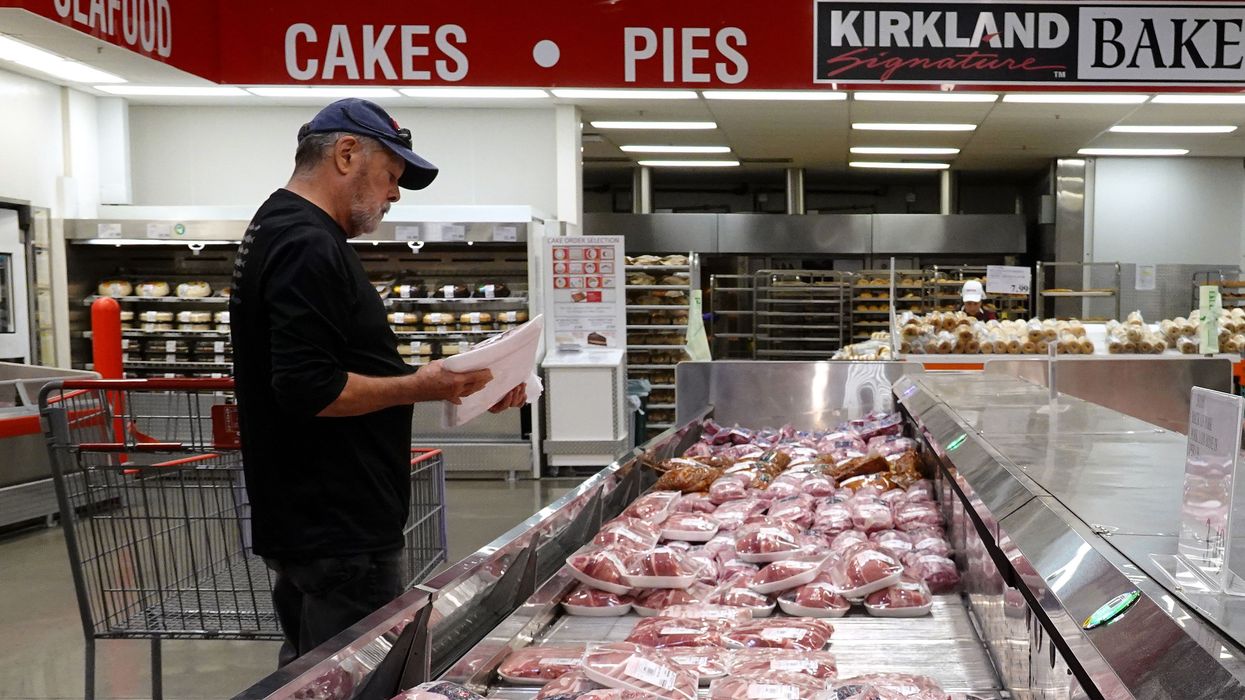
“The next time you go to a restaurant and then uncontrollably vomit and diarrhea in your pants, you should send a note of thanks to the Republican and Democratic senators,” said David Sirota, founder of The Lever.
While the Republican and Democratic senators who passed this week’s emergency funding bill to reopen the government took heat for their failure to provide a solution to rising health insurance premiums, they also slipped other provisions under the radar that will likely harm Americans’ health.
As The Lever reported Tuesday, senators inserted language into the bill that would gut food safety regulations that prevent illness and death, as well as regulations on ultraprocessed foods.
The changes come “amid a lobbying blitz and a flood of campaign cash” from the food and restaurant industries which have spent more than $13 million lobbying the White House, Congress, and the Food and Drug Administration (FDA) this year.
Amid a surge of product recalls for bacteria like Listeria, Salmonella, and E. coli, the number of dangerous cases of foodborne illness doubled last year, according to the Public Interest Network. These illnesses annually result in around 53,000 hospitalizations and 900 deaths, according to a report from the Government Accountability Office.
Nevertheless, The Lever reports that the “new funding bill blocks federal rules designed to trace sources of outbreaks, and to prevent contamination of produce.” One provision bans the use of funds to administer or enforce the FDA’s "Requirements for Additional Traceability Records for Certain Foods," published in November 2022.
That traceability rule, The Lever notes, is “aimed to establish new record-keeping standards for companies to track their food products across the supply chain. Those records could help regulators identify the point of origin in the event of a major disease outbreak or food contamination event. The rule applied to produce, seafood, and certain dairy products, such as cheese, and exempted small businesses from the rule.”
The rule was initially proposed by the Trump administration during the Covid-19 pandemic, and enacted in 2023 by the Biden administration over aggressive opposition from industry groups. But after Trump’s return to office this year, they began a multimillion-dollar effort to lobby Congress to repeal the measure.
The National Restaurant Association spent nearly $2.5 million to lobby lawmakers to eliminate the rule, while the International Foodservice Distributors Association spent more than $600,000. In August, the Trump FDA proposed a rule to delay the traceability standards until 2028.
As The Lever explains: “The line inserted on page 154 of the new funding package contains identical language as the federal rule and would enshrine it into law.”
Two groups that have lobbied aggressively for deregulation of food tracking, the National Restaurant Association and the National Grocers Association, donated more than $750,000 to both parties’ congressional candidates and more than $145,000 to the two parties’ congressional election committees in the last election.
And they gave a combined $17,000 to three of the seven Democrats who joined Republicans in backing the bill—Sens. Jacky Rosen (D-Nev.), Tim Kaine (D-Va.), and Dick Durbin (D-Ill.).
“The next time you go to a restaurant and then uncontrollably vomit and diarrhea in your pants, you should send a note of thanks to the Republican and Democratic senators who helped their campaign donors slip this language into their legislation to reopen the government,” wrote The Lever’s founder, David Sirota, on social media.
The traceability rule is one of several regulations the bill, which is expected to come up for a vote in the House on Wednesday, would gut. It also requires that none of the bill’s funds go toward enforcing a 2015 FDA rule requiring stricter inspections of wine grapes, hops, almonds, and certain other crops.
It also axes funds for the FDA to establish new regulations to limit the public’s high intake of sodium, which is commonly found in highly processed foods. The effort to gut these regulations notably flies in the face of Health and Human Services Secretary Robert F. Kennedy, Jr.’s so-called “Make America Healthy” initiative.
Kennedy’s “MAHA” report, released in May, explicitly called for guidelines “that emphasize unprocessed foods while strictly limiting high-fat, high-sugar, and high-sodium processed items.”
“The most MAGA thing ever is embracing the so-called MAHA movement and then quietly gutting food safety regulations and research into ultra-processed foods,” said Neal Kwatra, the founder of the New York-based progressive group Metropolitan Public Strategies. “Just previously unseen levels of gaslighting on politics vs. actual policy.”
But Democrats allowed the measure to pass, too. For this, Melanie D’Arrigo, the executive director of the Campaign for New York Health, blamed the overwhelming power of corporate money.
“As long as corporations and billionaires are legally allowed to pay off politicians, we will never have a government that works for us,” she said.
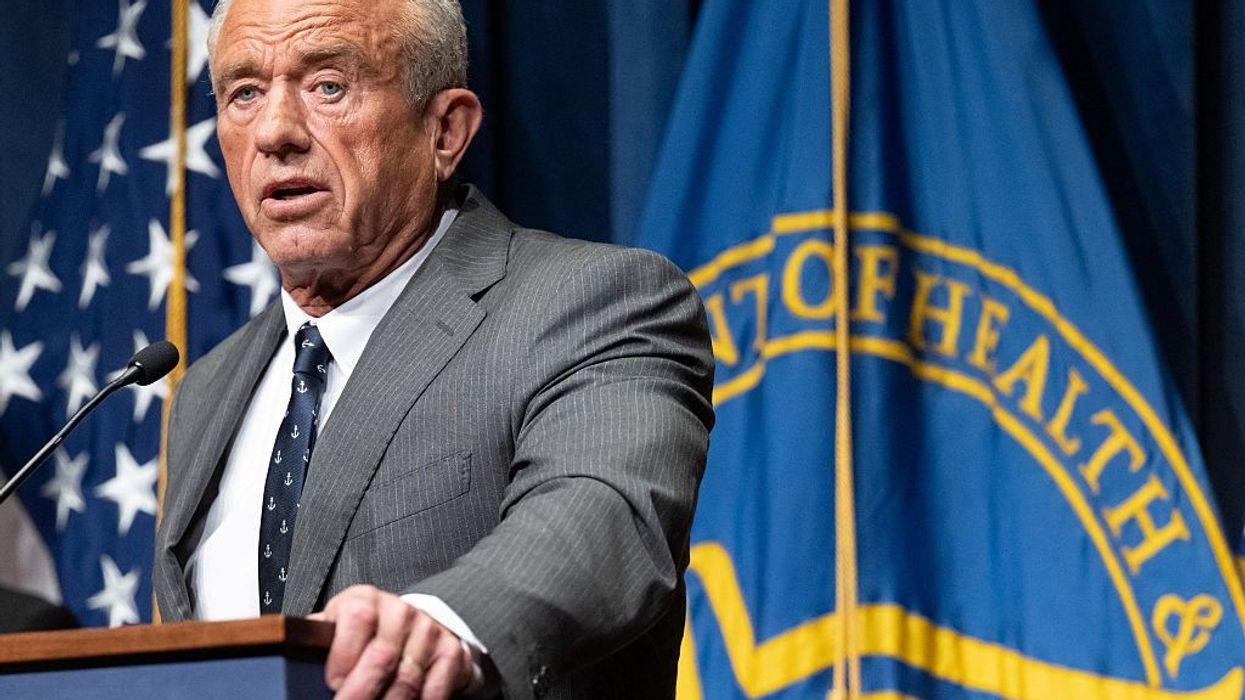
"They are leveraging this platform to share untruths about vaccines to scare people," said one doctor Kennedy fired from the panel.
Health officials working under Secretary of Health and Human Services Robert F. Kennedy Jr. may seek to restrict access to the Covid-19 vaccine for people under 75 years old.
The Washington Post reported Friday that the officials plan to justify the move by citing reports from an unverified database to make the claim that the shots caused the deaths of 25 children.
The reports come from the Vaccine Adverse Event Reporting System (VAERS), a federal database that allows the public to submit reports of negative reactions to vaccines. As the Post explains, VAERS "contains unverified reports of side effects or bad experiences with vaccines submitted by anyone, including patients, doctors, pharmacists, or even someone who sees a report on social media."
As one publicly maintained database of "Batshit Crazy VAERS Adverse Events" found, users have reported deaths and injuries resulting from gunshot wounds, malaria, drug overdoses, and countless other unrelated causes as possible cases of vaccine injury.
As Beth Mole wrote for ARS Technica, "The reports are completely unverified upon submission, and the Centers for Disease Control and Prevention staff follow up on serious reports to try to substantiate claims and assess if they were actually caused by a vaccine. They rarely are."
Nevertheless, HHS officials plan to use these VAERS reports on pediatric deaths in a presentation to the CDC's Advisory Committee on Immunization Practices (ACIP) next week as the panel considers revising federal vaccine guidelines.
One person familiar with the matter told the Post that HHS officials attempted to interview some of the families who claimed their child died from the vaccine, but it is unclear how many were consulted and what other information was used to verify their claims.
In June, Kennedy purged that panel of many top vaccine experts, replacing them with prominent anti-vaccine activists, after previously promising during his confirmation hearing to keep the panel intact.
The Food and Drug Administration under Kennedy has already limited access to the Covid-19 vaccine. Last month, it authorized the vaccines only for those 65 and over who are known to be at risk of serious illness from Covid-19 infections.
While the vaccine is technically available to others, the updated guidance has created significant barriers, such as the potential requirement of a doctor's prescription and out-of-pocket payment, making it much harder for many to receive the shot.
The Post reports that ACIP is considering restricting access to the vaccination further, by recommending it only for those older than 75. It is weighing multiple options for those 74 and younger—potentially requiring them to consult with their doctor first, or not recommending it at all unless they have a preexisting condition.
Prior to the wide availability of Covid-19 vaccinations beginning in 2021, the illness killed over 350,000 people in the US. And while the danger of death from Covid-19 does increase with age, CDC data shows that from 2020 to 2023, nearly 47% of the over 1.1 million deaths from the illness occurred in people under 75.
According to the World Health Organization, the US reported 822 deaths from Covid over a 28-day period in July and August this year, vastly more deaths than anywhere else in the world. CDC data reported to ACIP in June shows that Covid deaths were lower among all age groups—including children—who received the mRNA vaccine.
Nicole Brewer, one of the vaccine advisers eliminated by Kennedy, lamented that Kennedy and his new appointees are ignoring the dangers of Covid-19 while amplifying the comparatively much lower risk posed by vaccines.
"They are leveraging this platform to share untruths about vaccines to scare people," she told the Post. “The U.S. government is now in the business of vaccine misinformation.”
ACIP is also reportedly mulling the rollback of guidelines for other childhood vaccines for deadly diseases like measles, Hepatitis B, and Respiratory Syncytial Virus (RSV).
While ACIP's guidelines are not legally binding, the Post writes that its meeting next week "is critical because the recommendations determine whether insurers must pay for the immunizations, pharmacies can administer them, and doctors are willing to offer them."
"If you haven't gotten your updated Covid vaccine by now, book an appointment fast before next week's ACIP meeting," warned Dr. David Gorski, the editor of the blog Science-Based Medicine. "After that, you might not be able to get one."