Trump’s Newest Unconstitutional, Dangerous Birthright Ban Must Be Stopped
People’s constitutional rights are once again being threatened by a xenophobic administration with no regard for the Constitution or the rule of law.
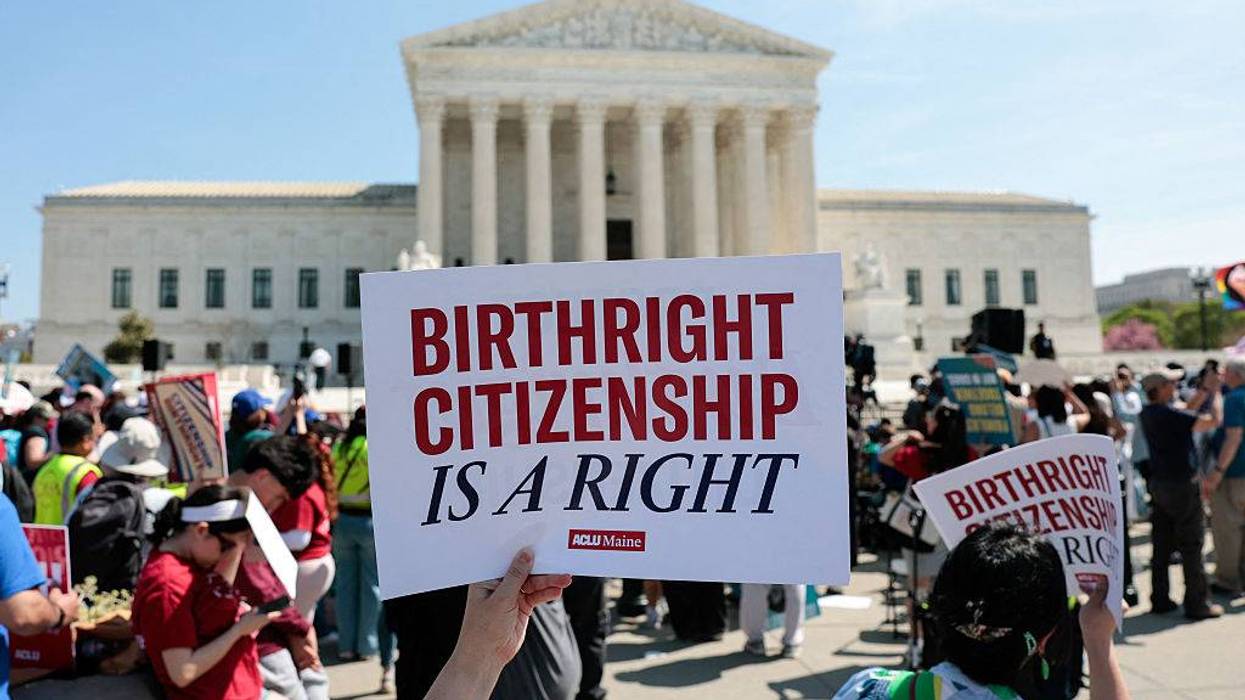
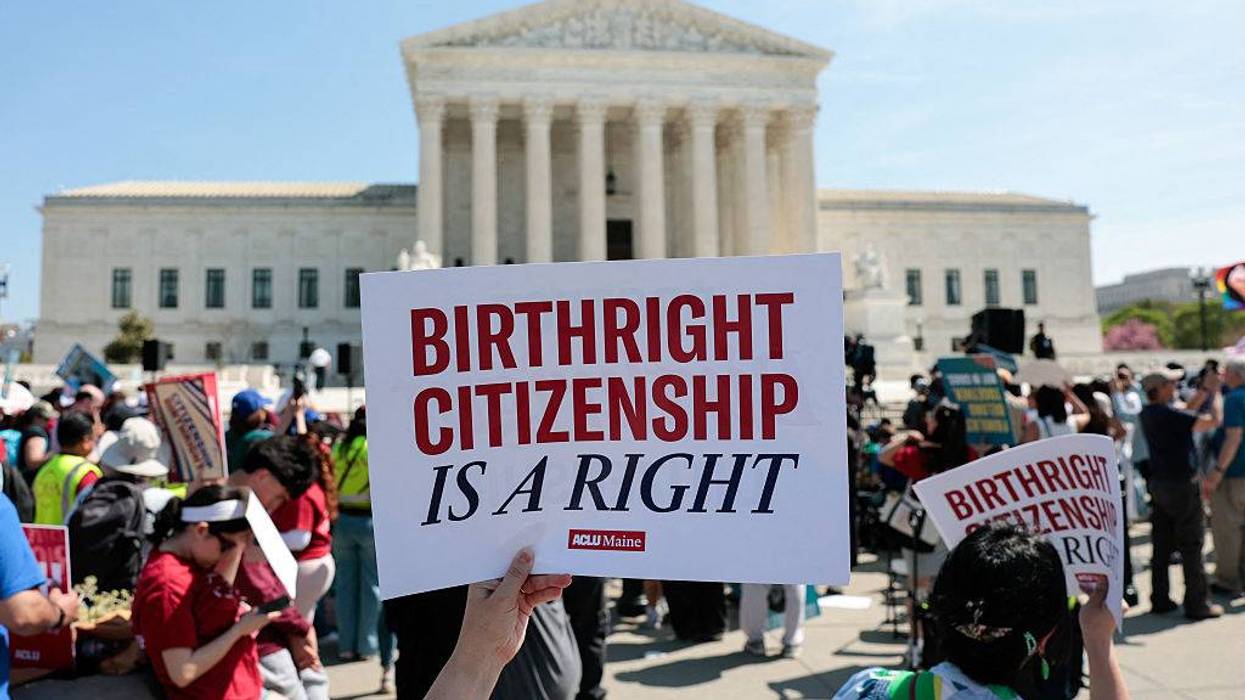
On August 6, five weeks after the Supreme Court rejected his first birthright ban, President Donald Trump signed two executive orders aimed at restricting birthright citizenship and ending “birth tourism.”
Birthright Ban 2.0
The first denies automatic citizenship to babies born in the US to two noncitizen parents if at least one of them is: an “alien enemy,” a member of a “Foreign Terrorist Organization” (FTO), a government employee, or has “engaged in fraudulent activity to obtain citizenship.” While the scope of this is technically narrower than his first birthright ban, it is ultimately vague enough that the Trump administration could effectively weaponize it against anyone.
Consider this: On his first day back in office, Trump signed an executive order designating Tren de Aragua (TdA) and La Mara Salvatrucha (MS-13) as FTOs. In March, Trump issued a proclamation declaring that all Venezuelan noncitizens 14 years or older who are members of TdA “are liable to be apprehended, restrained, secured, and removed as Alien Enemies.” The very same day, the administration announced the deportation of nearly 300 Venezuelan nationals it accused of being members of TdA.
Among these deportees were those whose only crime was having a tattoo that immigration officials had designated as a sign of gang affiliation. Such tattoos included: “stars on shoulder,” “crowns,” “firearms and grenades,” “trains and dice,” “roses and predatory felines,” gas masks, clocks, and even the iconic silhouette of Michael Jordan dunking—the Jumpman. Notably, unlike other gangs, TdA does not require its members to obtain any tattoos. The Trump administration simply used this as a pretext to deport innocent people to El Salvador’s notorious mega-prison, the Terrorism Confinement Center (CECOT).
No child is responsible for the circumstances of their birth—even if their parents are guilty of a crime, they are innocent.
Under this latest executive order, the US-born children of those accused of being a member of a FTO—no matter how baseless the allegation—would have their citizenship status jeopardized and more than likely denied. In doing so, it would pave the way for more family deportations. Notably, the Trump administration has already deported several US-born children along with their parents.
Moreover, while TdA and MS-13 are real organizations, the Trump administration has already designated at least one fictional group as a FTO: the Cartel de los Soles. In 2025, the State Department alleged that this organization was “headed by [Venezuelan President] Nicolás Maduro and other high-ranking individuals of the illegitimate Maduro regime.” This was a strategic lie. Like antifa, Cartel de los Soles is not a formal organization with a clearly defined leadership structure. Rather, experts describe it as a loose network of individuals broadly involved in the drug trade.
Nevertheless, that designation gave the Trump administration the pretext to invade Venezuela, kidnap Maduro, and put him on trial for his alleged narco-crimes. After his capture, the Department of Justice (DOJ) revised its indictment of Maduro and abandoned its claim that Cartel de los Soles is an actual organization. Whereas the old indictment made 32 mentions of the fictional cartel, the new one refers to it twice. It claims that Maduro, like former Venezuelan President Hugo Chávez, participated in, perpetuated, and protected this “patronage system.”
While the DOJ altered its indictment of Maduro, Cartel de los Soles is still formally classified as a FTO by the State Department.
Herein lies the real danger: The Trump administration lies and lies often. For an administration this corrupt and xenophobic, this new birthright ban offers it the ability to accuse any noncitizen, under whatever false pretenses, of being a member of a real or fictional organization to target their children. And, make no mistake, if the Supreme Court allows them, the Trump administration certainly will.
Ending Birth Tourism
The other executive order aims at ending birth tourism, or the practice of traveling to another country to give birth, thereby allowing the child to automatically acquire citizenship. While Trump insists that there are “hundreds of thousands” of such births each year, the Migration Policy Institute notes that the most expansive estimate puts the figure at 22,000 to 26,000 babies born annually in the US due to birth tourism—or less than 1% of all births in the country.
That number, however, is disputed. In 2024, the Centers for Disease Control and Prevention (CDC) reported that 9,576 babies were born in the US to mothers who list their official address as outside the US. A 2026 study by researchers at Pennsylvania State University found that birth tourism accounted for less than 0.3% of all US births in any given year between 2014 and 2024.
This executive order authorizes the Secretary of State and Secretary of Homeland Security “to issue or adopt rules, policies, operational guidance, or other guidance” designed to stop foreign nationals from entering the country via a temporary visa if they have the goal of giving birth on American soil.
Notably, while the executive order decries the purported dangers of birth tourism, it is vague with respect to how the State Department or DHS would actually go about identifying these people.
Since the first executive order explicitly targets the children of noncitizens who “engage in a commercial transaction to ensure that the person’s mother is present in the United States, or a territory of the United States, to give birth,” these departments would be empowered to deport law-abiding visa holders and deny their children citizenship based solely on their own discretion—no matter how disingenuous.
In short, together, these two executive orders would allow the Trump administration to further accelerate its mass deportation agenda while denying citizenship to whoever they want.
Protect Birthright Citizenship
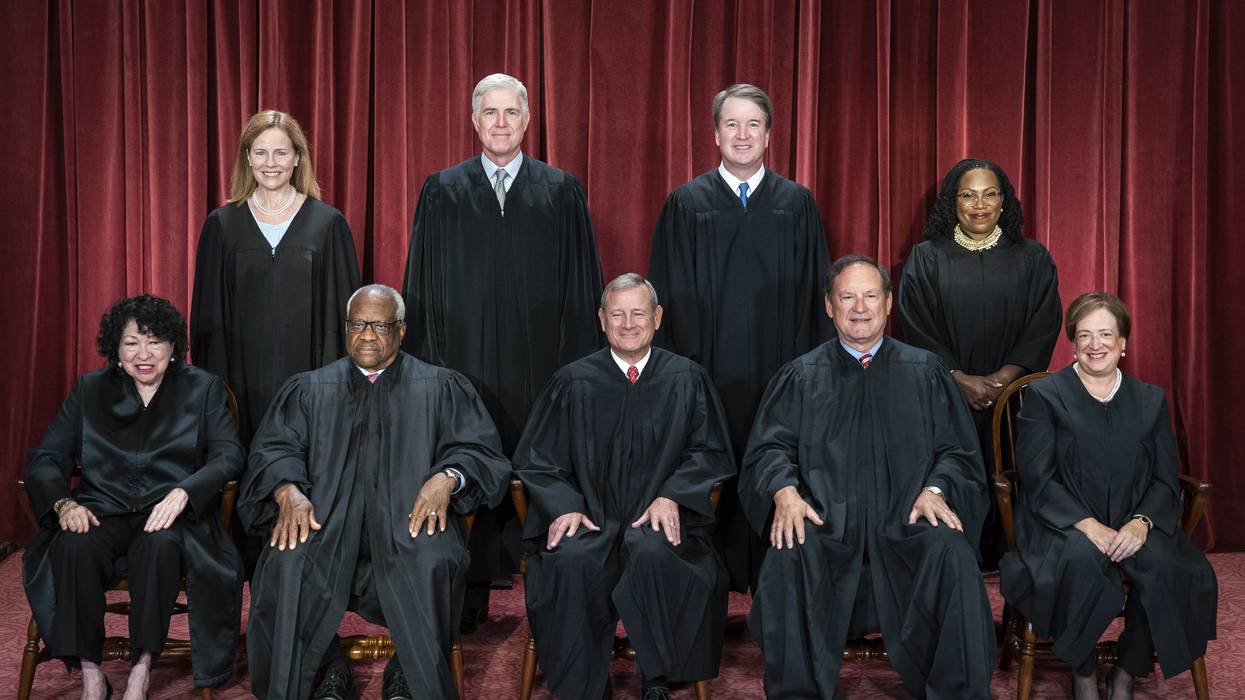
Given the Supreme Court’s decision in Trump v. Barbara, these orders should be ruled unconstitutional. Regardless of whether the parents engaged in fraud or were members of a real (or fictional) terrorist organization, their US-born child would still be a citizen under the 14th Amendment. No child is responsible for the circumstances of their birth—even if their parents are guilty of a crime, they are innocent.
So, what then is the point? Perhaps the Trump administration believes that by framing their birthright ban in terms of terrorism and fraud that the Supreme Court might see things differently.
Perhaps it believes that returning to the birthright issue will help Republicans in the midterms. While Trump is broadly unpopular, 8 in 10 Republicans continue to support his immigration policies. An April 2026 poll by Reuters found that 62% of Republicans support ending birthright citizenship.
Once again, we are put in a position where we must trust the Supreme Court to do the right thing. And once again we are forced to reckon with the fact that we cannot take for granted that it will.
Perhaps the point is to stoke more fear within immigrant communities in hopes that more people will self-deport.
Perhaps the cruelty is the point.
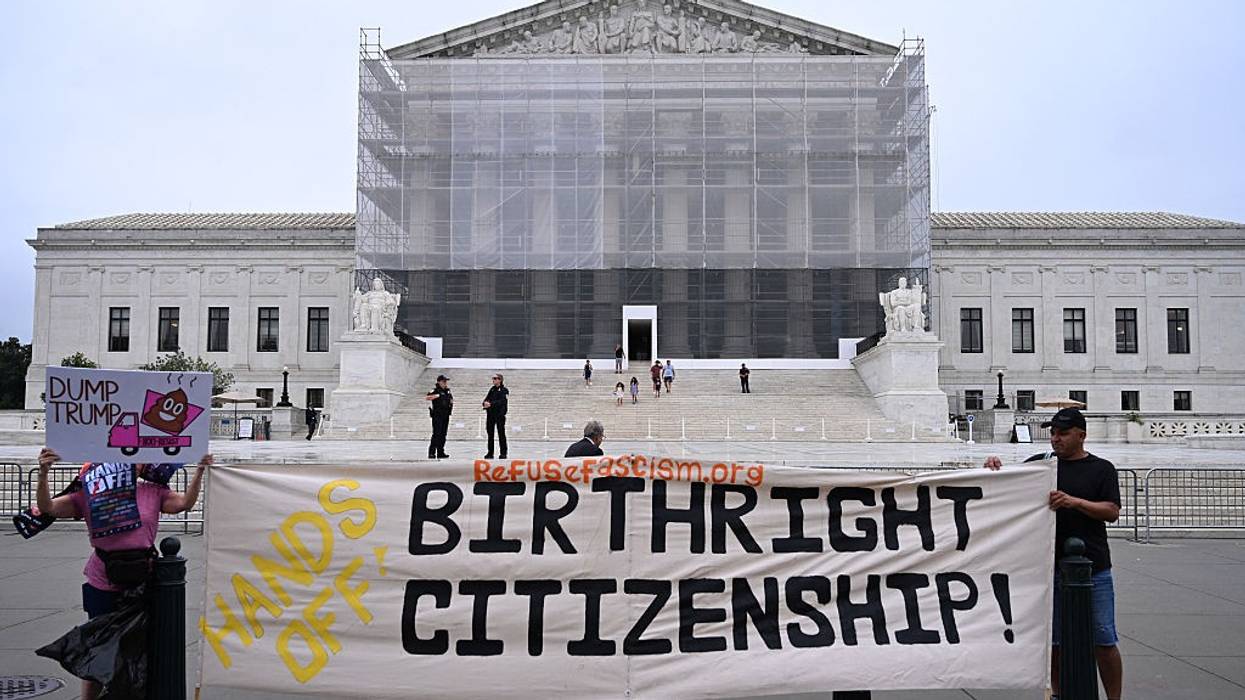
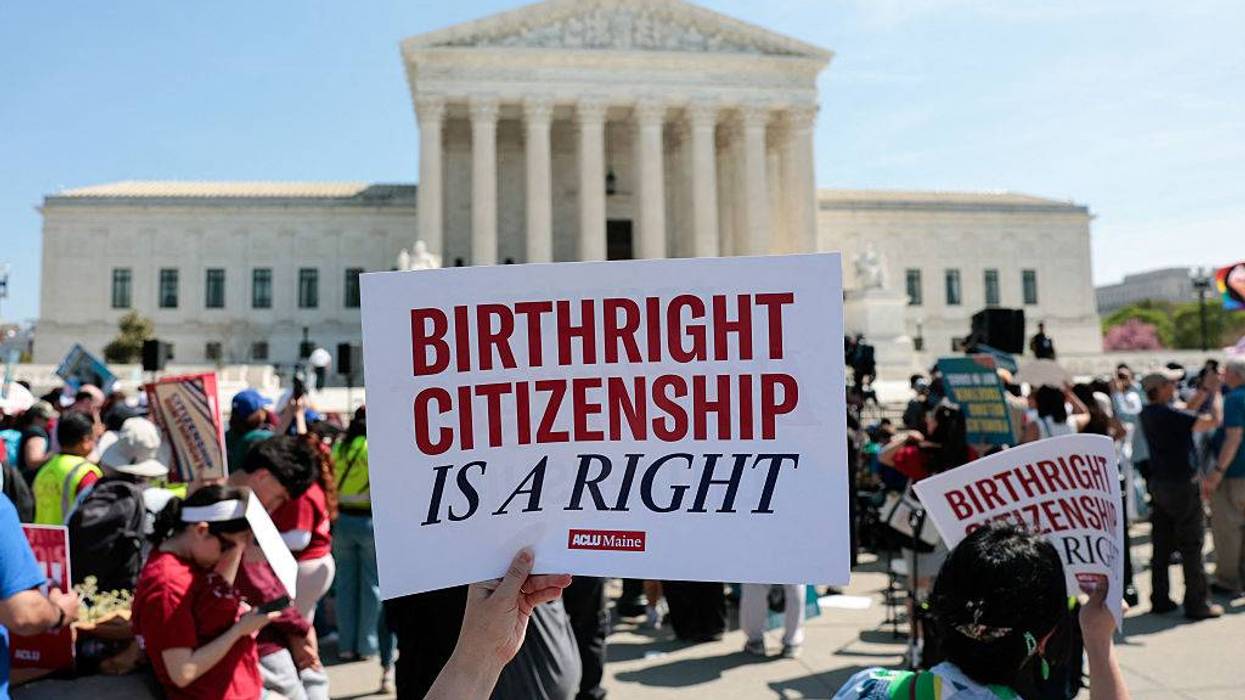
Whatever the reason, the reality is that birthright citizenship is once again under fire. People’s constitutional rights are once again being threatened by a xenophobic administration with no regard for the Constitution or the rule of law. Once again, we are put in a position where we must trust the Supreme Court to do the right thing. And once again we are forced to reckon with the fact that we cannot take for granted that it will.
For the sake of ourselves, future generations, and the country, we cannot allow this to become the new normal. We must continue to protest the Trump administration’s abuses, support the journalists documenting its atrocities, and demand that Congress take actions to rein in its corruption.