SUBSCRIBE TO OUR FREE NEWSLETTER
Daily news & progressive opinion—funded by the people, not the corporations—delivered straight to your inbox.
5
#000000
#FFFFFF
To donate by check, phone, or other method, see our More Ways to Give page.
Daily news & progressive opinion—funded by the people, not the corporations—delivered straight to your inbox.
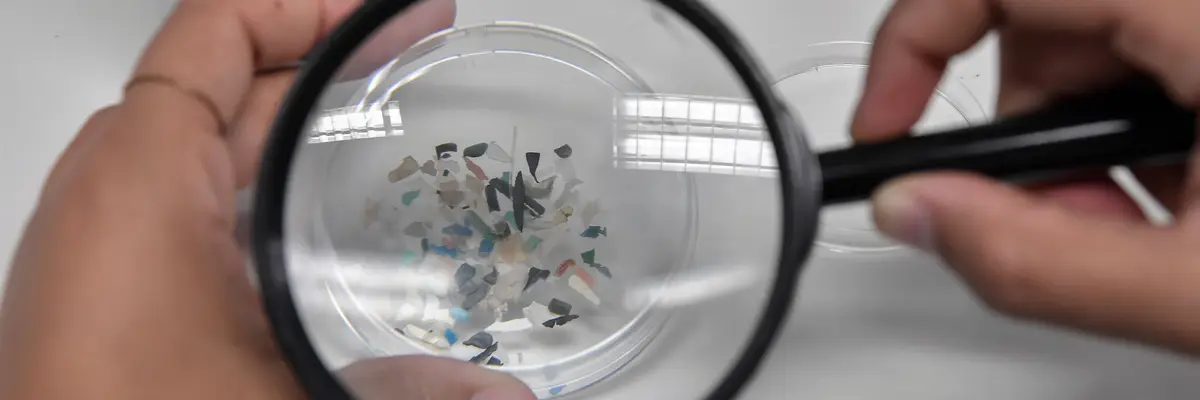
A biologist looks at microplastics found in sea species at the Hellenic Centre for Marine Research near Athens, on November 26, 2019.
Committing $144 million to study microplastics while subsidizing fossil fuels by nearly $31 billion a year is like trying to clean up an oil spill with a spoon while the tanker is still spewing.
At a time when the science is clear, and action is overdue, the Trump administration’s STOMP initiative—aimed at measuring and removing microplastics from the human body—is a convenient distraction that delays real action. We do not need more studies to understand microplastics in our bodies. We need policies that prevent them from getting there in the first place.
For years, scientists have warned that we are breathing, eating, and drinking plastic. Microplastics—which contain more than 4,200 chemicals known to be hazardous to human health—are in our blood, lungs, and unborn babies.
And while there’s something validating about the Trump administration finally acknowledging this problem, putting microplastics on a watch list is not protection. Instead, this declared "war on microplastics" is a gift in disguise to the industries driving the crisis.
“Make America Healthy Again” was a rallying cry: Take on the corporate polluters, clean up our food supply, eliminate toxic chemicals, and hold the chemical industry accountable. The MAHA Report acknowledged that microplastics are found in "the blood and urine of American children and pregnant women,” and promised action from the Department of Health and Human Services (DHHS), the Environmental Protection Agency (EPA), and the National Institutes of Health (NIH).
The problem is that the only real way to fix it is to stop it at the source. That means taking on the fossil fuel industry driving plastic production—an industry to which this administration has shown deep loyalty.
That was the promise. But instead, the Trump administration gave us plastic straws and put single-use plastics back in our National Parks. They slashed the EPA's budget nearly in half—the very agency responsible for the new microplastics plan—and fired more than 1,000 of its scientists. They dismantled the agencies that protect us from chemical disasters and exposure to harmful hazards, like lead. They ramped up glyphosate production and appointed chemical-industry lobbyists to leadership roles within the EPA. They’re also weakening the Toxic Substances Control Act and rolling back protections on PFAS in drinking water.
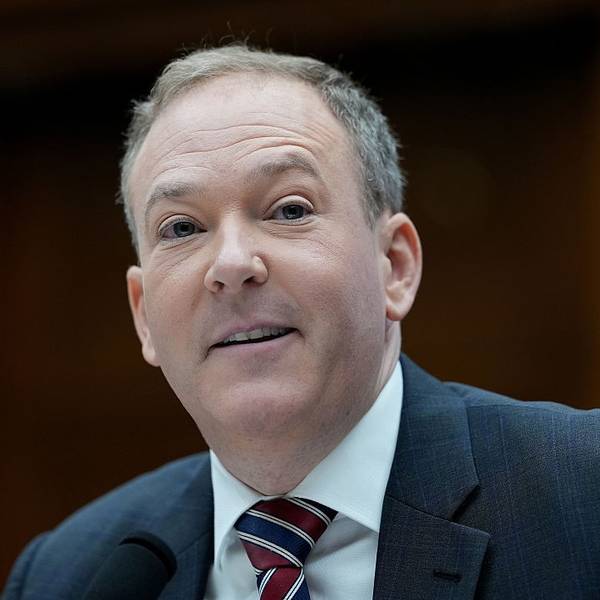
While EPA Administrator Lee Zeldin claims the administration is holding itself “to the highest standards to protect the health of every American,” it continues to gut science, weaken laws, and hollow out the very institutions responsible for protecting public health—giving polluting industries a free pass to keep producing more.
Even MAHA advocates are beginning to see through the rhetoric. In a recent letter to the EPA, they urged:“The EPA must choose whether it will uphold a chemical status quo or honor the promise to make this country healthy again. The public is watching. Families are organizing. Scientists are sounding the alarm.”
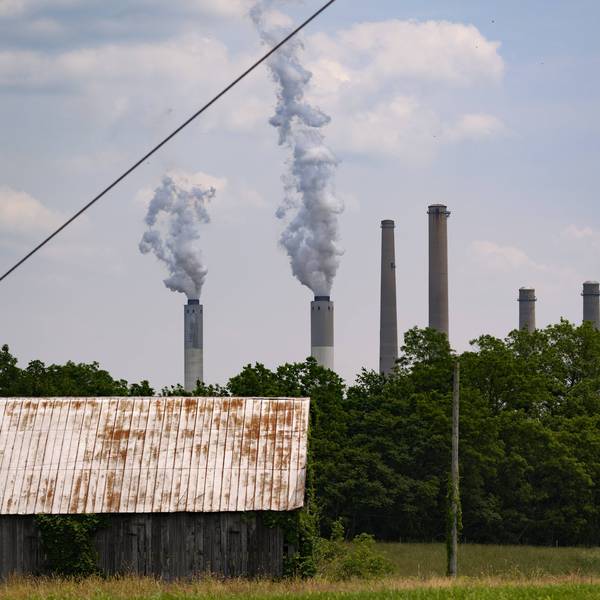
Microplastics don’t just randomly end up in our bodies. They come from a system designed to produce endless plastic at any cost. That system is fueled by oil, gas, and coal. Nearly 99% of plastics are made from fossil fuels. Committing $144 million to study microplastics while subsidizing fossil fuels by nearly $31 billion a year is like trying to clean up an oil spill with a spoon while the tanker is still spewing.
The Trump administration has put a spotlight on a serious health crisis. The problem is that the only real way to fix it is to stop it at the source. That means taking on the fossil fuel industry driving plastic production—an industry to which this administration has shown deep loyalty. As Secretary of the US DHHS, Robert F. Kennedy, Jr., put it on Fox News: “A lesson we were all supposed to learn in kindergarten is that you clean up after yourself. You don't force the public to do it.”
The coming months will show whether this administration is serious about action or simply delivering lip service to a disillusioned MAHA ahead of the midterms. If the administration is really committed to making Americans healthy again, it must act where it matters: Set enforceable limits on microplastics in drinking water, restore strong chemical safety laws, halt new plastic production, rebuild the EPA and Centers for Disease Control and Prevention, and revoke the red-carpet access it has granted industry within regulatory agencies.
Above all, it could truly end the war on microplastics by backing a global plastics treaty that limits production in the first place.
Because you cannot detox a body you are still poisoning.
Dear Common Dreams reader, It’s been nearly 30 years since I co-founded Common Dreams with my late wife, Lina Newhouser. We had the radical notion that journalism should serve the public good, not corporate profits. It was clear to us from the outset what it would take to build such a project. No paid advertisements. No corporate sponsors. No millionaire publisher telling us what to think or do. Many people said we wouldn't last a year, but we proved those doubters wrong. Together with a tremendous team of journalists and dedicated staff, we built an independent media outlet free from the constraints of profits and corporate control. Our mission has always been simple: To inform. To inspire. To ignite change for the common good. Building Common Dreams was not easy. Our survival was never guaranteed. When you take on the most powerful forces—Wall Street greed, fossil fuel industry destruction, Big Tech lobbyists, and uber-rich oligarchs who have spent billions upon billions rigging the economy and democracy in their favor—the only bulwark you have is supporters who believe in your work. But here’s the urgent message from me today. It's never been this bad out there. And it's never been this hard to keep us going. At the very moment Common Dreams is most needed, the threats we face are intensifying. We need your support now more than ever. We don't accept corporate advertising and never will. We don't have a paywall because we don't think people should be blocked from critical news based on their ability to pay. Everything we do is funded by the donations of readers like you. When everyone does the little they can afford, we are strong. But if that support retreats or dries up, so do we. Will you donate now to make sure Common Dreams not only survives but thrives? —Craig Brown, Co-founder |
At a time when the science is clear, and action is overdue, the Trump administration’s STOMP initiative—aimed at measuring and removing microplastics from the human body—is a convenient distraction that delays real action. We do not need more studies to understand microplastics in our bodies. We need policies that prevent them from getting there in the first place.
For years, scientists have warned that we are breathing, eating, and drinking plastic. Microplastics—which contain more than 4,200 chemicals known to be hazardous to human health—are in our blood, lungs, and unborn babies.
And while there’s something validating about the Trump administration finally acknowledging this problem, putting microplastics on a watch list is not protection. Instead, this declared "war on microplastics" is a gift in disguise to the industries driving the crisis.
“Make America Healthy Again” was a rallying cry: Take on the corporate polluters, clean up our food supply, eliminate toxic chemicals, and hold the chemical industry accountable. The MAHA Report acknowledged that microplastics are found in "the blood and urine of American children and pregnant women,” and promised action from the Department of Health and Human Services (DHHS), the Environmental Protection Agency (EPA), and the National Institutes of Health (NIH).
The problem is that the only real way to fix it is to stop it at the source. That means taking on the fossil fuel industry driving plastic production—an industry to which this administration has shown deep loyalty.
That was the promise. But instead, the Trump administration gave us plastic straws and put single-use plastics back in our National Parks. They slashed the EPA's budget nearly in half—the very agency responsible for the new microplastics plan—and fired more than 1,000 of its scientists. They dismantled the agencies that protect us from chemical disasters and exposure to harmful hazards, like lead. They ramped up glyphosate production and appointed chemical-industry lobbyists to leadership roles within the EPA. They’re also weakening the Toxic Substances Control Act and rolling back protections on PFAS in drinking water.
While EPA Administrator Lee Zeldin claims the administration is holding itself “to the highest standards to protect the health of every American,” it continues to gut science, weaken laws, and hollow out the very institutions responsible for protecting public health—giving polluting industries a free pass to keep producing more.
Even MAHA advocates are beginning to see through the rhetoric. In a recent letter to the EPA, they urged:“The EPA must choose whether it will uphold a chemical status quo or honor the promise to make this country healthy again. The public is watching. Families are organizing. Scientists are sounding the alarm.”
Microplastics don’t just randomly end up in our bodies. They come from a system designed to produce endless plastic at any cost. That system is fueled by oil, gas, and coal. Nearly 99% of plastics are made from fossil fuels. Committing $144 million to study microplastics while subsidizing fossil fuels by nearly $31 billion a year is like trying to clean up an oil spill with a spoon while the tanker is still spewing.
The Trump administration has put a spotlight on a serious health crisis. The problem is that the only real way to fix it is to stop it at the source. That means taking on the fossil fuel industry driving plastic production—an industry to which this administration has shown deep loyalty. As Secretary of the US DHHS, Robert F. Kennedy, Jr., put it on Fox News: “A lesson we were all supposed to learn in kindergarten is that you clean up after yourself. You don't force the public to do it.”
The coming months will show whether this administration is serious about action or simply delivering lip service to a disillusioned MAHA ahead of the midterms. If the administration is really committed to making Americans healthy again, it must act where it matters: Set enforceable limits on microplastics in drinking water, restore strong chemical safety laws, halt new plastic production, rebuild the EPA and Centers for Disease Control and Prevention, and revoke the red-carpet access it has granted industry within regulatory agencies.
Above all, it could truly end the war on microplastics by backing a global plastics treaty that limits production in the first place.
Because you cannot detox a body you are still poisoning.
At a time when the science is clear, and action is overdue, the Trump administration’s STOMP initiative—aimed at measuring and removing microplastics from the human body—is a convenient distraction that delays real action. We do not need more studies to understand microplastics in our bodies. We need policies that prevent them from getting there in the first place.
For years, scientists have warned that we are breathing, eating, and drinking plastic. Microplastics—which contain more than 4,200 chemicals known to be hazardous to human health—are in our blood, lungs, and unborn babies.
And while there’s something validating about the Trump administration finally acknowledging this problem, putting microplastics on a watch list is not protection. Instead, this declared "war on microplastics" is a gift in disguise to the industries driving the crisis.
“Make America Healthy Again” was a rallying cry: Take on the corporate polluters, clean up our food supply, eliminate toxic chemicals, and hold the chemical industry accountable. The MAHA Report acknowledged that microplastics are found in "the blood and urine of American children and pregnant women,” and promised action from the Department of Health and Human Services (DHHS), the Environmental Protection Agency (EPA), and the National Institutes of Health (NIH).
The problem is that the only real way to fix it is to stop it at the source. That means taking on the fossil fuel industry driving plastic production—an industry to which this administration has shown deep loyalty.
That was the promise. But instead, the Trump administration gave us plastic straws and put single-use plastics back in our National Parks. They slashed the EPA's budget nearly in half—the very agency responsible for the new microplastics plan—and fired more than 1,000 of its scientists. They dismantled the agencies that protect us from chemical disasters and exposure to harmful hazards, like lead. They ramped up glyphosate production and appointed chemical-industry lobbyists to leadership roles within the EPA. They’re also weakening the Toxic Substances Control Act and rolling back protections on PFAS in drinking water.
While EPA Administrator Lee Zeldin claims the administration is holding itself “to the highest standards to protect the health of every American,” it continues to gut science, weaken laws, and hollow out the very institutions responsible for protecting public health—giving polluting industries a free pass to keep producing more.
Even MAHA advocates are beginning to see through the rhetoric. In a recent letter to the EPA, they urged:“The EPA must choose whether it will uphold a chemical status quo or honor the promise to make this country healthy again. The public is watching. Families are organizing. Scientists are sounding the alarm.”
Microplastics don’t just randomly end up in our bodies. They come from a system designed to produce endless plastic at any cost. That system is fueled by oil, gas, and coal. Nearly 99% of plastics are made from fossil fuels. Committing $144 million to study microplastics while subsidizing fossil fuels by nearly $31 billion a year is like trying to clean up an oil spill with a spoon while the tanker is still spewing.
The Trump administration has put a spotlight on a serious health crisis. The problem is that the only real way to fix it is to stop it at the source. That means taking on the fossil fuel industry driving plastic production—an industry to which this administration has shown deep loyalty. As Secretary of the US DHHS, Robert F. Kennedy, Jr., put it on Fox News: “A lesson we were all supposed to learn in kindergarten is that you clean up after yourself. You don't force the public to do it.”
The coming months will show whether this administration is serious about action or simply delivering lip service to a disillusioned MAHA ahead of the midterms. If the administration is really committed to making Americans healthy again, it must act where it matters: Set enforceable limits on microplastics in drinking water, restore strong chemical safety laws, halt new plastic production, rebuild the EPA and Centers for Disease Control and Prevention, and revoke the red-carpet access it has granted industry within regulatory agencies.
Above all, it could truly end the war on microplastics by backing a global plastics treaty that limits production in the first place.
Because you cannot detox a body you are still poisoning.