SUBSCRIBE TO OUR FREE NEWSLETTER
Daily news & progressive opinion—funded by the people, not the corporations—delivered straight to your inbox.
5
#000000
#FFFFFF
To donate by check, phone, or other method, see our More Ways to Give page.
Daily news & progressive opinion—funded by the people, not the corporations—delivered straight to your inbox.
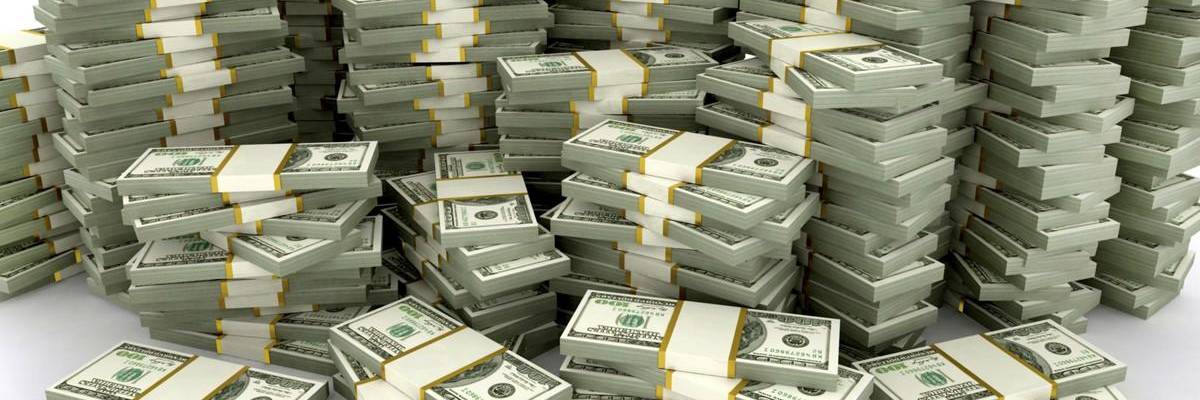
"Extreme inequality threatens our First Amendment right not only to speak freely, but to assemble together and petition our representatives," writes Certo.
Alongside real campaign finance reform and anti-corruption laws, higher taxes on billionaires and corporations would leave them with less money to spend warping our politics, classrooms, and public squares.
I was a student in the late 2000s when I had my first brush with “cancel culture.” A campus group had invited Nick Griffin — a racist Holocaust denier and leader of a fascist British political party, among other charming things — to speak.
Many shocked students, including me, called Griffin’s views vile and warned that violent extremists might come to support him. Eventually, the group rethought the invitation and canceled the event. Thank heavens.
No one’s speech had been denied. Others had simply exercised their own.
Yet a few short years later, campus protests like these became a bete noire for right-wing politicians, who produced countless diatribes against “woke mobs” and the “free speech crisis” on campus. Then, with ample backing from well heeled donors, they launched an actual war on speech, on campus and beyond.
Protest has never been a threat to speech — it is free speech. What we’ve learned is that the real threat is inequality.
Consider this spring’s campus protests against Israel’s war on Gaza and U.S. support for it.
Conservative politicians who’d thrown fits over free speech on campus cheered as police officers roughed up and arrested student protesters. Some even called to deploy the National Guard, which infamously murdered four Kent State students during the Vietnam era.
Meanwhile billionaire CEOs like Bill Ackman led campaigns to out students who’d participated in the protests and blacklist them from employment.
Cynically casting these often Jewish-led protests as anti-semitic, Rep. Elise Stefanik (R-NY) — who has a history of embracing truly anti-semitic conspiracy theories — hauled several university presidents before Congress to answer for why the protests hadn’t been shut down more brutally.
When University of Pennsylvania president Liz Magill feebly defended the First Amendment, a $100 million donor complained and Magill was compelled to resign. Under similar donor pressure, Harvard President Claudine Gay followed suit. And Stefanik? She raked in campaign cash.
Of course, high-end donors are shaping what can and can’t be said inside the classroom as well.
Corporate and billionaire-backed groups like the American Legislative Exchange Council and Of The People have poured enormous sums into backing laws that ban books, restrict what history can and can’t be taught, and severely curtail classroom instruction on race, gender, or sexuality.
Many public libraries and universities face defunding for carrying materials these billionaire-backed politicians don’t like. And in some red states, teachers and school librarians may now face felony charges for running afoul of state censors.
In other cases the public square itself is falling under sustained assault from extreme wealth. For example, after spending a fortune to buy Twitter, billionaire Elon Musk proclaimed himself a “free speech absolutist” and promptly eliminated nearly all content moderation.
But perhaps “absolutist” was a relative term.
As threats and hate speech predictably flooded the platform, Musk threatened a “thermonuclear lawsuit” against a watchdog group that cataloged the growing trend. He also appeared to suspend journalists that covered him critically and otherwise censored users who espoused causes he didn’t care for, like LGBTQ rights or racial justice.
A parallel problem has played out more quietly in local news, with beleaguered American newspapers now outnumbered by dark money “pink slime” news sites, which peddle misinformation while posing as local news outlets.
Lying, of course, is usually protected speech. But when it’s backed by big money and linked to a sustained, state-backed assault on speech to the contrary, then we’ve badly warped the field on which free speech is supposed to play out.
Similarly, when the Supreme Court rules that cash payments — even bribes — are “free speech,” then those of us with less cash get a lot less free speech.
Extreme inequality threatens our First Amendment right not only to speak freely, but to assemble together and petition our representatives.
Alongside real campaign finance reform and anti-corruption laws, higher taxes on billionaires and corporations would leave them with less money to spend warping our politics, classrooms, and public squares. So would stronger unions who can win pay raises and social movements that can protect their communities from retribution.
If we want an equal right to speech, we need a more equal country.
This country and this world are at a monumental crossroads. US voters have an opportunity to beat back the forces of fascism and confront the billionaires who are rigging the economy, our media system, and our democracy, making it increasingly impossible for ordinary people to get by. We’re not just talking about the election. We’re talking about what must be done once these fascist elements are vanquished from power. We need a bolder set of solutions than what either major party has so far been willing to offer and a working-class movement ready to fight like hell for it. Trump didn't emerge from nowhere. The conditions that fueled MAGA authoritarianism were created by decades of radical neoliberal economic policies and a corrupt political system dominated by corporate interests. They slashed taxes on the super-rich, promising that the benefits would trickle down. They said giveaways to the corporate titans would make life more affordable for the rest of us. It was all bullshit. And when a bitter, betrayed populace searches for someone to blame, right-wing demagogues have little trouble finding scapegoats. People know when they're being lied to, but you won't hear any of this from the corporate media. Only independent journalism—powered and funded by people who believe in building a better world—can deliver truly trustworthy daily news. If you share our vision, please contribute whatever you can to sustain our work. |
I was a student in the late 2000s when I had my first brush with “cancel culture.” A campus group had invited Nick Griffin — a racist Holocaust denier and leader of a fascist British political party, among other charming things — to speak.
Many shocked students, including me, called Griffin’s views vile and warned that violent extremists might come to support him. Eventually, the group rethought the invitation and canceled the event. Thank heavens.
No one’s speech had been denied. Others had simply exercised their own.
Yet a few short years later, campus protests like these became a bete noire for right-wing politicians, who produced countless diatribes against “woke mobs” and the “free speech crisis” on campus. Then, with ample backing from well heeled donors, they launched an actual war on speech, on campus and beyond.
Protest has never been a threat to speech — it is free speech. What we’ve learned is that the real threat is inequality.
Consider this spring’s campus protests against Israel’s war on Gaza and U.S. support for it.
Conservative politicians who’d thrown fits over free speech on campus cheered as police officers roughed up and arrested student protesters. Some even called to deploy the National Guard, which infamously murdered four Kent State students during the Vietnam era.
Meanwhile billionaire CEOs like Bill Ackman led campaigns to out students who’d participated in the protests and blacklist them from employment.
Cynically casting these often Jewish-led protests as anti-semitic, Rep. Elise Stefanik (R-NY) — who has a history of embracing truly anti-semitic conspiracy theories — hauled several university presidents before Congress to answer for why the protests hadn’t been shut down more brutally.
When University of Pennsylvania president Liz Magill feebly defended the First Amendment, a $100 million donor complained and Magill was compelled to resign. Under similar donor pressure, Harvard President Claudine Gay followed suit. And Stefanik? She raked in campaign cash.
Of course, high-end donors are shaping what can and can’t be said inside the classroom as well.
Corporate and billionaire-backed groups like the American Legislative Exchange Council and Of The People have poured enormous sums into backing laws that ban books, restrict what history can and can’t be taught, and severely curtail classroom instruction on race, gender, or sexuality.
Many public libraries and universities face defunding for carrying materials these billionaire-backed politicians don’t like. And in some red states, teachers and school librarians may now face felony charges for running afoul of state censors.
In other cases the public square itself is falling under sustained assault from extreme wealth. For example, after spending a fortune to buy Twitter, billionaire Elon Musk proclaimed himself a “free speech absolutist” and promptly eliminated nearly all content moderation.
But perhaps “absolutist” was a relative term.
As threats and hate speech predictably flooded the platform, Musk threatened a “thermonuclear lawsuit” against a watchdog group that cataloged the growing trend. He also appeared to suspend journalists that covered him critically and otherwise censored users who espoused causes he didn’t care for, like LGBTQ rights or racial justice.
A parallel problem has played out more quietly in local news, with beleaguered American newspapers now outnumbered by dark money “pink slime” news sites, which peddle misinformation while posing as local news outlets.
Lying, of course, is usually protected speech. But when it’s backed by big money and linked to a sustained, state-backed assault on speech to the contrary, then we’ve badly warped the field on which free speech is supposed to play out.
Similarly, when the Supreme Court rules that cash payments — even bribes — are “free speech,” then those of us with less cash get a lot less free speech.
Extreme inequality threatens our First Amendment right not only to speak freely, but to assemble together and petition our representatives.
Alongside real campaign finance reform and anti-corruption laws, higher taxes on billionaires and corporations would leave them with less money to spend warping our politics, classrooms, and public squares. So would stronger unions who can win pay raises and social movements that can protect their communities from retribution.
If we want an equal right to speech, we need a more equal country.