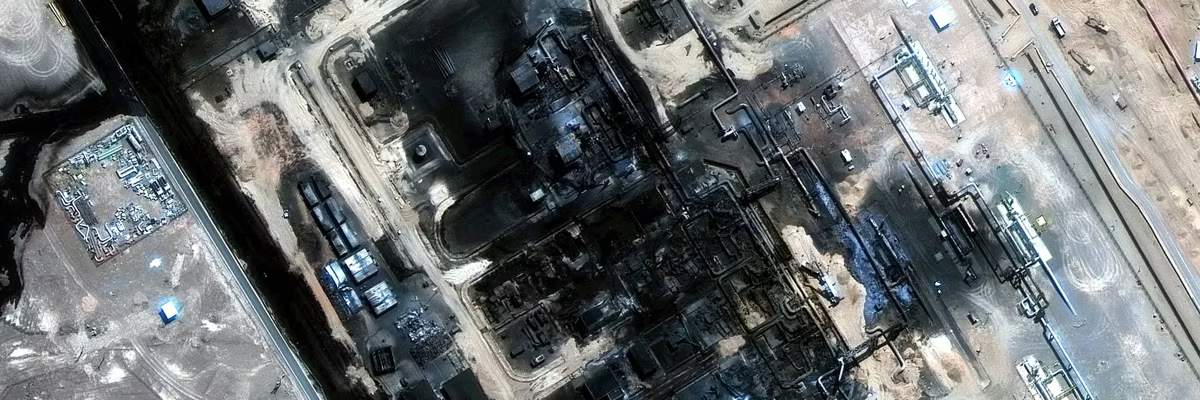
Vantor satellite image shows a closer view of fire-damaged structures and blackened ground at the East-West pipeline pumping station in Saudi Arabia following the September 11, 2026 drone attack and resulting fires.
Oil Hits $109 per Barrel as Photos Show Extensive Damage to Key Saudi Pipeline
Revelations about damage to the pipeline come as the global oil market is "screaming for barrels," said one analyst.
Fears of a global energy shortage are rising amid new revelations about damage inflicted last week on a key oil pipeline in Saudi Arabia.
According to a Monday report in The Associated Press, Saudi Arabia's East-West Pipeline, which is used to transport oil to the Red Sea, will be shut down for weeks after being hit last Thursday by a drone strike.
Anonymous officials in the region told the AP that repairing damage from the attacks, which the Saudi government has blamed on Iran-backed militias based in Iraq, "could take three to five weeks, including at a major pumping facility."
The Guardian reported Monday that "Saudi Arabia will run out of oil stocks for export" if the pipeline isn't repaired within days, which could lead to "the loss of up to 4% of global supply."
Satellite photos published on Sunday showed extensive fire damage suffered by a pumping station connected to the pipeline. Saudi Arabia had been using the pipeline to divert oil supplies to the Red Sea and away from the Strait of Hormuz, which has been mostly closed to commercial shipping traffic since President Donald Trump launched an illegal war against Iran in February.
In a news analysis published Monday, Bloomberg's Alex Longley noted that damage to the pipeline couldn't come at a worse time for global energy markets, which have already been under strain for months thanks to both the Iran War and continued fighting between Russia and Ukraine.
"Whatever happens, the oil market will need a quick fix," Longley wrote of the pipeline's closure. "It's currently screaming for barrels."
Even if the pipeline were repaired quickly, it would not bring immediate relief to global energy prices, given that the Strait of Hormuz remains closed, Houthi fighters in recent days have ramped up their campaign to disrupt oil shipments through the Red Sea, and Trump's refusal to forge a diplomatic solution with the Iranians continues with no end in sight.
The Houthis on Thursday seized the Yemeni port city of Mocha from Saudi-backed forces, giving the group a greater ability to launch attacks on vessels trying to transport oil through the Bab el-Mandeb Strait.
The price of Brent crude surged past $109 per barrel during trading on Monday after news broke that the damaged Saudi pipeline would take weeks to fix.
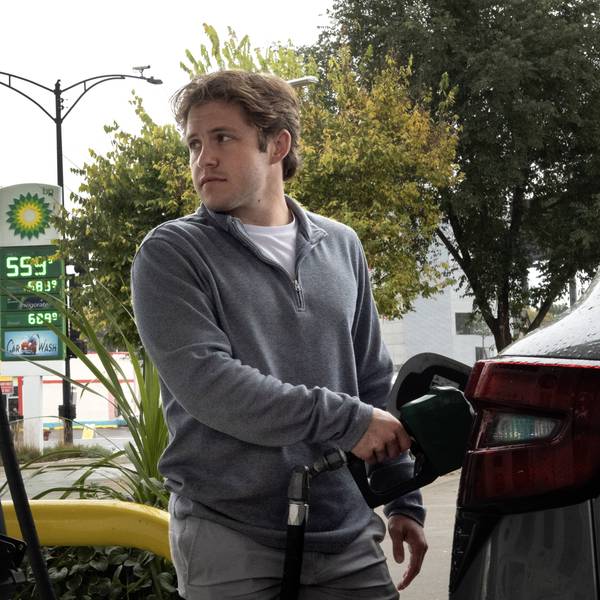
The rising cost of oil has been creating pain for US consumers in the form of higher prices for gasoline and diesel fuel. Data released Monday by the American Automobile Association showed that the average price of gas in the US now stands at $4.32 per gallon, while the price of diesel hit another record high of $6.23 per gallon.
We are at a crossroads
This country and this world are at a monumental crossroads. US voters have an opportunity to beat back the forces of fascism and confront the billionaires who are rigging the economy, our media system, and our democracy, making it increasingly impossible for ordinary people to get by. We’re not just talking about the election. We’re talking about what must be done once these fascist elements are vanquished from power. We need a bolder set of solutions than what either major party has so far been willing to offer and a working-class movement ready to fight like hell for it. Trump didn't emerge from nowhere. The conditions that fueled MAGA authoritarianism were created by decades of radical neoliberal economic policies and a corrupt political system dominated by corporate interests. They slashed taxes on the super-rich, promising that the benefits would trickle down. They said giveaways to the corporate titans would make life more affordable for the rest of us. It was all bullshit. And when a bitter, betrayed populace searches for someone to blame, right-wing demagogues have little trouble finding scapegoats. People know when they're being lied to, but you won't hear any of this from the corporate media. Only independent journalism—powered and funded by people who believe in building a better world—can deliver truly trustworthy daily news. Our Fall Campaign is underway, and we need your help. To power our newsroom through the rest of the year, we need to raise $125,000 by midnight on October 31. So if you share our vision, please contribute whatever you can to sustain our work. |
Fears of a global energy shortage are rising amid new revelations about damage inflicted last week on a key oil pipeline in Saudi Arabia.
According to a Monday report in The Associated Press, Saudi Arabia's East-West Pipeline, which is used to transport oil to the Red Sea, will be shut down for weeks after being hit last Thursday by a drone strike.
Anonymous officials in the region told the AP that repairing damage from the attacks, which the Saudi government has blamed on Iran-backed militias based in Iraq, "could take three to five weeks, including at a major pumping facility."
The Guardian reported Monday that "Saudi Arabia will run out of oil stocks for export" if the pipeline isn't repaired within days, which could lead to "the loss of up to 4% of global supply."
Satellite photos published on Sunday showed extensive fire damage suffered by a pumping station connected to the pipeline. Saudi Arabia had been using the pipeline to divert oil supplies to the Red Sea and away from the Strait of Hormuz, which has been mostly closed to commercial shipping traffic since President Donald Trump launched an illegal war against Iran in February.
In a news analysis published Monday, Bloomberg's Alex Longley noted that damage to the pipeline couldn't come at a worse time for global energy markets, which have already been under strain for months thanks to both the Iran War and continued fighting between Russia and Ukraine.
"Whatever happens, the oil market will need a quick fix," Longley wrote of the pipeline's closure. "It's currently screaming for barrels."
Even if the pipeline were repaired quickly, it would not bring immediate relief to global energy prices, given that the Strait of Hormuz remains closed, Houthi fighters in recent days have ramped up their campaign to disrupt oil shipments through the Red Sea, and Trump's refusal to forge a diplomatic solution with the Iranians continues with no end in sight.
The Houthis on Thursday seized the Yemeni port city of Mocha from Saudi-backed forces, giving the group a greater ability to launch attacks on vessels trying to transport oil through the Bab el-Mandeb Strait.
The price of Brent crude surged past $109 per barrel during trading on Monday after news broke that the damaged Saudi pipeline would take weeks to fix.
The rising cost of oil has been creating pain for US consumers in the form of higher prices for gasoline and diesel fuel. Data released Monday by the American Automobile Association showed that the average price of gas in the US now stands at $4.32 per gallon, while the price of diesel hit another record high of $6.23 per gallon.