SUBSCRIBE TO OUR FREE NEWSLETTER
Daily news & progressive opinion—funded by the people, not the corporations—delivered straight to your inbox.
5
#000000
#FFFFFF
To donate by check, phone, or other method, see our More Ways to Give page.
Daily news & progressive opinion—funded by the people, not the corporations—delivered straight to your inbox.
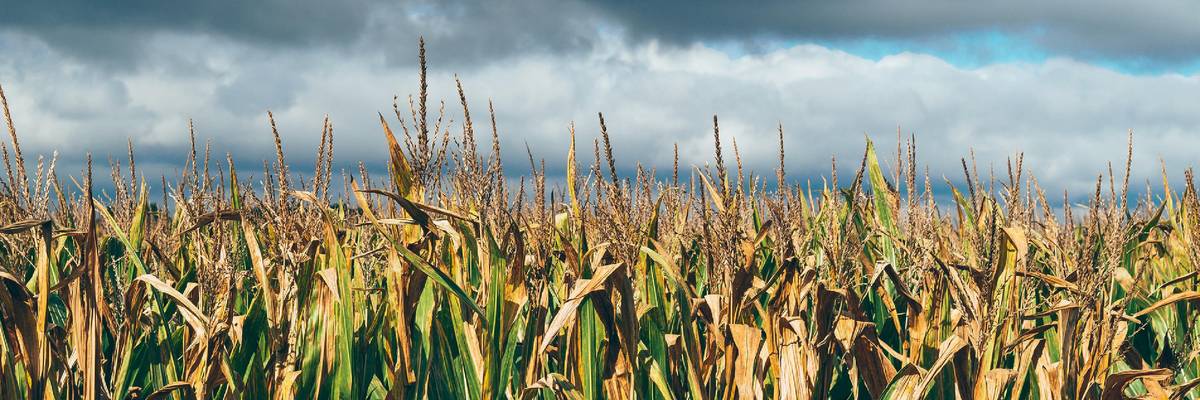
Higher seed costs from the Dow-Dupont merger "could cripple a lot of family farms in this country," argued the president of the National Farmers Union. (Photo: Andrea Seaman/flickr/cc)
Even before the war in Ukraine, the sanctions on Russia, and the shipping blockade of the Black Sea, farmers across the US were getting ready for higher prices on seed, fertilizer, and crop chemicals. All winter, major farm media was warning farmers to book supplies early as prices would be high and supplies would be short. The war in Ukraine has only amped up the concern among farmers, input suppliers, and those who erroneously proclaim that we, the US, must feed the world.
Here in the US, farmers are told they can and must feed the world by growing more corn, more soy, and more livestock in confinement, even if that is not what the world wants or can afford to eat.
The farm media offers suggestions as to how farmers, despite relatively higher crop prices, might deal with the even steeper increase in input costs. Use less, get your old tillage equipment out or, heaven forbid, consider manually pulling weeds like farmers used to do--of course, years ago, farmers didn't run thousands of acres.
While oil companies used the sanctions on Russian oil to steeply ramp up their prices, even though Russian oil continues to flow almost without interruption, corporate agribusiness also has a convenient smokescreen to ramp up input prices even further--nothing short of blatant corporate profiteering.
Despite the war, Ukrainian farmers continue to plant and shift their production to feed Ukrainians locally. But, like Ukraine, farmers all over the world cannot farm if they are under fire, so, acreage planted and tons harvested in 2022 will be down significantly from years past. With grain and fertilizer tied up by Russian blockades of Black sea terminals, severe drought and flooding, and aftereffects of the COVID pandemic, food prices will continue to climb as the consolidated global agricultural system is faced with problems they are unable to deal with.
Ignoring its obvious faults and clear failures, the industrial food system is touted as the only way forward. Our consolidated food system is immensely profitable for the multinationals that supply the inputs and for those that buy, process and distribute the crops and livestock into the global supply chain. For the farmers, not so much. They buy at retail, sell at wholesale, all while competing against each other in a rigged marketplace. Here in the US, farmers are told they can and must feed the world by growing more corn, more soy, and more livestock in confinement, even if that is not what the world wants or can afford to eat.
Industrial agriculture requires ever larger and more expensive equipment, larger farms, more fragile land put into production and it will continue the trend of depopulating rural America as small farms, rural communities, and local food systems are destroyed by corporate big ag.
And what of farmers in the rest of the world? In the Global South the situation is ever more dire and more unfair. Farmers are pressured by governments, the World Bank, and philanthropists like Bill Gates to follow the industrial model of the US, nevermind its failures, nevermind its cost.
Efforts like the Alliance for a Green Revolution (AGRA), despite billions of dollars spent and promises to double food production and increase farmer income, have proven to be a failure. Africa does not have better access to food, the farmers are poorer and are being driven off their land, victims of technology, the cost of inputs they cannot afford, and land grabs by foreign governments and corporations. Perhaps if African countries were not at the mercy of international lending institutions and their farmers the victims of climate change and agri-colonialism, they might feed themselves?
There will always be food for those with money, energy for those with money, needed vaccines for those with money-- the multi-national corporations will see to that, even as they continue to extract profit from countries least able to afford it. UN Secretary-General Antonio Guterres likened the ongoing and increasing crisis to "a Sword of Damocles now hanging over the global economy--especially the developing world".
The failures of the system in the US are easily seen--fragility of the supply chain, the emergence of herbicide-resistant "super weeds," failure of the "promise" of Genetically Modified crops, loss of farms, unrestrained water use and pollution, staggering farm debt, and climate change, driven in part by the agricultural system itself.
We don't know who really said "insanity is doing the same thing over and over again and expecting different results" but they had a point. We have a high-tech industrial food system that is in crisis and has over and over shown its flaws and failures, yet we carry on in denial. We throw good money after bad, trying to push the same failing systems on Africa and countries across the Global South. We ignore the fact that efforts, like AGRA, have failed and we refuse to support and fund Agroecological solutions that will work.
Crisis should drive efforts for change. Why do we insist on more of the same?
Dear Common Dreams reader, It’s been nearly 30 years since I co-founded Common Dreams with my late wife, Lina Newhouser. We had the radical notion that journalism should serve the public good, not corporate profits. It was clear to us from the outset what it would take to build such a project. No paid advertisements. No corporate sponsors. No millionaire publisher telling us what to think or do. Many people said we wouldn't last a year, but we proved those doubters wrong. Together with a tremendous team of journalists and dedicated staff, we built an independent media outlet free from the constraints of profits and corporate control. Our mission has always been simple: To inform. To inspire. To ignite change for the common good. Building Common Dreams was not easy. Our survival was never guaranteed. When you take on the most powerful forces—Wall Street greed, fossil fuel industry destruction, Big Tech lobbyists, and uber-rich oligarchs who have spent billions upon billions rigging the economy and democracy in their favor—the only bulwark you have is supporters who believe in your work. But here’s the urgent message from me today. It's never been this bad out there. And it's never been this hard to keep us going. At the very moment Common Dreams is most needed, the threats we face are intensifying. We need your support now more than ever. We don't accept corporate advertising and never will. We don't have a paywall because we don't think people should be blocked from critical news based on their ability to pay. Everything we do is funded by the donations of readers like you. When everyone does the little they can afford, we are strong. But if that support retreats or dries up, so do we. Will you donate now to make sure Common Dreams not only survives but thrives? —Craig Brown, Co-founder |
Even before the war in Ukraine, the sanctions on Russia, and the shipping blockade of the Black Sea, farmers across the US were getting ready for higher prices on seed, fertilizer, and crop chemicals. All winter, major farm media was warning farmers to book supplies early as prices would be high and supplies would be short. The war in Ukraine has only amped up the concern among farmers, input suppliers, and those who erroneously proclaim that we, the US, must feed the world.
Here in the US, farmers are told they can and must feed the world by growing more corn, more soy, and more livestock in confinement, even if that is not what the world wants or can afford to eat.
The farm media offers suggestions as to how farmers, despite relatively higher crop prices, might deal with the even steeper increase in input costs. Use less, get your old tillage equipment out or, heaven forbid, consider manually pulling weeds like farmers used to do--of course, years ago, farmers didn't run thousands of acres.
While oil companies used the sanctions on Russian oil to steeply ramp up their prices, even though Russian oil continues to flow almost without interruption, corporate agribusiness also has a convenient smokescreen to ramp up input prices even further--nothing short of blatant corporate profiteering.
Despite the war, Ukrainian farmers continue to plant and shift their production to feed Ukrainians locally. But, like Ukraine, farmers all over the world cannot farm if they are under fire, so, acreage planted and tons harvested in 2022 will be down significantly from years past. With grain and fertilizer tied up by Russian blockades of Black sea terminals, severe drought and flooding, and aftereffects of the COVID pandemic, food prices will continue to climb as the consolidated global agricultural system is faced with problems they are unable to deal with.
Ignoring its obvious faults and clear failures, the industrial food system is touted as the only way forward. Our consolidated food system is immensely profitable for the multinationals that supply the inputs and for those that buy, process and distribute the crops and livestock into the global supply chain. For the farmers, not so much. They buy at retail, sell at wholesale, all while competing against each other in a rigged marketplace. Here in the US, farmers are told they can and must feed the world by growing more corn, more soy, and more livestock in confinement, even if that is not what the world wants or can afford to eat.
Industrial agriculture requires ever larger and more expensive equipment, larger farms, more fragile land put into production and it will continue the trend of depopulating rural America as small farms, rural communities, and local food systems are destroyed by corporate big ag.
And what of farmers in the rest of the world? In the Global South the situation is ever more dire and more unfair. Farmers are pressured by governments, the World Bank, and philanthropists like Bill Gates to follow the industrial model of the US, nevermind its failures, nevermind its cost.
Efforts like the Alliance for a Green Revolution (AGRA), despite billions of dollars spent and promises to double food production and increase farmer income, have proven to be a failure. Africa does not have better access to food, the farmers are poorer and are being driven off their land, victims of technology, the cost of inputs they cannot afford, and land grabs by foreign governments and corporations. Perhaps if African countries were not at the mercy of international lending institutions and their farmers the victims of climate change and agri-colonialism, they might feed themselves?
There will always be food for those with money, energy for those with money, needed vaccines for those with money-- the multi-national corporations will see to that, even as they continue to extract profit from countries least able to afford it. UN Secretary-General Antonio Guterres likened the ongoing and increasing crisis to "a Sword of Damocles now hanging over the global economy--especially the developing world".
The failures of the system in the US are easily seen--fragility of the supply chain, the emergence of herbicide-resistant "super weeds," failure of the "promise" of Genetically Modified crops, loss of farms, unrestrained water use and pollution, staggering farm debt, and climate change, driven in part by the agricultural system itself.
We don't know who really said "insanity is doing the same thing over and over again and expecting different results" but they had a point. We have a high-tech industrial food system that is in crisis and has over and over shown its flaws and failures, yet we carry on in denial. We throw good money after bad, trying to push the same failing systems on Africa and countries across the Global South. We ignore the fact that efforts, like AGRA, have failed and we refuse to support and fund Agroecological solutions that will work.
Crisis should drive efforts for change. Why do we insist on more of the same?
Even before the war in Ukraine, the sanctions on Russia, and the shipping blockade of the Black Sea, farmers across the US were getting ready for higher prices on seed, fertilizer, and crop chemicals. All winter, major farm media was warning farmers to book supplies early as prices would be high and supplies would be short. The war in Ukraine has only amped up the concern among farmers, input suppliers, and those who erroneously proclaim that we, the US, must feed the world.
Here in the US, farmers are told they can and must feed the world by growing more corn, more soy, and more livestock in confinement, even if that is not what the world wants or can afford to eat.
The farm media offers suggestions as to how farmers, despite relatively higher crop prices, might deal with the even steeper increase in input costs. Use less, get your old tillage equipment out or, heaven forbid, consider manually pulling weeds like farmers used to do--of course, years ago, farmers didn't run thousands of acres.
While oil companies used the sanctions on Russian oil to steeply ramp up their prices, even though Russian oil continues to flow almost without interruption, corporate agribusiness also has a convenient smokescreen to ramp up input prices even further--nothing short of blatant corporate profiteering.
Despite the war, Ukrainian farmers continue to plant and shift their production to feed Ukrainians locally. But, like Ukraine, farmers all over the world cannot farm if they are under fire, so, acreage planted and tons harvested in 2022 will be down significantly from years past. With grain and fertilizer tied up by Russian blockades of Black sea terminals, severe drought and flooding, and aftereffects of the COVID pandemic, food prices will continue to climb as the consolidated global agricultural system is faced with problems they are unable to deal with.
Ignoring its obvious faults and clear failures, the industrial food system is touted as the only way forward. Our consolidated food system is immensely profitable for the multinationals that supply the inputs and for those that buy, process and distribute the crops and livestock into the global supply chain. For the farmers, not so much. They buy at retail, sell at wholesale, all while competing against each other in a rigged marketplace. Here in the US, farmers are told they can and must feed the world by growing more corn, more soy, and more livestock in confinement, even if that is not what the world wants or can afford to eat.
Industrial agriculture requires ever larger and more expensive equipment, larger farms, more fragile land put into production and it will continue the trend of depopulating rural America as small farms, rural communities, and local food systems are destroyed by corporate big ag.
And what of farmers in the rest of the world? In the Global South the situation is ever more dire and more unfair. Farmers are pressured by governments, the World Bank, and philanthropists like Bill Gates to follow the industrial model of the US, nevermind its failures, nevermind its cost.
Efforts like the Alliance for a Green Revolution (AGRA), despite billions of dollars spent and promises to double food production and increase farmer income, have proven to be a failure. Africa does not have better access to food, the farmers are poorer and are being driven off their land, victims of technology, the cost of inputs they cannot afford, and land grabs by foreign governments and corporations. Perhaps if African countries were not at the mercy of international lending institutions and their farmers the victims of climate change and agri-colonialism, they might feed themselves?
There will always be food for those with money, energy for those with money, needed vaccines for those with money-- the multi-national corporations will see to that, even as they continue to extract profit from countries least able to afford it. UN Secretary-General Antonio Guterres likened the ongoing and increasing crisis to "a Sword of Damocles now hanging over the global economy--especially the developing world".
The failures of the system in the US are easily seen--fragility of the supply chain, the emergence of herbicide-resistant "super weeds," failure of the "promise" of Genetically Modified crops, loss of farms, unrestrained water use and pollution, staggering farm debt, and climate change, driven in part by the agricultural system itself.
We don't know who really said "insanity is doing the same thing over and over again and expecting different results" but they had a point. We have a high-tech industrial food system that is in crisis and has over and over shown its flaws and failures, yet we carry on in denial. We throw good money after bad, trying to push the same failing systems on Africa and countries across the Global South. We ignore the fact that efforts, like AGRA, have failed and we refuse to support and fund Agroecological solutions that will work.
Crisis should drive efforts for change. Why do we insist on more of the same?