SUBSCRIBE TO OUR FREE NEWSLETTER
Daily news & progressive opinion—funded by the people, not the corporations—delivered straight to your inbox.
5
#000000
#FFFFFF
To donate by check, phone, or other method, see our More Ways to Give page.
"There is no middle ground, no dialogue before (Egyptian President Mohammed Morsi) rescinds this declaration," said pro-democracy advocate and Nobel Peace Prize winner Mohammed ElBaradei. "There is no room for dialogue when a dictator imposes the most oppressive, abhorrent measures and then says 'let us split the difference'."
Morsi was already governing by decree pending a new parliamentary election, since the courts had dissolved the lower house of parliament because the election was flawed. His latest decree declares that the courts cannot challenge any of his edicts until that new election takes place.
The decree also states that he can take any steps necessary to defeat undefined "threats to the revolution" - and nobody can ask the courts to decided whether those steps are legal and justifiable. In theory, at least, Morsi has given himself greater powers than the former dictator, Hosni Mubarak, ever possessed.
This is as puzzling as it is alarming, since nothing in Morsi's previous history suggests that he wants to be Egypt's next dictator. He is a prominent member of the Muslim Brotherhood and shares its conservative social and religious values, but that organization, the mainstay of opposition to Egypt's military dictators during half a century of tyranny, has moved a long way from its radical and sometimes violent origins.
So was Morsi a wolf in sheep's clothing, just waiting for the chance to impose Islamic rule on everybody, including liberals, Christians, and secular Egyptians? How else can you explain what he has just done? The answer matters, because if Egypt, by far the most populous Arab country (90 million people), succumbs to a new tyranny, then the whole "Arab Spring" was just a brief illusion.
Morsi's actions are wrong, but he is not actually aiming at a dictatorship. He just wants to thwart the Supreme Judicial Council, made up of judges who almost all date from the Mubarak era, which had already dismissed the first body charged with writing a new constitution. There were indications that it might be about to dissolve the second one on the same grounds.
The grounds were legally sound, for the first assembly chosen by parliament included a large number of MPs who belonged to the Islamic parties, although the law said that members of parliament could not themselves sit in the Constituent Assembly. A second Constituent Assembly, chosen in June, once again included members of parliament in clear defiance of the law, which is why it is facing further court challenges.
In the last month or so, the prospect that this new body will produce a constitution based mainly on Islamic law led most of the secular and Christian elements to withdraw. That deprived it of a voting quorum, but the remaining members, including many MPs linked to the Muslim Brotherhood, carried on regardless, so there was a growing probability that a new court ruling would dismiss this assembly too.
Morsi moved swiftly, not only giving himself supreme powers beyond the ability of the courts to challenge, but specifically forbidding the Supreme Judicial Council to dismiss the second Constituent Assembly. He also gave that assembly an extra two months to finish writing the constitution, after which it would have to be approved by referendum.
Only then (perhaps next May) would a new lower house of parliament be elected - and once the constitution is in place and the subsequent election is past, Morsi promised, he will relinquish his extraordinary powers. But by then Egypt would have an Islamic constitution, and almost certainly a lower house of parliament dominated by the Islamic parties.
What is happening now, therefore, is not the rise of a new dictatorship but rather a ruthless political maneuver aimed at creating a democratic but Islamic Egypt. Naturally, it frightens a large proportion of the 49 percent of Egyptians who voted against Morsi in the presidential election earlier this year, and it absolutely terrifies the country's 8 million Christians.
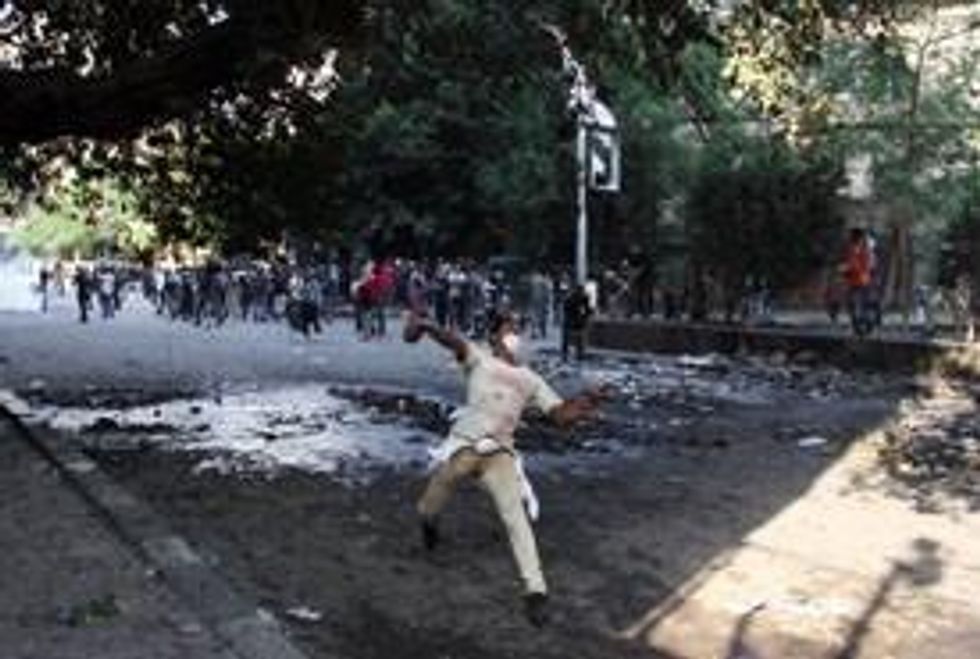
Morsi's edict has been met with impassioned protest in the streets, and the formation of a National Salvation Front aimed at uniting all non-Islamist groups to force Morsi to rescind his edicts. Its leaders include three of the candidates who ran against Morsi in the election earlier this year. But that may not be enough.
The truth is that the elections produced a parliamentary majority and a president who want to impose Islamic law, and that its opponents are using various legal devices in an attempt to stop the process. Moreover, a new constitution imposing Islamic law would almost certainly get a "yes" in a referendum.
But the other truth is that majorities in a democracy should not try to impose their religious and social views on large minorities who do not share them. Morsi is already showing signs of wanting to compromise - but, as ElBaradei pointed out, he cannot take these extreme measures and then offer to "split the difference." Egypt is in for a rough ride.
"There is no middle ground, no dialogue before (Egyptian President Mohammed Morsi) rescinds this declaration," said pro-democracy advocate and Nobel Peace Prize winner Mohammed ElBaradei. "There is no room for dialogue when a dictator imposes the most oppressive, abhorrent measures and then says 'let us split the difference'."
Morsi was already governing by decree pending a new parliamentary election, since the courts had dissolved the lower house of parliament because the election was flawed. His latest decree declares that the courts cannot challenge any of his edicts until that new election takes place.
The decree also states that he can take any steps necessary to defeat undefined "threats to the revolution" - and nobody can ask the courts to decided whether those steps are legal and justifiable. In theory, at least, Morsi has given himself greater powers than the former dictator, Hosni Mubarak, ever possessed.
This is as puzzling as it is alarming, since nothing in Morsi's previous history suggests that he wants to be Egypt's next dictator. He is a prominent member of the Muslim Brotherhood and shares its conservative social and religious values, but that organization, the mainstay of opposition to Egypt's military dictators during half a century of tyranny, has moved a long way from its radical and sometimes violent origins.
So was Morsi a wolf in sheep's clothing, just waiting for the chance to impose Islamic rule on everybody, including liberals, Christians, and secular Egyptians? How else can you explain what he has just done? The answer matters, because if Egypt, by far the most populous Arab country (90 million people), succumbs to a new tyranny, then the whole "Arab Spring" was just a brief illusion.
Morsi's actions are wrong, but he is not actually aiming at a dictatorship. He just wants to thwart the Supreme Judicial Council, made up of judges who almost all date from the Mubarak era, which had already dismissed the first body charged with writing a new constitution. There were indications that it might be about to dissolve the second one on the same grounds.
The grounds were legally sound, for the first assembly chosen by parliament included a large number of MPs who belonged to the Islamic parties, although the law said that members of parliament could not themselves sit in the Constituent Assembly. A second Constituent Assembly, chosen in June, once again included members of parliament in clear defiance of the law, which is why it is facing further court challenges.
In the last month or so, the prospect that this new body will produce a constitution based mainly on Islamic law led most of the secular and Christian elements to withdraw. That deprived it of a voting quorum, but the remaining members, including many MPs linked to the Muslim Brotherhood, carried on regardless, so there was a growing probability that a new court ruling would dismiss this assembly too.
Morsi moved swiftly, not only giving himself supreme powers beyond the ability of the courts to challenge, but specifically forbidding the Supreme Judicial Council to dismiss the second Constituent Assembly. He also gave that assembly an extra two months to finish writing the constitution, after which it would have to be approved by referendum.
Only then (perhaps next May) would a new lower house of parliament be elected - and once the constitution is in place and the subsequent election is past, Morsi promised, he will relinquish his extraordinary powers. But by then Egypt would have an Islamic constitution, and almost certainly a lower house of parliament dominated by the Islamic parties.
What is happening now, therefore, is not the rise of a new dictatorship but rather a ruthless political maneuver aimed at creating a democratic but Islamic Egypt. Naturally, it frightens a large proportion of the 49 percent of Egyptians who voted against Morsi in the presidential election earlier this year, and it absolutely terrifies the country's 8 million Christians.
Morsi's edict has been met with impassioned protest in the streets, and the formation of a National Salvation Front aimed at uniting all non-Islamist groups to force Morsi to rescind his edicts. Its leaders include three of the candidates who ran against Morsi in the election earlier this year. But that may not be enough.
The truth is that the elections produced a parliamentary majority and a president who want to impose Islamic law, and that its opponents are using various legal devices in an attempt to stop the process. Moreover, a new constitution imposing Islamic law would almost certainly get a "yes" in a referendum.
But the other truth is that majorities in a democracy should not try to impose their religious and social views on large minorities who do not share them. Morsi is already showing signs of wanting to compromise - but, as ElBaradei pointed out, he cannot take these extreme measures and then offer to "split the difference." Egypt is in for a rough ride.
"There is no middle ground, no dialogue before (Egyptian President Mohammed Morsi) rescinds this declaration," said pro-democracy advocate and Nobel Peace Prize winner Mohammed ElBaradei. "There is no room for dialogue when a dictator imposes the most oppressive, abhorrent measures and then says 'let us split the difference'."
Morsi was already governing by decree pending a new parliamentary election, since the courts had dissolved the lower house of parliament because the election was flawed. His latest decree declares that the courts cannot challenge any of his edicts until that new election takes place.
The decree also states that he can take any steps necessary to defeat undefined "threats to the revolution" - and nobody can ask the courts to decided whether those steps are legal and justifiable. In theory, at least, Morsi has given himself greater powers than the former dictator, Hosni Mubarak, ever possessed.
This is as puzzling as it is alarming, since nothing in Morsi's previous history suggests that he wants to be Egypt's next dictator. He is a prominent member of the Muslim Brotherhood and shares its conservative social and religious values, but that organization, the mainstay of opposition to Egypt's military dictators during half a century of tyranny, has moved a long way from its radical and sometimes violent origins.
So was Morsi a wolf in sheep's clothing, just waiting for the chance to impose Islamic rule on everybody, including liberals, Christians, and secular Egyptians? How else can you explain what he has just done? The answer matters, because if Egypt, by far the most populous Arab country (90 million people), succumbs to a new tyranny, then the whole "Arab Spring" was just a brief illusion.
Morsi's actions are wrong, but he is not actually aiming at a dictatorship. He just wants to thwart the Supreme Judicial Council, made up of judges who almost all date from the Mubarak era, which had already dismissed the first body charged with writing a new constitution. There were indications that it might be about to dissolve the second one on the same grounds.
The grounds were legally sound, for the first assembly chosen by parliament included a large number of MPs who belonged to the Islamic parties, although the law said that members of parliament could not themselves sit in the Constituent Assembly. A second Constituent Assembly, chosen in June, once again included members of parliament in clear defiance of the law, which is why it is facing further court challenges.
In the last month or so, the prospect that this new body will produce a constitution based mainly on Islamic law led most of the secular and Christian elements to withdraw. That deprived it of a voting quorum, but the remaining members, including many MPs linked to the Muslim Brotherhood, carried on regardless, so there was a growing probability that a new court ruling would dismiss this assembly too.
Morsi moved swiftly, not only giving himself supreme powers beyond the ability of the courts to challenge, but specifically forbidding the Supreme Judicial Council to dismiss the second Constituent Assembly. He also gave that assembly an extra two months to finish writing the constitution, after which it would have to be approved by referendum.
Only then (perhaps next May) would a new lower house of parliament be elected - and once the constitution is in place and the subsequent election is past, Morsi promised, he will relinquish his extraordinary powers. But by then Egypt would have an Islamic constitution, and almost certainly a lower house of parliament dominated by the Islamic parties.
What is happening now, therefore, is not the rise of a new dictatorship but rather a ruthless political maneuver aimed at creating a democratic but Islamic Egypt. Naturally, it frightens a large proportion of the 49 percent of Egyptians who voted against Morsi in the presidential election earlier this year, and it absolutely terrifies the country's 8 million Christians.
Morsi's edict has been met with impassioned protest in the streets, and the formation of a National Salvation Front aimed at uniting all non-Islamist groups to force Morsi to rescind his edicts. Its leaders include three of the candidates who ran against Morsi in the election earlier this year. But that may not be enough.
The truth is that the elections produced a parliamentary majority and a president who want to impose Islamic law, and that its opponents are using various legal devices in an attempt to stop the process. Moreover, a new constitution imposing Islamic law would almost certainly get a "yes" in a referendum.
But the other truth is that majorities in a democracy should not try to impose their religious and social views on large minorities who do not share them. Morsi is already showing signs of wanting to compromise - but, as ElBaradei pointed out, he cannot take these extreme measures and then offer to "split the difference." Egypt is in for a rough ride.