

SUBSCRIBE TO OUR FREE NEWSLETTER
Daily news & progressive opinion—funded by the people, not the corporations—delivered straight to your inbox.
5
#000000
#FFFFFF
To donate by check, phone, or other method, see our More Ways to Give page.
Daily news & progressive opinion—funded by the people, not the corporations—delivered straight to your inbox.
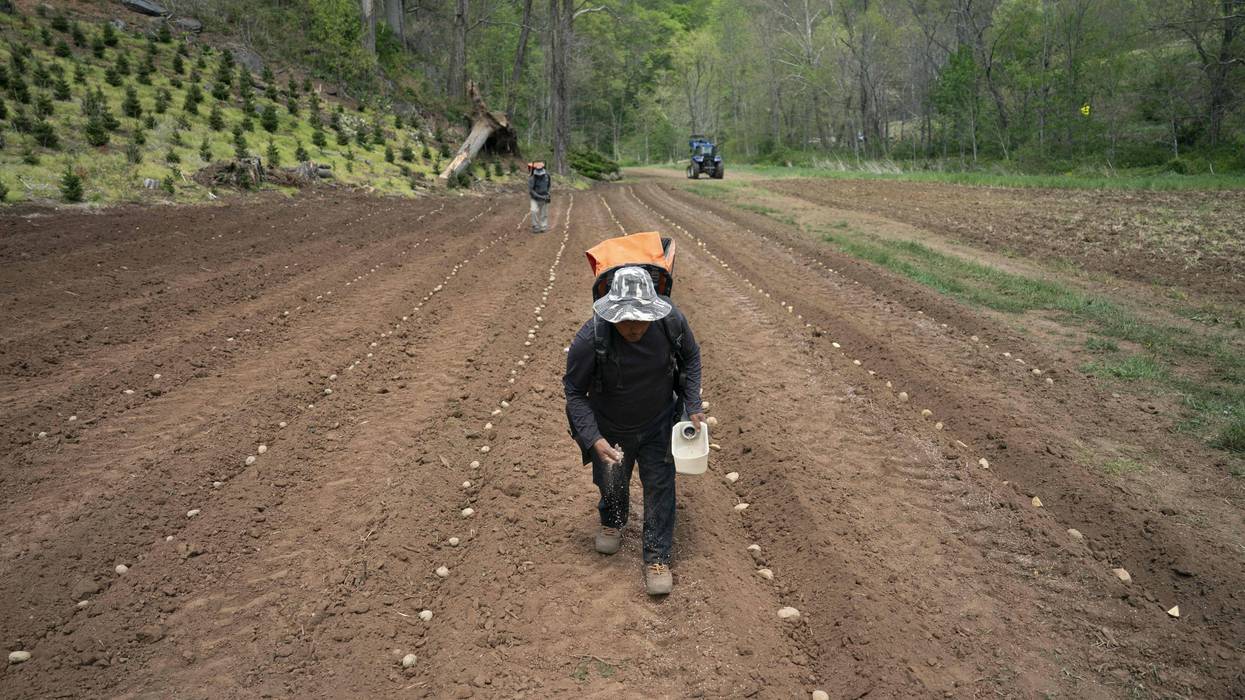
Petrochemical fertilizers built modern agriculture. The Iran War may be what finally breaks it—and opens the door to something better.
As the US-Israel war in Iran drags on, here at home, the billions spent on the war and the spiking gas prices drive the political conversation. The impacts on world food supplies could be far more consequential, though, raising questions about our dependence on globally traded chemical fertilizers—and about the alternatives.
The global food system relies on massive applications of petrochemicals, and up to 30% of fertilizer trade comes through the Strait of Hormuz. With the exception of pre-industrial and organic or regenerative practices, the world’s agriculture relies on these chemicals, making them vulnerable to price shocks and supply constraints.
Nitrogen fertilizer prices have climbed by 30% since the initial attack on Iran on February 28; urea prices have increased by 47%. Seventy percent of farmers responding to an American Farm Bureau survey say they are unable to afford all the fertilizer they need. Meanwhile, farm diesel prices have increased 46% since the end of February.
The effects of these price shocks take time to ripple through the planting and harvesting season, but they will likely show up as higher prices, along with empty store shelves, and—especially in impoverished regions—hungry children. Farmers are already making tough choices about what, and if, to plant given the colliding impacts of tariffs, extreme weather related to climate change, and the ongoing blockade of the Strait of Hormuz.
The Iran war’s fertilizer choke hold is just one reason regenerative agriculture deserves our active support.
“Every fossil fuel crisis reminds us how vulnerable conventional agriculture is,” says Gabrielle Taus, managing director of the nonprofit group Commonland. "Farmers tied to synthetic fertilisers are exposed to price shocks they cannot control.”
These price spikes come just at a time when farmers are also being squeezed by President Donald Trump’s tariffs and by a chaotic climate. Much of the West and Southeast US is under drought emergency conditions. The Midwest has been hit by storms and extreme temperature fluctuations. The journal Nature Climate Change estimates that human-caused climate change has already reduced agricultural productivity by 20%.
These converging shocks are adding to interest in regenerative agriculture. While the definition of this form of agriculture varies—and the term can sometimes be used for greenwashing—regenerative agriculture relies on the resources at hand (or under foot) to nourish the soil, instead of purchasing fertilizer from global petrochemical corporations. By combining age-old techniques of cover crops and crop rotation, compost, and animal husbandry, the soil is nourished, not depleted, and it is better able to retain moisture. Unlike corporate farming, this form of agriculture offers a buffer from global conflicts and trade wars and the impacts of climate change. And the farmers who adopt this approach develop an understanding of how to best manage farms that can thrive in a particular place. And their practices could contribute to revitalizing not only fresh water sources and ecosystems but also the vitality of hollowed-out rural communities.
Many experts question whether regenerative agriculture can actually take the place of industrial agriculture. A decades-long study by the Rodale Institute, which advocates for organic methods, suggests that with skill and persistence, these techniques work. Their side-by-side plots in Kutztown, Pennsylvania compared regenerative practices, including cover cropping, crop rotation, and composting, with conventional agriculture. The result was yields up to 30% higher for sustainable methods during extreme weather, profits that were 3-6 times higher overall, the use of 45% less energy—and 40% lower carbon emissions.
The work of the farmers also shifts, from using massive machinery and one-size-fits-all industrial farming methods, to the sort of deep knowledge that comes from knowing the microclimate, soil conditions, and water supplies of a particular place.
Regenerative farms become a productive and integrated part of not only the natural ecosystem but the social system.
Among young farmers, regenerative practices are already taking hold. According to the National Young Farmers Coalition's 2022 survey of more than 10,000 farmers age 40 and younger, 86% already describe their practices as regenerative. With the average age of today’s farmers at 58 years old, a new generation of farmers will have a major say in how tomorrow’s crops are raised.
Matt Turino, who manages the Sustainable Farm at the University of Illinois campus in Champaign Urbana, works with students who are learning the skills of sustainable and regenerative farming. “They talk a lot about growing food in their communities, resilient food production, changing the food systems so they’re not relying on international markets and big international disruptions like the Strait of Hormuz situation,” he said. They want a more ecologically minded food system, he added, that is healthy for their families and for the environment.
These practices could offer the next generation a livelihood that artificial intelligence cannot replace and that distant wars and blockades cannot upend.
Soil health is key to any farming. Regenerative practices enhance the microorganisms, organic content, and nutrients that comprise a healthy soil ecosystem. These practices not only result in higher yields, crops that are better able to resist disease and pests, and better water retention—they also enable soil to pull carbon out of the air and form it into a healthy part of the soil ecosystem.
Agriculture is responsible for about a third of all human-caused greenhouse gas emissions. Addition of nitrogen fertilizer to croplands is a powerful source of climate pollution, but regenerative approaches can actually store carbon deep in the soil, reducing the amount of carbon in the atmosphere. And these approaches avoid the fish-killing algae blooms and cancer clusters suspected to be caused by nitrogen fertilizer runoff.
At a time when fresh water is becoming scarce as a result of overuse and drought, regenerative approaches increase the capacity of soils to hold water and to prevent the erosion and flooding that results from compacted soils. For every 1% increase in soil organic matter, soil is able to hold 20,000 gallons more per acre, according to the US Department of Agriculture.
Many regenerative farmers raise animals along with crops. Rotational grazing and the use of manure helps build soil health. This is a marked contrast to today’s giant animal factory farms, where workers are poorly paid and at risk of injury, and animals are penned up inhumane conditions, while overflows of manure threaten fresh water supplies.
Regenerative farms become a productive and integrated part of not only the natural ecosystem but the social system.
Regenerative farming offers the intriguing possibility of ecosystem recovery and the recovery of rural communities.
For decades, the growth of industrial farming has pushed out small and medium-sized farms. Especially hard hit are farms owned by African American and Latino families. As a few giant landowners manage farms that once provided livelihoods to many smaller farm families, rural communities across the United States have been hollowed out. As farms are sold off, the local farm supply stores, mechanics, veterinarians, insurance brokers, schools, and restaurants that once served farm families closed up.
The competitive advantage of a regenerative farmer is their deep knowledge—not the adoption of one-size-fits-all chemical regimes and expensive technology. They learn the sorts of skills and wisdom our farming ancestors had. Regenerative practices require an understanding of particular microclimates, water availability, and soil conditions. The farmer must learn to choose seed varieties and to implement practices that optimize for human and ecological health as well as for economics.
If anything positive emerges from the war in Iran, it could be the expanded awareness that we do have choices about the future of agriculture.
“The particular knowledge of particular places is beyond the competence of any centralized power or authority,” writes Kentucky farmer and poet Wendell Berry in his book, What Are People For? (Counterpoint Press 1990) “Farmers must tend farms that they know and love… using tools and methods that they know and love, in the company of neighbors that they know and love.”
“We uplift the honor and dignity of labor,” say the creators of Soulfire Farm, an Afro-Indigenous community farm and training center located in upstate New York. “We center the sharing of practical, tangible, land-based skills that contribute to community self-provisioning and self-determination. With wise effort, our work is our love made visible.”
The Iran war’s fertilizer choke hold is just one reason regenerative agriculture deserves our active support. Regenerative farming can prevent the pollution of increasingly scarce fresh water resources, rebuild depleted soil, and slow climate change. These practices are more resilient and able to adapt to weather shocks, and they provide a source of stable employment at a time when jobs of all sorts are being displaced by AI. And with permanent farm employment come the opportunities for families to once again inhabit and rebuild hollowed-out rural communities.
It is hard work, and unlikely to make anyone rich. But regenerative farmers and ranchers say “their notion of ‘success’ goes beyond yield and farm size,” according to Lara Bryant, at the Natural Resources Defense Council, an environmental group. “It includes things like joy and happiness, the number of families they feed, watching how the land regenerates and flourishes, the money saved from not purchasing chemical inputs, the debt avoided by repurposing old equipment, and the relationships built with community members.”
If anything positive emerges from the war in Iran, it could be the expanded awareness that we do have choices about the future of agriculture.
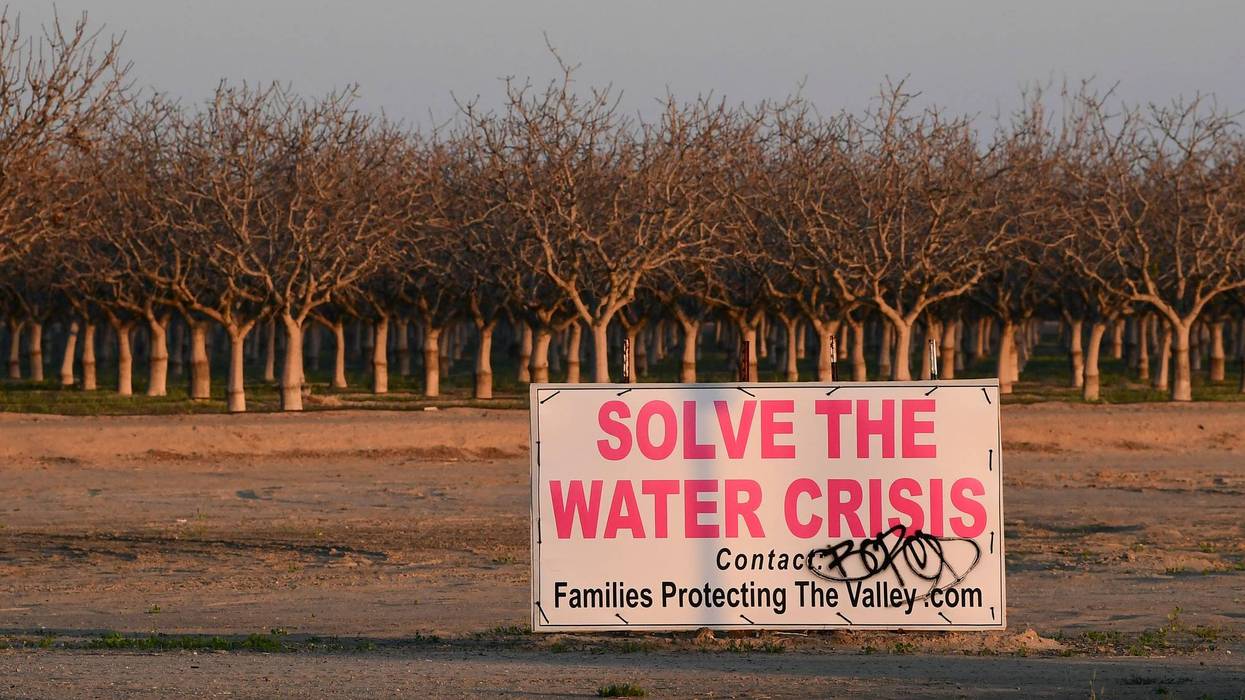
Farmers in California's San Joaquin Valley need enough support to turn a forced transition into a livable one, where they can afford to retire acres while still keeping a foothold in agriculture and in their communities.
Until three years ago, AW, who requested that only his initials be used for identification purposes, was an almond farmer. Now, he’s a grass farmer. AW farms in Tulare County, California, the heart of the San Joaquin Valley and California’s most productive agricultural region, the source of more than half of the produce the nation consumes. Five years ago, he was growing almonds across his 300 acres, a profitable crop that sold at a high value on the market. Now, he’s growing cover crop, a mix of various grasses intended to keep the soil on his land healthy, but that doesn’t bring in income anywhere close to what AW was making when he was growing almonds.
Why did AW make this switch? Not out of choice, but out of necessity. California agriculture is tied to the Sustainable Groundwater Management Act (SGMA), a bill passed in 2014 with the goal of reducing groundwater overdraft throughout the state, an agriculture-driven environmental hazard that is depleting aquifers and causing subsidence. The main tension behind SGMA is that the act is expected to cause between 500,000 to 1 million acres of San Joaquin Valley agricultural land to come out of production before 2040, and the act does not come with a built-in support system to help farmers figure out what to do with their land when agriculture is no longer an option. Neither SGMA nor the Valley farmers who it’s hurting the most are at fault—farmers are simply employing decades old agricultural practices to meet national food demand and SGMA is simply trying to preserve the state’s water resources.
AW is one of the first farmers to feel the impacts of SGMA fully realized on his land. SGMA, although passed more than a decade ago, is just now taking hold across the state, and farmers are now faced with the difficult choice of farming under restrictions and the potential of facing fines, or not farming at all. The state’s agricultural economy is at a major influx point—how farmers, communities, organizations, and the government react to the challenges that are about to descend onto this region will influence how the agricultural industry survives and takes shape for the coming decades.
In the media and in public conversation, farmers are often portrayed as anti-environmental, shortsighted, and profit driven. But through interviews I conducted with over 30 San Joaquin Valley farmers about their experiences with SGMA, I found something different: people confronting extreme change, often alone, trying to make difficult decisions for the good of their families, their business, land, and their futures. Almost every farmer I spoke to described feelings of isolation as neighbors compete for water and limited state funding, and as collaboration and trust erode. Outside of a handful of small pools of money and technical assistance that have been rolled out by the California state government, there has been lacking wide-scale institutional support for farmers seeking to change land uses.
If we give people like AW the tools and backing to make this shift, the San Joaquin Valley can move from a story of loss to a blueprint for how rural communities across the country can adapt to a hotter, drier future.
To fill this void, California requires the scaling up of solutions that will help farmers remain in the agricultural industry while taking advantage of this wide-scale shift in the agricultural landscape to increase sustainability and prioritize the environment in their decisions and actions. Organizations based in the region, such as The Nature Conservancy, River Partners, and Sequoia Riverlands Trust, are working on a small scale to do just that.
These organizations aim to protect and preserve both habitat and agriculture in the San Joaquin Valley region while helping farmers navigate the landscape of SGMA. They work on habitat restoration projects, assisting farmers with conservation easements, and are constantly innovating on how to make certain solutions more economically viable for farmers. Alongside academic research partners, these research organizations are also exploring how to make certain aspects of agriculture more viable, such as an expansion of regenerative agriculture in the region, which would offer a path forward that ties farmers’ livelihoods to rebuilding soil, recharging groundwater, and restoring habitat and turning today’s crisis into a long-term investment in a healthier, more resilient food system. This work serves as a model of the support systems that need to be wheeled out at a much larger scale in order for farmers, the economy, and the environment to thrive under this set of new regulations. Its spirit of collective undertaking is exactly what the San Joaquin Valley needs now as it navigates the upheaval of SGMA.
What AW needs to help him navigate his transition from farming almonds is what the Valley needs: enough support to turn a forced transition into a livable one, where farmers can afford to retire acres while still keeping a foothold in agriculture and in their communities. That will require sustained investment in on-the-ground organizations, dedicated funding for land transition and habitat restoration, and policies that treat farmers not as villains, but as partners in reshaping one of America’s most important food-producing regions. If we give people like AW the tools and backing to make this shift, the San Joaquin Valley can move from a story of loss to a blueprint for how rural communities across the country can adapt to a hotter, drier future, bringing with them the promise of sustainability.

Bad Bunny didn’t just choose a lush set design. He intentionally made history visible, reminding millions of viewers that colonial power doesn’t only claim territory, it reorganizes our whole environment.
On the world’s biggest stage, amid fireworks and spectacle, there stood the crop that enriched empires while eroding Puerto Rico’s land, labor, and sovereignty.
When Bad Bunny opened his halftime performance walking through what looked like a living sugarcane field, millions simply saw a striking stage design. But those of us involved in agricultural communities saw a protest.
Sugarcane once powered Puerto Rico’s economy. Under Spanish rule and later as a territory of the United States, vast plantations consumed the island’s most fertile lands. Once diverse farming systems created by Taíno Indigenous communities gave way to monocultures designed for export. As with all colonial systems, wealth made in Puerto Rico has long flowed outward while the ecological and social costs remain for local people to have to bear.
Across colonized lands, colonial agriculture prioritized single crops for distant markets at the expense of ecological and social prosperity and resilience—a historical legacy that today ripples through communities and commodity markets. In Puerto Rico, as in other Latin American and Caribbean countries—including my own home country, Mexico—forests were cleared and watersheds were destabilized to power the colonial economic machine. Soil health declined. Local communities' cultural ties to land were fractured, and, without power over local resources anymore, they could no longer steward landscapes as they once did. In Puerto Rico, US policies favoring industrialization over agriculture from the early 20th century onward were the final straw. Although Puerto Rico once produced most of its own food on the island, it now imports over 80%.
The image of sugarcane at the Super Bowl reminds us that land is political. It carries memories of exploitation, resilience, and identity.
What appear today as “degraded land” and disempowered communities are the ecological and social residue of economic models designed for extraction. So, in a very real sense, Bad Bunny didn’t just choose a lush set design. He intentionally made history visible, reminding millions of viewers that colonial power doesn’t only claim territory, it reorganizes our whole environment and, in doing so, reshapes culture, labor, and identity itself.
For many Puerto Ricans, the performance summoned the figure of the jíbaro—the smallholder farmer of the island’s mountainous interior, living from and with the land during colonial rule. More than a rural archetype, the jíbaro is a cultural touchstone, carried through generations in music, poetry, and oral tradition. They represent resilience and dignity, and an enduring bond between people and place—a vision of land not as commodity, but as home, heritage, and self-determination. Framed within Bad Bunny’s creative vision, land is not an asset class: It is identity and community.
Modern agricultural practices, many rooted in colonialism, have long degraded land by plundering natural ecosystems and extracting their value, often concentrating ownership in a few powerful hands. This has left us in a dire situation: At least 40% of the world’s land is now degraded, driving increasing food and water insecurity, contributing to climate change, and fueling climate migration.
To ensure our future on the planet, we must urgently prioritize land restoration and transitioning to regenerative agricultural practices. But for restoration to work, the governance model colonialism installed must be inverted. Landscapes cannot be regenerated without local decision-making power. Ecological repair and political agency go hand in hand.
As climate pressures intensify and public budgets shrink, we are seeing governments and businesses alike continue to act like ecological and social resilience is a luxury, an add-on after economic profit has been achieved. But safeguarding agricultural and ecological heritage, and placing power in the hands of local communities to be able to do this on their own terms, is a scientifically sound investment in economic resilience.
If we are serious about healing degraded landscapes—in Puerto Rico, in Mexico, across Latin America and the Caribbean, and beyond—we must ensure that the finance being used to restore does not become a new form of enclosure.
Research shows us that when communities have ownership and governance over local resources, restoration lasts. Yes, this demands real upfront investment—in soil, water, agroforestry, local enterprise, and strong community institutions. But the returns are massive: Every dollar invested in restoration can generate up to $30 in benefits.
If finance continues to channel value outward while communities carry the risk, we simply repackage (neo)colonialism in a greener language. Restoration funding must, therefore, anchor ownership and governance locally, positioning communities as architects of change, not passive recipients. And there are models already demonstrating what this can look like.
In Mexico’s Sierra Gorda, the Grupo Ecológico Sierra Gorda (GESG) has built a system where conservation and livelihoods are inseparable. Working alongside the state government, GESG has designed and implemented a public policy within the Sierra Gorda Biosphere Reserve where "forest owners" are compensated to steward forests, manage grazing responsibly, and protect biodiversity.
In simple terms, communities receive compensation for maintaining ecosystems that provide measurable public benefits—carbon sequestration, clean water, biodiversity conservation. Instead of extracting value from the land, value is generated by caring for it.
In the Sierra Gorda Biosphere Reserve, more than 300 people directly benefit from a PES (payment for ecosystem services) program covering over 14,000 hectares. GESG operates through a co-management model between civil society and the federal government, grounded in strong local participation and recognition. The goal is not short-term subsidy, but long-term institutional self-sufficiency through sub-national public policy—creating funding streams that sustain conservation while advancing community-led development.
It is a powerful example of conservation that reinforces, rather than erodes, local sovereignty. But PES alone cannot finance restoration at landscape scale; this requires a different kind of financial architecture. Regenerative blended finance offers one pathway. By combining public funds, philanthropic capital, and private investment, it can reduce risk and unlock larger flows of capital for landscape recovery. When designed well, blended finance mechanisms can accelerate ecological restoration while (and by) giving communities control.
A regeneratively-designed blended finance model treats communities as owners and co-investors, not beneficiaries. It embeds social and ecological returns alongside financial ones. It builds local financial capacity, enabling communities to negotiate, manage, and reinvest capital themselves, and strengthens local institutions so landscapes can ultimately generate their own sustainable revenue.
The image of sugarcane at the Super Bowl reminds us that land is political. It carries memories of exploitation, resilience, and identity. If we are serious about healing degraded landscapes—in Puerto Rico, in Mexico, across Latin America and the Caribbean, and beyond—we must ensure that the finance being used to restore does not become a new form of enclosure. Only then will restoration break from the patterns of the past.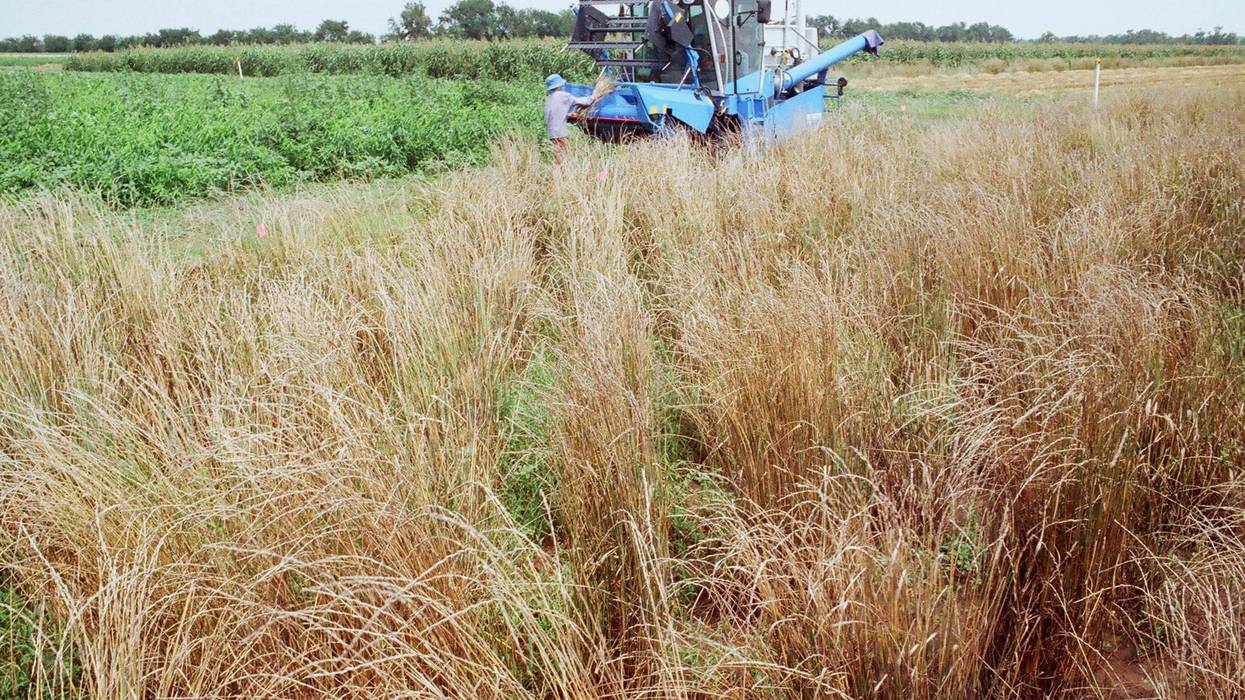
Jackson was ahead of his time in seeing not only problems in agriculture but what he called the problem of agriculture, the millennia of soil erosion and soil degradation caused by plowing and planting annual grains such as wheat.
Wes Jackson’s career demonstrates that sometimes the race goes not to the swift but to the unconventional, that the battle can be won not only by the strong but by the stubborn. Straight-A students don’t always lead the way.
Jackson, one of the last half-century’s most innovative thinkers about regenerative agriculture, has won a MacArthur Fellowship, the so-called “genius grant.” He also received the Right Livelihood Award, often called the “alternative Nobel Prize,” in addition to dozens of other awards from various philanthropic, academic, and agricultural organizations. Life Magazine tagged him one of the “100 Important Americans of the 20th Century.”
But mention any of those accolades to Jackson—who was one of the first people to use the term “sustainable agriculture” in print—and he likely will tell the story of almost getting a D in a botany course and describe himself as a misfit.
Jackson’s education started in a two-room school near his family’s farm in North Topeka, Kansas, where classes met for only eight months because students were needed for planting and harvest. He was an uneven student whose classroom performance varied depending on the quality of the teacher and his interests at the moment. He went to nearby Kansas Wesleyan University in Salina, focusing as much on football and track as on academics. “I wasn’t what you would call a top student,” Jackson said. “I had a lot of Cs and Bs, an A here and there, but also my share of Ds.”
Jackson said the central question on his mind is much the same as when he was creating that Survival Studies curriculum nearly six decades ago—how is our species going to make the transition from a high-energy, high-technology world of 8 billion people to a smaller population that doesn’t draw down the ecological capital of Earth?
One of those D grades came in botany. “I went to the prof and explained that I couldn’t have a D in my major field, which was biology,” Jackson said. The response: “Well, you got one.” Then the professor said he would give Jackson six weeks to study for a makeup exam, and if Jackson got an A on that he would receive a C in the course. Jackson made the grade, and later that professor wrote him a glowing recommendation for the MA program in botany at the University of Kansas, which he completed in 1960. After that, Jackson was back in the classroom, teaching first in a Kansas high school and then at KWU, before heading to North Carolina State University for the PhD program in genetics.
“I guess you could say I was sort of in business for myself, and so I wasn’t worrying about grades,” Jackson said. “I either did it or didn’t, according to what was satisfying.”
I was teaching at the University of Texas at Austin when I first heard those stories, and I recounted them to many students, especially those who seemed too concerned about being a “good student” as the path to a “successful career.” Jackson’s story illustrates that we don’t always have to do as we are told.
I used another Jackson story to make the point that striving for the highest status job isn’t the only path to fulfillment. After earning that PhD in genetics in 1967, Jackson had a lot of options, including an offer from the University of Tennessee for a tenure-track teaching job that would have allowed him to continue the genetics research that he loved, at a time when the federal government was throwing lots of grant money at scientists. Instead, he returned to KWU to teach the same biology classes he had been teaching before the doctoral program. Why did he turn down a job at a Research 1 university to return to a small liberal arts college in a rural area?
“I suppose I’m something of a homing pigeon,” Jackson said. “I wanted back to that prairie landscape. And there was family back there, too.” But when pressed, Jackson acknowledged that he still isn’t sure why he made that choice. “I don’t know why I did what I did,” he said. “People would ask me why I turned down that job and I couldn’t give them any decent sort of answer.”
While teaching at KWU that second time, when the environmental movement was taking off, Jackson said students started pressing him to make biology courses more “relevant.” His response was to design a “Survival Studies” program that took seriously the deepening ecological crises, and he also began work on one of the emerging discipline’s first collections of readings, Man and the Environment. By the time that curriculum was in place, Jackson had been hired by California State University, Sacramento to create and run one of the first environmental studies programs in the country. But after a few years, the restless Jackson was back in Kansas on leave, dreaming of starting an alternative school that would combine book learning with hands-on work on the land. He gave up the security of his California job and, with his then-wife, Dana, created that school, The Land Institute, which is celebrating its 50th anniversary this year.
Back to my students. After telling Jackson’s story, I asked them whether he had been foolish to walk away from the more prestigious job. There’s no right answer, of course. I just wanted my high-achieving students—the ones who had been earning good grades and building stellar resumes since grade school—to realize they had options, that success can come in many forms down many roads.
Back to Jackson, who is a curious mix of humility and self-confidence. He accumulated all those accolades because he never let his critics slow him down. Jackson was ahead of his time in seeing not only problems in agriculture but what he called the problem of agriculture, the millennia of soil erosion and soil degradation caused by plowing and planting annual grains such as wheat.
For decades, Jackson said agronomists politely told him that his plan to breed perennial grains was interesting but unworkable. Today, plant breeders at The Land Institute and around the world are working on what Jackson calls “Natural Systems Agriculture,” growing perennial grains in mixtures. There’s a long way to go before those crops can feed the world, but there are perennial grains in commercial production (especially perennial rice in China) and more in development (such as varieties of wheat).
He called me one morning to describe in detail a spider web between two trees that he had been studying and then asked me a rhetorical question that goes to the core of our ecological crises: “Why is this not enough?”
Jackson jokes that he enjoys people “praising me,” but his humility is real. I worked with him on books that were published in 2021 (my summary of his key ideas, The Restless and Relentless Mind of Wes Jackson: Searching for Sustainability, and his book of stories, Hogs Are Up: Stories of the Land, with Digressions) and 2022 (the co-authored An Inconvenient Apocalypse: Environmental Collapse, Climate Crisis, and the Fate of Humanity). I have no specialized training in the areas we wrote about, but Jackson never discounted my contributions. He enjoyed being challenged and always took my ideas seriously. In fact, he attributes his success to his argumentative friends and colleagues.
There’s a story about his debt to comrades that Jackson loves to tell. One day his brother Elmer noted that Jackson was always quoting others in his writing and asked, “Don’t you have a mind of your own?” Jackson readily conceded that he did not. “I don’t know what I think until I talk to my friends,” Jackson said, emphasizing how much he has benefited from the insights of others. That’s the way it should be, Jackson said, because no one has a mind of their own, as we all puzzle through life’s challenges together.
Jackson was the only one of six siblings who earned advanced degrees, and his connection to his family is another source of the humility that keeps his hard-charging intellect grounded.
For example, when he received his MA from the University of Kansas, his parents made the 30-mile drive from North Topeka to Lawrence for the ceremony, but Jackson said that they left once he crossed the stage and didn’t hang around for the graduation reception. Why? “I didn’t ask them,” Jackson said. “I just assumed they had chores that needed to get done.” Jackson said they were proud of his accomplishments but didn’t consider those more important than his siblings’ work in farming, nursing, and business.
Another example: When Jackson was building the house and structures that became The Land Institute, he was surprised one day to see Elmer pull up with a tractor. “Elmer simply said, ‘You’re going to need this’ and told me that I owed him $800,” said Jackson, who paid off the debt as he had the money. That was typical, not only of Jackson’s family but of many rural people who had lived through the Great Depression, which Jackson said is part of why he stayed close to home, both geographically and culturally.
Jackson, the youngest in the family, is the only sibling still living. This year he will turn 90, and he and his wife, Joan, still live in that house Jackson built from scratch—no blueprints and a limited budget—with the help of family and friends in the early 1970s. After doing his best to ignore the aging process, Jackson finally has slowed down. In 2016 he stepped down as president and in 2024 he retired completely from The Land Institute, which had evolved from an alternative school to a full-fledged research institution, a hub for the worldwide work on perennial grains. But Jackson said the central question on his mind is much the same as when he was creating that Survival Studies curriculum nearly six decades ago—how is our species going to make the transition from a high-energy, high-technology world of 8 billion people to a smaller population that doesn’t draw down the ecological capital of Earth?
Can we manage such a down powering? Jackson is not naïve about our chances but wants to help a younger generation continue the work on his property, on The Land. He doesn’t have a specific program for them to follow but hopes they will be open to unpredictable possibilities, most of which he thinks won’t come by sticking to typical career paths.
Jackson said his own idiosyncratic choices simply may be the result of being a misfit. “I have never really fit anywhere,” he said. “I don't fit in genetics anymore. I didn’t fit in the nonprofit world. I certainly wouldn’t fit in any university. And I don’t think I would fit as a farmer.”
Jackson may be a misfit in human enterprises, but he continues to feel at home on his 30 acres of Kansas prairie, where even a short walk reignites his sense of wonder. He called me one morning to describe in detail a spider web between two trees that he had been studying and then asked me a rhetorical question that goes to the core of our ecological crises: “Why is this not enough?” Why are people not satisfied, he asked, with all the beauty, creativity, and complexity of the ecosystems around us?
If that were to be enough for more people, Jackson mused, the human species just might have a chance.
“Prairie Prophecy,” a documentary about Jackson’s work, will air on public television stations around the United States in spring 2026. For more information, visit https://www.prairieprophecy.com/. For extended audio conversations with Jackson, listen to “Podcast from the Prairie” at https://podcastfromtheprairie.com/.

Secretary Rollins praises American farmers’ independence while advancing policies that strip them of market protections and empower their largest competitors.
Agriculture Secretary Brooke Rollins, in her recent USA Today and Newsweek opinion pieces, has worked hard to present herself as a champion of American farmers and a steward of healthier food options. Alongside Health Secretary Robert F. Kennedy Jr., she spoke of the values these farmers embody—independence, grit, patriotism—and celebrated a $700 million regenerative agriculture initiative as proof that this administration is delivering for rural America.
But if you pull back the curtain on Secretary Rollins and the US Department of Agriculture (USDA), the narrative changes. What looks like a bold vision for “regeneration” quickly reveals itself as a political performance designed to distract from the USDA’s business-as-usual that props up industrial agriculture, not family farmers.
Secretary Rollins held up Alexandre Family Farm as the face of America’s regenerative future. But the truth: The farm is under scrutiny for animal abuse so severe it stands in direct contradiction to everything regenerative agriculture represents.
A USDA investigation obtained through the Freedom of Information Act documented multiple violations of organic and animal-welfare standards. The company has since admitted to serious abuses—including cows dragged with machinery, horn-tipping without pain relief, a teat cut off an animal with mastitis, diesel poured on animals, and animals dying after being left without adequate feed and care. No amount of marketing can turn that into regeneration. It is factory farming with better lighting.
A healthy America requires new, bold regenerative policies, not branding.
Choosing that farm as the model for USDA’s regenerative agenda signals to large industrial livestock companies that even amid serious animal cruelty, the USDA will still hand them a spotlight—and, in many cases, more public dollars. It also sends a message to the farmers Secretary Rollins claims to represent: Their government will not reward those who do the hard, unglamorous work of true regenerative agriculture. Instead, it will reward those who invest in scale, branding, and access, not better practices.
Secretary Rollins frequently praised states as “laboratories of innovation,” a sentiment that should have encouraged rural communities. Yet she is pushing the EATS Act and its twin, the Save Our Bacon Act—federal preemption bills that would wipe out states’ ability to regulate for safer, healthier, and more humane agricultural products sold within their borders. Notably, EATS and SOBA face bipartisan opposition from more than 200 senators and representatives in Congress.
You cannot celebrate state innovation while trying to make it illegal.
Backed by the factory-farm-aligned National Pork Producers Council, both bills would undermine more than 1,000 state health, safety, and animal-welfare laws. These bills would give the largest global agribusinesses the power to override local standards and flood American markets with cheap, low-welfare meat. And they would directly undercut the regenerative and higher-welfare family farms she claims to support.
The USDA’s $700 million regenerative package reveals the same pattern. In reality, it is a drop in the bucket. For decades, federal policy has pumped tens of billions of dollars into the nation’s largest factory farms. From 2018 to 2023 alone, the top 10,000 livestock feeding operations—mostly CAFOs—captured more than $12 billion in federal aid. The largest 10% of producers now take nearly 80% of subsidies, while small and midsize farms receive nothing.
Secretary Rollins knows this—yet her policies do nothing to change it.
The contradiction is glaring: She praises American farmers’ independence while advancing policies that strip them of market protections and empower their largest competitors. She leads an agency that celebrates rural resilience while continuing to concentrate power and resources in the hands of giant corporations.
True regenerative agriculture—the kind practiced by real farm families—requires pasture, biodiversity, humane animal treatment, and a financial landscape where independent farmers can survive. But these farmers are forced to compete against industrial operations that are more heavily subsidized and are now welcomed to call themselves “regenerative” regardless of their animal handling and herd-management practices.
Across the United States, regenerative ranchers, pasture-based dairies, higher-welfare hog farmers, and diversified small producers are already showing what a healthier and more resilient US food system can look like. Consumers want this shift. States are supporting it. Rural communities depend on it. Yet the USDA continues to position factory farming as the American standard—and now as the regenerative standard.
If this administration truly wants to protect American farmers, the path forward is clear.
Stop calling industrial operations regenerative when they are not. Stop pushing federal legislation that handcuffs states and abandons small producers. Stop directing billions toward industrial livestock giants while offering pennies to the people doing the real work of regeneration. And start listening—to independent farmers fighting consolidation, rural communities bearing the cost of industrial expansion, and consumers demanding humane treatment of animals.
A healthy America requires new, bold regenerative policies, not branding. We welcome Secretary Rollins to bring forward those types of policies.

One campaigner emphasized that the administration "continues to cut conservation staff, support the pesticide industry, roll back environmental laws, and play trade war games."
The announcement of the US Department of Agriculture's $700 million Farmers First Regenerative Agriculture Pilot was met with some skepticism on Wednesday, given other recent moves that conflict with the Trump administration's promises to "Make America Healthy Again."
Regenerative agriculture is an approach to farming and ranching that goes beyond sustainability, aiming to improve soil, water, and air quality; boost biodiversity; produce nutrient-dense food; and even help mitigate the climate emergency by storing carbon. Its practices include agroforestry, conservation buffers, cover cropping, holistically managed grazing, limiting pesticides and synthetic fertilizers, and no-till farming.
US Secretary of Agriculture Brooke Rollins announced the pilot alongside Centers for Medicare and Medicaid Services Administrator Dr. Mehmet Oz and Health and Human Services Secretary Robert F. Kennedy Jr., the controversial man behind the MAHA movement. She said that "we will deliver this support through existing programs our farmers already know and already trust."
Angela Huffman, president and co-founder of the group Farm Action, a longtime advocate of regenerative farming, welcomed the pilot, noting that "done right, this investment will help farmers lower their input costs, break free from the export-driven commodity overproduction treadmill, and move toward healthier, more resilient, and more profitable farming systems."
Stephanie Feldstein, population and sustainability director at the Center for Biological Diversity, was far more critical of the initiative, warning that "farmers trying to do the right thing for our environment need all the support they can get, but without clear standards, this ill-defined pilot program isn't enough."
"Regenerative agriculture needs to be more than just buzzwords Big Ag uses to greenwash business as usual," said Feldstein. "While the Trump administration promises money for sustainable practices, it continues to cut conservation staff, support the pesticide industry, roll back environmental laws, and play trade war games that hurt farmers and our food system."
As Spectrum News reported Wednesday:
The USDA regenerative agriculture pilot program flows from a Make America Healthy Again Commission report released in September that included more than 120 initiatives to address chronic childhood disease. One of the report's key focus areas was to remove harmful chemicals from the food supply.
On Wednesday, Kennedy said the report promised farmers an "off ramp" to transition away from chemical fertilizers "to a model that emphasizes soil health, and with soil health comes nutrient density... and a transition to a much healthier America for our children."
When the second MAHA report was released in September, some environmental and public health advocates blasted the commission for echoing "the pesticide industry's talking points," while Alexandra Dunn, CEO of the trade group CropLife America, celebrated that "we were heard" by the Trump administration.
The administration has also come under fire for constantly serving the fossil fuel industry; installing an ex-lobbyist, Kyle Kunkler, in a key role at the Environmental Protection Agency and nominating another, Douglas Troutman, for an EPA post; embracing herbicides including atrazine and dicamba as well as "forver chemical" pesticides; and urging the US Supreme Court to shield Bayer, which bought Monsanto, from lawsuits alleging that glyphosate-based Roundup causes cancer.
As Sarah Starman, senior food and agriculture campaigner at Friends of the Earth, highlighted Wednesday, the Trump administration has also been criticized for cutting billions of dollars in funding previously allocated to promoting regenerative agriculture and firing staff at the Natural Resources Conservation Service.
The pilot, Starman said, "is a step in the right direction, and we applaud the intent. But it will only be effective if USDA reverses the past year of massive cuts to on-the-ground conservation staff. Regenerative agriculture requires whole-farm, science-based planning, and right now the agency lacks the army of specialists needed to help farmers design and implement those plans."
"In addition, phasing out harmful agrochemicals—the synthetic pesticides and fertilizers that harm human health and degrade soil health—must be at the center of any regenerative program," she stressed. "The new initiative's incentives for integrated pest management fall far short of what is needed to help farmers get off the pesticide treadmill and spur a transition to a truly regenerative food system."
"The initiative must be updated to include specific, measurable incentives for deep reductions in agrochemical use if it is to deliver truly healthy, resilient soils and promote human health," she added. "Finally, going forward, all major farm subsidies should carry strong conservation compliance requirements so that every public dollar supporting agriculture also supports soil health, water quality, and climate resilience on every acre."
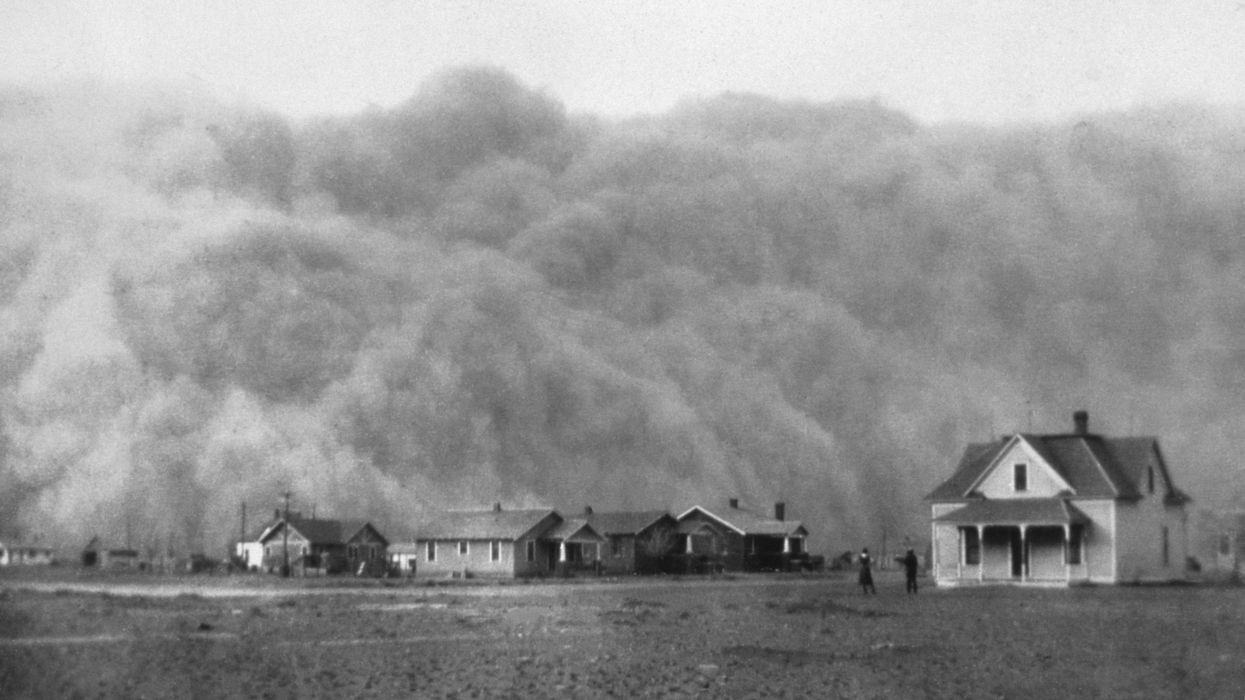
Desertification is no longer a distant issue; it’s an urgent threat that directly impacts food security, economic stability, and the resilience of communities in the U.S. and beyond.
You grab the duct tape and sprint to the windows in an attempt to seal them from the wind that blows in heavy dust and dirt. But your attempts at prevention are ineffective, yet again. You smother Vaseline inside your nostrils, hoping the moisture will catch the dust particles before they irritate your lungs. As you shelter from the dust storm, you feel the ache in your stomach from the lack of food. Crops have been failing due to the ferocity of the wind, and the sky is dark black from the dust clouds that hang overhead. Not a single ray of sunshine has broken through the complete obscurity in weeks.
This description is not a dystopian imagining of a far-off future. It’s a real firsthand account from a farmer who lived in Oklahoma during the years of the 1930s Dust Bowl, one the most devastating natural disasters in U.S. history.
The Dust Bowl wasn’t just the result of drought; it was driven by unsustainable land use practices, including the removal of native grasses and over-plowing for agriculture. What followed was environmental devastation, economic collapse, and the displacement of millions. This period remains a dark reminder of what happens when land is mismanaged, and its lessons are more relevant than ever as the world faces the growing crisis of desertification.
With the incoming Trump administration looking set to block and reverse climate measures that would otherwise prevent another Dust Bowl event, America’s land, and communities, hang in the balance.
Desertification is the degradation of dry lands that receive limited rainfall (known as arid and semi-arid lands). Degradation occurs when unsustainable land use practices, such as overgrazing, deforestation, drainage of wetlands, and intensive farming, strip the land of its natural vegetation, leaving the soil exposed and vulnerable to erosion.
The world’s largest forum for addressing desertification, the United Nations Convention to Combat Desertification (UNCCD COP16), is taking place right now in Riyadh, Saudi Arabia. And while you may not have heard of it—given the competition with recent headlines—it comes at a pivotal time for the United States. With the incoming Trump administration looking set to block and reverse climate measures that would otherwise prevent another Dust Bowl event, America’s land, and communities, hang in the balance.
While the UNCCD COP16 is focusing on tackling the issue of desertification on a global scale, for the U.S., the problem hits much closer to home than many might realize.
Desertification impacts more than 30% of land in the U.S. States such as California, Arizona, and Nevada are already grappling with land degradation caused by drought and unsustainable agricultural practices. As the impacts of climate change intensify, the risks to these regions will only grow, creating the exact ingredients for another Dust Bowl to take place.
But we don’t need to merely speculate about the future consequences of land degradation—this past year, natural disasters have shown how degraded landscapes amplify the devastating effects of extreme weather in the here and now. When land degrades, it loses the ability to retain water and nutrients. This exacerbates drought conditions and increases the risk of wildfires, like those that ravage the Pacific Northwest so often that a period of the year is termed “wildfire season.” Degraded soils also worsen flooding due to their inability to retain water, leading to destructive floods like those witnessed in Florida and North Carolina in October.
On a global scale, land degradation impacts as much as 40% of the world’s land area, affecting more than 3.2 billion people. While desertification in distant regions like Spain or sub-Saharan Africa may seem unrelated to American lives, the reality is that the effects are far from remote.
Moreover, the ripple effects of global land degradation directly impact food security, economic stability, and supply chains. As disruptions to food production in one part of the world drive up prices and destabilize agricultural markets, the effects are felt across U.S. grocery stores and rural economies.
As the world struggles to address desertification, U.S. policies under President-elect Donald Trump are set to exacerbate the crisis. Trump’s environmental agenda prioritizes fossil fuel development over renewable energy, a strategy that will accelerate land degradation both in the U.S. and abroad.
Trump’s nominee for Interior Secretary, North Dakota Gov. Doug Burgum, has deep ties to fossil fuel companies and supports expanding oil and gas drilling on federally owned lands. With the federal government controlling nearly one-third of U.S. land, opening these areas to fossil fuel extraction will devastate fragile ecosystems, disrupt local water cycles, and intensify pollution.
By prioritizing sustainable land management, investing in restoration, and fostering international cooperation, the impacts of desertification can be mitigated to prevent future natural disasters.
Indigenous communities, proven to be the best stewards of land and water, have long called for expanded roles in managing natural resources. Yet, Trump’s policies sideline these voices, favoring short-term profits over sustainable practices.
His withdrawal from international climate agreements, such as the Paris climate accord, weakened global efforts to address environmental crises, reducing momentum for collaborative action. This retreat disrupted progress on tackling interconnected issues like desertification, which is exacerbated by rising temperatures and extreme weather. A repeat of such actions would further undermine international cooperation and stall critical progress in combating land degradation.
Despite these huge barriers to action, the fight against desertification would offer immense opportunities to the U.S.. Restoring degraded land provides economic, environmental, and societal benefits that far outweigh the costs of implementation.
Economically, restoring an area a little bigger than India could contribute up to $9 trillion in ecosystem services, providing economic gains nine times the initial investment. For every dollar invested in restoration, there is a return of up to $30, making it one of the most cost-effective strategies for combating climate change and land degradation. Restoration efforts could also create up to 395 million jobs globally by 2030.
Restoring degraded landscapes plays a critical role in mitigating climate change, with the potential to reduce global emissions by 26 gigatons by 2030. In the U.S., where recent disasters have caused billions of dollars in damages, restoration can also enhance disaster resilience. Every dollar spent on restoration yields tenfold benefits in terms of food security, disaster risk reduction, and economic growth.
Integrated landscape restoration projects demonstrate how collaboration between communities, governments, and businesses can create sustainable and scalable solutions. They unlock the possibility to reverse land degradation and build a foundation for long-term environmental and economic stability.
The Dust Bowl taught us a harrowing lesson: When we fail to protect and manage our land responsibly, the consequences can be catastrophic. Today, the stakes are even higher as climate change and unsustainable practices converge to create a global crisis of land degradation. Desertification is no longer a distant issue; it’s an urgent threat that directly impacts food security, economic stability, and the resilience of communities in the U.S. and beyond.
The ongoing UNCCD COP16 in Riyadh offers a crucial opportunity for nations to unite against desertification, but it is clear that the U.S. must step up as a leader in this fight. By prioritizing sustainable land management, investing in restoration, and fostering international cooperation, the impacts of desertification can be mitigated to prevent future natural disasters.
History has shown that inaction is far more costly than action. Restoration offers a path to resilience, providing economic benefits, creating jobs, and protecting ecosystems. The question is no longer whether we can afford to act—it’s whether we can afford not to.
The introduction to this article pieces together quotes and paraphrases sections of Caroline A. Henderson’s letters, which were originally published in The Atlantic.
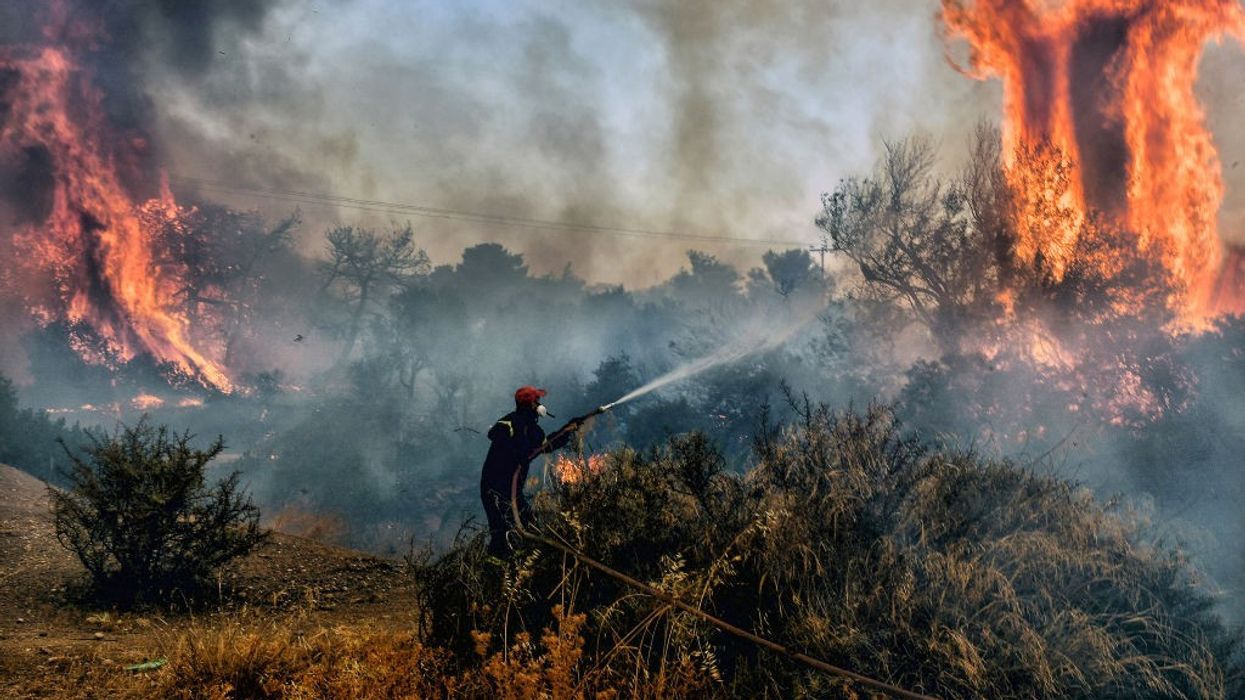
Why there is no viable techno-fix to climate change, and why trees, soil, and biodiversity are our real lifelines.
Climate change is a huge, complicated problem. Therefore, many people have an understandable tendency to mentally simplify it by focusing on just one cause (carbon emissions) and just one solution (alternative energy). Sustainability scholar Jan Konietzko has called this “carbon tunnel vision.” Oversimplifying the problem this way leads to techno-fixes that actually fix nothing. Despite trillions of dollars already spent on low-carbon technologies, carbon emissions are still increasing, and the climate is being destabilized faster than ever.
Understanding climate change requires us to embrace complexity: not only are greenhouse gases trapping heat, but we are undermining natural systems that cool the planet’s surface and sequester atmospheric carbon—systems of ice, soil, forest, and ocean. Grasping this complexity leads to new ways of thinking about climate change and viable responses to it.
Almost everything we’re doing to cause climate change involves technology—from cars to cement kilns to chainsaws. We humans love technology: it yields profits, jobs, comfort, and convenience (for some, anyway; it also tends to worsen overall economic inequality). So, predictably, we’re looking to alternative technologies to solve what is arguably the biggest dilemma humanity has ever created for itself. But what if that’s the wrong approach? What if more technology will actually worsen the problem in the long run?
Unlike technology, nature constantly repairs itself. It tends to clean up pollution, rather than spreading toxins.
In this article, we will see why there is no viable techno-fix to climate change, and why trees, soil, and biodiversity are our real lifelines.
Before discussing natural solutions, let’s explore whether technology has a role to play. What machines are touted as our main climate solutions, and what are their strengths and drawbacks? There are four broad categories.
The first climate-tech category consists of low-carbon energy generating machines, including solar panels, wind turbines, and nuclear power plants. These energy sources produce electrical power with minimal carbon emissions. However, they are not problem-free or risk-free. Wind and solar power are intermittent, requiring energy storage (e.g., batteries) and a major grid overhaul. Building these energy sources at sufficient scale to replace our current energy usage from fossil fuels would require enormous amounts of materials, some of them rare, and mining those materials destroys habitat and pollutes the environment. Recycling could eventually minimize materials requirements, but recycling has limits. Nuclear power likewise suffers from the dilemma of scale (to make a significant difference, we’d need to build an enormous number of nuclear plants, and quickly), but adds problems associated with fuel scarcity, waste containment and disposal, and the risks of accidents and nuclear weapons proliferation.
The second tech category includes energy-using technologies for running the modern industrial world—machines for manufacturing, heating, mining, farming, shipping, and transportation. In many cases, low-emissions versions of these machines are not yet marketed, and many may not work as cheaply as current technologies (cement making and aviation are two industries that will be hard to decarbonize). And again, there is the dilemma of scale, and the requirement for more materials. We have built our current industrial infrastructure over a period of decades; replacing huge portions of it quickly in order to minimize climate change will require an unprecedented burst of resource extraction and energy usage.
A third category of technologies for fighting climate change consists of machines for capturing carbon from the atmosphere so it can be safely stored for long periods. “Direct air capture” (or DAC) technologies have been developed, and are starting to be installed. However, a recent meta-study concluded that these machines suffer from problems of scale, cost, materials requirements, and high energy usage. The study’s authors say that policy makers’ prioritization of mechanical carbon capture has so far yielded a “track record of failure.”
Climate change reduces biodiversity by making environments inhospitable to some of the species that inhabit them.
If none of our other mechanical methods for tackling climate change work, there is one last resort: technologies for cooling the planet via solar radiation management. This “solar geoengineering” solution would entail dispersing large quantities of tiny reflective particles in Earth’s atmosphere (this is known as stratospheric aerosol injection), or building a space parasol to shade the planet. Critics point out that these technologies might have unintended consequences as bad as, or worse than the problem they are trying to solve.
It’s hard to argue against implementing at least some of these technologies at a modest scale. Humanity has become systemically dependent on energy from coal, oil, and gas to meet basic needs—including housing, food, and health care. Eliminating fossil fuels quickly and entirely, without having deployed alternative sources of energy, would result in immiseration for millions or billions of people. A similar argument could be made regarding low-carbon manufacturing, agricultural, and transport machines: we need alternative ways to make things, produce food, and get around. But our need for such machines does not erase their inherent environmental costs, including resource depletion, pollution, and habitat loss.
A review of available techno-fixes leads to two unavoidable conclusions. First, our problem is not just carbon emissions per se; it’s also how we humans inhabit our planet (too many of us using too much stuff too fast). And second, we need non-technological ways of addressing the climate crisis.
Throughout hundreds of millions of years, nature has developed cooling cycles that keep the planet’s surface temperature within certain bounds (though Earth’s climate does oscillate significantly). Chief among these is the water cycle, which operates on both a large and a small scale. On the large scale, ocean currents move enormous amounts of water around the planet, shifting more water onto land via precipitation than evaporates from it. On the small scale, water falls as rain or other forms of precipitation, is absorbed by soil, is drawn up into plants, and transpires or evaporates back into the atmosphere. This dual water cycle has a net cooling effect.
We industrial humans have been destabilizing the planetary water cycle. Industrial agriculture degrades soil, so that it holds less water. Expanding cities cover soil and channel rainwater via storm drains out to sea, rather than keeping water on the land. Pavement and buildings create the well-known urban “heat island” effect, which can raise temperatures by many degrees compared to natural landscapes. Industrial agriculture, urbanization, and destructive forestry practices reduce overall vegetation, and therefore also reduce evapotranspiration. Result: even if we weren’t loading the atmosphere with excess carbon dioxide, we’d still be warming the planet. Combine a diminished water cycle with land heating from urban sprawl, a couple of hundred billion square meters of pavement, and degraded soil; then add those ingredients to the main dish of overabundant emissions, and you have a recipe for hell on Earth.
The obvious solution: restore nature’s cooling cycles. Re-vegetate the planet, thereby increasing evapotranspiration. Restore soils so they hold more water. And get rid of pavement wherever possible.
There are depaving advocates in nearly every community. Unfortunately, their voices are drowned out by powerful road-building and construction interests, and by motorists who want to drive in comfort anywhere and everywhere. Permeable pavement options exist; but most municipalities, when faced with complaints from motorists about crumbling roads, opt simply to cover old streets with a fresh coat of black asphalt (made from oil) that heats the environment, prevents water from reaching the soil underneath, and gives off toxic fumes. If humanity is serious about halting climate change, then it should put the depavers in charge.
Re-vegetating the planet is a huge project that can only be undertaken in bite-sized chunks at the local scale. The biggest contributors to the small water cycle are intact forests; therefore, our first order of business should be to protect existing old-growth forests (you can plant a tree in a few minutes, but an old-growth forest requires centuries to mature). At the same time, we can plant millions more trees—but they must be the right kinds of trees in the right places. We must anticipate climate change and assist forests to migrate to suitable climate zones.
If humanity is serious about halting climate change, then it should put the depavers in charge.
Soil can be restored by covering it with leaf litter, mulch, and vegetation, by keeping living roots in it as long as possible (mainly by planting more perennial crops and fewer annuals), and by adding compost and biochar to aerate soil and boost biological activity. First, however, we have to stop doing all the things we’re currently doing that harm soils—including annual tillage and application of herbicides and pesticides. Permaculture practitioners and organic farmers have been fighting this battle for decades, and they’ve developed many effective techniques for maximizing food production while building healthy soil.
Climate change reduces biodiversity by making environments inhospitable to some of the species that inhabit them. Moreover, everything we’re doing to cause climate change (industrial agriculture, urbanization, cattle ranching, and road building) is also directly contributing to biodiversity loss. But restoring biodiversity can mitigate climate change. For example, restoring soils requires making them more biologically diverse (in terms of fungi, bacteria, nematodes, and worms). And restored soils support other organisms (more vegetation and hence more wildlife, all the way up to buffalo and elephants) that also help maintain nature’s cooling cycles. In effect, virtually all nature conservation efforts are also climate change mitigation efforts.
If solar, wind, and nuclear electricity generators won’t solve the climate problem, and fossil fuels have to be quickly phased out, where will we get our energy? That’s a tough question, and addressing it requires, first and foremost, a discussion of demand.
The scale of energy usage in industrialized countries today is simply unsustainable. Regardless which energy sources we choose (including fanciful ones such as fusion power), using this much energy results in environmental harms such as resource depletion and toxic pollution. If we want our species to be around for the long haul, we must reduce energy demand. The best ways to do that are to encourage a smaller population and to establish economies that aim for increased human happiness rather than growth of resource extraction, manufacturing, and transport.
As energy demand recedes, humanity will have better supply options. Before we started using fossil fuels in enormous quantities, we got much of our energy from burning wood. We can’t do that now, at a time when we use far more energy and also need to increase the planet’s tree cover. Instead, we can use energy from sunlight, wind, and flowing water, not just in high-tech ways—via photovoltaics, wind turbines, and hydroelectric dams—but in low-tech ways that entail less usage of mined materials. Low-Tech Magazine explores these options, including human-powered air compressors, sailing ships, practical household bike generators, and low-tech solar panels, among many others.
If we need to conserve energy, the same is true of materials (which require energy for mining, smelting, and manufacturing). Currently many of the materials we use are toxic plastics made from fossil fuels.
Can we get all of the materials we need from nature, without depleting and polluting? In an absolute sense, the answer is probably no, unless we eventually return to hunting and gathering as a way of life. But we can dramatically reduce depletion and toxicity, first by applying the familiar ecologists’ mantra of “reduce, reuse, and recycle,” and then by substituting plant-based materials for plastics and metals wherever possible.
By partially combusting plant wastes, it is possible to produce versatile materials for buildings, roads, and manufactured goods. Thousands of small, regional pyrolysis plants, using a range of feedstocks, most now considered waste, could make both biochar (to increase soil fertility) and “parolysates” (carbon-based materials that could be incorporated into products). In many instances added carbon would improve the performance of materials, making this shift in manufacturing methods profitable.
Suppose we do all these things. Still, we’ve already emitted an enormous surplus of carbon into the atmosphere—about 1,000 billion tons of it. As a result, even with nature’s cooling cycles restored, there will continue to be a dangerous warming effect. To minimize that, we will have to remove and sequester a lot of atmospheric carbon, and fast. As we’ve seen, DAC machines aren’t working. What will?
Nature already removes and sequesters about half the carbon emitted by humanity’s burning of fossil fuels. You can see that effect in graphs of the annual atmospheric greenhouse gas concentration: during summer months in the northern hemisphere, when plants are flourishing on Earth’s largest land masses, the atmospheric CO2 concentration declines significantly. Then, in the winter, it rebounds and rises even further due to continually increasing emissions. Oceans absorb far more CO2 than land. We need to assist nature in absorbing a lot more than it already is (while, of course, reducing emissions dramatically and fast, rather than continuing to increase them)
Globally, soils contain about 1,500 billion metric tons of carbon; they’re the the second largest active store of carbon after the oceans (40,000 billion tons). Currently, humanity is forcing soils to give up their carbon to the atmosphere through annual tillage, erosion, and salinization. However, by adopting different practices, we could restore soils and thereby significantly increase their carbon content. The practices that would help most go by the names regenerative agriculture and carbon farming. Estimating how much carbon soil could capture if we adopted these practices at scale is difficult, but some experts suggest the quantity could exceed 20 billion tons by 2050 (of course, that assumes dramatic, coordinated efforts supported by governments and farmers).
The widespread use of biochar and parolysate materials could also capture significant amounts of carbon. In their book Burn: Igniting a New Carbon Drawdown Economy to End the Climate Crisis, authors Albert Bates and Kathleen Draper suggest that the amount of carbon that could theoretically be sequestered in buildings, roads, and consumer products is in the range of hundreds of billions of tons.
Trees and other types of vegetation already store a great deal of carbon, but current agricultural and forestry practices are reducing that amount annually. By some estimates, forests alone could capture and store over 200 billion tons of atmospheric carbon if we started adding trees in an ecologically sensitive way, rather than subtracting trees on a net basis.
The sheer scale of the ocean and its existing carbon content means that the theoretical potential for ocean-based carbon capture exceeds that of other options. However, tapping that potential at scale (for example, by microalgal cultivation or ocean alkalinity enhancement) would require massive technological interventions. Some researchers suggest that encouraging the growth of kelp, a straightforward intervention, could capture and store up to 200 million tons of carbon per year. Wetlands such as marshes and swamps cover only 3 per cent of the world’s land, but contain twice as much carbon as all forests; if restored, they could capture and store a significant amount of carbon (though estimates vary widely). Overfishing, shipping, fertilizer runoff, destruction of coastal wetlands, and plastics pollution are currently devastating ocean ecosystems, causing them to lose much of their carbon capturing capacity. Mining the ocean floor for minerals to build large-scale renewable energy systems would only worsen an already grim situation. It seems that, in the case of the ocean, the most important thing we could do is just to stop the ongoing damage.
If we did these things, could we eliminate all the excess carbon in the atmosphere and thereby stop climate change? Halting global warming altogether is likely not possible, because there is already more heating on the way due to the momentum of feedbacks that have already been set in motion—including the melting of glaciers and sea ice. Further, actually doing all of these things rapidly (say, in the next two or three decades) would require an unprecedented level of international coordination and effort. Nevertheless, the numbers add up: it is possible to draw down excess atmospheric carbon on a scale commensurate with the problem using nature-restoring methods rather than machines. Which is hopeful, because doing it with machines simply isn’t working.
Unlike technology, nature constantly repairs itself. It tends to clean up pollution, rather than spreading toxins. It creates resources rather than depleting them. But to meet all human needs and solve problems using nature’s way, we will have to think entirely differently. It’s not just a matter of gradually setting aside harmful, overly complex technologies, but of shifting subtle societal incentives and disincentives that cause us to turn first to machines, even when unintended consequences are easy to spot.
A more nature-based society will feature fewer people living closer to the land, with a throughput of energy and materials far smaller than is the case in industrialized nations today. We will be less urbanized, more rural. We will rely less on money, and more on community-based cooperation.
This is how Indigenous people have lived for millennia, and so it should be no surprise that some of the most successful nature-based climate mitigation efforts are being led by Indigenous communities.
Fortunately, it is possible for individuals and households to make a difference by promoting biodiversity in their homes, gardens and communities, and to reduce energy and materials usage through their daily choices of what to purchase (or not purchase), what to eat, and how (and how much) to travel.
Unfortunately, circumstances require us to make a decisive shift in how we think and live at a time when as we also face an enormous threat. Since more warming is now inevitable, it is almost certain that the remainder of this century will see mass migrations and political instability. These social challenges will make it harder for nations and communities to mount large-scale, coherent efforts to restore ecosystems.
Nevertheless, whatever we do to try slowing or halting climate change will be most effective if it is aimed at helping nature do more of what it already does. Restoring nature isn’t just our best climate solution, it’s our only solution.
Thanks to Bio4Climate and Christopher Haines for inspiration and help with this article.
Please join us on July 2 for an online Deep Dive panel discussion on climate change, featuring Timothy Lenton, Chair in Climate Change and Earth System Science at the University of Exeter, and Isabel Cavelier Adarve, former climate negotiator and winner of the prestigious Climate Breakthrough Award.
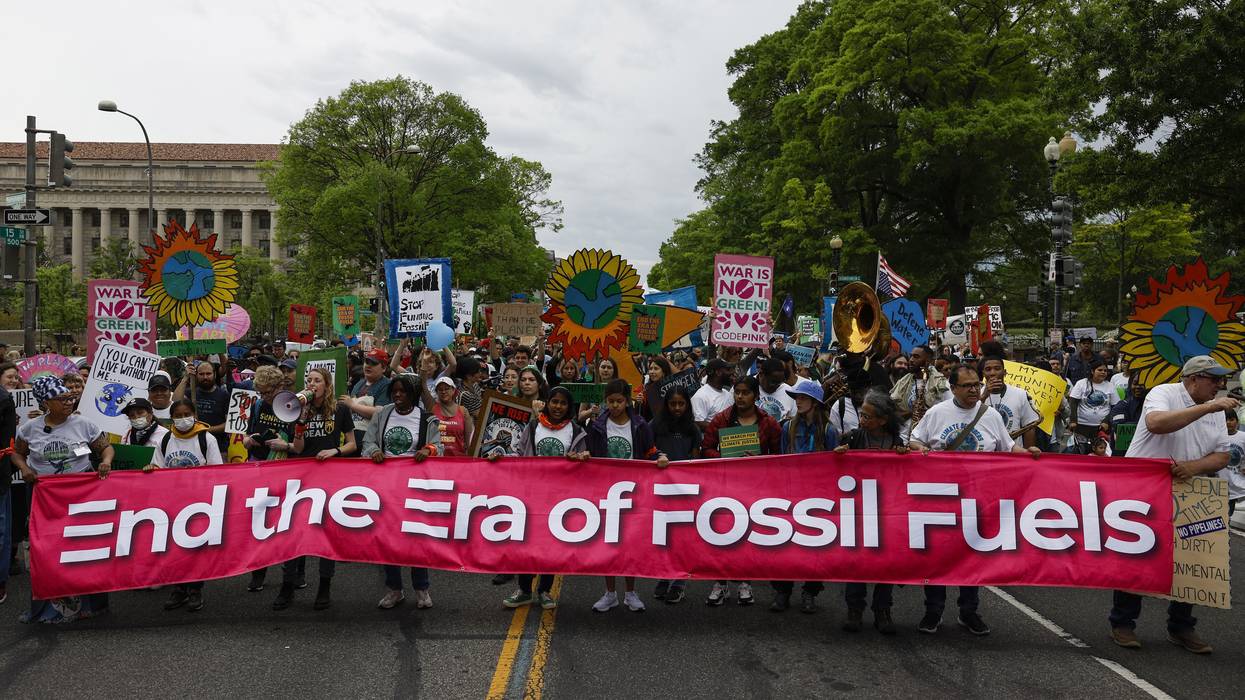
This push to end the reign of fossil fuels has allowed the climate movement to act as one giant machine in a burst of collective action.
The following is part of a series of opinion pieces Common Dreams is publishing in the lead-up to the March to End Fossil Fuels on Sunday, September 17 in New York City. Read the rest of the series and our complete coverage here.
It had never struck me until recently how many environmental activist groups there are. Within the U.S. alone, there are around 28,000 different environmental groups currently operating, from small grassroots organizations to giants of the climate movement like 350.org, Greenpeace, and Sunrise. Among these groups, there is also a huge array of sometimes conflicting opinions that reflect the sense of uncertainty that often goes hand in hand with the fight against climate change.
As someone who would consider himself an environmentalist, the sheer amount of people, groups, and perspectives that circulate around the matter of climate change can make it feel like I am not part of a movement with a coherent goal, but rather a highly competitive sector of an “activism industry.” As climate change bears down upon us, the environmental movement needs to fight as one. People uniting as one to drive world leaders forward is essential to stopping climate change; it is also what makes the March to End Fossil Fuels special.
Anybody who follows a climate-related Instagram account probably knows that today, September 17, the March to End Fossil Fuels is taking place in the middle of New York City in order to persuade the Biden Administration and the U.N. to initiate phaseout plans for fossil fuels. This is for good reason; the event is the biggest climate protest that has occurred since the pandemic, with a turnout goal of over 50,000 people.
When the decision-making power required to save the planet from climate change lies in the hands of very few people, the only way forward is with the strength of overwhelming numbers.
The protest is an impressive display of unity within the climate movement when taken in a vacuum. It was organized as a joint effort by a variety of New York grassroots organizations as well as larger U.S.-based coalitions such as People vs. Fossil Fuels. The planning team for the march spans generations and regions, drawing in all manner of people. What is perhaps more impressive is that the actions taking place during the week of the march are not limited to New York alone. There will be over 400 different actions taking place around the same few days across the world. This push to end the reign of fossil fuels has allowed the climate movement to act as one giant machine in a burst of collective action.
I became involved in environmental causes because I wanted to be a part of something greater than myself. Frightened by the future that might come to pass if climate change ran its course, I started joining climate lobbying groups when I started high school in the hopes that I would be helping bring a larger movement forward. In the time since then, I haven’t necessarily found this to be the case. In fact, I have noticed that there is a surprising amount of discord between climate advocacy groups, to the extent that people often refuse potentially advantageous collaboration on the basis of minor differences in opinion or specialization. I find that the refusal of many environmentalists to work with people who do not share their exact beliefs to run contrary to the need for collaboration that is so necessary to stop the climate crisis. As such, I am overjoyed to see people coming together on a scale like that of the march in order to fight the fossil fuel industry.
The climate movement has been shaped by the sluggishness and weakness of world leaders in responding to its concerns. When the decision-making power required to save the planet from climate change lies in the hands of very few people, the only way forward is with the strength of overwhelming numbers. This is not something that the climate movement can achieve as a group of independent actors; to stop climate change, everyone must move together as they are doing now.
The necessity of collective action in relation to climate change does not stop when the March to End Fossil Fuels and its companion actions end. In the aftermath of the event, there will inevitably be considerable momentum left over; people will be angrier than ever at how world leaders and global capitalism aid and abet the destruction of the planet. My hope for the activist community surrounding climate change is that this momentum is used to keep people together to push for newer, bolder action. Coalitions like the one that planned the March to End Fossil Fuels are powerful political tools that could potentially be used to even greater effect in relation to specific issues such as climate education, regenerative agriculture, or corporate accountability.
Climate change has many facets, all of which need to be brought into the light for the crisis to be solved. The climate movement has proven on many occasions that it has the ability to unify around a cause, and, as the climate crisis gets worse and worse, it must continue to do so. The March to End Fossil Fuels is a call for people to unite against the biggest threat to our planet that we as a species have faced, and it is one that I suggest we all answer.
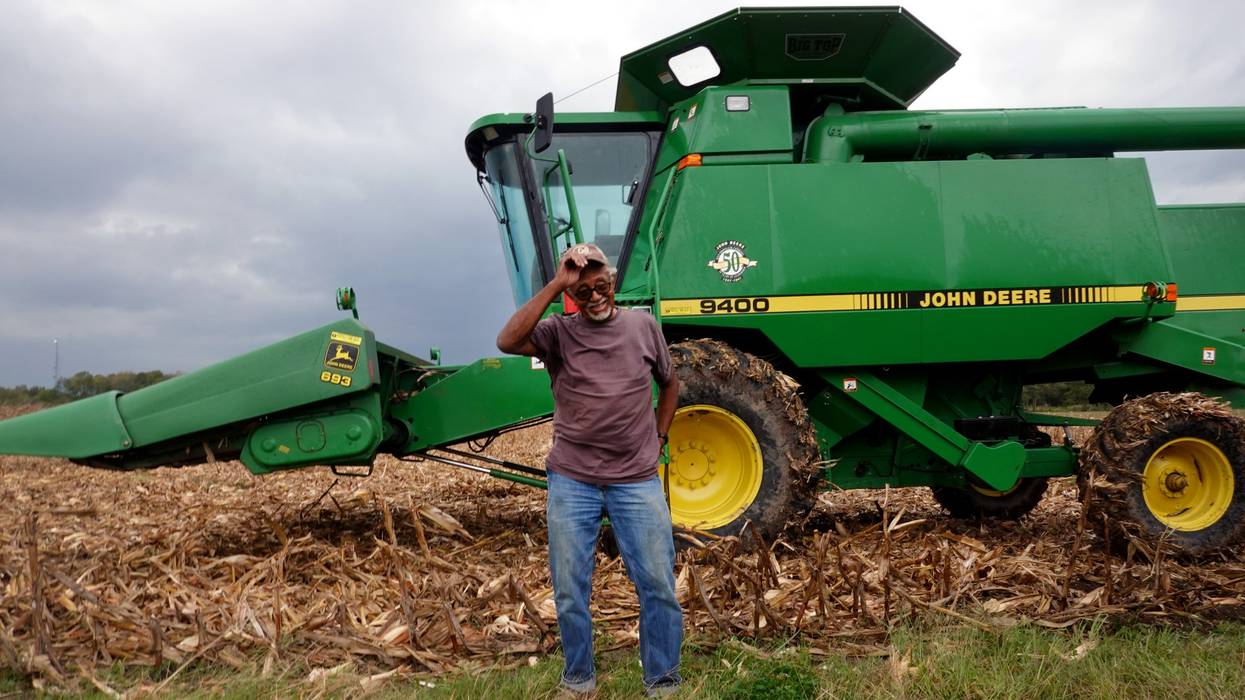
"Addressing the problems and concerns of rural America, isn't just the right thing to do, it is essential for the health of our nation," said the head of Progressive Democrats of America.
"A Rural New Deal is urgently needed to build and rebuild local economies across rural America, reverse 40 years of wealth and corporate concentration, restore degraded lands, reclaim land and ownership opportunities for those whose land was taken by force or deceit, and ensure that communities and the nation can and do meet the basic needs of its people."
That's the opening line of a report released Tuesday by Progressive Democrats of America (PDA) and the Rural Urban Bridge Initiative (RUBI), which recognizes that "for too long, we've neglected, dismissed and underinvested" in rural U.S. communities, and offers "a broad policy blueprint to help steer progressive priorities" in such regions.
"Addressing the problems and concerns of rural America, isn't just the right thing to do, it is essential for the health of our nation. Progressives have ignored rural for too long," said PDA executive director Alan Minsky in a statement. "The Rural New Deal will change that."
"Rebuilding and renewing supportive social and economic connections across rural and urban lines, empowering rural people and communities, moving away from extractive relationships of the past, is the course we must chart together."
The report provides principles to guide development and implementation of a Rural New Deal (RND), asserting that all policies must be worker-focused as well as "flexible, adaptable, and locally driven to the greatest degree possible," and should "encourage and invest in innovative, effective solutions."
The principles section stresses that "farmers and business people, nonprofit innovators, union and worker advocates, and community and political leaders must be part of the design of specific initiatives for their communities—rather than simply being recipients or implementors of top-down programs."
The section also highlights goals that should be woven into the 10 "pillars" of a Rural New Deal: reversing corporate concentration; focusing on real and durable wealth; addressing generations of racially based discrimination; restoring degraded landscapes to their full productive and ecological potential; and investing in the organizational infrastructure and local leaders that sustain rural programs.
The RND pillars—which each include up to eight recommendations for primarily federal action—are:
Policy proposals include supporting regenerative farm, forest, and fishery businesses; adopting a federal jobs guarantee with a living wage and essential benefits; making broadband access universal; expanding Medicaid and Medicare access; incentivizing installation of solar technology on buildings and non-prime farmland, over parking lots, and in vacant spaces; and enacting reforms to rein in private equity's "unbridled power," such as eliminating the carried interest tax loophole.
"At the heart of a RND is the recognition that rural places are fundamentally different from urban and suburban areas, not only culturally and politically, but physically. They are 'rural' because they are expansive and land-based," the report emphasizes. "This does not mean that all efforts to rebuild rural economies and communities should revolve around farming or other land-based sectors. However, it does mean that land-based (also including rivers, lakes, and oceans) enterprises must still play a central role in rural development, even as internet access, virtual work, and the tech sector grow in importance."
While different, rural and urban communities are "deeply intertwined," with rural businesses often relying on urban markets and capital. Thus, the document adds, "rebuilding and renewing supportive social and economic connections across rural and urban lines, empowering rural people and communities, moving away from extractive relationships of the past, is the course we must chart together."
The RND report comes as a potential government shutdown looms and as far-right members of the U.S. House of Representatives open an impeachment inquiry into Democratic President Joe Biden, despite a lack of any proof of wrongdoing.
The politically divided Congress has passed few pieces of legislation this year, and the nation only narrowly avoided a catastrophic U.S. default because Biden struck a controversial deal with GOP economic hostage-takers to temporarily suspend the U.S. debt ceiling. As Common Dreams reported during that fight in May, Fix Our House released an analysis arguing that "Congress lacks the incentive structure necessary to responsibly handle crucial tasks like raising the debt limit."
While "gerrymandering is a huge problem," polarization is also an issue, as "rural voters are increasingly trending more to the right, and urban voters more to the left," the Fix Our House report says. Members of Congress elected in uncompetitive districts fear primaries, so they focus on their voting base and refrain from working with "the enemy."
RUBI director Anthony Flaccavento said Tuesday that "the extreme political divide in our country robs rural communities of the resources and opportunities they need, while making it nearly impossible to address the biggest problems we face as a nation."
"The Rural New Deal will help break that stalemate," he suggested, "because it is both comprehensive and bottom-up in its approach, focusing on strategies that we know from experience will work."
In a Newsweek op-ed, Flaccavento noted that "some will argue that we can't afford the investments proposed in the Rural New Deal, or that the federal government should not be 'picking winners' by supporting small businesses, clean energy providers, or family farmers. We don't buy it. The United States currently has 756 billionaires with an estimated collective net worth of $4.5 trillion. If we include U.S. millionaires, this tiny slice of our population holds over $190 trillion of wealth."
"The federal government has been picking winners for decades, and most of them are among that group," he declared. "It's long past due for our elected representatives to level the playing field between the rich and the rest of us and to support the long-term resilience that investment in rural people and places will help bring about."