SUBSCRIBE TO OUR FREE NEWSLETTER
Daily news & progressive opinion—funded by the people, not the corporations—delivered straight to your inbox.
5
#000000
#FFFFFF
To donate by check, phone, or other method, see our More Ways to Give page.
Daily news & progressive opinion—funded by the people, not the corporations—delivered straight to your inbox.
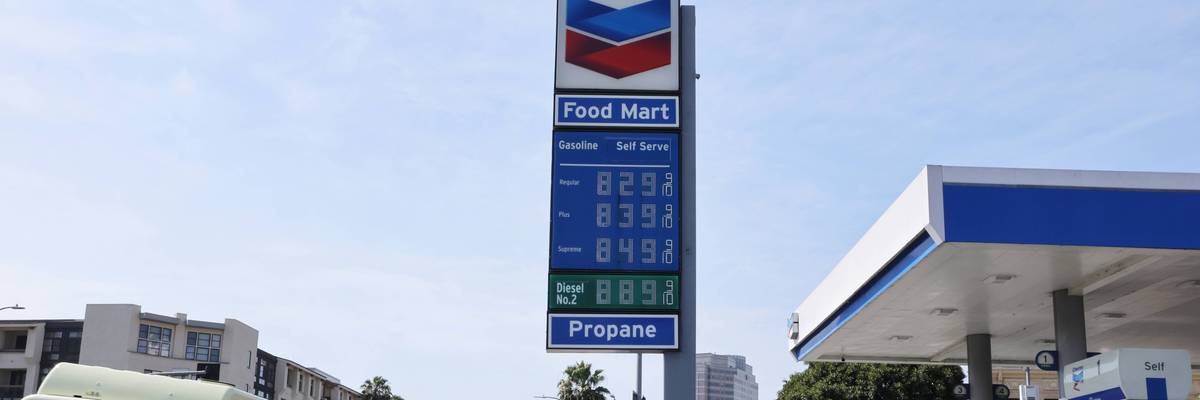
High gas prices are displayed at a gas station after Democratic gubernatorial candidate Tom Steyer spoke at a news conference outside the gas station amid the war in Iran on April 9, 2026 in Los Angeles, California.
President Donald Trump’s persistent boasts about tactical victories against Iran’ s military ignore the fundamental strategic fact that Trump has lost the Iran war.
When he declared war on Iran in violation of international law and the US Constitution, President Donald Trump announced several objectives. He claims to have won the war, but Iran is emerging as the long-term victor.
Let’s count the ways.
No one doubted the capacity of the US armed forces to decimate Iran’s far inferior military force. But to what end?
Israel Prime Minister Benjamin Netanyahu convinced Trump that launching the attack would prompt a popular uprising that would lead to the overthrow of Iran’s theocracy. Listening to Netanyahu’s assertion, CIA Director John Ratcliffe called it “farcical.” Secretary of State and National Security Adviser Marco Rubio translated that word into language Trump would understand, “In other words, it’s bullshit.”
Trump’s bluster isn’t working with Iranian leaders. His threats to commit war crimes dominate news cycles, but they merely reveal to Iran Trump’s desperation to extricate himself from the mess he created.
Trump chose to believe Netanyahu. Announcing the US-Israeli assault, Trump told Iranians that this was their opportunity to reclaim their country. To win the war on Trump’s terms, the Iranian theocracy needed only to survive.
The attack killed the Supreme Leader of Iran and top members of the government. But immediately, the serpent grew another head—the Supreme Leader’s son, Mojtaba Khamenei, who had lost his wife and teenage son in the bombing. The new leader is known for deep, long-standing ties to the Iranian Revolutionary Guard Corps (IRGC) security establishment. His appointment signaled a transition to a more heavily militarized, hard-line, and anti-Western regime.
Trump calls this “regime change.” By his definition, Admiral Karl Dönitz succeeding Adolf Hitler as head of the German state near the end of World War II constituted regime change too.
The Iran theocracy survived in an even more militant form.
Score: Iran 1, Trump 0
Trump boasted that the war would restrain Iran’s ability to project power:
“We are systematically dismantling the regime’s ability to threaten America or project power outside of their borders,” he said.
Trump then described the destruction of Iran’s navy, air force, missile facilities, and defense industrial base. Those were tactical successes, but the war itself has been a strategic failure.
Iran’s response included attacks on neighboring countries. Even more troubling, it discovered and deployed a powerful new weapon: blocking the Strait of Hormuz. Notwithstanding its decimated navy, Iran now has a choke hold on the global economy.
Netanyahu had assured Trump that the regime would be so weakened from the US-Israeli assault that it would be unable to block the waterway through which one-fifth of the world’s oil flowed. Chairman of the Joint Chiefs of Staff Dan Caine flagged the enormous difficulty of securing the strait and the risks of Iran blocking it. But Trump dismissed that possibility on the assumption that the regime would capitulate before that could happen.
With the price of oil skyrocketing, Trump has created a new problem for the entire world and powerful leverage for Iran.
Score: Iran 2, Trump 0
In his June 2025 attack on Iran, Trump claimed to have “obliterated” its nuclear facilities. Secretary of Defense Pete Hegseth went further, saying that not only were the facilities obliterated, but so too were Iran’s nuclear ambitions.
Subsequently, Trump took repeated victory laps over the mission:
In defending the launch of the war on February 28, 2026, Trump acknowledged that Iran’s nuclear program had not been obliterated after all. Rather, the country was now “right at the doorstep” of having a nuclear bomb. Trump has no strategy for solving that problem either.
Trump’s tactics—bombing—won’t work. Knowledgeable experts believe that a key Iranian nuclear facility is Pickaxe Mountain, where some of its uranium may be stored. That facility is so far below the ground that even America’s 30,000-pound bunker-buster bombs can’t reach its inner chamber.
Trump talks about “going in” and taking the nuclear material out. But a ground operation to retrieve the material or destroy the facility would entail tremendous risk to those attempting it while providing, at best, an uncertain outcome.
The threat of a nuclear Iran remains.
Score: Iran 3, Trump 0
Trump’s bluster isn’t working with Iranian leaders. His threats to commit war crimes dominate news cycles, but they merely reveal to Iran Trump’s desperation to extricate himself from the mess he created. As a negotiating strategy, it’s counterproductive.
Trump’s persistent boasts about tactical victories against Iran’ s military ignore the fundamental strategic fact that Trump has lost the Iran war. If a deal emerges from discussions between Iran’s experienced negotiators and Trump’s collection of amateurs, America and the world will pay a big price for a long time.
Dear Common Dreams reader, It’s been nearly 30 years since I co-founded Common Dreams with my late wife, Lina Newhouser. We had the radical notion that journalism should serve the public good, not corporate profits. It was clear to us from the outset what it would take to build such a project. No paid advertisements. No corporate sponsors. No millionaire publisher telling us what to think or do. Many people said we wouldn't last a year, but we proved those doubters wrong. Together with a tremendous team of journalists and dedicated staff, we built an independent media outlet free from the constraints of profits and corporate control. Our mission has always been simple: To inform. To inspire. To ignite change for the common good. Building Common Dreams was not easy. Our survival was never guaranteed. When you take on the most powerful forces—Wall Street greed, fossil fuel industry destruction, Big Tech lobbyists, and uber-rich oligarchs who have spent billions upon billions rigging the economy and democracy in their favor—the only bulwark you have is supporters who believe in your work. But here’s the urgent message from me today. It's never been this bad out there. And it's never been this hard to keep us going. At the very moment Common Dreams is most needed, the threats we face are intensifying. We need your support now more than ever. We don't accept corporate advertising and never will. We don't have a paywall because we don't think people should be blocked from critical news based on their ability to pay. Everything we do is funded by the donations of readers like you. When everyone does the little they can afford, we are strong. But if that support retreats or dries up, so do we. Will you donate now to make sure Common Dreams not only survives but thrives? —Craig Brown, Co-founder |
When he declared war on Iran in violation of international law and the US Constitution, President Donald Trump announced several objectives. He claims to have won the war, but Iran is emerging as the long-term victor.
Let’s count the ways.
No one doubted the capacity of the US armed forces to decimate Iran’s far inferior military force. But to what end?
Israel Prime Minister Benjamin Netanyahu convinced Trump that launching the attack would prompt a popular uprising that would lead to the overthrow of Iran’s theocracy. Listening to Netanyahu’s assertion, CIA Director John Ratcliffe called it “farcical.” Secretary of State and National Security Adviser Marco Rubio translated that word into language Trump would understand, “In other words, it’s bullshit.”
Trump’s bluster isn’t working with Iranian leaders. His threats to commit war crimes dominate news cycles, but they merely reveal to Iran Trump’s desperation to extricate himself from the mess he created.
Trump chose to believe Netanyahu. Announcing the US-Israeli assault, Trump told Iranians that this was their opportunity to reclaim their country. To win the war on Trump’s terms, the Iranian theocracy needed only to survive.
The attack killed the Supreme Leader of Iran and top members of the government. But immediately, the serpent grew another head—the Supreme Leader’s son, Mojtaba Khamenei, who had lost his wife and teenage son in the bombing. The new leader is known for deep, long-standing ties to the Iranian Revolutionary Guard Corps (IRGC) security establishment. His appointment signaled a transition to a more heavily militarized, hard-line, and anti-Western regime.
Trump calls this “regime change.” By his definition, Admiral Karl Dönitz succeeding Adolf Hitler as head of the German state near the end of World War II constituted regime change too.
The Iran theocracy survived in an even more militant form.
Score: Iran 1, Trump 0
Trump boasted that the war would restrain Iran’s ability to project power:
“We are systematically dismantling the regime’s ability to threaten America or project power outside of their borders,” he said.
Trump then described the destruction of Iran’s navy, air force, missile facilities, and defense industrial base. Those were tactical successes, but the war itself has been a strategic failure.
Iran’s response included attacks on neighboring countries. Even more troubling, it discovered and deployed a powerful new weapon: blocking the Strait of Hormuz. Notwithstanding its decimated navy, Iran now has a choke hold on the global economy.
Netanyahu had assured Trump that the regime would be so weakened from the US-Israeli assault that it would be unable to block the waterway through which one-fifth of the world’s oil flowed. Chairman of the Joint Chiefs of Staff Dan Caine flagged the enormous difficulty of securing the strait and the risks of Iran blocking it. But Trump dismissed that possibility on the assumption that the regime would capitulate before that could happen.
With the price of oil skyrocketing, Trump has created a new problem for the entire world and powerful leverage for Iran.
Score: Iran 2, Trump 0
In his June 2025 attack on Iran, Trump claimed to have “obliterated” its nuclear facilities. Secretary of Defense Pete Hegseth went further, saying that not only were the facilities obliterated, but so too were Iran’s nuclear ambitions.
Subsequently, Trump took repeated victory laps over the mission:
In defending the launch of the war on February 28, 2026, Trump acknowledged that Iran’s nuclear program had not been obliterated after all. Rather, the country was now “right at the doorstep” of having a nuclear bomb. Trump has no strategy for solving that problem either.
Trump’s tactics—bombing—won’t work. Knowledgeable experts believe that a key Iranian nuclear facility is Pickaxe Mountain, where some of its uranium may be stored. That facility is so far below the ground that even America’s 30,000-pound bunker-buster bombs can’t reach its inner chamber.
Trump talks about “going in” and taking the nuclear material out. But a ground operation to retrieve the material or destroy the facility would entail tremendous risk to those attempting it while providing, at best, an uncertain outcome.
The threat of a nuclear Iran remains.
Score: Iran 3, Trump 0
Trump’s bluster isn’t working with Iranian leaders. His threats to commit war crimes dominate news cycles, but they merely reveal to Iran Trump’s desperation to extricate himself from the mess he created. As a negotiating strategy, it’s counterproductive.
Trump’s persistent boasts about tactical victories against Iran’ s military ignore the fundamental strategic fact that Trump has lost the Iran war. If a deal emerges from discussions between Iran’s experienced negotiators and Trump’s collection of amateurs, America and the world will pay a big price for a long time.
When he declared war on Iran in violation of international law and the US Constitution, President Donald Trump announced several objectives. He claims to have won the war, but Iran is emerging as the long-term victor.
Let’s count the ways.
No one doubted the capacity of the US armed forces to decimate Iran’s far inferior military force. But to what end?
Israel Prime Minister Benjamin Netanyahu convinced Trump that launching the attack would prompt a popular uprising that would lead to the overthrow of Iran’s theocracy. Listening to Netanyahu’s assertion, CIA Director John Ratcliffe called it “farcical.” Secretary of State and National Security Adviser Marco Rubio translated that word into language Trump would understand, “In other words, it’s bullshit.”
Trump’s bluster isn’t working with Iranian leaders. His threats to commit war crimes dominate news cycles, but they merely reveal to Iran Trump’s desperation to extricate himself from the mess he created.
Trump chose to believe Netanyahu. Announcing the US-Israeli assault, Trump told Iranians that this was their opportunity to reclaim their country. To win the war on Trump’s terms, the Iranian theocracy needed only to survive.
The attack killed the Supreme Leader of Iran and top members of the government. But immediately, the serpent grew another head—the Supreme Leader’s son, Mojtaba Khamenei, who had lost his wife and teenage son in the bombing. The new leader is known for deep, long-standing ties to the Iranian Revolutionary Guard Corps (IRGC) security establishment. His appointment signaled a transition to a more heavily militarized, hard-line, and anti-Western regime.
Trump calls this “regime change.” By his definition, Admiral Karl Dönitz succeeding Adolf Hitler as head of the German state near the end of World War II constituted regime change too.
The Iran theocracy survived in an even more militant form.
Score: Iran 1, Trump 0
Trump boasted that the war would restrain Iran’s ability to project power:
“We are systematically dismantling the regime’s ability to threaten America or project power outside of their borders,” he said.
Trump then described the destruction of Iran’s navy, air force, missile facilities, and defense industrial base. Those were tactical successes, but the war itself has been a strategic failure.
Iran’s response included attacks on neighboring countries. Even more troubling, it discovered and deployed a powerful new weapon: blocking the Strait of Hormuz. Notwithstanding its decimated navy, Iran now has a choke hold on the global economy.
Netanyahu had assured Trump that the regime would be so weakened from the US-Israeli assault that it would be unable to block the waterway through which one-fifth of the world’s oil flowed. Chairman of the Joint Chiefs of Staff Dan Caine flagged the enormous difficulty of securing the strait and the risks of Iran blocking it. But Trump dismissed that possibility on the assumption that the regime would capitulate before that could happen.
With the price of oil skyrocketing, Trump has created a new problem for the entire world and powerful leverage for Iran.
Score: Iran 2, Trump 0
In his June 2025 attack on Iran, Trump claimed to have “obliterated” its nuclear facilities. Secretary of Defense Pete Hegseth went further, saying that not only were the facilities obliterated, but so too were Iran’s nuclear ambitions.
Subsequently, Trump took repeated victory laps over the mission:
In defending the launch of the war on February 28, 2026, Trump acknowledged that Iran’s nuclear program had not been obliterated after all. Rather, the country was now “right at the doorstep” of having a nuclear bomb. Trump has no strategy for solving that problem either.
Trump’s tactics—bombing—won’t work. Knowledgeable experts believe that a key Iranian nuclear facility is Pickaxe Mountain, where some of its uranium may be stored. That facility is so far below the ground that even America’s 30,000-pound bunker-buster bombs can’t reach its inner chamber.
Trump talks about “going in” and taking the nuclear material out. But a ground operation to retrieve the material or destroy the facility would entail tremendous risk to those attempting it while providing, at best, an uncertain outcome.
The threat of a nuclear Iran remains.
Score: Iran 3, Trump 0
Trump’s bluster isn’t working with Iranian leaders. His threats to commit war crimes dominate news cycles, but they merely reveal to Iran Trump’s desperation to extricate himself from the mess he created. As a negotiating strategy, it’s counterproductive.
Trump’s persistent boasts about tactical victories against Iran’ s military ignore the fundamental strategic fact that Trump has lost the Iran war. If a deal emerges from discussions between Iran’s experienced negotiators and Trump’s collection of amateurs, America and the world will pay a big price for a long time.