Why We Must Keep the 1.5°C Goal Alive
It is clear to many governments that allowing global warming to exceed 1.5°C involves unacceptable societal risks, undermines development, and poses an existential threat to vulnerable communities and their cultures.
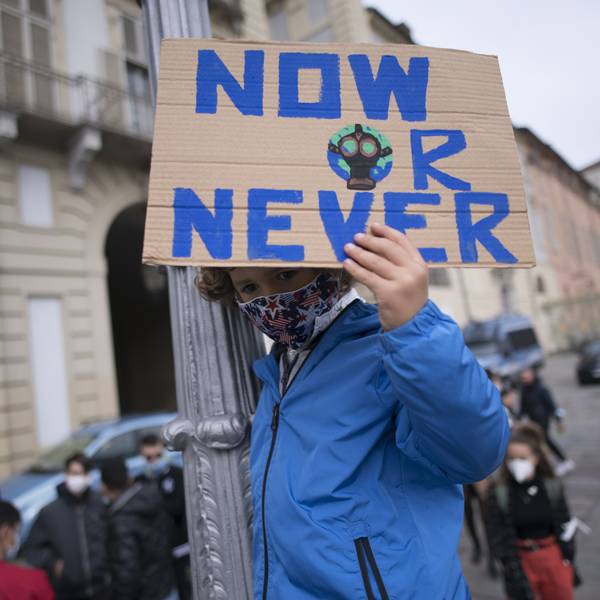
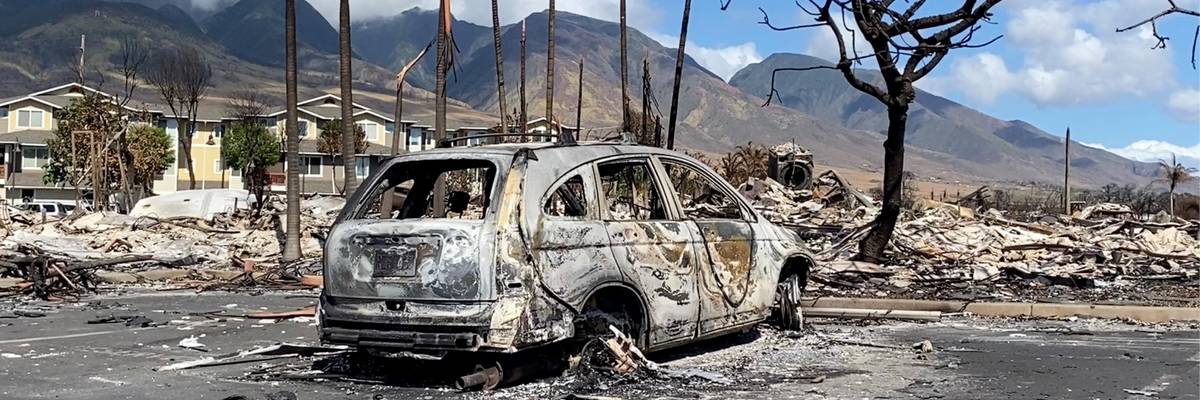
The world is burning, and our political leaders are failing us. With temperatures rising at an alarming rate, it seems that anyone who believes it is still possible to limit global warming to 1.5°C is in a rapidly shrinking minority.
As governments around the world fail to meet their responsibilities under the Paris climate agreement, the window for keeping global temperatures below the 1.5°C limit has all but closed due to insufficient action. But while some eminent commentators have declared the 1.5°C target “deader than a doornail,” I have come to the opposite conclusion: 1.5°C will never die.
To be sure, the world is in a dire state. Greenhouse-gas (GHG) emissions dumped in the atmosphere since the start of the Industrial Revolution have already warmed the planet by roughly 1.3°C, according to this year’s annual report on Indicators of global climate change. And studies, including mine, unequivocally show that crucial climate goals are not being met. Under current policies, global temperatures are projected to increase by 2.5-3°C by the end of this century.
The only way to improve our chances of keeping warming close to 1.5°C is by pledging and implementing more ambitious near-term emission cuts every year until 2035.
Even if governments meet all their existing climate pledges, the odds against global warming staying below 1.5°C are 7 to 1. Combine this with the fossil-fuel industry’s delaying tactics, including the greenwashing of their polluting business practices and recent rollback on self-imposed emissions targets, and it becomes abundantly clear that our chances of staying below 1.5°C are indeed slim. Consequently, climate scientists expect global warming to “blast past” the 1.5°C limit.
But just as risks do not vanish when safety limits are exceeded, the Paris agreement’s climate commitments do not disappear once we cross 1.5°C. While 1.5°C is a political target, it was not pulled out of thin air. It is a scientifically informed limit, first championed by small island states and later supported by a broad coalition of ambitious countries.
By now, it is clear to many governments that allowing global warming to exceed 1.5°C involves unacceptable societal risks, undermines development, and poses an existential threat to vulnerable communities and their cultures. Moreover, the line between “safe” and “dangerous” warming is becoming increasingly blurred. As the devastating effects of climate change worldwide show, even 1.5°C is dangerous and our societies are ill-equipped to handle it.
Over the past 20 years, we have experienced what a world that has warmed by about 1°C is like. No region has been spared the impact, with a growing number of countries facing fires, floods, and storms, resulting in devastating human and financial costs that extend well beyond national borders. Between 2000 and 2019, climate-related disasters claimed over half a million lives, caused over $2 trillion in estimated damage, and affected almost four billion people worldwide.
Even at 1.5°C warming, up to 1 in 7 species face extinction, critical ecosystems like tropical coral reefs face destruction, and extreme heatwaves that our great-grandparents experienced once in a lifetime will occur on average every six years. Centuries of ice melt will cause sea levels to rise, flooding major cities like London, New York, Shanghai, and Kolkata. Vulnerable and marginalized communities’ efforts to escape poverty will be undermined, and every country’s economic development will be impeded.
Limiting global warming is thus a matter of social justice, human rights, and long-term development, and this imperative remains even if we cross the 1.5°C threshold. Moreover, while exceeding 1.5°C will have unpredictable political consequences as compensation claims for avoidable climate-related damage increase, the political implications of reducing GHG emissions remain consistent with what the Paris agreement already outlines.
To halt global warming, the Paris agreement expects countries to implement emission-reduction plans that represent their “highest possible ambition.” While governments are failing to meet this goal, exceeding 1.5°C does not change their responsibilities; in fact, fulfilling these commitments will become more important as temperatures continue to rise. The only way to improve our chances of keeping warming close to 1.5°C is by pledging and implementing more ambitious near-term emission cuts every year until 2035.
Even if we cannot avoid overshooting 1.5°C, the 1.5°C target remains relevant. Every fraction of a degree counts, and global climate efforts must therefore focus on limiting the exceedance of 1.5°C and returning to safe levels as quickly as possible. The Paris agreement’s target of achieving global net-zero GHG emissions, in particular, could help reverse some of the excess warming. To maintain a safe, livable, and just planet, we must keep our eyes on the 1.5°C limit and ensure that pursuing it remains our top priority.
We are at a crossroads
This country and this world are at a monumental crossroads. In a few short weeks, US voters will have an opportunity to beat back the forces of fascism and confront the billionaires who are rigging the economy, our media system, and our democracy, making it increasingly impossible for ordinary people to get by. We’re not just talking about the election. We’re talking about what must be done once these fascist elements are vanquished from power. We need a bolder set of solutions than what either major party has so far been willing to offer and a working-class movement ready to fight like hell for it. Trump didn't emerge from nowhere. The conditions that fueled MAGA authoritarianism were created by decades of radical neoliberal economic policies and a corrupt political system dominated by corporate interests. They slashed taxes on the super-rich, promising that the benefits would trickle down. They said giveaways to the corporate titans would make life more affordable for the rest of us. It was all bullshit. And when a bitter, betrayed populace searches for someone to blame, right-wing demagogues have little trouble finding scapegoats. People know when they're being lied to, but you won't hear any of this from the corporate media. Only independent journalism—powered and funded by people who believe in building a better world—can deliver truly trustworthy daily news. Our Fall Campaign is underway, and we need your help. To power our newsroom through the rest of the year, we need to raise $125,000 by midnight on October 31. So if you share our vision, please contribute whatever you can to sustain our work. |
The world is burning, and our political leaders are failing us. With temperatures rising at an alarming rate, it seems that anyone who believes it is still possible to limit global warming to 1.5°C is in a rapidly shrinking minority.
As governments around the world fail to meet their responsibilities under the Paris climate agreement, the window for keeping global temperatures below the 1.5°C limit has all but closed due to insufficient action. But while some eminent commentators have declared the 1.5°C target “deader than a doornail,” I have come to the opposite conclusion: 1.5°C will never die.
To be sure, the world is in a dire state. Greenhouse-gas (GHG) emissions dumped in the atmosphere since the start of the Industrial Revolution have already warmed the planet by roughly 1.3°C, according to this year’s annual report on Indicators of global climate change. And studies, including mine, unequivocally show that crucial climate goals are not being met. Under current policies, global temperatures are projected to increase by 2.5-3°C by the end of this century.
The only way to improve our chances of keeping warming close to 1.5°C is by pledging and implementing more ambitious near-term emission cuts every year until 2035.
Even if governments meet all their existing climate pledges, the odds against global warming staying below 1.5°C are 7 to 1. Combine this with the fossil-fuel industry’s delaying tactics, including the greenwashing of their polluting business practices and recent rollback on self-imposed emissions targets, and it becomes abundantly clear that our chances of staying below 1.5°C are indeed slim. Consequently, climate scientists expect global warming to “blast past” the 1.5°C limit.
But just as risks do not vanish when safety limits are exceeded, the Paris agreement’s climate commitments do not disappear once we cross 1.5°C. While 1.5°C is a political target, it was not pulled out of thin air. It is a scientifically informed limit, first championed by small island states and later supported by a broad coalition of ambitious countries.
By now, it is clear to many governments that allowing global warming to exceed 1.5°C involves unacceptable societal risks, undermines development, and poses an existential threat to vulnerable communities and their cultures. Moreover, the line between “safe” and “dangerous” warming is becoming increasingly blurred. As the devastating effects of climate change worldwide show, even 1.5°C is dangerous and our societies are ill-equipped to handle it.
Over the past 20 years, we have experienced what a world that has warmed by about 1°C is like. No region has been spared the impact, with a growing number of countries facing fires, floods, and storms, resulting in devastating human and financial costs that extend well beyond national borders. Between 2000 and 2019, climate-related disasters claimed over half a million lives, caused over $2 trillion in estimated damage, and affected almost four billion people worldwide.
Even at 1.5°C warming, up to 1 in 7 species face extinction, critical ecosystems like tropical coral reefs face destruction, and extreme heatwaves that our great-grandparents experienced once in a lifetime will occur on average every six years. Centuries of ice melt will cause sea levels to rise, flooding major cities like London, New York, Shanghai, and Kolkata. Vulnerable and marginalized communities’ efforts to escape poverty will be undermined, and every country’s economic development will be impeded.
Limiting global warming is thus a matter of social justice, human rights, and long-term development, and this imperative remains even if we cross the 1.5°C threshold. Moreover, while exceeding 1.5°C will have unpredictable political consequences as compensation claims for avoidable climate-related damage increase, the political implications of reducing GHG emissions remain consistent with what the Paris agreement already outlines.
To halt global warming, the Paris agreement expects countries to implement emission-reduction plans that represent their “highest possible ambition.” While governments are failing to meet this goal, exceeding 1.5°C does not change their responsibilities; in fact, fulfilling these commitments will become more important as temperatures continue to rise. The only way to improve our chances of keeping warming close to 1.5°C is by pledging and implementing more ambitious near-term emission cuts every year until 2035.
Even if we cannot avoid overshooting 1.5°C, the 1.5°C target remains relevant. Every fraction of a degree counts, and global climate efforts must therefore focus on limiting the exceedance of 1.5°C and returning to safe levels as quickly as possible. The Paris agreement’s target of achieving global net-zero GHG emissions, in particular, could help reverse some of the excess warming. To maintain a safe, livable, and just planet, we must keep our eyes on the 1.5°C limit and ensure that pursuing it remains our top priority.
- 'These Processes Are Failing': Greta Thunberg Calls Out World Leaders as Bonn Talks Founder ›
- 'Emissions Canyon': World on Track for 2.9°C of Warming ›
- 77% of Top Climate Scientists Think 2.5°C of Warming Is Coming—And They're Horrified ›
- Record January Heat Caps 'Disturbing' 12-Month Stretch Above 1.5°C ›
- As Climate Summit Ends, Activists Say 'Hollowed-Out' Deal Leaves 1.5degC Goal 'On Life Support' ›
- Rich Nations Must Cut Off Oil and Gas by 2034 to Keep Climate Hopes Alive: Report ›
- Opinion | How We Can Halve the Rate of Global Warming in 15 Years | Common Dreams ›
The world is burning, and our political leaders are failing us. With temperatures rising at an alarming rate, it seems that anyone who believes it is still possible to limit global warming to 1.5°C is in a rapidly shrinking minority.
As governments around the world fail to meet their responsibilities under the Paris climate agreement, the window for keeping global temperatures below the 1.5°C limit has all but closed due to insufficient action. But while some eminent commentators have declared the 1.5°C target “deader than a doornail,” I have come to the opposite conclusion: 1.5°C will never die.
To be sure, the world is in a dire state. Greenhouse-gas (GHG) emissions dumped in the atmosphere since the start of the Industrial Revolution have already warmed the planet by roughly 1.3°C, according to this year’s annual report on Indicators of global climate change. And studies, including mine, unequivocally show that crucial climate goals are not being met. Under current policies, global temperatures are projected to increase by 2.5-3°C by the end of this century.
The only way to improve our chances of keeping warming close to 1.5°C is by pledging and implementing more ambitious near-term emission cuts every year until 2035.
Even if governments meet all their existing climate pledges, the odds against global warming staying below 1.5°C are 7 to 1. Combine this with the fossil-fuel industry’s delaying tactics, including the greenwashing of their polluting business practices and recent rollback on self-imposed emissions targets, and it becomes abundantly clear that our chances of staying below 1.5°C are indeed slim. Consequently, climate scientists expect global warming to “blast past” the 1.5°C limit.
But just as risks do not vanish when safety limits are exceeded, the Paris agreement’s climate commitments do not disappear once we cross 1.5°C. While 1.5°C is a political target, it was not pulled out of thin air. It is a scientifically informed limit, first championed by small island states and later supported by a broad coalition of ambitious countries.
By now, it is clear to many governments that allowing global warming to exceed 1.5°C involves unacceptable societal risks, undermines development, and poses an existential threat to vulnerable communities and their cultures. Moreover, the line between “safe” and “dangerous” warming is becoming increasingly blurred. As the devastating effects of climate change worldwide show, even 1.5°C is dangerous and our societies are ill-equipped to handle it.
Over the past 20 years, we have experienced what a world that has warmed by about 1°C is like. No region has been spared the impact, with a growing number of countries facing fires, floods, and storms, resulting in devastating human and financial costs that extend well beyond national borders. Between 2000 and 2019, climate-related disasters claimed over half a million lives, caused over $2 trillion in estimated damage, and affected almost four billion people worldwide.
Even at 1.5°C warming, up to 1 in 7 species face extinction, critical ecosystems like tropical coral reefs face destruction, and extreme heatwaves that our great-grandparents experienced once in a lifetime will occur on average every six years. Centuries of ice melt will cause sea levels to rise, flooding major cities like London, New York, Shanghai, and Kolkata. Vulnerable and marginalized communities’ efforts to escape poverty will be undermined, and every country’s economic development will be impeded.
Limiting global warming is thus a matter of social justice, human rights, and long-term development, and this imperative remains even if we cross the 1.5°C threshold. Moreover, while exceeding 1.5°C will have unpredictable political consequences as compensation claims for avoidable climate-related damage increase, the political implications of reducing GHG emissions remain consistent with what the Paris agreement already outlines.
To halt global warming, the Paris agreement expects countries to implement emission-reduction plans that represent their “highest possible ambition.” While governments are failing to meet this goal, exceeding 1.5°C does not change their responsibilities; in fact, fulfilling these commitments will become more important as temperatures continue to rise. The only way to improve our chances of keeping warming close to 1.5°C is by pledging and implementing more ambitious near-term emission cuts every year until 2035.
Even if we cannot avoid overshooting 1.5°C, the 1.5°C target remains relevant. Every fraction of a degree counts, and global climate efforts must therefore focus on limiting the exceedance of 1.5°C and returning to safe levels as quickly as possible. The Paris agreement’s target of achieving global net-zero GHG emissions, in particular, could help reverse some of the excess warming. To maintain a safe, livable, and just planet, we must keep our eyes on the 1.5°C limit and ensure that pursuing it remains our top priority.
- 'These Processes Are Failing': Greta Thunberg Calls Out World Leaders as Bonn Talks Founder ›
- 'Emissions Canyon': World on Track for 2.9°C of Warming ›
- 77% of Top Climate Scientists Think 2.5°C of Warming Is Coming—And They're Horrified ›
- Record January Heat Caps 'Disturbing' 12-Month Stretch Above 1.5°C ›
- As Climate Summit Ends, Activists Say 'Hollowed-Out' Deal Leaves 1.5degC Goal 'On Life Support' ›
- Rich Nations Must Cut Off Oil and Gas by 2034 to Keep Climate Hopes Alive: Report ›
- Opinion | How We Can Halve the Rate of Global Warming in 15 Years | Common Dreams ›