SUBSCRIBE TO OUR FREE NEWSLETTER
Daily news & progressive opinion—funded by the people, not the corporations—delivered straight to your inbox.
5
#000000
#FFFFFF
To donate by check, phone, or other method, see our More Ways to Give page.
Daily news & progressive opinion—funded by the people, not the corporations—delivered straight to your inbox.

The sun sets beyond pumpjacks in the Belridge oil field on November 3, 2021 near McKittrick, California.
One study found that methane pollution from gas and oil fields during a recent decade was 70% higher than EPA figures.
Amid climate experts' urgent warnings to keep planet-heating fossil fuels in the ground, two recently published studies show that methane emissions from U.S. oil and gas fields as well as megafires exacerbated by rising temperatures are even worse than scientists thought.
Methane is a potent greenhouse gas that has more than 80 times the warming power of carbon dioxide during its first two decades in the atmosphere.
The study on focused on emissions from drilling sites, published Monday in the peer-reviewed journal Proceedings of the National Academy of Sciences, notes that the United States is the world's largest emitter of methane from the oil and gas industry, and cutting those emissions is a key piece of the U.S. government's stated climate action plan.
Based on surface and satellite observations, the researchers estimate that methane pollution from the nation's oil and gas industry was 70% higher than reported by the U.S. Environmental Protection Agency (EPA) from 2010-19.
"While emissions in Canada and Mexico decreased over the period, U.S. emissions increased from 2010 to 2014, decreased until 2017, and rose again afterward," the study states. "Increases were driven by the largest production regions (Permian, Anadarko, Marcellus), while emissions in the smaller production regions generally decreased."
Study co-author and Harvard University professor Daniel Jacob explained to CNN how the findings expose the inadequacy of the EPA and fossil fuel industry's current monitoring practices, which rely on engineering models and handheld devices. The agency requires companies to do quarterly searches for methane leaks using infrared cameras and sensors.
"This has been known for a while, at least in the atmospheric science community," he said of the flawed approach. "When we observe methane in the air, we find concentrations much higher than one would expect from the EPA inventories."
Jacob added that "a leak that goes on for some days and then gets fixed, or some operator venting gas at a particular time of day—if you're just cruising around and trying to observe hotspots, you might miss them."
As CNN reported:
Jacob and other atmospheric scientists say there should be more monitoring of methane from the air, which can catch a huge plume that has gone undetected for weeks or months. But that's not the silver bullet for the problem either, since monitoring from the air isn't precise and can't drill down to locate which specific faulty equipment or well is causing a leak.
This is leading to even further advancements in technology in which satellites can monitor leaks with more precision to figure out exactly where it is coming from.
The findings align with those of other recent studies, including an International Energy Agency (IEA) analysis from February that found global methane emissions from the energy sector are about 70% higher than what national governments officially report.
At the time, IEA Executive Director Fatih Birol described the "massive underreporting" as "alarming" and stressed the need to dramatically reduce methane pollution, pointing out that cutting such emissions from human activities 30% by the end of this decade "would have the same effect on global warming by 2050 as shifting the entire transport sector to net-zero CO2 emissions."
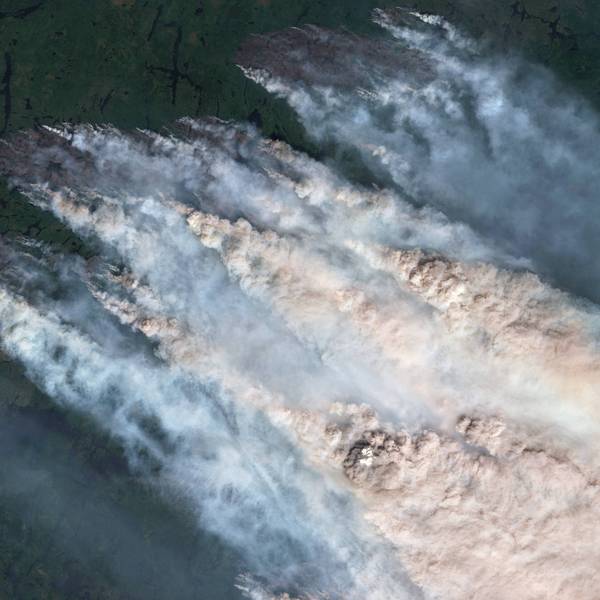
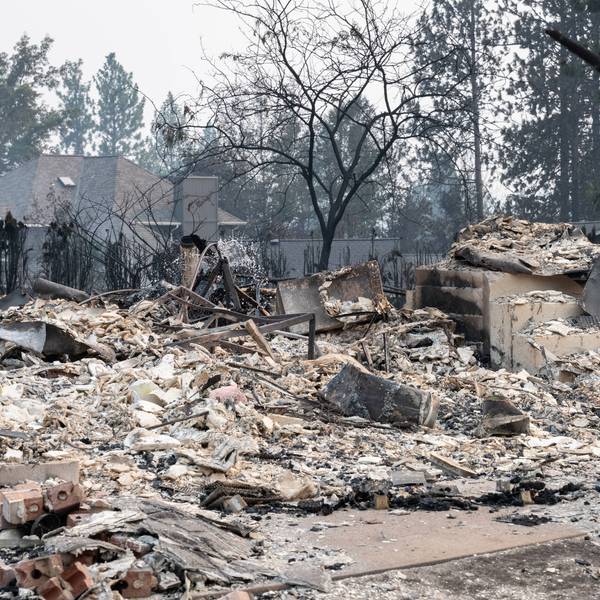
As methane, CO2, and other greenhouse gases from human activities like fossil fuel use continue to drive global heating, the world faces more extreme droughts, hurricanes, floods, and wildfires—and as a study published Friday in the journal Atmospheric Chemistry and Physics highlights, fires produce more emissions that further warm the planet.
"Wildfires have become deadlier, more destructive, and more frequent globally over the past few years," states the study. "Particularly, the 2020 wildfire season saw massive wildfires in the western USA, Australia, Brazil, and the Arctic. The California 2020 wildfire season was exacerbated by abnormally high temperatures and dry conditions and emitted 10 times more carbon dioxide into the atmosphere than the 2000-19 annual average wildfire emissions."
The University of California, Riverside (UCR) research team—which used a new detection method, relying on a remote sensing technique rather than air samples collected via aircraft—also found that methane pollution from the state's top 20 wildfires in 2020 was over seven times the average from fires the previous 19 years.
"Fires are getting bigger and more intense, and correspondingly, more emissions are coming from them," study co-author and UCR professor Francesca Hopkins said Monday. "The fires in 2020 emitted what would have been 14% of the state's methane budget if it was being tracked."
While California currently does not measure methane from natural sources, the study aserts that given the importance of reducing methane emissions and the significant contribution from wildfires, the state should start monitoring how much comes from them.
"Typically, these sources have been hard to measure, and it's questionable whether they're under our control. But we have to try," said Hopkins. "They're offsetting what we're trying to reduce."
Dear Common Dreams reader, It’s been nearly 30 years since I co-founded Common Dreams with my late wife, Lina Newhouser. We had the radical notion that journalism should serve the public good, not corporate profits. It was clear to us from the outset what it would take to build such a project. No paid advertisements. No corporate sponsors. No millionaire publisher telling us what to think or do. Many people said we wouldn't last a year, but we proved those doubters wrong. Together with a tremendous team of journalists and dedicated staff, we built an independent media outlet free from the constraints of profits and corporate control. Our mission has always been simple: To inform. To inspire. To ignite change for the common good. Building Common Dreams was not easy. Our survival was never guaranteed. When you take on the most powerful forces—Wall Street greed, fossil fuel industry destruction, Big Tech lobbyists, and uber-rich oligarchs who have spent billions upon billions rigging the economy and democracy in their favor—the only bulwark you have is supporters who believe in your work. But here’s the urgent message from me today. It's never been this bad out there. And it's never been this hard to keep us going. At the very moment Common Dreams is most needed, the threats we face are intensifying. We need your support now more than ever. We don't accept corporate advertising and never will. We don't have a paywall because we don't think people should be blocked from critical news based on their ability to pay. Everything we do is funded by the donations of readers like you. When everyone does the little they can afford, we are strong. But if that support retreats or dries up, so do we. Will you donate now to make sure Common Dreams not only survives but thrives? —Craig Brown, Co-founder |
Amid climate experts' urgent warnings to keep planet-heating fossil fuels in the ground, two recently published studies show that methane emissions from U.S. oil and gas fields as well as megafires exacerbated by rising temperatures are even worse than scientists thought.
Methane is a potent greenhouse gas that has more than 80 times the warming power of carbon dioxide during its first two decades in the atmosphere.
The study on focused on emissions from drilling sites, published Monday in the peer-reviewed journal Proceedings of the National Academy of Sciences, notes that the United States is the world's largest emitter of methane from the oil and gas industry, and cutting those emissions is a key piece of the U.S. government's stated climate action plan.
Based on surface and satellite observations, the researchers estimate that methane pollution from the nation's oil and gas industry was 70% higher than reported by the U.S. Environmental Protection Agency (EPA) from 2010-19.
"While emissions in Canada and Mexico decreased over the period, U.S. emissions increased from 2010 to 2014, decreased until 2017, and rose again afterward," the study states. "Increases were driven by the largest production regions (Permian, Anadarko, Marcellus), while emissions in the smaller production regions generally decreased."
Study co-author and Harvard University professor Daniel Jacob explained to CNN how the findings expose the inadequacy of the EPA and fossil fuel industry's current monitoring practices, which rely on engineering models and handheld devices. The agency requires companies to do quarterly searches for methane leaks using infrared cameras and sensors.
"This has been known for a while, at least in the atmospheric science community," he said of the flawed approach. "When we observe methane in the air, we find concentrations much higher than one would expect from the EPA inventories."
Jacob added that "a leak that goes on for some days and then gets fixed, or some operator venting gas at a particular time of day—if you're just cruising around and trying to observe hotspots, you might miss them."
As CNN reported:
Jacob and other atmospheric scientists say there should be more monitoring of methane from the air, which can catch a huge plume that has gone undetected for weeks or months. But that's not the silver bullet for the problem either, since monitoring from the air isn't precise and can't drill down to locate which specific faulty equipment or well is causing a leak.
This is leading to even further advancements in technology in which satellites can monitor leaks with more precision to figure out exactly where it is coming from.
The findings align with those of other recent studies, including an International Energy Agency (IEA) analysis from February that found global methane emissions from the energy sector are about 70% higher than what national governments officially report.
At the time, IEA Executive Director Fatih Birol described the "massive underreporting" as "alarming" and stressed the need to dramatically reduce methane pollution, pointing out that cutting such emissions from human activities 30% by the end of this decade "would have the same effect on global warming by 2050 as shifting the entire transport sector to net-zero CO2 emissions."
As methane, CO2, and other greenhouse gases from human activities like fossil fuel use continue to drive global heating, the world faces more extreme droughts, hurricanes, floods, and wildfires—and as a study published Friday in the journal Atmospheric Chemistry and Physics highlights, fires produce more emissions that further warm the planet.
"Wildfires have become deadlier, more destructive, and more frequent globally over the past few years," states the study. "Particularly, the 2020 wildfire season saw massive wildfires in the western USA, Australia, Brazil, and the Arctic. The California 2020 wildfire season was exacerbated by abnormally high temperatures and dry conditions and emitted 10 times more carbon dioxide into the atmosphere than the 2000-19 annual average wildfire emissions."
The University of California, Riverside (UCR) research team—which used a new detection method, relying on a remote sensing technique rather than air samples collected via aircraft—also found that methane pollution from the state's top 20 wildfires in 2020 was over seven times the average from fires the previous 19 years.
"Fires are getting bigger and more intense, and correspondingly, more emissions are coming from them," study co-author and UCR professor Francesca Hopkins said Monday. "The fires in 2020 emitted what would have been 14% of the state's methane budget if it was being tracked."
While California currently does not measure methane from natural sources, the study aserts that given the importance of reducing methane emissions and the significant contribution from wildfires, the state should start monitoring how much comes from them.
"Typically, these sources have been hard to measure, and it's questionable whether they're under our control. But we have to try," said Hopkins. "They're offsetting what we're trying to reduce."
Amid climate experts' urgent warnings to keep planet-heating fossil fuels in the ground, two recently published studies show that methane emissions from U.S. oil and gas fields as well as megafires exacerbated by rising temperatures are even worse than scientists thought.
Methane is a potent greenhouse gas that has more than 80 times the warming power of carbon dioxide during its first two decades in the atmosphere.
The study on focused on emissions from drilling sites, published Monday in the peer-reviewed journal Proceedings of the National Academy of Sciences, notes that the United States is the world's largest emitter of methane from the oil and gas industry, and cutting those emissions is a key piece of the U.S. government's stated climate action plan.
Based on surface and satellite observations, the researchers estimate that methane pollution from the nation's oil and gas industry was 70% higher than reported by the U.S. Environmental Protection Agency (EPA) from 2010-19.
"While emissions in Canada and Mexico decreased over the period, U.S. emissions increased from 2010 to 2014, decreased until 2017, and rose again afterward," the study states. "Increases were driven by the largest production regions (Permian, Anadarko, Marcellus), while emissions in the smaller production regions generally decreased."
Study co-author and Harvard University professor Daniel Jacob explained to CNN how the findings expose the inadequacy of the EPA and fossil fuel industry's current monitoring practices, which rely on engineering models and handheld devices. The agency requires companies to do quarterly searches for methane leaks using infrared cameras and sensors.
"This has been known for a while, at least in the atmospheric science community," he said of the flawed approach. "When we observe methane in the air, we find concentrations much higher than one would expect from the EPA inventories."
Jacob added that "a leak that goes on for some days and then gets fixed, or some operator venting gas at a particular time of day—if you're just cruising around and trying to observe hotspots, you might miss them."
As CNN reported:
Jacob and other atmospheric scientists say there should be more monitoring of methane from the air, which can catch a huge plume that has gone undetected for weeks or months. But that's not the silver bullet for the problem either, since monitoring from the air isn't precise and can't drill down to locate which specific faulty equipment or well is causing a leak.
This is leading to even further advancements in technology in which satellites can monitor leaks with more precision to figure out exactly where it is coming from.
The findings align with those of other recent studies, including an International Energy Agency (IEA) analysis from February that found global methane emissions from the energy sector are about 70% higher than what national governments officially report.
At the time, IEA Executive Director Fatih Birol described the "massive underreporting" as "alarming" and stressed the need to dramatically reduce methane pollution, pointing out that cutting such emissions from human activities 30% by the end of this decade "would have the same effect on global warming by 2050 as shifting the entire transport sector to net-zero CO2 emissions."
As methane, CO2, and other greenhouse gases from human activities like fossil fuel use continue to drive global heating, the world faces more extreme droughts, hurricanes, floods, and wildfires—and as a study published Friday in the journal Atmospheric Chemistry and Physics highlights, fires produce more emissions that further warm the planet.
"Wildfires have become deadlier, more destructive, and more frequent globally over the past few years," states the study. "Particularly, the 2020 wildfire season saw massive wildfires in the western USA, Australia, Brazil, and the Arctic. The California 2020 wildfire season was exacerbated by abnormally high temperatures and dry conditions and emitted 10 times more carbon dioxide into the atmosphere than the 2000-19 annual average wildfire emissions."
The University of California, Riverside (UCR) research team—which used a new detection method, relying on a remote sensing technique rather than air samples collected via aircraft—also found that methane pollution from the state's top 20 wildfires in 2020 was over seven times the average from fires the previous 19 years.
"Fires are getting bigger and more intense, and correspondingly, more emissions are coming from them," study co-author and UCR professor Francesca Hopkins said Monday. "The fires in 2020 emitted what would have been 14% of the state's methane budget if it was being tracked."
While California currently does not measure methane from natural sources, the study aserts that given the importance of reducing methane emissions and the significant contribution from wildfires, the state should start monitoring how much comes from them.
"Typically, these sources have been hard to measure, and it's questionable whether they're under our control. But we have to try," said Hopkins. "They're offsetting what we're trying to reduce."