
According to the Times:
Mr. Gates says that by 2011, Mr. Obama began expressing his own criticism of the way his strategy in Afghanistan was playing out.
At a pivotal meeting in the situation room in March 2011, Mr. Gates said, Mr. Obama opened with a blast of frustration over his Afghan policy--expressing doubts about Gen. David H. Petraeus, the commander he had chosen, and questioning whether he could do business with the Afghan president, Hamid Karzai.
"As I sat there, I thought: The president doesn't trust his commander, can't stand Karzai, doesn't believe in his own strategy and doesn't consider the war to be his," Mr. Gates writes. "For him, it's all about getting out."
Let's stipulate first that this is just Gates's assessment of Obama from afar--though, of course, much closer than any of us ever get.
But if it is accurate, it is a massive revelation. Gates says Obama lost faith in the surge, but also in the fundamentals of the war, like whether he could deal with Karzai. According to Gates, these doubts were deep enough that Obama and ultimately wanted to disown the entire war effort and "get out."
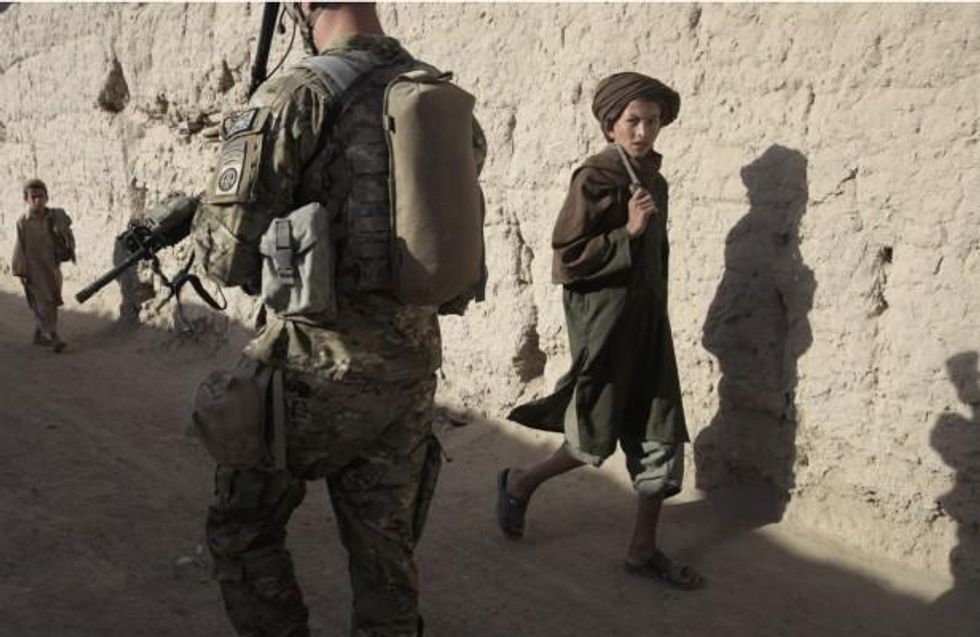
But he didn't. This is where the real scandal exists. Since March of 2011, when this meeting occurred and when the defense secretary made a personal assessment the president lost faith in the Afghan mission, thousands and thousands of troops continued to be deployed. And 781 of them died.
Did Obama personally believe the war was a lost cause throughout this time? Did he sign each letter of condolence to the families knowing that the loss was for naught?
There are more immediate implications as well. The White House is strongly pushing for a long-term security agreement with Afghanistan that could keep as many as 15,000 US troops in the country to "2024 and beyond." These troops would still be allowed to engage in combat missions. In other words, the longest and least-popular war in American history would drag on.
Is this happening despite the commander in chief himself being one of the 82 percent of Americans who opposes the war? How can that be?
So far, many Beltway scribes are focusing on much more trivial matters, like what Gates said about Hillary Clinton and Joe Biden and how that relates to the 2016 presidential primary. Never mind that. The true scandal is a war that may drag on even though the people in charge have lost faith.
According to the Times:
Mr. Gates says that by 2011, Mr. Obama began expressing his own criticism of the way his strategy in Afghanistan was playing out.
At a pivotal meeting in the situation room in March 2011, Mr. Gates said, Mr. Obama opened with a blast of frustration over his Afghan policy--expressing doubts about Gen. David H. Petraeus, the commander he had chosen, and questioning whether he could do business with the Afghan president, Hamid Karzai.
"As I sat there, I thought: The president doesn't trust his commander, can't stand Karzai, doesn't believe in his own strategy and doesn't consider the war to be his," Mr. Gates writes. "For him, it's all about getting out."
Let's stipulate first that this is just Gates's assessment of Obama from afar--though, of course, much closer than any of us ever get.
But if it is accurate, it is a massive revelation. Gates says Obama lost faith in the surge, but also in the fundamentals of the war, like whether he could deal with Karzai. According to Gates, these doubts were deep enough that Obama and ultimately wanted to disown the entire war effort and "get out."
But he didn't. This is where the real scandal exists. Since March of 2011, when this meeting occurred and when the defense secretary made a personal assessment the president lost faith in the Afghan mission, thousands and thousands of troops continued to be deployed. And 781 of them died.
Did Obama personally believe the war was a lost cause throughout this time? Did he sign each letter of condolence to the families knowing that the loss was for naught?
There are more immediate implications as well. The White House is strongly pushing for a long-term security agreement with Afghanistan that could keep as many as 15,000 US troops in the country to "2024 and beyond." These troops would still be allowed to engage in combat missions. In other words, the longest and least-popular war in American history would drag on.
Is this happening despite the commander in chief himself being one of the 82 percent of Americans who opposes the war? How can that be?
So far, many Beltway scribes are focusing on much more trivial matters, like what Gates said about Hillary Clinton and Joe Biden and how that relates to the 2016 presidential primary. Never mind that. The true scandal is a war that may drag on even though the people in charge have lost faith.
According to the Times:
Mr. Gates says that by 2011, Mr. Obama began expressing his own criticism of the way his strategy in Afghanistan was playing out.
At a pivotal meeting in the situation room in March 2011, Mr. Gates said, Mr. Obama opened with a blast of frustration over his Afghan policy--expressing doubts about Gen. David H. Petraeus, the commander he had chosen, and questioning whether he could do business with the Afghan president, Hamid Karzai.
"As I sat there, I thought: The president doesn't trust his commander, can't stand Karzai, doesn't believe in his own strategy and doesn't consider the war to be his," Mr. Gates writes. "For him, it's all about getting out."
Let's stipulate first that this is just Gates's assessment of Obama from afar--though, of course, much closer than any of us ever get.
But if it is accurate, it is a massive revelation. Gates says Obama lost faith in the surge, but also in the fundamentals of the war, like whether he could deal with Karzai. According to Gates, these doubts were deep enough that Obama and ultimately wanted to disown the entire war effort and "get out."
But he didn't. This is where the real scandal exists. Since March of 2011, when this meeting occurred and when the defense secretary made a personal assessment the president lost faith in the Afghan mission, thousands and thousands of troops continued to be deployed. And 781 of them died.
Did Obama personally believe the war was a lost cause throughout this time? Did he sign each letter of condolence to the families knowing that the loss was for naught?
There are more immediate implications as well. The White House is strongly pushing for a long-term security agreement with Afghanistan that could keep as many as 15,000 US troops in the country to "2024 and beyond." These troops would still be allowed to engage in combat missions. In other words, the longest and least-popular war in American history would drag on.
Is this happening despite the commander in chief himself being one of the 82 percent of Americans who opposes the war? How can that be?
So far, many Beltway scribes are focusing on much more trivial matters, like what Gates said about Hillary Clinton and Joe Biden and how that relates to the 2016 presidential primary. Never mind that. The true scandal is a war that may drag on even though the people in charge have lost faith.