
SUBSCRIBE TO OUR FREE NEWSLETTER
Daily news & progressive opinion—funded by the people, not the corporations—delivered straight to your inbox.
5
#000000
#FFFFFF
To donate by check, phone, or other method, see our More Ways to Give page.


Daily news & progressive opinion—funded by the people, not the corporations—delivered straight to your inbox.
"The delay in detecting the outbreak means that we are now playing catch-up with a very fast-moving epidemic."
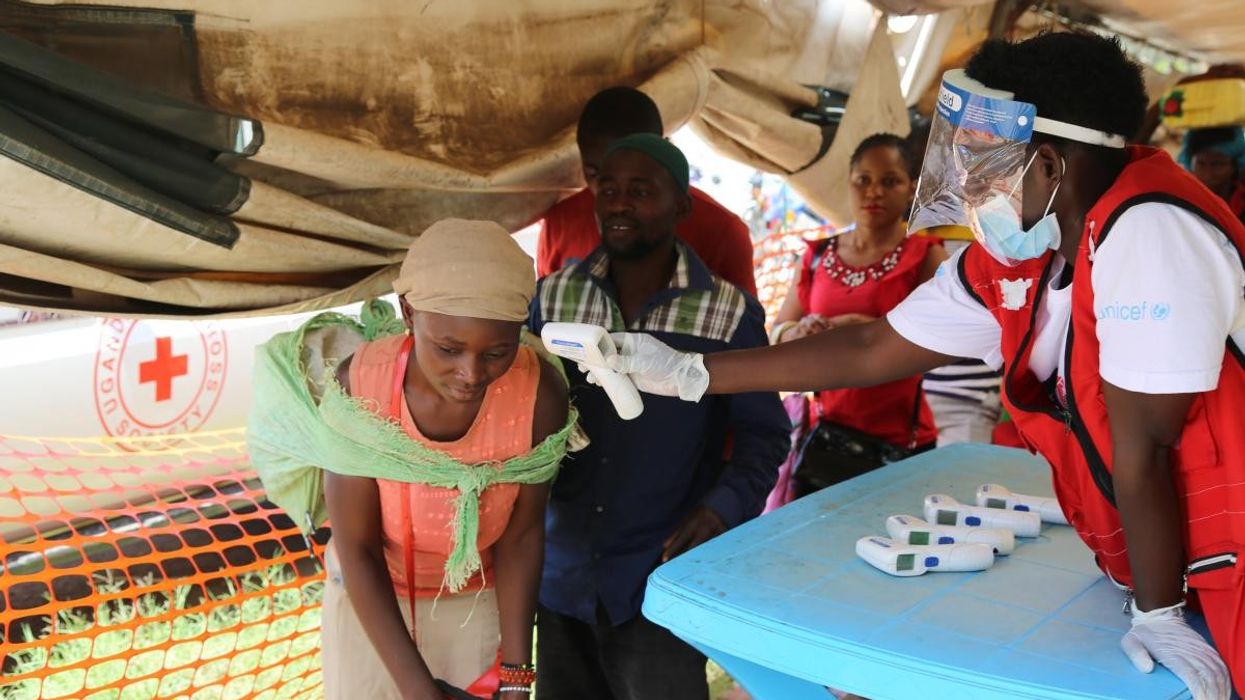
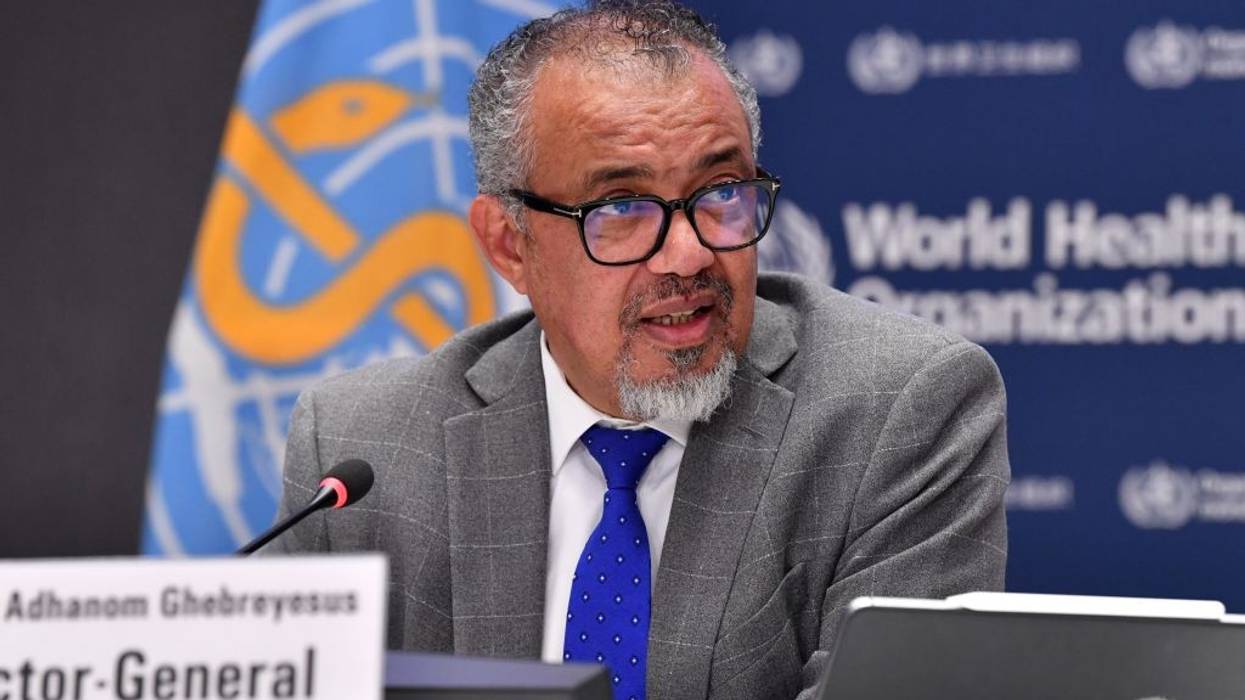
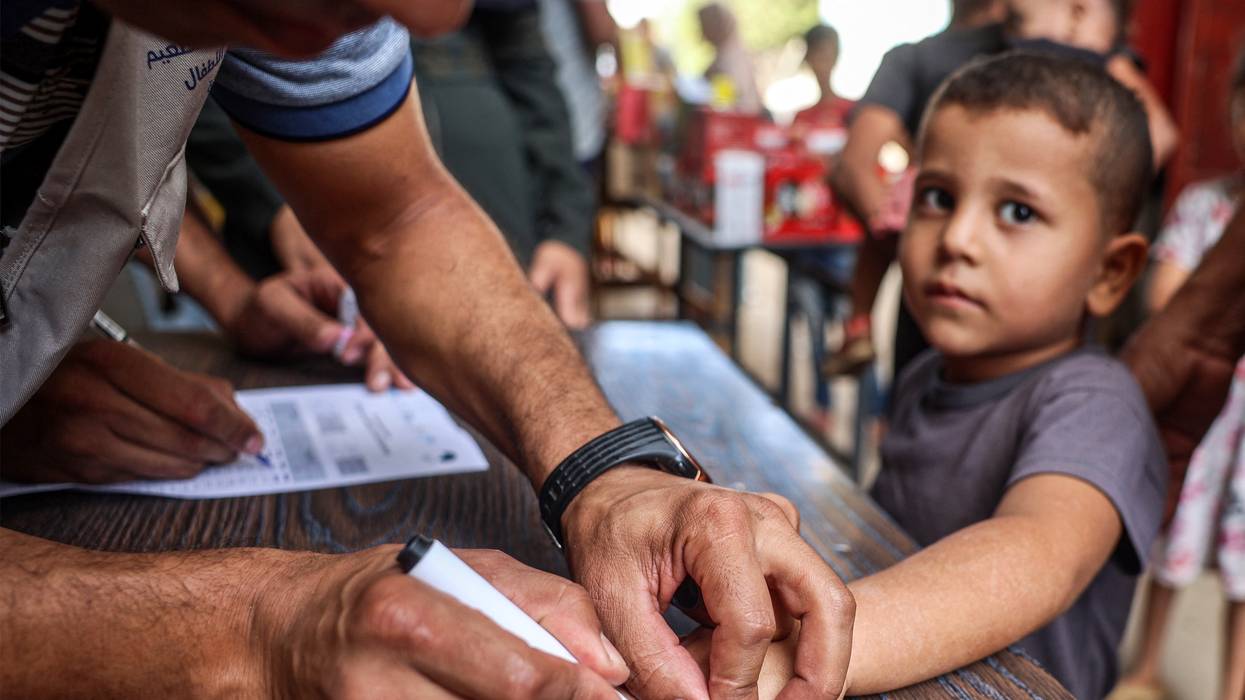
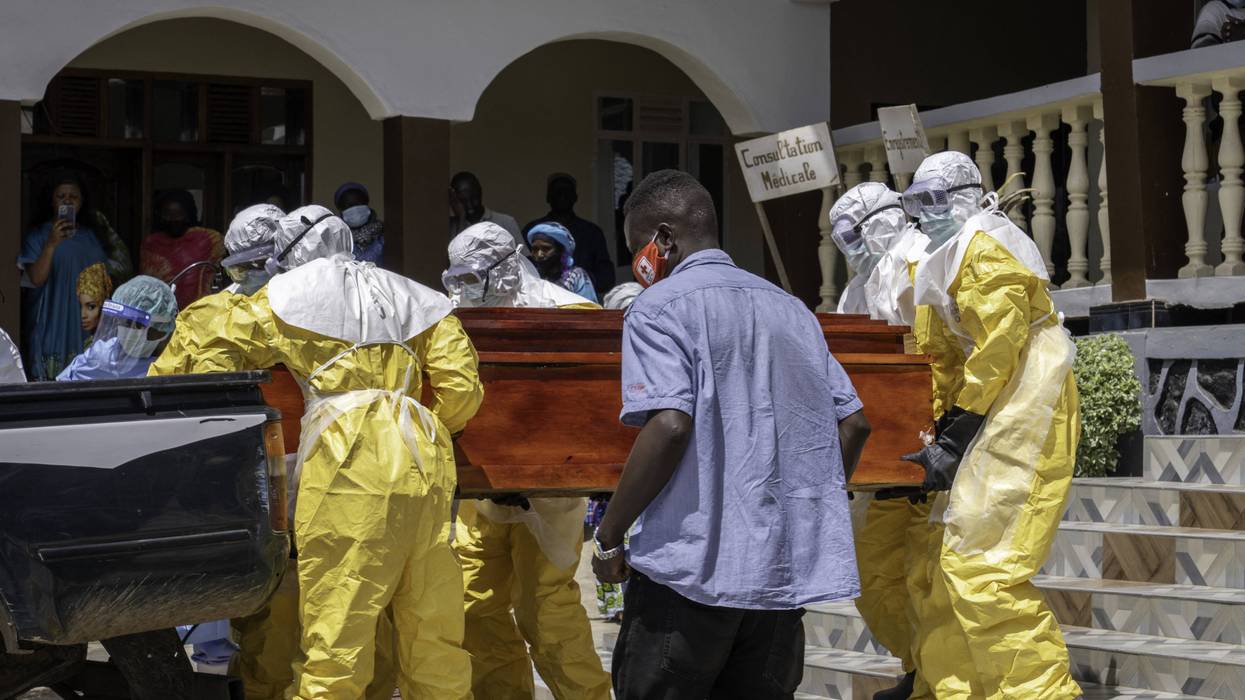
World Health Organization Director-General Tedros Adhanom Ghebreyesus warned Monday that the swiftly spreading Ebola outbreak in the Democratic Republic of Congo and Uganda "will get worse before it gets better," as a deadly delay in detecting infections has responders to the epidemic "playing catch-up."
"The outbreak is spreading rapidly," Tedros said during a virtual ministerial meeting on the matter. "So far, 101 cases have been confirmed in DRC, with 10 confirmed deaths. But we know the epidemic in DRC is much larger. There are now more than 900 suspected cases and 220 suspected deaths."
"Countries bordering DRC are at especially high risk and should take immediate action," he asserted. "In Uganda, there are five confirmed cases and one death."
Tedros pointed out that "there are several aspects of this outbreak that make it especially challenging."
"First, the delay in detecting the outbreak means that we are now playing catch-up with a very fast-moving epidemic," he said. "We are urgently scaling up operations, but at the moment, the epidemic is outpacing us."
"Second, as you know, the provinces of Ituri and North Kivu are highly insecure, with intensified fighting in recent months, causing more than 100,000 people to be newly displaced," the WHO chief continued. "There is also significant distrust of outside authorities among the local population. In the past week, there have been two security incidents at health facilities."
"WHO is fully committed to working under the leadership of the governments of DRC and Uganda, side by side with Africa [Centers for Disease Control and Prevention] and all other partners," Tedros added. "We will not rest until we bring this outbreak under control."
Ebola—which typically kills between 25% and 90% of infected people, depending upon the strain of the virus and quality of available medical care—causes widespread and often catastrophic damage to the body’s blood vessels, immune system, and organs.
Critics say US President Donald Trump's ideologically driven decision to withdraw the US from the WHO, his administration's dismantling of the US Agency for International Development (USAID), and reduced funding for the US Centers for Disease Control and Prevention's global public health efforts have adversely affected the response to the current Ebola epidemic, compared with 2014 and 2019 outbreaks.
After US Secretary of State Marco Rubio said last week that the WHO was "a little late" in identifying new Ebola infections, Tedros retorted that "we don’t replace the country’s work, we only support them," and suggested that Rubio's comments could be rooted in "a lack of understanding" of the agency and countries' responsibilities.
While Rubio said that “our number-one objective on Ebola, before anything else... has to be, we can’t have it affect the United States,” public health experts warn that Trump administration actions could make it more likely that the virus will make its way to the country.
There is currently no confirmed CDC director, Food and Drug Administration commissioner, or surgeon general.
Taking aim at Trump's evisceration of key public health agencies and programs, Congresswoman Rosa DeLauro (D-Conn.) said last week: “Ebola does not wait for bureaucratic reorganizations. It spreads when surveillance systems are weakened, health workers are laid off, clinics lack protective equipment, and communities lose the trusted partners who help detect and contain outbreaks before they become public health emergencies."
"This is the perfect storm President Trump created," she continued. "He recklessly dismantled USAID, withheld and slashed other United States assistance to the region, fired critical staff, and created global health chaos. This is not efficiency. It is dangerous neglect."
"The United States spent years building the relationships, supply chains, laboratories, and community health networks that help stop deadly diseases at their source," DeLauro added. "The Trump administration tore into that capacity and now wants to pretend the consequences were unforeseeable.”
"Attacks on hospitals must stop," said the head of the World Health Organization. "The aid blockade must end to allow immediate entry of food, medicines, and equipment."
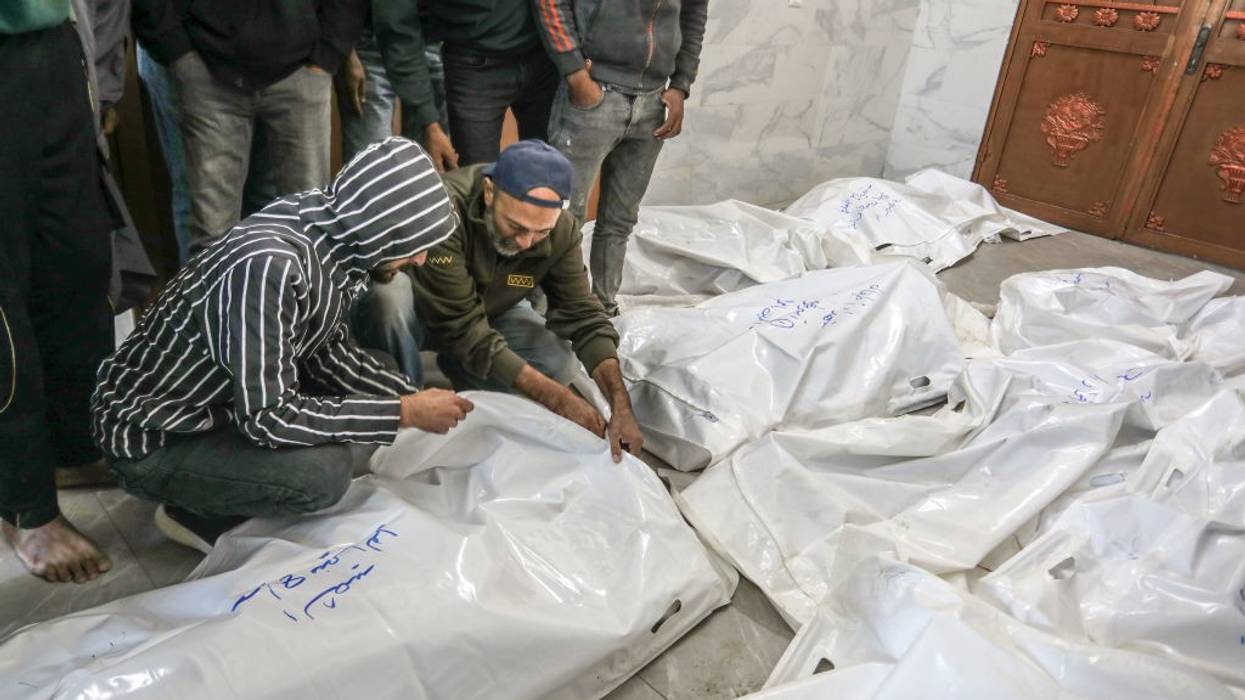
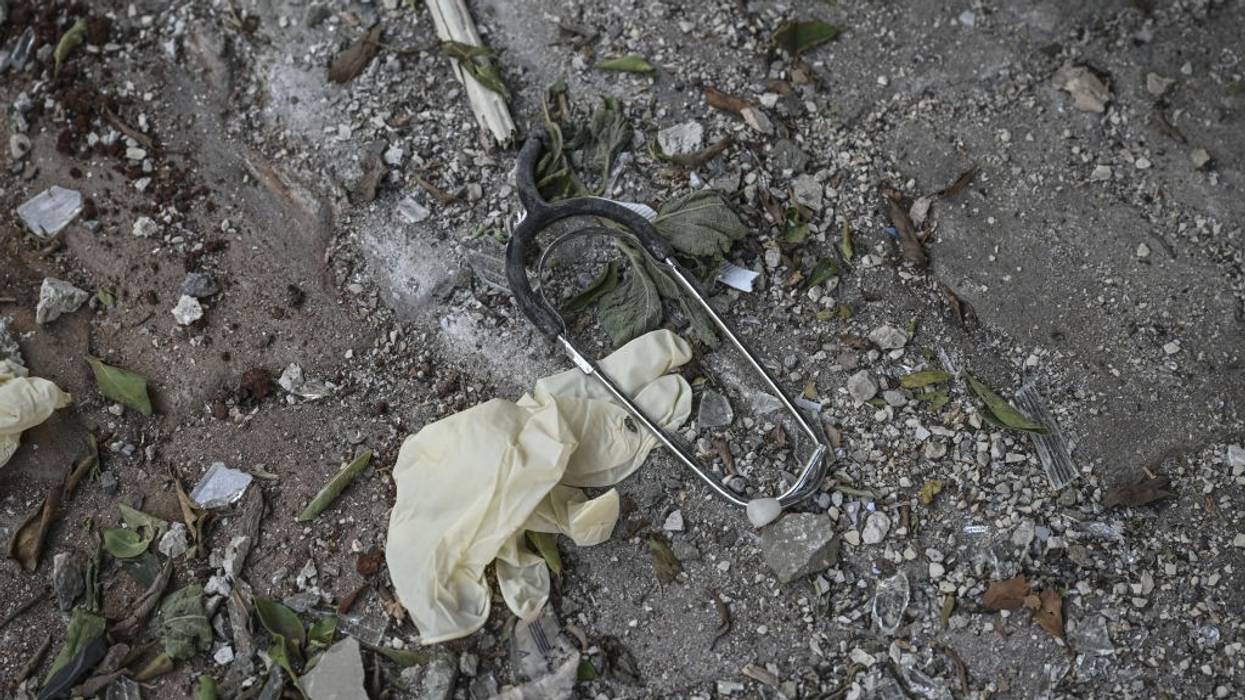
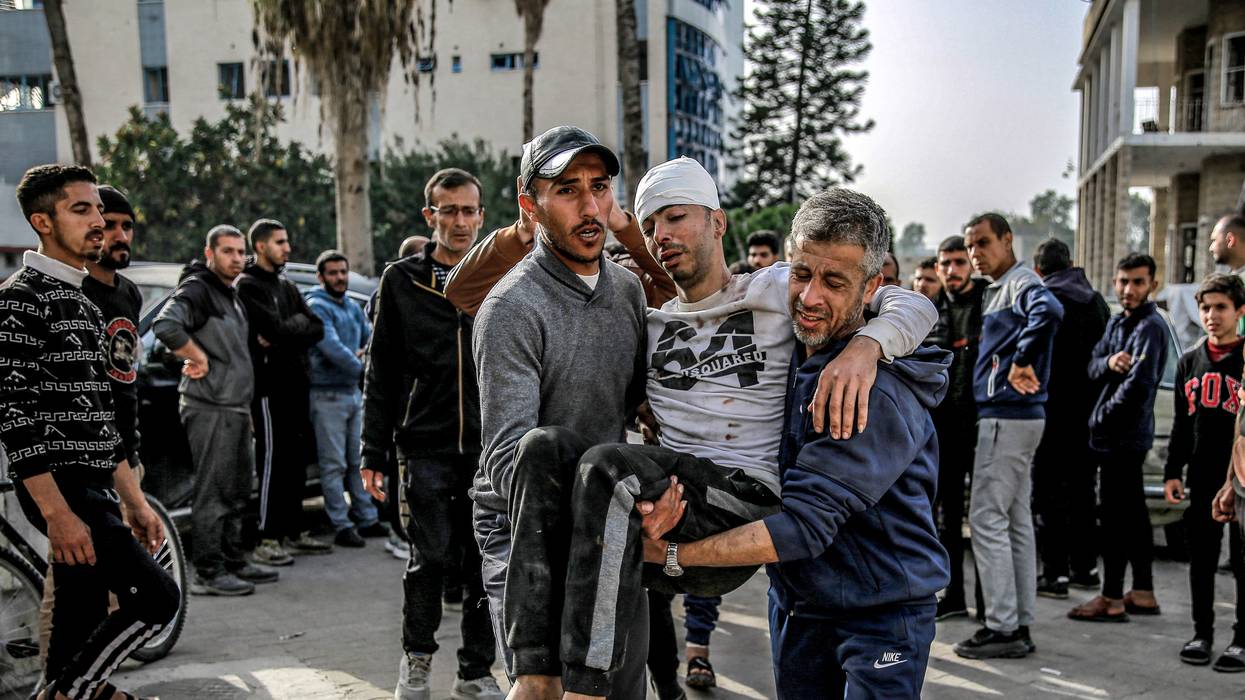
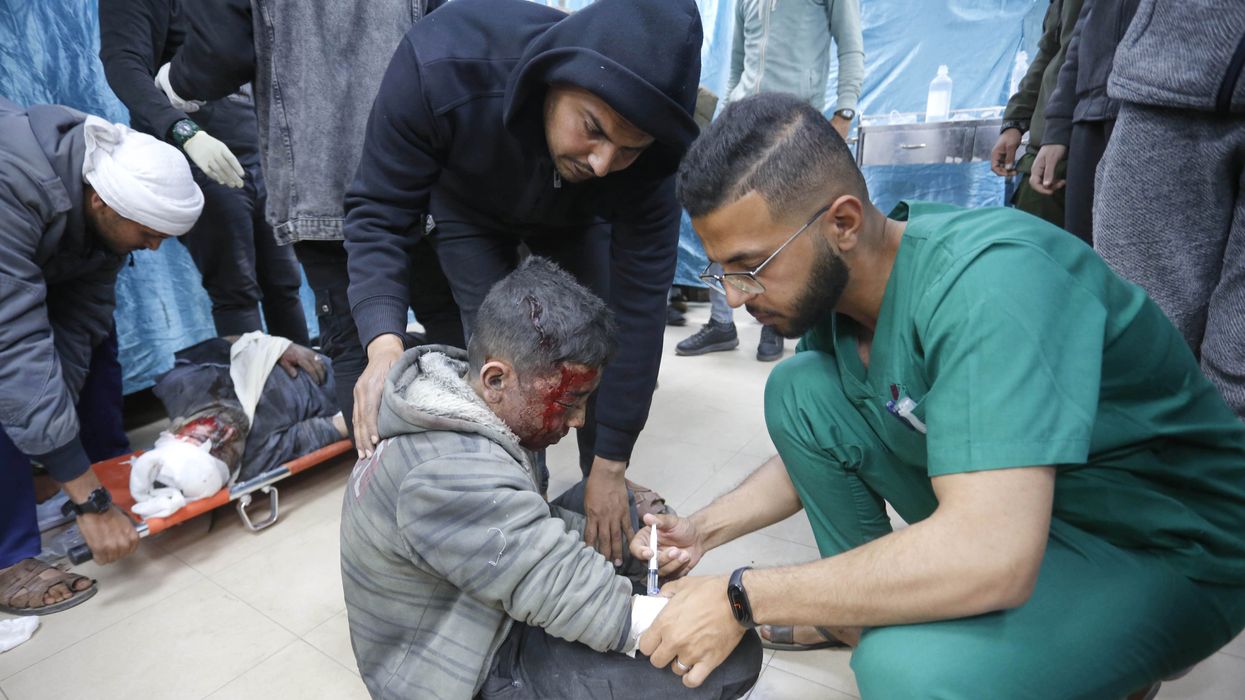
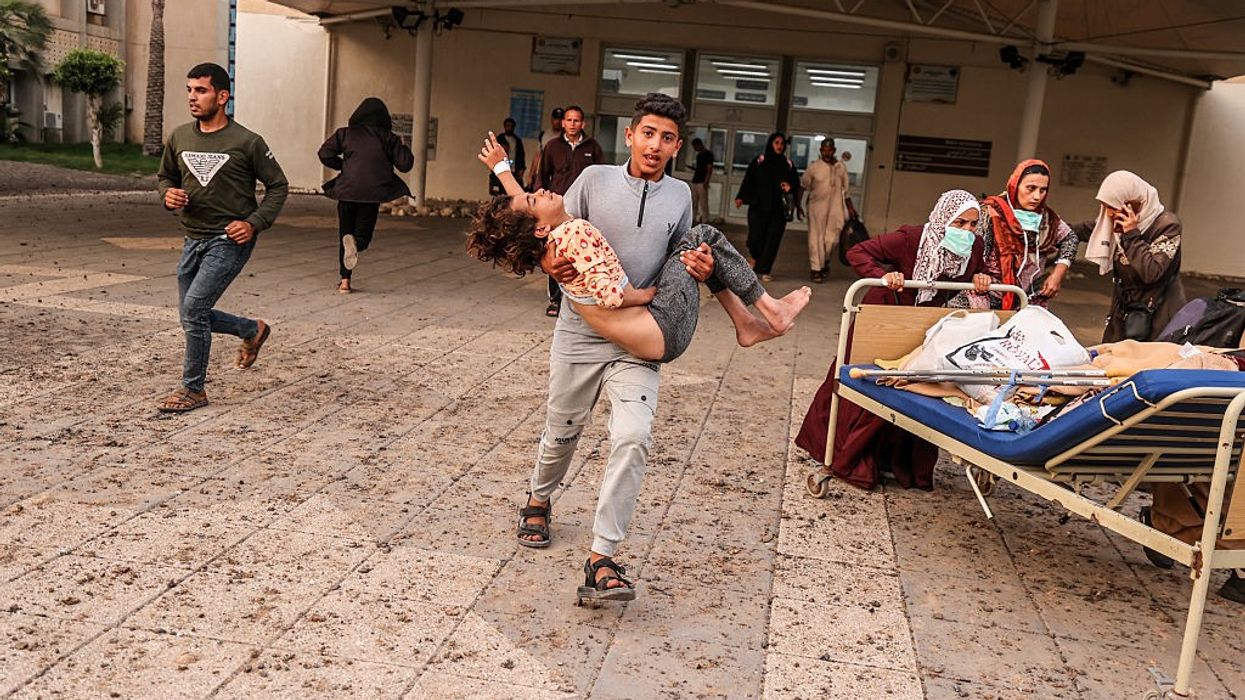
U.S.-backed Israeli forces bombed two hospitals in the Gaza Strip on Tuesday, killing and wounding at least dozens of Palestinians including patients, forcibly displaced people, medical staff, rescue workers, and a well-known journalist.
Early Tuesday, Israel bombed the Nasser Medical Complex in Khan Younis, killing at least two people including photojournalist Hasan Eslaih, who was receiving treatment after surviving a previous Israeli attempt to assassinate him last month.
Gaza officials said Eslaih, who was the director of the Alam24 News Agency, is at least the 215th media worker killed by Israel since October 2023. Eslaih lost a finger and was badly injured in an April 7 Israeli strike on a tent outside the same hospital in which numerous people were burned alive. More than a dozen patients were reportedly injured in Tuesday's attack.
"The burn unit was struck, 18 hospital beds in the surgical department, eight beds in the intensive care unit, and 10 inpatient beds were destroyed," World Health Organization Director-General Tedros Adhanom Ghebreyesus said after the attack. "This is huge blow to the already overwhelmed health system."
"We repeat our call: Attacks on hospitals must stop," Tedros added. "The aid blockade must end to allow immediate entry of food, medicines, and equipment to support patients and the rehabilitation of hospitals. The best medicine is peace."
Investigative reporter Jeremy Scahill said following the attack that "the U.S. is facilitating these war crimes and most Western journalists remain totally silent."
Later on Tuesday, Israel bombed a courtyard and surrounding areas of the European Hospital, also in Khan Younis, killing at least 28 people and injuring scores more. The Israel Defense Forces (IDF) acknowledged the attack, claiming it targeted "Hamas operatives who were inside a command and control complex built within an infrastructure under the hospital."
British surgeon Tom Potokar was inside European Hospital when it was bombed. He said that "this is where kids with cancer are waiting to be evacuated and supposed to be 'deconflicted."
According to the Gaza Government Media Office, 38 hospitals, 81 health centers, and 164 medical facilities have been destroyed, damaged, or rendered inoperable since Israel launched its assault on the coastal enclave after the Hamas-led October 7, 2023 attack.
The United Nations Office for the Coordination of Humanitarian Affairs condemned the strikes,
saying on social media that "these attacks are unacceptable and must end. Healthcare is not a target."
Attacks on medical facilities are war crimes under the 1949 Geneva Conventions.
The Gaza Health Ministry decried "the repeated targeting of hospitals and the pursuit and killing of wounded patients inside treatment rooms," adding that such attacks confirm "Israel's deliberate intent to inflict greater damage to the healthcare system."
In the United States, the advocacy group Council on American-Islamic Relations (CAIR) said in a statement that fugitive Israeli Prime Minister Benjamin Netanyahu "bombs hospitals, slaughters Palestinian civilians, destroys homes, and seeks to starve and ethnically cleanse the population of Gaza, all in a brutal campaign to continue Israel's genocide and stay in office indefinitely."
CAIR added that U.S. President Donald Trump "must act to stop these crimes against humanity, which our nation has unfortunately enabled for decades, and finally allow the Palestinian people to live in peace and freedom."
IDF strikes have obliterated Gaza's medical infrastructure along with the rest of the densely populated strip. Last year, an independent United Nations commission found that "Israel has perpetrated a concerted policy to destroy Gaza's healthcare system as part of a broader assault on Gaza, committing war crimes and the crime against humanity of extermination with relentless and deliberate attacks on medical personnel and facilities."
The commission's report detailed hundreds of IDF attacks on Gaza healthcare facilities and the killing or wounding of around 1,700 medical workers, calling such killings "widespread and systematic."
Israel's 585-day onslaught and siege—which officials say has left more than 186,000 Palestinians dead, wounded, or missing and millions more forcibly displaced, starved, or sickened—is the subject of an ongoing genocide case brought before the International Court of Justice in The Hague by South Africa.
Netanyahu and former Israeli Defense Minister Yoav Gallant are wanted by the International Criminal Court, also in The Hague, for alleged war crimes and crimes against humanity in Gaza, including extermination and starvation as a weapon of war.
"This is pure stupidity that will only hurt us," warned one U.S. doctor and Ebola expert.
Public health experts pointed to the announcement of highly contagious hemorrhagic fever outbreaks in at least three central and eastern African nations this week to underscore what they say are the dangers of President Donald Trump's ideologically driven decision to withdraw the United States from the World Health Organization during a time of mounting pandemic threats.
Uganda Ministry of Health Permanent Secretary Diana Atwine said Thursday that a 32-year-old nurse died of Sudan Ebola virus the previous day in the capital Kampala amid the first new outbreak in two years. Atwine assured the public "that we are in full control" of the situation.
Uganda's alert followed reports of another potential Ebola outbreak, this one in the Western Democratic Republic of Congo. Additionally, health officials earlier this month announced an outbreak of suspected Marburg Virus Disease—a severe, often fatal illness similar to Ebola—in neighboring Tanzania. At least nine people have reportedly died.
World Health Organization (WHO) Director-General Tedros Adhanom Ghebreyesus said on social media Thursday that "a full-scale response is being initiated" by the Ugandan government and its international partners. In a statement, the WHO said it is "deploying senior public health experts and mobilizing staff from the country office to support all the key outbreak response measures."
During past outbreaks of Ebola—a severe viral disease spread via contact with infected bodily fluids, with a fatality rate of 50-90%—the U.S. Centers for Disease Control and Prevention (CDC) worked with the WHO to help stem the spread of the illness.
However, following Trump's January 20 executive order initiating a U.S. withdrawal from the WHO over its alleged "mishandling of the Covid-19 pandemic," CDC and other public health officials have been ordered to stop working with the United Nations body, effective immediately.
"The agencies that are statutorily responsible for protecting our health are unable to do that job because they are not able to pick up the phone and talk to people who might have information that could protect U.S. health and security," Jennifer Nuzzo, director of the Pandemic Center at Brown University's School of Public Health, told Stat this week.
"This is just one of the examples about how the United States loses access, loses the ability to protect American lives," Nuzzo explained. "We can't be everywhere, we can't have eyes and ears on the ground in every possible location [where] harm could be emerging. And this is what happens when we don't engage with institutions that can provide these lifesaving insights."
Experts said other existing or emerging epidemiological threats including bird flu underscore the lifesaving imperative of more, not less, international cooperation.
"Local health officials and doctors depend on the CDC to get disease updates, timely prevention, testing and treatment guidelines, and information about outbreaks," University of Southern California public health expert Dr. Jeffrey Klausner told The Associated Press in a recent interview.
"Shutting down public health communication stops a basic function of public health," he added. "Imagine if the government turned off fire sirens or other warning systems."
Dr. Ashish Jha, the former White House Covid-19 coordinator during the Biden administration, noted Thursday on social media that during Ebola outbreaks, the CDC "usually sends a team right away to help bolster staff that might already be there and support the ministry of health."
"There'd be clear communication from CDC and White House about what exactly is being done, what help we are sending, what American hospitals and others can do to be prepared should Ebola land here," Jha continued. "So what of this is happening? My sense is, not much—but we don't know."
"The communication freeze means CDC not sharing what if anything it is doing," he added. "Travel freeze means CDC staff likely not going. Directive to stop working with WHO means we're flying blind and don't have information about what is happening on the ground. None of this is good."