

SUBSCRIBE TO OUR FREE NEWSLETTER
Daily news & progressive opinion—funded by the people, not the corporations—delivered straight to your inbox.
5
#000000
#FFFFFF
To donate by check, phone, or other method, see our More Ways to Give page.
Daily news & progressive opinion—funded by the people, not the corporations—delivered straight to your inbox.

The ruling, said the government watchdog Public Citizen, is "a win for young Americans' well-being."
The Teen Pregnancy Prevention program, first authorized through bipartisan legislation in 2009, has been credited with helping to dramatically reduce the number of American teenagers who have experienced unwanted pregnancies in the past decade and a half, dropping by more than 65% over 16 years, according to one congressional report.
Despite the best efforts of President Donald Trump and Health and Human Services Secretary Robert F. Kennedy Jr., a federal judge's ruling on Wednesday sent the message that the push to reduce teen pregnancy in the US will continue, with the administration's limits on the program's federal grants paused.
Judge Christopher Cooper of the US District Court for the District of Columbia granted a preliminary injunction in the case of Hennepin County, Minnesota v. US Department of Health and Human Services, in which officials joined King County in Washingtin state, Planned Parenthood of the Heartland, and the Sexuality Information and Education Council of the United States (SIECUS) in challenging HHS's changes to the program's grant policy. The plaintiffs were represented by Public Citizen and Democracy Forward.
The changes, said Cooper, were “likely arbitrary and capricious.”
The new policy, announced in June, canceled 53 of 66 active grants that had gone to public universities, health departments, and nonprofits for programming related to sex education, including information that was given to teens on contraception and communication with sexual partners.
In Trump's 2027 budget, the grants are described as promoting "radical leftist ideology," and officials claim there is no evidence that teen pregnancy prevention programs that go beyond educating young people about abstinence have "contributed to the historic decline in teen pregnancy, which is now at an all-time low."
Under new guidance issued in June, Teen Pregnancy Prevention (TPP) program grantees are required to focus lessons on abstinence, deemphasize contraception, and teach teens about fertility and "body literacy."
“HHS is perfectly entitled to formulate its own views about how to stem teen pregnancy—or even whether it is worth preventing at all—and to pursue policy initiatives consistent with its viewpoint. But it is not at liberty, under the Administrative Procedure Act (APA), to impose conditions on grant recipients that Congress did not intend or that are unreasonable or unexplained. The preliminary record suggests that HHS has done just that,” wrote Cooper in the ruling.
"Through the TPP, Congress sought to fund a range of evidence-based teen pregnancy prevention strategies, not just abstinence. According to unrebutted record evidence, programs that teach abstinence to the exclusion of all other approaches are ineffective in delaying sexual initiation and reducing adolescent pregnancy, at least as a general matter," Cooper continued.
The judge took aim at the administration's promotion of "body literacy," which he called “a nebulous concept that appears to elevate fertility and marital procreation over well-tested forms of contraception and pregnancy prevention.”
Cooper also suggested that HHS had not bothered to find genuine evidence of its claims about "body literacy," instead "remarkably" referencing "public health studies that appear either not to exist or not to support the propositions for which they are cited—a hallmark of AI-generated citations.”
The judge stopped short of reinstating the dozens of grants, amounting to about $67 million, that have been terminated, saying it was unclear whether he had the authority to do so.
The plaintiffs and other advocates of comprehensive sex education have called for a permanent injunction; Cooper called on both parties in the case to propose a schedule for next steps by September 1.
Callie Simon, executive director of SIECUS, said the group was "encouraged that the court has halted implementation of the new harmful policy" but emphasized that "the impacts of terminating existing grants remain."
“Today’s decision sends a clear message that the Trump-Vance administration cannot replace the proven, bipartisan Teen Pregnancy Prevention program with an ideologically driven alternative that harms young people,” said Simon. "Communities across the country are still without the evidence-based programs they relied on, and we will continue fighting to ensure young people have access to the sex education they deserve.”
Sandra J. Valenciano, director and health officer for public health in Seattle and King counties, said local communities were facing a measurable loss due to HHS' stripping of TPP grants
“This federal action threatened our ability to complete a study on a new science-based, community-informed sex education curriculum specifically for young men and boys,” said Valenciano. “This ruling gives us hope that we may still be able to get to the finish line with this study and ultimately empower more young people to build healthy families if, when, and how they choose.”
Ruth Richardson, president and CEO of Planned Parenthood North Central States, said the ruling "reaffirms the value of trusted, evidence-based education programs that help youth make informed choices and plan for their futures."
"Attacks on the Teen Pregnancy Prevention program not only put young people at risk, they also risk increasing costs for taxpayers," said Richardson. "No one benefits from these politically motivated attacks. It’s time for them to end.”

If men are part of the pregnancy equation, and they are, then they must also be part of the solution by advocating for abortion rights and taking shared responsibility for contraception.
There is a dangerous myth embedded in the fight for reproductive justice: that the battle is solely about women, or even solely about those who can become pregnant. It is not. It is equally about men, especially those who hold power, and perhaps more critically, those who choose not to use it, because silence, in this moment, is not neutral. It is consequential.
Across the United States, reproductive rights are being dismantled by legislative bodies that remain overwhelmingly male. Men still make up roughly 73% of Congress, while some state legislatures, particularly those passing the most restrictive abortion bans, exceed 80% male representation. The result is accelerating policy built on distance: lawmakers regulating bodies they will never inhabit, consequences they will never personally endure.
As educator and activist Jackson Katz has long argued in his work, including his TED Talk “Violence Against Women, It’s a Men’s Issue,” gender-based injustices are too often framed as “women’s issues,” allowing men to disengage. Katz argues that the silence of men who consider themselves allies is itself part of the system that allows harm to continue. In the context of reproductive rights, that silence has had profound consequences.
And yet, there is a growing body of work challenging exactly this imbalance, calling attention to the role men play not just in policy, but in pregnancy itself. In Ejaculate Responsibly, author Gabrielle Blair reframes the abortion debate with striking clarity as an advocate for condoms and vasectomies; she says, “Women are expected to practice and learn how to use birth control, I don’t think it’s unrealistic to ask men to learn how to use their birth control options.” The premise is simple but often ignored: Pregnancy does not occur without male participation, and yet responsibility overwhelmingly falls on those who become pregnant.
This Father’s Day, men have a choice: to continue benefiting from silence and distance, or to finally recognize reproductive justice as their fight too.
Blair further notes that men are fertile continuously and capable of causing multiple pregnancies, while women and other people who can become pregnant have limited reproductive windows. Yet public policy overwhelmingly regulates the latter, not the former.
At the ground level, the Women’s Reproductive Rights Assistance Project (WRRAP) knows the human impact. Funding abortion care from coast to coast and working with more than 700 clinics nationwide, WRRAP supports thousands of patients each year, many navigating financial hardship, domestic instability, or complete abandonment by their partners.
WRRAP’s experience consistently reflects a painful pattern: Patients are often left carrying the financial burden alone after disclosing a pregnancy. Costs related to transportation, childcare, lodging, lost wages, and medical care frequently fall entirely on the pregnant person, even though pregnancy itself involves two people.
This is where the conversation about men must deepen, because while men are part of every pregnancy, they are often absent from its consequences. For WRRAP, 69% of patients have had their partner abandon them, placing the financial burden on the patient.
What would it look like if that changed? What if men were held financially accountable for pregnancies from the moment they occur, including the cost of abortion care? What if responsibility extended to ensuring that the pregnant person had the resources to make the decision that is right for them?
It is a question that exposes a fundamental inequity. The current system allows men, whether lawmakers or partners, to exert influence without bearing equivalent responsibility. They can legislate restrictions without experiencing the outcomes. They can disengage from pregnancies without absorbing the costs. And when they do neither, when they simply remain silent, the system continues unchecked.
The political reality is impossible to ignore. Since the fall of Roe v. Wade, more than 1,500 politicians, overwhelmingly male, have supported abortion bans or severe restrictions.
Meanwhile, public opinion data from Pew Research Center show that a majority of men support legal abortion access in at least some circumstances. Yet support in polling has not translated into sustained advocacy, organizing, or political pressure.
Katz’s work emphasizes that change requires more than awareness, it requires action. Men must see themselves not as peripheral to this issue, but as central to it. They must challenge harmful narratives in their own circles, advocate for policies that protect access, and support organizations like WRRAP doing the work.
Because reproductive justice is not just about access to care, it is about who bears the burden. Right now, that burden falls disproportionately on pregnant people: those navigating financial instability, healthcare barriers, social stigma, and abandonment, often without support.
If men are part of the equation, and they are, then they must also be part of the solution. Not quietly. Not passively. But visibly, vocally, and materially invested in the fight for reproductive justice.
This Father’s Day, men have a choice: to continue benefiting from silence and distance, or to finally recognize reproductive justice as their fight too through advocacy, accountability, and even shared responsibility for preventing pregnancy, including vasectomies.
This piece was provided by American Forum.
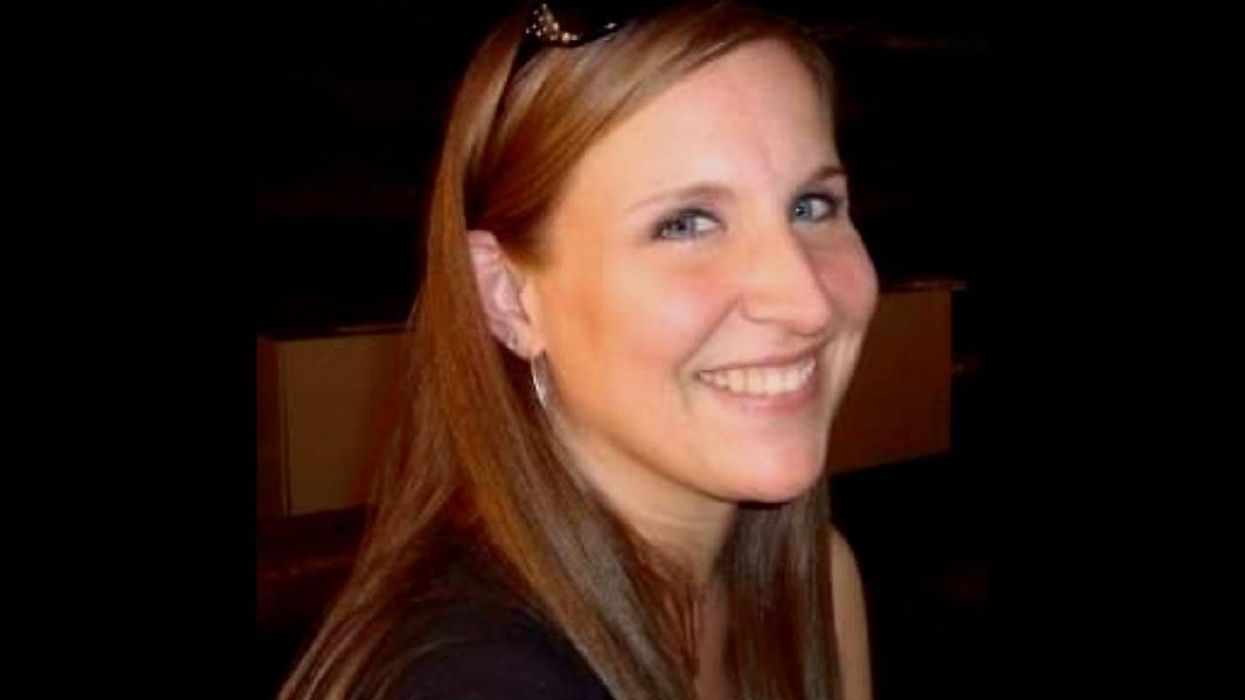
"I'm hopeful that my new trial will end with me being freed, because I simply lost my pregnancy at home because of an infection," said Brooke Shoemaker, who has already spent five years in prison.
While Brooke Shoemaker and a rights group representing her in court are celebrating this week after an Alabama judge threw out her conviction and ordered a new trial, her case is also drawing attention to the dangers of "fetal personhood" policies.
"Laws and judicial decisions that grant fetuses—and in some cases embryos and fertilized eggs—the same legal rights and status given to born people, such as the right to life, is 'fetal personhood,'" explains the website of the group, Pregnancy Justice. "When fetuses have rights, this fundamentally changes the legal rights and status of all pregnant people, opening the door to criminalization, surveillance, and obstetric violence."
Since the US Supreme Court's Dobbs v. Jackson Women's Health Organization ruling ended the federal right to abortion in 2022, far-right activists and politicians have ramped up their fight for fetal personhood policies. Pregnancy Justice found that in the two years after the decision, the number of people who faced criminal charges related to their pregnancies hit its highest level in US history.
Shoemaker's case began even earlier, in 2017, when she experienced a stillbirth at home about 24-26 weeks into her pregnancy. Paramedics brought her to a hospital, where she disclosed using methamphetamine while pregnant. Although a medical examiner could not determine whether the drug use caused the stillbirth—and, according to Pregnancy Justice, "her placenta showed clear signs of infection"—a jury found her guilty of chemical endangerment of a minor. She's served five years of her 18-year sentence.
"After becoming Ms. Shoemaker's counsel in 2024, Pregnancy Justice filed a petition alongside Andrew Stanley of the Samford Law Office requesting a hearing based on new evidence about the infection that led to the demise of Ms. Shoemaker's pregnancy, leading the judge to agree with Pregnancy Justice's medical witness and to vacate the conviction," the rights group said in a Monday statement.
Lee County Circuit Judge Jeffrey Tickal wrote in his December 22 order that "should the facts had been known, and brought before the jury, the results probably would have been different."
Shoemaker said Monday that "after years of fighting, I'm thankful that I'm finally being heard, and I pray that my next Christmas will be spent at home with my children and parents... I'm hopeful that my new trial will end with me being freed, because I simply lost my pregnancy at home because of an infection. I loved and wanted my baby, and I never deserved this."
Although Tickal's decision came three days before Christmas, the 45-year-old mother of four remained behind bars for the holiday last week, as the state appeals.
"While we are thrilled with the judge's decision, we are outraged that Ms. Shoemaker is still behind bars when she should have been home for Christmas," said former Pregnancy Justice senior staff attorney Emma Roth. "She was convicted based on feelings, not facts. Pregnancy Justice will continue to fight on appeal and prove that pregnancies end tragically for reasons far beyond a mother's control. Women like Ms. Shoemaker should be allowed to grieve their loss without fearing arrest."
AL.com reported Tuesday that "Alabama is unique in that it is one of only three states, along with Oklahoma and South Carolina, where the state Supreme Court allows the application of criminal laws meant to punish child abuse or child endangerment to be applied in the context of pregnancy."
However, similar cases aren't restricted to those states. Pregnancy Justice found that in the two years following Dobbs, "prosecutors initiated cases in 16 states: Alabama, California, Florida, Idaho, Kentucky, Mississippi, Nebraska, New Mexico, Ohio, Oklahoma, Pennsylvania, South Carolina, South Dakota, Texas, Wisconsin, and Wyoming. While prosecutions were brought in all of these states, to date, the majority of the reported cases occurred in Alabama (192) and Oklahoma (112)."
This is fantastic news!!I wrote in my book how the medical examiner ruled the cause of the stillbirth "undetermined," but the coroner (who lacks medical training) instead listed cause of stillbirth as mom's meth usage on the fetal death certificate.
[image or embed]
— Jill Wieber Lens (@jillwieberlens.bsky.social) December 30, 2025 at 12:25 PM
"Prosecutors used a variety of criminal statutes to charge the defendants in these cases, often bringing more than one charge against an individual defendant," the group's report continues. "In total, the 412 defendants faced 441 charges for conduct related to pregnancy, pregnancy loss, or birth. The majority of charges (398/441) asserted some form of child abuse, neglect, or endangerment."
"As has been the case for decades, nearly all the cases alleged that the pregnant person used a substance during pregnancy," the report adds. "In 268 cases, substance use was the only allegation made against the pregnant person. In the midst of a wide-ranging crisis in maternal healthcare and despite maternal healthcare deserts across the country, prosecutors or police argued that pregnant people's failure to obtain prenatal care was evidence of a crime. This was the case in 29 of 412 cases."
When the publication was released last year, Pregnancy Justice president Lourdes A. Rivera said in a statement that "the Dobbs decision emboldened prosecutors to develop ever more aggressive strategies to prosecute pregnancy, leading to the most pregnancy-related criminal cases on record."
"This is directly tied to the radical legal doctrine of 'fetal personhood,' which grants full legal rights to an embryo or fetus, turning them into victims of crimes perpetrated by pregnant women," Rivera argued. "To turn the tide on criminalization, we need to separate healthcare from the criminal legal system and to change policy and practices to ensure that pregnant people can safely access the healthcare they need, without fear of criminalization. This report demonstrates that, in post-Dobbs America, being pregnant places people at increased risk, not only of dire health outcomes, but of arrest."
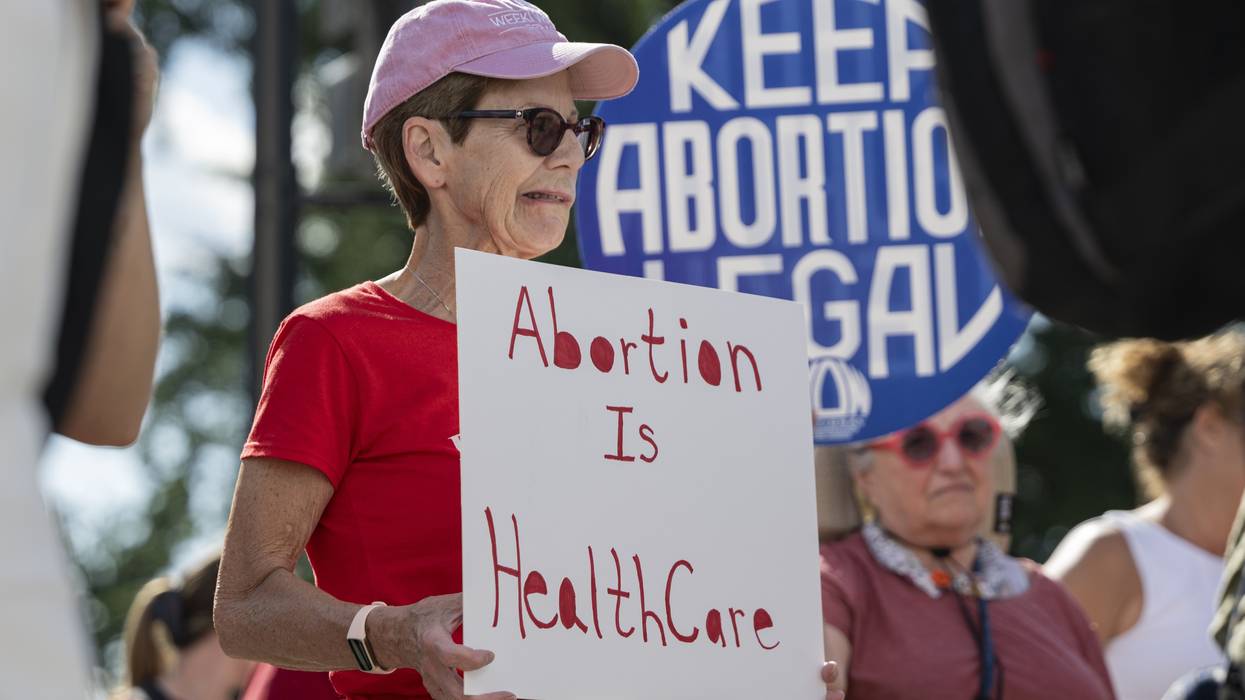
"Let's be very clear: Republicans are killing women," said one abortion rights advocate. "Democrats need to start calling them murderers loudly and often."
After new reporting detailed the latest known woman who died because doctors would not provide her with abortion care under Texas' ban, the Democratic lawmaker who authored the Women's Health Protection Act condemned Republicans in Congress for refusing to "protect women’s basic freedom to survive their own pregnancies."
"It would take only six Republicans in the House to join with us and pass this vital legislation to restore bodily autonomy to every person in this country, regardless of their state or zip code," said Rep. Judy Chu (D-Calif.), whose bill would create a new legal protection for the right to provide and obtain abortion care.
Chu's call came as ProPublica reported on the death of Tierra Walker, a 37-year-old pregnant mother of a teenage son who asked doctors to terminate her pregnancy in October 2024 after she experienced seizures and feared she would develop preeclampsia, a life-threatening complication that had led to the stillbirth of her twins a few years earlier.
“Wouldn’t you think it would be better for me to not have the baby?” Walker asked doctors at Methodist Hospital Northeast in San Antonio.
The medical staff assured her there was nothing wrong with her pregnancy and blamed her symptoms on pre-existing conditions including diabetes and high blood pressure—but more than a dozen OB/GYNs reviewed her case and told ProPublica doctors had not followed standard medical practice, which would have been to advise Walker early on in the pregnancy that her health conditions could lead to complications and "to offer termination at any point if she wanted."
Had doctors done do, all of the medical experts said, Walker would not have died at 20 weeks pregnant on her 14-year-old son's birthday last December.
"Her death was preventable, and it was caused by a law written by Republicans to control women’s bodies, no matter the consequences. This is the disgraceful reality of Republican abortion bans that criminalize care and sacrifice women’s lives," said Chu.
Walker found out she was five weeks pregnant in September 2024 after experiencing a seizure. Doctors also noted she had "hypertension at levels so high that it reduces circulation to major organs and can cause a heart attack or stroke," which put her at increased risk for preeclampsia.
But instead of warning Walker of the risks, the medical staff sent her home, where she continued having seizures through her first trimester and her fiance and aunt took turns watching over her.
Texas law prohibits medical providers from "aiding and abetting" abortion care, with doctors facing the loss of their medical license and up to 99 years in prison if they provide an abortion. Abortions are ostensibly permitted in cases when a pregnant person's life or major body function is at risk—but Walker's case demonstrates how medical exceptions within abortion bans often do nothing to ensure a dangerous pregnancy can be terminated to protect a woman's life.
At least one of the more than 90 doctors—including 21 OB/GYNs—who became involved in Walker's care last year, when she was repeatedly hospitalized, acknowledged in a case file that she was at "high risk of clinical deterioration and/or death."
But none of them ever talked to her about terminating the pregnancy.
As Walker's pregnancy progressed, she developed a blood clot in her leg that didn't respond to anticoagulation medicine, and her seizures and high blood pressure remained uncontrolled.
She was diagnosed with preeclampsia at 20 weeks pregnant on December 27—but doctors did not even label her condition as "severe" in her files, let alone provide her with the standard care for the condition at that point in pregnancy, which is an abortion.
Instead, they gave her more blood pressure medication and sent her home, where her son, JJ, found her dead days later.
Author and abortion rights advocate Jessica Valenti said Republicans would likely respond to the news of Walker's death—as they have in the cases of other women who have died after being unable to get abortions in states that ban them—with claims that doctors were legally allowed to "intervene" or "treat" Walker.
"They won't say she could have had an abortion because they don’t believe in life-saving abortions," she said.
This year, in the months after Walker's death and following outrage over numerous similar cases, Texas lawmakers passed a law that Republicans claim would make it easier for women to obtain abortions in cases where they face life-threatening conditions in pregnancy; their conditions no longer need to put them in "imminent" danger for them to obtain care.
But doctors told ProPublica that hospitals in Texas are still likely to avoid providing abortions in cases like Walker's, even under the new statute.
“How many more women have to needlessly suffer?" asked Chu. "How many more have to die? How many more children have to grow up without their mother? How many more parents have to lose their adult daughters before Republicans in Congress finally do what’s right and protect women’s basic freedom to survive their own pregnancies?"
"This doesn't have to be our reality," she added.
With young people’s autonomy so limited, we must ensure young pregnant and parenting people have the support they need.
Access to affordable family planning and sexual health services is under attack, with the current administration threatening millions of dollars in Title X funding.
Millions of poor, uninsured, low-income individuals rely on this program not only for contraception but for cancer detection, HIV testing, and other essential services. The administration’s hostility toward proven programs like this puts young people at greater risk of pregnancy, in an environment where reproductive choices are limited. The consequences of abortion bans are clear: People are getting sick and losing their lives because access to basic reproductive healthcare is being stripped away. But what if you are young? What if you are Black? What if you live in a state restricting abortion? What if you do not get to decide?
For young pregnant people, these bans and funding cuts are even harder to navigate because of barriers to their independence. With the potential cuts to Title X programs, young people’s access to contraception will be even more limited. If they become pregnant when they don’t want to be, some states that still allow abortion have restrictions requiring consent from parents. With young people’s autonomy so limited, we must ensure young pregnant and parenting people have the support they need.
Reproductive justice is a human rights framework coined in 1994 by 12 Black women in response to the reproductive rights and health groups that excluded the lived experiences of those who have been marginalized. This concept includes the right to parent, the right not to parent, the right to parent children in safe and healthy communities, and the right to bodily autonomy. Young people, too, deserve reproductive justice.
What if young people had access to healthcare free from biases and shame?
A powerful misconception is that we are often just one decision away from shaping the course of our lives. But it isn’t the one individual decision. It’s the collective punitive reaction from society that stands in the way of young people getting the support they need. For the young pregnant person who is parenting, there is a systemic lack of support coupled with stereotypes that lead to negative outcomes.
As a child, my knowledge about the consequences resulting from decisions we make about our bodies was limited to the concrete and practical, such as skinning my knee in the neighborhood kickball tournaments when I ran around the bases too quickly. That knowledge quickly expanded when my older sister became pregnant as a teen, and I observed the organized shunning she experienced from family members to healthcare workers to teachers and friends. This was the first time I witnessed shame. I heard how family members talked about her pregnancy as a defining moment, as if any glimpse of a future was now extinguished. Those family members and friends who were “supportive” disappeared once my niece was born. It was at this moment that I decided that I wanted to offset that shame for her, for us, for every young Black girl who is navigating a pregnancy.
I did my best to be a supportive little sister as a child, standing up to all who spoke negatively about my sister and her choices. This experience stayed with me, and as a first year medical student, I founded Sisters Informing Healing Living Empowering (SIHLE) Augusta, renamed Choices Within Reach, an organization that works to support young Black mothers in Augusta, Georgia, through providing community, financial resources, and infant supplies. For the past seven years, in addition to my medical and residency training, we have worked to disempower the systems that shame and marginalize young people about their reproductive choices. Transforming that childhood rage to triumph, this ever-expanding sisterhood is my greatest accomplishment.
Now, as an OB-GYN and community organizer, I continue to hear the echoes of my sister’s story through my patients and the young people I serve in Georgia.
These stereotypes of young parenting people that go back to public condemnation of “teen moms” and “welfare queens” in the 1970s and 80s are still alive in the collective shunning of young Black pregnant people. In many schools, there is a “pregnant student” policy that states that the school won’t make accommodations for a pregnant student unless required by documented medical circumstances. High school students are not granted “maternity leave.” These policies are penal and don’t support the pregnant student’s success, especially when combined with isolation that the pregnant adolescent may be enduring within her community.
It is these punitive policies and attitudes that lead to statistics like only 50% of teen mothers receive their high school diploma by age 22, compared to 90% of teens who do not give birth in their adolescence. The lack of education and support makes it hard for them to find job opportunities, leading to a hard time making ends meet, and so on. This is a collective shunning of young motherhood.
These roots also shape our healthcare system. Just as young moms slip through the cracks of the community, they also often do in the healthcare system. Adolescent medicine providers try to close these gaps for young people. However, the gap widens when they become pregnant. Is it the OB-GYN who receives little to no training on how to specifically care for a pregnant teen or the pediatrician who has not specialized in pregnancy that is trying to care for the teen who is pregnant? When the gaps are felt by young moms, they might disengage from prenatal care, lose trust in their providers, and face poor health outcomes for the mother and baby.
This is especially true when the stereotypes of pregnant adolescents are woven into the implicit and explicit biases of the providers. These biases affect how their providers view them, the care they receive, and their outcomes. Kia, who experienced pregnancy at 16 years old, had her pregnancy confirmed by her pediatrician, who had been caring for her since she was an infant. However, once her urine pregnancy test was positive, there was an obvious disconnect. They told her she could no longer be seen in the office and was not offered any options counseling, OB-GYN references, or even an ultrasound. This experience led Kia to delay seeking prenatal care. What if the pregnancy was in the wrong location? What if there were complications? As we attempt to close the gap of maternal morbidity and mortality rates in the U.S., which are disproportionately higher in Black people, we must address the systems that increase risks faced by young Black parents.
The fight against the societal punishment of young Black parents is an issue of reproductive justice. In a nation where systemic barriers persist, the futures of young Black parents don’t come down to personal choices; they are intricately tied to the what kind of support, education, and resources they can access. It is far beyond time to restructure the narratives and fill the gaps society created for our young Black pregnant and parenting people.
What if we had culturally sound, group prenatal care that focused on and highlighted the needs of young, Black pregnant people? What if we built a community that came together to support young parents with childcare, financial resources, and school or job support? What if medically accurate, comprehensive sex education were available to all young people? What if young people had access to healthcare free from biases and shame? We can create the kind of world where we all have equitable access to the full spectrum of reproductive freedoms, no matter our age or location.

One advocate called out "the politicians who paved the way for this tragedy."
"I've got to go to the hospital," a pregnant woman filmed by the Louisville Metro Police Department's body cameras in late September told officers, standing near a mattress beneath a busy overpass. "What am I doing wrong?"
The woman was in labor and had told the police as they approached her that she thought her water had broken, but that didn't stop the officers from giving her a ticket for violating a new Kentucky law that bans all street camping—one of dozens of laws criminalizing homelessness that were passed this year.
Lt. Caleb Stewart, who cited the woman in Louisville, told her that he would call an ambulance for her, but when she began moving toward the street to wait for the emergency workers, he yelled at her to stop.
"Am I being detained?" she asked.
"Yes, you're being detained," he replied. "You're being detained because you're unlawfully camping."
Stewart was later heard on the body camera's audio saying he didn't believe the woman was in labor; a public defender representing her told Kentucky Public Radio that she had in fact given birth later that day and the family was living in a shelter while waiting for a January trial date regarding her citation.
The upcoming trial and the video underscore "both the absurdity and cruelty of anti-camping laws in KY and those cropping up nationwide," said Jesse Rabinowitz of the National Homelessness Law Center. "This is an extreme incident, but unfortunately, it is not an isolated one. Instead of addressing the cause of homelessness—the fact that more and more people struggle to afford rent—politicians are passing laws that kick people when they are down and make homelessness worse. The solution to homelessness is housing and help, not tickets or fines."
The U.S. Supreme Court ruled in July that officials can ban sleeping and camping in public places. Since then, said Rabinowitz, nearly 150 cities across the U.S. have passed anti-camping bills.
The video was also publicized days after Republican elected officials celebrated "the person who murdered Jordan Neely, a homeless New Yorker," said Rabinowitz. "And [President-elect] Donald Trump and his billionaire cronies want to round up homeless people and put them in detention camps. All of these things make homelessness worse."
Shameka Parrish-Wright, director of advocacy group VOCAL-KY, said that "the disregard and disrespect of these two lives is the direct result of the so-called 'Safer Kentucky Act' that was enacted this year."
"People experiencing homelessness are fighting for their lives across the country and right here in Louisville. Investing in immediate, affordable housing and healthcare is the only way to stop this from happening again—not by handing out more tickets that won't house a single person," said Parrish-Wright. "Shame on the politicians who paved the way for this tragedy.”
"If politicians actually cared about homeless Kentuckians," she added, "they would focus on getting them the housing and support they need."
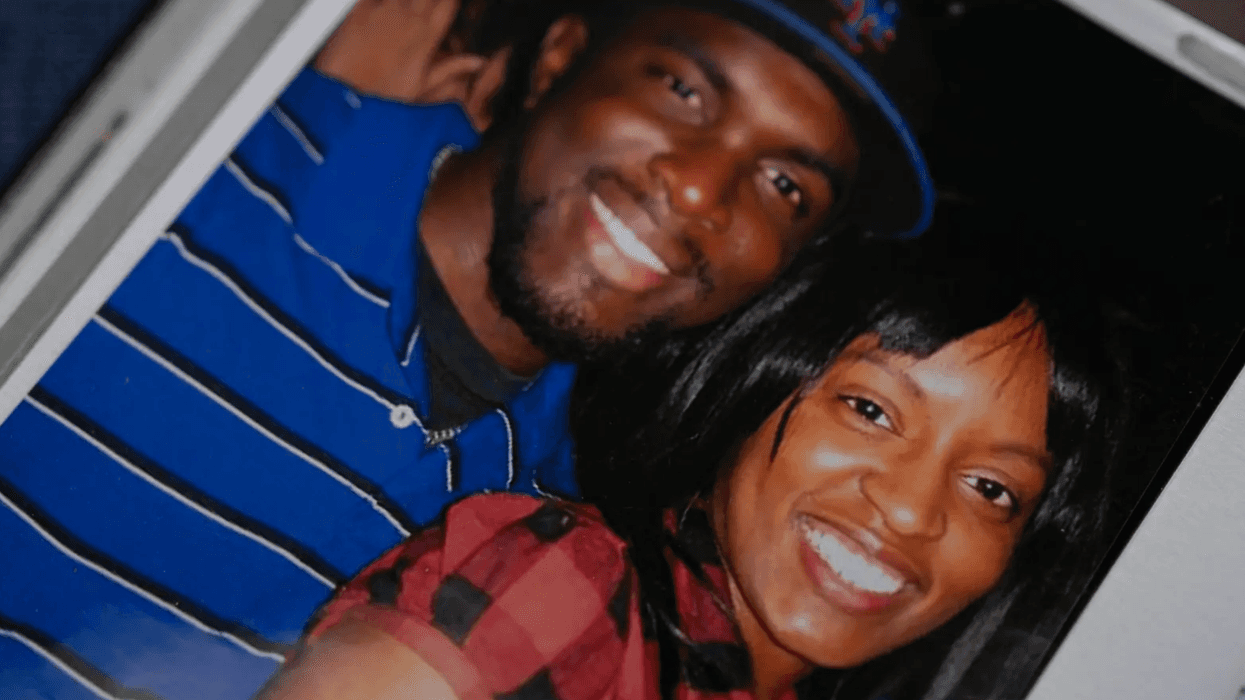
"The only reason she is not with us is because of Donald Trump, Greg Abbott, and every single Republican politician who helped put Texas' abortion ban in place," said one advocacy group.
Friends and family of Porsha Ngumezi, a 35-year-old mother of two in Houston, were stunned last year to learn that she had died in a hospital after suffering a miscarriage when she was 11 weeks pregnant—and medical experts who spoke to the investigative outlet ProPublica on Monday had the same reaction.
"All she needed was a [dilation and curettage]," one friend told Ngumezi's grieving husband, Hope Ngumezi, referring to a standard procedure which is often given to pregnant patients who have first-trimester miscarriages. Commonly called a D&C, it is also diagnose or treat other health conditions and provide abortion care.
Dr. Daniel Grossman, an obstetrics and gynecology professor at University of California, San Francisco, told ProPublica that "at every point" of Ngumezi's visit to Houston Methodist Sugar Land, a hospital outside Houston, medical providers' response to her case was "kind of shocking."
"She is having significant blood loss and the physician didn't move toward aspiration," Grossman told ProPublica.
Like at least two other Texas women—Nevaeh Crain and Josseli Barnica—Ngumezi's death in June 2023 was the result of the abortion ban that went into effect in Texas in 2022, according to medical experts who reviewed her case.
Ngumezi arrived at the hospital on June 11, 2023 after experiencing heavy bleeding 11 weeks into her pregnancy with her third child. Doctors noted that Ngumezi had a blood-clotting disorder and that she was experiencing "significant bleeding" with large clots.
"Doctors assume that a D&C is not standard in Texas anymore, even in cases where it should be recommended. People are afraid: They see D&C as abortion and abortion as illegal."
An ultrasound showed a "sac-like structure," but no fetus or cardiac activity were detected, indicating that she was having a miscarriage.
But instead of providing a D&C, in which a small tube is inserted into the uterus to gently remove any remaining fetal tissue, doctors took a "wait-and-see approach [that] has become more common under abortion bans," according to the medical experts who spoke to ProPublica.
Dr. Gabrielle Taper, who has worked as an OB-GYN in Austin, told ProPublica that since Texas' abortion ban went into effect in 2022—two months after the right-wing majority on the U.S. Supreme Court overturned Roe v. Wade—there has been "much more hesitation [among doctors] about: When can we intervene, do we have enough evidence to say this is a miscarriage, how long are we going to wait, what will we use to feel definitive?"
For Ngumezi, that hesitation meant that Dr. Andrew Ryan Davis, the obstetrician on duty, prescribed misoprostol to help Ngumezi pass the fetal tissue without a D&C.
Dr. Alison Goulding, another OB-GYN in Houston, told ProPublica that because misoprostol can also be used for women in labor or to treat postpartum bleeding, under Texas' abortion ban, "stigma and fear are there for D&Cs in a way that they are not for misoprostol."
"Doctors assume that a D&C is not standard in Texas anymore, even in cases where it should be recommended," Goulding said. "People are afraid: They see D&C as abortion and abortion as illegal."
But more than a dozen doctors told ProPublica that considering Ngumezi's blood-clotting disorder, doctors should have provided a D&C.
"Misoprostol," reported ProPublica, "is an effective method to complete low-risk miscarriages but is not recommended when a patient is unstable."
Some critics who support abortion bans have dismissed Ngumezi's case—and that of other women who have died because of the laws—as the result of medical malpractice that had nothing to do with recently passed state laws. They claim Texas' law protects women who have miscarriages.
But ProPublica noted that Ngumezi had a similar case to one described on social media by podcast host Ryan Hamilton earlier this year. Hamilton's wife experienced bleeding while miscarrying at 13 weeks, and was prescribed misoprostol and sent home after an ultrasound at Surepoint Emergency Center Stephenville showed no fetal cardiac activity. The bleeding got worse, but an emergency doctor told the couple they couldn't provide a D&C because of "the current stance" in Texas.
Greer Donley, a law professor at University of Pittsburgh, said that "the antiabortion movement wants us to blame the doctors and sometimes that is warranted. But abortion bans are the ultimate cause of this harm."
"When life in prison is the penalty for violating a ban, doctors will understandably be risk averse. And that chill in care will cause death," said Donley.
ProPublica reported that "performing a D&C attracts more attention from colleagues, creating a higher barrier in a state where abortion is illegal."
Doctors, added Goulding, "have to convince everyone that it is legal and won't put them at risk [of prosecution]."
In Ngumezi's case, the bleeding continued after she took misoprostol, and her heart stopped three hours later—a "preventable" death, according to the experts.
"The only reason" Ngumezi died, said Reproductive Justice for All, is that Republican politicians including President-elect Donald Trump helped put Texas' abortion ban in place.
"We are heartbroken and enraged by the tragic, preventable death of Porsha Ngumezi," said Planned Parenthood Texas Votes. "This nightmare reality, where political agendas outweigh patients' lives, has left another family shattered."
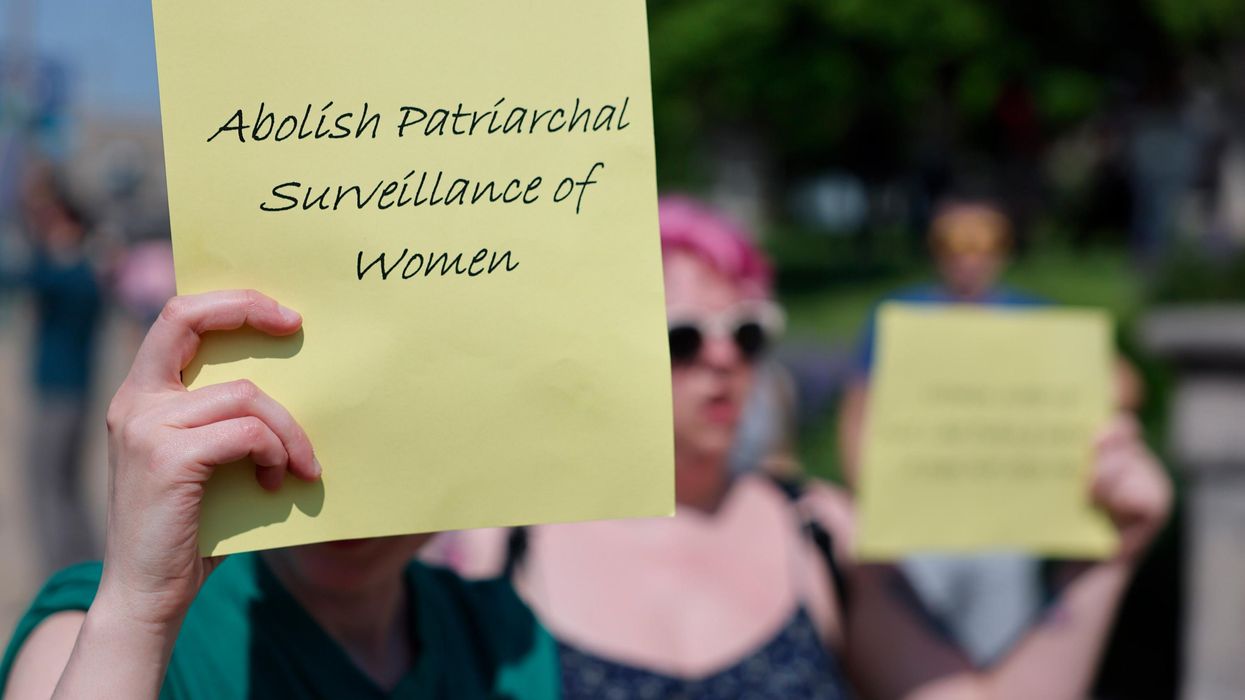
"The Dobbs decision emboldened prosecutors to develop ever more aggressive strategies to prosecute pregnancy, leading to the most pregnancy-related criminal cases on record."
Reproductive justice experts have long warned that the erosion of abortion rights in the U.S. would harm people in a wide range of ways, and a report released Tuesday quantifies some of that harm—namely, the criminalization of pregnancy.
In the report, Pregnancy as a Crime: A Preliminary Report on the First Year After Dobbs, the rights group Pregnancy Justice found that from June 24, 2022—the day the Supreme Court handed down the Dobbs v. Jackson Women's Health Organization, the ruling that overturned Roe v. Wade—to June 23, 2023, the number of people who faced criminal charges related to their pregnancies rose to its highest level in U.S. history.
At least 210 people were charged with crimes related to pregnancy in the first year after Roe was overturned, with prosecutors accusing them of child endangerment, substance abuse, attempting to end a pregnancy—or even researching abortion—and abuse of a corpse, among other charges. Right-wing lawmakers in 22 states have now banned or severely restricted access to abortion.
According to Pregnancy Justice president Lourdes A. Rivera, "the Dobbs decision emboldened prosecutors to develop ever more aggressive strategies to prosecute pregnancy, leading to the most pregnancy-related criminal cases on record" in a single year.
The rise in pregnancy criminalization "is directly tied to the radical legal doctrine of 'fetal personhood,' which grants full legal rights to an embryo or fetus, turning them into victims of crimes perpetrated by pregnant women," added Rivera.
Roughly half of the cases detailed in Pregnancy as a Crime—104 of them—were reported in Alabama, one of several Republican-controlled states that have so-called "fetal personhood laws."
"Without fetal personhood, pregnancy criminalization could not exist," reads the report.
Prosecutors in Oklahoma filed 68 of the cases, and South Carolina had the third-most charges with 10 pregnant people criminalized.
All three states with the highest numbers of cases have near-total abortion bans and some of the worst maternal and infant mortality rates in the U.S., according to Pregnancy Justice.
"To turn the tide on criminalization, we need to separate healthcare from the criminal legal system and to change policy and practices to ensure that pregnant people can safely access the healthcare they need, without fear of criminalization."
In nearly all of the cases brought against pregnant people, actual harm to a fetus or baby did not have to be proven—prosecutors focused only on the perceived risk that the defendants allegedly exposed their pregnancies to.
For example, all 68 defendants in Oklahoma were charged with child neglect, delinquency, or abuse for testing positive for a substance while pregnant or giving birth.
"Defendants can be found guilty even if the pregnancy results in a healthy child and even when the science does not support the
assumption that a positive drug test proves the fetus was harmed," reads the report.
Such "no harm" prosecutions can result in severe punishment for defendants, said Pregnancy Justice; the Oklahoma residents who were charged face sentences up to life in prison if found guilty, and 93 Alabama defendants who were charged with chemical endangerment of a minor could face up to 10 years in prison.
"These findings strongly suggest that, rather than focusing on fetal harm, these prosecutions seek to control and punish pregnant people," said Pregnancy Justice.
Substance abuse charges—for both legal and illegal substances—were involved in a majority of cases studied by the group, while five cases included allegations regarding abortion care, including an attempt to end a pregnancy or to research the possibility of an abortion.
Twenty-two people were criminalized for experiencing a pregnancy loss, said Pregnancy Justice.
Charging documents included 15 allegations of "lack of prenatal care" and 10 cases in which the defendant failed "to seek help during or after birth." Three people were accused of breastfeeding and placing their infant at risk of drug exposure.
"The allegations in these cases are particularly notable for the way that they criminalize precarious pregnancy and birth and meet healthcare needs with punishment rather than care," reads the report. "It is also noteworthy that several women who appear to have faced serious health conditions, devastating pregnancy losses, and enormous trauma, were met not with offers of care but threatened with punishment for finding themselves in allegedly dangerous situations or allegedly not seeking help quickly enough in traumatic moments. Striking, too, in the midst of a wide-ranging crisis in maternal healthcare, is the condemnation of pregnant people for not accessing prenatal care."
In one case, police charged a woman with abusing her "unborn child" just after they administered Narcan to save her from a drug overdose.
Criminalization of pregnancy, said Pregnancy Justice, "only worsens" the crisis of opioid-related deaths among pregnant people.
Rivera said that "to turn the tide on criminalization, we need to separate healthcare from the criminal legal system and to change policy and practices to ensure that pregnant people can safely access the healthcare they need, without fear of criminalization."
The report was released a day after KFF Health News reported on the story of Amari Marsh, a South Carolina resident who was charged in May of 2023 with "murder/homicide by child abuse," two months after she went into preterm labor and gave birth in her bathroom. Marsh spent 22 days in prison—and faced a potential sentence of 20 years to life—but her charges were ultimately dismissed by a grand jury.
Marsh's case, and other instances of pregnancy criminalization, represent Republican presidential candidate Donald Trump's "plan for America," said Rep. Katherine Clark (D-Mass.) on Tuesday. Trump has boasted about his hand in ensuring Roe v. Wade was overturned and spread misinformation about abortion rights, including the demonstrably false claim that Democrats support "an execution of a baby after birth."
The Dobbs decision, made possible by Trump's appointment of right-wing Supreme Court justices, paved the way for "increased suspicion and surveillance of pregnant people," said Wendy Bach, principal investigator of the report and a professor at the University of Tennessee College of Law. "With this report, we hope to see both more attention on pregnancy-related prosecutions and more advocacy to reverse course on the criminalization of pregnant people."
Correction: This article has been adjusted from its original to more accurately reflect context surrounding a comment from Pregnancy Justice president Lourdes A. Rivera.
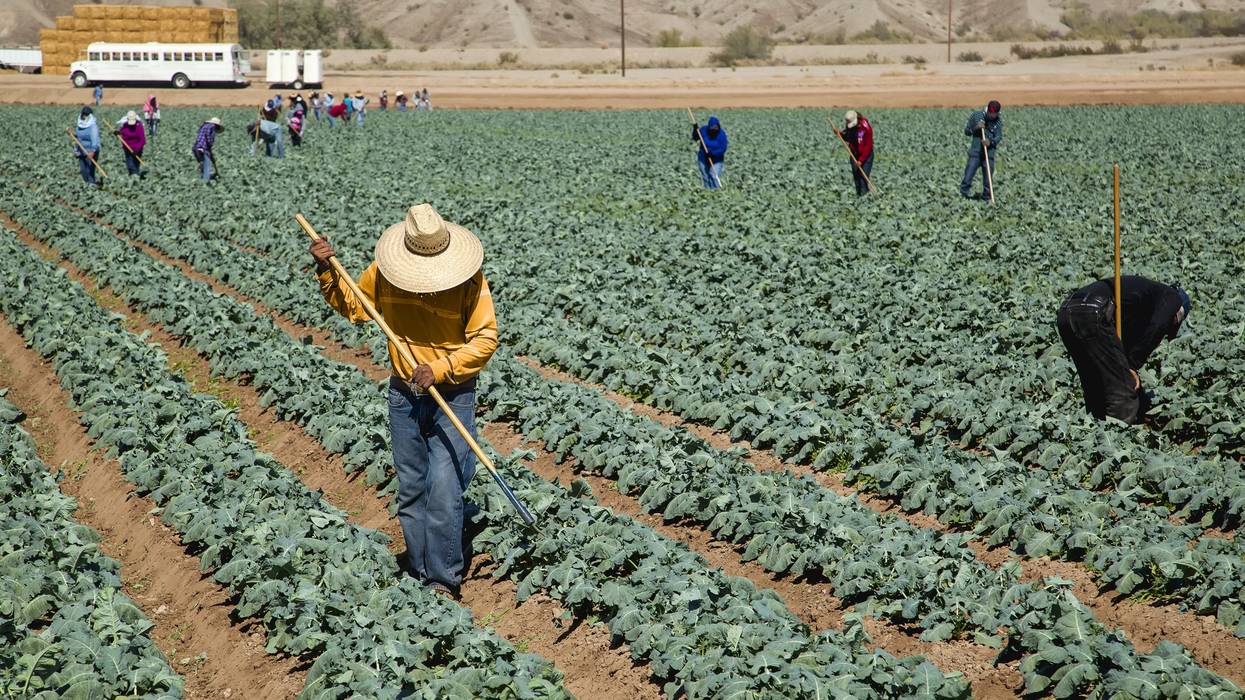
"DCPA is so dangerous that it needs to be removed from the market immediately," said an EPA official, but advocates said the move was "long overdue."
Taking a rare step to "prevent imminent hazard," the U.S. Environmental Protection Agency on Tuesday issued an emergency order suspending all uses of an herbicide that has been linked to irreversible health risks for unborn babies.
The EPA issued the order after years of pushing AMVAC Chemical Corporation, the sole manufacturer of dimethyl tetrachloroterephthalate, to submit data about the risks posed by the chemical, which is also known as Dacthal and DCPA.
The agency estimated in 2023 that a fetus could be exposed to levels of DCPA four to 20 times greater than the safe limit, if a pregnant person handled products treated with the herbicide.
The chemical is used on crops including broccoli, onions, cabbage, and Brussels sprouts in the U.S., but has been banned since 2009 in the European Union.
Exposed fetuses can suffer effects including low birth weight, impaired brain development and motor skills, and decreased I.Q., according to the agency.
"DCPA is so dangerous that it needs to be removed from the market immediately," Michal Freedhoff, assistant administrator for the EPA's Office of Chemical Safety, said in statement. "In this case, pregnant women who may never even know they were exposed could give birth to babies that experience irreversible lifelong health problems."
"Countless people have been exposed to DCPA while the EPA abdicated its responsibility. The agency should have taken action decades ago, when it first identified the human health risks posed by this toxic crop chemical."
The Environmental Working Group (EWG) called the suspension of DCPA "welcome news," but said it was "long overdue." The group's research found that even though the EPA has collected evidence of DCPA's health risks, up to 200,000 pounds of the herbicide were sprayed on crops in California in some recent years.
"For years, EWG and other public health advocates have warned about the serious risks the weedkiller poses to farmworkers, pregnant people, and other vulnerable populations," said senior toxicologist Alexis Temkin. "Countless people have been exposed to DCPA while the EPA abdicated its responsibility. The agency should have taken action decades ago, when it first identified the human health risks posed by this toxic crop chemical."
Mily Treviño Sauceda, executive director of Alianza Nacional de Campesinas, also known as the National Farmworkers Women's Alliance, said the emergency order was "a great first step that we hope will be in a series of others that are based on listening to farmworkers, protecting our reproductive health, and safeguarding our families."
"Alianza is pleased to see the EPA make this historic decision," she said. "As an organization led by farmworker women, we know intimately the harm that pesticides, including dimethyl tetrachloroterephthalate... can inflict on our bodies and communities."
William Jordan, a volunteer with the Environmental Protection Network and a former deputy director for programs in the EPA's Office of Pesticide Programs, noted that the agency made the emergency order and bypassed the lengthy process of canceling DCPA's approval due to the harm the chemical causes—the first time in 40 years that the EPA has taken the step.
"The Environmental Protection Network endorses the strong regulatory action taken by EPA to address the extraordinary risks to unborn children posed by the use of pesticides containing DCPA," said Jordan. "EPA's order immediately suspending all sales, distribution, and use of DCPA products is the only way to avoid the harm to children that would result from continued use of this dangerous pesticide."
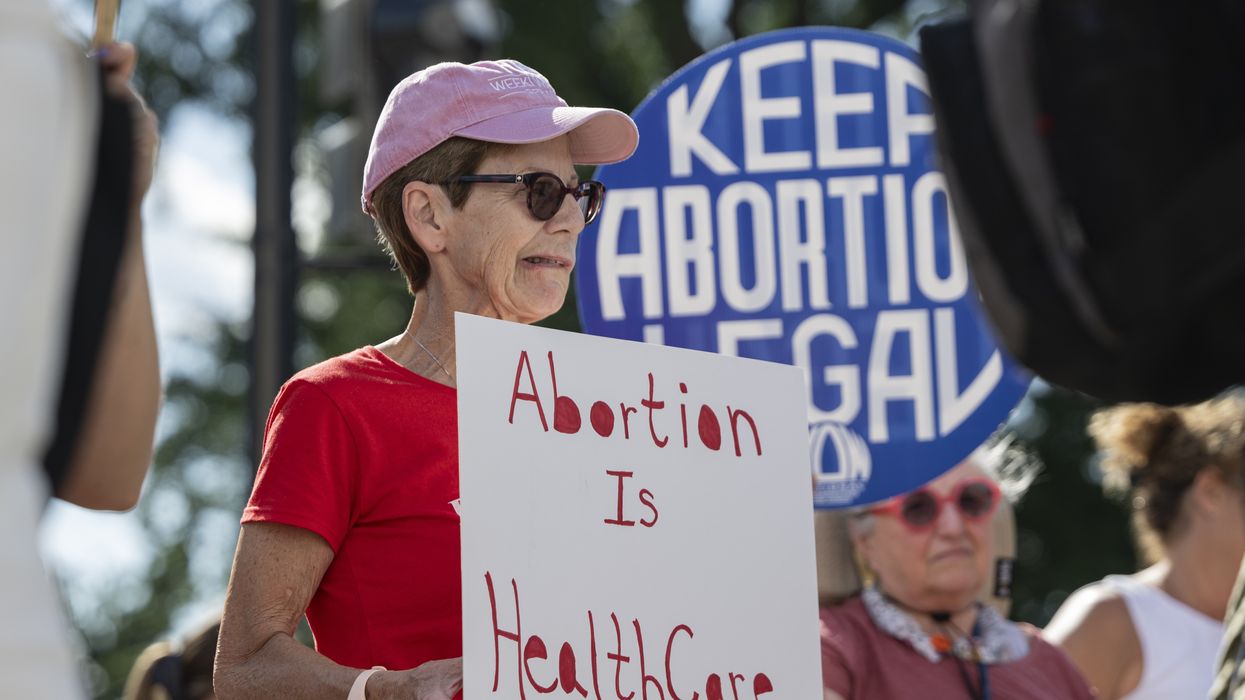
"If Trump is elected again, he will appoint even more justices who could uphold future abortion bans and endanger our fundamental freedoms for decades."
Reproductive rights advocates across the United States on Thursday were "hardly celebrating" the Supreme Court's one-sentence decision in a case regarding whether emergency departments can provide abortion care to people who have urgent pregnancy complications, and the court left open the possibility that such care could ultimately be banned.
In Moyle v. United States and Idaho v. United States, Idaho officials asked the court to intervene in an earlier decision by the U.S. Court of Appeals for the Ninth Circuit, which temporarily blocked the state's near-total abortion ban after the Biden administration argued it violated the Emergency Medical Treatment and Labor Act (EMTALA).
EMTALA requires hospital emergency departments that accept Medicare to provide "necessary stabilizing treatment" to all patients, and the Biden administration argued abortion care is included in that requirement and that federal law should override Idaho's abortion ban.
But a day after a draft decision was mistakenly posted on the Supreme Court's website, the release of the ruling confirmed that the court had dismissed the case without ruling on its merits and was sending it back to the lower courts.
The decision temporarily restores Idaho medical providers' ability to provide emergency abortions, but as the Center for Reproductive Rights (CRR) said, "it still leaves millions of people in states with abortion bans vulnerable."
"Hospitals in the 14 states that completely ban abortion, as well as many others with bans and restrictions, have shown they are afraid to provide emergency abortions due to the risk of severe criminal penalties under their states' vague and confusing abortion bans," said the organization. "For patients needing abortion care in those states, they will continue to largely rely on their state's medical exceptions, which often do not work in practice."
Nancy Northrup, CRR's president and CEO, explained that the court had "kicked the can down the road on whether states with abortion bans can override the federal law requirement that hospitals must provide abortion care to patients in the throes of life-threatening pregnancy complications."
"The court's refusal to clearly affirm the rights of all pregnant people to emergency abortion care, and put an unequivocal end to extremist attacks by anti-abortion politicians on this essential healthcare, is a dangerous preview for what could come."
"The Supreme Court created this healthcare crisis by overturning Roe v. Wade and should have decided the issue," said Northrup. "Women with dire pregnancy complications and the hospital staff who care for them need clarity right now."
Two of the court's liberal members, Justices Ketanji Brown Jackson and Elena Kagan, agreed with Northrup and other advocates in a dissenting opinion that the panel should have ruled on the merits of the case.
Kagan wrote that EMTALA "unambiguously requires" hospitals to provide emergency treatment including abortion care, while Jackson said Idaho's ban on nearly all abortions created a "monthslong catastrophe" when it was in effect.
"Idaho physicians were forced to step back and watch as their patients suffered, or arrange for their patients to be airlifted out," Jackson wrote of the state's law, which bans abortions except in cases of rape, incest, certain nonviable pregnancies, and those in which a pregnant patient's life is at risk. "There is simply no good reason not to resolve this conflict now."
"While this court dawdles and the country waits, pregnant people experiencing emergency medical conditions remain in a precarious position, as their doctors are kept in the dark about what the law requires," Jackson continued.
Right-wing Justice Samuel Alito also objected to the court's refusal to rule on the case's merits, but said Idaho's ban should apply to abortion care, arguing that EMTALA requires hospitals "to treat, not abort, an 'unborn child.'"
The American Civil Liberties Union (ACLU) said Alito's dissent, joined by Justices Neil Gorsuch and Clarence Thomas, "will embolden those who are pursuing a strategy to give legal rights to embryos and fetuses that will override the rights of the pregnant person and ban not only abortion, but other forms of reproductive healthcare like fertility treatment and birth control as well."
With the official release of the ruling, said Alexa Kolbi-Molinas, deputy director of the ACLU Reproductive Freedom Project, "it is now clear that the Supreme Court had the opportunity to hold once and for all that every pregnant person in this country is entitled to the emergency care they need to protect their health and lives, and it failed to do so."
"The court's refusal to clearly affirm the rights of all pregnant people to emergency abortion care, and put an unequivocal end to extremist attacks by anti-abortion politicians on this essential healthcare, is a dangerous preview for what could come," said Kolbi-Molinas. "This fight is far from over–anti-abortion politicians are trying to ban abortion in all 50 states, including in emergencies. These extremist politicians went all the way to the Supreme Court for the right to put doctors in jail for providing life- and health-saving emergency abortion care, and they will do it again, if we let them."
Since Roe v. Wade was overturned by the Supreme Court's right-wing majority in June 2022, a number of cases from states with abortion bans and restrictions have garnered national attention, with women speaking out about being denied abortion care when they were experiencing severe, sometimes life-threatening, complications or had learned their fetuses had fatal abnormalities.
Despite those cases, Indivisible co-executive director Leah Greenberg said Thursday's ruling leaves an "open question" on whether or not emergency rooms can "just let women die instead of treating them."
Mini Timmaraju, president and CEO of Reproductive Freedom for All, said the ruling should "serve as a reminder of what's at stake this November."
"While the Biden administration is fighting tooth and nail to ensure people can get the emergency abortion care they need, anti-abortion extremists will continue to do whatever they can to stop them," said Timmaraju. "We must secure reproductive freedom majorities in Congress and send President Biden back to the White House to restore the federal right to abortion and expand access for all."
Judicial reform group Stand Up America pointed to the Supreme Court Voter campaign it launched Monday, aiming to mobilize voters "on the impact the next president will have on the future of the U.S. Supreme Court."
"The Roberts court's decision to take up Idaho v. United States endangered the lives of pregnant Americans and did irreparable harm," said Stand Up America executive director Christina Harvey. "By staying the lower court's decision, the Supreme Court allowed Idaho's extreme abortion ban to take effect while it considered the case. In the meantime, for months, the lives of women in Idaho were callously put at risk, with multiple patients having to be medevacked out of the state to receive care.
"By overturning Roe, the MAGA majority on the court opened the door to extreme abortion bans like the one in Idaho," she added. "If Trump is elected again, he will appoint even more justices who could uphold future abortion bans and endanger our fundamental freedoms for decades."