As Rubio Heads to India, US Progressives Sound Alarm About Repression and Surveillance of Protests
"The US and India have an obligation to promote and defend the rights to freedom of assembly and expression," six Democrats in Congress reminded the top US diplomat.
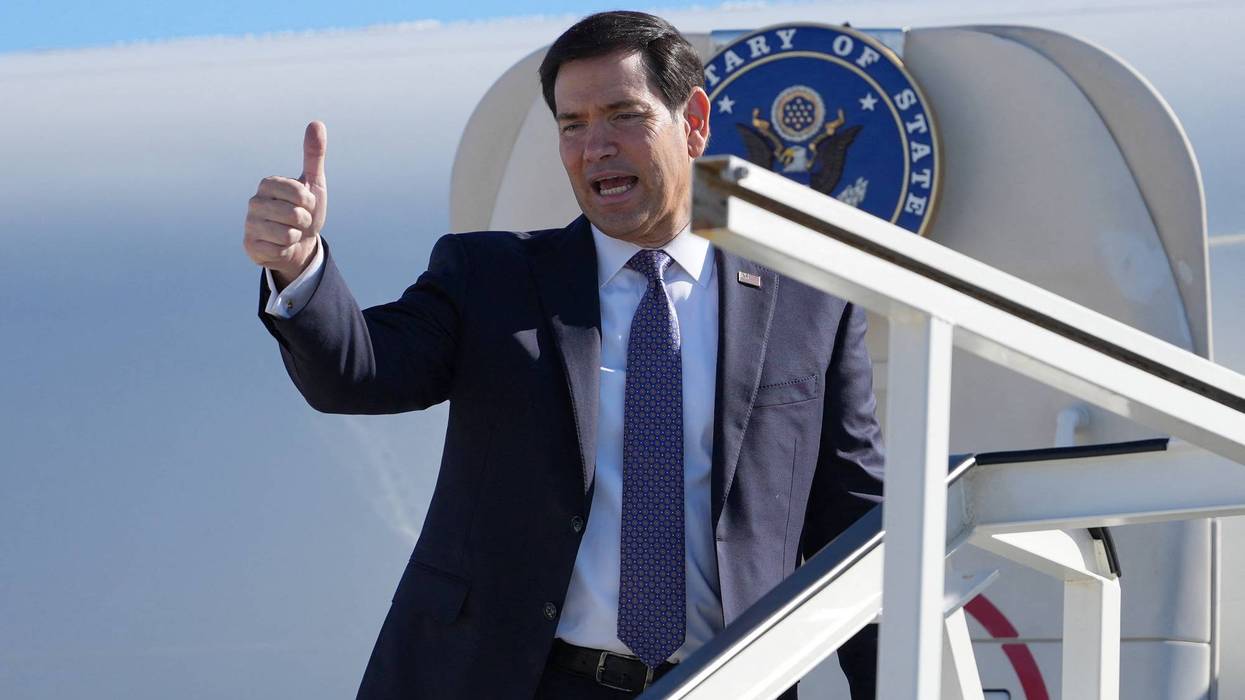
On the eve of US Secretary of State Marco Rubio's trip to India, six progressives in the House of Representatives on Friday sounded the alarm over the Indian government's response to recent protests, including its alleged spying on American soil.
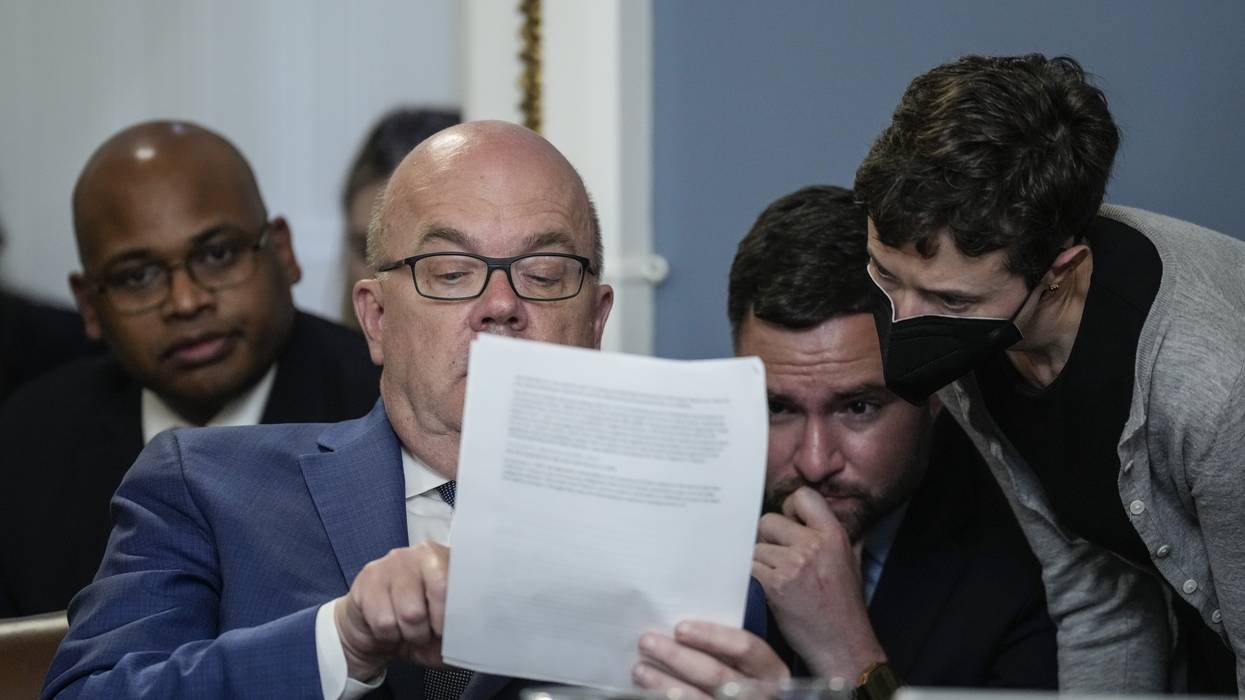
"We write with concern regarding a pattern of repression, wrongful detention, and excessive use of force by security forces during student protests in Delhi and other localities across India," Democratic Reps. Jesús "Chuy" García (Ill.), Pramila Jayapal (Wash.), Jim McGovern (Mass.), Eleanor Holmes Norton (DC), Ilhan Omar (Minn.), and Rashida Tlaib (Mich.) said in a letter to President Donald Trump's top diplomat.
"The United States-India relationship has historically been rooted in democratic values, constitutional governance, and strong people-to-people ties," they wrote. "As the world's largest democracies and state parties to the International Covenant on Civil and Political Rights, the US and India have an obligation to promote and defend the rights to freedom of assembly and expression. It is in this spirit of shared values and obligations that we raise the following concerns."
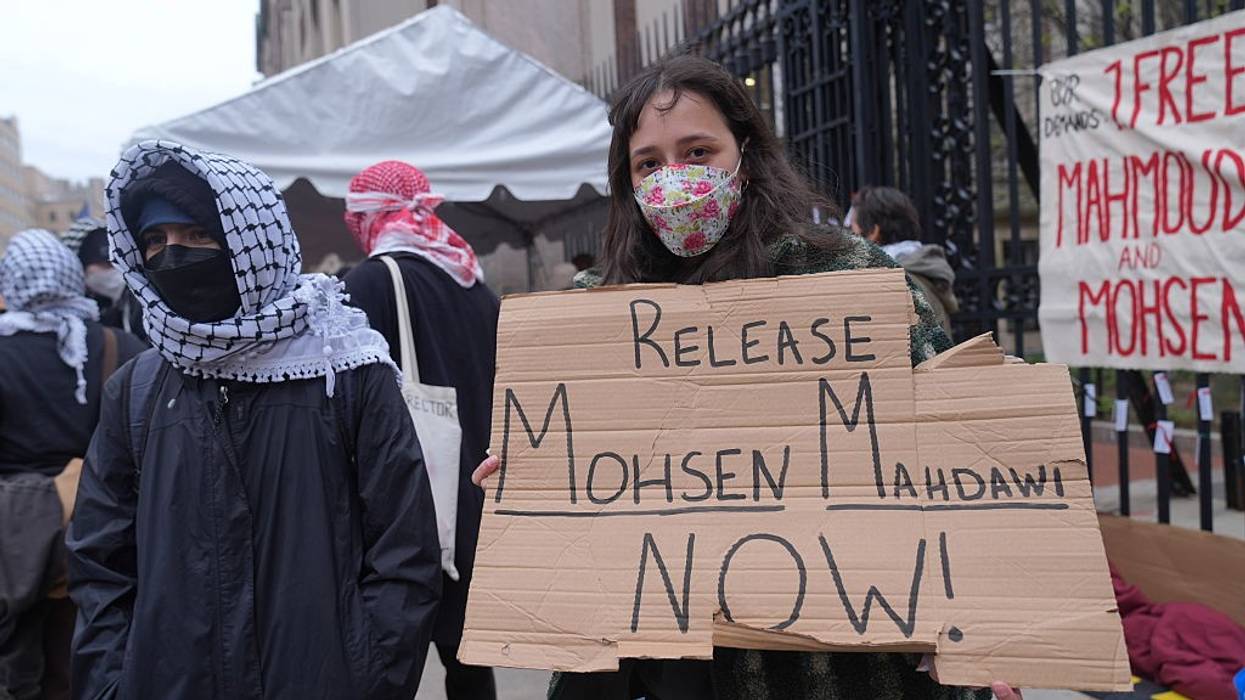
As the letter lays out, protests began in June after the leak and subsequent cancellation of India's medical college entrance examination. While the demonstrators initially demanded reforms to the education system, including the resignation of Education Minister Dharmendra Pradhan, the Cockroach Janta Party's (CJP) movement ultimately "grew to give voice to a broader set of grievances, including high levels of youth unemployment, government corruption, and barriers to democratic participation."
In recent weeks, "tens of thousands of demonstrators have taken to the streets of major cities across India to protest... the Election Commission's Special Intensive Revision (SIR), which has purged more than 130 million people from voter rolls since 2025," the letter details, noting that protesters have called for the resignation of Chief Election Commissioner Gyanesh Kumar.
At least "hundreds of people have been detained by police across India since October 10, including CJP movement leaders, protesters, and journalists," the lawmakers highlighted. The government of Prime Minister Narendra Modi and his right-wing Bharatiya Janata Party has also closed some public spaces, used unwarranted force against unarmed demonstrators, and ordered telecommunications companies to shut down mobile internet services in a bid to thwart protests.
However, the Democrats aren't just alarmed by actions across India; they also pointed to "reports that Indian diplomatic missions in the United States hired photographers to surveil protesters on American soil," with members of US human rights groups and the Indian diaspora disclosing that they were recorded at protests in Chicago, San Francisco, and Washington, DC.
"These incidents raise particular alarm in light of India's documented pattern of engaging in transnational repression, including through the weaponization of consular services, harassment, intimidation, and physical violence," the members of Congress wrote. "It is unacceptable that individuals on United States soil may not exercise their rights to freedom of expression and assembly, guaranteed to them by the US Constitution and international law for fear of retribution by a foreign government."
The lawmakers asked Rubio's department to:
- Press the Indian government to initiate thorough, transparent, and independent investigations of alleged human rights violations connected to the law enforcement response to protests;
- Encourage the release of any individuals detained in contravention to Indian and international law for peacefully exercising the rights to freedom of expression and assembly;
- Thoroughly investigate reports that Indian diplomatic missions engaged in the surveillance and intimidation of protesters within the United States; and
- Pursuant to Section 6 of the Arms Export Control Act, assess whether India has engaged in a consistent pattern of acts of intimidation or harassment directed against individuals in the United States and is thus ineligible for arms sales.
Rubio is expected to meet with Indian Foreign Minister S. Jaishankar in Mumbai on October 20. However, Rubio—a former US senator expected to run for president in 2028—and the second Trump administration more broadly have also been widely criticized for authoritarian behavior and their records on human rights.
After Rubio attacked Amnesty International, the globally renowned group argued earlier this week that "as secretary of state, he has launched a wholesale attack on the concept of human rights." Specifically, he has:
- Eviscerated the US government's human rights infrastructure;
- Vowed to wreck international human rights institutions;
- Championed the US administration's extrajudicial killings in the Caribbean and Eastern Pacific; and
- Continued to arm Israel as it commits genocide in Gaza.
Further, "as the head of the National Security Council, he has not ensured the release of investigations into mass killings of civilians in US airstrikes in Yemen and Iran," Amnesty noted. "He's leading US attempts to destroy the international justice system. That includes a campaign to, in his words, 'dismantle' the International Criminal Court."
More broadly, the second Trump administration has repeatedly generated fears of interference in next month's midterm elections, weaponized the federal government against the president's political "enemies," spent taxpayer dollars on far-right propaganda, punished journalists and outlets deemed unfriendly to the GOP agenda, pursued a deadly mass detention and deportation effort, slaughtered hundreds of people by bombing alleged drug-trafficking boats on the high seas, and much more.