
SUBSCRIBE TO OUR FREE NEWSLETTER
Daily news & progressive opinion—funded by the people, not the corporations—delivered straight to your inbox.
5
#000000
#FFFFFF
To donate by check, phone, or other method, see our More Ways to Give page.


Daily news & progressive opinion—funded by the people, not the corporations—delivered straight to your inbox.
"Reckless tariff policy is wreaking warrantless chaos on our economy, with grocery giants shifting market uncertainty onto consumers," said Accountable.US president Caroline Ciccone.
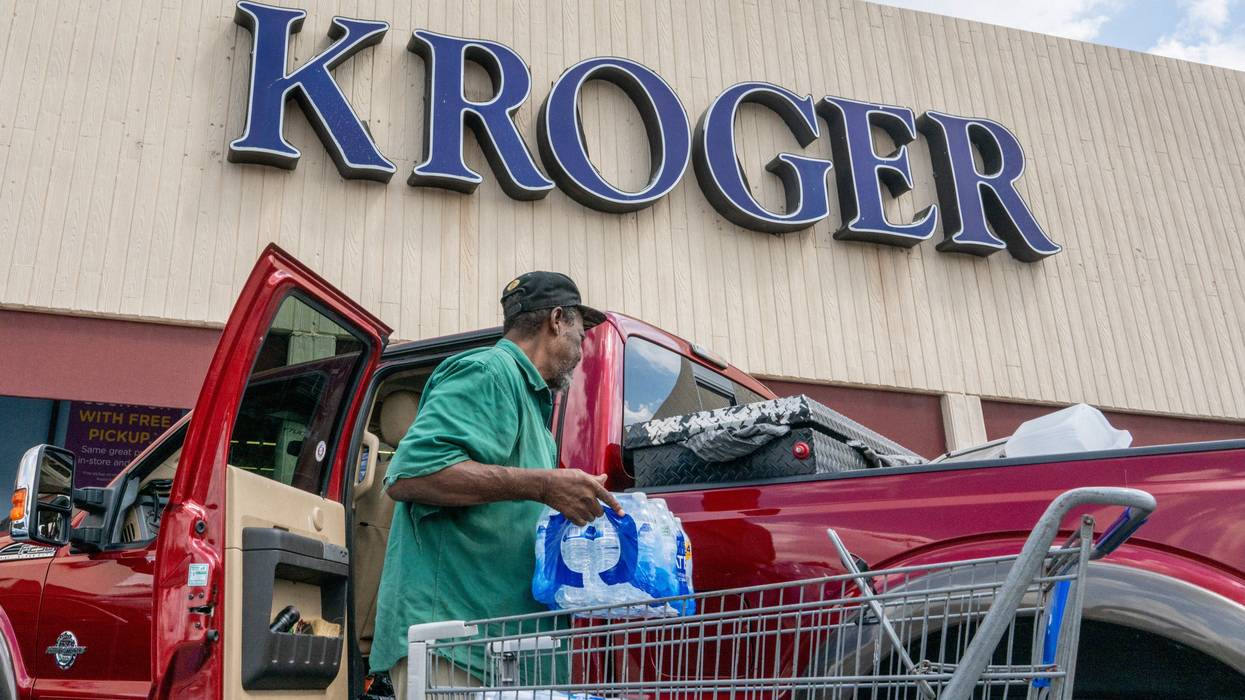
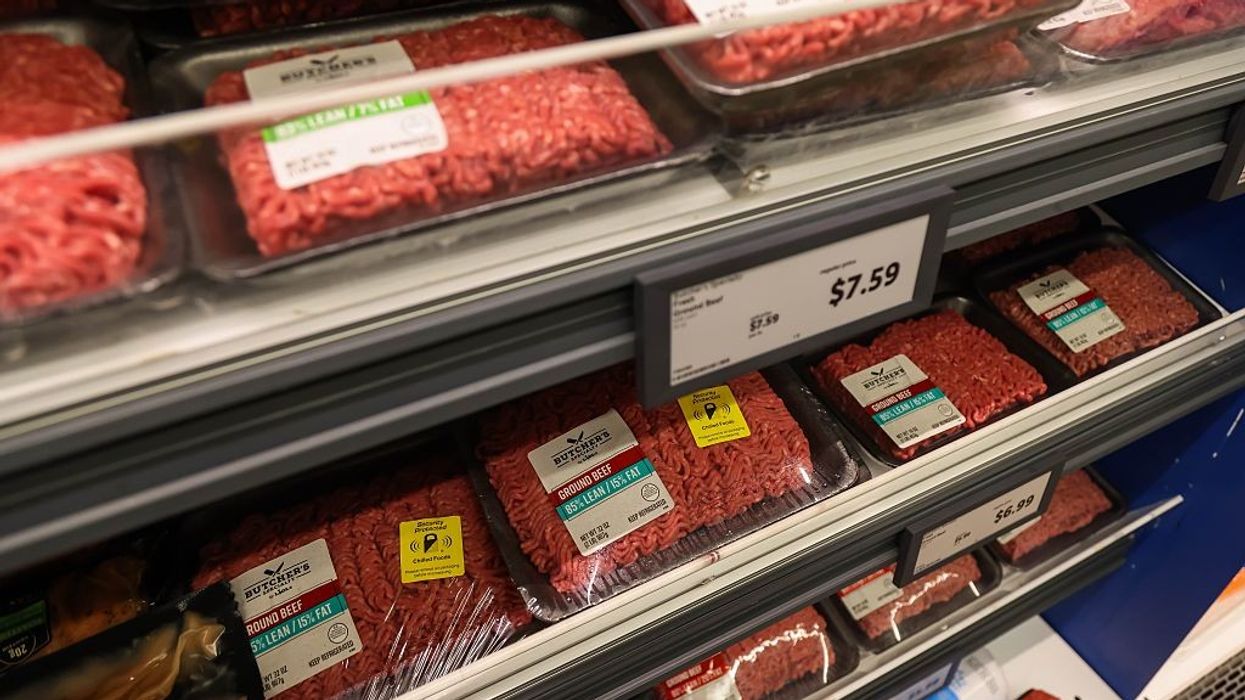
As leading grocery chains increase prices on essentials, they are blaming US President Donald Trump's tariffs for raising the cost of living for households across the country.
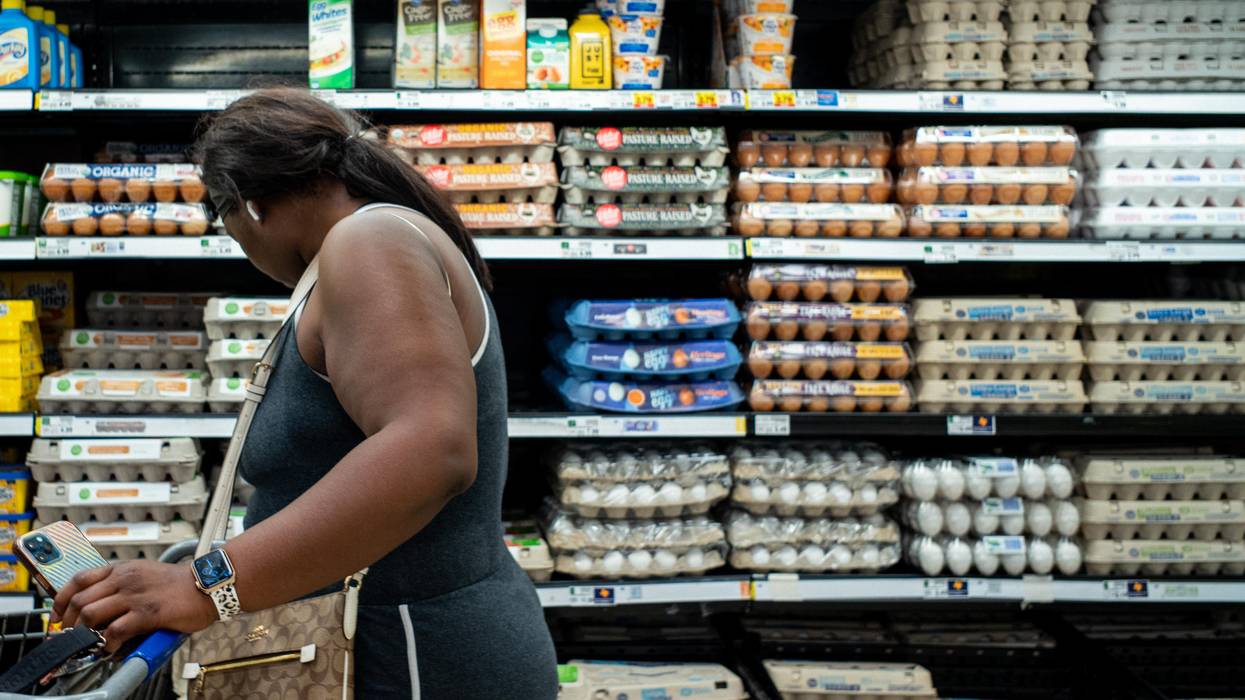
According to the Consumer Price Index, the price of food has increased by 3% in the past year, with meats, poultry, fish, and eggs getting 5.6% more expensive from June 2024 to June 2025.
In a poll published this month by the Associated Press and the National Opinion Research Center, 90% of Americans reported that they considered the cost of groceries a source of stress, with 53% describing it as a "major" source of stress.
In earnings calls and public statements, executives of many of America's largest and most profitable grocery retailers are citing Trump's tariffs as justification for passing on the costs to consumers, according to a new report released on Tuesday by Accountable.US.
In a first-quarter earnings call in May, Walmart CEO Doug McMillon said that while the company was better positioned than others to absorb the cost of tariffs, they would still "result in higher prices" for consumers. Since then, some grocery items at America's largest retailer have shown 40% hikes that have outraged consumers, fueling calls for a boycott.
On another call Thursday, McMillon said, "We've continued to see our costs increase each week, which we expect will continue into the third and fourth quarters."
"Trump's tariffs are making groceries more expensive," said Accountable.US. "Everyday Americans pay the cost while corporations and the wealthy profit."
Costco's chief financial officer, Gary Millerchip, told shareholders in May that the company "saw inflation as a result of tariffs because we import certain fresh items from Central and South America."
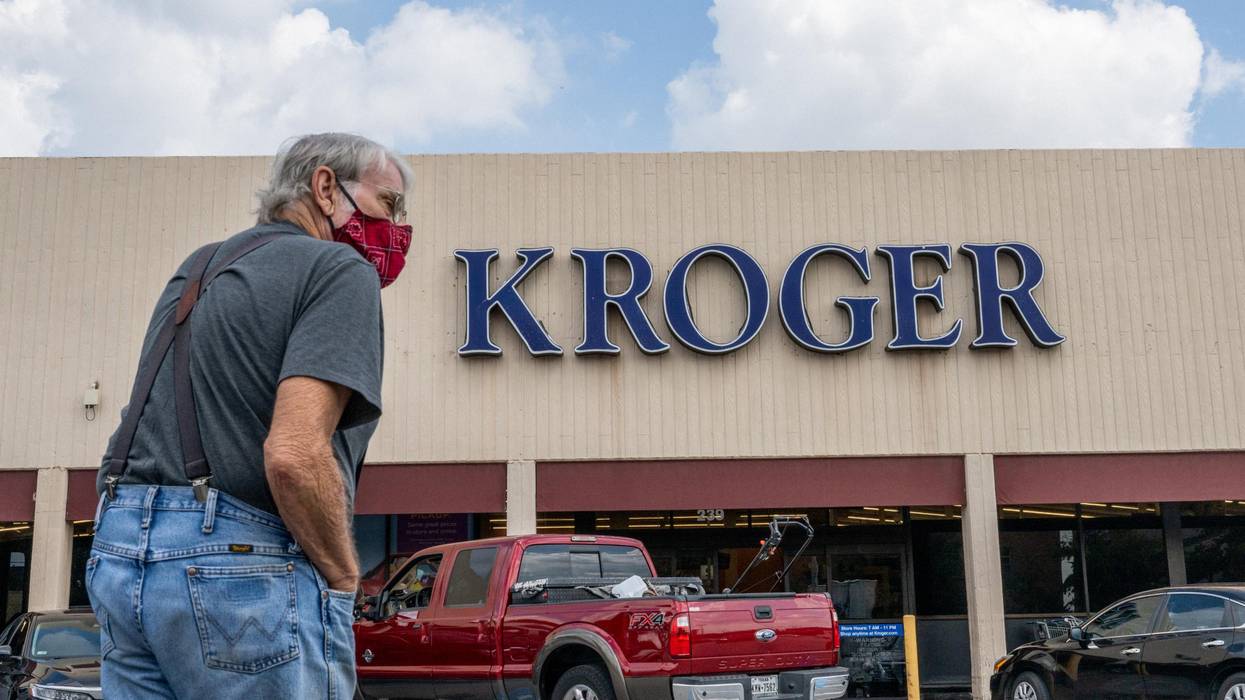
Kroger's CFO, Todd Foley, projected similar hikes to fresh food prices beginning in March. Though Foley said the impact would not likely be as significant as those experienced by their international competitors, he said the tariffs would likely cause "mid-single digit effects" on the costs of produce imported from Mexico and Canada.
Albertsons CEO Susan Miller has acknowledged that the company is raising prices on some goods to compensate for tariffs. But it has also turned the screws on its suppliers, demanding that they eat the cost of the new levies.
In the American Prospect, David Dayen described the latter as an example of how the tariffs were helping monopolies consolidate their power.
"Albertsons holds a significant market share in the grocery market, particularly in the western United States," he wrote. "Independent grocers, however, typically don't have the same ability to dictate terms to suppliers, and therefore will have to take whatever they can get."
Many of the companies currently raising prices have previously been caught or even admitted to price-gouging consumers to take advantage of inflation in the wake of the Covid-19 pandemic. The tariffs, a regressive tax that Trump has suggested as a way to offset the massive tax cuts given to the wealthy, have further exacerbated that pain.
"While Trump grants massive tax cuts to massive corporations and the ultra-rich," said Accountable.US President Caroline Ciccone, "his reckless tariff policy is wreaking warrantless chaos on our economy, with grocery giants shifting market uncertainty onto consumers."
You know you’re making an impact when you’re challenging the status quo and ruffling feathers on both sides of the aisle. Regardless of Trump's arrival, she should stay at the FTC as long as she possibly can.
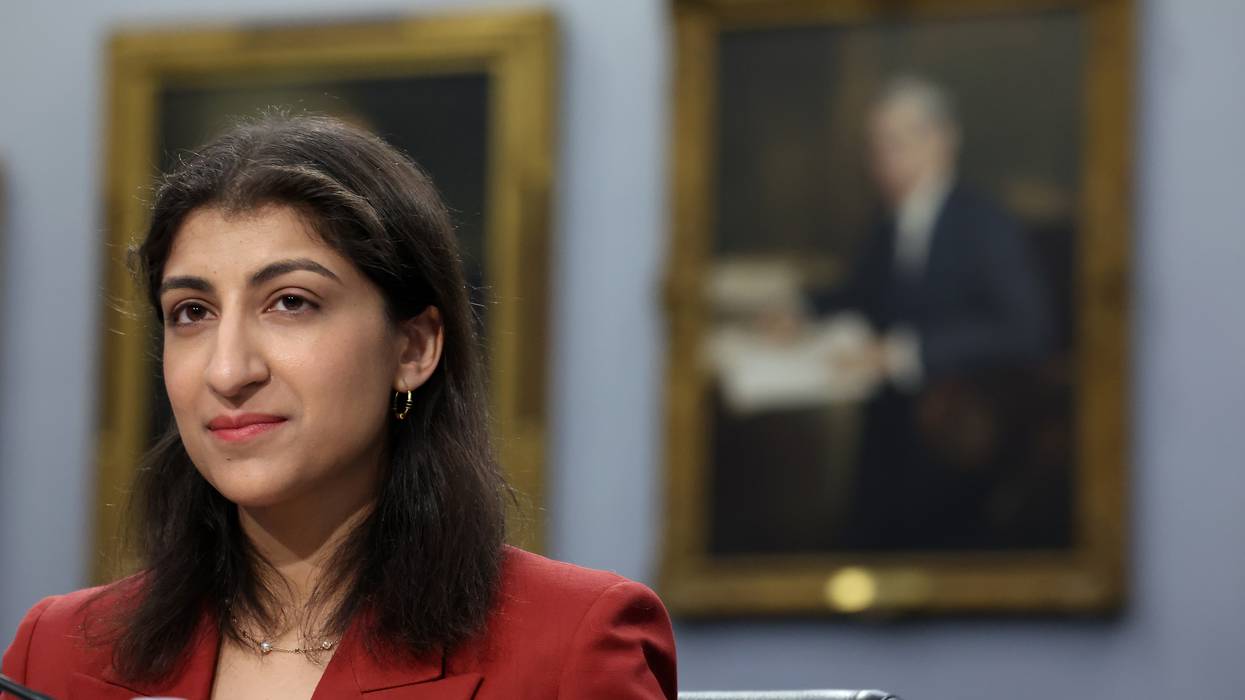
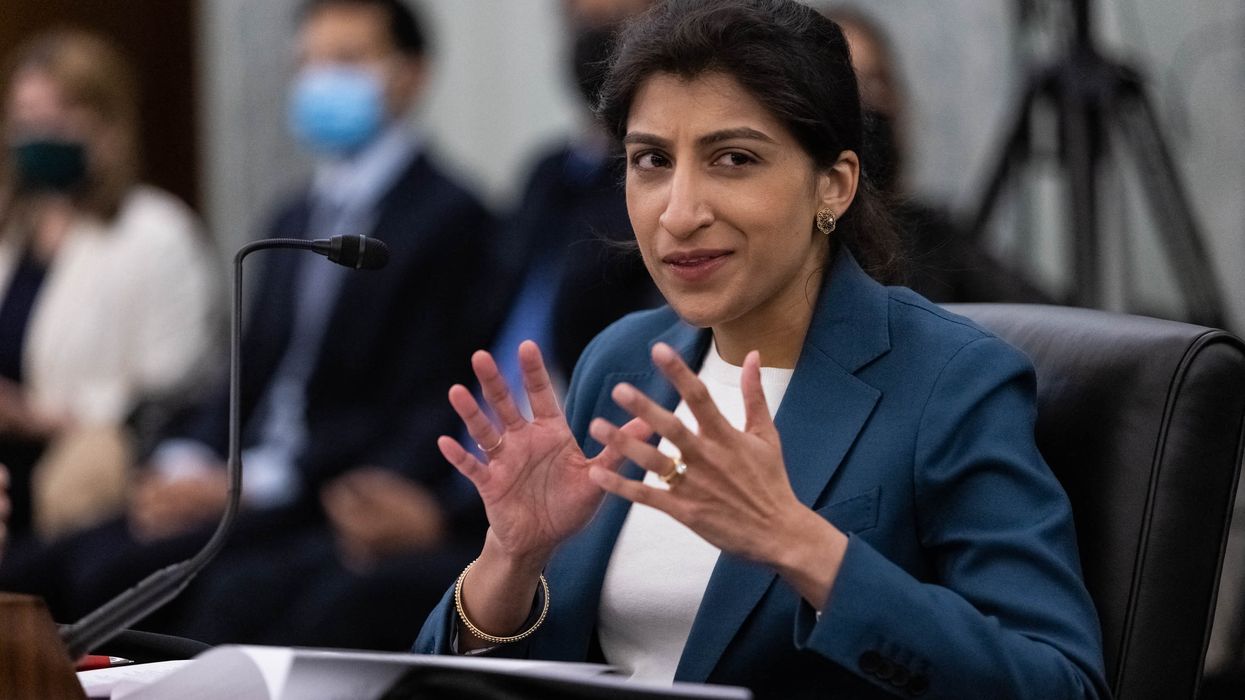
This month, the FTC opened an investigation into tech giant Microsoft, which some have called Federal Trade Commission Chair Lina Khan’s “last swing” at Big Tech before her term concludes. But if you think Khan is slowing down, think again. Pencils-down orders be damned, Khan is sprinting through the tape, continuing her fearless crusade to rein in Silicon Valley’s excesses.
But who says her term is over? There are no laws requiring an agency Chair to resign from her post—it’s tradition. While her term expired this fall, she can remain on the Commission until her replacement is confirmed. After President-elect Trump’s norm-shattering run for president, followed by an array of questionable cabinet appointments, why are Democrats so obsessed with tradition? During this transition, it feels like we’re playing checkers when we should be playing chess. Here’s where we start.
We need a warrior like her to continue this fight, and we hope she does.
Given the uncertainty about what’s ahead, we strongly encourage FTC Chair Lina Khan to remain on the Commission. By staying, she could prevent Republicans from gaining a majority for months and help ensure she remains a bulwark against any rollbacks to the FTC’s tough-on Big Tech approach. And if you listen to the rhetoric from Republicans and the president-elect himself, they would be lucky to have her.
Most consider it wildly out of the realm of possibility. They’ll say that the president-elect has already named FTC Commissioner Andrew Ferguson as Chair and nominated Mark Meador to fill Khan’s seat. Both have expressed concerns about market power, but will they be as aggressive?
They’ll point to Trump confidant and billionaire Elon Musk’s tweet that Khan “will be fired soon.” But that’s the beauty of an independent agency. Khan can’t be fired or forced to resign without cause. Does that matter to the incoming president-elect? Probably not, but the courts could be an important backstop. In the meantime, she can continue to serve until Mr. Meador is confirmed.
My question to the American public is this: why change the driver in the middle of the proverbial antitrust highway? During Khan’s tenure, the FTC has faced down tech giants like Amazon, Facebook, and Microsoft, banned almost all noncompetes, sued to prevent grocery heavyweight Kroger from acquiring Albertsons, and stopped Nvidia from attempting a bloated merger. Under her leadership, the FTC has investigated and sued more than three dozen merger proposals and racked up a long list of accomplishments.
This isn’t to suggest that Khan’s achievements are only popular on one side of the aisle.
Vice President-elect JD Vance has not been shy about his approval of Khan’s leadership, previously saying, “I look at Lina Khan as one of the few people in the Biden administration that I think is doing a pretty good job.” While pro-business conservatives have accused her of “overstepping,” those Republicans are out of touch with the voters who put the president-elect back in power. Even some liberals have called her a “dope.” But as the saying goes, you know you’re making an impact when you’re challenging the status quo and ruffling feathers on both sides of the aisle.
There’s a real threat that the new administration’s anti-Big Tech rhetoric from the campaign trail will fizzle out, and CEOs will work quickly to rebuild bridges with the president-elect. It’s rare for a new administration to alter the course of ongoing antitrust cases significantly. However, what could change significantly are the remedies the government seeks for companies found guilty. If you agree that the only remedy for companies like Apple and Google is to be broken up, we need Lina Khan to stay.
She deserves to finish the job she started. Her work has benefited consumers, competition, and the country at large. We need a warrior like her to continue this fight, and we hope she does.
Chair Khan, your move.
"We applaud the FTC for securing one of the most significant victories in modern antitrust enforcement," said one advocate.
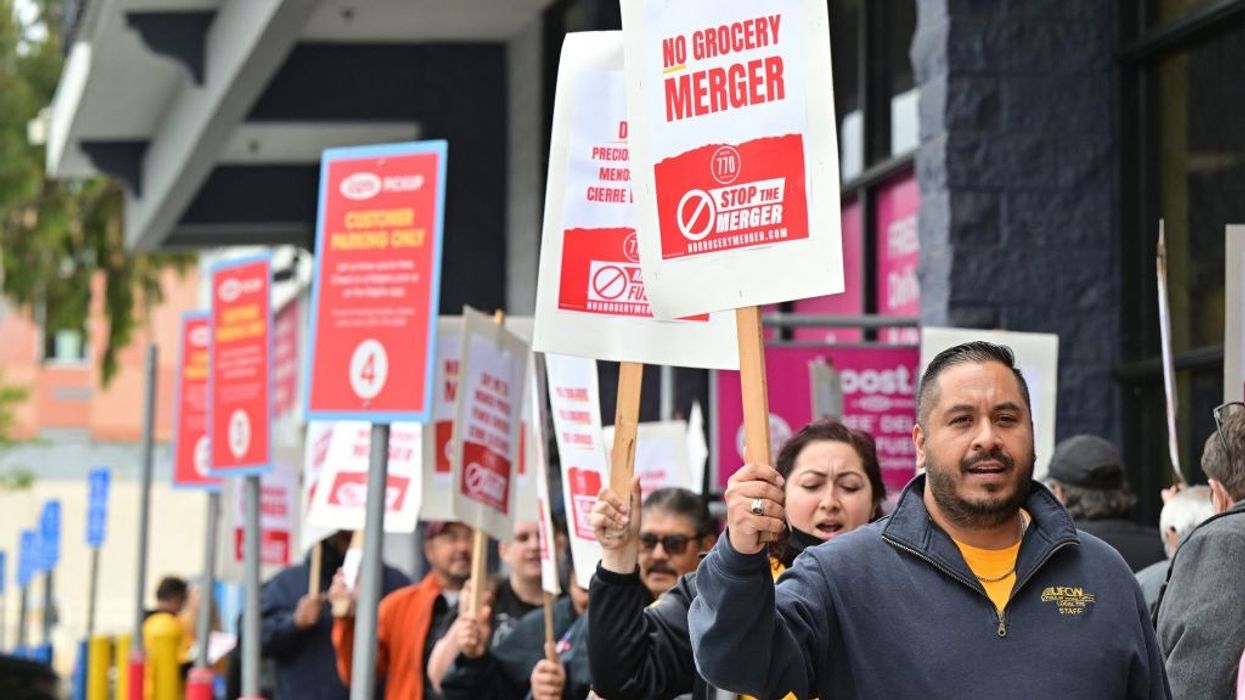
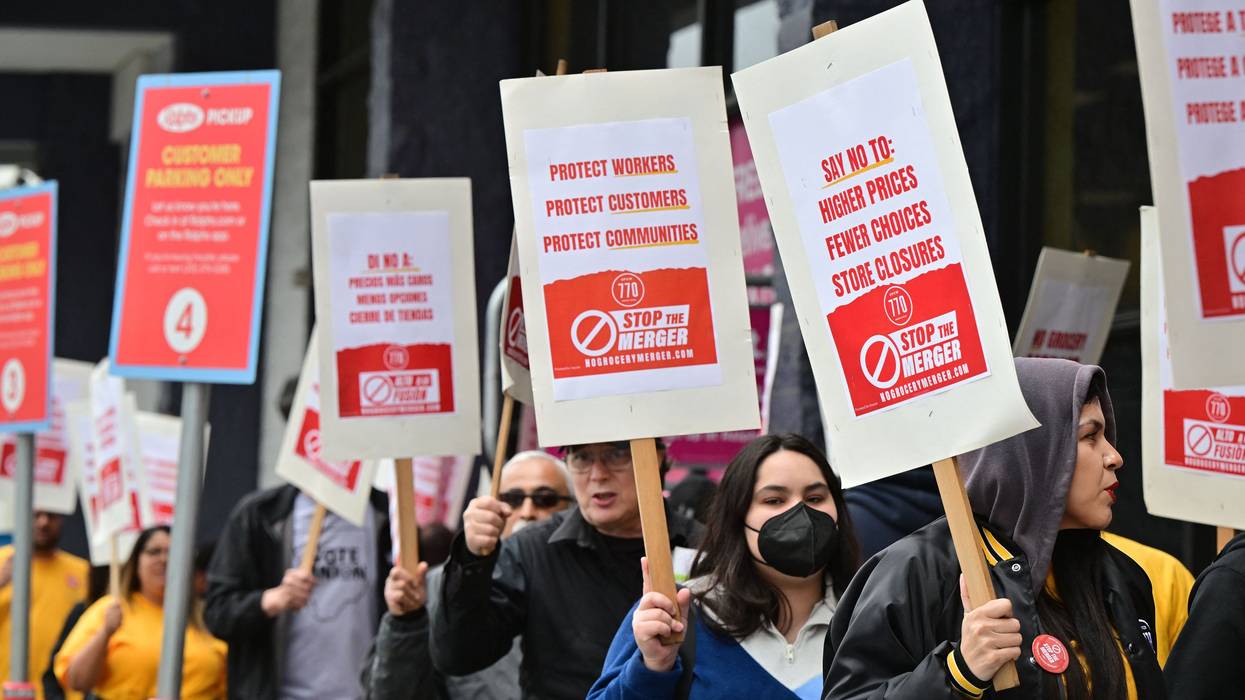
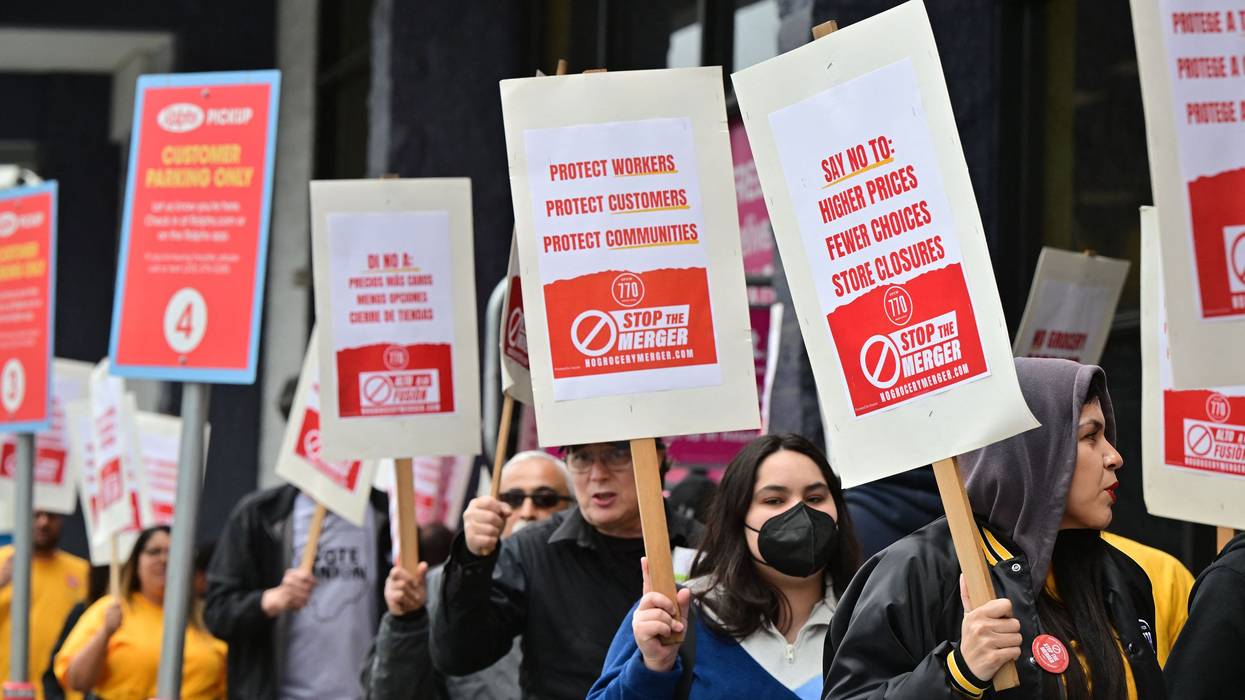
Antitrust advocates on Tuesday welcomed a pair of court rulings against the proposed merger of grocery giants Kroger and Albertsons, which was challenged by Federal Trade Commission Chair Lina Khan and multiple state attorneys general.
"The FTC, along with our state partners, scored a major victory for the American people, successfully blocking Kroger's acquisition of Albertsons," said Henry Liu, director of the commission's Bureau of Competition, in a statement. "This historic win protects millions of Americans across the country from higher prices for essential groceries—from milk, to bread, to eggs—ultimately allowing consumers to keep more money in their pockets."
"This victory has a direct, tangible impact on the lives of millions of Americans who shop at Kroger or Albertsons-owned grocery stores for their everyday needs, whether that's a Fry's in Arizona, a Vons in Southern California, or a Jewel-Osco in Illinois," he added. "This is also a victory for thousands of hardworking union employees, protecting their hard-earned paychecks by ensuring Kroger and Albertsons continue to compete for workers through higher wages, better benefits, and improved working conditions."
While Liu was celebrating the preliminary injunction from Oregon-based U.S. District Court Judge Adrienne Nelson, later Tuesday, King County Superior Court Judge Marshall Ferguson released a ruling that blocked the merger in Washington state.
"We're standing up to mega-monopolies to keep prices down," said Washington Attorney General Bob Ferguson. "We went to court to block this illegal merger to protect Washingtonians' struggling with high grocery prices and the workers whose jobs were at stake. This is an important victory for affordability, worker protections, and the rule of law."
Advocacy groups applauding the decisions also pointed to the high cost of groceries and the anticipated impact of Kroger buying Albertsons—a $24.6 billion deal first announced in October 2022.
"American families are the big winner today, thanks to the Federal Trade Commission. The only people who stood to gain from the potential merger between Albertsons and Kroger were their wealthy executives and investors," asserted Liz Zelnick of Accountable.US. "The rest of us are letting out a huge sigh of relief knowing today's victory is good news for competitive prices and consumer access."
Describing the federal decision as "a victory for commonsense antitrust enforcement that puts people ahead of corporations," Food & Water Watch senior food policy analyst Rebecca Wolf also pointed out that "persistently high food prices are hitting Americans hard, and a Kroger-Albertsons mega-merger would have only made it worse."
"Already, a handful of huge corporations' stranglehold on our food system means that consumers are paying too much for too little choice in supermarkets, workers are earning too little, and farmers and ranchers cannot get fair prices for their crops and livestock," she noted. "Today's decision and strengthened FTC merger guidelines help change the calculus."
Like Wolf, Farm Action president and co-founder Angela Huffman similarly highlighted that "while industry consolidation increases prices for consumers and harms workers, grocery mergers also have a devastating impact on farmers and ranchers."
"When grocery stores consolidate, farmers have even fewer options for where to sell their products, and the chances of them receiving a fair price for their goods are diminished further," Huffman explained. "Today's ruling is a win for farmers, workers, and consumers alike."
Some advocates specifically praised Khan—a progressive FTC chair whom President-elect Donald Trumpplans to replace with Andrew Ferguson, a current commissioner who previously worked as chief counsel to Senate Minority Leader Mitch McConnell (R-Ky.) and as Republican counsel on the Senate Judiciary Committee.
"Today's decision is a major win for shoppers and grocery workers. Families have been paying the price of unchecked corporate power in the food and grocery sector, and further consolidation would only worsen this crisis," declared Groundwork Collaborative executive director Lindsay Owens in a statement.
"FTC Chair Lina Khan's approach is the blueprint to deliver lower prices, higher wages, and an economy that works for everyone," Owens argued. "The rebirth of antitrust enforcement has protected consumers against the worst of corporate power in our economy and it would be wise to continue this approach."
Laurel Kilgour, research manager at the American Economic Liberties Project, called the federal ruling "a resounding victory for workers, consumers, independent retailers, and local communities nationwide—and a powerful validation of Chair Khan and the FTC's rigorous enforcement of the law."
"The FTC presented a strong case that Kroger and Albertsons fiercely compete head-to-head on price, quality, and service. The ruling is a capstone on the FTC's work over the past four years and includes favorable citations to the FTC's recent victories against the Tapestry-Capri, IQVIA-Propel, and Illumina-Grail mergers," Kilgour continued.
"The court also cites long-standing Supreme Court law which recognizes that Congress was also concerned with the impacts of mergers on smaller competitors," she added. "We applaud the FTC for securing one of the most significant victories in modern antitrust enforcement and for successfully protecting the public interest from harmful consolidation."
Despite the celebrations, the legal battle isn't necessarily over.
The Associated Press reported that "the case may now move to the FTC, although Kroger and Albertsons have asked a different federal judge to block the in-house proceedings," and Colorado is also trying to halt the merger in state court.