SUBSCRIBE TO OUR FREE NEWSLETTER
Daily news & progressive opinion—funded by the people, not the corporations—delivered straight to your inbox.
5
#000000
#FFFFFF
To donate by check, phone, or other method, see our More Ways to Give page.
Daily news & progressive opinion—funded by the people, not the corporations—delivered straight to your inbox.
"The illegality is compounding," said one expert. "Every strike takes us farther from the rule of law."
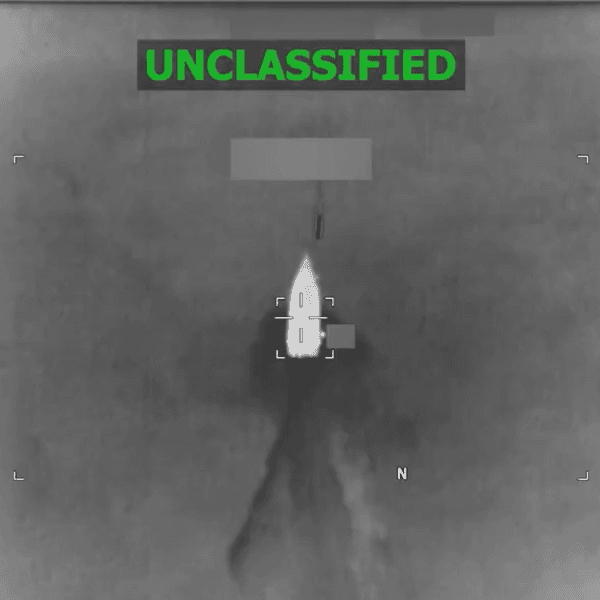
The ramp-up of deadly boat bombings in the Caribbean since General Francis L. Donovan took over as head of US Southern Command continued on Monday, with three more people killed in a strike on a vessel that the Department of Defense claimed was operated by "Designated Terrorist Organizations."
Donovan took over as commander of US Southern Command on February 5 following the abrupt retirement of Admiral Alvin Hosley, who had reportedly raised concerns about the Pentagon's campaign of striking boats in the Caribbean Sea and eastern Pacific Ocean—a policy that Trump administration officials have insisted is aimed at stopping drug trafficking from Venezuela.
Venezuela plays virtually no role in the trafficking of fentanyl, the drug involved in most overdoses in the US, and the administration has provided no evidence that the dozens of strikes it's carried out since September have actually been aimed at drug trafficking boats.
Even if the targets were involved in transporting illicit substances to the US, legal experts say the strikes have violated international law.
Following the attack on Monday, the death toll in the Trump administration's maritime operations in the region since September has reached at least 150, and Adam Isacson of the Washington Office on Latin America emphasized that this month, there has been a clear acceleration of boat bombings.
Twenty-five people have been killed in the administration's boat attacks in just 19 days.
"None posed imminent threats," said Isacson. "None faced more than an accusation of guilt for a non-capital crime—'take our word for it.' The illegality is compounding. Every strike takes us farther from the rule of law."
"Do not get numb to this," he added.
Kenneth Roth, former executive director of Human Rights Watch, said Southern Command's killing of three people Monday amounted to "more summary executions."
On Sunday, after another strike that killed three people, the Freedom of the Press Foundation noted that "despite the rising death toll, the government’s legal rationale for these likely illegal attacks remains secret."
"By keeping the legal justifications hidden, the government is sidestepping accountability for what appear to be extrajudicial killings," said Lauren Harper, the group's Daniel Ellsberg chair on government secrecy.
President Donald Trump told Congress in October that the US is in an "armed conflict" with drug cartels. At the time, Gregory Corn, a former senior adviser for law-of-war issues for the US Army, said the president was crossing a "major legal line."
The boat bombing campaign led up to the US government's invasion of Venezuela in January and its abduction of President Nicolás Maduro and his wife, who were brought to the US and charged with drug trafficking. They pleaded not guilty in court last month. Since that military operation, the Trump administration has sought to take control of Venezuela's oil.
Both Democratic and Republican members of Congress have spoken out against the boat bombings and have introduced war powers resolutions to stop the US from continuing the campaign and from attacking Venezuela, but so far, the vast majority of GOP lawmakers have voted down the efforts.
Dear Common Dreams reader, It’s been nearly 30 years since I co-founded Common Dreams with my late wife, Lina Newhouser. We had the radical notion that journalism should serve the public good, not corporate profits. It was clear to us from the outset what it would take to build such a project. No paid advertisements. No corporate sponsors. No millionaire publisher telling us what to think or do. Many people said we wouldn't last a year, but we proved those doubters wrong. Together with a tremendous team of journalists and dedicated staff, we built an independent media outlet free from the constraints of profits and corporate control. Our mission has always been simple: To inform. To inspire. To ignite change for the common good. Building Common Dreams was not easy. Our survival was never guaranteed. When you take on the most powerful forces—Wall Street greed, fossil fuel industry destruction, Big Tech lobbyists, and uber-rich oligarchs who have spent billions upon billions rigging the economy and democracy in their favor—the only bulwark you have is supporters who believe in your work. But here’s the urgent message from me today. It's never been this bad out there. And it's never been this hard to keep us going. At the very moment Common Dreams is most needed, the threats we face are intensifying. We need your support now more than ever. We don't accept corporate advertising and never will. We don't have a paywall because we don't think people should be blocked from critical news based on their ability to pay. Everything we do is funded by the donations of readers like you. When everyone does the little they can afford, we are strong. But if that support retreats or dries up, so do we. Will you donate now to make sure Common Dreams not only survives but thrives? —Craig Brown, Co-founder |
The ramp-up of deadly boat bombings in the Caribbean since General Francis L. Donovan took over as head of US Southern Command continued on Monday, with three more people killed in a strike on a vessel that the Department of Defense claimed was operated by "Designated Terrorist Organizations."
Donovan took over as commander of US Southern Command on February 5 following the abrupt retirement of Admiral Alvin Hosley, who had reportedly raised concerns about the Pentagon's campaign of striking boats in the Caribbean Sea and eastern Pacific Ocean—a policy that Trump administration officials have insisted is aimed at stopping drug trafficking from Venezuela.
Venezuela plays virtually no role in the trafficking of fentanyl, the drug involved in most overdoses in the US, and the administration has provided no evidence that the dozens of strikes it's carried out since September have actually been aimed at drug trafficking boats.
Even if the targets were involved in transporting illicit substances to the US, legal experts say the strikes have violated international law.
Following the attack on Monday, the death toll in the Trump administration's maritime operations in the region since September has reached at least 150, and Adam Isacson of the Washington Office on Latin America emphasized that this month, there has been a clear acceleration of boat bombings.
Twenty-five people have been killed in the administration's boat attacks in just 19 days.
"None posed imminent threats," said Isacson. "None faced more than an accusation of guilt for a non-capital crime—'take our word for it.' The illegality is compounding. Every strike takes us farther from the rule of law."
"Do not get numb to this," he added.
Kenneth Roth, former executive director of Human Rights Watch, said Southern Command's killing of three people Monday amounted to "more summary executions."
On Sunday, after another strike that killed three people, the Freedom of the Press Foundation noted that "despite the rising death toll, the government’s legal rationale for these likely illegal attacks remains secret."
"By keeping the legal justifications hidden, the government is sidestepping accountability for what appear to be extrajudicial killings," said Lauren Harper, the group's Daniel Ellsberg chair on government secrecy.
President Donald Trump told Congress in October that the US is in an "armed conflict" with drug cartels. At the time, Gregory Corn, a former senior adviser for law-of-war issues for the US Army, said the president was crossing a "major legal line."
The boat bombing campaign led up to the US government's invasion of Venezuela in January and its abduction of President Nicolás Maduro and his wife, who were brought to the US and charged with drug trafficking. They pleaded not guilty in court last month. Since that military operation, the Trump administration has sought to take control of Venezuela's oil.
Both Democratic and Republican members of Congress have spoken out against the boat bombings and have introduced war powers resolutions to stop the US from continuing the campaign and from attacking Venezuela, but so far, the vast majority of GOP lawmakers have voted down the efforts.
The ramp-up of deadly boat bombings in the Caribbean since General Francis L. Donovan took over as head of US Southern Command continued on Monday, with three more people killed in a strike on a vessel that the Department of Defense claimed was operated by "Designated Terrorist Organizations."
Donovan took over as commander of US Southern Command on February 5 following the abrupt retirement of Admiral Alvin Hosley, who had reportedly raised concerns about the Pentagon's campaign of striking boats in the Caribbean Sea and eastern Pacific Ocean—a policy that Trump administration officials have insisted is aimed at stopping drug trafficking from Venezuela.
Venezuela plays virtually no role in the trafficking of fentanyl, the drug involved in most overdoses in the US, and the administration has provided no evidence that the dozens of strikes it's carried out since September have actually been aimed at drug trafficking boats.
Even if the targets were involved in transporting illicit substances to the US, legal experts say the strikes have violated international law.
Following the attack on Monday, the death toll in the Trump administration's maritime operations in the region since September has reached at least 150, and Adam Isacson of the Washington Office on Latin America emphasized that this month, there has been a clear acceleration of boat bombings.
Twenty-five people have been killed in the administration's boat attacks in just 19 days.
"None posed imminent threats," said Isacson. "None faced more than an accusation of guilt for a non-capital crime—'take our word for it.' The illegality is compounding. Every strike takes us farther from the rule of law."
"Do not get numb to this," he added.
Kenneth Roth, former executive director of Human Rights Watch, said Southern Command's killing of three people Monday amounted to "more summary executions."
On Sunday, after another strike that killed three people, the Freedom of the Press Foundation noted that "despite the rising death toll, the government’s legal rationale for these likely illegal attacks remains secret."
"By keeping the legal justifications hidden, the government is sidestepping accountability for what appear to be extrajudicial killings," said Lauren Harper, the group's Daniel Ellsberg chair on government secrecy.
President Donald Trump told Congress in October that the US is in an "armed conflict" with drug cartels. At the time, Gregory Corn, a former senior adviser for law-of-war issues for the US Army, said the president was crossing a "major legal line."
The boat bombing campaign led up to the US government's invasion of Venezuela in January and its abduction of President Nicolás Maduro and his wife, who were brought to the US and charged with drug trafficking. They pleaded not guilty in court last month. Since that military operation, the Trump administration has sought to take control of Venezuela's oil.
Both Democratic and Republican members of Congress have spoken out against the boat bombings and have introduced war powers resolutions to stop the US from continuing the campaign and from attacking Venezuela, but so far, the vast majority of GOP lawmakers have voted down the efforts.