SUBSCRIBE TO OUR FREE NEWSLETTER
Daily news & progressive opinion—funded by the people, not the corporations—delivered straight to your inbox.
5
#000000
#FFFFFF
To donate by check, phone, or other method, see our More Ways to Give page.
Daily news & progressive opinion—funded by the people, not the corporations—delivered straight to your inbox.
The Israeli military is to assign a "humanitarian affairs officer" to each of its combat units to advise soldiers on the need to protect civilians and their property during conflicts.
The move is part of a range of measures outlined in an official report by the IDF submitted this week to the United Nations following Israel's three-week assault on Gaza in 2008-9. The report says the military aims to reduce civilian casualties in future conflicts and restrict the use of white phosphorus, an incendiary weapon that causes extensive burns.
It also says that in the past six months military authorities have launched an additional 11 investigations into possible criminal acts committed by Israeli soldiers during the conflict, bringing the total number of investigations to 47.
According to the report, the new humanitarian affairs officers will have responsibility for advising their combat unit's commanding officer and educating soldiers on the protection of civilians, civilian property and infrastructure; the planning of humanitarian assistance; and the co-ordination of humanitarian movement.
"The IDF has ... implemented operational changes in its orders and combat doctrine designed to further minimise civilian casualties and damage to civilian property in the future," it said.
"In particular, the IDF has adopted important new procedures designed to enhance the protection of civilians in urban warfare, for instance by further emphasising that the protection of civilians is an integral part of an IDF commander's mission."
It said the use of white phosphorus remained legal, though the IDF is "in the process of establishing permanent restrictions on the use of munitions containing white phosphorus in urban areas".
Protection for civilians should include safe havens, evacuation routes, medical treatment, effective communication between the military and the population, and humanitarian access during curfews and closures.
On civilian property and infrastructure, the report says the military in future must undertake "advance research into and the precise identification and marking of existing infrastructure, including that pertaining to water, food and power supplies, sewage, health services, educational institutions, religious sites, economic sites, factories, stores, communications and media, and other sensitive sites as well as cultural institutions".
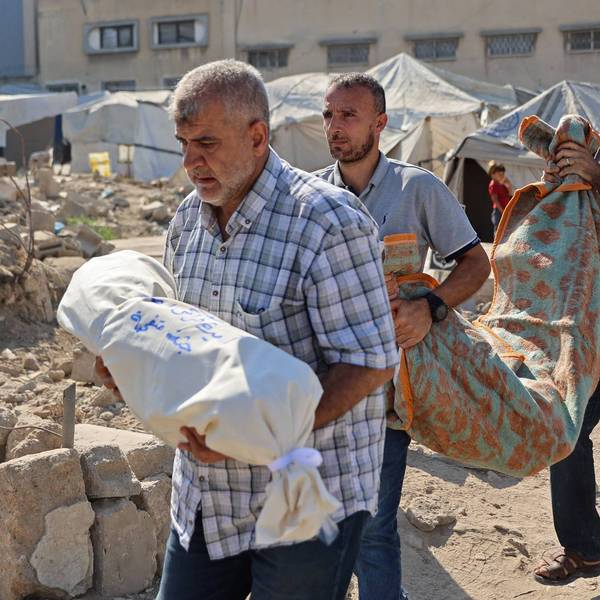
Around 1,400 Palestinians, many of them civilians, were killed in the war on Gaza. Thousands more were injured during the three-week military operation. Thirteen Israelis died. Thousands of homes were destroyed or damaged, and much of Gaza's civilian infrastructure was bombed.
The Israeli military repeatedly denied using white phosphorus at the time, though it later acknowledged its use, claiming that it was limited to unpopulated areas.
The Goldstone inquiry, which investigated the conflict on behalf of the UN, concluded that Israel was "systematically reckless in determining its use in built-up areas". Numerous cases of white phosphorus burns among civilians were documented by journalists and human rights organisations in the aftermath of the war.
The Goldstone report found that both Israel and Hamas had committed war crimes during the conflict.
Dear Common Dreams reader, It’s been nearly 30 years since I co-founded Common Dreams with my late wife, Lina Newhouser. We had the radical notion that journalism should serve the public good, not corporate profits. It was clear to us from the outset what it would take to build such a project. No paid advertisements. No corporate sponsors. No millionaire publisher telling us what to think or do. Many people said we wouldn't last a year, but we proved those doubters wrong. Together with a tremendous team of journalists and dedicated staff, we built an independent media outlet free from the constraints of profits and corporate control. Our mission has always been simple: To inform. To inspire. To ignite change for the common good. Building Common Dreams was not easy. Our survival was never guaranteed. When you take on the most powerful forces—Wall Street greed, fossil fuel industry destruction, Big Tech lobbyists, and uber-rich oligarchs who have spent billions upon billions rigging the economy and democracy in their favor—the only bulwark you have is supporters who believe in your work. But here’s the urgent message from me today. It's never been this bad out there. And it's never been this hard to keep us going. At the very moment Common Dreams is most needed, the threats we face are intensifying. We need your support now more than ever. We don't accept corporate advertising and never will. We don't have a paywall because we don't think people should be blocked from critical news based on their ability to pay. Everything we do is funded by the donations of readers like you. When everyone does the little they can afford, we are strong. But if that support retreats or dries up, so do we. Will you donate now to make sure Common Dreams not only survives but thrives? —Craig Brown, Co-founder |
The Israeli military is to assign a "humanitarian affairs officer" to each of its combat units to advise soldiers on the need to protect civilians and their property during conflicts.
The move is part of a range of measures outlined in an official report by the IDF submitted this week to the United Nations following Israel's three-week assault on Gaza in 2008-9. The report says the military aims to reduce civilian casualties in future conflicts and restrict the use of white phosphorus, an incendiary weapon that causes extensive burns.
It also says that in the past six months military authorities have launched an additional 11 investigations into possible criminal acts committed by Israeli soldiers during the conflict, bringing the total number of investigations to 47.
According to the report, the new humanitarian affairs officers will have responsibility for advising their combat unit's commanding officer and educating soldiers on the protection of civilians, civilian property and infrastructure; the planning of humanitarian assistance; and the co-ordination of humanitarian movement.
"The IDF has ... implemented operational changes in its orders and combat doctrine designed to further minimise civilian casualties and damage to civilian property in the future," it said.
"In particular, the IDF has adopted important new procedures designed to enhance the protection of civilians in urban warfare, for instance by further emphasising that the protection of civilians is an integral part of an IDF commander's mission."
It said the use of white phosphorus remained legal, though the IDF is "in the process of establishing permanent restrictions on the use of munitions containing white phosphorus in urban areas".
Protection for civilians should include safe havens, evacuation routes, medical treatment, effective communication between the military and the population, and humanitarian access during curfews and closures.
On civilian property and infrastructure, the report says the military in future must undertake "advance research into and the precise identification and marking of existing infrastructure, including that pertaining to water, food and power supplies, sewage, health services, educational institutions, religious sites, economic sites, factories, stores, communications and media, and other sensitive sites as well as cultural institutions".
Around 1,400 Palestinians, many of them civilians, were killed in the war on Gaza. Thousands more were injured during the three-week military operation. Thirteen Israelis died. Thousands of homes were destroyed or damaged, and much of Gaza's civilian infrastructure was bombed.
The Israeli military repeatedly denied using white phosphorus at the time, though it later acknowledged its use, claiming that it was limited to unpopulated areas.
The Goldstone inquiry, which investigated the conflict on behalf of the UN, concluded that Israel was "systematically reckless in determining its use in built-up areas". Numerous cases of white phosphorus burns among civilians were documented by journalists and human rights organisations in the aftermath of the war.
The Goldstone report found that both Israel and Hamas had committed war crimes during the conflict.
The Israeli military is to assign a "humanitarian affairs officer" to each of its combat units to advise soldiers on the need to protect civilians and their property during conflicts.
The move is part of a range of measures outlined in an official report by the IDF submitted this week to the United Nations following Israel's three-week assault on Gaza in 2008-9. The report says the military aims to reduce civilian casualties in future conflicts and restrict the use of white phosphorus, an incendiary weapon that causes extensive burns.
It also says that in the past six months military authorities have launched an additional 11 investigations into possible criminal acts committed by Israeli soldiers during the conflict, bringing the total number of investigations to 47.
According to the report, the new humanitarian affairs officers will have responsibility for advising their combat unit's commanding officer and educating soldiers on the protection of civilians, civilian property and infrastructure; the planning of humanitarian assistance; and the co-ordination of humanitarian movement.
"The IDF has ... implemented operational changes in its orders and combat doctrine designed to further minimise civilian casualties and damage to civilian property in the future," it said.
"In particular, the IDF has adopted important new procedures designed to enhance the protection of civilians in urban warfare, for instance by further emphasising that the protection of civilians is an integral part of an IDF commander's mission."
It said the use of white phosphorus remained legal, though the IDF is "in the process of establishing permanent restrictions on the use of munitions containing white phosphorus in urban areas".
Protection for civilians should include safe havens, evacuation routes, medical treatment, effective communication between the military and the population, and humanitarian access during curfews and closures.
On civilian property and infrastructure, the report says the military in future must undertake "advance research into and the precise identification and marking of existing infrastructure, including that pertaining to water, food and power supplies, sewage, health services, educational institutions, religious sites, economic sites, factories, stores, communications and media, and other sensitive sites as well as cultural institutions".
Around 1,400 Palestinians, many of them civilians, were killed in the war on Gaza. Thousands more were injured during the three-week military operation. Thirteen Israelis died. Thousands of homes were destroyed or damaged, and much of Gaza's civilian infrastructure was bombed.
The Israeli military repeatedly denied using white phosphorus at the time, though it later acknowledged its use, claiming that it was limited to unpopulated areas.
The Goldstone inquiry, which investigated the conflict on behalf of the UN, concluded that Israel was "systematically reckless in determining its use in built-up areas". Numerous cases of white phosphorus burns among civilians were documented by journalists and human rights organisations in the aftermath of the war.
The Goldstone report found that both Israel and Hamas had committed war crimes during the conflict.