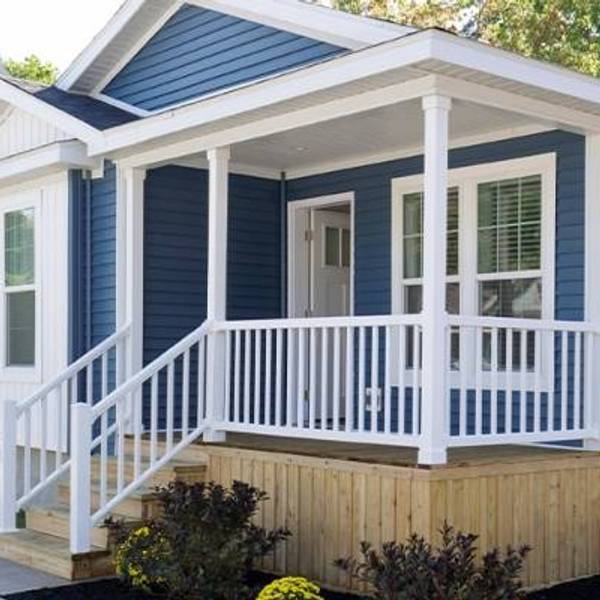

Now that the presidential tickets are set, it's time for the candidates to get specific about problems and solutions critical to our economic recovery and future prosperity. Along with job creation, they should start with Home Opportunity--the cluster of housing, homeownership, and fair lending issues that are so central to the American promise of opportunity for all.
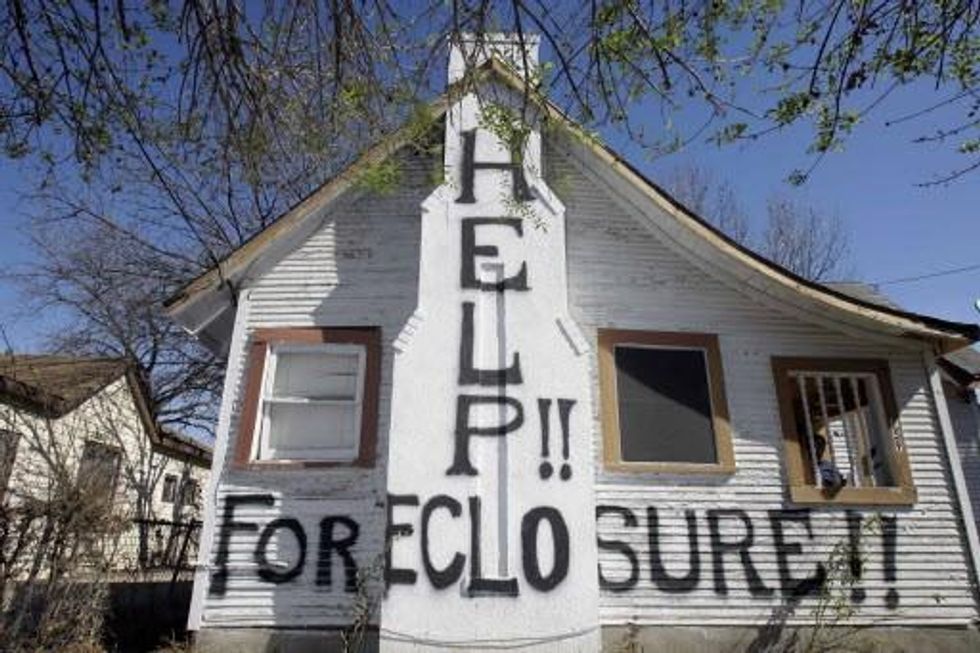
America continues to face a Home Opportunity crisis, with 2 million foreclosure filings this year, and millions more families at risk. That's millions of senior citizens losing their economic security, children and families uprooted, neighborhoods blighted with vacant properties, and a continued drag on our economy.
What's more, unequal opportunity and the discriminatory targeting of communities of color by unscrupulous brokers and lenders means that minority families continue to be especially hard hit. Major discrimination settlements by the Justice Department against Countrywide, Wells Fargo, and other major lenders reveal that, despite the progress we've made as a nation, Americans of color have been especially unlikely to get a fair deal from the banks. That translates to a historic loss of community assets and wealth that hurts us all.
Unlike employment, however, Home Opportunity has received inadequate attention in the general election campaign, despite its undisputed political, as well as economic, importance. For swing states like Florida (with 25,534 new foreclosure filings in July alone) and Nevada (with 26,498 filings), these questions are especially pressing. Amazingly though, neither campaign's homepage includes housing, homeownership or foreclosures among the featured issues.
Early in his campaign, Mitt Romney famously told the Las Vegas Review Journal, "Don't try to stop the foreclosure process. Let it run its course and hit the bottom." Months later, he appeared to shift position, saying in Florida: "The idea that somehow this is going to cure itself by itself is probably not real. There's going to have to be a much more concerted effort to work with the lending institutions and help them take action, which is in their best interest and the best interest of the homeowners."
Romney also said in a Republican debate that government sponsored enterprises (GSEs) Fannie Mae and Freddie Mac--the historic guarantors of the 30-year fixed mortgage for generations of middle class Americans--"were a big part of why we have the housing crisis in the nation that we have." In neither case, however, have specific solutions followed. Romney has, by contrast, called for eliminating the Consumer Financial Protection Bureau and the Dodd-Frank legislation that created it.
As incumbent, President Obama has implemented multiple measures, including the Bureau, the Making Home Affordable program, housing counseling, and joining 49 state attorneys general in a national mortgage settlement with five major banks. (Intriguingly, Republican VP candidate Paul Ryan's constituent services site refers Wisconsans with homeownership woes to the latter three programs for assistance).
Yet, most analysts agree that Making Home Affordable has fallen short of Administration goals, and that the national mortgage settlement, while helpful, does not reach the majority of homeowners who could benefit from its terms. Many argue, in particular, that the President can do more to extend principal reduction--shrinking the principal owed on mortgages to reflect homes' fair market value--to mortgages backed by Fannie and Freddie. And while the Administration outlined three options for the future of those enterprises over a year ago, the President's preferred agenda for them remains unclear.
The Obama Justice Department has been aggressive in settling discrimination suits against major lenders, but Candidate Obama has not discussed the role of discrimination in creating the housing crisis, nor the role of future equal opportunity efforts in solving it.
In short, the candidates, as candidates, have yet to articulate to the American people their respective visions for the future of Home Opportunity. How will each address the lender misconduct and inadequate rules that led to the current crisis? How will each ensure that families with the resources to be successful homeowners are not thwarted by future misconduct, arbitrary restrictions, or a lack of sound information? How will each help rejuvenate neighborhoods devastated by predatory lending and mass foreclosures? And how will each ensure that people of all races, ethnicities, and communities have an equal opportunity to pursue the American Dream?
With the tickets now set, it's the candidates' responsibility to get specific on these questions, so critical to the nation's choice of the next president. As voters, it's our responsibility to demand that they do.
Now that the presidential tickets are set, it's time for the candidates to get specific about problems and solutions critical to our economic recovery and future prosperity. Along with job creation, they should start with Home Opportunity--the cluster of housing, homeownership, and fair lending issues that are so central to the American promise of opportunity for all.
America continues to face a Home Opportunity crisis, with 2 million foreclosure filings this year, and millions more families at risk. That's millions of senior citizens losing their economic security, children and families uprooted, neighborhoods blighted with vacant properties, and a continued drag on our economy.
What's more, unequal opportunity and the discriminatory targeting of communities of color by unscrupulous brokers and lenders means that minority families continue to be especially hard hit. Major discrimination settlements by the Justice Department against Countrywide, Wells Fargo, and other major lenders reveal that, despite the progress we've made as a nation, Americans of color have been especially unlikely to get a fair deal from the banks. That translates to a historic loss of community assets and wealth that hurts us all.
Unlike employment, however, Home Opportunity has received inadequate attention in the general election campaign, despite its undisputed political, as well as economic, importance. For swing states like Florida (with 25,534 new foreclosure filings in July alone) and Nevada (with 26,498 filings), these questions are especially pressing. Amazingly though, neither campaign's homepage includes housing, homeownership or foreclosures among the featured issues.
Early in his campaign, Mitt Romney famously told the Las Vegas Review Journal, "Don't try to stop the foreclosure process. Let it run its course and hit the bottom." Months later, he appeared to shift position, saying in Florida: "The idea that somehow this is going to cure itself by itself is probably not real. There's going to have to be a much more concerted effort to work with the lending institutions and help them take action, which is in their best interest and the best interest of the homeowners."
Romney also said in a Republican debate that government sponsored enterprises (GSEs) Fannie Mae and Freddie Mac--the historic guarantors of the 30-year fixed mortgage for generations of middle class Americans--"were a big part of why we have the housing crisis in the nation that we have." In neither case, however, have specific solutions followed. Romney has, by contrast, called for eliminating the Consumer Financial Protection Bureau and the Dodd-Frank legislation that created it.
As incumbent, President Obama has implemented multiple measures, including the Bureau, the Making Home Affordable program, housing counseling, and joining 49 state attorneys general in a national mortgage settlement with five major banks. (Intriguingly, Republican VP candidate Paul Ryan's constituent services site refers Wisconsans with homeownership woes to the latter three programs for assistance).
Yet, most analysts agree that Making Home Affordable has fallen short of Administration goals, and that the national mortgage settlement, while helpful, does not reach the majority of homeowners who could benefit from its terms. Many argue, in particular, that the President can do more to extend principal reduction--shrinking the principal owed on mortgages to reflect homes' fair market value--to mortgages backed by Fannie and Freddie. And while the Administration outlined three options for the future of those enterprises over a year ago, the President's preferred agenda for them remains unclear.
The Obama Justice Department has been aggressive in settling discrimination suits against major lenders, but Candidate Obama has not discussed the role of discrimination in creating the housing crisis, nor the role of future equal opportunity efforts in solving it.
In short, the candidates, as candidates, have yet to articulate to the American people their respective visions for the future of Home Opportunity. How will each address the lender misconduct and inadequate rules that led to the current crisis? How will each ensure that families with the resources to be successful homeowners are not thwarted by future misconduct, arbitrary restrictions, or a lack of sound information? How will each help rejuvenate neighborhoods devastated by predatory lending and mass foreclosures? And how will each ensure that people of all races, ethnicities, and communities have an equal opportunity to pursue the American Dream?
With the tickets now set, it's the candidates' responsibility to get specific on these questions, so critical to the nation's choice of the next president. As voters, it's our responsibility to demand that they do.
Now that the presidential tickets are set, it's time for the candidates to get specific about problems and solutions critical to our economic recovery and future prosperity. Along with job creation, they should start with Home Opportunity--the cluster of housing, homeownership, and fair lending issues that are so central to the American promise of opportunity for all.
America continues to face a Home Opportunity crisis, with 2 million foreclosure filings this year, and millions more families at risk. That's millions of senior citizens losing their economic security, children and families uprooted, neighborhoods blighted with vacant properties, and a continued drag on our economy.
What's more, unequal opportunity and the discriminatory targeting of communities of color by unscrupulous brokers and lenders means that minority families continue to be especially hard hit. Major discrimination settlements by the Justice Department against Countrywide, Wells Fargo, and other major lenders reveal that, despite the progress we've made as a nation, Americans of color have been especially unlikely to get a fair deal from the banks. That translates to a historic loss of community assets and wealth that hurts us all.
Unlike employment, however, Home Opportunity has received inadequate attention in the general election campaign, despite its undisputed political, as well as economic, importance. For swing states like Florida (with 25,534 new foreclosure filings in July alone) and Nevada (with 26,498 filings), these questions are especially pressing. Amazingly though, neither campaign's homepage includes housing, homeownership or foreclosures among the featured issues.
Early in his campaign, Mitt Romney famously told the Las Vegas Review Journal, "Don't try to stop the foreclosure process. Let it run its course and hit the bottom." Months later, he appeared to shift position, saying in Florida: "The idea that somehow this is going to cure itself by itself is probably not real. There's going to have to be a much more concerted effort to work with the lending institutions and help them take action, which is in their best interest and the best interest of the homeowners."
Romney also said in a Republican debate that government sponsored enterprises (GSEs) Fannie Mae and Freddie Mac--the historic guarantors of the 30-year fixed mortgage for generations of middle class Americans--"were a big part of why we have the housing crisis in the nation that we have." In neither case, however, have specific solutions followed. Romney has, by contrast, called for eliminating the Consumer Financial Protection Bureau and the Dodd-Frank legislation that created it.
As incumbent, President Obama has implemented multiple measures, including the Bureau, the Making Home Affordable program, housing counseling, and joining 49 state attorneys general in a national mortgage settlement with five major banks. (Intriguingly, Republican VP candidate Paul Ryan's constituent services site refers Wisconsans with homeownership woes to the latter three programs for assistance).
Yet, most analysts agree that Making Home Affordable has fallen short of Administration goals, and that the national mortgage settlement, while helpful, does not reach the majority of homeowners who could benefit from its terms. Many argue, in particular, that the President can do more to extend principal reduction--shrinking the principal owed on mortgages to reflect homes' fair market value--to mortgages backed by Fannie and Freddie. And while the Administration outlined three options for the future of those enterprises over a year ago, the President's preferred agenda for them remains unclear.
The Obama Justice Department has been aggressive in settling discrimination suits against major lenders, but Candidate Obama has not discussed the role of discrimination in creating the housing crisis, nor the role of future equal opportunity efforts in solving it.
In short, the candidates, as candidates, have yet to articulate to the American people their respective visions for the future of Home Opportunity. How will each address the lender misconduct and inadequate rules that led to the current crisis? How will each ensure that families with the resources to be successful homeowners are not thwarted by future misconduct, arbitrary restrictions, or a lack of sound information? How will each help rejuvenate neighborhoods devastated by predatory lending and mass foreclosures? And how will each ensure that people of all races, ethnicities, and communities have an equal opportunity to pursue the American Dream?
With the tickets now set, it's the candidates' responsibility to get specific on these questions, so critical to the nation's choice of the next president. As voters, it's our responsibility to demand that they do.