SUBSCRIBE TO OUR FREE NEWSLETTER
Daily news & progressive opinion—funded by the people, not the corporations—delivered straight to your inbox.
5
#000000
#FFFFFF
To donate by check, phone, or other method, see our More Ways to Give page.
Daily news & progressive opinion—funded by the people, not the corporations—delivered straight to your inbox.
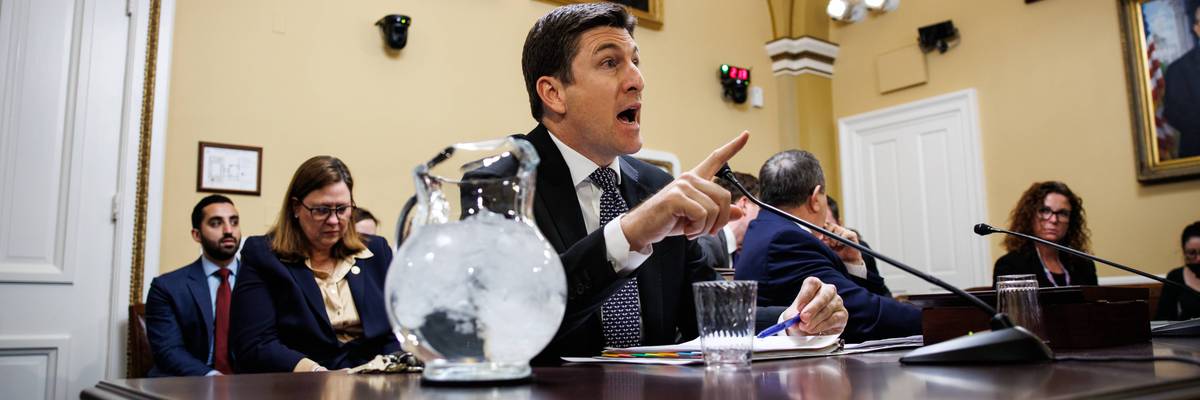
US Rep. Bryan Steil (R-Wis.) speaks during a House Rules Committee meeting on February 10, 2026 in Washington, DC. The House Rules Committee is meeting to consider amendments recently introduced into the Safeguard American Voter Eligibility Act, also known as the SAVE Act.
The SAVE Act would stop millions of American citizens from voting. It would be the most restrictive voting bill ever passed by Congress. It is Trump’s power grab in legislative garb.
For months, we have warned of a drive by President Donald Trump and his administration to undermine the 2026 election. It is unprecedented, outlandish. Now Trump himself is blaring his intent—and over the past week, the public issue has exploded. The fight for a free and fair vote is taking shape, especially after House Republicans on Wednesday night passed the euphemistically named SAVE Act.
Make no mistake: The SAVE Act would stop millions of American citizens from voting. It would be the most restrictive voting bill ever passed by Congress. It is Trump’s power grab in legislative garb.
Effectively, the bill would require Americans to produce a passport or birth certificate to register and thus to vote. Brennan Center research shows that 21 million people lack ready access to these documents. Half of all Americans don’t have a passport, for example. and millions of married women who have changed their names might need to jump through extra hoops to vote.
With passage in the House (not for the first time), it will be up to senators to block it. Senate Minority Leader Chuck Schumer (D-NY) declared it “dead on arrival.” But this time around, a mobilized outside drive is pushing lawmakers to restrict voting. “It must be done or democracy is dead,” instructed Elon Musk. The SAVE Act will not expire quietly, surrounded by loved ones. It’s on all of us to stand up and speak out, once again.
Each time Trump declares that his goal is to “nationalize” the election—not for the greater good, but for his own political interests—the stakes become clearer.
And now we see how it fits into the broader strategy.
In recent days, Trump has repeatedly demanded that Republicans “nationalize” the elections on behalf of his political party. Each time his aides try to clean up his remarks, he doubles down. “A state is an agent for the federal government in elections,” he wrongly insisted.
Constitutionally, that’s upside-down land. The Constitution is unambiguous: States run elections. Presidents have no role.
Congress, appropriately, can enact national legislation. It should use that power to pass national standards to protect the freedom to vote, not restrict it.
Then there’s the appalling abuse of federal law enforcement. We still do not know why Kash Patel’s FBI raided election offices in Fulton County, Georgia nearly two weeks ago. A judge has ordered that the underlying legal papers, secret until now, be released. ProPublica reports the raid may be linked to agitation by a “conservative researcher” who has peddled discredited conspiracy theories.
Intelligence chief-gadfly Tulsi Gabbard showed up at the Atlanta raid. FOMO? Amid Justice Department ducking and a denial by Trump, Gabbard wrote to Congress that in fact the president ordered her to go even though her office plays no part in elections. Now it turns out that Gabbard last year obtained voting machines in Puerto Rico. And Trump’s allies in 2020 claimed that Venezuela’s Hugo Chavez, long dead, had masterminded a plot.
This is comic opera stuff. But it’s deadly serious, too—certainly for the public servants in Fulton County. It all aims to send a message to intimidate election officials around the country. If you preside over an election and we don’t like the result, we may come after you.
Steve Bannon, the Trump strategist who served prison time for defying a congressional subpoena, declared on Tuesday, “We’re going to have ICE surround the polls come November. We’re not going to sit here and allow you to steal the country again.” When we see how politicized and aggressive immigration forces have become, that threat becomes more than a podcaster’s bombast.
Here, the law is clear: That would be a federal crime. My colleague Sean Morales-Doyle explains: “Can the president send troops or ICE agents to polling places? No—both federal and state laws explicitly prohibit the federal government from carrying out these implied threats.” It’s a federal crime to intimidate voters, too.
In coming months, if we see abuses of power like this, what can we all do to ensure that voters have their voice?
So far, we and others have staved off Trump’s worst impulses. After Trump signed an executive order last year purporting to unilaterally rewrite election rules, we sued the administration, and we won. And as the Trump administration continues to sue states for sensitive voter information, courts in California, Michigan, and Oregon have reaffirmed states’ right to refuse.
State and local governments, too, must be ready to act to protect the polls.
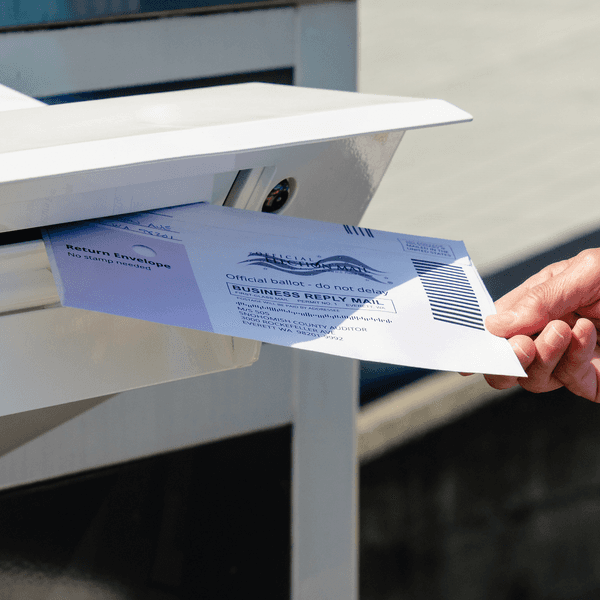
And voters will need to know that, despite all the noise and drama, we can make sure the 2026 elections are free, fair, secure, and, yes, uneventful. It may require voting early or by mail, for example.
In an election year, voting rights advocates often ponder whether pointing to threats risks demobilizing citizens. At some point, warning about voter suppression can accidentally dampen participation.
Not this year, it seems. Each time Trump declares that his goal is to “nationalize” the election—not for the greater good, but for his own political interests—the stakes become clearer. When he wrongly insists American elections are “rigged,” as he did over the weekend, it’s more than bluster. He’s saying the quiet part out loud.
In 2026, the right to vote will demand a fight to vote.
Dear Common Dreams reader, It’s been nearly 30 years since I co-founded Common Dreams with my late wife, Lina Newhouser. We had the radical notion that journalism should serve the public good, not corporate profits. It was clear to us from the outset what it would take to build such a project. No paid advertisements. No corporate sponsors. No millionaire publisher telling us what to think or do. Many people said we wouldn't last a year, but we proved those doubters wrong. Together with a tremendous team of journalists and dedicated staff, we built an independent media outlet free from the constraints of profits and corporate control. Our mission has always been simple: To inform. To inspire. To ignite change for the common good. Building Common Dreams was not easy. Our survival was never guaranteed. When you take on the most powerful forces—Wall Street greed, fossil fuel industry destruction, Big Tech lobbyists, and uber-rich oligarchs who have spent billions upon billions rigging the economy and democracy in their favor—the only bulwark you have is supporters who believe in your work. But here’s the urgent message from me today. It's never been this bad out there. And it's never been this hard to keep us going. At the very moment Common Dreams is most needed, the threats we face are intensifying. We need your support now more than ever. We don't accept corporate advertising and never will. We don't have a paywall because we don't think people should be blocked from critical news based on their ability to pay. Everything we do is funded by the donations of readers like you. When everyone does the little they can afford, we are strong. But if that support retreats or dries up, so do we. Will you donate now to make sure Common Dreams not only survives but thrives? —Craig Brown, Co-founder |
For months, we have warned of a drive by President Donald Trump and his administration to undermine the 2026 election. It is unprecedented, outlandish. Now Trump himself is blaring his intent—and over the past week, the public issue has exploded. The fight for a free and fair vote is taking shape, especially after House Republicans on Wednesday night passed the euphemistically named SAVE Act.
Make no mistake: The SAVE Act would stop millions of American citizens from voting. It would be the most restrictive voting bill ever passed by Congress. It is Trump’s power grab in legislative garb.
Effectively, the bill would require Americans to produce a passport or birth certificate to register and thus to vote. Brennan Center research shows that 21 million people lack ready access to these documents. Half of all Americans don’t have a passport, for example. and millions of married women who have changed their names might need to jump through extra hoops to vote.
With passage in the House (not for the first time), it will be up to senators to block it. Senate Minority Leader Chuck Schumer (D-NY) declared it “dead on arrival.” But this time around, a mobilized outside drive is pushing lawmakers to restrict voting. “It must be done or democracy is dead,” instructed Elon Musk. The SAVE Act will not expire quietly, surrounded by loved ones. It’s on all of us to stand up and speak out, once again.
Each time Trump declares that his goal is to “nationalize” the election—not for the greater good, but for his own political interests—the stakes become clearer.
And now we see how it fits into the broader strategy.
In recent days, Trump has repeatedly demanded that Republicans “nationalize” the elections on behalf of his political party. Each time his aides try to clean up his remarks, he doubles down. “A state is an agent for the federal government in elections,” he wrongly insisted.
Constitutionally, that’s upside-down land. The Constitution is unambiguous: States run elections. Presidents have no role.
Congress, appropriately, can enact national legislation. It should use that power to pass national standards to protect the freedom to vote, not restrict it.
Then there’s the appalling abuse of federal law enforcement. We still do not know why Kash Patel’s FBI raided election offices in Fulton County, Georgia nearly two weeks ago. A judge has ordered that the underlying legal papers, secret until now, be released. ProPublica reports the raid may be linked to agitation by a “conservative researcher” who has peddled discredited conspiracy theories.
Intelligence chief-gadfly Tulsi Gabbard showed up at the Atlanta raid. FOMO? Amid Justice Department ducking and a denial by Trump, Gabbard wrote to Congress that in fact the president ordered her to go even though her office plays no part in elections. Now it turns out that Gabbard last year obtained voting machines in Puerto Rico. And Trump’s allies in 2020 claimed that Venezuela’s Hugo Chavez, long dead, had masterminded a plot.
This is comic opera stuff. But it’s deadly serious, too—certainly for the public servants in Fulton County. It all aims to send a message to intimidate election officials around the country. If you preside over an election and we don’t like the result, we may come after you.
Steve Bannon, the Trump strategist who served prison time for defying a congressional subpoena, declared on Tuesday, “We’re going to have ICE surround the polls come November. We’re not going to sit here and allow you to steal the country again.” When we see how politicized and aggressive immigration forces have become, that threat becomes more than a podcaster’s bombast.
Here, the law is clear: That would be a federal crime. My colleague Sean Morales-Doyle explains: “Can the president send troops or ICE agents to polling places? No—both federal and state laws explicitly prohibit the federal government from carrying out these implied threats.” It’s a federal crime to intimidate voters, too.
In coming months, if we see abuses of power like this, what can we all do to ensure that voters have their voice?
So far, we and others have staved off Trump’s worst impulses. After Trump signed an executive order last year purporting to unilaterally rewrite election rules, we sued the administration, and we won. And as the Trump administration continues to sue states for sensitive voter information, courts in California, Michigan, and Oregon have reaffirmed states’ right to refuse.
State and local governments, too, must be ready to act to protect the polls.
And voters will need to know that, despite all the noise and drama, we can make sure the 2026 elections are free, fair, secure, and, yes, uneventful. It may require voting early or by mail, for example.
In an election year, voting rights advocates often ponder whether pointing to threats risks demobilizing citizens. At some point, warning about voter suppression can accidentally dampen participation.
Not this year, it seems. Each time Trump declares that his goal is to “nationalize” the election—not for the greater good, but for his own political interests—the stakes become clearer. When he wrongly insists American elections are “rigged,” as he did over the weekend, it’s more than bluster. He’s saying the quiet part out loud.
In 2026, the right to vote will demand a fight to vote.
For months, we have warned of a drive by President Donald Trump and his administration to undermine the 2026 election. It is unprecedented, outlandish. Now Trump himself is blaring his intent—and over the past week, the public issue has exploded. The fight for a free and fair vote is taking shape, especially after House Republicans on Wednesday night passed the euphemistically named SAVE Act.
Make no mistake: The SAVE Act would stop millions of American citizens from voting. It would be the most restrictive voting bill ever passed by Congress. It is Trump’s power grab in legislative garb.
Effectively, the bill would require Americans to produce a passport or birth certificate to register and thus to vote. Brennan Center research shows that 21 million people lack ready access to these documents. Half of all Americans don’t have a passport, for example. and millions of married women who have changed their names might need to jump through extra hoops to vote.
With passage in the House (not for the first time), it will be up to senators to block it. Senate Minority Leader Chuck Schumer (D-NY) declared it “dead on arrival.” But this time around, a mobilized outside drive is pushing lawmakers to restrict voting. “It must be done or democracy is dead,” instructed Elon Musk. The SAVE Act will not expire quietly, surrounded by loved ones. It’s on all of us to stand up and speak out, once again.
Each time Trump declares that his goal is to “nationalize” the election—not for the greater good, but for his own political interests—the stakes become clearer.
And now we see how it fits into the broader strategy.
In recent days, Trump has repeatedly demanded that Republicans “nationalize” the elections on behalf of his political party. Each time his aides try to clean up his remarks, he doubles down. “A state is an agent for the federal government in elections,” he wrongly insisted.
Constitutionally, that’s upside-down land. The Constitution is unambiguous: States run elections. Presidents have no role.
Congress, appropriately, can enact national legislation. It should use that power to pass national standards to protect the freedom to vote, not restrict it.
Then there’s the appalling abuse of federal law enforcement. We still do not know why Kash Patel’s FBI raided election offices in Fulton County, Georgia nearly two weeks ago. A judge has ordered that the underlying legal papers, secret until now, be released. ProPublica reports the raid may be linked to agitation by a “conservative researcher” who has peddled discredited conspiracy theories.
Intelligence chief-gadfly Tulsi Gabbard showed up at the Atlanta raid. FOMO? Amid Justice Department ducking and a denial by Trump, Gabbard wrote to Congress that in fact the president ordered her to go even though her office plays no part in elections. Now it turns out that Gabbard last year obtained voting machines in Puerto Rico. And Trump’s allies in 2020 claimed that Venezuela’s Hugo Chavez, long dead, had masterminded a plot.
This is comic opera stuff. But it’s deadly serious, too—certainly for the public servants in Fulton County. It all aims to send a message to intimidate election officials around the country. If you preside over an election and we don’t like the result, we may come after you.
Steve Bannon, the Trump strategist who served prison time for defying a congressional subpoena, declared on Tuesday, “We’re going to have ICE surround the polls come November. We’re not going to sit here and allow you to steal the country again.” When we see how politicized and aggressive immigration forces have become, that threat becomes more than a podcaster’s bombast.
Here, the law is clear: That would be a federal crime. My colleague Sean Morales-Doyle explains: “Can the president send troops or ICE agents to polling places? No—both federal and state laws explicitly prohibit the federal government from carrying out these implied threats.” It’s a federal crime to intimidate voters, too.
In coming months, if we see abuses of power like this, what can we all do to ensure that voters have their voice?
So far, we and others have staved off Trump’s worst impulses. After Trump signed an executive order last year purporting to unilaterally rewrite election rules, we sued the administration, and we won. And as the Trump administration continues to sue states for sensitive voter information, courts in California, Michigan, and Oregon have reaffirmed states’ right to refuse.
State and local governments, too, must be ready to act to protect the polls.
And voters will need to know that, despite all the noise and drama, we can make sure the 2026 elections are free, fair, secure, and, yes, uneventful. It may require voting early or by mail, for example.
In an election year, voting rights advocates often ponder whether pointing to threats risks demobilizing citizens. At some point, warning about voter suppression can accidentally dampen participation.
Not this year, it seems. Each time Trump declares that his goal is to “nationalize” the election—not for the greater good, but for his own political interests—the stakes become clearer. When he wrongly insists American elections are “rigged,” as he did over the weekend, it’s more than bluster. He’s saying the quiet part out loud.
In 2026, the right to vote will demand a fight to vote.