SUBSCRIBE TO OUR FREE NEWSLETTER
Daily news & progressive opinion—funded by the people, not the corporations—delivered straight to your inbox.
5
#000000
#FFFFFF
To donate by check, phone, or other method, see our More Ways to Give page.
Daily news & progressive opinion—funded by the people, not the corporations—delivered straight to your inbox.
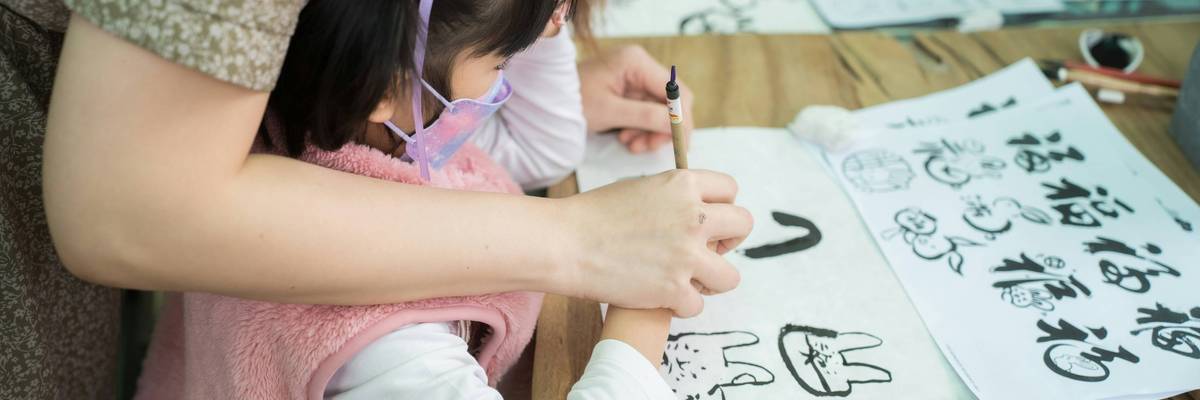
A woman and a little girl write on a piece of paper.
Let us be as committed to peace as the war mongers are to war; they all do it for transaction and money—together let us build a future that serves life with love.
In 1870, Julia Ward Howe penned her “Mother’s Day Proclamation,” calling for peace. Her words still ring with truth, calling us not to raise our children to kill another mother’s child but rather to gather together to “promote the alliance of the different nationalities, the amicable settlement of international questions, the great and general interests of peace.” She wrote this following the ravages and violence of the Civil War, a war like the wars today waged for the needs of the rich. Now the War Economy has consolidated in the hands of the rich to a level never seen in history.
We live deep inside the War Economy—the extractive, destructive, oppressive economy founded upon greedy capitalism and imperialism. With the years-old genocide in Gaza ongoing, the continued dehumanizing blockade of Cuba, and the inhumane and strategically disastrous war on Iran all coinciding, we see how war serves the War Economy. Proof of this violence is served up, ubiquitous and relentless, via our phones, those devices we hold so near and dear to us. The War Economy has mesmerized us into participating in its cynical lullaby: We accept domination, dehumanization, demoralization, cynicism, and apathy as normal and natural, allowing War Economy thinking to pervade everyday interactions with our families, communities, and even our relationship to ourselves. The War Economy knows that, individually, we have little power to stop it. Convincing us that we are alone and powerless is its greatest trick.
These, however, are lies. We know this intuitively. We can understand that the War Economy is trying to lull us into a fugue of forgetfulness of our own nature. How do we remember what care and connection feel like? How can we begin to practice something other than the addictions the war economy forces on us? What experiences that we perceive as normal and natural are just internalized War Economy thinking and behaviors?
The Peace Economy is how humans have survived for millennia; it is how we have served each other and the world since humanity began tens of thousands of years ago. It is how people across the ages and the globe have learned to survive and thrive through the experience of community, collaboration, and connection. It is showing up for the needs of each other with generous and caring hearts. It is the giving, sharing, caring, thriving, relational, resilient economy that serves all life on this planet. Whether we know it or not, it is fundamental to serving life and cultivating peace. We can’t end war until we end the War Economy, so we who desire peace must create a future built on the habits of peace.
What can you choose to practice this week, right where you live? How might you care for others the way a mother might care for her child?
The Peace Economy is rooted in maternal care. When we are born, most of us experience love and connection effortlessly. We are provided for without the need for transactional thinking and relationships. The War Economy lies to us and says we can find love and connection through the purchase of things and transactional relationships. An insidious lie.
Think about it. How do you experience connection and care in your life? How do you experience joy and creativity? How do you play? How do you give of yourself to others and to things that matter to you? When you disconnect from phones and computers and walk out into the more-than-human world, how do you relate to what surrounds and sustains you? None of those things has a purchase price. They are freely given, like a mother’s love.
The War Economy forces addictions on us to survive its abusive thrall. We can break those addictions just by practicing habits of peace and walking through life with the care and connection of a mother’s love. Habits of peace, which we like to call “Pivots to Peace,” build muscles that will help us thrive and participate in the creation of a more beautiful future. It is a way to “mother” the world. A pivot is a commitment you can make on this Mother’s Day, a day hijacked by the War Economy to be one of consumption. Let us be as committed to peace as the war mongers are to war; they all do it for transaction and money—together let us build a future that serves life with love.
Here are some Pivots to Peace.
These are a few of the 23 pivots you can find at peaceeconomy.org. They are offerings to serve you as you take your life away from serving the War Economy and cultivate a future on the foundation of a peace economy. It all starts small and local. Peace-making starts with our circle of influence right around us—in our families and communities—and that is where our personal actions and their impacts are felt and create effect. What can you choose to practice this week, right where you live? How might you care for others the way a mother might care for her child?
What would it look like if peace came alive in your community, connection by connection, family by family, and eroded the grip of the War Economy habits? What if we all remembered the connection and unconditional love given to us as our birthright by our mothers? Remember, we may be just one drop in an ocean of our culture, but oceans are made, drop by drop, little by little, to become the most powerful force in nature. Together, let us be an ocean of peace.
"No matter what you do it will never amount to anything but a single drop in a limitless ocean. What is an ocean but a multitude of drops.”―David Mitchell, Cloud Atlas
Dear Common Dreams reader, It’s been nearly 30 years since I co-founded Common Dreams with my late wife, Lina Newhouser. We had the radical notion that journalism should serve the public good, not corporate profits. It was clear to us from the outset what it would take to build such a project. No paid advertisements. No corporate sponsors. No millionaire publisher telling us what to think or do. Many people said we wouldn't last a year, but we proved those doubters wrong. Together with a tremendous team of journalists and dedicated staff, we built an independent media outlet free from the constraints of profits and corporate control. Our mission has always been simple: To inform. To inspire. To ignite change for the common good. Building Common Dreams was not easy. Our survival was never guaranteed. When you take on the most powerful forces—Wall Street greed, fossil fuel industry destruction, Big Tech lobbyists, and uber-rich oligarchs who have spent billions upon billions rigging the economy and democracy in their favor—the only bulwark you have is supporters who believe in your work. But here’s the urgent message from me today. It's never been this bad out there. And it's never been this hard to keep us going. At the very moment Common Dreams is most needed, the threats we face are intensifying. We need your support now more than ever. We don't accept corporate advertising and never will. We don't have a paywall because we don't think people should be blocked from critical news based on their ability to pay. Everything we do is funded by the donations of readers like you. When everyone does the little they can afford, we are strong. But if that support retreats or dries up, so do we. Will you donate now to make sure Common Dreams not only survives but thrives? —Craig Brown, Co-founder |
In 1870, Julia Ward Howe penned her “Mother’s Day Proclamation,” calling for peace. Her words still ring with truth, calling us not to raise our children to kill another mother’s child but rather to gather together to “promote the alliance of the different nationalities, the amicable settlement of international questions, the great and general interests of peace.” She wrote this following the ravages and violence of the Civil War, a war like the wars today waged for the needs of the rich. Now the War Economy has consolidated in the hands of the rich to a level never seen in history.
We live deep inside the War Economy—the extractive, destructive, oppressive economy founded upon greedy capitalism and imperialism. With the years-old genocide in Gaza ongoing, the continued dehumanizing blockade of Cuba, and the inhumane and strategically disastrous war on Iran all coinciding, we see how war serves the War Economy. Proof of this violence is served up, ubiquitous and relentless, via our phones, those devices we hold so near and dear to us. The War Economy has mesmerized us into participating in its cynical lullaby: We accept domination, dehumanization, demoralization, cynicism, and apathy as normal and natural, allowing War Economy thinking to pervade everyday interactions with our families, communities, and even our relationship to ourselves. The War Economy knows that, individually, we have little power to stop it. Convincing us that we are alone and powerless is its greatest trick.
These, however, are lies. We know this intuitively. We can understand that the War Economy is trying to lull us into a fugue of forgetfulness of our own nature. How do we remember what care and connection feel like? How can we begin to practice something other than the addictions the war economy forces on us? What experiences that we perceive as normal and natural are just internalized War Economy thinking and behaviors?
The Peace Economy is how humans have survived for millennia; it is how we have served each other and the world since humanity began tens of thousands of years ago. It is how people across the ages and the globe have learned to survive and thrive through the experience of community, collaboration, and connection. It is showing up for the needs of each other with generous and caring hearts. It is the giving, sharing, caring, thriving, relational, resilient economy that serves all life on this planet. Whether we know it or not, it is fundamental to serving life and cultivating peace. We can’t end war until we end the War Economy, so we who desire peace must create a future built on the habits of peace.
What can you choose to practice this week, right where you live? How might you care for others the way a mother might care for her child?
The Peace Economy is rooted in maternal care. When we are born, most of us experience love and connection effortlessly. We are provided for without the need for transactional thinking and relationships. The War Economy lies to us and says we can find love and connection through the purchase of things and transactional relationships. An insidious lie.
Think about it. How do you experience connection and care in your life? How do you experience joy and creativity? How do you play? How do you give of yourself to others and to things that matter to you? When you disconnect from phones and computers and walk out into the more-than-human world, how do you relate to what surrounds and sustains you? None of those things has a purchase price. They are freely given, like a mother’s love.
The War Economy forces addictions on us to survive its abusive thrall. We can break those addictions just by practicing habits of peace and walking through life with the care and connection of a mother’s love. Habits of peace, which we like to call “Pivots to Peace,” build muscles that will help us thrive and participate in the creation of a more beautiful future. It is a way to “mother” the world. A pivot is a commitment you can make on this Mother’s Day, a day hijacked by the War Economy to be one of consumption. Let us be as committed to peace as the war mongers are to war; they all do it for transaction and money—together let us build a future that serves life with love.
Here are some Pivots to Peace.
These are a few of the 23 pivots you can find at peaceeconomy.org. They are offerings to serve you as you take your life away from serving the War Economy and cultivate a future on the foundation of a peace economy. It all starts small and local. Peace-making starts with our circle of influence right around us—in our families and communities—and that is where our personal actions and their impacts are felt and create effect. What can you choose to practice this week, right where you live? How might you care for others the way a mother might care for her child?
What would it look like if peace came alive in your community, connection by connection, family by family, and eroded the grip of the War Economy habits? What if we all remembered the connection and unconditional love given to us as our birthright by our mothers? Remember, we may be just one drop in an ocean of our culture, but oceans are made, drop by drop, little by little, to become the most powerful force in nature. Together, let us be an ocean of peace.
"No matter what you do it will never amount to anything but a single drop in a limitless ocean. What is an ocean but a multitude of drops.”―David Mitchell, Cloud Atlas
In 1870, Julia Ward Howe penned her “Mother’s Day Proclamation,” calling for peace. Her words still ring with truth, calling us not to raise our children to kill another mother’s child but rather to gather together to “promote the alliance of the different nationalities, the amicable settlement of international questions, the great and general interests of peace.” She wrote this following the ravages and violence of the Civil War, a war like the wars today waged for the needs of the rich. Now the War Economy has consolidated in the hands of the rich to a level never seen in history.
We live deep inside the War Economy—the extractive, destructive, oppressive economy founded upon greedy capitalism and imperialism. With the years-old genocide in Gaza ongoing, the continued dehumanizing blockade of Cuba, and the inhumane and strategically disastrous war on Iran all coinciding, we see how war serves the War Economy. Proof of this violence is served up, ubiquitous and relentless, via our phones, those devices we hold so near and dear to us. The War Economy has mesmerized us into participating in its cynical lullaby: We accept domination, dehumanization, demoralization, cynicism, and apathy as normal and natural, allowing War Economy thinking to pervade everyday interactions with our families, communities, and even our relationship to ourselves. The War Economy knows that, individually, we have little power to stop it. Convincing us that we are alone and powerless is its greatest trick.
These, however, are lies. We know this intuitively. We can understand that the War Economy is trying to lull us into a fugue of forgetfulness of our own nature. How do we remember what care and connection feel like? How can we begin to practice something other than the addictions the war economy forces on us? What experiences that we perceive as normal and natural are just internalized War Economy thinking and behaviors?
The Peace Economy is how humans have survived for millennia; it is how we have served each other and the world since humanity began tens of thousands of years ago. It is how people across the ages and the globe have learned to survive and thrive through the experience of community, collaboration, and connection. It is showing up for the needs of each other with generous and caring hearts. It is the giving, sharing, caring, thriving, relational, resilient economy that serves all life on this planet. Whether we know it or not, it is fundamental to serving life and cultivating peace. We can’t end war until we end the War Economy, so we who desire peace must create a future built on the habits of peace.
What can you choose to practice this week, right where you live? How might you care for others the way a mother might care for her child?
The Peace Economy is rooted in maternal care. When we are born, most of us experience love and connection effortlessly. We are provided for without the need for transactional thinking and relationships. The War Economy lies to us and says we can find love and connection through the purchase of things and transactional relationships. An insidious lie.
Think about it. How do you experience connection and care in your life? How do you experience joy and creativity? How do you play? How do you give of yourself to others and to things that matter to you? When you disconnect from phones and computers and walk out into the more-than-human world, how do you relate to what surrounds and sustains you? None of those things has a purchase price. They are freely given, like a mother’s love.
The War Economy forces addictions on us to survive its abusive thrall. We can break those addictions just by practicing habits of peace and walking through life with the care and connection of a mother’s love. Habits of peace, which we like to call “Pivots to Peace,” build muscles that will help us thrive and participate in the creation of a more beautiful future. It is a way to “mother” the world. A pivot is a commitment you can make on this Mother’s Day, a day hijacked by the War Economy to be one of consumption. Let us be as committed to peace as the war mongers are to war; they all do it for transaction and money—together let us build a future that serves life with love.
Here are some Pivots to Peace.
These are a few of the 23 pivots you can find at peaceeconomy.org. They are offerings to serve you as you take your life away from serving the War Economy and cultivate a future on the foundation of a peace economy. It all starts small and local. Peace-making starts with our circle of influence right around us—in our families and communities—and that is where our personal actions and their impacts are felt and create effect. What can you choose to practice this week, right where you live? How might you care for others the way a mother might care for her child?
What would it look like if peace came alive in your community, connection by connection, family by family, and eroded the grip of the War Economy habits? What if we all remembered the connection and unconditional love given to us as our birthright by our mothers? Remember, we may be just one drop in an ocean of our culture, but oceans are made, drop by drop, little by little, to become the most powerful force in nature. Together, let us be an ocean of peace.
"No matter what you do it will never amount to anything but a single drop in a limitless ocean. What is an ocean but a multitude of drops.”―David Mitchell, Cloud Atlas